Sedation dentistry for elderly patients involves specialized pharmacological protocols designed to safely manage dental anxiety and physiological stress during oral procedures. Because seniors often present with systemic comorbidities and altered drug metabolism, clinical teams must utilize tailored sedation methods, rigorous medical screening, and continuous vital monitoring to ensure optimal safety and comfort.
Clinical Summary:
Dr. Nguyen Van Cuong emphasizes that geriatric dental sedation requires a delicate clinical balance between achieving adequate anxiolysis and preventing cardiopulmonary depression. The physiological changes inherently associated with aging—such as reduced hepatic clearance, decreased renal function, and increased central nervous system sensitivity—necessitate significantly lower medication dosages and extended monitoring periods. By employing comprehensive preoperative medical assessments and selecting appropriate modalities like nitrous oxide or carefully titrated intravenous sedation, dental professionals can safely facilitate complex, necessary treatments for older adults while minimizing the risk of adverse pharmacological events.
Key Takeaways:
- Elderly patients typically require dose reductions of 30% to 50% for most sedative agents due to altered pharmacokinetics.
- Comprehensive medical history reviews are mandatory to prevent adverse drug interactions with existing daily prescriptions.
- Nitrous oxide and mild oral sedatives are generally considered the safest first-line options for seniors with stable health.
- Continuous monitoring of oxygen saturation, blood pressure, and heart rate is critical throughout the entire dental procedure.
- Post-sedation recovery in older adults takes significantly longer, requiring a dedicated escort and careful at-home monitoring to prevent falls.
Why Elderly Patients Need Special Sedation Protocols
Geriatric patients undergo natural physiological changes that significantly alter how their bodies absorb, metabolize, and excrete sedative medications, making standard adult protocols potentially unsafe without careful modification.
The administration of sedation dentistry in the older adult population is a highly nuanced clinical discipline. As the human body ages, it undergoes a series of progressive physiological transformations that directly impact pharmacokinetics—how the body processes a drug—and pharmacodynamics—how the drug affects the body. For younger, healthier adults, standard dosages of sedatives are metabolized and cleared at predictable rates. However, in geriatric dental sedation, these predictable rates are fundamentally altered, requiring the attending dental anesthesiologist or certified dentist to implement highly customized protocols.[1]
One of the primary physiological changes is a reduction in cardiac output and a subsequent decrease in hepatic (liver) blood flow. The liver is the primary organ responsible for metabolizing most oral and intravenous sedatives, particularly benzodiazepines like midazolam or triazolam. When hepatic blood flow is reduced, the clearance rate of these medications slows down considerably. Consequently, the drug remains active in the patient’s bloodstream for a much longer duration. Furthermore, aging is typically associated with a decrease in the glomerular filtration rate of the kidneys, which impairs the body’s ability to excrete the metabolized byproducts of the sedatives.[2]
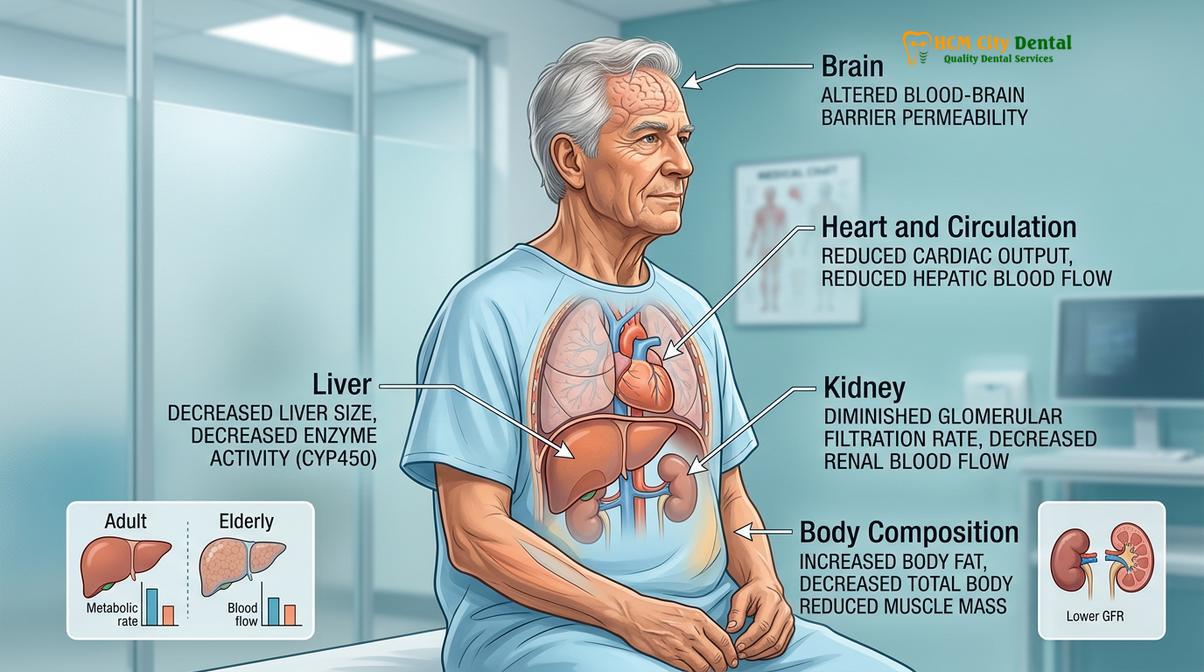
In addition to metabolic and excretory changes, the physical composition of the aging body plays a crucial role in drug distribution. Older adults generally experience an increase in total body fat percentage and a decrease in total body water and lean muscle mass. Because many sedative agents are highly lipid-soluble (lipophilic), they tend to accumulate in the expanded adipose tissue of elderly patients. This creates a “reservoir” effect, where the drug is slowly released back into the bloodstream over time, leading to prolonged sedation and a delayed recovery phase. Understanding these complex variables is essential for managing elderly patient dental anxiety safely.
“The cornerstone of safe sedation in the elderly is the principle of ‘start low and go slow.’ Due to heightened central nervous system sensitivity and altered drug distribution, we must titrate medications meticulously to achieve comfort without compromising respiratory drive.”
Furthermore, the central nervous system of an older adult is inherently more sensitive to the depressant effects of sedatives and anesthetics. Receptors in the brain may exhibit an exaggerated response to standard doses, increasing the risk of over-sedation, respiratory depression, or paradoxical reactions such as unexpected agitation. Therefore, recognizing the signs of dental anxiety and addressing them through precise, conservative pharmacological intervention is paramount to maintaining patient safety during complex dental rehabilitations.
Common Age-Related Dental Challenges
Seniors frequently face complex oral health issues, such as advanced periodontitis, extensive root caries, and tooth loss, which require lengthy and invasive dental procedures that can induce significant physiological stress.
As patients advance in age, they become increasingly susceptible to a specific set of oral health pathologies that often necessitate extensive clinical intervention. Despite lifelong oral hygiene efforts, the cumulative effects of mechanical wear, dietary habits, and systemic health conditions take a toll on the dentition. One of the most prevalent issues is gingival recession, which exposes the vulnerable root surfaces of the teeth. Unlike the enamel-covered crowns, tooth roots are highly susceptible to decay, leading to rapid and aggressive root caries that require complex restorative work.[3]
Periodontal disease is another major challenge in the geriatric population. Chronic inflammation of the gums and supporting bone structures can lead to significant tooth mobility and eventual tooth loss. When multiple teeth are compromised, patients often require comprehensive general dentistry services, including multiple extractions, alveolar bone grafting, and the placement of dental implants or custom prosthetics. These procedures are inherently invasive, time-consuming, and can be physically exhausting for an older individual.
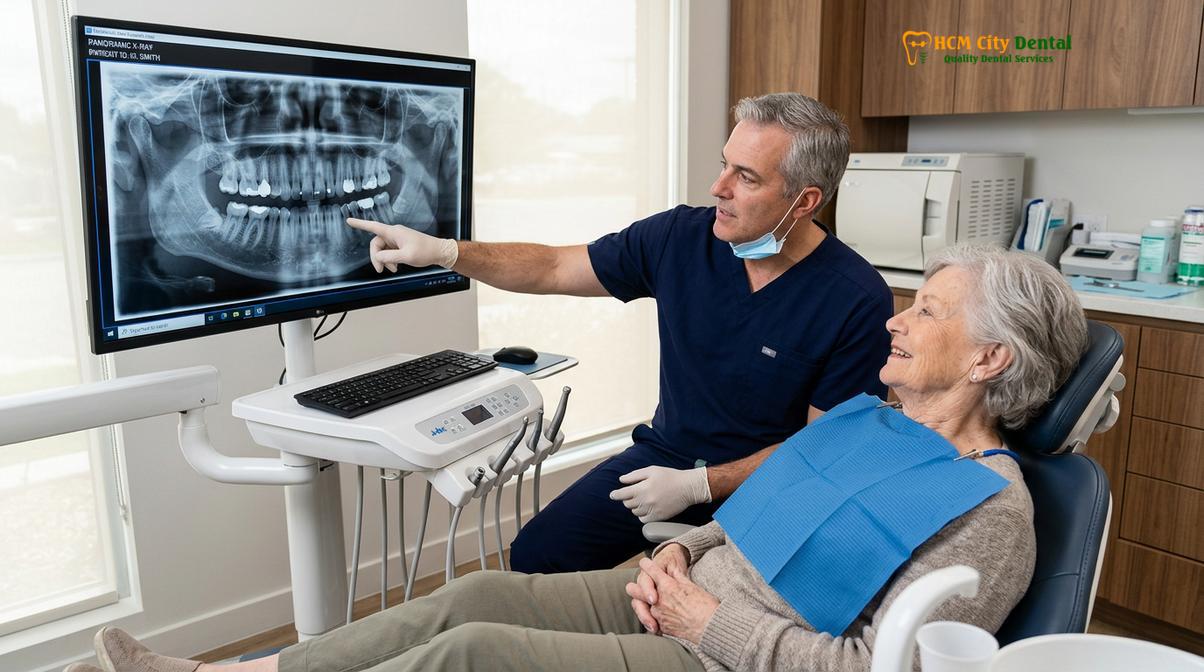
The prospect of enduring long sessions in the dental chair often exacerbates underlying fears, blurring the lines between general apprehension and severe clinical phobia. It is crucial for clinicians to understand the differences between dental phobia and anxiety to tailor their approach. When an elderly patient experiences acute anxiety, their body releases stress hormones like adrenaline and cortisol. This sympathetic nervous system response causes a spike in heart rate and blood pressure—a physiological reaction that can be dangerous for seniors with pre-existing cardiovascular conditions, such as hypertension or a history of ischemic heart disease.[4]
| Geriatric Dental Condition | Clinical Procedure Required | Sedation Indication & Benefit |
|---|---|---|
| Advanced Root Caries | Multiple complex restorations or endodontic therapy | Reduces fatigue during long appointments; controls involuntary movements. |
| Severe Periodontitis | Deep scaling, root planing, or surgical extractions | Alleviates acute anxiety; blunts the hemodynamic stress response. |
| Extensive Edentulism (Tooth Loss) | Full-arch implant placement or bone grafting | Provides deep relaxation and amnesia for highly invasive surgical protocols. |
| Cognitive Decline / Dementia | Routine hygiene or necessary restorative care | Minimizes severe agitation and allows for safe, cooperative treatment. |
By utilizing appropriate dental sedation for seniors, the clinical team can effectively blunt this harmful stress response. Sedation not only ensures the patient remains comfortable and cooperative but also stabilizes their vital signs, creating a safer environment for the dentist to perform meticulous, high-quality restorative or surgical work without the pressure of a distressed patient.
Recommended Sedation Options for Seniors
The safest sedation modalities for older adults include nitrous oxide inhalation, carefully titrated oral conscious sedation, and highly monitored intravenous (IV) sedation, each selected based on the patient’s specific health profile.
Selecting the appropriate sedation modality for an elderly patient is a highly individualized process that depends on the complexity of the dental procedure, the patient’s baseline anxiety level, and their systemic health status. The goal is always to achieve the minimum level of sedation necessary to complete the treatment safely and comfortably. There are three primary modalities utilized in geriatric dental care, each with distinct advantages and clinical considerations.
Nitrous Oxide Inhalation Sedation: Often referred to as “laughing gas,” nitrous oxide is frequently considered the safest first-line sedation option for older adults. Administered through a comfortable nasal mask mixed with pure oxygen, it provides mild anxiolysis and a slight analgesic effect. The primary advantage of nitrous oxide is its rapid onset and equally rapid elimination from the body. Because it is not metabolized in the liver or kidneys, it does not linger in the system, allowing the patient to recover almost immediately after the gas flow is terminated. Furthermore, it has minimal impact on cardiovascular and respiratory function, making it highly suitable for patients with mild to moderate systemic diseases.[5]
Oral Conscious Sedation: For patients requiring a deeper level of relaxation, oral sedation dentistry involves the administration of a prescribed sedative pill, typically a benzodiazepine like triazolam, lorazepam, or diazepam, taken prior to the appointment. While effective, this method requires extreme caution in the elderly. Because of the altered pharmacokinetics discussed earlier, the dosage must be significantly reduced—often by half of the standard adult dose. The clinical team must also account for the delayed onset and prolonged duration of action. Patients utilizing oral sedation will require a responsible escort to bring them to the clinic and monitor them at home, as the cognitive and motor impairments can last for several hours post-treatment.
Clinical Case Review: Geriatric Sedation
A 74-year-old patient presented to HCMC Dental Clinic in Ho Chi Minh City requiring the extraction of three fractured molars and the placement of two dental implants. The patient had a history of controlled hypertension and severe dental anxiety. After a thorough medical consultation, the clinical team opted for a combination of low-dose oral triazolam and continuous nitrous oxide. This customized protocol kept the patient’s blood pressure stable throughout the 90-minute procedure, ensuring a comfortable experience with no adverse cardiovascular events.
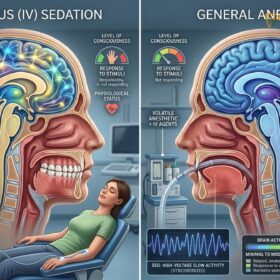
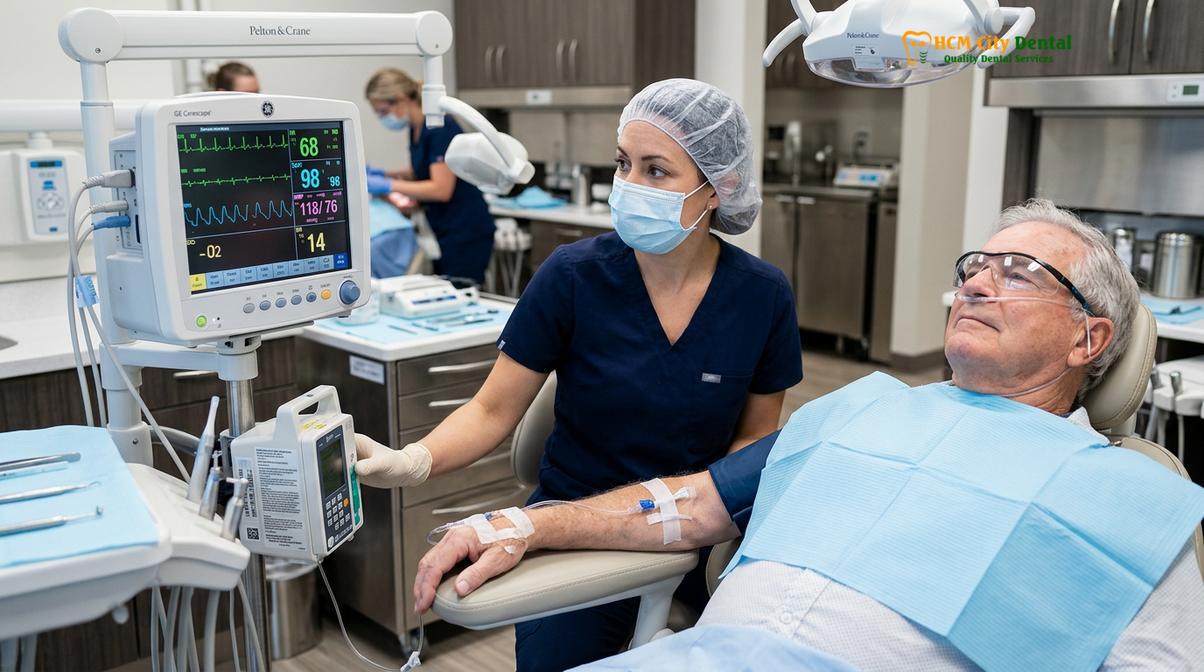
Intravenous (IV) Conscious Sedation: For highly invasive procedures, such as full-arch implant rehabilitations, IV sedation offers the most precise control. Medications like midazolam or propofol are administered directly into the bloodstream, allowing the anesthesiologist to titrate the dose minute-by-minute based on the patient’s real-time physiological response. This method provides profound relaxation and often induces anterograde amnesia, meaning the patient will have little to no memory of the procedure. However, IV sedation in the elderly requires rigorous, continuous monitoring of oxygen saturation (pulse oximetry), end-tidal carbon dioxide (capnography), blood pressure, and cardiac rhythm (ECG) to immediately detect and manage any signs of respiratory depression.
Medical Screening and Drug Interactions
A rigorous preoperative medical evaluation is critical to identify systemic diseases and potential polypharmacy interactions that could complicate the administration of dental sedatives in older adults.
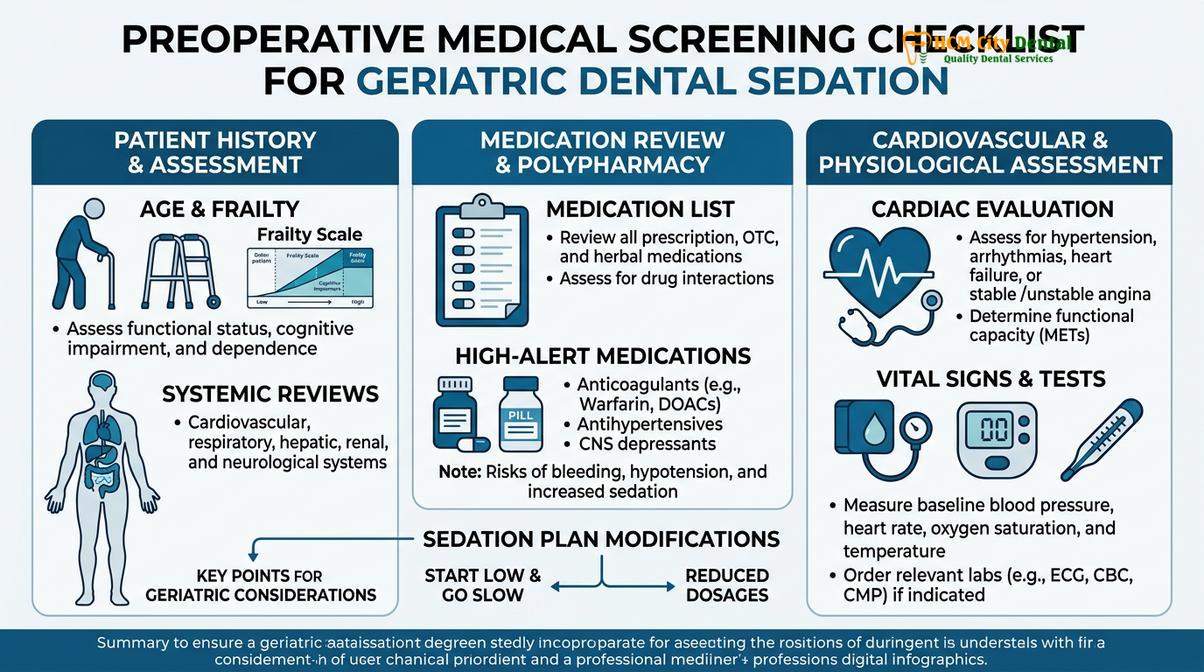
The foundation of safe sedation dentistry for elderly patients is a comprehensive, uncompromising preoperative medical assessment. Unlike younger demographics, seniors frequently present with a complex web of chronic systemic conditions—such as diabetes mellitus, chronic obstructive pulmonary disease (COPD), congestive heart failure, or neurological disorders. The clinical team must evaluate the patient’s physical status using frameworks like the American Society of Anesthesiologists (ASA) classification system to determine if they are an appropriate candidate for outpatient sedation.
One of the most critical aspects of this screening is the management of polypharmacy. It is common for elderly patients to take multiple prescription medications daily, including antihypertensives, anticoagulants, antidepressants, and statins. Many of these medications interact directly with dental sedatives. For example, certain cardiovascular drugs or psychotropic medications can exponentially amplify the central nervous system depressant effects of benzodiazepines, leading to dangerous levels of sedation or respiratory failure. Furthermore, medications that inhibit specific liver enzymes (like cytochrome P450) can prevent the breakdown of sedatives, causing toxic accumulation in the bloodstream.
Important Clinical Warning: Polypharmacy Risks
Patients must provide a complete and updated list of all medications, including over-the-counter supplements and herbal remedies, prior to any sedation appointment. Failure to disclose medications can lead to severe, life-threatening adverse drug interactions during the administration of dental anesthetics and sedatives.
To mitigate these risks, the dental team often collaborates closely with the patient’s primary care physician or cardiologist. Medical clearance may be required before proceeding with treatment. The dentist will also utilize specialized assessment tools, such as the MDAS dental anxiety scale, to quantify the patient’s psychological state and tailor the pharmacological approach accordingly. By identifying potential contraindications early, the team can adjust dosages, select alternative sedative agents, or modify the treatment plan to ensure the highest standard of patient safety.
Recovery and Post-Sedation Care for Elderly
Post-operative recovery for older adults demands extended clinical observation and strict at-home care protocols to prevent falls, confusion, and delayed drug effects.
The recovery phase following geriatric dental sedation is just as critical as the intraoperative period. Because of the prolonged half-life of sedative medications in the aging body, older adults do not “bounce back” as quickly as younger patients. Upon completion of the dental procedure, the patient must remain in a dedicated clinical recovery area under continuous observation. The clinical team will monitor vital signs until the patient meets strict discharge criteria, such as the Aldrete scoring system, which evaluates consciousness, mobility, breathing, and circulation.
A significant concern during the recovery of elderly patients is the risk of postoperative delirium or cognitive dysfunction. The lingering effects of sedatives can cause temporary confusion, memory lapses, and impaired motor coordination. This significantly increases the risk of accidental falls, which can be devastating for seniors with osteoporosis or frailty. Therefore, strict discharge protocols dictate that an elderly patient cannot leave the clinic alone; they must be accompanied by a responsible adult caregiver who can drive them home and monitor them continuously for the next 24 to 48 hours.
“The responsibility of the clinical team does not end when the procedure is finished. Comprehensive post-operative instructions and the presence of a dedicated caregiver are absolute requirements to ensure the patient navigates the extended recovery phase safely.”
Caregivers are provided with detailed written instructions regarding hydration, diet, and the resumption of the patient’s regular daily medications. They are advised to keep the patient resting in a comfortable, familiar environment and to assist them when walking or using the restroom. Interestingly, the meticulous care and gentle approach required for seniors share many clinical parallels with managing dental anxiety in children, as both vulnerable populations rely heavily on the vigilance and support of their guardians and the clinical team to ensure a safe, trauma-free experience.
When to See a Doctor
Immediate medical attention is required if an elderly patient experiences prolonged lethargy, severe breathing difficulties, or acute confusion following a sedation dentistry procedure.
While sedation dentistry is highly effective and generally safe when protocols are strictly followed, it is vital to recognize the signs of potential complications during the recovery period at home. Caregivers should closely monitor the elderly patient for any abnormal reactions. If the patient exhibits signs of severe respiratory depression—such as very shallow breathing, a bluish tint to the lips or fingertips (cyanosis), or an inability to be awakened—emergency medical services must be contacted immediately.
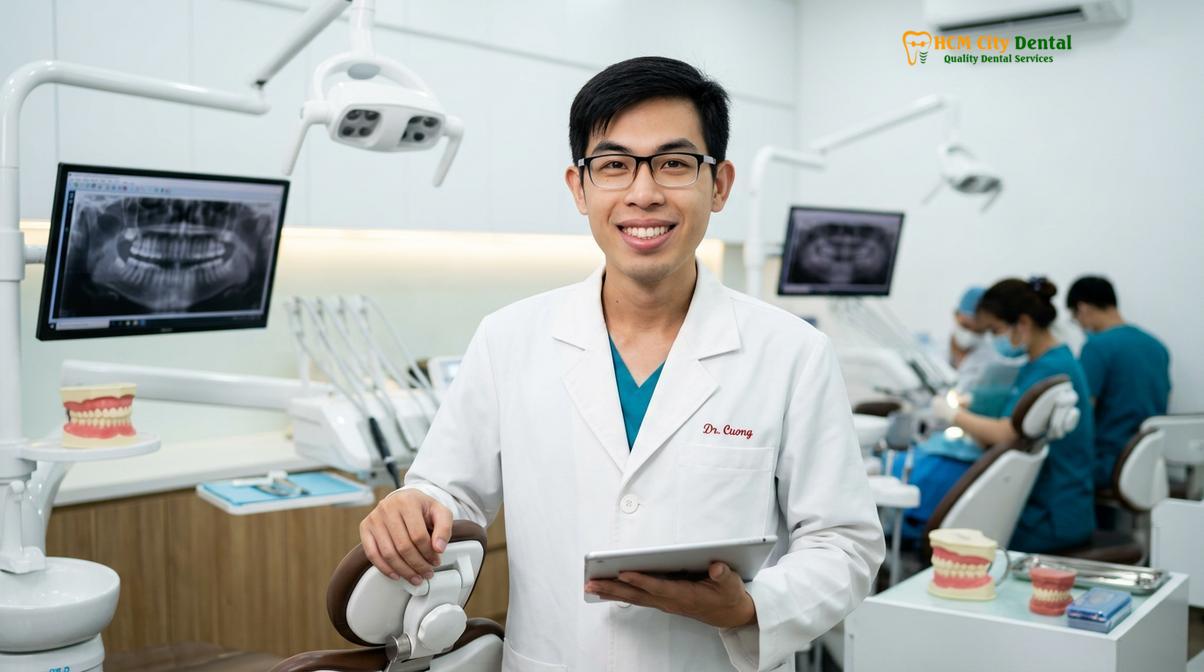
Other symptoms that warrant prompt medical evaluation include persistent nausea and vomiting that prevents hydration, severe dizziness leading to an inability to stand, or acute, uncharacteristic delirium and agitation that does not subside. Dr. Nguyen Van Cuong advises that any comprehensive sedation plan must be preceded by a thorough consultation to discuss these specific risks. If you are considering complex dental treatments for an aging family member, scheduling an evaluation at HCMC Dental Clinic in Ho Chi Minh City is the first step toward ensuring their oral health needs are met with the highest standards of clinical safety and compassionate care.
Frequently Asked Questions
Is sedation dentistry safe for patients over 70?
Yes, sedation dentistry is generally safe for patients over 70 when administered by trained professionals following a rigorous medical evaluation. The clinical team will adjust medication dosages and continuously monitor vital signs to mitigate age-related risks. A comprehensive review of the patient’s medical history, including current medications and systemic conditions, is mandatory to ensure the chosen sedation modality aligns with their physiological capacity and prevents adverse events.
What sedation type is best for elderly patients with heart conditions?
Nitrous oxide inhalation is frequently considered the safest initial option for elderly patients with stable cardiovascular conditions. It provides effective anxiolysis without significantly depressing the cardiovascular or respiratory systems and is rapidly eliminated from the body. For more complex procedures requiring deeper relaxation, carefully titrated intravenous (IV) sedation may be utilized under strict electrocardiogram (ECG) and capnography monitoring to maintain hemodynamic stability throughout the surgery.
How does age affect sedation medication dosage?
Aging significantly alters pharmacokinetics, typically requiring a 30% to 50% reduction in standard sedation medication dosages. Older adults often experience decreased hepatic blood flow, reduced renal clearance, and an increased volume of distribution for lipid-soluble drugs. These physiological changes mean that sedatives remain in the system longer and exert a more profound effect on the central nervous system, necessitating precise, conservative titration by the anesthesiologist.
Can elderly patients with dementia receive dental sedation?
Yes, elderly patients with mild to moderate dementia can often receive dental sedation, provided there is close coordination with their primary care physician and caregivers. Sedation can help manage the severe agitation and confusion that dental environments may trigger in dementia patients. However, the clinical team must carefully select medications that minimize the risk of exacerbating postoperative delirium or cognitive dysfunction during the recovery phase.
What recovery time should elderly patients expect after sedation?
Elderly patients should expect a prolonged recovery time, often requiring 24 to 48 hours for the sedative effects to completely dissipate. Due to slower metabolic clearance, older adults may experience lingering drowsiness, mild confusion, or impaired motor coordination longer than younger patients. It is critical that a responsible adult caregiver remains with the patient during this extended recovery period to prevent falls and monitor hydration.
References
- Journal of the American Dental Association. Pharmacological considerations for sedation in the older adult dental patient. (2021).
- International Journal of Oral and Maxillofacial Surgery. Intravenous conscious sedation protocols for geriatric oral surgery. (2020).
- British Dental Journal. Nitrous oxide inhalation sedation in dentistry: safety profiles in aging populations. (2019).
- Clinical Oral Investigations. Safety and recovery profiles of conscious sedation vs general anesthesia in seniors. (2022).
- Journal of Dental Anesthesia and Pain Medicine. Management of dental anxiety and physiological stress in geriatric patients. (2018).
For pricing, booking, and a free clinical assessment, visit our Sedation Dentistry service page at HCMC Dental Clinic in Ho Chi Minh City.