A comprehensive dental anxiety medications list primarily includes benzodiazepines like diazepam, triazolam, and midazolam, alongside antihistamines such as hydroxyzine. These oral sedatives effectively manage dental fear by depressing the central nervous system, ensuring patients remain calm, relaxed, and cooperative during complex or routine dental procedures.
Clinical Summary:
Pharmacological management of dental anxiety relies on a carefully selected dental anxiety medications list tailored to patient-specific physiological profiles. Benzodiazepines remain the gold standard for moderate to severe phobia, offering anxiolytic, sedative, and amnesic properties. Alternative options, including antihistamines and non-pharmacological adjuncts like nitrous oxide, provide flexible sedation tiers. Clinical protocols emphasize rigorous pre-anesthetic evaluation, continuous intraoperative monitoring, and strict adherence to pharmacokinetic principles to ensure optimal safety and efficacy during dental interventions. Understanding the nuances of these medications allows practitioners to mitigate physiological stress responses, thereby facilitating safer and more efficient dental care.
Key Takeaways:
- Benzodiazepines (diazepam, triazolam, midazolam) are the primary pharmacological agents for managing dental phobia.
- Hydroxyzine serves as a non-habit-forming antihistamine alternative, particularly useful in pediatric dentistry.
- Medication selection depends heavily on the drug’s half-life, onset time, and the anticipated duration of the dental procedure.
- Strict contraindications exist for pregnant patients, individuals with severe respiratory depression, and those taking specific enzyme inhibitors.
- Comprehensive pre-operative medical history screening is mandatory to prevent adverse drug interactions.
Benzodiazepines for Dental Anxiety
Benzodiazepines are the most widely prescribed class of oral sedatives in dentistry, functioning by enhancing GABA receptor activity to produce profound relaxation, anxiety reduction, and anterograde amnesia during dental treatments.
When evaluating a comprehensive dental anxiety medications list, benzodiazepines consistently emerge as the cornerstone of pharmacological intervention. These medications are highly regarded in sedation dentistry due to their predictable pharmacodynamics and wide margin of safety when administered by trained professionals. Benzodiazepines exert their clinical effects by binding to specific allosteric sites on the gamma-aminobutyric acid type A (GABA-A) receptor complex in the central nervous system. This binding increases the frequency of chloride ion channel openings, leading to neuronal hyperpolarization. The resulting depression of the central nervous system manifests clinically as anxiolysis (reduction of anxiety), sedation, skeletal muscle relaxation, and anticonvulsant activity [1].
One of the most significant advantages of utilizing benzodiazepines as dental anti-anxiety drugs is their ability to induce anterograde amnesia. This phenomenon ensures that the patient has little to no memory of the clinical events that occur after the medication takes effect. For patients suffering from severe dental phobia, the inability to recall the sights, sounds, and sensations of the dental drill or local anesthetic injections is profoundly beneficial, often breaking the cycle of fear and avoidance that characterizes dental phobia vs anxiety.
Diazepam (Valium)
Diazepam is one of the oldest and most recognized medications in the benzodiazepine class. It is highly lipophilic, meaning it rapidly crosses the blood-brain barrier, resulting in a relatively quick onset of action when administered orally. However, diazepam is characterized by a very long elimination half-life, often exceeding 40 hours, and it produces active metabolites (such as desmethyldiazepam) that further prolong its clinical effects. Because of this extended duration, diazepam is generally reserved for lengthy, complex dental surgeries rather than routine cleanings. Patients prescribed diazepam must be strictly advised that the sedative effects, including impaired motor coordination and cognitive function, will persist well beyond the conclusion of the dental appointment.
Triazolam (Halcion)
Triazolam is frequently considered the oral sedative of choice for typical dental appointments. Unlike diazepam, triazolam possesses a short half-life (approximately 1.5 to 2.5 hours) and does not produce active metabolites. This pharmacokinetic profile makes it ideal for procedures lasting one to two hours. Patients typically experience profound anxiolysis and amnesia during the procedure but recover relatively quickly afterward, minimizing the “hangover” effect often associated with longer-acting sedatives. Triazolam is highly effective for patients requiring oral sedation dentistry, but its prescription requires careful consideration of potential drug interactions, particularly with medications that inhibit the cytochrome P450 3A4 (CYP3A4) hepatic enzyme system.
“The selection of a specific benzodiazepine must be meticulously matched to the anticipated duration of the dental procedure and the patient’s unique metabolic profile to ensure both profound anxiolysis and a safe, predictable recovery.”
Lorazepam (Ativan)
Lorazepam occupies a middle ground between the short-acting triazolam and the long-acting diazepam. It has an intermediate half-life of about 10 to 20 hours. A unique pharmacological advantage of lorazepam is its metabolic pathway; it undergoes direct glucuronidation in the liver without relying heavily on the cytochrome P450 oxidative enzymes. This makes lorazepam a safer alternative for elderly patients or those with mild hepatic impairment, as its metabolism is less likely to be affected by age-related changes in liver function or concurrent medications. Lorazepam provides excellent amnesia and is often utilized for procedures of moderate duration.
Midazolam (Versed)
While midazolam is most commonly administered intravenously in a clinical setting, it is also available as an oral syrup, which is particularly valuable in pediatric dentistry. Midazolam has a very rapid onset and a short duration of action. When used as an oral premedication for children, it helps facilitate a smooth separation from parents and increases cooperation during the administration of local anesthesia. The use of midazolam requires stringent monitoring protocols, including continuous pulse oximetry, due to its potent respiratory depressant effects [2].
| Medication | Onset of Action (Oral) | Elimination Half-Life | Amnesic Properties | Primary Clinical Use |
|---|---|---|---|---|
| Diazepam (Valium) | 30 – 60 minutes | 20 – 50 hours | Moderate | Long, complex surgical procedures |
| Triazolam (Halcion) | 45 – 60 minutes | 1.5 – 2.5 hours | High | Routine procedures (1-2 hours) |
| Lorazepam (Ativan) | 60 – 120 minutes | 10 – 20 hours | High | Moderate duration, elderly patients |
| Midazolam (Versed) | 10 – 20 minutes | 1.5 – 2.5 hours | High | Pediatric sedation, IV sedation |
Antihistamines (Hydroxyzine) as Alternatives
Hydroxyzine is a first-generation antihistamine that provides mild anxiolytic and sedative effects without the respiratory depression risks associated with stronger sedatives, making it an excellent alternative for mild anxiety or pediatric patients.
While benzodiazepines dominate the landscape of dental sedation, they are not universally appropriate for all patients. For individuals with contraindications to benzodiazepines, or those requiring a milder form of relaxation, first-generation antihistamines serve as valuable medications for dental fear. Hydroxyzine (Vistaril or Atarax) is the most prominent medication in this category utilized in dental practice.
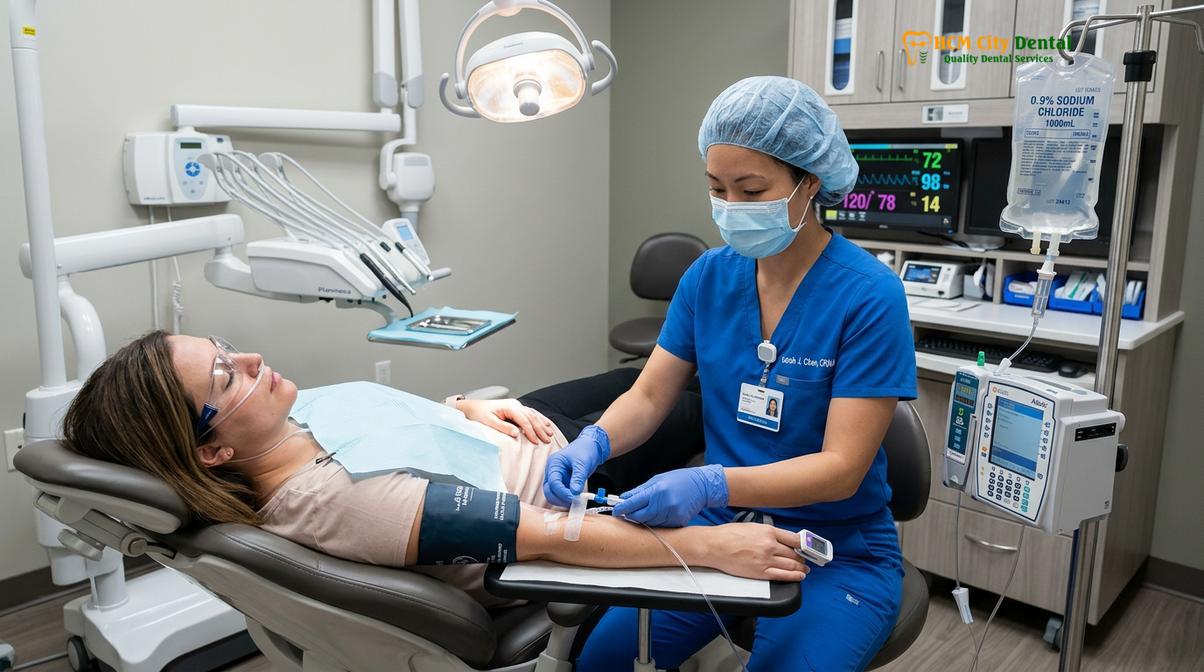
Hydroxyzine functions primarily as a histamine H1-receptor antagonist. However, its ability to cross the blood-brain barrier allows it to exert central nervous system depressant effects, resulting in mild sedation and anxiolysis. Unlike benzodiazepines, hydroxyzine does not cause significant respiratory depression, which provides a wider margin of safety, particularly when managing dental anxiety in children. Furthermore, hydroxyzine possesses antiemetic properties, which can be highly beneficial for patients who experience nausea associated with dental anxiety or those with an exaggerated gag reflex.
Another clinical advantage of hydroxyzine in the dental setting is its anticholinergic effect. Anticholinergic medications competitively inhibit the action of acetylcholine at muscarinic receptors, which clinically manifests as a reduction in salivary and bronchial secretions. A drier oral field is highly advantageous for the dentist, particularly during procedures requiring strict moisture control, such as composite resin restorations or dental impression taking. However, patients should be advised that they will likely experience a dry mouth (xerostomia) post-operatively as a temporary side effect of the medication.
Hydroxyzine is often utilized as a premedication administered the night before a dental appointment to ensure the patient achieves restful sleep, followed by a second dose administered one hour prior to the procedure. While it does not provide the profound amnesia characteristic of benzodiazepines, its mild calming effect is often sufficient for patients with low to moderate dental anxiety symptoms.
Non-Pharmacological Adjuncts
Beyond oral medications, non-pharmacological adjuncts such as nitrous oxide inhalation, cognitive behavioral techniques, and environmental modifications play a critical role in a comprehensive anxiety management protocol.
A holistic approach to managing dental fear extends beyond simply prescribing pills from a dental anxiety medications list. Integrating non-pharmacological adjuncts and inhalation sedation can significantly enhance the efficacy of oral medications or, in some cases, eliminate the need for them entirely. The synergistic use of these modalities represents the highest standard of patient-centric general dentistry.
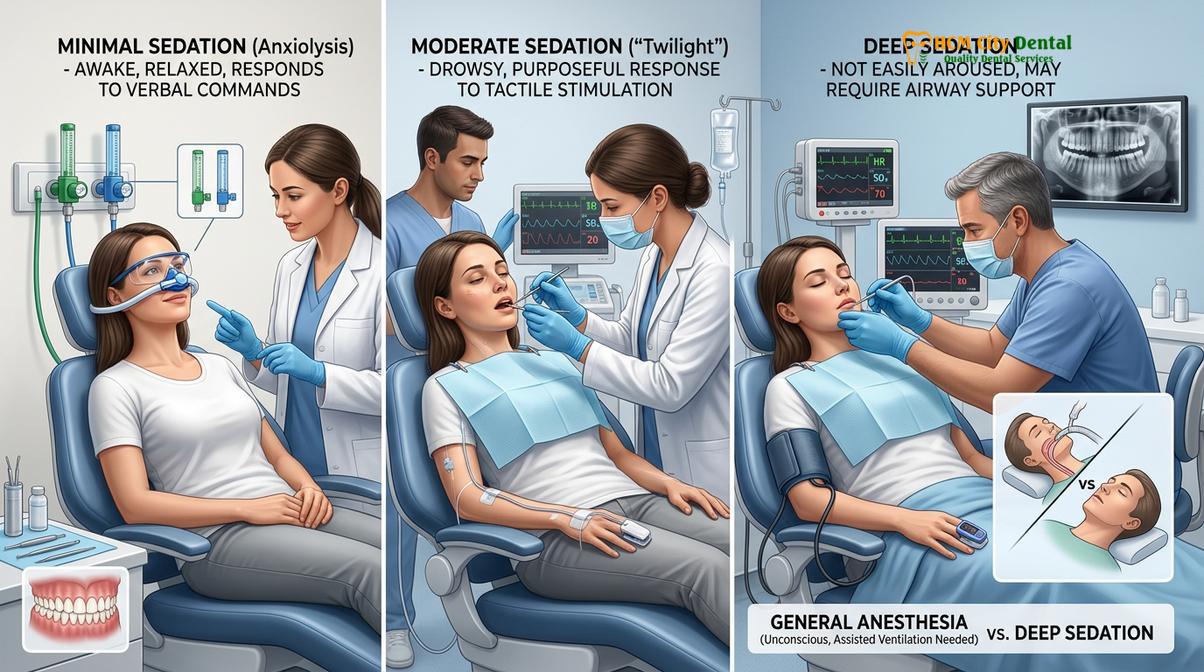
Nitrous Oxide Inhalation Sedation
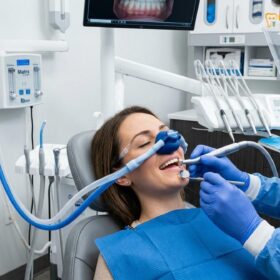
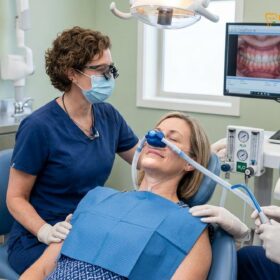
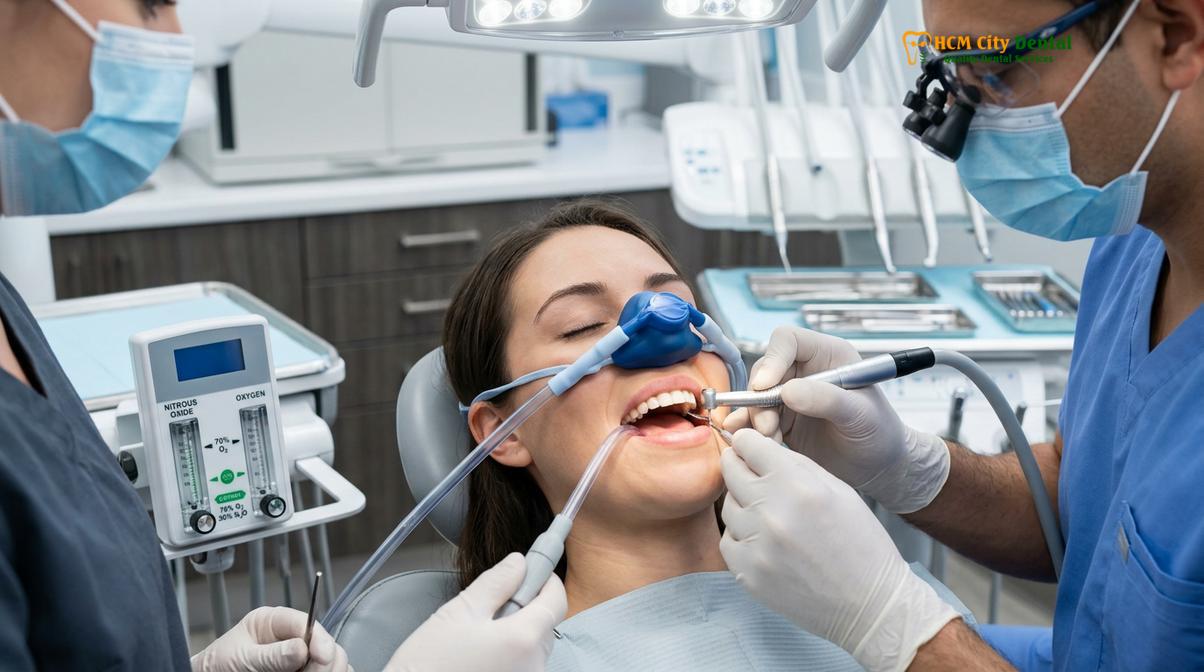
Nitrous oxide (N2O), commonly known as laughing gas, is a colorless, sweet-smelling gas that provides mild conscious sedation and analgesia. When mixed with pure oxygen and inhaled through a nasal hood, nitrous oxide rapidly diffuses across the alveolar membrane into the bloodstream. Its low blood-gas partition coefficient means that it has an exceptionally rapid onset of action (typically within 3 to 5 minutes) and an equally rapid recovery time once the gas flow is terminated [3].
Nitrous oxide is unique among sedatives because its depth can be precisely titrated by the dentist minute-by-minute. If a patient feels too sedated, the concentration of N2O can be immediately decreased. Conversely, if the patient requires more relaxation during a particularly stressful part of the procedure, such as the administration of local anesthesia, the concentration can be increased. At the conclusion of the appointment, the patient is placed on 100% oxygen for several minutes to prevent diffusion hypoxia and flush the remaining nitrous oxide from their system. Unlike oral sedatives, patients who receive only nitrous oxide are generally permitted to drive themselves home.
“The integration of nitrous oxide with behavioral management techniques often provides sufficient anxiolysis for routine procedures, sparing the patient from the prolonged recovery associated with systemic oral sedatives.”
Behavioral and Environmental Interventions
Pharmacological interventions should always be supported by robust behavioral strategies. Techniques to overcome dental fear include the “Tell-Show-Do” method, where the dentist explains the procedure, demonstrates the instruments in a non-threatening manner, and then performs the action. Controlled breathing exercises, progressive muscle relaxation, and guided imagery can also lower a patient’s baseline sympathetic nervous system arousal.
Furthermore, the clinical environment itself plays a crucial role. Modern dental clinics utilize sensory management—such as noise-canceling headphones playing calming music, aromatherapy, and minimizing the visual display of sharp instruments—to reduce environmental triggers that exacerbate phobia. When these behavioral techniques are combined with appropriate dental premedication options, the success rate of completing complex dental treatments increases dramatically.
Drug Interactions and Contraindications
Prescribing oral sedatives requires rigorous evaluation of potential drug interactions, particularly concerning CNS depressants and CYP3A4 enzyme inhibitors, alongside strict contraindications for specific systemic health conditions.
The administration of any pharmacological agent carries inherent risks, and the medications used for dental sedation are no exception. A thorough review of the patient’s comprehensive medical history and current medication list is an absolute clinical necessity to prevent life-threatening adverse events. The primary concern when prescribing central nervous system depressants is the potential for synergistic respiratory depression.
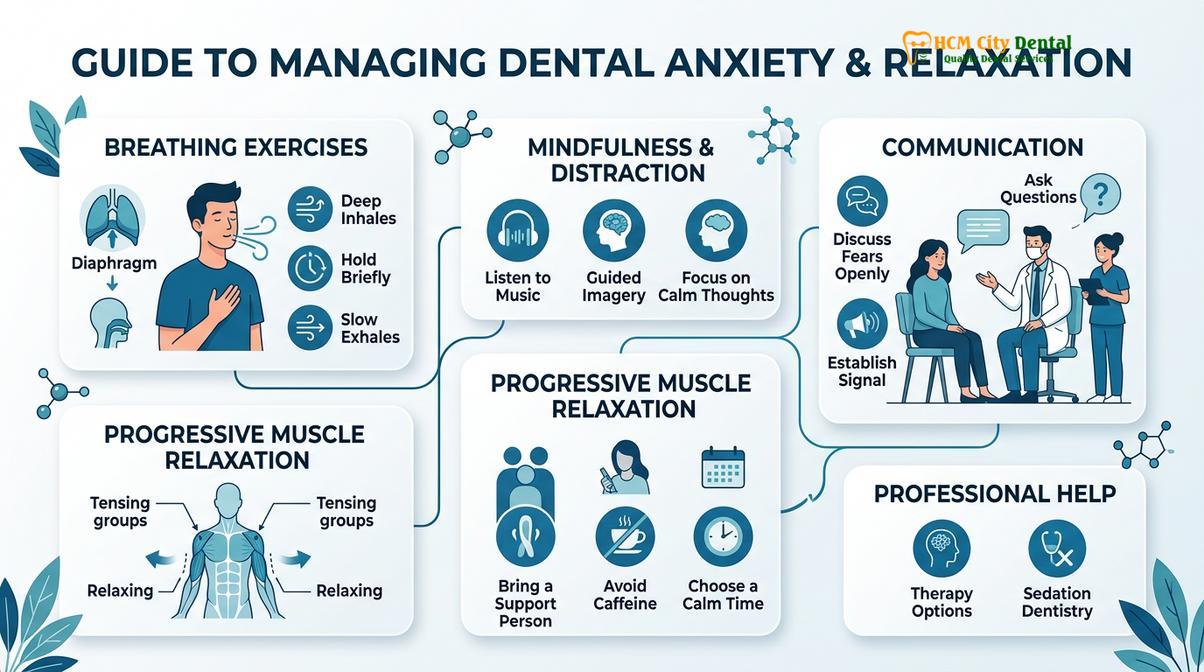
Cytochrome P450 Interactions
Many oral sedatives, particularly triazolam and diazepam, are metabolized in the liver by the cytochrome P450 3A4 (CYP3A4) enzyme system. If a patient is concurrently taking medications that inhibit this enzyme, the metabolism of the dental sedative will be significantly slowed. This leads to elevated plasma concentrations of the sedative, resulting in prolonged and potentially dangerous levels of central nervous system depression. Common CYP3A4 inhibitors include macrolide antibiotics (such as erythromycin and clarithromycin), azole antifungals (such as ketoconazole and itraconazole), certain calcium channel blockers, and even dietary substances like grapefruit juice. Dentists must cross-reference the patient’s medication list to avoid these dangerous pharmacokinetic interactions.
Additive CNS Depression
Combining dental sedatives with other substances that depress the central nervous system can lead to severe respiratory depression, coma, or death. Patients must be strictly instructed to avoid alcohol consumption for at least 24 hours before and after taking oral sedatives. Additionally, concurrent use of prescription opioids, barbiturates, or other psychiatric medications requires careful dosage adjustments and consultation with the prescribing physician.
Clinical Warning: Contraindications for Oral Sedation
Oral sedation is strictly contraindicated in patients presenting with the following conditions:
- Pregnancy: Benzodiazepines can cross the placenta and are associated with teratogenic risks.
- Severe Obstructive Sleep Apnea (OSA): Sedatives relax the upper airway musculature, exacerbating airway collapse and hypoxia.
- Myasthenia Gravis: The muscle-relaxant properties of benzodiazepines can precipitate severe respiratory failure in these patients.
- Narrow-Angle Glaucoma: Anticholinergic effects can dangerously increase intraocular pressure.
Choosing the Right Medication at HCMC Dental
Selecting the appropriate sedative involves a meticulous clinical assessment of the patient’s anxiety level, medical history, and procedure complexity, ensuring a personalized and safe pharmacological approach.
At HCMC Dental Clinic in Ho Chi Minh City, the process of selecting the appropriate agent from the dental anxiety medications list is highly individualized. The clinical workflow begins with a comprehensive pre-anesthetic evaluation. During this consultation, the dental team utilizes validated psychometric tools, such as the Dental Anxiety Scale, to objectively quantify the patient’s level of fear. This objective measurement helps differentiate between mild apprehension and severe, paralyzing phobia.
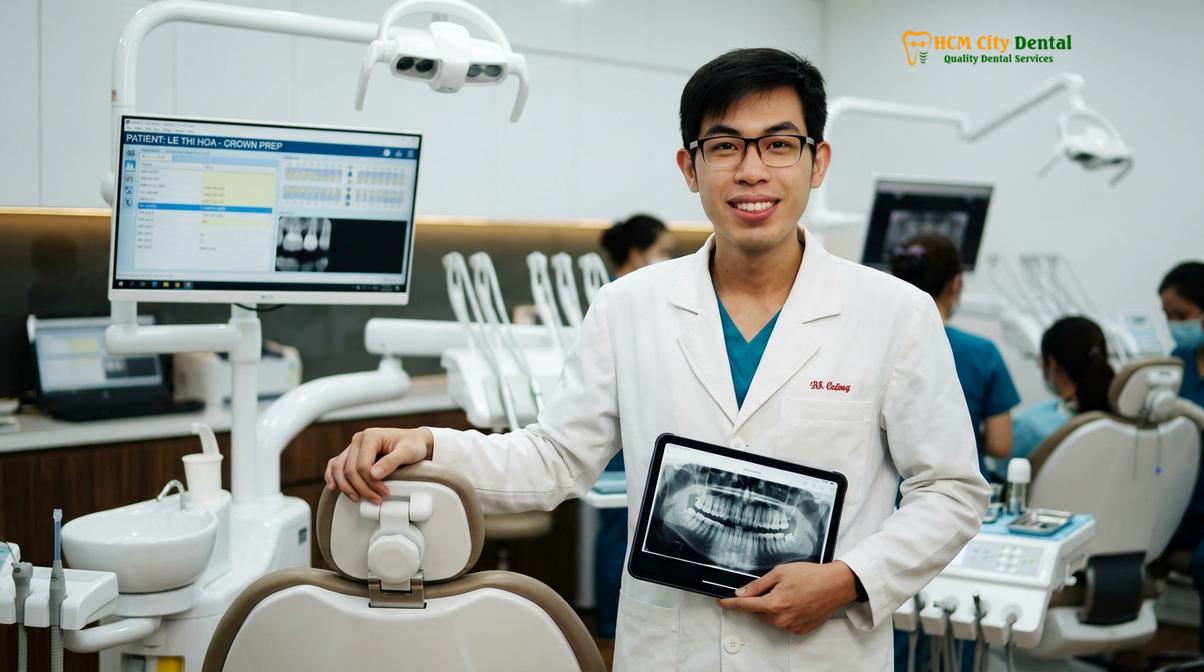
Dr. Nguyen Van Cuong emphasizes that pharmacological intervention must be tailored to the patient’s American Society of Anesthesiologists (ASA) physical status classification. A healthy patient (ASA I) requiring a simple extraction may only need a mild dose of triazolam. In contrast, a patient with controlled systemic disease (ASA II) undergoing full-mouth rehabilitation might require a more nuanced approach, potentially involving a combination of oral premedication and intraoperative nitrous oxide [4].
Clinical Case Review: Managing Severe Phobia
A 45-year-old patient presented to HCMC Dental Clinic in Ho Chi Minh City with severe dental phobia, having avoided dental care for over a decade. The patient required multiple surgical extractions and implant placements. After a thorough medical evaluation by Dr. Nguyen Van Cuong, a customized sedation protocol was established. The patient was prescribed a low dose of diazepam the night before to ensure restful sleep, followed by triazolam one hour prior to the surgery. Continuous pulse oximetry and blood pressure monitoring were utilized throughout the procedure. The patient reported zero memory of the surgical interventions and experienced a smooth, uneventful recovery, demonstrating the efficacy of tailored pharmacological management.
The clinical protocols at HCMC Dental Clinic strictly adhere to international safety standards. Patients receiving oral conscious sedation are continuously monitored using pulse oximetry to measure blood oxygen saturation and heart rate, alongside automated blood pressure cuffs. The clinic is fully equipped with emergency reversal agents, such as flumazenil (a competitive benzodiazepine receptor antagonist), to rapidly reverse sedation in the rare event of an over-response to the medication [5].
When to See a Doctor
While dental anxiety is common, certain situations require medical consultation before proceeding with any form of dental sedation. You should schedule an evaluation with your primary care physician or a medical specialist if you experience any of the following:
- Severe Systemic Disease: If you have uncontrolled hypertension, severe chronic obstructive pulmonary disease (COPD), congestive heart failure, or impaired liver/kidney function, your physician must clear you for sedation.
- Complex Medication Regimens: If you are taking multiple prescription medications, particularly psychiatric drugs, blood thinners, or strong enzyme inhibitors, a medical consultation is necessary to prevent dangerous drug interactions.
- History of Adverse Anesthetic Reactions: If you or a blood relative have a history of severe adverse reactions to anesthesia or sedatives, specialized testing may be required.
- Extreme Psychological Distress: If your dental phobia is accompanied by severe panic attacks, generalized anxiety disorder, or PTSD, a consultation with a mental health professional can provide valuable coping strategies alongside pharmacological support.
Always prioritize transparency with your dental provider regarding your complete medical history to ensure the safest possible treatment outcomes.
Frequently Asked Questions
What is the most commonly prescribed medication for dental anxiety?
The most commonly prescribed medications for dental anxiety are benzodiazepines, specifically Triazolam (Halcion) and Diazepam (Valium). These oral sedatives are highly favored by dental professionals because they effectively depress the central nervous system, providing reliable anxiolysis, muscle relaxation, and anterograde amnesia, which helps patients forget the clinical details of their procedure.
Can I take over-the-counter anxiety medication before a dental visit?
You should never take over-the-counter anxiety medication or herbal supplements before a dental visit without explicit approval from your dentist. OTC products, such as antihistamines or herbal remedies like valerian root, can unpredictably interact with local anesthetics or other clinical sedatives used during your procedure, potentially leading to adverse cardiovascular or respiratory events.
How long before my appointment should I take anti-anxiety medication?
Most oral anti-anxiety medications should be taken approximately 60 minutes before your scheduled dental appointment. This specific timeframe allows the pharmacological agent to be properly absorbed through the gastrointestinal tract, metabolized by the liver, and reach peak plasma concentrations in the bloodstream just as you are seated in the dental chair.
Are dental anxiety medications safe during pregnancy?
Most standard dental anxiety medications, particularly benzodiazepines, are contraindicated and generally considered unsafe during pregnancy. These drugs can cross the placental barrier and potentially affect fetal development. Pregnant patients experiencing severe dental fear should consult their obstetrician and dentist to explore safer, non-pharmacological alternatives or carefully monitored nitrous oxide in specific trimesters.
What happens if I take dental anxiety medication and drive?
Driving after taking dental anxiety medication is strictly prohibited and highly dangerous. These pharmacological agents significantly impair motor skills, delay reaction times, and alter cognitive judgment, similar to severe alcohol intoxication. You must arrange for a responsible adult escort to drive you to the clinic and take you home safely after the procedure.
References
- Journal of Oral and Maxillofacial Surgery. Patient safety in dental sedation and anesthesia. (2021).
- International Journal of Oral and Maxillofacial Surgery. Intravenous conscious sedation protocols for complex oral surgery. (2020).
- British Dental Journal. Nitrous oxide inhalation sedation in dentistry: a review of safety. (2019).
- Journal of the American Dental Association. Patient satisfaction and anxiety levels under conscious sedation. (2022).
- Clinical Oral Investigations. Safety and recovery profiles of conscious sedation vs general anesthesia. (2018).
For pricing, booking, and a free clinical assessment, visit our Sedation Dentistry service page at HCMC Dental Clinic in Ho Chi Minh City.