Sedation for wisdom teeth removal involves administering pharmacological agents—ranging from inhaled nitrous oxide to intravenous (IV) sedation—to eliminate pain and anxiety during extraction. The optimal choice depends on the tooth’s impaction level, surgical complexity, and the patient’s individual anxiety profile.
Clinical Summary:
Wisdom tooth extraction often requires specialized sedation protocols to manage both surgical trauma and patient anxiety effectively. The spectrum of dental anesthesia includes deep local anesthetics for simple eruptions, nitrous oxide for mild apprehension, oral sedatives for moderate fear, and IV conscious sedation for complex bony impactions. Clinical selection prioritizes patient safety, utilizing continuous monitoring of vital signs throughout the surgical intervention. Dr. Nguyen Van Cuong emphasizes that comprehensive pre-operative assessment—including 3D CBCT imaging and a thorough medical history review—is mandatory to determine the safest pharmacological approach. By tailoring the sedation protocol to the individual’s physiological and psychological needs, oral surgeons can ensure optimal surgical access while maintaining a virtually seamless, comfortable, and highly controlled patient experience.
Key Takeaways:
- Local anesthesia blocks pain pathways entirely but leaves the patient fully aware of surgical pressure and ambient sounds.
- Nitrous oxide offers rapid onset and quick recovery, making it an ideal adjunct for mild procedural apprehension.
- Oral conscious sedation provides a deeper relaxation state but requires a designated driver due to prolonged cognitive impairment.
- IV sedation delivers precise, titratable medication directly into the bloodstream, highly recommended for extracting multiple impacted teeth.
- Continuous vital sign monitoring, including pulse oximetry and capnography, is standard clinical protocol for all advanced sedation methods.
Evaluating Anesthesia Choices for Wisdom Teeth Removal
Selecting the appropriate anesthesia for third molar extraction requires a comprehensive clinical evaluation of the tooth’s anatomical position, root morphology, and the patient’s psychological comfort level.
The extraction of third molars, commonly known as wisdom teeth, is one of the most frequently performed surgical procedures in oral and maxillofacial surgery. Because these teeth are the last to develop, they often lack adequate space to erupt properly into the dental arch. This lack of space leads to various degrees of impaction—where the tooth remains partially or completely encased within the jawbone and gingival tissue. The surgical approach required to remove an impacted tooth is inherently more complex than a standard extraction, often necessitating the elevation of a mucoperiosteal flap, the removal of overlying cortical bone, and the sectioning of the tooth itself. Consequently, managing the patient’s comfort and psychological state through appropriate advanced dental extraction protocols is a critical component of the treatment plan.
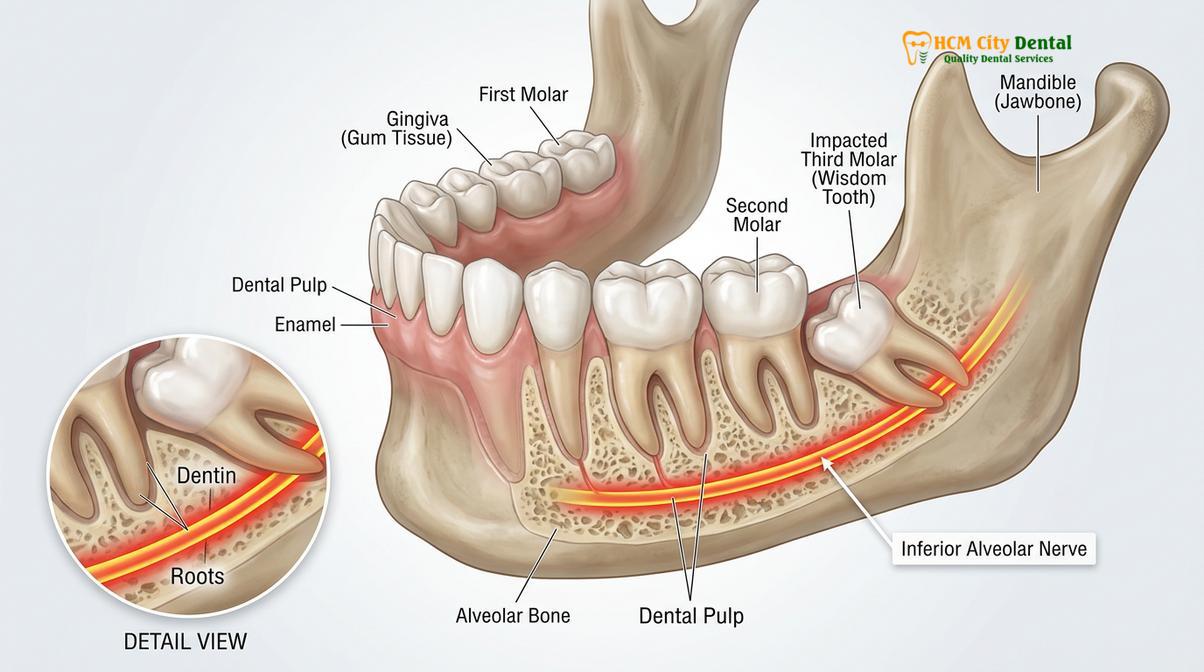
When evaluating the anesthesia choices for sedation wisdom teeth removal, clinicians must consider a multitude of factors. The primary anatomical consideration is the spatial relationship of the wisdom tooth to vital structures, such as the inferior alveolar nerve in the mandible and the maxillary sinus in the upper jaw. A tooth that is deeply impacted horizontally will require significantly more surgical time and manipulation than a tooth that has fully erupted vertically. Furthermore, the patient’s baseline level of dental fear plays a pivotal role. Patients exhibiting severe phobia may experience physiological responses—such as tachycardia and hypertension—that can complicate the surgical environment if not properly managed pharmacologically [1].
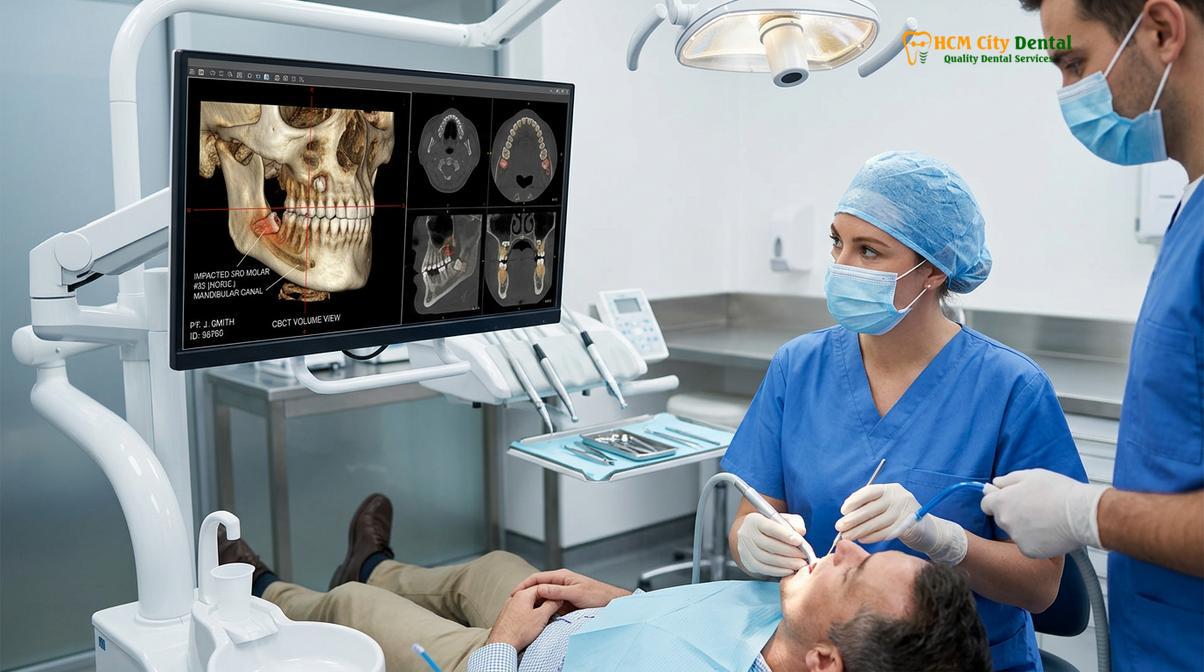
At HCMC Dental Clinic in Ho Chi Minh City, the evaluation process begins with high-resolution 3D Cone Beam Computed Tomography (CBCT). This imaging modality allows the surgical team to visualize the exact root morphology and bone density in three dimensions. Based on this objective data, combined with a thorough review of the patient’s systemic health and anxiety levels, the oral surgeon formulates a customized sedation strategy. The goal is never a one-size-fits-all approach; rather, it is a carefully calibrated continuum of care designed to provide profound analgesia and an appropriate level of central nervous system depression, ensuring the procedure is performed safely and efficiently.
Option 1: Deep Local Anesthesia Only (Best for Erupted Teeth)
Deep local anesthesia utilizes targeted nerve blocks to completely numb the surgical site, making it the preferred, conservative choice for fully erupted, straightforward wisdom teeth.
For patients presenting with wisdom teeth that have fully erupted through the gingival tissue and possess favorable root anatomy, deep local anesthesia is often the most appropriate and conservative pharmacological choice. This method involves the precise injection of anesthetic agents—most commonly Lidocaine or Articaine formulated with a vasoconstrictor like Epinephrine—directly into the tissues surrounding the surgical site. The primary mechanism of action for these agents is the reversible blockade of sodium channels within the nerve membrane, which effectively halts the propagation of pain signals from the surgical site to the brain.
In the mandible, achieving profound anesthesia typically requires an Inferior Alveolar Nerve Block (IANB). This technique targets the nerve before it enters the mandibular foramen, providing comprehensive numbness to the teeth, lower lip, and chin on the injected side. In the maxilla, local infiltration above the apex of the tooth is usually sufficient due to the porous nature of the maxillary bone, which allows the anesthetic solution to diffuse readily to the nerve endings. While local anesthesia is highly effective at eliminating sharp, acute pain, it is crucial for patients to understand that it does not block the sensation of pressure or proprioception. During the extraction, the patient will still feel the physical pushing, pulling, and vibration of the surgical instruments.
“The efficacy of local anesthesia in oral surgery is unparalleled for pain control; however, managing patient expectations regarding the sensation of pressure is essential to prevent psychological distress during the extraction of robust molar roots.”
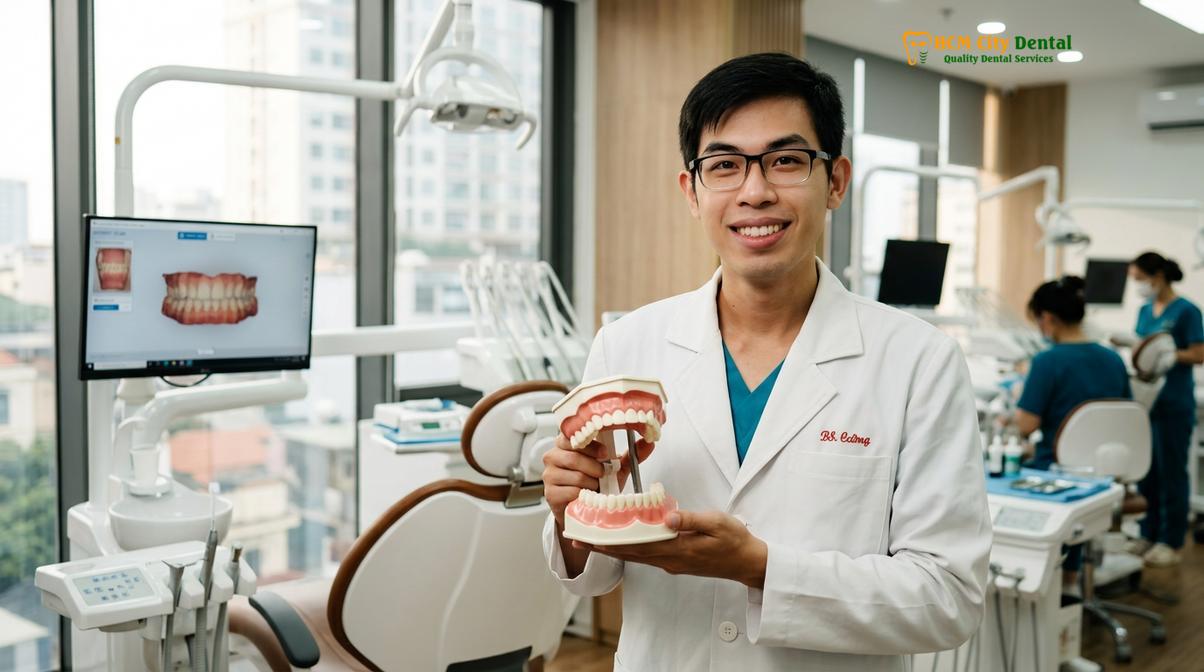
Dr. Nguyen Van Cuong frequently advises patients that while local anesthesia is exceptionally safe and carries the lowest risk of systemic complications, it requires a patient who is psychologically prepared to remain fully conscious and cooperative throughout the procedure. There is no alteration of the patient’s mental state, meaning they will be acutely aware of the clinical environment, including the sounds of the dental handpiece and the voices of the surgical team. For individuals who possess a high pain threshold and minimal anxiety, this straightforward approach allows for an immediate return to normal cognitive function and eliminates the need for a post-operative escort [2].
Option 2: Nitrous Oxide (Laughing Gas) for Mild Anxiety
Nitrous oxide is a mild, inhaled sedative that rapidly induces a state of relaxed euphoria, offering an excellent adjunct to local anesthesia for patients with mild procedural apprehension.
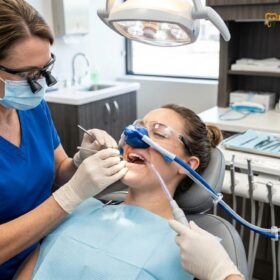
For patients who require a minor psychological buffer to tolerate the clinical environment, nitrous oxide—commonly referred to as laughing gas—serves as an outstanding first-tier sedation modality. Administered via a comfortable nasal hood, nitrous oxide is a colorless, sweet-smelling gas that is blended with pure oxygen. As the patient inhales the mixture, the gas rapidly crosses the alveolar membrane in the lungs and enters the bloodstream, reaching the brain within minutes. The pharmacological effect is a mild depression of the central nervous system, resulting in a state of conscious relaxation, mild euphoria, and a diminished perception of time.
One of the most significant advantages of laughing gas wisdom teeth removal is its precise titratability. The clinician can adjust the concentration of the gas in real-time based on the patient’s physiological feedback and comfort level. If the patient feels too drowsy or, conversely, not relaxed enough, the flow rate can be altered with immediate clinical effect. Furthermore, nitrous oxide possesses mild analgesic properties, which can raise the patient’s pain threshold and make the subsequent administration of local anesthetic injections significantly more comfortable.
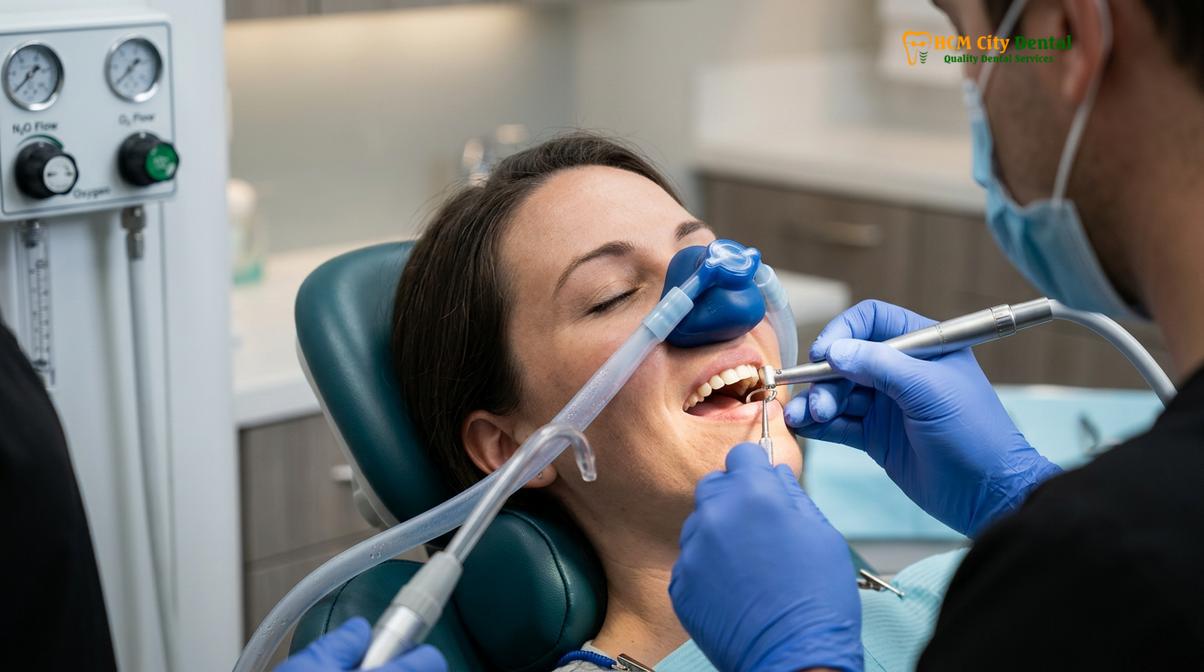
The safety profile of nitrous oxide is exceptionally high, provided it is administered with a fail-safe system that guarantees a minimum delivery of 30% oxygen to prevent hypoxia. Throughout the procedure, the patient remains fully awake, capable of responding to verbal commands, and maintains all protective airway reflexes. This level of sedation is particularly effective for managing mild dental anxiety where the primary goal is to take the edge off the experience rather than induce sleep [3].
Equally advantageous is the rapid recovery phase. Once the surgical extraction is complete, the nitrous oxide flow is terminated, and the patient is placed on 100% pure oxygen for approximately five minutes. This oxygen flush rapidly displaces the nitrous oxide from the bloodstream and lungs, reversing the sedative effects entirely. Because there is no residual cognitive impairment or “hangover” effect, patients can safely drive themselves home and resume their normal daily activities immediately, making it a highly convenient option for busy individuals.
Option 3: Oral Conscious Sedation for Moderate Fear
Oral conscious sedation involves administering prescription benzodiazepines prior to surgery, significantly depressing the central nervous system to manage moderate dental phobia effectively.
When a patient’s fear of dental procedures escalates beyond mild apprehension to moderate phobia, oral conscious sedation provides a deeper, more profound level of relaxation. This modality, often referred to colloquially as sleep dentistry wisdom teeth removal, involves the oral administration of sedative-hypnotic medications—typically from the benzodiazepine family, such as Triazolam (Halcion), Diazepam (Valium), or Lorazepam (Ativan). These medications function by enhancing the effect of gamma-aminobutyric acid (GABA), an inhibitory neurotransmitter in the brain, which effectively dampens the excitability of the nervous system.
The clinical protocol for oral sedation dentistry protocols usually requires the patient to ingest the prescribed medication approximately one hour prior to the scheduled surgery. As the medication is absorbed through the gastrointestinal tract, the patient gradually transitions into a state of deep relaxation and drowsiness. While the patient remains technically conscious and capable of breathing independently, their response to environmental stimuli is significantly blunted. They may fall into a light sleep during the procedure but can be easily awakened by a gentle shake or verbal prompt.
Clinical Precaution: Oral sedatives cause significant anterograde amnesia and delayed motor function recovery. Patients utilizing this method must arrange for a responsible adult to drive them to and from the clinic, and they should avoid operating machinery or making critical decisions for at least 24 hours post-surgery.
A highly beneficial side effect of benzodiazepines in the context of oral surgery is anterograde amnesia. This means that the patient will have very little, if any, memory of the sights, sounds, or sensations of the extraction procedure once the medication takes effect. This amnesic property is invaluable for preventing the reinforcement of dental trauma in highly anxious individuals. However, because the absorption rate of oral medications can vary significantly based on a patient’s metabolism, gastric emptying time, and body mass, the depth of sedation is less predictable and cannot be rapidly altered once the pill is ingested [4].
Due to the profound central nervous system depression achieved with oral conscious sedation, continuous clinical monitoring is mandatory. The surgical team will utilize pulse oximetry to track oxygen saturation and heart rate, ensuring the patient’s physiological parameters remain stable throughout the extraction of the wisdom teeth.
Option 4: IV Conscious Sedation (Best for 4 Impacted Teeth)
Intravenous conscious sedation delivers titratable sedatives directly into the bloodstream, providing profound relaxation and amnesia, making it the gold standard for extracting multiple impacted wisdom teeth.
For complex surgical cases—such as the simultaneous extraction of all four impacted wisdom teeth, or for patients suffering from severe dental phobia—intravenous (IV) conscious sedation is widely considered the gold standard of care. Also known as wisdom tooth extraction twilight anesthesia, this advanced modality involves the administration of sedative and analgesic medications directly into the patient’s venous system. The intravenous route bypasses the digestive tract, allowing for an almost instantaneous onset of action and providing the anesthesiologist or certified oral surgeon with unparalleled control over the depth of sedation.
The pharmacological agents utilized in IV sedation typically include a fast-acting benzodiazepine like Midazolam (Versed) for its potent anxiolytic and amnesic properties, often combined with a narcotic analgesic like Fentanyl to elevate the pain threshold and reduce the amount of local anesthetic required. In some advanced clinical settings, Propofol may be used via a continuous infusion pump to maintain a highly stable and easily reversible state of deep sedation. Because the medications are delivered intravenously, the clinician can titrate the dose minute-by-minute, deepening the sedation during the more stimulating portions of the surgery (such as bone removal) and lightening it during the suturing phase.
Under IV conscious sedation, the patient enters a state of profound tranquility. While they are not completely unconscious as they would be under general anesthesia—meaning they maintain their own airway and breathe independently—they are entirely unaware of the surgical intervention. The anterograde amnesia is virtually absolute; patients routinely report feeling as though they closed their eyes for a brief moment, only to open them and find the procedure completed. This makes the iv sedation wisdom teeth cost a highly worthwhile investment for patients who wish to entirely bypass the psychological stress of a lengthy surgical appointment [5].
Clinical Case Example: A 22-year-old patient presented to HCMC Dental Clinic in Saigon with four horizontally impacted third molars and severe clinical anxiety. Utilizing IV conscious sedation with continuous capnography and ECG monitoring, the surgical team successfully sectioned and extracted all four teeth in under 60 minutes. The patient awoke comfortably with zero recall of the surgical trauma, demonstrating the efficacy of tailored intravenous protocols for complex impactions.
Safety is paramount during IV sedation. The clinical environment must be equipped with advanced monitoring technology, including continuous electrocardiography (ECG), non-invasive blood pressure cuffs, pulse oximetry, and capnography (to measure end-tidal carbon dioxide). The surgical team must be rigorously trained in advanced airway management and emergency protocols to ensure the highest standard of patient care.
Comparing Recovery Timelines and Safety Protocols in Saigon
Post-operative recovery and clinical safety protocols vary significantly depending on the depth of sedation administered, necessitating strict adherence to discharge criteria and home care instructions.
Understanding the recovery trajectory is a critical component of the informed consent process. The physiological clearance of sedative agents dictates not only how the patient will feel immediately following the surgery but also the logistical arrangements required for their safe transport and home care. At HCMC Dental Clinic, discharge criteria are strictly enforced; no patient receiving advanced sedation is permitted to leave the facility until they meet specific physiological benchmarks, including stable vital signs, intact protective reflexes, and the ability to ambulate with minimal assistance.
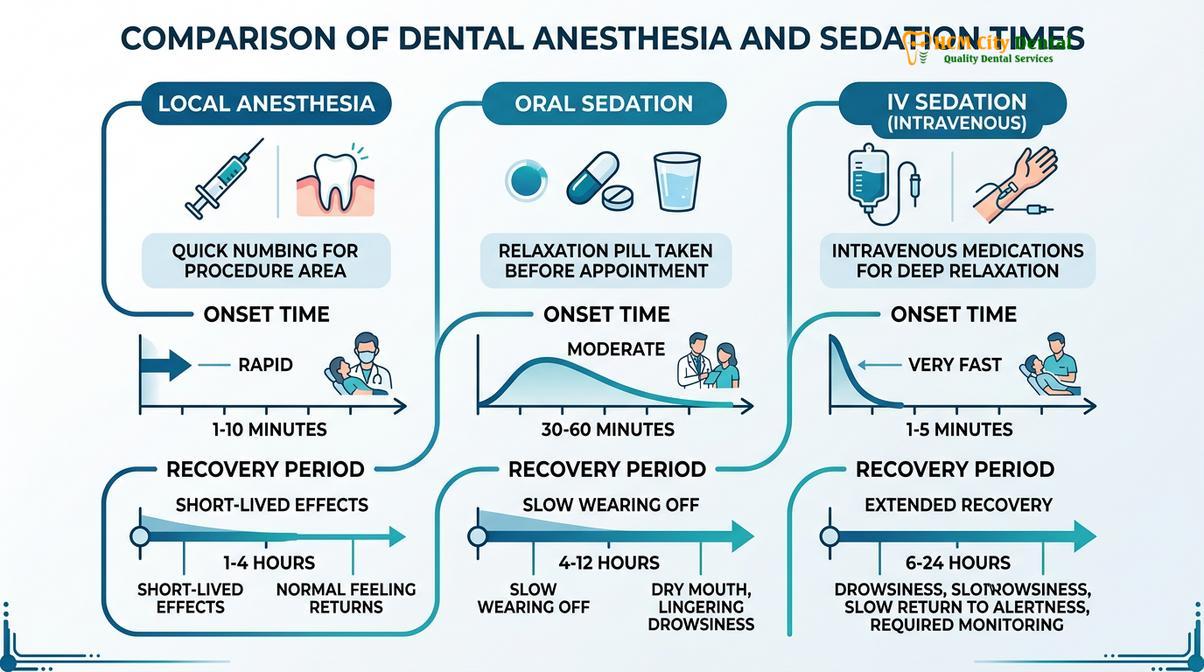
The following table outlines the clinical characteristics and recovery expectations for the primary sedation modalities utilized in wisdom tooth extraction:
| Sedation Modality | Onset Time | Amnesia Level | Clinical Recovery Time | Best Suited For |
|---|---|---|---|---|
| Local Anesthesia Only | 3 – 5 minutes | None | Immediate (Numbness lasts 2-4 hrs) | Fully erupted teeth, low anxiety |
| Nitrous Oxide (Gas) | 2 – 3 minutes | Minimal | 5 – 10 minutes (Can drive home) | Mild apprehension, simple extractions |
| Oral Conscious Sedation | 45 – 60 minutes | Moderate to High | 12 – 24 hours (Requires escort) | Moderate phobia, single impactions |
| IV Conscious Sedation | 1 – 2 minutes | Profound (Complete) | 24 hours (Requires escort) | Multiple impactions, severe phobia |
Regardless of the sedation method chosen, the localized recovery of the surgical site remains consistent. Patients must adhere to strict post-operative instructions to facilitate proper blood clot formation and tissue healing. This includes avoiding strenuous physical activity, refraining from smoking or using straws, and maintaining a soft diet for the first few days. Recognizing the physiological symptoms of dental fear prior to surgery allows the clinical team to preemptively address concerns, ensuring that the patient’s recovery is not complicated by elevated stress hormones, which can impede the healing cascade.
When to See a Doctor for Wisdom Tooth Complications
While the pharmacological management of pain and anxiety during the procedure is highly controlled, patients must remain vigilant during the home recovery phase. The extraction of impacted wisdom teeth involves significant manipulation of hard and soft tissues, which naturally results in post-operative swelling, bruising, and discomfort. However, certain clinical signs indicate a deviation from normal healing and require immediate professional evaluation.
Patients should contact their oral surgeon if they experience severe, throbbing pain that radiates to the ear or neck and is not alleviated by prescribed analgesics. This is a hallmark symptom of alveolar osteitis, commonly known as dry socket, which occurs when the protective blood clot is prematurely dislodged or dissolves. Additionally, any signs of systemic infection—such as a persistent fever, localized pus discharge from the extraction site, or swelling that continues to worsen beyond the third post-operative day—warrant prompt clinical intervention.
“Vigilant post-operative monitoring by the patient is just as critical as the surgical execution. Early identification of localized infection or altered nerve sensation allows for rapid clinical intervention, preventing minor complications from evolving into severe systemic issues.”
Furthermore, if the patient experiences prolonged numbness, tingling, or a “pins and needles” sensation in their lower lip, chin, or tongue that persists well beyond the expected duration of the local anesthetic, they must report this immediately. This paresthesia may indicate inflammation or trauma to the inferior alveolar or lingual nerves. By utilizing strategies to overcome dental fear, patients can maintain open, honest communication with their surgical team, ensuring that any post-operative concerns are addressed swiftly and effectively.
Frequently Asked Questions
Do they put you to sleep for wisdom teeth removal in Vietnam?
No, general anesthesia where you are completely unconscious is rarely required for routine extractions. Most clinics in Vietnam utilize conscious sedation methods, such as IV sedation or oral sedatives, which keep you deeply relaxed and unaware of pain while maintaining your own airway reflexes. This approach significantly reduces the systemic risks associated with general anesthesia while providing an amnesic effect, meaning you will likely remember very little of the surgical procedure.
Is IV sedation worth it for extracting wisdom teeth?
Yes, IV sedation is highly recommended when extracting multiple impacted wisdom teeth or for patients with severe dental phobia. Because the medication is administered directly into the bloodstream, the oral surgeon can precisely titrate the dosage to ensure profound relaxation and immediate pain control. The amnesic properties of the sedatives also prevent psychological trauma, making a complex, hour-long surgical procedure feel as though it lasted only a few minutes.
Can I choose laughing gas for removing wisdom teeth?
Yes, nitrous oxide is an excellent option for patients undergoing simple, fully erupted wisdom tooth extractions who experience mild apprehension. Laughing gas wisdom teeth removal provides a rapid onset of euphoria and relaxation without inducing sleep. Because the gas is flushed from your system within minutes of breathing pure oxygen at the end of the procedure, you can safely drive yourself home, making it a highly convenient choice for straightforward cases.
How long after wisdom teeth sedation can I eat?
You should wait until the local anesthesia has completely worn off—typically two to four hours—before attempting to eat, to prevent accidental biting of your numb lips, cheeks, or tongue. Once sensation returns, begin with a strictly liquid or soft food diet, such as lukewarm broth, yogurt, or applesauce. Avoid using straws, as the suction can dislodge the blood clot and cause a painful condition known as dry socket.
What is the cost of removing 4 wisdom teeth under sedation in HCMC?
The iv sedation wisdom teeth cost in Ho Chi Minh City varies based on the complexity of the bony impactions, the specific pharmacological agents used, and the duration of the surgery. Currently, comprehensive packages that include 3D CBCT imaging, surgical extraction of all four third molars, and intravenous conscious sedation are highly competitive compared to Western countries. Patients are encouraged to undergo a personalized clinical consultation to receive an accurate, transparent fee schedule based on their anatomical needs.
References
- Journal of Oral and Maxillofacial Surgery. Patient safety in dental sedation and anesthesia. (2021).
- International Journal of Oral and Maxillofacial Surgery. Intravenous conscious sedation protocols for complex oral surgery. (2020).
- British Dental Journal. Nitrous oxide inhalation sedation in dentistry: a review of safety. (2019).
- Journal of the American Dental Association. Patient satisfaction and anxiety levels under conscious sedation. (2022).
- Clinical Oral Investigations. Safety and recovery profiles of conscious sedation vs general anesthesia. (2018).
For pricing, booking, and a free clinical assessment, visit our Sedation Dentistry service page at HCMC Dental Clinic in Ho Chi Minh City.