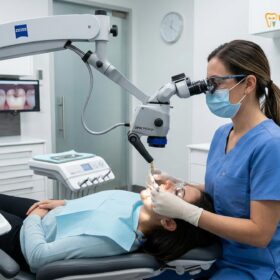
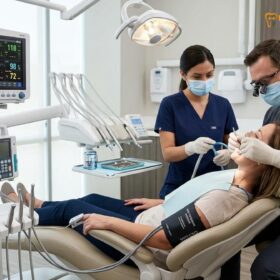
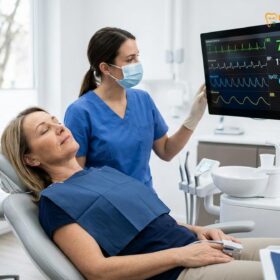
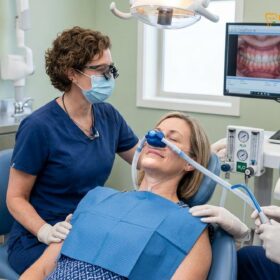
Sedation levels in dentistry refer to the carefully controlled continuum of pharmacological central nervous system depression used to manage patient anxiety, discomfort, and pain during oral procedures. The four primary tiers—minimal sedation, moderate sedation, deep sedation, and general anesthesia—offer progressive degrees of relaxation, altered responsiveness, and airway management requirements tailored to the patient’s specific clinical needs.
Clinical Summary:
Dental sedation operates on a strict, medically defined continuum established by leading anesthesiology and dental regulatory boards. The levels of dental anesthesia range from minimal anxiolysis, where patients remain fully alert and cooperative, to general anesthesia, which is characterized by complete, medically induced unconsciousness. Selecting the appropriate tier depends heavily on the patient’s comprehensive medical history, the anatomical complexity of the planned procedure, and the severity of their dental phobia. Advanced physiological monitoring protocols—including capnography and continuous pulse oximetry—ensure cardiovascular and respiratory stability across all minimal moderate deep sedation phases, allowing clinicians to perform complex rehabilitations with a highly predictable safety profile.
Key Takeaways:
- Minimal sedation (anxiolysis) effectively relieves mild anxiety while fully preserving normal cognitive function, spontaneous breathing, and airway reflexes.
- Moderate sedation (conscious sedation) induces a deeply relaxed, dreamy state where patients respond to verbal commands but frequently experience partial procedural amnesia.
- Deep sedation requires advanced clinical monitoring, as patients cannot be easily aroused and may require temporary assistance to maintain a patent airway.
- General anesthesia renders the patient completely unconscious and unresponsive to pain, necessitating continuous mechanical ventilatory and cardiovascular management.
- The precise choice of sedation level is determined by a thorough pre-anesthetic evaluation, assessing systemic health, anxiety severity, and surgical duration.
The Continuum of Dental Sedation
The continuum of dental sedation is a progressive, dose-dependent scale of central nervous system depression, ranging from mild relaxation to complete unconsciousness, carefully titrated to ensure optimal patient safety and comfort.
In modern clinical practice, sedation dentistry is not a single, uniform state but rather a fluid continuum. Because individual patients metabolize pharmacological agents differently, a specific dose of a sedative might induce mild relaxation in one individual while pushing another into a deeper state of depressed consciousness. This physiological variability is why dental professionals do not merely administer a drug and begin working; they continuously monitor the patient’s vital signs to ensure the sedation remains at the intended level [1].
The American Society of Anesthesiologists (ASA) and the American Dental Association (ADA) strictly define these levels of dental anesthesia to standardize training, monitoring equipment, and emergency rescue protocols. The primary goal across the entire continuum is to mitigate fear and pain while maintaining the highest possible degree of physiological stability. Dr. Nguyen Van Cuong, a leading expert at HCMC Dental Clinic, emphasizes that understanding a patient’s baseline psychological state is just as critical as evaluating their physical health. By utilizing tools like the MDAS Test for Dental Anxiety, clinicians can objectively quantify fear levels and select the most appropriate pharmacological intervention.
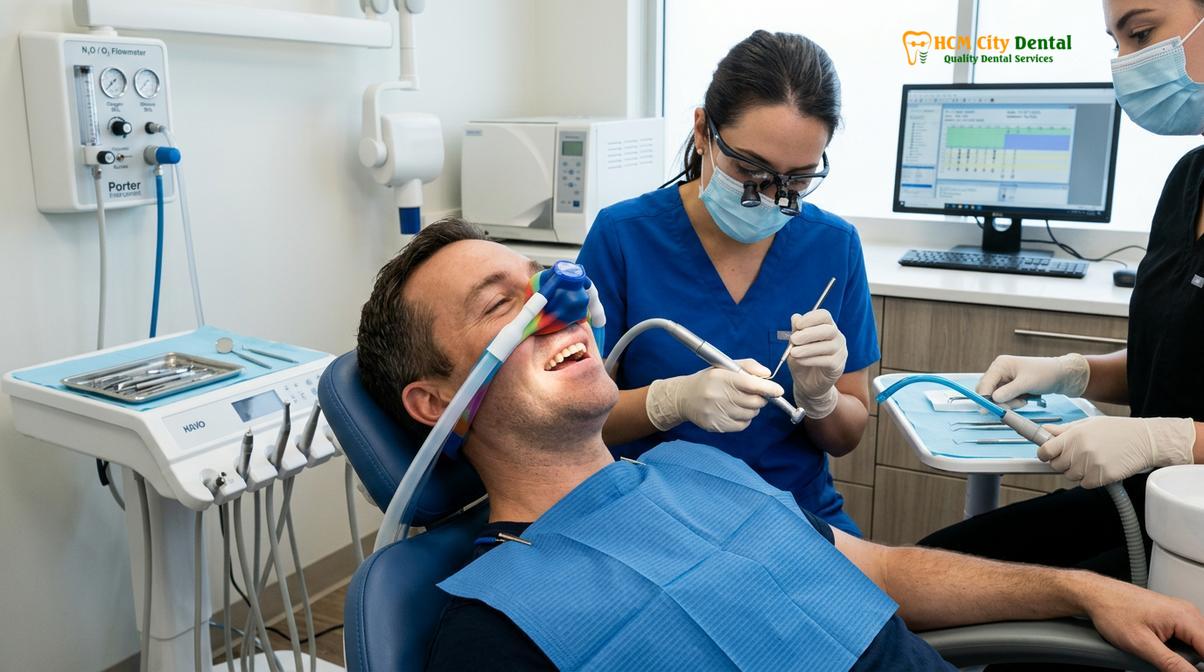
Transitioning between these states requires precise titration. A patient may begin a procedure under minimal sedation but require a deeper state if the surgical complexity increases or if their anxiety breaks through the initial pharmacological barrier. Consequently, any practitioner administering moderate sedation must be fully qualified to rescue a patient who inadvertently slips into deep sedation, ensuring that airway patency and cardiovascular output are never compromised [2].
Level 1: Minimal Sedation (Anxiolysis) — Alert and Relaxed
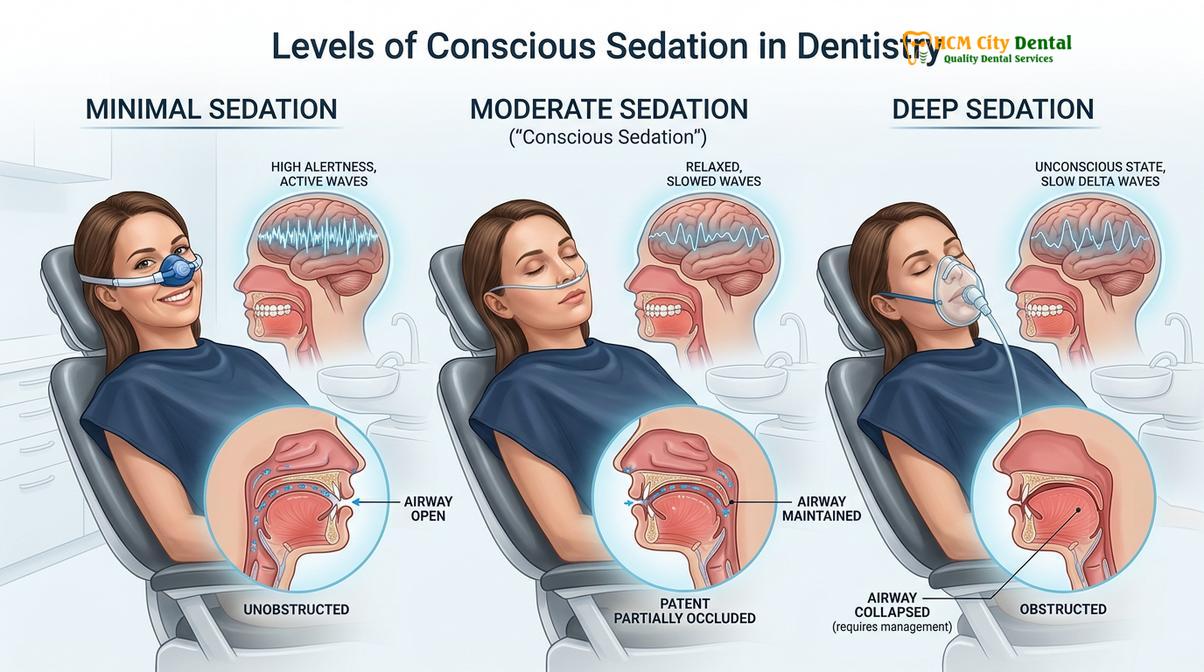
Minimal sedation, clinically known as anxiolysis, uses mild pharmacological agents to reduce psychological stress while the patient remains fully awake, responsive, and entirely capable of maintaining their own airway.
Minimal sedation is the lightest form of pharmacological intervention used in the dental setting. Its primary objective is to eliminate the psychological barrier of fear without significantly altering the patient’s physical coordination or physiological reflexes. Under minimal sedation, the patient’s cognitive function may be slightly impaired—similar to the feeling of having consumed a single glass of wine—but their respiratory and cardiovascular systems remain completely unaffected [3].
The most common modality for achieving minimal sedation is the inhalation of nitrous oxide (N2O) mixed with oxygen (O2), colloquially known as laughing gas. Nitrous oxide is delivered through a small nasal hood. It has a rapid onset, usually taking effect within three to five minutes, and an equally rapid offset. Once the flow of nitrous oxide is terminated and replaced with 100% oxygen, the sedative effects dissipate almost immediately, allowing the patient to safely drive themselves home after the appointment. This makes it an exceptionally convenient option for routine procedures within General Dentistry, such as prophylaxis (cleanings), simple restorations, or minor extractions.
“Minimal sedation is defined as a drug-induced state during which patients respond normally to verbal commands. Although cognitive function and physical coordination may be modestly impaired, airway reflexes, and ventilatory and cardiovascular functions are unaffected.” — American Dental Association (ADA) Guidelines.
Alternatively, minimal sedation can be achieved via the enteral route using low doses of oral benzodiazepines, such as triazolam or diazepam, administered roughly one hour before the procedure. These medications bind to GABA receptors in the brain, producing a calming effect. While oral sedatives are highly effective for patients who experience anticipatory anxiety the night before or the morning of their appointment, their effects last significantly longer than nitrous oxide, requiring the patient to have an escort to drive them home.
Level 2: Moderate Sedation — Conscious and Dreamy
Moderate sedation depresses consciousness enough to induce deep relaxation and partial amnesia, yet patients still respond purposefully to verbal commands and light touch without requiring any airway intervention.
Historically referred to as “conscious sedation,” moderate sedation represents a deeper level of central nervous system depression. At this stage, the patient is profoundly relaxed and may even fall into a light sleep, but they can be easily awakened by a gentle tap on the shoulder or a verbal prompt from the dentist. Crucially, the patient retains their protective airway reflexes—such as the ability to cough or swallow—and breathes spontaneously without any mechanical assistance [4].
When comparing twilight vs minimal sedation, the most distinct clinical difference is the presence of anterograde amnesia. Medications used for moderate sedation, particularly intravenous (IV) midazolam, have a strong amnesic property. This means that while the patient is awake and cooperative during the surgery, they will likely have little to no memory of the sights, sounds, or sensations of the procedure once the drugs wear off. This amnesic effect is highly beneficial for patients with severe dental trauma or those undergoing lengthy, multi-hour full-mouth rehabilitations.
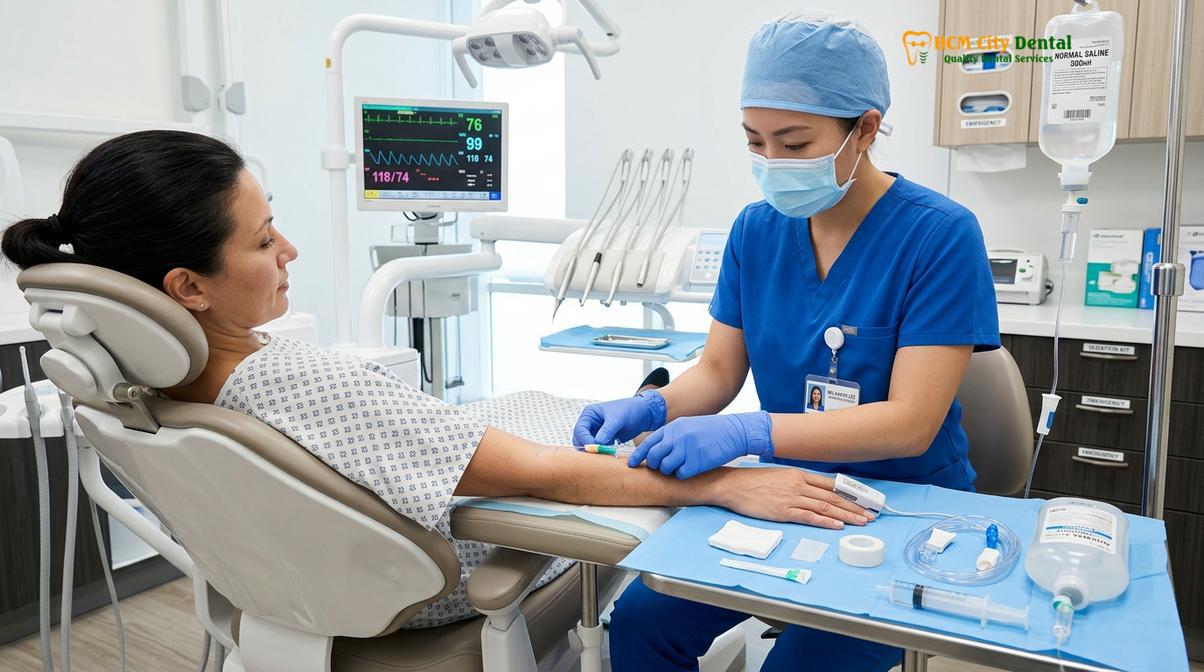
Moderate sedation is typically administered via two primary routes:
- Oral Conscious Sedation: Utilizing higher doses of enteral medications. While effective, oral absorption can be unpredictable due to variations in patient metabolism and gastric emptying times. For a comprehensive overview of this modality, patients can review our Oral Sedation Dentistry Guide.
- Intravenous (IV) Sedation: The gold standard for moderate sedation. By delivering medications directly into the bloodstream, the clinician can precisely titrate the dose minute-by-minute, achieving the exact desired depth of sedation and allowing for immediate adjustments based on the patient’s physiological feedback.
Because moderate sedation blunts the patient’s physiological responses, strict monitoring is mandatory. The clinical team will continuously track the patient’s blood pressure, heart rate, electrocardiogram (ECG) rhythms, and blood oxygen saturation (SpO2) via pulse oximetry. This ensures that the cardiovascular and respiratory systems remain stable throughout the intervention.
Level 3: Deep Sedation — Borderline Sleep
Deep sedation pushes the patient to the edge of unconsciousness, where they cannot be easily aroused but will respond to repeated or painful stimulation, often requiring careful monitoring of airway patency.
Deep sedation occupies the narrow, critical transition zone between conscious sedation and general anesthesia. In this state, the patient is largely unresponsive to their environment and cannot be easily awakened by simple verbal commands. They will only exhibit purposeful movement in response to repeated or significant physical stimulation. Because the central nervous system is profoundly depressed, the patient’s ability to independently maintain a patent (open) airway may become impaired, and their spontaneous ventilation (breathing rate and depth) may decrease [5].
Clinical Warning: Deep sedation carries a higher risk of respiratory depression. It must only be administered by a highly trained dental anesthesiologist or an oral and maxillofacial surgeon equipped with advanced airway rescue devices and reversal agents.
Due to the loss of protective reflexes, deep sedation requires rigorous, continuous physiological surveillance. In addition to standard pulse oximetry and ECG, capnography is strictly utilized. Capnography measures the end-tidal carbon dioxide (EtCO2) in the patient’s exhaled breath, providing an instantaneous, real-time assessment of the patient’s ventilatory status. If a patient stops breathing or their airway becomes obstructed, the capnograph will alert the anesthesiologist seconds before the blood oxygen levels begin to drop.
Deep sedation is rarely used for routine dental care. It is primarily reserved for highly complex surgical procedures, such as the simultaneous extraction of four impacted wisdom teeth, extensive bone grafting, or complex implant placements. It is also a vital tool for managing patients with severe cognitive impairments, extreme behavioral challenges, or profound phobias where cooperation is impossible. For parents navigating these challenges with younger patients, specialized protocols are detailed in our guide on Managing Dental Anxiety in Children.
Level 4: General Anesthesia — Completely Unconscious
General anesthesia is a medically induced coma where the patient is completely unarousable, feels no pain, and requires continuous mechanical ventilation and cardiovascular support throughout the entire dental procedure.
General anesthesia is the deepest level on the continuum. It is not merely a deep sleep; it is a controlled, reversible state of unconsciousness accompanied by a complete loss of protective reflexes and an inability to respond to any stimulation, including intense surgical pain. Under general anesthesia, the patient’s respiratory drive is entirely suppressed, meaning they cannot breathe on their own. The anesthesiologist must secure the airway using an endotracheal tube or a laryngeal mask airway (LMA) and utilize a mechanical ventilator to breathe for the patient.
The administration of general anesthesia involves a complex cocktail of intravenous induction agents (such as propofol), paralytics (neuromuscular blocking agents to prevent movement), and potent inhalational gases (such as sevoflurane or desflurane) to maintain the unconscious state. Because of the profound physiological impact, general anesthesia is typically performed in a hospital setting or a highly specialized ambulatory surgical center, rather than a standard dental clinic.
“General anesthesia is a drug-induced loss of consciousness during which patients are not arousable, even by painful stimulation. The ability to independently maintain ventilatory function is often impaired, requiring positive pressure ventilation.” — American Society of Anesthesiologists (ASA).
While general anesthesia carries the highest inherent risk profile among the sedation levels, modern anesthetic techniques and monitoring technologies have made it exceptionally safe for healthy individuals. It is indicated for major maxillofacial surgeries (such as orthognathic jaw surgery), severe facial trauma reconstruction, or for patients with severe physical or developmental disabilities who require extensive dental rehabilitation but cannot tolerate any other form of treatment. Following the procedure, patients require a dedicated recovery period in a Post-Anesthesia Care Unit (PACU) until their spontaneous breathing, reflexes, and consciousness fully return.
Comparison Table: Responsive Level, Airway Control, and Memory
A dental sedation comparison chart systematically evaluates each sedation level based on patient responsiveness, airway independence, cardiovascular stability, and the degree of post-procedural amnesia.
To assist patients and clinicians in visualizing the differences across the minimal moderate deep sedation spectrum, the following matrix outlines the physiological and cognitive markers associated with each tier. This framework guides the clinical decision-making process, ensuring that the chosen pharmacological intervention aligns perfectly with the surgical requirements and the patient’s safety profile.
| Sedation Level | Responsiveness | Airway Control | Spontaneous Ventilation | Cardiovascular Function | Amnesia Effect |
|---|---|---|---|---|---|
| Minimal (Anxiolysis) | Normal response to verbal commands | Unaffected (Maintained independently) | Unaffected | Unaffected | None to Mild |
| Moderate (Conscious) | Purposeful response to verbal or light tactile stimulation | No intervention required | Adequate | Usually maintained | Moderate to High (Anterograde) |
| Deep Sedation | Purposeful response only to repeated/painful stimulation | Intervention may be required | May be inadequate | Usually maintained | Profound |
| General Anesthesia | Unarousable, even with painful stimulus | Intervention strictly required (Intubation) | Frequently inadequate (Requires ventilator) | May be impaired | Complete |
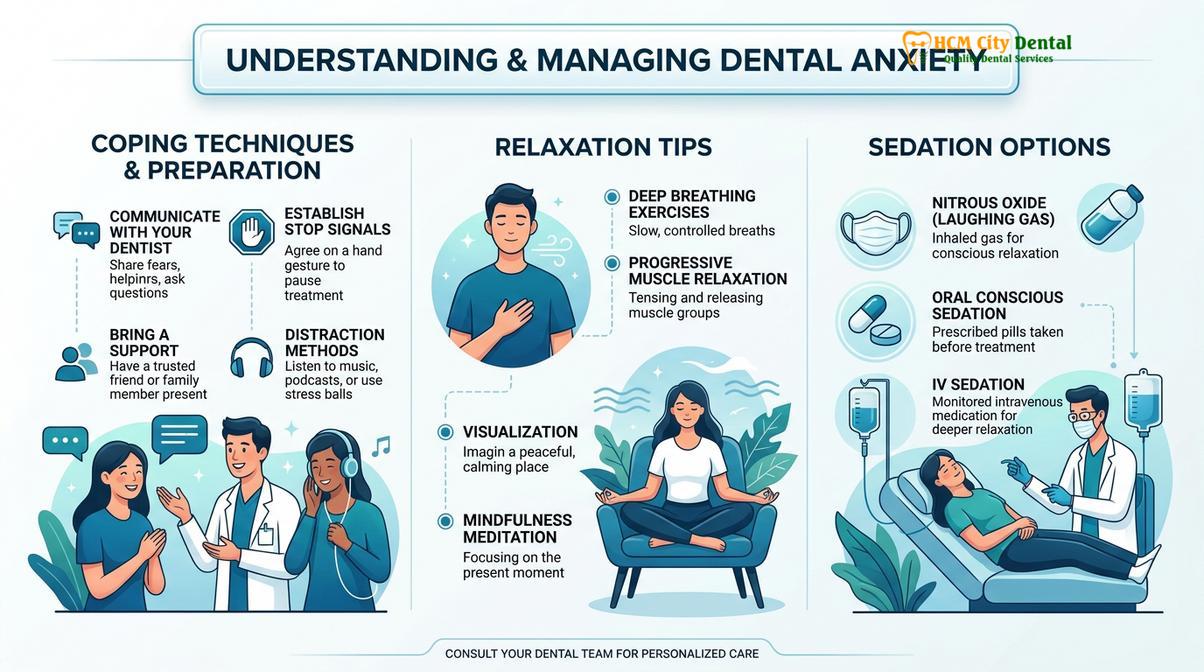
Understanding this dental sedation comparison chart is vital for informed consent. Patients must recognize that as they move deeper into the continuum, the complexity of the monitoring equipment and the required expertise of the clinical team increase exponentially. For individuals struggling with severe apprehension, exploring non-pharmacological coping strategies alongside sedation can be highly effective. We recommend reviewing our clinical strategies on How to Overcome Dental Fear to build a comprehensive anxiety management plan.
Clinical Considerations and When to See a Doctor
Before undergoing any form of dental sedation, patients must undergo a comprehensive medical evaluation to identify contraindications, assess airway risks, and determine the safest pharmacological approach.
The decision to utilize sedation is never made lightly. Prior to any procedure involving moderate sedation or deeper, the clinical team must conduct a rigorous pre-anesthetic evaluation. This involves classifying the patient’s systemic health using the ASA Physical Status Classification System. Generally, sedation in an outpatient dental setting is safest for patients classified as ASA I (normal healthy patient) or ASA II (patient with mild systemic disease). Patients with severe systemic diseases (ASA III or IV), such as uncontrolled diabetes, severe chronic obstructive pulmonary disease (COPD), or a recent history of myocardial infarction, may require treatment in a hospital setting.
Clinical Case Study: Overcoming Severe Phobia
A 42-year-old patient presented to HCMC Dental Clinic in Ho Chi Minh City requiring multiple root canals and extractions. The patient exhibited severe physiological symptoms of panic, including tachycardia and tremors, merely sitting in the consultation chair. After a thorough medical evaluation by Dr. Nguyen Van Cuong, the patient was classified as ASA I but diagnosed with profound dental phobia. The clinical team opted for intravenous moderate sedation using midazolam and fentanyl. The patient remained physiologically stable throughout the two-hour procedure, breathing independently, and awoke with zero memory of the surgical trauma, successfully breaking their cycle of dental avoidance.
Patients must strictly adhere to preoperative fasting guidelines (NPO status) before receiving moderate or deep sedation. Typically, this involves abstaining from solid foods for at least eight hours and clear liquids for two hours prior to the appointment. Failure to follow these guidelines significantly increases the risk of pulmonary aspiration—a severe complication where stomach contents enter the lungs while the protective airway reflexes are blunted.
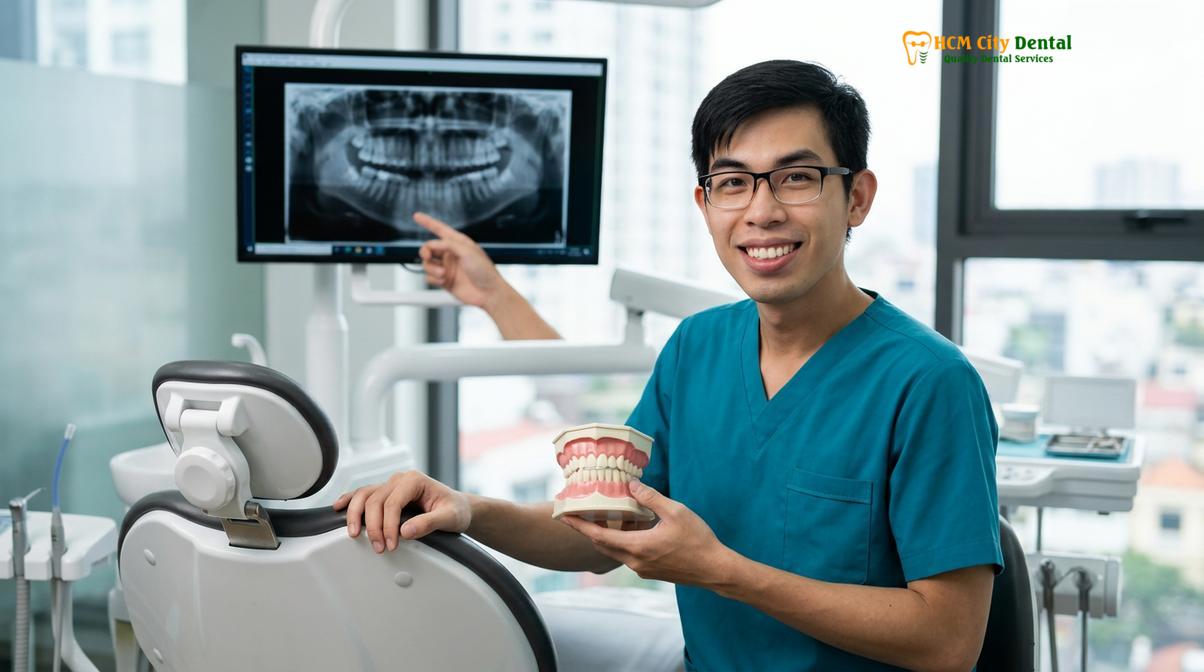
If you experience extreme anxiety that prevents you from seeking necessary oral healthcare, it is crucial to consult with a qualified dental professional. Distinguishing between general nervousness and a true psychological barrier is the first step toward receiving care. You can learn more about these distinctions in our article on Dental Phobia vs Anxiety. At HCMC Dental Clinic in Saigon, our team is dedicated to providing a safe, judgment-free environment where your medical history and psychological needs dictate your personalized sedation protocol.
Frequently Asked Questions
What are the four levels of sedation in dentistry?
The four primary levels of sedation in dentistry are minimal sedation (anxiolysis), moderate sedation (conscious sedation), deep sedation, and general anesthesia. Each level represents a progressive decrease in the patient’s central nervous system activity, altering their responsiveness, cognitive function, and ability to maintain an independent airway. The choice of level depends on the procedure’s complexity and the patient’s anxiety.
What is minimal sedation at the dentist?
Minimal sedation is a pharmacologically induced state of relaxation where the patient remains fully awake, alert, and capable of responding normally to verbal commands. Typically achieved via nitrous oxide or low-dose oral medications, it relieves mild anxiety without affecting the patient’s breathing or cardiovascular function. It is ideal for routine cleanings or minor restorative work.
Do you retain your reflexes under moderate sedation?
Yes, under moderate sedation, patients retain their protective airway reflexes and can breathe independently without assistance. While they may feel drowsy, experience partial amnesia, and exhibit delayed responses, they will still respond purposefully to verbal commands or light tactile stimulation. This makes it a highly safe and effective option for longer procedures.
How do dentists monitor patient safety across sedation levels?
Dentists monitor patient safety using advanced physiological tracking, including continuous pulse oximetry (oxygen saturation), blood pressure cuffs, electrocardiography (ECG) for heart rhythm, and capnography to measure exhaled carbon dioxide. The intensity of monitoring increases as the depth of sedation progresses, ensuring immediate detection of any respiratory or cardiovascular changes.
Which sedation level has the lowest risk?
Minimal sedation carries the lowest clinical risk, as it does not impair the patient’s respiratory drive, cardiovascular stability, or protective reflexes. Because the patient remains fully conscious and cooperative, the likelihood of adverse physiological events is exceedingly rare when administered correctly by a trained dental professional.
References
- Journal of Oral and Maxillofacial Surgery. Patient safety in dental sedation and anesthesia. (2021).
- International Journal of Oral and Maxillofacial Surgery. Intravenous conscious sedation protocols for complex oral surgery. (2020).
- British Dental Journal. Nitrous oxide inhalation sedation in dentistry: a review of safety. (2019).
- Journal of the American Dental Association. Patient satisfaction and anxiety levels under conscious sedation. (2022).
- Clinical Oral Investigations. Safety and recovery profiles of conscious sedation vs general anesthesia. (2018).
For pricing, booking, and a free clinical assessment, visit our Sedation Dentistry service page at HCMC Dental Clinic in Ho Chi Minh City.