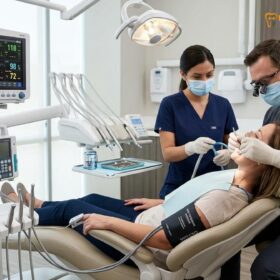
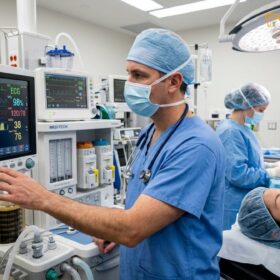
Sedation for full mouth reconstruction utilizes targeted pharmacological agents to induce a state of deep relaxation, allowing dentists to perform multiple complex procedures—such as implants, crowns, and extractions—in fewer, pain-free sessions. This approach minimizes patient anxiety, controls involuntary reflexes, and ensures optimal surgical precision throughout the rehabilitation process.
Clinical Summary:
Full mouth reconstruction involves extensive restorative and surgical procedures designed to rebuild oral function, structural integrity, and aesthetics. Integrating sedation dentistry into these comprehensive cases is a recognized clinical standard that significantly enhances both patient comfort and procedural efficiency. By utilizing modalities ranging from mild nitrous oxide inhalation to advanced intravenous (IV) sedation, clinicians can consolidate multiple intricate treatments into fewer, highly productive appointments. This pharmacological approach not only mitigates severe dental anxiety and physiological stress but also allows for precise surgical execution by controlling patient movement and salivary flow. Proper preoperative patient evaluation, continuous vital sign monitoring, and customized medication protocols are essential to ensure maximum safety and predictable clinical outcomes during extensive dental rehabilitation.
Key Takeaways:
- Sedation allows multiple complex dental procedures to be completed in a single, comfortable clinical session.
- Options range from mild inhalation sedation to deep intravenous (IV) sedation, tailored to individual medical needs.
- Consolidating appointments reduces overall recovery time and minimizes cumulative psychological and physical treatment stress.
- Continuous physiological monitoring (including capnography and pulse oximetry) ensures maximum patient safety throughout the reconstruction.
- A thorough preoperative medical evaluation is mandatory to determine the most appropriate and safe sedation protocol.
What Is Full Mouth Reconstruction?
Full mouth reconstruction is a comprehensive, highly customized treatment plan designed to restore the function, health, and aesthetics of the entire oral cavity, typically combining restorative, surgical, and cosmetic procedures to address severe dental deterioration.
Full mouth reconstruction, often referred to as full mouth rehabilitation, is not a single procedure but rather a meticulously orchestrated series of dental treatments aimed at completely restoring the oral cavity. Patients requiring this level of intervention typically present with severe, generalized dental issues. These may include extensive tooth decay, advanced periodontal (gum) disease, severe occlusal wear due to bruxism (teeth grinding), traumatic dental injuries, or a combination of missing and structurally compromised teeth. The primary objective is to re-establish a harmonious relationship between the teeth, gums, jaw joints (TMJ), and masticatory muscles.
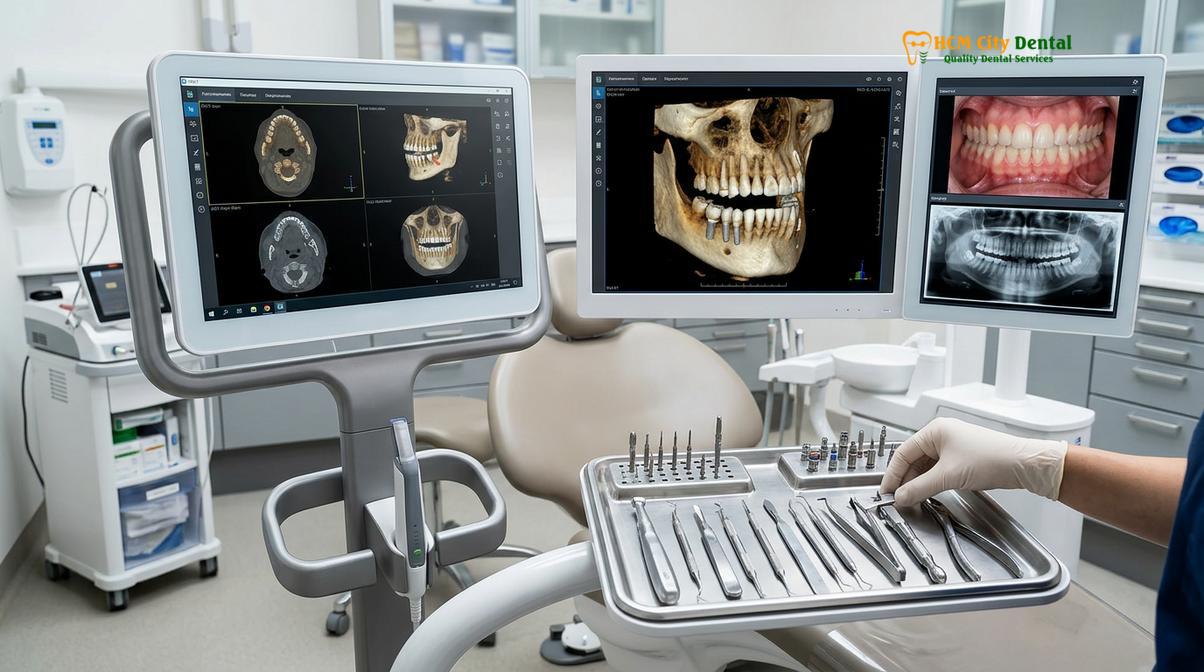
From a clinical perspective, a full mouth rehab under sedation requires profound diagnostic precision. The process begins with establishing the correct Vertical Dimension of Occlusion (VDO) and Centric Relation (CR). When teeth are severely worn or missing, the lower jaw can over-close, leading to TMJ dysfunction, facial muscle pain, and an aged facial appearance. Rebuilding the bite to its optimal physiological position is the foundation of the reconstruction. This often involves a multidisciplinary approach encompassing General Dentistry, periodontics, endodontics, and prosthodontics.
The specific procedures included in a reconstruction vary widely based on individual diagnostic findings. A treatment plan may incorporate dental implants to replace missing roots, bone grafting to rebuild atrophied jawbone, periodontal flap surgery to eradicate deep gum pockets, root canal therapy to salvage infected teeth, and the placement of custom-milled ceramic crowns, bridges, or veneers to restore the visible portions of the teeth. Because this process involves altering the entire biomechanical structure of the mouth, it requires exact precision and significant clinical time, making patient cooperation and comfort paramount.
Why Sedation Is Essential for Comprehensive Cases
Sedation is critical for extensive dental reconstructions because it suppresses the gag reflex, mitigates severe anxiety, and allows patients to tolerate prolonged surgical sessions comfortably, enabling clinicians to operate with maximum precision and efficiency.
Undergoing a complete dental restoration sedation protocol is often the difference between a highly successful, streamlined treatment and a fragmented, stressful experience. Full mouth reconstruction inherently involves long hours in the dental chair. Remaining perfectly still with the mouth wide open for extended periods induces significant physical fatigue, particularly in the temporomandibular joint and the muscles of mastication. Furthermore, the psychological endurance required to tolerate the sounds, vibrations, and sensations of multiple concurrent dental procedures can overwhelm even the most stoic patients.
Sedation dentistry addresses these challenges through targeted pharmacological intervention. By administering sedatives, the central nervous system’s response to stress is significantly dampened. This prevents the activation of the sympathetic nervous system—the “fight or flight” response—which would otherwise cause tachycardia (rapid heart rate), hypertension (high blood pressure), and the release of stress hormones like cortisol. Maintaining hemodynamic stability is crucial during complex oral surgery, as it reduces the risk of intraoperative complications and promotes better hemostasis (blood clotting)[1].
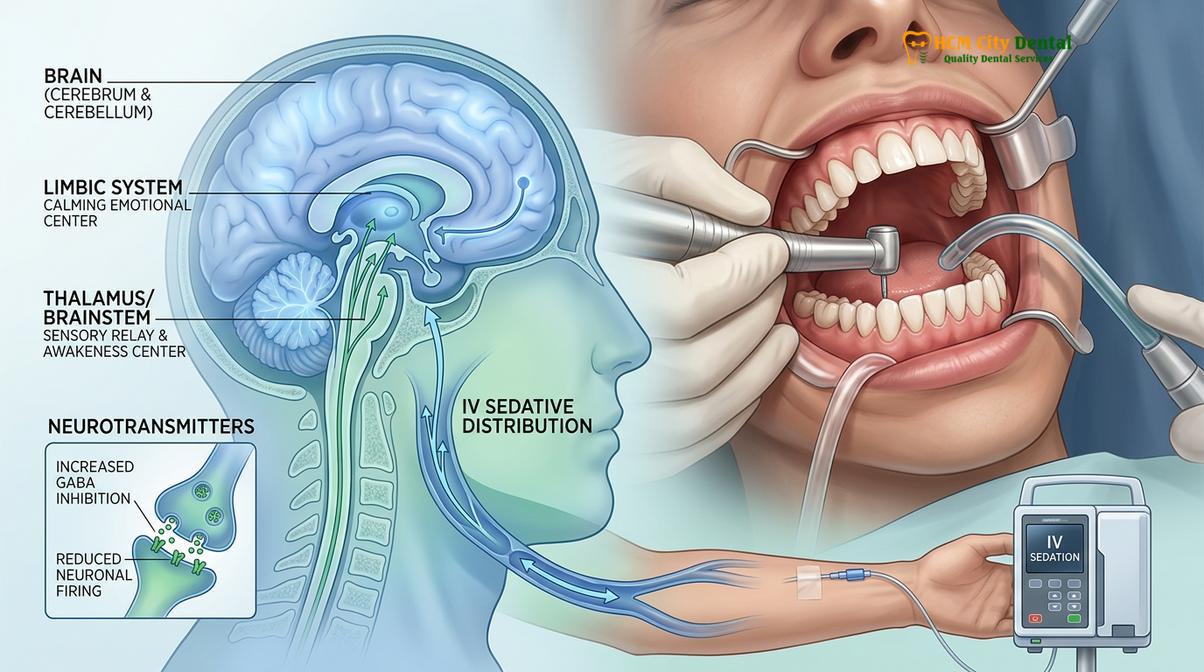
“The integration of conscious sedation in extensive oral rehabilitation not only profoundly improves the patient’s psychological experience by inducing amnesia and deep relaxation, but it also provides the clinician with an optimal, controlled surgical environment free from involuntary patient movement.”
Beyond anxiety management, sedation provides distinct mechanical advantages for the operating dentist. It effectively suppresses the hyperactive gag reflex, which can otherwise make posterior restorative work nearly impossible. It also reduces salivary flow, creating a drier operating field that is essential for the successful bonding of modern ceramic restorations and the placement of dental implants. Dr. Nguyen Van Cuong frequently emphasizes that a relaxed patient allows the clinical team to focus entirely on the meticulous technical execution of the reconstruction, rather than constantly pausing to manage patient discomfort or fatigue. This level of control is why sedation is considered an indispensable tool in modern comprehensive dentistry[2].
Sedation Options for Multi-Procedure Sessions
Clinicians select from nitrous oxide, oral conscious sedation, or intravenous (IV) sedation based on the patient’s medical history, anxiety level, and the complexity of the reconstruction, with each modality offering distinct pharmacokinetic profiles.
The selection of a sedation modality is a highly individualized clinical decision. It requires a thorough assessment of the patient’s systemic health, the anticipated duration of the procedure, and the specific surgical interventions planned. The goal is to achieve the optimal depth of sedation that ensures absolute comfort while maintaining spontaneous respiration and protective airway reflexes.
Nitrous Oxide Inhalation Sedation: Commonly known as laughing gas, nitrous oxide mixed with oxygen is the mildest form of sedation. It is administered continuously through a nasal hood. Nitrous oxide provides a rapid onset of anxiolysis (anxiety reduction) and mild analgesia (pain relief). Its primary advantage is its rapid reversibility; once the gas is discontinued and the patient breathes 100% oxygen for a few minutes, the effects dissipate entirely, allowing the patient to drive home. However, for a lengthy full mouth reconstruction, nitrous oxide alone is rarely sufficient, though it may be used in conjunction with other methods or for shorter, less invasive phases of the treatment[3].
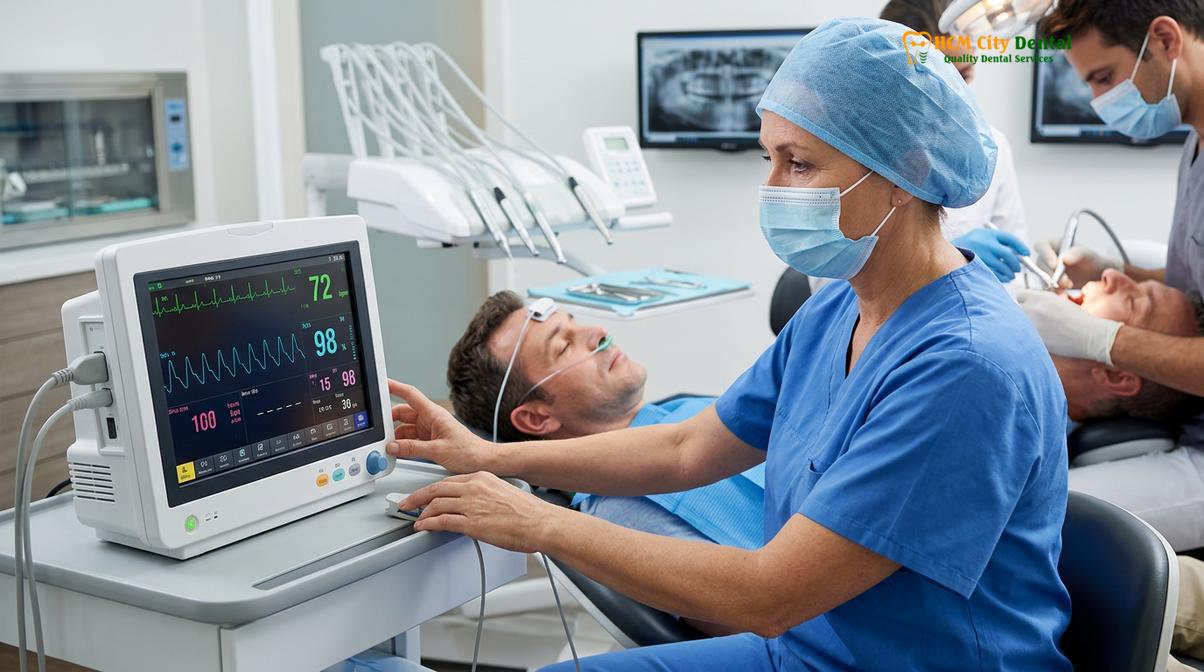
Oral Conscious Sedation: This involves the administration of sedative-hypnotic medications, typically from the benzodiazepine class (such as Triazolam, Diazepam, or Lorazepam), taken orally prior to the appointment. Oral sedation induces a moderate level of relaxation and significant anterograde amnesia, meaning the patient will remember very little of the procedure. While highly effective for managing anxiety, oral sedation relies on gastrointestinal absorption, making the onset and depth of sedation less predictable and harder to titrate precisely compared to intravenous methods. It is an excellent option for patients with needle phobias undergoing moderately complex procedures.
Intravenous (IV) Sedation: IV sedation is widely considered the gold standard for full mouth reconstruction. Medications, most commonly Midazolam often combined with an analgesic like Fentanyl or a hypnotic like Propofol, are administered directly into the bloodstream. This allows the anesthesiologist or certified sedation dentist to titrate the medication precisely, adjusting the depth of sedation minute-by-minute based on the patient’s physiological response and the surgical stimulation. IV sedation provides profound relaxation, deep amnesia, and optimal surgical conditions. Because the patient is in a deeper state of conscious sedation, continuous multiparameter monitoring—including electrocardiography (ECG), pulse oximetry (SpO2), non-invasive blood pressure (NIBP), and capnography (End-Tidal CO2)—is strictly mandated to ensure patient safety[4].
| Sedation Modality | Administration Route | Depth of Sedation | Onset & Titration | Amnesic Effect |
|---|---|---|---|---|
| Nitrous Oxide | Inhalation (Nasal Mask) | Minimal (Anxiolysis) | Rapid onset, highly titratable | Minimal to None |
| Oral Sedation | Enteral (Pill/Liquid) | Moderate | Slow onset, difficult to titrate | Moderate to High |
| IV Sedation | Parenteral (Intravenous) | Moderate to Deep | Rapid onset, precisely titratable | Profound |
Understanding the distinction between these modalities is crucial. For a deeper dive into how these levels of sedation compare, patients can review our guide on Conscious Sedation vs Unconscious Sedation Dentistry. The choice of sedation will directly dictate the preoperative preparation required, including strict fasting protocols (NPO guidelines) and the necessity of having a responsible adult escort the patient home.
Treatment Timeline Under Sedation
The timeline for full mouth reconstruction under sedation involves a meticulous preoperative assessment, a consolidated surgical and restorative phase, and a structured postoperative recovery period, significantly compressing the traditional multi-visit schedule.
One of the most significant advantages of a dental makeover with sedation is the ability to drastically condense the treatment timeline. Without sedation, a full mouth reconstruction might require ten to fifteen separate appointments spread over many months, as the patient can only tolerate short segments of treatment at a time. Sedation allows the clinical team to safely combine multiple phases of treatment into one or two extended sessions.
Phase 1: Comprehensive Diagnostics and Planning. The process begins with data collection. This includes 3D Cone Beam Computed Tomography (CBCT) scans, digital intraoral impressions, facial photography, and a thorough evaluation of the temporomandibular joints. During this phase, the patient’s medical history is rigorously reviewed to ensure they are a safe candidate for sedation. The dental team, often in consultation with an anesthesiologist, will formulate a precise, step-by-step surgical and restorative blueprint.
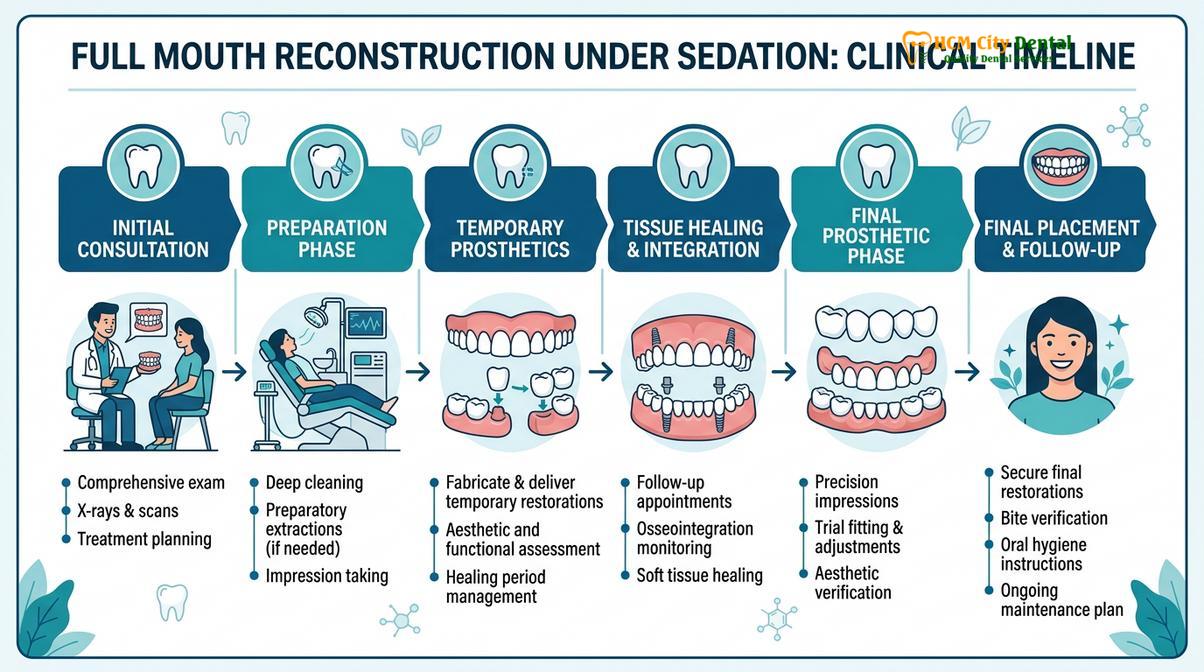
Phase 2: The Consolidated Sedation Session. This is the core of the reconstruction. On the day of the procedure, the patient is comfortably sedated. While the patient rests peacefully, the dental team executes the planned procedures. In a single session, this may include the atraumatic extraction of hopeless teeth, the placement of multiple dental implants, necessary bone grafting, and the preparation of remaining natural teeth for crowns. Because the patient is sedated, the dentist can work uninterrupted, ensuring optimal isolation and precise execution of complex techniques. At the end of this session, the patient is typically fitted with high-quality provisional (temporary) restorations, ensuring they leave the clinic with a functional and aesthetically pleasing smile.
Clinical Case Example: A 58-year-old patient presented to HCMC Dental Clinic in Ho Chi Minh City with severe generalized attrition, multiple failing amalgam restorations, and advanced periodontitis. Facing immense dental anxiety, the patient had avoided care for over a decade. Utilizing IV sedation, the clinical team was able to perform full-arch extractions, bilateral sinus lifts, and the placement of six maxillary and six mandibular implants in a single, consolidated four-hour surgical session. The patient reported zero intraoperative pain and complete amnesia of the procedure, waking up comfortably with fixed provisional bridges in place.
Phase 3: Healing and Finalization. Following the sedation session, a period of tissue healing and osseointegration (bone fusing to the implants) is required. This healing phase can last anywhere from three to six months, during which the patient functions comfortably with their provisional restorations. Once healing is confirmed via radiographic evaluation, the final phase involves taking master impressions and fabricating the definitive ceramic restorations. The placement of these final prosthetics usually requires only minor adjustments and can often be completed with minimal or no sedation, depending on the patient’s preference.
For older adults undergoing these extensive procedures, specific physiological considerations must be taken into account. Detailed protocols for this demographic are outlined in our clinical guide on Sedation Dentistry for Elderly Patients.
Cost Savings with Consolidated Appointments
While sedation incurs an initial fee, it often reduces the total cost of full mouth reconstruction by minimizing the number of appointments, reducing time off work, and lowering cumulative facility and material setup fees.
When evaluating the financial investment required for full mouth reconstruction, patients often view the cost of sedation as an additional, optional expense. However, from a comprehensive economic perspective, utilizing sedation to consolidate treatment can actually result in significant cost savings and improved value.
Traditional, non-sedated full mouth reconstruction requires numerous appointments. Each appointment carries inherent overhead costs for the dental practice, including the sterilization of surgical suites, the use of disposable materials, and the allocation of clinical staff time. By condensing ten separate visits into two extended sedation sessions, these repetitive setup and facility fees are drastically reduced. Furthermore, the clinical efficiency gained when a dentist can work continuously on a relaxed, sedated patient often translates to reduced overall chair time, which can positively impact the total treatment fee.
“The economic efficiency of consolidated surgical appointments under IV sedation cannot be overstated. By minimizing repetitive clinical setups and maximizing continuous operative time, we not only enhance the biological healing process but also optimize the overall financial investment for the patient.”
Beyond the direct clinical costs, patients must consider the indirect costs associated with prolonged dental treatment. Multiple appointments require taking significant time away from work, arranging for childcare, and incurring travel expenses. A consolidated approach minimizes these disruptions to daily life. For international patients or those traveling for specialized care, the ability to complete the surgical phase of a reconstruction in a single trip is a major financial and logistical advantage. For a detailed comparison of international treatment economics, patients can review our analysis on Sedation Cost Vietnam vs Australia.
When to See a Doctor
Patients experiencing severe tooth wear, chronic jaw pain, or multiple missing teeth should seek a comprehensive consultation to determine if full mouth reconstruction under sedation is the appropriate clinical pathway for their oral health.
Determining candidacy for full mouth reconstruction requires a professional diagnostic evaluation. You should schedule a consultation if you experience chronic difficulties with chewing or digestion due to compromised dentition, persistent temporomandibular joint (TMJ) pain, frequent tension headaches associated with your bite, or if you have suffered significant dental trauma. Additionally, individuals who have neglected their oral health for years due to severe dental phobia are prime candidates for exploring sedation options to finally achieve a healthy mouth.
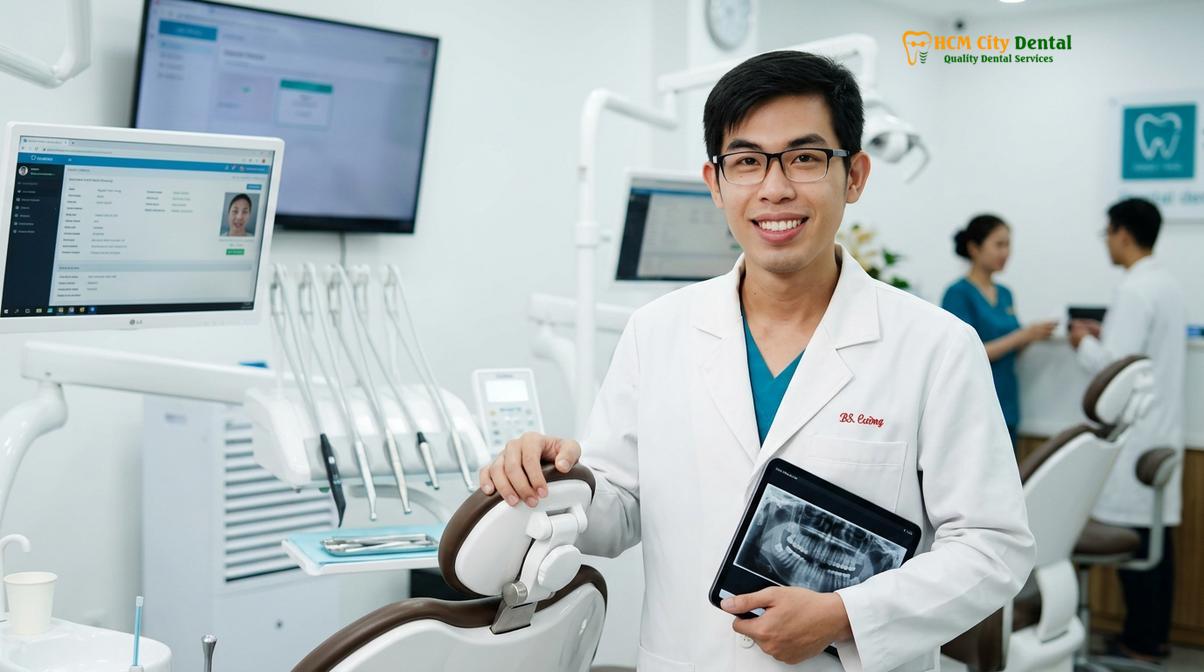
However, it is crucial to understand that not every patient is an immediate candidate for deep sedation. Dr. Nguyen Van Cuong stresses that a rigorous medical history review is the most critical step in the preoperative phase. The clinical team must evaluate the patient’s ASA (American Society of Anesthesiologists) physical status classification. Patients with severe, uncontrolled systemic diseases—such as unstable angina, severe chronic obstructive pulmonary disease (COPD), or poorly managed diabetes—may require medical optimization by their primary care physician before elective sedation can be safely administered.
Important Clinical Considerations: Full disclosure of your complete medical history, including all prescription medications, over-the-counter supplements, and recreational substance use, is absolutely mandatory prior to any sedation procedure. Certain medications can interact dangerously with dental sedatives. Furthermore, strict adherence to preoperative fasting guidelines (NPO status) is critical to prevent the risk of pulmonary aspiration during sedation.
Special considerations must also be made for specific patient populations. For instance, the protocols and safety margins differ significantly for expectant mothers. Detailed information regarding these specific scenarios can be found in our clinical guide on Dental Sedation Pregnancy Breastfeeding. Ultimately, a personalized clinical examination at a qualified facility like HCMC Dental Clinic in Ho Chi Minh City is the only way to develop a safe, effective, and customized treatment plan.
Frequently Asked Questions
How many visits does full mouth reconstruction under sedation require?
Full mouth reconstruction under sedation typically requires three to four primary visits, significantly fewer than traditional approaches. The initial visits involve comprehensive diagnostics, 3D imaging, and meticulous treatment planning. The core surgical and restorative procedures—such as extractions, implant placements, and tooth preparations—are then consolidated into one or two extended sedation sessions. Following a healing period, subsequent brief visits are required for postoperative check-ups, final impressions, and the precise placement of the permanent ceramic prosthetics.
Is IV sedation necessary for full mouth reconstruction?
IV sedation is highly recommended but not strictly mandatory for all full mouth reconstruction cases. While mild to moderate cases might be managed with oral conscious sedation or nitrous oxide, intravenous sedation provides the deepest level of controlled relaxation, continuous medication titration, and profound amnesia. This makes IV sedation the gold standard for lengthy, complex surgical rehabilitations, ensuring the patient remains entirely comfortable while allowing the clinician to work with maximum efficiency and precision.
How much does full mouth reconstruction cost with sedation in Vietnam?
The cost of full mouth reconstruction with sedation in Vietnam varies based on the specific restorative procedures required, such as the number of implants, bone grafts, or ceramic crowns, as well as the type of sedation administered. Generally, consolidating treatments into fewer sedated sessions reduces overall facility and provisional material costs. When performed at a premier facility like HCMC Dental Clinic, this approach offers a highly cost-effective and clinically superior solution compared to international pricing models, without compromising on safety or material quality.
Can all procedures be done in one session under sedation?
Many foundational procedures, including extractions, implant placements, bone grafting, and tooth preparations, can be completed in a single extended sedation session. However, the complete reconstruction process cannot be finalized in one day. The body requires a biological healing period for tissues to recover and for dental implants to successfully osseointegrate with the jawbone. Therefore, while the heavy surgical lifting is done in one sedated session, subsequent visits are necessary for the fabrication and fitting of the final, permanent restorations.
What is the recovery time after full mouth reconstruction with sedation?
Initial recovery from the sedation itself takes about 24 hours, during which patients must rest, hydrate, and avoid driving or making significant decisions. The surgical recovery from the full mouth reconstruction procedures typically involves mild to moderate swelling and discomfort for three to seven days, which is managed with prescribed analgesics and anti-inflammatory medications. While patients can usually return to normal non-strenuous activities within a week, complete tissue healing and implant integration will occur gradually over several months[5].
References
- Journal of Oral and Maxillofacial Surgery. Patient safety in dental sedation and anesthesia. (2021).
- International Journal of Oral and Maxillofacial Surgery. Intravenous conscious sedation protocols for complex oral surgery. (2020).
- British Dental Journal. Nitrous oxide inhalation sedation in dentistry: a review of safety. (2019).
- Journal of the American Dental Association. Patient satisfaction and anxiety levels under conscious sedation. (2022).
- Clinical Oral Investigations. Safety and recovery profiles of conscious sedation vs general anesthesia. (2018).
For pricing, booking, and a free clinical assessment, visit our Sedation Dentistry service page at HCMC Dental Clinic in Ho Chi Minh City.