Dental anxiety symptoms manifest as a complex combination of physiological and psychological stress responses triggered by the anticipation or experience of dental care. These reactions range from mild unease and elevated heart rate to severe panic attacks, often leading patients to avoid necessary oral health treatments entirely.
Clinical Summary:
Dental anxiety is a recognized psychological barrier characterized by intense fear and autonomic nervous system arousal when facing dental procedures. Clinical manifestations include tachycardia, diaphoresis, cognitive distress, and behavioral avoidance. Left unmanaged, this condition frequently initiates a vicious cycle of oral health deterioration, where delayed care necessitates more invasive treatments, further reinforcing the phobia. Modern clinical management employs a multidisciplinary approach, integrating behavioral therapies, environmental modifications, and pharmacological sedation protocols to ensure patient comfort, safety, and the successful completion of necessary dental interventions.
Key Takeaways:
- Symptoms encompass both physical autonomic reactions (racing heart, sweating) and psychological distress (panic, catastrophic thinking).
- Severe dental phobia is officially classified under specific phobias in the DSM-5 psychiatric diagnostic manual.
- Previous traumatic dental experiences and vicarious learning are the most common initiating factors for this condition.
- Chronic avoidance behavior often leads to severe oral health decline, complex infections, and systemic health complications.
- Clinical treatment involves a combination of psychological coping strategies, environmental control, and advanced sedation techniques.
What is Dental Anxiety?
Dental anxiety is a state of apprehension and psychological distress specific to dental environments, whereas dental phobia is a more severe, clinically diagnosed specific phobia resulting in overwhelming panic and complete avoidance of care.
Dental anxiety is a broad term that encompasses a spectrum of psychological and physiological reactions to the dental environment. For many individuals, the prospect of sitting in a dental chair provokes a mild sense of unease or apprehension. However, for a significant portion of the population, this unease escalates into a profound, debilitating fear that actively interferes with their ability to seek and receive essential oral healthcare. Understanding the nuances of this condition requires differentiating between general anxiety, fear, and true clinical phobia.
Fear is a normal, biologically hardwired emotional response to an immediate, recognized threat. If a patient experiences pain during a procedure, fear is the natural reaction. Anxiety, conversely, is an anticipatory state. It is the dread of a future event—the “what ifs” that plague a patient’s mind days or even weeks before an appointment. When a patient is nervous about dental work, they are experiencing anticipatory anxiety, which activates the body’s stress response systems even in the absence of immediate danger [1].
At the extreme end of this spectrum lies dental phobia, clinically termed odontophobia. According to the Diagnostic and Statistical Manual of Mental Disorders (DSM-5), dental phobia is classified as a “Specific Phobia,” often falling under the Blood-Injection-Injury (BII) subtype or the situational subtype. To meet the diagnostic criteria for a specific phobia, the fear must be excessive, unreasonable, and disproportionate to the actual threat posed by the dental procedure. Furthermore, the anxiety must cause significant distress or impairment in the individual’s daily life, typically resulting in the complete avoidance of dental settings unless driven by unbearable, acute pain.
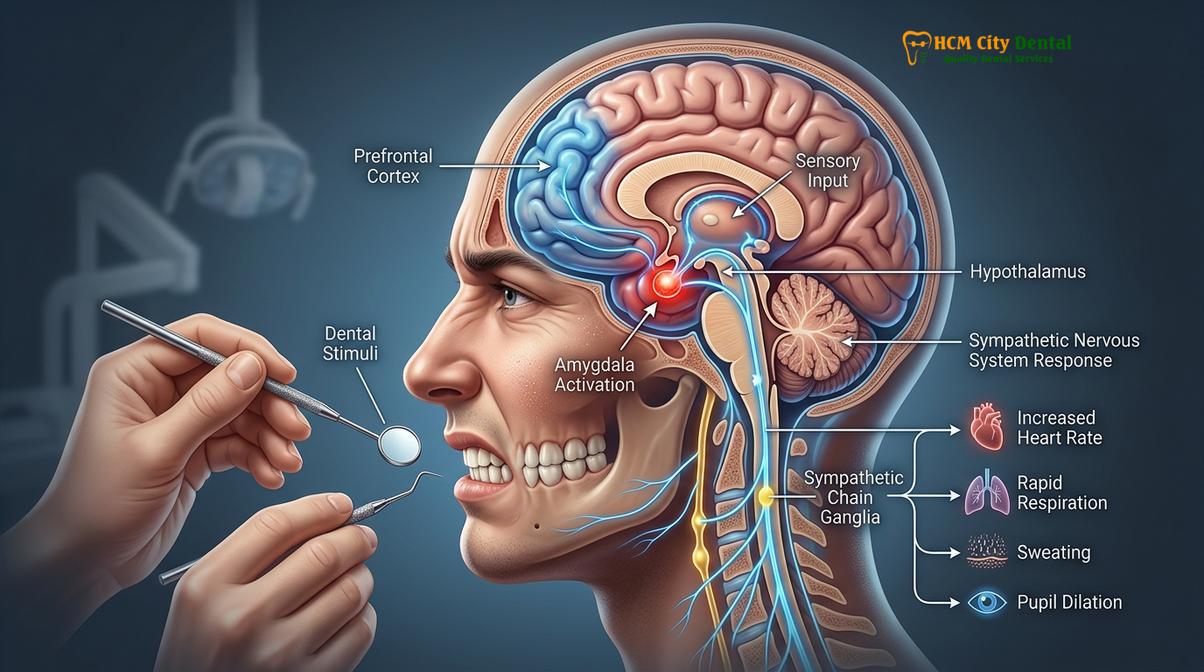
The neurobiology of dental anxiety involves the hyperactivation of the amygdala, the brain’s fear-processing center. When a patient encounters a dental trigger—such as the distinct smell of eugenol, the high-pitched sound of a handpiece, or the sight of a local anesthetic syringe—the amygdala instantly signals the hypothalamus. This triggers the sympathetic nervous system, initiating the classic “fight or flight” cascade. Adrenaline (epinephrine) and cortisol flood the bloodstream, preparing the body to either confront a predator or flee. Because neither option is socially or practically viable in a dental chair, the patient is left to endure a massive physiological stress response while remaining physically stationary, which profoundly exacerbates the psychological trauma.
Physical and Psychological Symptoms of Dental Anxiety
The symptoms of dental anxiety are categorized into autonomic physical reactions, such as tachycardia and muscle tension, and psychological responses, including catastrophic thinking and severe emotional distress.
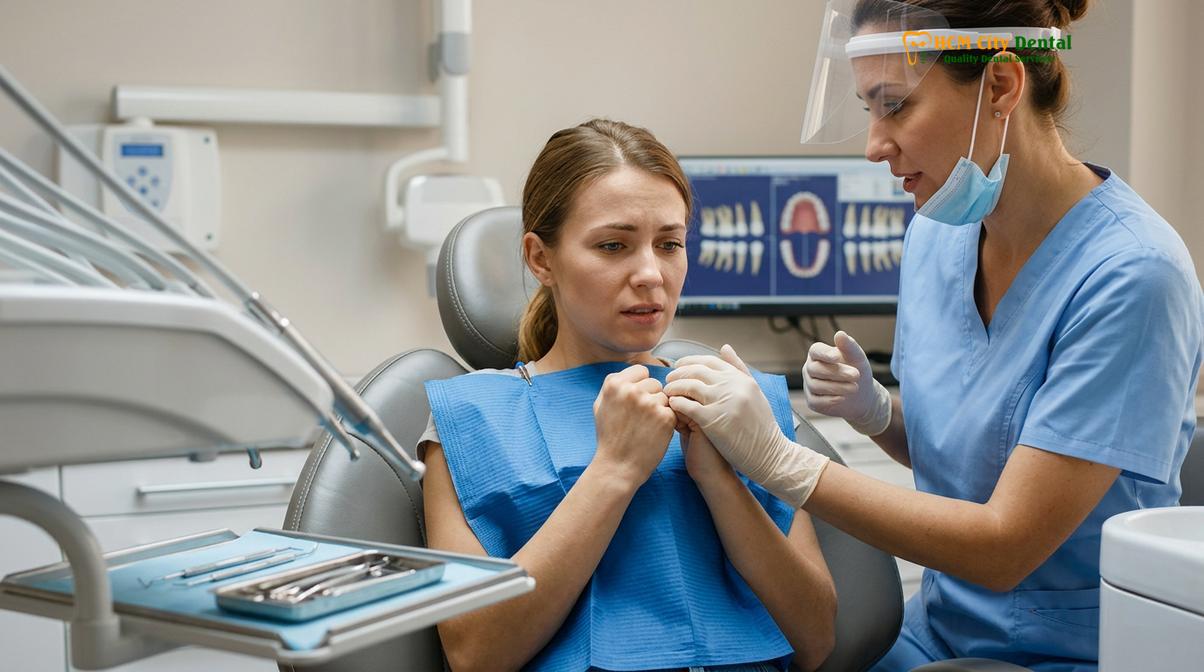
The clinical presentation of dental anxiety is multifaceted, involving a complex interplay between the mind and the body. Because the autonomic nervous system cannot distinguish between a physical threat (like a wild animal) and a psychological threat (like an impending root canal), the body’s reaction to dental fear is intensely physical. Recognizing these dental anxiety signs is crucial for clinicians to intervene appropriately and modify their treatment approach.
Physiological (Autonomic) Symptoms
The physical manifestations of dental anxiety are primarily driven by the sudden release of catecholamines. These symptoms can begin in the waiting room or even at home while anticipating the appointment. Common physiological signs include:
- Tachycardia and Palpitations: A rapid, pounding heart rate is one of the most universally reported symptoms. The heart works harder to pump oxygenated blood to the major muscle groups in preparation for flight.
- Diaphoresis (Excessive Sweating): Patients often experience cold sweats, particularly on the palms, forehead, and underarms, as the body attempts to regulate its temperature during the stress response.
- Hyperventilation: Rapid, shallow breathing can lead to a decrease in carbon dioxide levels in the blood (hypocapnia), which paradoxically causes dizziness, lightheadedness, and tingling in the extremities (paresthesia).
- Muscle Tension: Involuntary muscle contraction is common. Patients may exhibit a “white-knuckle” grip on the armrests, rigid posture, or tension in the facial and jaw muscles, making it difficult for the dentist to perform the examination.
- Gastrointestinal Distress: The diversion of blood flow away from the digestive tract can cause nausea, a “butterflies in the stomach” sensation, or acute abdominal cramping.
- Vasovagal Syncope: Particularly common in patients with a specific fear of needles (trypanophobia), the sudden spike in heart rate can be followed by a rapid drop in blood pressure, leading to fainting or a near-fainting episode in the dental chair [2].
Psychological and Cognitive Symptoms
The cognitive symptoms of dental anxiety are often more distressing than the physical ones. The psychological burden of fear of the dentist symptoms includes:
- Catastrophic Thinking: The patient’s mind automatically jumps to the worst-case scenario. A routine cleaning is perceived as a precursor to agonizing pain, or a minor cavity is viewed as the inevitable loss of the tooth.
- Loss of Control: The supine position in the dental chair, combined with the inability to speak while instruments are in the mouth, creates a profound sense of vulnerability and helplessness.
- Depersonalization or Derealization: In severe panic states, patients may feel detached from their own bodies or feel that the clinical environment is unreal or dream-like.
- Intrusive Thoughts: Patients may experience recurring, distressing thoughts or nightmares about dental procedures in the days leading up to an appointment.
| Clinical Feature | Mild to Moderate Dental Anxiety | Severe Dental Phobia (Odontophobia) |
|---|---|---|
| Trigger Response | Unease or nervousness prior to the appointment. | Overwhelming panic attacks at the mere thought of dentistry. |
| Physical Signs | Elevated heart rate, slight sweating, fidgeting. | Hyperventilation, extreme tremors, nausea, potential syncope. |
| Behavioral Pattern | Attends appointments but requires reassurance. | Total avoidance; cancels appointments repeatedly; only visits in agonizing pain. |
| Cognitive State | Worry about potential discomfort or cost. | Catastrophic thinking, feeling of impending doom, severe loss of control. |
Behaviorally, these physical and psychological symptoms culminate in avoidance. Patients may repeatedly cancel appointments at the last minute, make excuses to avoid scheduling follow-ups, or endure chronic oral pain rather than face the perceived terror of the dental clinic. This avoidance is a hallmark diagnostic criterion for specific phobias and is the primary driver of the long-term health consequences associated with the condition.
Underlying Causes of Dental Phobia
Dental phobia typically originates from direct traumatic experiences, vicarious learning from fearful family members, or underlying psychological vulnerabilities such as generalized anxiety or a fear of losing control.
Understanding the odontophobia causes is essential for developing an effective, empathetic treatment plan. Dental anxiety rarely develops in a vacuum; it is usually the result of a complex interplay of environmental conditioning, psychological predispositions, and biological factors. Psychologists and dental researchers generally categorize the etiology of dental fear into endogenous (internal) and exogenous (external) pathways.
Direct Conditioning (Traumatic Experiences)
The most prevalent cause of dental anxiety is classical conditioning resulting from a direct, negative past experience. If a patient experienced severe pain during a procedure—perhaps due to inadequate local anesthesia or an acute infection that neutralized the anesthetic effect—the brain strongly associates the dental environment with trauma. Furthermore, the trauma does not have to be strictly physical. A perceived lack of empathy, poor communication, or a dismissive attitude from a previous dentist can be equally traumatizing. When a patient feels ignored or violated in a vulnerable position, the psychological scar can manifest as lifelong dental phobia [3].
“The memory of pain is a powerful biological deterrent. When a patient experiences unmanaged pain in the dental chair, their nervous system fundamentally rewires itself to perceive the clinic as a hostile environment, making future visits exponentially more difficult without targeted intervention.”
Vicarious Learning and Information Threat
Dental anxiety can be highly contagious. Vicarious learning, or modeling, occurs when an individual acquires fear by observing the fearful reactions of others. This is particularly common in childhood. If a parent exhibits visible distress, speaks negatively about the dentist, or uses dental visits as a threat (“If you don’t brush, the dentist will pull your tooth”), the child internalizes this fear before ever sitting in the chair. Additionally, the “information threat” pathway—hearing exaggerated horror stories from friends, family, or media portrayals of dentistry—can plant the seeds of anxiety in an otherwise neutral patient.
Psychological Vulnerability and Comorbidities
Some individuals possess a biological or psychological predisposition to anxiety disorders. Patients with Generalized Anxiety Disorder (GAD), Post-Traumatic Stress Disorder (PTSD), or a history of abuse are at a significantly higher risk of developing dental phobia. The dental environment—characterized by physical proximity, invasion of personal space, and the use of sharp instruments—can easily trigger trauma responses in vulnerable individuals. Furthermore, patients with a strong need for control in their daily lives often find the passive, supine role of the dental patient psychologically intolerable.
Another critical factor is the individual’s pain threshold. Genetic variations in pain perception mean that what is mildly uncomfortable for one patient may be excruciating for another. If a patient naturally possesses a low pain threshold, their fear of the dentist is a rational, protective response to their unique physiological reality.
How Dental Anxiety Impacts Your Long-term Health
Chronic avoidance of dental care due to anxiety creates a vicious cycle of deteriorating oral health, leading to complex dental diseases that eventually require the invasive treatments the patient fears most.
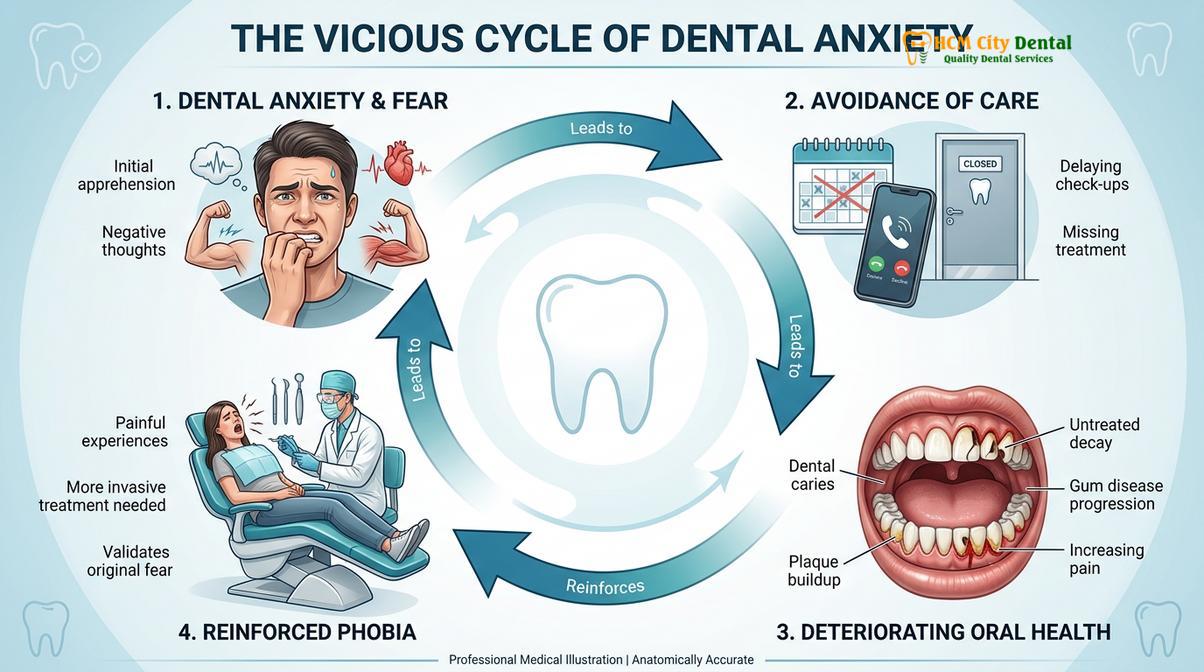
The consequences of untreated dental anxiety extend far beyond the emotional distress experienced in the waiting room. The most profound impact of this condition is the behavioral avoidance it generates, which initiates a well-documented clinical phenomenon known as the “Vicious Cycle of Dental Fear.”
The Vicious Cycle of Dental Fear
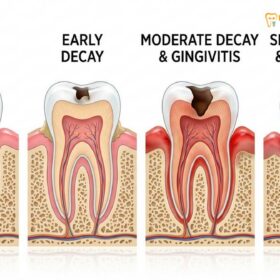
First conceptualized by dental researchers in the 1980s, the vicious cycle model perfectly illustrates the self-destructive nature of dental phobia. The cycle begins with the initial fear, which leads to the avoidance of routine preventive care, such as professional cleanings and early caries detection. Without regular maintenance, minor oral health issues inevitably progress. Plaque hardens into calculus, gingivitis advances to periodontitis, and superficial enamel decay penetrates the dentin and reaches the dental pulp [4].
Eventually, the patient experiences acute, unbearable pain or a severe cosmetic failure (such as a broken front tooth). This forces them to seek emergency dental care. Because the disease has progressed significantly, the required treatment is no longer a simple filling; it is now a complex root canal, a surgical extraction, or extensive periodontal therapy. These invasive, emergency procedures are inherently more uncomfortable, more expensive, and more stressful than routine care. The patient’s worst fears are validated, the trauma is reinforced, and the cycle begins anew with even greater intensity.
Clinical Warning: Delaying dental treatment due to fear allows localized bacterial infections to spread. An untreated dental abscess can lead to systemic complications, including facial cellulitis or, in rare cases, life-threatening conditions such as Ludwig’s angina or sepsis. Early intervention is critical for both oral and systemic safety.
Systemic and Psychosocial Consequences
The deterioration of oral health has profound systemic implications. Chronic periodontal disease, fueled by years of avoidance, creates a constant state of low-grade systemic inflammation. Clinical studies have established strong bidirectional links between severe periodontitis and systemic conditions such as cardiovascular disease, poorly controlled diabetes mellitus, and adverse pregnancy outcomes. By avoiding the dentist, anxious patients inadvertently compromise their overall physical health.
Furthermore, the psychosocial impact of dental anxiety is devastating. Patients with severely compromised dentition often experience profound shame, guilt, and embarrassment. They may alter their behavior to hide their teeth, avoiding smiling, laughing, or speaking in public. This can lead to social isolation, difficulties in professional advancement, and a significantly reduced overall quality of life. The psychological burden of knowing one needs dental care but being too terrified to seek it creates a chronic state of internal conflict and stress.
Self-Assessment: Measuring Your Level of Dental Anxiety
Clinicians utilize validated psychometric tools, such as the Modified Dental Anxiety Scale (MDAS) and the Dental Anxiety Scale (DAS), to objectively measure a patient’s fear level and tailor treatment protocols accordingly.
In modern clinical practice, identifying and quantifying a patient’s fear is the first critical step in management. Dentists cannot effectively treat what they do not understand. To move beyond subjective descriptions, dental professionals utilize standardized, validated psychometric questionnaires to assess the severity of a patient’s anxiety. These tools allow the clinical team to anticipate the patient’s needs and prepare appropriate interventions before the patient even enters the operatory.
The Modified Dental Anxiety Scale (MDAS)
The Modified Dental Anxiety Scale (MDAS) is one of the most widely used diagnostic tools in global dentistry. It consists of five multiple-choice questions that ask the patient to rate their anticipated anxiety in specific scenarios, such as:
- Anticipating a visit to the dental clinic tomorrow.
- Sitting in the waiting room.
- Having a tooth drilled.
- Having teeth scaled and polished.
- Receiving a local anesthetic injection.
Each response is scored on a scale from 1 (Not anxious) to 5 (Extremely anxious). A total score of 19 or higher strongly indicates severe dental phobia, signaling to the dentist that standard behavioral management may be insufficient and that pharmacological sedation should be considered [5].
Clinical Case Review: Overcoming Severe Phobia
A 42-year-old patient visited HCMC Dental Clinic in Ho Chi Minh City after avoiding dental care for over a decade due to a traumatic childhood extraction. The patient presented with severe generalized periodontitis and multiple carious lesions, scoring a 23/25 on the MDAS. Dr. Nguyen Van Cuong conducted a comprehensive consultation entirely outside the clinical operatory to reduce immediate stress. By implementing a phased treatment plan utilizing intravenous (IV) conscious sedation, the clinical team successfully restored the patient’s oral health over four appointments. The patient reported zero memory of the surgical phases and has since transitioned to routine preventive care using only mild nitrous oxide.
Beyond formal questionnaires, the clinical interview is paramount. A skilled dentist will observe non-verbal cues—such as eye contact avoidance, rapid breathing, or defensive posture—and gently guide the conversation to uncover specific triggers. Whether the fear is rooted in the sound of the drill, the sensation of numbness, or a feeling of claustrophobia, identifying the precise trigger allows the team to customize the environment.
Anxiety-Management Options at HCMC Dental
Modern dentistry offers a comprehensive spectrum of anxiety management techniques, ranging from behavioral cognitive strategies and environmental modifications to advanced pharmacological sedation protocols.
The management of dental anxiety is not a one-size-fits-all endeavor. It requires a tiered approach, matching the level of intervention to the severity of the patient’s fear. At HCMC Dental Clinic, the clinical philosophy centers on patient empowerment, utilizing both non-pharmacological behavioral techniques and advanced medical sedation to ensure a safe, comfortable experience.
Behavioral and Environmental Management
For patients with mild to moderate anxiety, behavioral modifications and environmental controls are often highly effective. These techniques aim to restore the patient’s sense of control and reduce the sensory overload of the dental operatory.
- Tell-Show-Do Technique: Originally developed for pediatric dentistry but highly effective for anxious adults, this method involves explaining the procedure in non-threatening language (Tell), demonstrating the instrument outside the mouth (Show), and then proceeding with the treatment (Do). This eliminates the fear of the unknown.
- Establishing a Stop Signal: Giving the patient a physical mechanism to halt the procedure—such as raising their left hand—instantly returns a degree of control to the patient. Knowing they can stop the treatment at any moment significantly lowers baseline anxiety.
- Sensory Distraction: Modifying the clinical environment can mitigate triggers. Noise-canceling headphones playing calming music or podcasts block the high-frequency sounds of dental handpieces. Weighted blankets can provide deep pressure stimulation, which has been shown to calm the autonomic nervous system.
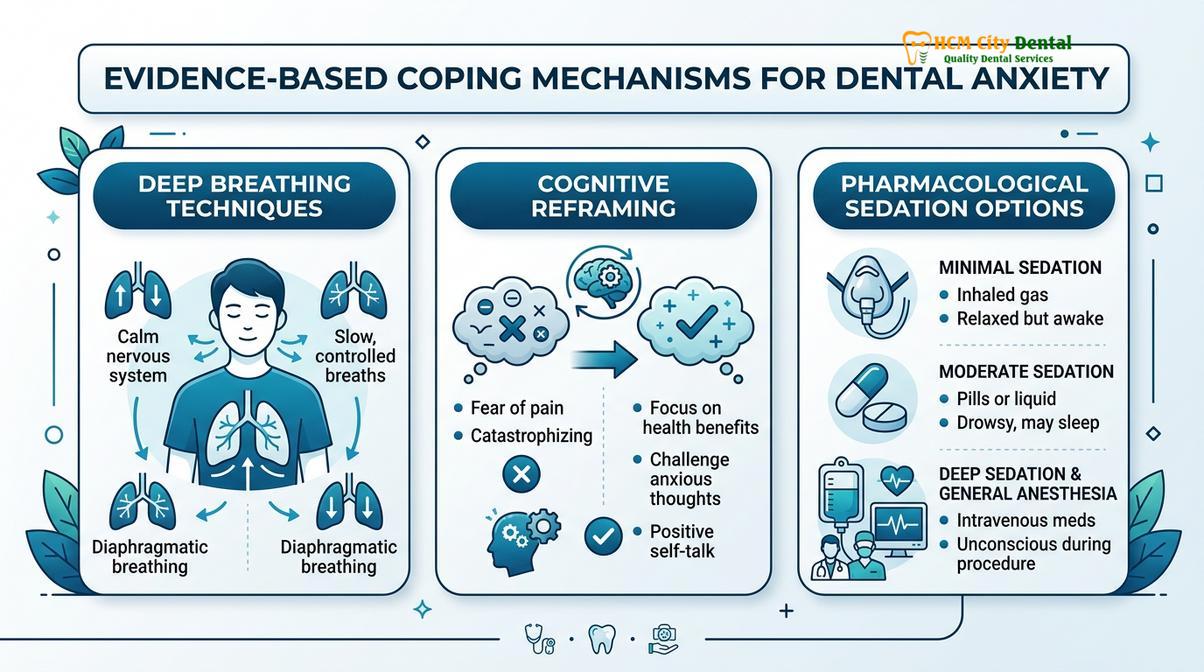
- Pacing and Micro-Breaks: Rather than rushing through a procedure, the dentist breaks the treatment into manageable segments, allowing the patient to rest their jaw, swallow, and practice deep diaphragmatic breathing.
Pharmacological Sedation Protocols
When behavioral techniques are insufficient to overcome severe odontophobia, or when complex, lengthy procedures are required, pharmacological intervention becomes the standard of care. Integrating sedation dentistry into the treatment plan allows patients to receive comprehensive care without psychological trauma.
Nitrous Oxide (Inhalation Sedation): Commonly known as laughing gas, nitrous oxide is a mild sedative mixed with oxygen and delivered through a nasal mask. It induces a state of deep relaxation and mild euphoria while slightly elevating the pain threshold. The effects are rapid in onset and dissipate within minutes after the gas is turned off, allowing the patient to drive home safely.
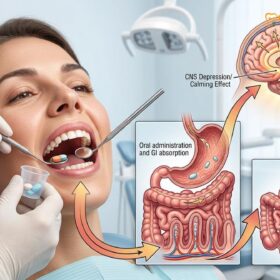
Oral Conscious Sedation: This involves the administration of anxiolytic medications (typically benzodiazepines like Triazolam or Diazepam) taken orally prior to the appointment. Oral sedation depresses the central nervous system, resulting in a moderate level of sedation. Patients remain conscious and responsive but are profoundly relaxed, often experiencing anterograde amnesia, meaning they remember very little of the procedure.
Intravenous (IV) Sedation: For extreme phobias or extensive surgical interventions, IV sedation offers the highest level of control. Administered directly into the bloodstream, the sedative medications act almost instantaneously. The dentist or anesthesiologist can titrate the dosage in real-time to maintain a deep state of conscious sedation. Patients are completely unaware of the sights, sounds, and sensations of the procedure, yet maintain their own airway and protective reflexes.
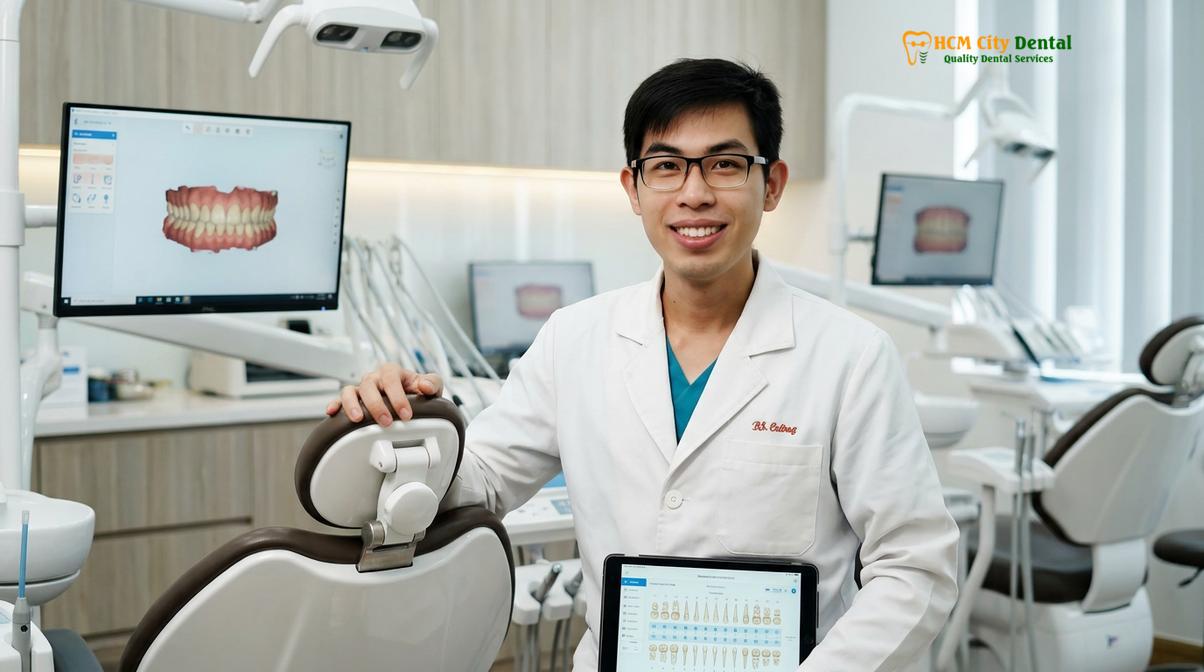
“Our primary goal is not just to fix teeth, but to heal the patient’s relationship with dentistry,” explains Dr. Nguyen Van Cuong. “By utilizing advanced sedation protocols alongside compassionate communication, we can break the cycle of fear and allow patients to achieve optimal oral health without the burden of psychological distress.”
Whether a patient requires a routine cleaning under the umbrella of General Dentistry or complex full-mouth rehabilitation, the integration of these anxiety-management tools ensures that fear is no longer a barrier to health.
When to See a Doctor
While dental anxiety is a psychological barrier, it can lead to acute physical emergencies that require immediate medical or dental intervention. You should seek immediate clinical care, regardless of your anxiety level, if you experience any of the following red-flag symptoms:
- Severe, Unrelenting Throbbing Pain: Pain that keeps you awake at night or is not relieved by over-the-counter analgesics indicates irreversible pulpitis or an active infection.
- Facial Swelling: Swelling in the gums, cheek, jaw, or under the eye is a sign of a spreading bacterial abscess. This is a medical emergency, as the infection can spread to systemic circulation or compromise the airway.
- Fever and Chills: Systemic symptoms accompanying tooth pain suggest that an oral infection has entered the bloodstream.
- Difficulty Swallowing or Breathing: This indicates that an infection in the lower jaw has spread into the fascial spaces of the neck (e.g., Ludwig’s angina), requiring immediate emergency room evaluation.
If your anxiety is so severe that it prevents you from addressing these critical symptoms, contact a clinic that explicitly offers IV sedation or hospital-based dentistry. Do not let fear compromise your systemic health or life safety.
Frequently Asked Questions
Why do I get so anxious before a dentist appointment?
Anticipatory anxiety before a dental appointment is typically triggered by a conditioned psychological response to past trauma, fear of pain, or a feeling of losing control. When your brain perceives the dental environment as a threat, it activates the sympathetic nervous system, releasing stress hormones like adrenaline. This biological ‘fight or flight’ response causes the intense nervousness you feel in the waiting room, which can be exacerbated by the clinical smells and sounds of the office. Over time, simply thinking about the appointment can trigger this physiological cascade.
What are the physical symptoms of dental anxiety?
The physical symptoms of dental anxiety include a rapid heartbeat (tachycardia), excessive sweating (diaphoresis), trembling, shortness of breath, and gastrointestinal distress. These physiological reactions are driven by the autonomic nervous system responding to perceived danger. In severe cases of dental phobia, patients may experience hyperventilation, extreme muscle tension, or even vasovagal syncope (fainting) when exposed to specific triggers like dental needles or the sound of a drill. Recognizing these signs allows the clinical team to intervene and provide necessary comfort measures.
How do I tell my dentist I have severe anxiety?
You should inform your dentist about your severe anxiety by communicating openly during the booking process or at the beginning of your consultation, before any instruments are used. You can say, ‘I experience severe dental anxiety and need us to go slowly.’ A compassionate clinician will appreciate this transparency and can immediately implement behavioral coping strategies, establish a stop signal, or discuss pharmacological sedation options to ensure your comfort. Honest communication is the first step in building a trusting, fear-free clinical relationship.
Can dental anxiety cause high blood pressure during a visit?
Yes, dental anxiety can cause a temporary but significant spike in blood pressure during a clinical visit, a phenomenon often referred to as ‘white coat hypertension.’ The psychological stress triggers the release of catecholamines (epinephrine and norepinephrine), which constrict blood vessels and increase cardiac output. Dentists routinely monitor vital signs for anxious patients to ensure blood pressure remains within safe parameters before administering local anesthesia or beginning treatment, as elevated blood pressure can complicate surgical procedures and anesthesia efficacy.
Is dental anxiety a mental health condition?
While mild dental anxiety is a common stress response, severe dental phobia (odontophobia) is officially recognized as a mental health condition classified under ‘Specific Phobias’ in the DSM-5. This clinical diagnosis is applied when the fear is disproportionate to the actual danger, persists for months, and leads to extreme avoidance behaviors that significantly impair a person’s oral health and overall quality of life. Recognizing it as a legitimate condition validates the patient’s experience and justifies the use of advanced medical interventions like IV sedation.
References
- Journal of the American Dental Association. The prevalence and management of dental anxiety and phobia. (2021).
- British Dental Journal. Physiological and psychological manifestations of dental fear. (2020).
- International Journal of Dentistry. Etiology of odontophobia: A comprehensive review of classical conditioning and trauma. (2019).
- Clinical Oral Investigations. The vicious cycle of dental fear: Impact on oral health and systemic well-being. (2022).
- Journal of Oral and Maxillofacial Surgery. Efficacy of conscious sedation protocols in managing severe dental anxiety. (2018).
For pricing, booking, and a free clinical assessment, visit our Sedation Dentistry service page at HCMC Dental Clinic in Ho Chi Minh City.