Navigating sedation medical conditions requires careful clinical evaluation to ensure patient safety during dental procedures. While most patients with controlled systemic diseases can safely receive conscious sedation, specific protocols must be adapted for cardiovascular, metabolic, and respiratory conditions to prevent adverse intraoperative events.
Clinical Summary:
The intersection of systemic health and dental anesthesiology demands a rigorous, evidence-based approach. Managing sedation medical conditions involves categorizing patients using the American Society of Anesthesiologists (ASA) physical status classification system to predict perioperative risks. For individuals with cardiovascular diseases, metabolic disorders like diabetes, or respiratory compromises such as asthma and COPD, sedation protocols must be highly individualized. Clinical success relies on comprehensive pre-operative clearance, precise pharmacological selection, continuous intraoperative monitoring of vital signs, and the implementation of modified fasting guidelines. When executed correctly, conscious sedation not only facilitates complex dental treatments but also actively protects systemic health by mitigating the physiological stress and hemodynamic fluctuations associated with dental anxiety.
Key Takeaways:
- Systemic health evaluation using the ASA classification is mandatory before administering any form of dental sedation.
- Cardiovascular conditions often benefit from sedation due to the reduction of stress-induced blood pressure spikes, provided hemodynamics are strictly monitored.
- Diabetic patients require modified fasting protocols and morning appointments to prevent intraoperative hypoglycemia.
- Respiratory conditions dictate the choice of sedative; nitrous oxide is generally safe for asthma but requires extreme caution in severe COPD.
- Comprehensive pharmacological reconciliation is essential to prevent adverse interactions between sedatives and daily medications, including anticoagulants.
Sedation Candidacy: Evaluating Pre-existing Health Conditions
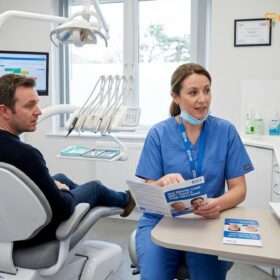
Determining sedation candidacy involves a comprehensive assessment of a patient’s medical history, current medications, and systemic health status to mitigate perioperative risks.
The foundation of safe dental sedation protocols lies in the meticulous evaluation of a patient’s systemic health. Dental professionals utilize the American Society of Anesthesiologists (ASA) Physical Status Classification System to categorize patients based on their physiological health. This system ranges from ASA I (a normal healthy patient) to ASA IV (a patient with a severe systemic disease that is a constant threat to life). For the vast majority of outpatient dental procedures, patients classified as ASA I and ASA II are considered excellent candidates for minimal to moderate conscious sedation [1].
Patients classified as ASA III—those with severe systemic diseases that limit activity but are not incapacitating—require a more nuanced approach. In these cases, the decision to proceed with sedation is based on a collaborative risk-benefit analysis between the dental surgeon and the patient’s primary care physician. The goal is to ensure that the physiological stress of the dental procedure does not exacerbate the underlying medical condition. By utilizing tools such as a comprehensive dental anxiety scale, clinicians can accurately gauge the patient’s psychological stress levels and tailor the pharmacological intervention accordingly.

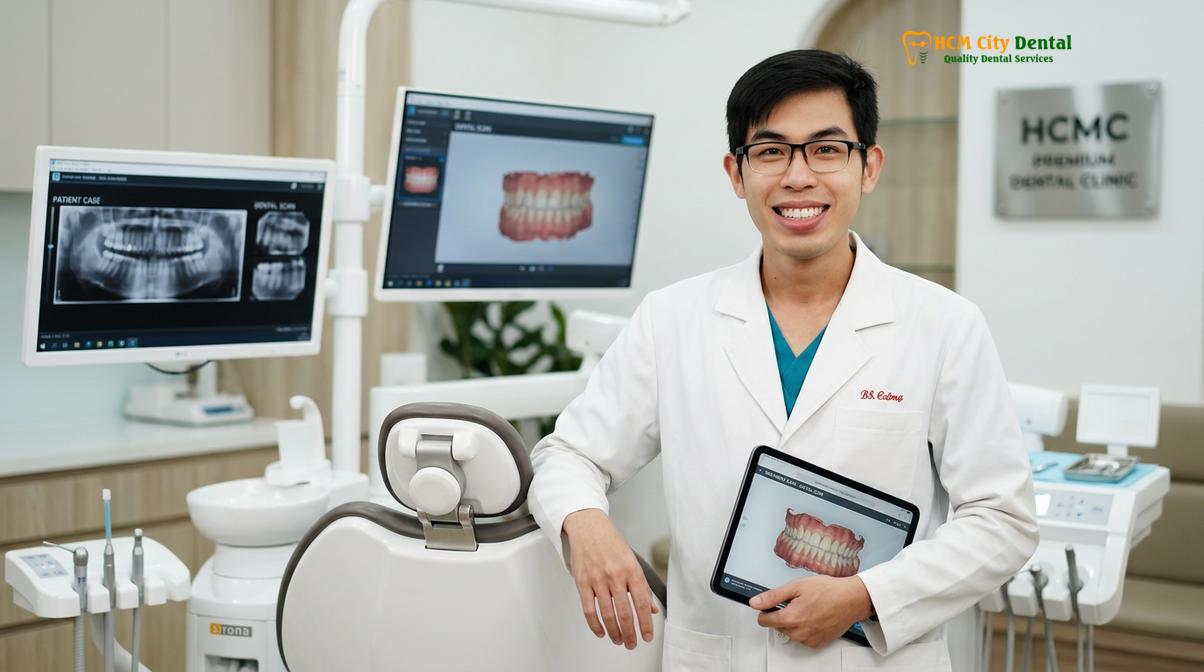
Dr. Nguyen Van Cuong, a leading expert in complex dental rehabilitations, emphasizes that pre-existing health conditions do not automatically disqualify a patient from receiving anxiety relief. Instead, they dictate the specific modality of sedation—whether inhalation, oral, or intravenous—and the level of intraoperative monitoring required. The physiological response to pain and fear triggers the release of endogenous catecholamines (epinephrine and norepinephrine), which can place undue stress on compromised organ systems. Therefore, appropriate sedation often serves a protective physiological role, shielding the body from the adverse effects of acute anxiety.
Cardiovascular Concerns: Hypertension, Heart Murmurs, and Stents
Patients with cardiovascular conditions require strict hemodynamic monitoring during sedation to prevent dangerous fluctuations in blood pressure and heart rate.
Cardiovascular disease represents one of the most common systemic conditions encountered in modern dental practice. When managing patients with a history of hypertension, ischemic heart disease, or previous myocardial infarctions, the primary clinical objective is to maintain a stable myocardial oxygen supply-and-demand ratio. Interestingly, the relationship between dental sedation high blood pressure is often misunderstood. Many patients assume that hypertension precludes them from receiving sedatives; however, the opposite is frequently true. Unmanaged dental fear can cause severe, acute elevations in blood pressure and heart rate, increasing the risk of cardiovascular events during treatment [2].
By administering appropriate anxiolytics, clinicians can blunt this sympathetic nervous system response, thereby stabilizing the patient’s hemodynamics. For patients with controlled hypertension, minimal to moderate sedation is not only safe but highly recommended to prevent stress-induced hypertensive crises. However, the administration of local anesthetics containing epinephrine must be carefully titrated, as systemic absorption can cause transient tachycardia.
“In cardiovascularly compromised patients, the profound reduction of endogenous stress hormones achieved through conscious sedation is often more protective to the myocardium than the minor pharmacological risks associated with the sedative agents themselves.”
Patients with a history of heart murmurs, prosthetic heart valves, or recent stent placements require additional considerations. The intersection of dental anesthesia heart disease management involves not only anxiety control but also the prevention of infective endocarditis. Depending on the specific cardiac anomaly, prophylactic antibiotics may be required prior to any invasive dental procedure, regardless of the sedation modality utilized. Furthermore, continuous electrocardiogram (ECG) monitoring, pulse oximetry, and automated blood pressure tracking are standard protocols for ASA III cardiovascular patients undergoing intravenous sedation.
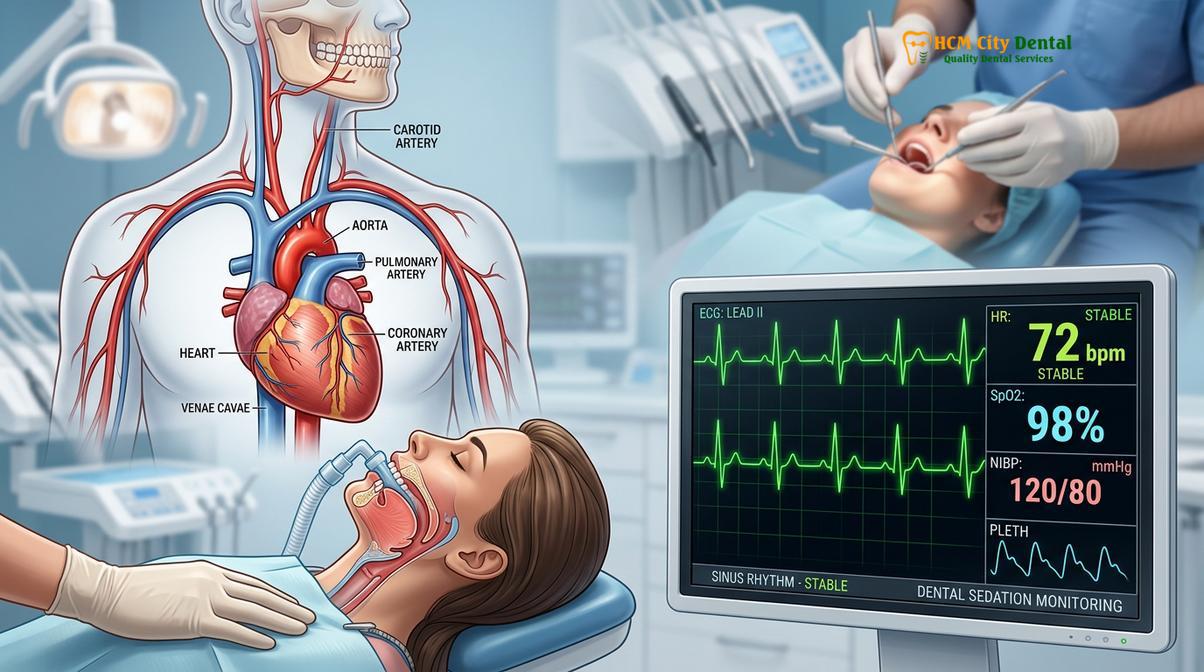
It is crucial to recognize that patients experiencing unstable angina, recent myocardial infarction (within the last six months), or refractory arrhythmias are generally deferred from elective dental treatments until their cardiac status is stabilized by a cardiologist. For those who are stable, learning how to overcome dental fear through medically supervised relaxation techniques remains a cornerstone of safe cardiovascular dental care.
Metabolic Diseases: Managing Diabetes and Fasting Timelines
Diabetic patients undergoing sedation must follow modified fasting guidelines and schedule morning appointments to prevent intraoperative hypoglycemia.
Diabetes mellitus presents unique challenges in the realm of dental anesthesiology. The primary concern when planning diabetic dental sedation is the maintenance of stable blood glucose levels throughout the perioperative period. Sedation protocols, particularly those involving intravenous administration, strictly require patients to adhere to fasting (NPO) guidelines to prevent pulmonary aspiration. However, prolonged fasting in a diabetic patient—especially one dependent on insulin or oral hypoglycemic agents—significantly increases the risk of severe hypoglycemia [3].
To mitigate this risk, dental appointments for diabetic patients are optimally scheduled for the early morning. This timing aligns with the body’s natural circadian rhythm of cortisol release, which helps maintain higher blood glucose levels, and minimizes the duration of the fasting period. Patients are typically instructed to consume a clear carbohydrate-rich liquid (such as apple juice) up to two hours before the procedure, depending on the specific sedation modality and the anesthesiologist’s directives.
The stress of a dental procedure can also induce hyperglycemia due to the release of counter-regulatory hormones. Therefore, achieving a state of deep relaxation through sedation helps prevent these stress-induced glucose spikes. Blood glucose monitoring is performed immediately prior to the induction of sedation, at regular intervals during prolonged procedures, and prior to discharge.
| Fasting Category | Standard Patient Protocol | Diabetic Patient Protocol (Modified) |
|---|---|---|
| Clear Liquids (Water, Black Coffee) | Stop 2 hours prior | Stop 2 hours prior (May include clear carbohydrate drink if directed) |
| Light Meal (Toast, Clear Broth) | Stop 6 hours prior | Stop 6 hours prior (Medication timing adjusted by physician) |
| Heavy Meal (Fried/Fatty Foods) | Stop 8 hours prior | Stop 8 hours prior |
| Pre-operative Blood Glucose Check | Not routinely required | Mandatory immediately before induction |
In cases of poorly controlled diabetes (e.g., HbA1c > 8.0%), elective procedures under deep sedation may be postponed. The delayed wound healing and increased susceptibility to infection associated with uncontrolled diabetes require optimization of glycemic control before undertaking extensive surgical interventions. The approach to diabetic dental sedation must always be highly individualized, balancing the need for anxiety management with the absolute necessity of metabolic stability.
Respiratory Issues: Asthma, COPD, and Sleep Apnea Safety
Respiratory conditions demand careful selection of sedative agents and airway management strategies to avoid bronchospasm or respiratory depression.
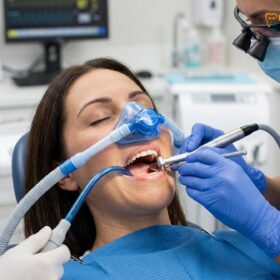
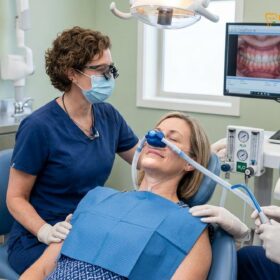
The respiratory system is profoundly affected by sedative medications, making pre-existing pulmonary conditions a critical focal point during the pre-operative assessment. Asthma, characterized by hyper-reactive airways and reversible bronchospasm, is highly sensitive to emotional stress. In fact, acute anxiety is a well-documented trigger for asthmatic attacks in the dental chair. Therefore, asthma conscious sedation is highly beneficial for these patients. Nitrous oxide (laughing gas) is considered the agent of choice for asthmatics because it is non-irritating to the respiratory mucosa and provides excellent anxiolysis without causing respiratory depression [4].
When managing dental anxiety in children with asthma, inhalation sedation is particularly effective. However, patients are always required to bring their rescue inhalers (e.g., Albuterol) to the appointment, and the clinical team must be prepared to manage a sudden bronchospasm should it occur.
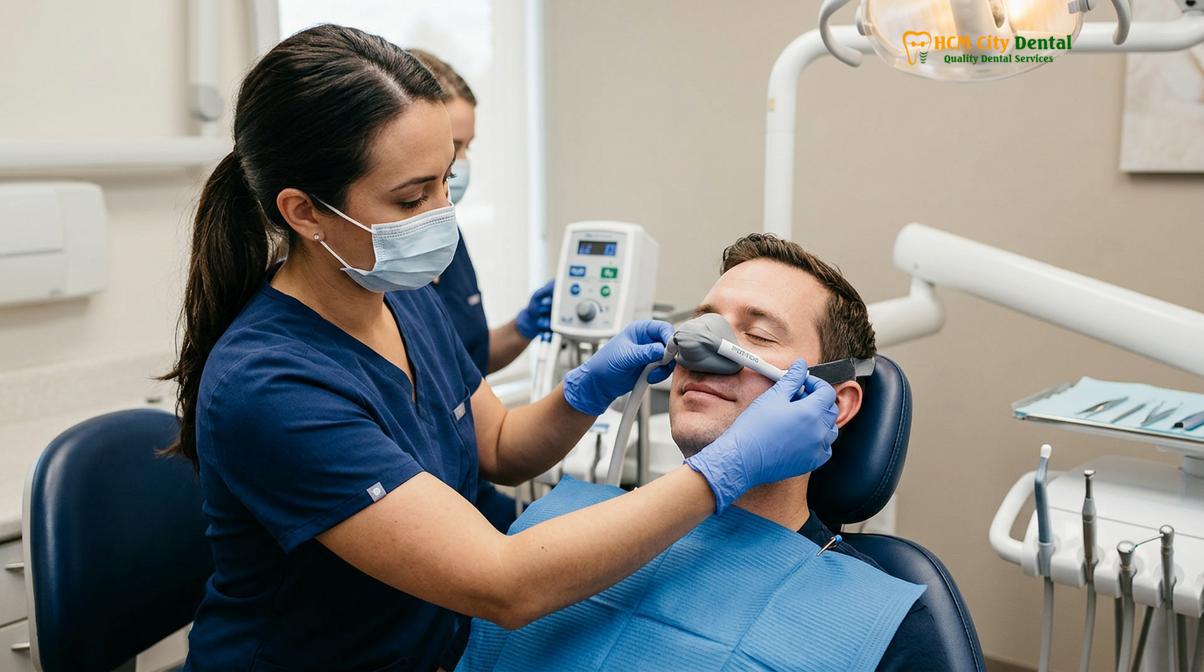
Conversely, Chronic Obstructive Pulmonary Disease (COPD) presents a more complex scenario. Patients with severe COPD often rely on a “hypoxic drive” to stimulate breathing—meaning their bodies are triggered to breathe by low oxygen levels rather than high carbon dioxide levels. Administering high concentrations of supplemental oxygen, which is standard practice during moderate to deep sedation, can paradoxically depress their respiratory drive, leading to dangerous hypoventilation or apnea.
Clinical Warning: Obstructive Sleep Apnea (OSA)
Patients with diagnosed or suspected Obstructive Sleep Apnea are at a significantly higher risk for airway collapse during moderate to deep sedation. The muscle-relaxing properties of sedatives exacerbate the obstruction of the upper airway. These patients require advanced airway monitoring, including continuous capnography, and may necessitate the use of a CPAP machine during recovery. Severe OSA may contraindicate outpatient intravenous sedation entirely.
For patients with mild to moderate respiratory conditions, oral anxiolytics may be utilized cautiously. However, the dosage must be carefully titrated to avoid excessive central nervous system depression. The clinical team must maintain a vigilant watch over the patient’s airway patency, utilizing pulse oximetry to monitor oxygen saturation and capnography to measure end-tidal carbon dioxide, ensuring that ventilation remains adequate throughout the procedure.
Medication Interactions: Blood Thinners and Sedation Drugs
Concurrent use of anticoagulants or other systemic medications requires precise pharmacological reconciliation to prevent adverse drug interactions with sedatives.
A critical component of evaluating sedation medical conditions is the comprehensive review of the patient’s current pharmacotherapy. Polypharmacy is common, particularly among older adults, and introduces the risk of complex drug-drug interactions. Central nervous system (CNS) depressants, such as prescription sleep aids, opioid analgesics, and certain antidepressants, can have a synergistic effect when combined with dental sedatives. This synergy can lead to unpredictable levels of deep sedation, prolonged recovery times, and an increased risk of respiratory depression.
One of the most frequently discussed topics is the interaction between blood thinners (anticoagulants and antiplatelets) and sedation. It is important to clarify that sedative medications themselves do not directly interact with drugs like Warfarin, Clopidogrel, or Direct Oral Anticoagulants (DOACs) to alter blood coagulation. However, the clinical challenge arises from the surgical environment. When a patient is under moderate to deep sedation, their ability to actively manage oral secretions and swallow is diminished. If a patient is on blood thinners and undergoes an invasive procedure (such as multiple extractions or implant placement), achieving rapid and profound hemostasis is critical to prevent airway compromise from pooling blood [5].
“Pharmacological reconciliation is not merely about avoiding contraindications; it is about understanding the pharmacokinetic pathways—specifically the cytochrome P450 enzyme system in the liver—to predict how a patient will metabolize and clear sedative agents.”
Furthermore, patients utilizing oral sedation dentistry protocols must be evaluated for medications that inhibit or induce liver enzymes. For example, certain antifungal medications, macrolide antibiotics, and even grapefruit juice can inhibit the CYP3A4 enzyme, leading to dangerously high plasma concentrations of benzodiazepines like Triazolam or Midazolam. Conversely, enzyme inducers can cause the sedative to be metabolized too rapidly, resulting in inadequate anxiety control. A thorough consultation ensures that the chosen sedative is both safe and effective given the patient’s unique pharmacological profile.
The Pre-operative Clearance Process at HCMC Dental
A rigorous pre-operative clearance protocol ensures that all medical conditions are stabilized and appropriate sedation modalities are selected for optimal safety.
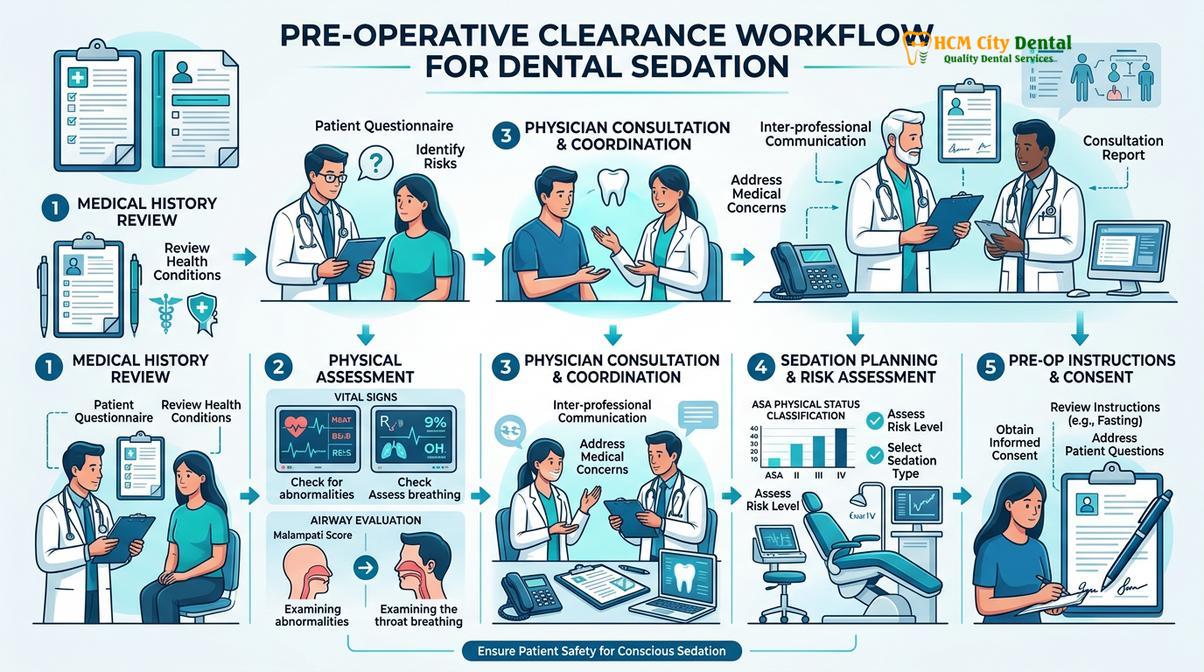
At HCMC Dental Clinic in Ho Chi Minh City, patient safety is the paramount directive. The pre-operative clearance process is a meticulously structured workflow designed to identify and mitigate any potential risks associated with sedation medical conditions. This process begins long before the patient sits in the dental chair. During the initial consultation, a comprehensive medical history is recorded, encompassing past surgeries, hospitalizations, known allergies, and a detailed inventory of all prescription, over-the-counter, and herbal medications.
Dr. Nguyen Van Cuong advocates for a multidisciplinary approach when dealing with complex systemic health issues. If a patient presents with an ASA III classification or an unstable medical history, the clinic initiates a formal medical consultation with the patient’s primary care physician or relevant specialist (e.g., cardiologist or endocrinologist). This collaborative effort ensures that the patient is medically optimized for the physiological demands of both the surgery and the anesthesia.
Clinical Case Review: Managing Complex Systemic Health
A 62-year-old patient visited HCMC Dental Clinic requiring extensive full-mouth rehabilitation. The patient presented with a history of controlled Type 2 diabetes, mild hypertension, and severe dental phobia. Understanding the distinction between dental phobia vs anxiety, the clinical team determined that intravenous conscious sedation was necessary to complete the treatment safely. Following a strict morning scheduling protocol, modified fasting guidelines, and continuous intraoperative ECG and capnography monitoring, the complex surgical phase was completed seamlessly. The patient’s blood pressure remained stable throughout, and post-operative blood glucose levels were optimal, demonstrating the efficacy of tailored medical clearance protocols.
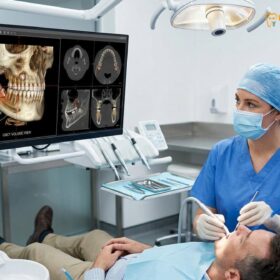
On the day of the procedure, baseline vital signs—including blood pressure, heart rate, oxygen saturation, and respiratory rate—are recorded prior to the administration of any medication. The clinical environment is equipped with advanced monitoring technology and emergency resuscitation equipment, ensuring that the team is fully prepared to manage any unforeseen physiological changes. This unwavering commitment to clinical excellence ensures that patients receive the highest standard of care in a safe, controlled, and deeply relaxing environment.
When to Consult a Medical Specialist Before Sedation
While dental professionals are highly trained in managing medical emergencies and evaluating systemic health, certain clinical presentations require the expertise of a medical specialist prior to proceeding with sedation. Patients should seek formal medical clearance if they experience any of the following:
- Unstable Cardiovascular Symptoms: Episodes of chest pain (angina) at rest, shortness of breath with minimal exertion, palpitations, or a recent history of myocardial infarction or stroke within the past six months.
- Uncontrolled Metabolic Disorders: Consistently high blood glucose readings, a recent history of diabetic ketoacidosis, or untreated thyroid dysfunction.
- Severe Respiratory Distress: Frequent asthma exacerbations requiring hospitalization, reliance on continuous supplemental oxygen for COPD, or untreated severe obstructive sleep apnea.
- Hepatic or Renal Impairment: Advanced liver disease or chronic kidney disease, which can significantly alter the metabolism and excretion of sedative medications, leading to prolonged drug effects.
A proactive medical consultation ensures that your systemic conditions are optimally managed. The specialist can provide specific recommendations regarding medication adjustments, fasting protocols, and the safest sedation modalities, allowing the dental team to proceed with confidence and precision. For comprehensive care and personalized evaluations, patients are encouraged to explore the General Dentistry services available to establish a healthy baseline before complex procedures.
Frequently Asked Questions
Can I get dental sedation if I have high blood pressure?
Yes, patients with controlled high blood pressure can safely receive dental sedation. In fact, sedation often helps stabilize blood pressure by reducing anxiety-induced spikes during the procedure. However, severe or unmanaged hypertension requires medical clearance and careful monitoring before any sedative agents are administered. The clinical team will continuously monitor your vital signs to ensure cardiovascular stability throughout the treatment.
Is dental sedation safe for patients with diabetes?
Dental sedation is generally safe for diabetic patients when blood glucose levels are well-managed. The primary clinical concern is preventing intraoperative hypoglycemia, which requires customized fasting protocols and scheduling procedures during morning hours when cortisol and glucose levels are most stable. Blood sugar levels are typically checked immediately before the procedure to confirm it is safe to proceed.
Can asthmatics receive nitrous oxide laughing gas?
Yes, nitrous oxide is highly recommended for asthmatic patients because it is non-irritating to the respiratory tract and helps reduce stress-induced asthma attacks. However, patients experiencing an active exacerbation or severe respiratory distress should postpone elective sedation until their condition stabilizes. You will also be asked to bring your rescue inhaler to the appointment as a standard safety precaution.
What pre-existing conditions disqualify a patient from IV sedation?
Conditions that may contraindicate IV sedation include severe chronic obstructive pulmonary disease (COPD), uncontrolled congestive heart failure, active respiratory infections, and severe obstructive sleep apnea. A thorough pre-operative assessment is mandatory to determine if alternative anxiety management techniques are safer. In some complex cases, treatment may need to be performed in a hospital setting rather than an outpatient clinic.
How do blood thinners affect dental surgery under sedation?
While blood thinners do not directly interact with sedative medications, they increase the risk of surgical bleeding. Because sedation alters a patient’s consciousness and ability to manage oral secretions, precise hemostatic control and careful pharmacological reconciliation are required during the procedure. Your dentist will consult with your prescribing physician to determine if any temporary adjustments to your blood thinner dosage are necessary prior to surgery.
References
- Journal of Oral and Maxillofacial Surgery. Patient safety in dental sedation and anesthesia. (2021).
- International Journal of Oral and Maxillofacial Surgery. Intravenous conscious sedation protocols for complex oral surgery. (2020).
- British Dental Journal. Nitrous oxide inhalation sedation in dentistry: a review of safety. (2019).
- Journal of the American Dental Association. Patient satisfaction and anxiety levels under conscious sedation. (2022).
- Clinical Oral Investigations. Safety and recovery profiles of conscious sedation vs general anesthesia. (2018).
For pricing, booking, and a free clinical assessment, visit our Sedation Dentistry service page at HCMC Dental Clinic in Ho Chi Minh City.