SMART amalgam removal is a clinically rigorous protocol developed by the International Academy of Oral Medicine and Toxicology (IAOMT) to safely extract traditional silver-mercury fillings. By utilizing advanced barrier techniques, high-volume air filtration, and specialized drilling methods, this procedure minimizes the release and inhalation of toxic mercury vapor, ensuring maximum protection for both the patient and the dental team.
Clinical Summary:
The Safe Mercury Amalgam Removal Technique (SMART) is an evidence-based biological dentistry protocol designed to mitigate the risks associated with extracting traditional silver fillings, which contain approximately 50% elemental mercury. Standard drilling generates significant heat and friction, releasing hazardous mercury vapor and fine particulate matter that can be absorbed systemically. The SMART protocol counters this through a multi-layered defense system: alternative nasal oxygen for the patient, non-latex rubber dams to isolate the tooth, high-volume aerosol vacuums (Dent-Air Vac), and the “chunking” technique using specialized carbide burs with copious cold water irrigation. Following the physical removal, biological dentists often integrate nutritional support and safe, biocompatible restorations to promote long-term oral and systemic health. Adherence to these strict IAOMT guidelines is considered the gold standard in modern holistic dental care.
Key Takeaways:
- Traditional silver fillings consist of roughly 50% elemental mercury, which can vaporize during standard high-speed drilling.
- The SMART protocol utilizes alternative nasal oxygen and non-latex rubber dams to prevent the inhalation and ingestion of toxic materials.
- Specialized high-volume vacuums and HEPA/carbon air filtration systems are mandatory to capture ambient mercury aerosols in the operatory.
- Dentists use a “chunking” technique with carbide burs and copious cold water to remove the filling in large pieces, minimizing vaporization.
- Post-removal protocols often include activated charcoal rinses and biocompatible, metal-free restorations to support holistic recovery.
What is the S.M.A.R.T Amalgam Removal Protocol?
The SMART protocol is an evidence-based set of safety measures designed to minimize mercury vapor and particulate exposure during the extraction of traditional silver dental amalgam.
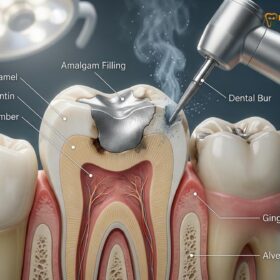
For over a century, dental amalgam—commonly referred to as “silver fillings”—has been a staple in restorative dentistry due to its durability, low cost, and ease of placement. However, the term “silver filling” is highly misleading. The primary component of dental amalgam is actually elemental mercury, which constitutes approximately 50% of the material’s total weight, with the remainder being a mixture of silver, tin, copper, and trace metals. While the amalgam is stable at room temperature, any mechanical friction, thermal stress, or chemical interaction can cause the mercury to destabilize and emit an invisible, odorless vapor.
Recognizing the occupational and patient health hazards associated with mercury exposure, the International Academy of Oral Medicine and Toxicology (IAOMT) developed a comprehensive, scientifically backed methodology known as the Safe Mercury Amalgam Removal Technique (SMART). The IAOMT SMART protocol is not merely a suggestion; it is a stringent, multi-step clinical workflow that addresses every potential vector of mercury exposure during the extraction process. The protocol is built on the fundamental principle of biological dentistry: that the materials and procedures used in the oral cavity should not negatively impact the systemic health of the patient.
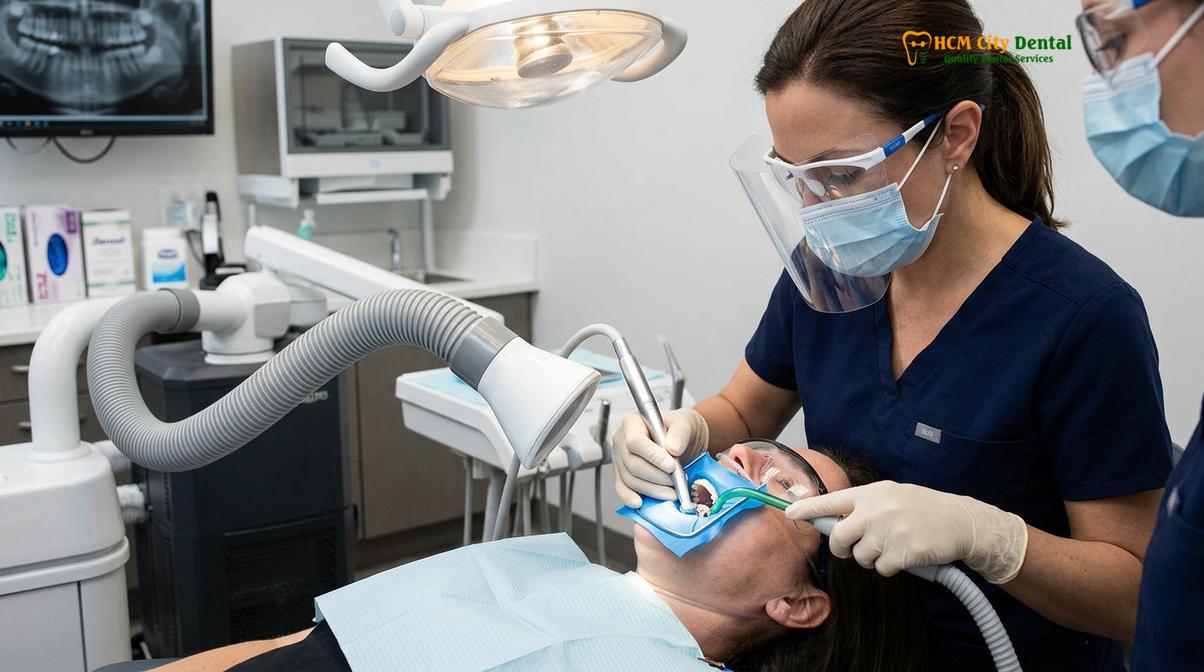
The core philosophy of SMART amalgam removal revolves around containment and mitigation. When a dentist decides to remove an old, failing, or cosmetically undesirable amalgam filling, the act of cutting into the metal with a high-speed dental handpiece generates immense localized heat. This heat instantly vaporizes the mercury within the amalgam matrix. Without specialized protection, this vapor is inhaled directly into the patient’s lungs, where it rapidly enters the bloodstream and can cross both the blood-brain barrier and the placental barrier. Furthermore, the drilling process creates a slurry of highly toxic, microscopic amalgam particulates that can be swallowed or absorbed through the oral mucosa.
To combat these risks, the SMART protocol mandates a combination of physical barriers, alternative breathing supplies, advanced air filtration, and specific mechanical techniques. It requires the dental team to wear specialized protective gear, including dual-cartridge respirator masks, and necessitates the use of high-volume evacuation systems that capture aerosols at the source. By adhering to these rigorous standards, biological dentists can safely transition patients away from heavy metal restorations toward modern, biocompatible alternatives like composite resins or ceramic inlays, without triggering an acute toxic burden during the removal phase.
Why Standard Amalgam Removal is Risky
Drilling out silver fillings without specialized protection generates high levels of toxic mercury vapor and fine particulate matter that can be inhaled or ingested by the patient and dental team.
To truly understand the necessity of the SMART protocol, one must examine the physics and biochemistry of standard amalgam removal. In a conventional dental setting, a practitioner typically uses a high-speed air-turbine handpiece, which operates at speeds up to 400,000 revolutions per minute (RPM), to grind away the old filling. While this method is highly efficient for removing tooth structure and composite materials, it is exceptionally hazardous when applied to mercury amalgam.
Elemental mercury has a relatively low vapor pressure, meaning it transitions from a solid/liquid state into a gas at surprisingly low temperatures. The intense friction generated by a high-speed diamond or carbide bur creates localized temperature spikes that far exceed the vaporization threshold of mercury. As the bur grinds the amalgam into a fine powder, a massive plume of mercury vapor is released into the immediate breathing zone of the patient and the dentist. Research indicates that standard drilling of an amalgam filling can elevate ambient mercury vapor levels in the oral cavity to hundreds of times the safety limits established by occupational health organizations [1].
“The mechanical pulverization of dental amalgam without adequate cooling and high-volume evacuation transforms a stable metallic alloy into a highly bioavailable toxic aerosol, posing immediate inhalation risks to both the patient and the clinical operator.”
Once inhaled, mercury vapor is highly lipophilic (fat-soluble). It passes effortlessly through the alveolar membranes of the lungs and enters the systemic circulation. From the bloodstream, it has a high affinity for sulfhydryl groups in proteins and enzymes, disrupting cellular respiration and oxidative stress management. Because of its lipophilic nature, elemental mercury vapor easily crosses the blood-brain barrier, where it is oxidized into inorganic mercury (Hg2+) and becomes trapped within the central nervous system. This bioaccumulation is a primary concern for patients seeking mercury filling removal safety, as chronic low-dose exposure or acute high-dose exposure during unprotected removal can exacerbate neurological, immunological, and renal issues [2].
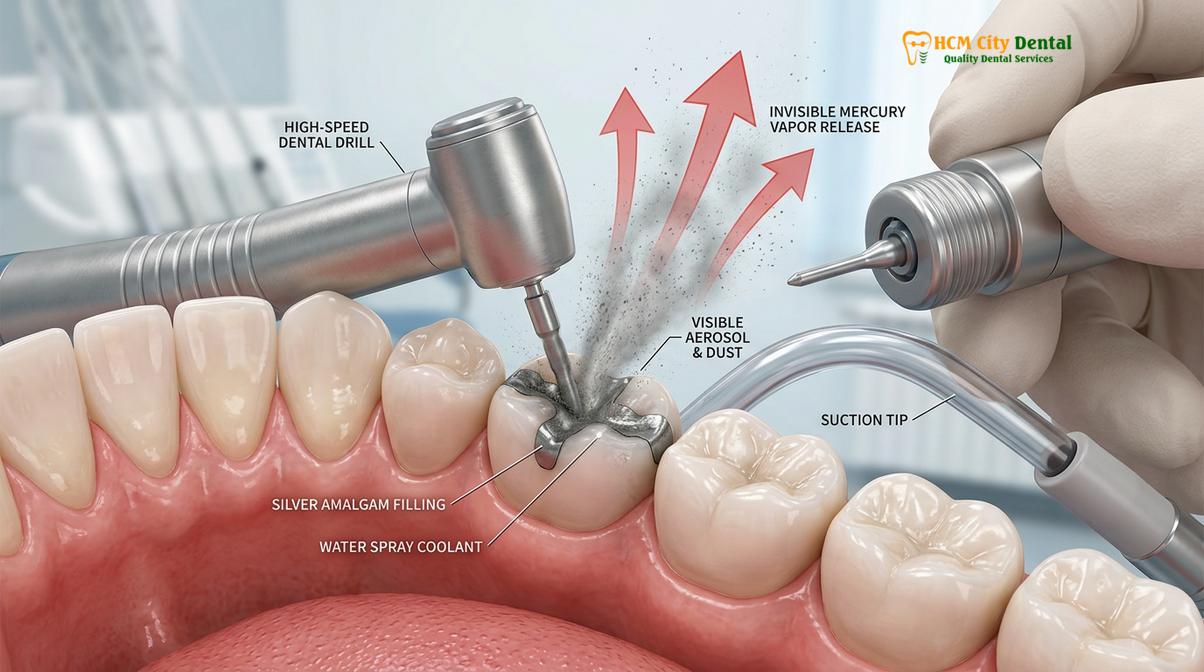
Beyond the invisible threat of vapor, standard removal generates a significant amount of particulate matter. As the filling is ground down, microscopic shards of amalgam mix with the patient’s saliva and the cooling water from the drill. If a rubber dam is not used, this toxic slurry pools in the back of the throat. The patient inevitably swallows a portion of this mixture, introducing heavy metals directly into the gastrointestinal tract. In the acidic environment of the stomach, these particulates can undergo further chemical changes, potentially increasing their systemic absorption or disrupting the delicate balance of the gut microbiome.
Furthermore, the environmental impact of standard removal cannot be ignored. Without specialized amalgam separators installed in the clinic’s wastewater lines, the mercury-laden slurry is suctioned away and discharged directly into the municipal sewer system. Once in the environment, elemental mercury can be converted by aquatic microorganisms into methylmercury, a highly toxic organic compound that bioaccumulates in the food chain. Therefore, the risks of standard removal extend far beyond the dental chair, making the adoption of biological safety protocols a matter of both personal and ecological responsibility.
Detailed Steps of the S.M.A.R.T Safety Protocol
The protocol involves strict barrier techniques, alternative air supplies, high-volume aerosol vacuums, and specific drilling methods to ensure maximum protection throughout the procedure.
The execution of the SMART protocol is a meticulously choreographed clinical workflow. Every step is designed to build upon the previous one, creating overlapping layers of protection. When a patient undergoes this procedure, they will immediately notice that the setup is vastly different from a standard dental visit. The preparation phase alone requires significant time and specialized equipment to ensure that the operatory is fully secured against mercury contamination.
Pre-Operative Preparation and Patient Protection
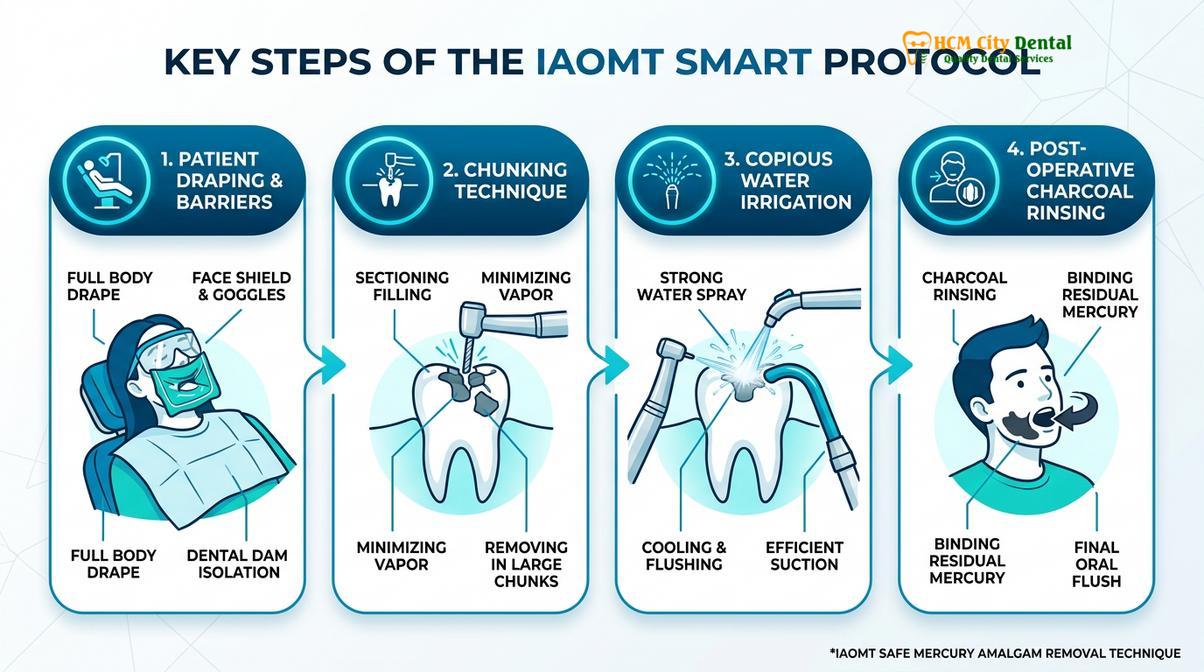
Before the procedure begins, the patient is often given a slurry of activated charcoal or chlorella to rinse and swallow. These substances act as powerful binders in the gastrointestinal tract; if any microscopic mercury particulates happen to bypass the physical barriers and are swallowed, the binders will attach to the heavy metals and facilitate their safe excretion through the digestive system. Following the rinse, the patient is fully draped with an impermeable barrier gown to prevent amalgam dust from settling on their clothing or skin.
The most critical pre-operative step is the isolation of the airway and the oral cavity. The dentist will place a non-latex nitrile rubber dam over the target tooth. This rubber sheet acts as a physical diaphragm, completely sealing off the throat and the rest of the mouth from the operative site. Nitrile is specifically chosen over standard latex because mercury vapor can permeate latex materials. Once the dam is secure, a specialized saliva ejector is placed under the dam to manage natural secretions, while the tooth itself is isolated above the barrier.
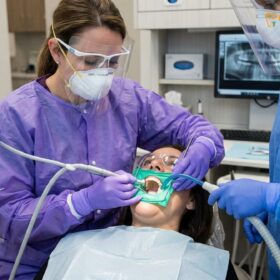
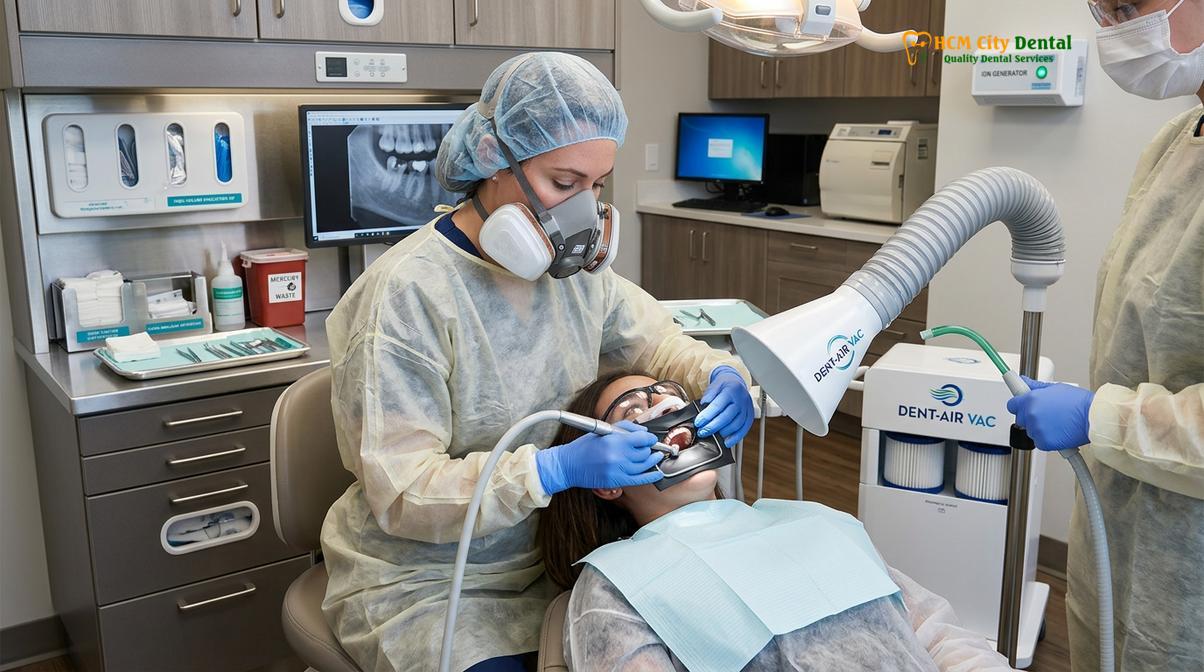
To prevent the inhalation of ambient mercury vapor, the patient is fitted with a nasal hood that delivers a continuous flow of pure oxygen or clean, filtered air from an external source. This ensures that the patient is not breathing the air directly above the oral cavity during the drilling process. Simultaneously, the dental team dons their own protective gear, which includes non-latex gloves, face shields, hair covers, and specialized dual-cartridge respirator masks rated to capture mercury vapor and fine particulates [3].
Intra-Operative Techniques and Aerosol Management
Once the physical barriers are in place, the focus shifts to aerosol management. A massive, high-volume air filtration unit—often referred to as a Dent-Air Vac or “the elephant in the room”—is positioned just inches from the patient’s chin. This device features a wide-mouth intake hose connected to a powerful motor and a series of HEPA and activated carbon filters. Its sole purpose is to create a negative pressure zone around the mouth, immediately vacuuming away any mercury vapor or aerosols before they can disperse into the room.
When the actual removal begins, the dentist employs a specific mechanical approach known as the “chunking” technique. Instead of grinding the amalgam into a fine powder, the dentist uses a small-diameter tungsten carbide bur to carefully section the filling into large pieces. By cutting narrow trenches through the amalgam and using a hand instrument to pry the chunks loose, the dentist drastically reduces the amount of friction and heat generated. Less grinding equates to significantly less mercury vaporization.
Throughout the chunking process, the dental assistant applies copious amounts of cold water directly to the bur and the tooth. This continuous cold water irrigation serves a dual purpose: it keeps the temperature of the amalgam well below the vaporization point of mercury, and it captures the amalgam dust, turning it into a heavy slurry. A high-speed suction device (HVE) is held immediately adjacent to the tooth to capture this slurry the instant it is created, ensuring that the amalgam removal steps are as clean and controlled as possible.
| Safety Feature | Standard Removal | SMART Protocol |
|---|---|---|
| Patient Airway Protection | None (breathes ambient air) | Alternative nasal oxygen/air supply |
| Oral Cavity Isolation | Cotton rolls, standard suction | Non-latex nitrile rubber dam seal |
| Aerosol Vacuum System | Standard chairside suction | Dent-Air Vac (HEPA/Carbon filtration) |
| Drilling Technique | High-speed grinding/pulverization | “Chunking” into large pieces |
| Environmental Protection | Often discharged to sewer | ISO-certified amalgam separators |
Post-Operative Cleanup and Restoration
After the last piece of amalgam is successfully removed, the cleanup phase must be handled with equal care. The tooth and the surrounding rubber dam are thoroughly flushed with water and suctioned to remove any residual microscopic dust. The rubber dam is then carefully folded inward and removed, trapping any remaining debris within the nitrile sheet. The patient’s face is wiped down, and the protective drapes are carefully discarded.
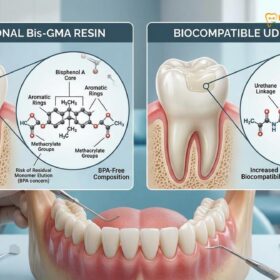
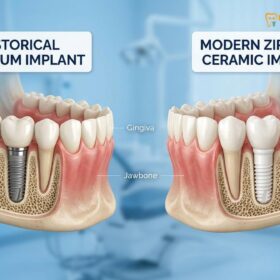
The patient is then instructed to perform a second vigorous rinse with activated charcoal or a specialized heavy metal binding mouthwash. Once the oral cavity is completely decontaminated, the dentist can proceed with restoring the tooth. In biological dentistry, the replacement materials are carefully selected based on biocompatibility. Depending on the size of the cavity and the structural integrity of the remaining tooth, the dentist will place a BPA-free composite resin, a ceramic inlay/onlay, or a full zirconia crown, ensuring that the new restoration is entirely metal-free and biologically inert.
Who Qualifies for Safe Amalgam Removal?
Patients with deteriorating silver fillings, suspected metal hypersensitivities, or those seeking biological dentistry alternatives are prime candidates, though pregnant women require special timing considerations.
The decision to undergo safe amalgam removal is highly individualized and should be based on a comprehensive clinical evaluation. While many patients seek out this procedure proactively as part of a holistic health journey, there are specific clinical indications where removal becomes medically necessary. The most common indication is the physical failure of the existing restoration. Over time, amalgam fillings undergo thermal expansion and contraction at a different rate than natural tooth structure. This constant micro-movement can lead to marginal breakdown, allowing bacteria to infiltrate beneath the filling and cause recurrent decay (secondary caries). Furthermore, the expansion of the metal can create micro-fractures in the surrounding enamel and dentin, eventually leading to a cracked tooth that requires immediate intervention.
Another significant qualification is the presence of oral galvanism or metal hypersensitivity. When dissimilar metals are present in the mouth—such as a silver amalgam filling adjacent to a gold crown or a titanium implant—they can act like a battery in the conductive environment of human saliva. This creates a measurable electrical current known as galvanic shock, which can cause chronic pain, metallic tastes, and accelerated corrosion of the amalgam, thereby increasing mercury release. Additionally, some patients develop systemic allergies or hypersensitivities to the metals in the amalgam (mercury, copper, tin). Biological dentists often utilize specialized biocompatibility testing, such as the MELISA (Memory Lymphocyte Immunostimulation Assay) test, to identify these immunological reactions and justify the removal of the offending materials [4].
Clinical Warning Regarding Pregnancy: While the SMART protocol is designed for maximum safety, biological dentists strictly advise against the removal of amalgam fillings during pregnancy or while breastfeeding. Even with advanced precautions, the minor physiological stress and potential trace exposure are not worth the risk to fetal development. Pregnant patients should wait until after they have finished nursing to schedule elective amalgam removal.
For patients who are generally healthy but wish to eliminate heavy metals from their bodies, the SMART protocol offers a secure pathway to achieve a metal-free smile. However, it is crucial to approach the process systematically. If a patient has multiple amalgam fillings, a biological dentist will rarely remove all of them in a single session. Instead, the removals are carefully staged over several appointments. This quadrant-by-quadrant approach minimizes the time the patient spends in the chair, reduces the cumulative stress on the immune system, and allows the body’s natural detoxification pathways to process any trace exposures efficiently.
Mercury Detox Support After Removal
Following the physical extraction of the filling, biological dentists often recommend nutritional and supplemental protocols to help the body naturally eliminate residual heavy metal traces.
The physical extraction of the amalgam filling is only the first step in the journey toward heavy metal detoxification. While the SMART protocol is incredibly effective at preventing new exposure during the dental procedure, many patients who have harbored silver fillings for decades already have a degree of systemic bioaccumulation. Mercury can store itself in fatty tissues, the liver, the kidneys, and the central nervous system. Therefore, comprehensive biological dentistry often involves a collaborative approach with functional medicine practitioners to support the body’s natural detoxification pathways post-removal.
The foundation of post-removal detox relies on upregulating the body’s endogenous antioxidant systems, particularly glutathione. Glutathione is the master antioxidant responsible for binding to heavy metals and facilitating their excretion through the liver and biliary system. To support this process, patients are often advised to increase their intake of liposomal Vitamin C, N-acetyl cysteine (NAC), and high-quality whey protein, all of which provide the necessary precursors for glutathione synthesis. Hydration is also paramount; flushing the renal system with ample purified water helps the kidneys process and eliminate water-soluble toxins.
Clinical Case Review: A 45-year-old patient presented to HCMC Dental Clinic in Ho Chi Minh City with chronic fatigue and a metallic taste, possessing six large amalgam fillings. Following a staged SMART removal process over three months, combined with a targeted nutritional detox protocol involving chlorella and liposomal Vitamin C, the patient reported a significant reduction in brain fog and complete resolution of the galvanic metallic taste. The teeth were successfully restored with biocompatible ceramic inlays.
In addition to cellular support, gastrointestinal binders play a crucial role in the weeks following the procedure. When the liver processes mercury and excretes it into the bile, it enters the intestines. If not bound, this mercury can be reabsorbed through the intestinal wall in a process known as enterohepatic recirculation. To prevent this, practitioners often recommend natural binders such as chlorella, modified citrus pectin, or activated charcoal. These substances travel through the digestive tract, acting like a sponge to capture the heavy metals and ensure they are safely eliminated in the stool. Dr. Nguyen Van Cuong emphasizes that any intensive chelation or detox protocol should be highly personalized, taking into account the patient’s overall vitality, kidney function, and specific medical history.
Why HCMC Dental Follows IAOMT Standards
Adhering to the IAOMT guidelines ensures that our clinical environment remains free of toxic aerosols, protecting both our patients and our dedicated dental staff.
At the forefront of holistic oral health, the commitment to biological dentistry requires more than just using white composite fillings; it demands a fundamental shift in how clinical procedures are executed. HCMC Dental Clinic has integrated the IAOMT SMART protocol into its core operational standards because the scientific evidence regarding mercury toxicity is unequivocal. The decision to invest in advanced Dent-Air Vac systems, specialized negative ion generators, and rigorous staff training reflects a deep-seated dedication to the principle of “do no harm.”
“Our adoption of the SMART protocol is driven by a dual responsibility: to provide our patients with the safest possible transition to biocompatible materials, and to ensure our clinical team operates in an environment free from occupational heavy metal exposure.”
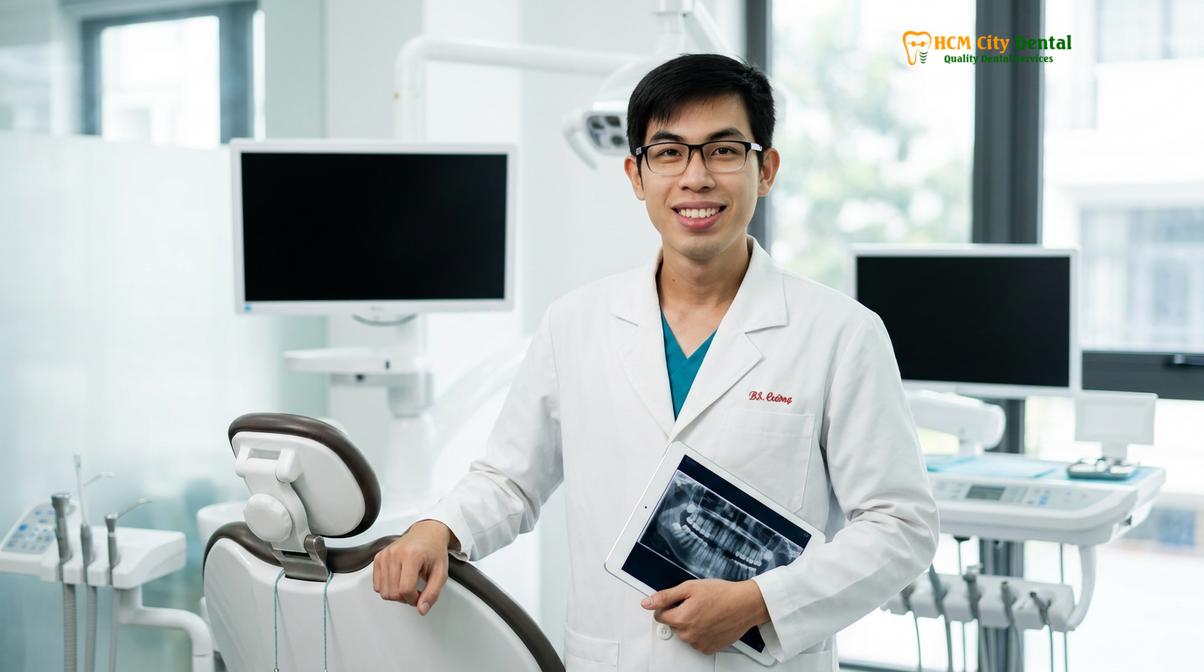
Dr. Nguyen Van Cuong and the clinical team understand that the oral cavity is intimately connected to systemic health. By meticulously controlling the environment during amalgam extraction, the clinic prevents the acute toxic spikes that often accompany standard drilling. This level of care is particularly important for patients who are already dealing with autoimmune conditions, chronic fatigue, or chemical sensitivities. The clinic’s approach ensures that the removal of a toxic burden does not inadvertently create a new one.
Furthermore, the clinic’s adherence to these standards extends to environmental stewardship. By utilizing ISO-certified amalgam separators, HCMC Dental Clinic ensures that the mercury removed from patients’ mouths is safely captured and recycled, rather than being flushed into the water systems of Ho Chi Minh City. Patients seeking comprehensive care can explore how these safety protocols integrate with broader treatments by visiting the Biological Dentistry hub, or learn more about routine biocompatible care through our General Dentistry services. Whether a patient requires a simple dental crown replacement or a complex tooth extraction, the underlying philosophy of systemic safety remains the same. For personalized advice, patients are encouraged to reach out to our team or schedule a consultation via the contact page.
When to See a Doctor
While the decision to remove intact amalgam fillings is often elective, there are specific clinical signs that indicate an immediate need for professional evaluation. You should consult a biological dentist if you experience chronic temperature sensitivity or sharp pain when biting down on a tooth with a silver filling, as this often indicates that the amalgam has expanded and cracked the underlying tooth structure. Additionally, if you notice a persistent metallic taste in your mouth, frequent galvanic shocks (a zapping sensation when metal utensils touch your teeth), or visible darkening and marginal breakdown around the edges of the filling, the restoration is likely failing. Patients who have been diagnosed with heavy metal toxicity or unexplained systemic hypersensitivities by a medical physician should also seek a consultation to determine if their dental amalgams are a contributing factor. Always rely on clinical diagnostics rather than attempting to self-diagnose oral toxicity.
Frequently Asked Questions
What does SMART amalgam removal stand for?
SMART stands for Safe Mercury Amalgam Removal Technique. It is a rigorous, evidence-based clinical protocol developed by the International Academy of Oral Medicine and Toxicology (IAOMT) to minimize mercury exposure during the extraction of traditional silver dental fillings. The protocol encompasses a comprehensive set of safety measures, including specialized air filtration, physical barriers, and specific mechanical drilling techniques, designed to protect both the patient and the dental staff from toxic aerosols.
Is SMART amalgam removal safe?
Yes, the SMART protocol is highly focused on safety and is designed specifically to protect patients and dental staff. By utilizing advanced barrier techniques, alternative oxygen supplies, and high-volume filtration, it significantly reduces the inhalation and ingestion of mercury vapor and particulates. While no medical procedure is entirely without risk, adhering strictly to the IAOMT guidelines is currently recognized as the safest and most effective method for extracting mercury-containing dental materials [5].
How long does safe amalgam removal take?
A safe amalgam removal procedure typically takes between 60 to 90 minutes per appointment. The exact duration depends on the number of fillings being removed, their size, the location in the mouth, and the time required to properly set up the extensive safety barriers. Because the setup and cleanup phases are meticulous, patients should expect to spend more time in the dental chair compared to a standard filling replacement.
Can I remove silver fillings myself?
No, you must never attempt to remove silver fillings yourself. DIY removal is extremely dangerous and can lead to massive mercury vapor inhalation, severe tooth damage, swallowing of toxic particulates, and permanent nerve injury. The extraction of amalgam requires specialized high-speed handpieces, copious water irrigation, and advanced suction systems that are only available in a professional clinical setting. Always seek a certified biological dentist for this procedure.
Does SMART amalgam removal cost more?
Yes, SMART amalgam removal generally incurs a higher fee than standard extraction. The increased cost reflects the specialized equipment required, such as alternative oxygen supplies, specialized high-volume vacuums, advanced HEPA filtration systems, and the extended clinical time needed for the safety protocols. Additionally, the biocompatible materials used to restore the tooth after removal, such as high-grade ceramics or BPA-free composites, contribute to the overall investment in your holistic health.
References
- International Academy of Oral Medicine and Toxicology (IAOMT). Safe Mercury Amalgam Removal Technique (SMART) Guidelines. (2021).
- Journal of Occupational Medicine and Toxicology. Mercury exposure in dentistry: A review of safe removal protocols. (2019).
- British Dental Journal. The physical and chemical properties of dental amalgam and mercury vaporization. (2020).
- Clinical Oral Investigations. Systemic effects of dental amalgam removal and heavy metal detoxification. (2018).
- Journal of the American Dental Association. Aerosol mitigation and high-volume evacuation in restorative dentistry. (2022).