Combining sedation dental tourism Vietnam offers international patients a stress-free way to undergo complex oral surgeries while saving significantly on treatment costs. By utilizing intravenous conscious sedation, patients can sleep comfortably through extensive procedures, waking up with a restored smile ready for a relaxing recovery.
Clinical Summary:
Sedation dental tourism in Vietnam integrates advanced intravenous (IV) conscious sedation with comprehensive oral rehabilitation, allowing international patients to complete extensive treatments—such as full-arch implants or multiple extractions—in a single, anxiety-free session. The standard clinical protocol spans approximately five days, beginning with a rigorous digital and in-person medical assessment to ensure patient safety. During the surgical phase, a board-certified anesthesiologist administers titrated medications to induce a state of deep relaxation and amnesia, continuously monitoring vital signs. Postoperative care focuses on localized healing, edema management, and a specialized soft-food diet while recovering in Ho Chi Minh City. A final clinical evaluation verifies tissue stability and hemostasis before the patient is medically cleared for international air travel, ensuring a seamless and safe medical journey.
Key Takeaways:
- Intravenous (IV) sedation allows patients to undergo complex, multi-hour dental surgeries without experiencing pain, anxiety, or memory of the procedure.
- A mandatory 5-day clinical itinerary ensures proper preoperative assessment, safe surgical execution, and adequate postoperative monitoring before flying.
- Comprehensive medical history reviews and 3D CBCT imaging are critical prerequisites to determine a patient’s candidacy for sedation.
- Continuous physiological monitoring by a dedicated anesthesiologist is a standard safety protocol during the twilight sleep phase.
- Post-sedation recovery requires a strict adherence to a soft-food diet and avoidance of strenuous activities while resting in the city.
Why Patients Combine Dental Holidays with Sedation Care
Integrating a dental holiday with clinical sedation allows patients with severe dental anxiety to complete multiple complex procedures in a single, pain-free session while recovering in a comfortable environment.
For many individuals, the prospect of undergoing extensive dental work—such as full-mouth implant rehabilitation, multiple wisdom tooth extractions, or complex bone grafting—triggers profound psychological distress. Dental phobia is a recognized clinical barrier that prevents countless patients from seeking necessary oral healthcare. By choosing to become a sleep dental tourist saigon, patients can effectively bypass the psychological trauma associated with the sights, sounds, and sensations of the dental operatory. Intravenous (IV) conscious sedation, often referred to as “twilight sleep,” induces a state of deep relaxation and anterograde amnesia, meaning the patient retains little to no memory of the surgical event[1].
The economic advantage is another primary driver for this medical travel model. In many Western countries, the cost of complex dental surgeries combined with specialized anesthesiologist fees can be prohibitively expensive. Vietnam has emerged as a premier destination for medical travelers because it offers world-class clinical infrastructure, internationally trained specialists, and rigorous safety protocols at a fraction of the cost. This financial efficiency allows patients to allocate their savings toward a comfortable recovery period in a premium hotel, transforming a daunting medical procedure into a manageable and even pleasant travel experience.
From a clinical perspective, performing multiple procedures under a single sedation session is highly efficient. Dr. Nguyen Van Cuong, a leading specialist in implantology, emphasizes that consolidating treatments minimizes the overall surgical trauma and reduces the cumulative recovery time compared to scheduling multiple separate appointments. When a patient is deeply sedated, the surgical team can work without interruption, ensuring precise execution of complex treatment plans. This approach is particularly beneficial for international patients who have a limited timeframe to complete their care.
“The integration of intravenous conscious sedation in complex oral rehabilitation not only mitigates patient anxiety but also optimizes surgical efficiency, allowing clinicians to perform extensive, multi-disciplinary procedures in a single, controlled session with enhanced hemodynamic stability.”
Furthermore, the environment plays a crucial role in the healing process. Recovering in a warm, hospitable city with access to excellent post-operative care and soft-food culinary options significantly enhances the patient experience. The combination of advanced General Dentistry, expert sedation protocols, and a supportive recovery environment makes this approach highly attractive for those seeking comprehensive oral health restoration.
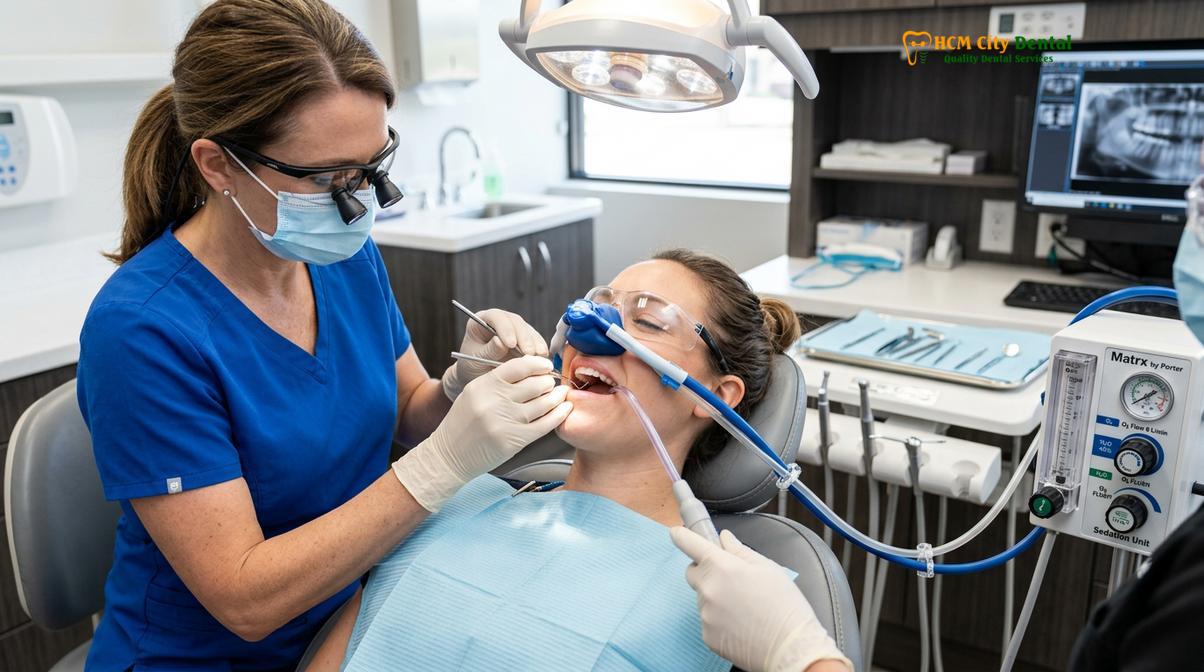
Step 1: Digital Consultation and Submitting Medical History
Before traveling, patients must complete a comprehensive digital consultation and submit detailed medical records to ensure they are safe candidates for intravenous sedation.
The journey of an expat dental sedation itinerary begins long before the patient boards a flight. A meticulous remote triage process is essential to establish preliminary candidacy for both the proposed dental procedures and the sedation protocol. International patients are required to participate in a comprehensive digital consultation, which typically involves video conferencing with the dental surgical team and the submission of high-quality diagnostic records, such as recent panoramic X-rays (OPG) or localized radiographs.
Equally important is the submission of a detailed medical history questionnaire. Sedation dentistry requires a thorough understanding of the patient’s systemic health. The clinical team must evaluate the patient based on the American Society of Anesthesiologists (ASA) Physical Status Classification System. Generally, patients classified as ASA I (normal healthy patient) or ASA II (patient with mild systemic disease) are considered excellent candidates for outpatient conscious sedation[2]. Patients with more severe systemic conditions (ASA III or higher) may require additional medical clearances from their primary care physicians or cardiologists before being approved for treatment abroad.
During this digital phase, patients must disclose all current medications, including over-the-counter supplements. Medications such as anticoagulants (blood thinners), antihypertensives, and medications for diabetes require careful perioperative management. For instance, the surgical team may need to coordinate a temporary cessation or adjustment of blood thinners to prevent excessive intraoperative hemorrhage. Additionally, a history of adverse reactions to anesthesia, sleep apnea, or severe respiratory conditions must be thoroughly documented, as these factors directly influence the anesthesiologist’s choice of sedative agents and airway management strategies.
This rigorous pre-travel assessment ensures that once the patient arrives in Vietnam, there are no unexpected medical contraindications that could delay or cancel the surgery. It provides peace of mind for both the patient and the clinical team, establishing a foundation of safety and preparedness. Patients experiencing high levels of apprehension during this planning phase may benefit from reviewing a Dental Anxiety Scale: MDAS Test & Scoring Guide | HCMC Dental to help articulate their specific fears to the clinical team.
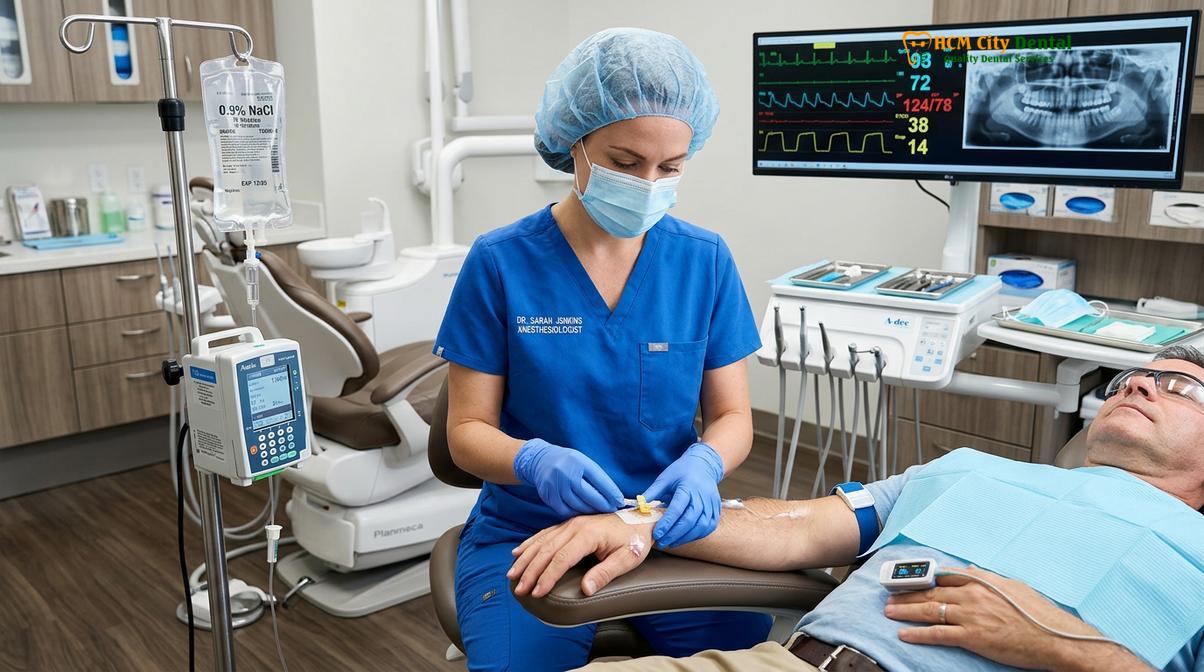
Day 1: Physical Assessment, 3D CBCT, and Anesthesiologist Consult
Upon arrival, patients undergo a rigorous in-person clinical examination, 3D radiographic imaging, and a dedicated consultation with a board-certified anesthesiologist to finalize the sedation protocol.
The first day of the clinical itinerary is dedicated to verifying the preliminary treatment plan through direct physical examination and advanced diagnostic imaging. Upon arriving at the clinic, the patient undergoes a high-resolution 3D Cone Beam Computed Tomography (CBCT) scan. Unlike traditional 2D X-rays, a CBCT scan provides a volumetric, three-dimensional view of the maxillofacial structures. This imaging is critical for assessing bone density, identifying the exact location of vital anatomical landmarks (such as the inferior alveolar nerve and the maxillary sinuses), and virtually planning the precise placement of dental implants.
Following the radiographic analysis, the patient meets with the surgical team for a comprehensive intraoral examination. The dentist evaluates the health of the gingival tissues, the structural integrity of the remaining teeth, and the patient’s occlusal (bite) dynamics. This is the moment when the final surgical blueprint is confirmed, and any necessary adjustments to the treatment plan are discussed in detail with the patient.
A pivotal component of Day 1 is the dedicated consultation with the board-certified anesthesiologist. This specialist conducts a focused preoperative airway assessment, utilizing metrics such as the Mallampati score, thyromental distance, and mouth opening capacity to predict the ease of airway management during sedation. The anesthesiologist also records baseline vital signs, including blood pressure, heart rate, and oxygen saturation (SpO2). This thorough evaluation is a hallmark of safe anesthesia dental tourism vietnam, ensuring that the sedation protocol is custom-tailored to the patient’s unique physiological profile.
| ASA Class | Definition | Examples | Outpatient Sedation Candidacy |
|---|---|---|---|
| ASA I | A normal healthy patient | Healthy, non-smoking, no or minimal alcohol use | Excellent candidate |
| ASA II | A patient with mild systemic disease | Mild asthma, well-controlled hypertension, social drinker | Good candidate (with standard monitoring) |
| ASA III | A patient with severe systemic disease | Poorly controlled hypertension, morbid obesity, active hepatitis | Requires medical clearance; strict evaluation needed |
| ASA IV | A patient with severe systemic disease that is a constant threat to life | Recent myocardial infarction, severe valve dysfunction | Contraindicated for outpatient dental clinic sedation |
The anesthesiologist will also provide strict preoperative fasting instructions (NPO guidelines), typically requiring the patient to abstain from solid foods for at least 8 hours and clear liquids for 2 hours prior to the scheduled surgery. Adherence to these guidelines is non-negotiable, as it prevents the risk of pulmonary aspiration during the sedation procedure. Patients seeking more information on the specific medications used can refer to an Oral Sedation Dentistry: Clinical Guide & Protocols | HCMC Dental.
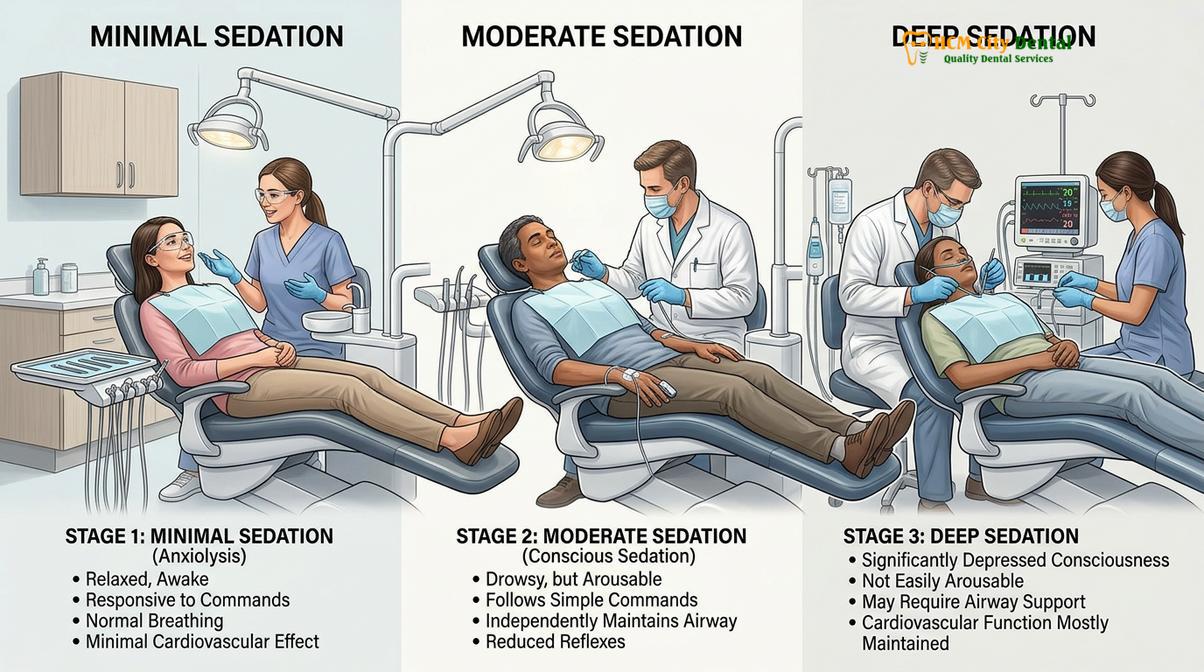
Day 2: The Sedation Surgery Session (Twilight Sleep)
The surgical phase utilizes titrated intravenous medications to induce a state of deep relaxation and amnesia, allowing the dental team to perform extensive restorations safely.
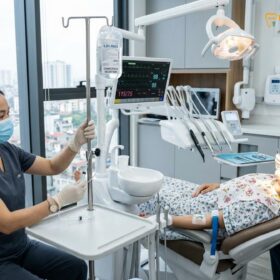
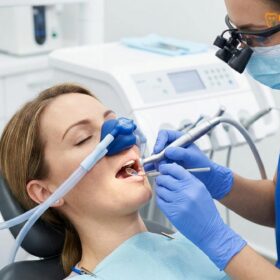
Day 2 is the focal point of the medical journey: the surgical intervention under intravenous conscious sedation. Upon arrival at the clinic, the patient is escorted to a specialized surgical suite equipped with hospital-grade monitoring technology. The anesthesiologist establishes an intravenous line, typically in the arm or back of the hand, through which the sedative medications will be administered. The term “twilight sleep” accurately describes this state; the patient remains conscious enough to breathe independently and respond to physical stimulation or verbal commands, yet is profoundly relaxed and detached from the surgical environment[3].
The pharmacological protocol usually involves a combination of agents. Midazolam, a short-acting benzodiazepine, is frequently used for its excellent anxiolytic and anterograde amnesic properties, ensuring the patient remembers virtually nothing of the procedure. Propofol may be utilized for its rapid onset and smooth recovery profile, providing deep hypnosis. Fentanyl, a potent synthetic opioid, is often administered to elevate the pain threshold and provide systemic analgesia, complementing the local anesthetics administered by the dentist.
Throughout the surgery, patient safety is the absolute priority. The anesthesiologist continuously monitors critical physiological parameters using advanced equipment. This includes electrocardiography (ECG) to track cardiac rhythm, pulse oximetry to measure oxygen saturation in the blood, non-invasive blood pressure (NIBP) monitoring, and capnography to measure end-tidal carbon dioxide (EtCO2), which is the most reliable indicator of adequate ventilation. Dr. Nguyen Van Cuong strictly adheres to these comprehensive monitoring protocols, ensuring that any subtle changes in the patient’s physiological status are detected and managed instantaneously.
Clinical Case Review: Full-Arch Rehabilitation under IV Sedation
Patient Profile: A 55-year-old international patient presented to HCMC Dental Clinic in Ho Chi Minh City with severe dental phobia and terminal dentition requiring full-arch extractions and implant placement.
Clinical Protocol: Following a thorough Day 1 assessment, the patient underwent a 4-hour surgical session under IV conscious sedation (Midazolam and Propofol titration). The surgical team successfully performed 12 extractions, bilateral sinus lifts, and the placement of 8 dental implants.
Outcome: The patient maintained stable hemodynamics throughout the procedure. Upon waking, the patient reported zero memory of the surgery and experienced minimal immediate postoperative discomfort, demonstrating the efficacy of combining complex surgery with advanced sedation protocols.
Once the patient is adequately sedated, the dental surgeon administers profound local anesthesia to the operative sites. Because the patient is relaxed, the administration of local anesthesia is entirely painless. The surgical team then proceeds with the planned treatments, which may include atraumatic extractions, alveolar bone grafting, sinus augmentation, and the precise placement of titanium dental implants. The efficiency of working on a sedated patient allows for meticulous surgical technique and optimal clinical outcomes. For patients who struggle with severe fear, understanding the difference between general anxiety and clinical phobia is crucial; more details can be found in Dental Phobia vs Anxiety: Clinical Differences & Care | HCMC Dental.
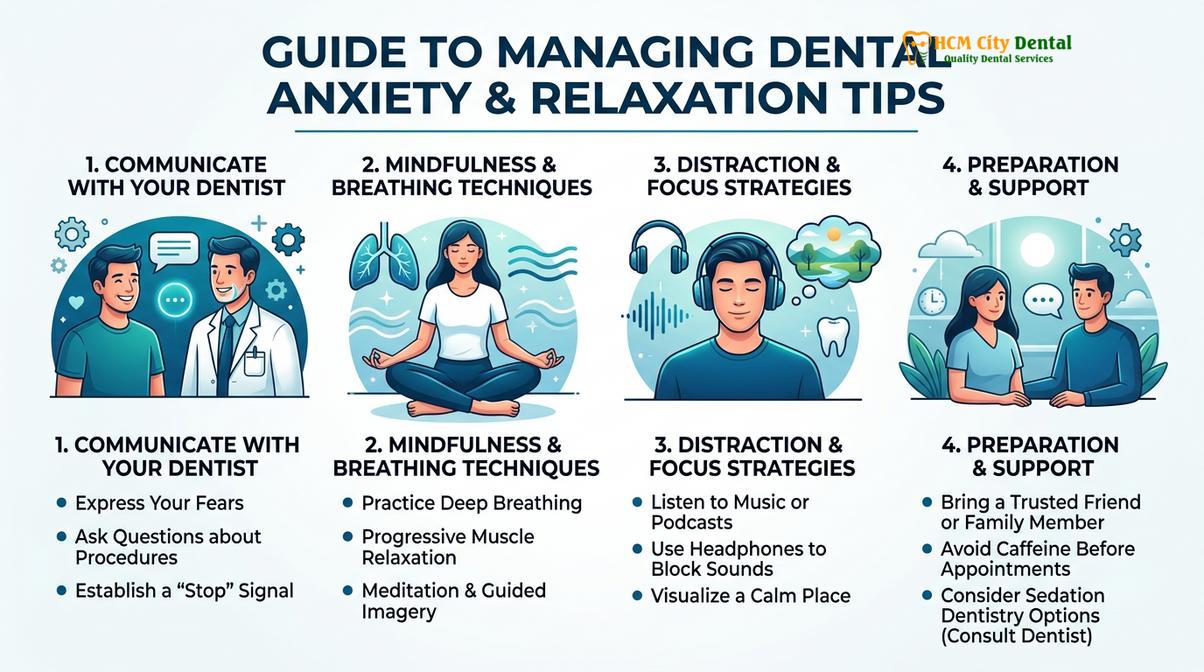
Day 3 & 4: Recovery, Follow-up check, and Soft Food Dining in Saigon
The immediate postoperative days focus on clinical monitoring, managing localized swelling, and transitioning to a nutrient-rich soft diet while resting in the city.
The 48 hours following the sedation surgery are critical for the initial stages of tissue healing and the complete metabolism of the sedative agents. While patients typically wake up feeling alert within an hour after the IV drip is stopped, the residual effects of medications like Midazolam and Propofol can cause mild drowsiness, impaired coordination, and delayed reaction times for the remainder of the day. Therefore, it is a strict clinical requirement that the patient is escorted back to their hotel by a responsible adult and rests quietly for the first 24 hours.
During Days 3 and 4, the focus shifts to managing localized postoperative sequelae, primarily edema (swelling) and mild to moderate discomfort. The clinical team will have prescribed a tailored regimen of medications, which typically includes broad-spectrum antibiotics to prevent infection, non-steroidal anti-inflammatory drugs (NSAIDs) like Ibuprofen to manage inflammation, and potentially a short course of corticosteroids (such as Dexamethasone) to proactively minimize facial swelling. Patients are instructed to apply cold compresses to the outside of the face in 20-minute intervals during the first 48 hours to induce vasoconstriction and reduce edema[4].
A crucial aspect of a successful sedation dental vacation HCMC is adhering to strict dietary modifications. The surgical sites must be protected from mechanical trauma to ensure the stability of blood clots and the integration of bone grafts or implants. Patients must transition to a nutrient-dense, soft-food diet. Fortunately, Ho Chi Minh City offers an abundance of culinary options perfectly suited for dental recovery. Traditional Vietnamese dishes such as warm (not hot) Pho broth, Chao (rice porridge) with minced pork, and soft silken tofu are excellent choices that provide necessary protein and hydration without requiring mastication.
Important Postoperative Restrictions
During the initial 72-hour recovery period, patients must strictly avoid the following to prevent complications such as secondary hemorrhage or disruption of the surgical site:
- No vigorous rinsing or spitting: This can dislodge the fragile blood clot, leading to a painful condition known as dry socket.
- No smoking or alcohol consumption: Smoking severely impairs blood flow and delays healing, while alcohol can interact dangerously with prescribed analgesics and antibiotics.
- No strenuous physical activity: Elevated heart rate and blood pressure can induce bleeding at the surgical sites.
- No hot or spicy foods: Thermal and chemical irritation can exacerbate inflammation and discomfort.
On Day 4, the patient typically returns to the clinic for a brief follow-up examination. The dentist will evaluate the surgical sites to confirm that hemostasis (blood clotting) is stable, the soft tissues are approximating correctly, and there are no early signs of infection. This check-up provides an opportunity to address any patient concerns and adjust pain management protocols if necessary. Patients learning to manage their recovery mindset can explore How to Overcome Dental Fear: Clinical Strategies | HCMC Dental for ongoing psychological support.
Day 5: Final Evaluation and Return Flight Safety Guidelines
A final clinical evaluation confirms proper tissue healing and implant stability before the patient is medically cleared for international air travel.
The final day of the clinical itinerary is dedicated to ensuring the patient is medically stable and safe to embark on their return journey. A comprehensive final evaluation is conducted at the clinic. The dental surgeon meticulously inspects the surgical sites, checking the integrity of the sutures (which are often resorbable but may require removal depending on the material used) and assessing the initial healing of the gingival tissues. If dental implants were placed, a postoperative panoramic X-ray or localized radiograph may be taken to verify the precise positioning and initial stability of the fixtures within the alveolar bone.
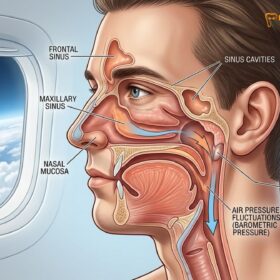
Medical clearance for air travel is a critical component of this final evaluation. Flying shortly after oral surgery presents specific physiological challenges due to changes in cabin pressure. According to Boyle’s Law, trapped gases expand as atmospheric pressure decreases. If a patient has undergone a maxillary sinus lift or extensive upper jaw extractions, the expansion of air within the sinus cavity during a flight can cause significant discomfort or, in rare cases, disrupt the surgical site[5]. The clinical team will assess the patient’s specific surgical extent to determine if they are fit to fly.
“Postoperative air travel following complex maxillofacial procedures requires careful clinical consideration; patients must demonstrate stable hemostasis and absence of severe edema to mitigate the risks associated with barometric pressure fluctuations in the aircraft cabin.”
Furthermore, patients are advised on strategies to prevent Deep Vein Thrombosis (DVT) during long-haul flights, especially since they have recently undergone surgery and may have been less mobile during their recovery. Staying hydrated, performing seated leg exercises, and wearing compression socks are highly recommended. The clinical team will provide a comprehensive physical copy of the treatment records, postoperative instructions, and a detailed list of the implants or materials used, ensuring the patient’s local dentist back home has all the necessary information for future restorative phases.
When to See a Doctor (Post-Sedation Warning Signs)
While complications following intravenous sedation and oral surgery are rare when performed by experienced professionals, patients must be vigilant in monitoring their recovery. It is crucial to distinguish between normal postoperative symptoms (such as mild swelling, bruising, and manageable discomfort) and signs that require immediate medical intervention. If you experience any of the following red flags after returning to your hotel or home country, you should seek prompt clinical evaluation:
- Uncontrolled Hemorrhage: Continuous, active bleeding that does not subside after applying firm pressure with a sterile gauze pad for 30 to 45 minutes.
- Signs of Infection: A persistent fever exceeding 38.5°C (101.3°F), accompanied by chills, increasing throbbing pain, or the presence of purulent discharge (pus) from the surgical site.
- Severe Respiratory Distress: Difficulty breathing, shortness of breath, or a feeling of tightness in the chest, which could indicate a delayed allergic reaction or a respiratory complication.
- Progressive Edema: Swelling that continues to worsen significantly after the first 72 hours, or swelling that extends down the neck or up toward the eye, potentially compromising the airway or vision.
- Prolonged Numbness: Loss of sensation or a persistent “pins and needles” feeling in the lips, chin, or tongue that lasts beyond 24 hours, which may indicate nerve irritation or injury.
Always prioritize your health and contact your surgical team or a local emergency medical facility if these symptoms arise. For more information on recognizing abnormal postoperative signs, refer to Dental Anxiety Symptoms: Clinical Signs & Management | HCMC Dental.
Frequently Asked Questions
How many days should I stay in Vietnam if I have dental IV sedation?
International patients should plan to stay in Vietnam for a minimum of 5 to 7 days when undergoing intravenous dental sedation. This timeframe allows for the initial physical assessment, the surgical sedation session, immediate postoperative monitoring, and a final clinical evaluation to ensure safe healing before your return flight. Rushing the departure can compromise your recovery and increase the risk of complications related to air travel.
Can I explore Saigon the day after being sedated?
It is highly recommended to rest in your hotel for at least 24 to 48 hours following intravenous sedation, avoiding strenuous activities or crowded areas. While the sedative medications metabolize quickly, your body requires energy to heal from the surgical procedures, making intense sightseeing in Saigon inadvisable immediately post-surgery. Elevated heart rates from walking in the heat can also increase the risk of postoperative bleeding.
When is it safe to fly back home after receiving sedation?
Patients are generally cleared for international air travel 48 to 72 hours after the sedation and surgical procedure, pending a final clinical evaluation. Flying too soon can increase the risk of bleeding, swelling, or sinus discomfort due to cabin pressure changes, especially if bone grafting or sinus lifts were performed. Your dental surgeon will provide specific clearance based on the complexity of your case.
Can I book a sedation dental appointment before arriving in Vietnam?
Yes, you must book your sedation appointment well in advance of your arrival in Vietnam. A comprehensive digital consultation, including the submission of your medical history and recent panoramic X-rays, is required to determine your preliminary candidacy for sedation and to secure the anesthesiologist’s schedule. Walk-in appointments for complex IV sedation procedures are generally not accommodated due to the necessary preoperative medical preparations.
Which areas of HCMC are best for dental tourists to stay?
District 1 and District 3 are the most highly recommended areas for dental tourists staying in Ho Chi Minh City. These central districts offer close proximity to top-tier dental clinics, a wide variety of soft-food dining options, international pharmacies, and comfortable hotels that cater to recovering patients. Staying centrally minimizes travel time in traffic, which is particularly beneficial immediately following your sedation surgery.
References
- Journal of Oral and Maxillofacial Surgery. Patient safety in dental sedation and anesthesia. (2021).
- International Journal of Oral and Maxillofacial Surgery. Intravenous conscious sedation protocols for complex oral surgery. (2020).
- British Dental Journal. Nitrous oxide inhalation sedation in dentistry: a review of safety. (2019).
- Journal of the American Dental Association. Patient satisfaction and anxiety levels under conscious sedation. (2022).
- Clinical Oral Investigations. Safety and recovery profiles of conscious sedation vs general anesthesia. (2018).
For pricing, booking, and a free clinical assessment, visit our Sedation Dentistry service page at HCMC Dental Clinic in Ho Chi Minh City.