Best Fluoride Free Toothpaste: Your Natural Smile Solution | Dr. Cuong

Considering a switch to fluoride-free toothpaste? You're not alone. As a dental specialist, a common question I get from patients is whether a...
The choice of toothpaste is foundational to maintaining optimal oral health, and for many, the consideration of fluoride-free alternatives has become a prominent discussion. Patients frequently inquire whether non-fluoride toothpastes offer a safe and effective solution for their dental care regimen. This comprehensive guide aims to provide a clear, evidence-based exploration of fluoride-free toothpaste. We will delve into the scientific rationale behind these products, meticulously examining their potential advantages, addressing common reservations, and presenting viable alternatives that cater to diverse oral health requirements. My goal is to equip you with the essential knowledge to make an assured and well-informed decision about your daily dental hygiene. This resource will help you determine if a fluoride-free solution aligns with your personal health values and best supports the long-term vitality of your smile.
Understanding the Great Debate: Fluoride vs. Fluoride-Free Toothpaste
For decades, fluoride has been the cornerstone of modern dentistry for one primary reason: it is exceptionally effective at preventing tooth decay. Major health organizations, including the American Dental Association (ADA), continue to endorse its use in both community water supplies and toothpaste due to overwhelming scientific evidence supporting its safety and efficacy. Fluoride works by strengthening tooth enamel and helping to remineralize areas that have been attacked by acids from bacteria, effectively stopping early cavities in their tracks.
However, the demand for fluoride-free toothpaste has grown significantly. This shift is driven by various factors, including concerns about overexposure to fluoride, a preference for natural ingredients, and specific health situations where a non-fluoride toothpaste is recommended. In my years of practice, I’ve seen patients thrive with both types of products. The key is to understand your personal risk factors and oral health needs.
Why Do Some People Choose Fluoride-Free Toothpaste?
The decision to use a no-fluoride toothpaste is often a personal one, based on specific circumstances and beliefs. Here are the most common reasons I encounter in my clinic:
- Risk of Dental Fluorosis in Young Children: This is perhaps the most common and clinically valid reason. Dental fluorosis is a cosmetic condition that causes faint white lines or spots on the teeth. It occurs when children under the age of 8 ingest excessive amounts of fluoride while their permanent teeth are still developing. Because young children often have difficulty spitting and may swallow toothpaste, many parents and dentists opt for a fluoride-free training toothpaste until the child can reliably spit it out.
- Fluoride Allergies or Sensitivities: Though rare, some individuals may experience sensitivity or allergic reactions to fluoride, such as skin irritation or rashes. For these patients, a non-fluoride toothpaste is a necessary alternative.
- Preference for Natural and Holistic Lifestyles: Many people are moving towards products with fewer synthetic chemicals and a greater emphasis on natural or organic ingredients. These toothpastes often contain ingredients like baking soda, essential oils, xylitol, or herbal extracts.
- Concerns About Fluoride Intake: Some individuals worry about their total fluoride exposure from all sources, including drinking water, food, and dental products. While fluoride is safe at recommended levels, those with high fluoride levels in their local well water may choose to avoid additional sources.
The Unquestionable Role of Fluoride in Cavity Prevention
It is critical to acknowledge the extensive research backing fluoride’s role in public health. Studies have consistently shown that community water fluoridation reduces tooth decay by at least 25% in both children and adults. When combined with the topical application from toothpaste, the protection is even greater. For most of the population, a toothpaste containing fluoride remains the gold standard for preventing cavities.
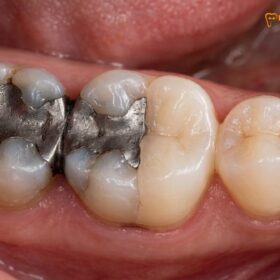
In my clinical experience, for patients with a moderate to high risk of cavities, those with existing dental work like crowns and fillings, or individuals with dry mouth, the benefits of using a fluoride toothpaste are significant and often essential for maintaining long-term oral health. The remineralizing properties of fluoride provide a level of protection that is difficult to achieve otherwise.

fluoride free toothpaste
Is Non-Fluoride Toothpaste Effective? A Look at the Alternatives
A primary concern for patients considering a switch is whether a no-fluoride toothpaste can effectively clean teeth and prevent decay. The mechanical act of brushing with a toothbrush and flossing is what physically removes plaque. Therefore, a fluoride-free toothpaste can certainly clean your teeth, remove food debris, and freshen your breath.
The key difference lies in the active ingredients used to protect against cavities. Modern fluoride-free formulas are not just simple pastes; many contain advanced, scientifically-backed ingredients designed to strengthen and protect teeth.
Hydroxyapatite (nHA): The Leading Fluoride Alternative
One of the most promising and well-researched alternatives to fluoride is hydroxyapatite (HA or nHA). Hydroxyapatite is a naturally occurring mineral that is the primary component of our tooth enamel and bone. This makes it “biomimetic,” meaning it mimics a substance already found in our bodies.
Here’s how it works:
- Remineralizes Enamel: Like fluoride, hydroxyapatite helps rebuild tooth structure by depositing calcium and phosphate minerals back into the enamel, filling microscopic cracks and strengthening the tooth surface.
- Reduces Sensitivity: By filling in the tiny tubules in dentin (the layer beneath the enamel), hydroxyapatite can be highly effective at reducing tooth sensitivity.
- Safe if Swallowed: Because it is a natural component of our bodies, hydroxyapatite is non-toxic and safe, making it an excellent choice for young children.
- Scientifically Supported: Multiple studies have shown that hydroxyapatite toothpaste is as effective as fluoride toothpaste in preventing cavities, with some research suggesting it may be superior in certain situations.
Other Common Ingredients in Natural Toothpaste
Besides hydroxyapatite, you will often find other beneficial ingredients in non-fluoride toothpaste formulations:
- Xylitol: A sugar alcohol derived from plants, xylitol has been shown to inhibit the growth of cavity-causing bacteria (Streptococcus mutans) and neutralize acids in the mouth.
- Baking Soda (Sodium Bicarbonate): A mild abrasive that helps to remove surface stains and neutralize plaque acids.
- Calcium Carbonate and Hydrated Silica: These are gentle abrasives that help to clean and polish teeth.
- Herbal Extracts: Ingredients like tea tree oil, neem, and aloe vera are included for their natural antibacterial and soothing properties.
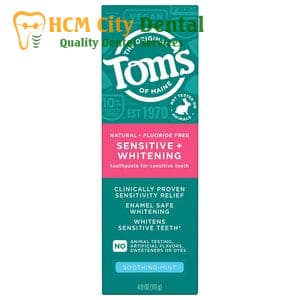
fluoride free toothpaste
Comparing Your Options: Fluoride vs. No-Fluoride Toothpaste
Making the right choice depends on your individual health profile, risk for cavities, and personal preferences. Here is a table to help summarize the key points:
| Feature | Fluoride Toothpaste | Fluoride-Free Toothpaste (with Hydroxyapatite) |
|---|---|---|
| Primary Function | Strengthens enamel by forming fluorapatite, a highly acid-resistant material. | Remineralizes enamel by depositing natural calcium and phosphate. |
| Cavity Prevention | Gold standard with decades of research and ADA endorsement. | Studies show it is equally effective as fluoride. |
| Safety for Children | Requires supervision; ingestion can lead to fluorosis. Use only a rice-sized smear for children under 3. | Non-toxic and safe if swallowed, making it ideal for training. |
| Tooth Sensitivity | Effective in reducing sensitivity over time. | Highly effective, often providing quicker relief by blocking dentin tubules. |
| Availability & Cost | Widely available and generally more affordable. | Less common and can be more expensive. |
A common scenario at our clinic involves parents of toddlers. They are rightly concerned about their child swallowing toothpaste. In these cases, I confidently recommend a fluoride-free toothpaste containing hydroxyapatite. It provides peace of mind without compromising on the crucial task of remineralizing and protecting those precious first teeth. Once the child is older and can spit effectively, we can reassess and decide whether to switch to a fluoride formula.
Still have questions? The best path forward is a personalized one. Call our Hotline/WhatsApp now at +84853020003 for a direct, completely free consultation with me, Dr. Cuong!
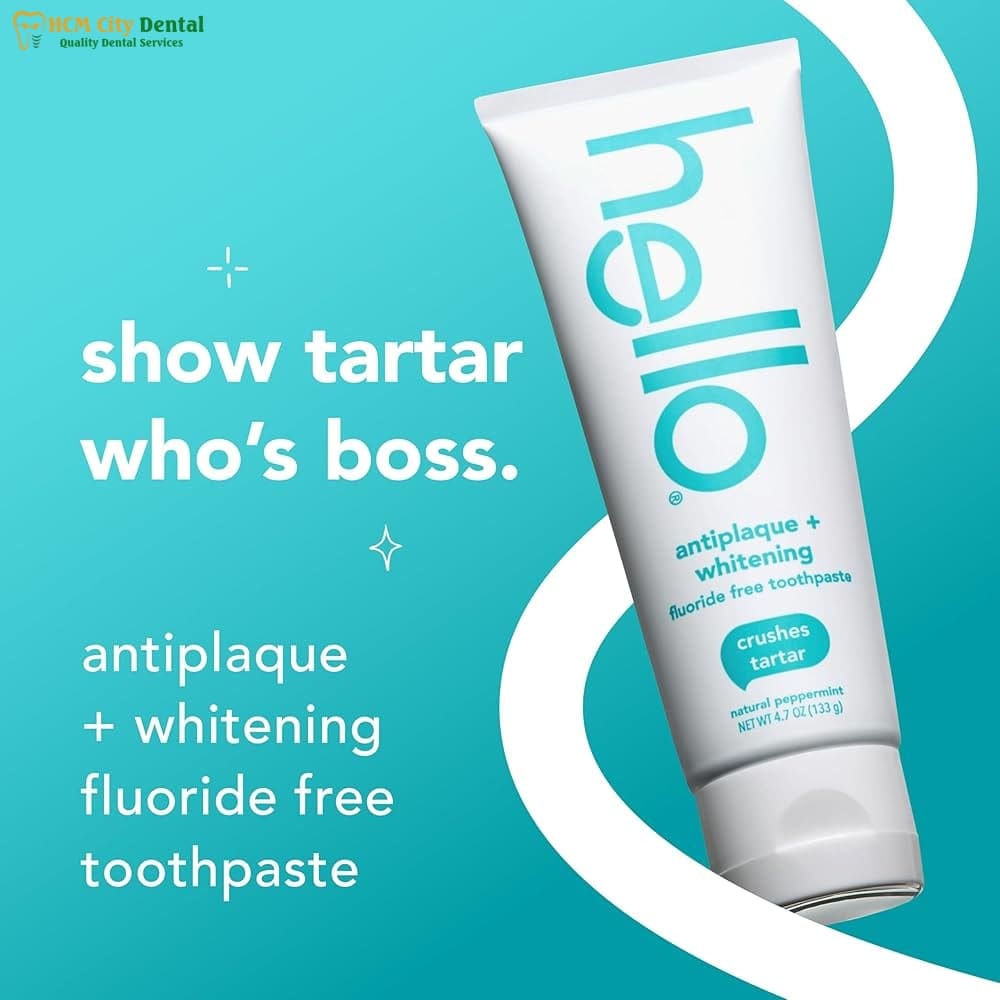
fluoride free toothpaste
Making the Right Choice for You and Your Family
As a dental professional, my primary goal is to ensure my patients have healthy teeth for life. While fluoride is a powerful and proven tool, it is not the only option.
You might be a good candidate for fluoride-free toothpaste if:
- You are choosing a toothpaste for a young child who cannot yet spit effectively.
- You have a known allergy or sensitivity to fluoride.
- You have very low risk of cavities, maintain excellent oral hygiene, and eat a low-sugar diet.
- You prefer to use products with natural ingredients and have found a formula with proven alternatives like hydroxyapatite.
You should likely stick with fluoride toothpaste if:
- You have a history of frequent cavities.
- You have existing dental restorations like crowns, bridges, or fillings.
- You have weakened enamel or are at high risk for decay.
- Your dentist has specifically recommended it for your oral health condition.
A Practical Approach from Dr. Cuong
Experience has shown that for many patients, a balanced approach works best. Some of my patients choose to use a fluoride toothpaste at night for maximum protection while they sleep and a high-quality, hydroxyapatite-based non-fluoride toothpaste in the morning. This allows them to benefit from both technologies.
Ultimately, the most important factors for great oral health are consistent habits: brushing thoroughly twice a day for two minutes, flossing daily, and visiting your dentist for regular check-ups and cleanings.
Ready for a professional opinion tailored to your unique smile? Book an appointment online at HCMCDental.com and get a 10% discount on your first appointment!
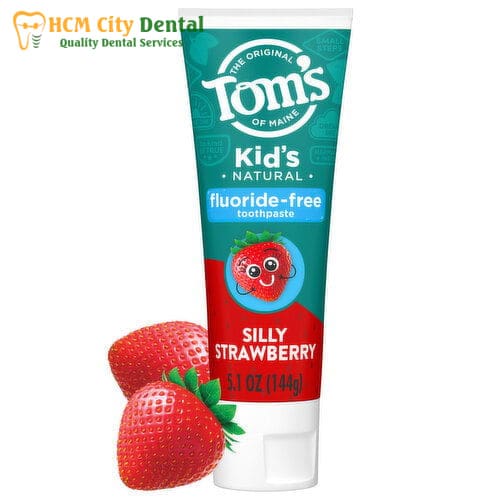
fluoride free toothpaste
Frequently Asked Questions (FAQ)
Is it okay to use toothpaste without fluoride?
Yes, for certain individuals, it is okay. Fluoride-free toothpaste can effectively clean teeth by removing plaque and debris. For cavity prevention, it’s best to choose a formula with a proven alternative like hydroxyapatite. It is an excellent choice for young children, those with fluoride sensitivities, or individuals with a very low cavity risk who maintain impeccable oral hygiene.
Can no-fluoride toothpaste still prevent cavities?
A basic no-fluoride toothpaste that only contains cleaning agents may not effectively prevent cavities. However, advanced formulas containing ingredients like hydroxyapatite have been scientifically shown to be as effective as fluoride in remineralizing enamel and preventing decay. Xylitol also helps by inhibiting harmful bacteria.
What is the main danger of fluoride in toothpaste?
The primary risk associated with fluoride toothpaste is dental fluorosis in young children who consistently swallow it. This condition is cosmetic and affects developing teeth, causing white spots. For adults, fluoride toothpaste is safe when used as directed, as the amount of fluoride is too low to cause toxicity.
Is hydroxyapatite better than fluoride?
Both are highly effective. Fluoride has decades of research and is the established standard for cavity prevention. Hydroxyapatite is a newer, biomimetic alternative that research shows is equally effective at remineralizing teeth and may be better for reducing sensitivity. Its main advantage is its non-toxic nature, making it completely safe for all ages.
Do dentists recommend non-fluoride toothpaste?
Most dentists, including myself, recommend fluoride toothpaste as the standard of care for the majority of patients due to its proven track record. However, we often recommend a non-fluoride toothpaste for specific situations, most commonly for toddlers and individuals with fluoride allergies. The recommendation is always based on a patient’s individual health needs and risk assessment.
Can I alternate between fluoride and non-fluoride toothpaste?
Absolutely. In my practice, I’ve found this to be a very practical and effective strategy for many patients. Using a fluoride toothpaste before bed and a high-quality non-fluoride toothpaste in the morning can provide the benefits of both active ingredients while aligning with personal preferences.
What should I look for when buying a fluoride-free toothpaste?
Look for an active ingredient with scientific backing for enamel protection. Hydroxyapatite (often listed as nHA or nano-hydroxyapatite) is the top recommendation. Also, check for other beneficial ingredients like xylitol for antibacterial properties and calcium carbonate for gentle cleaning. Avoid products with sugar or harsh abrasives.
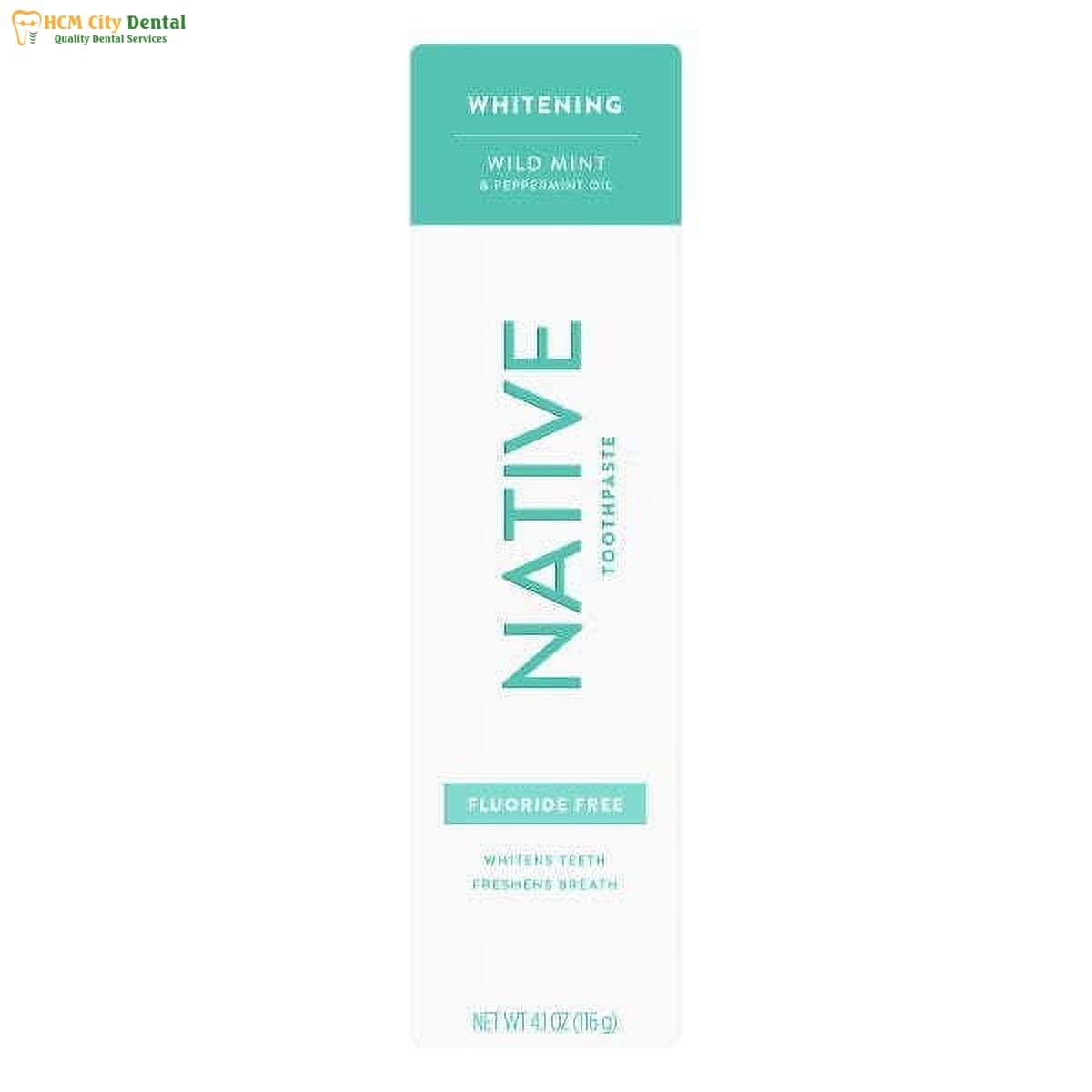
fluoride free toothpaste
Conclusion: Your Partner in Oral Health
The choice between fluoride and fluoride-free toothpaste is not about which is universally “better,” but which is right for you. For most people, fluoride remains a safe and highly effective way to prevent tooth decay. However, excellent fluoride-free alternatives, particularly those with hydroxyapatite, now offer comparable protection, providing a safe and effective option for those who need or prefer to avoid fluoride.
The most crucial takeaway is to be proactive about your oral health. Your toothpaste is just one part of a comprehensive care routine. Consistent brushing and flossing, a balanced diet, and regular professional check-ups are the true keys to a lasting, healthy smile.
A common mistake I see patients make is choosing a fluoride-free option without ensuring it contains a protective alternative, leading to an increased risk of cavities. Always check the ingredients for proven remineralizing agents like hydroxyapatite. If you are ever in doubt, a quick conversation with your dentist can provide clarity and confidence.
Don’t guess when it comes to your health. For a personalized consultation and to determine the best oral care strategy for your specific needs, I invite you to visit us at HCMCDental.com. Let’s work together to keep your smile bright and healthy for years to come.
This article was medically reviewed and written by Dr. Cuong.
Important Disclaimer
This article is intended for informational and educational purposes only. It is not a substitute for professional medical advice, diagnosis, or treatment. Always seek the advice of your dentist or other qualified health provider with any questions you may have regarding a medical condition. Never disregard professional medical advice or delay in seeking it because of something you have read on this website.
Written and Medically Reviewed By
Dr. Cuong, Specialist in Odontostomatology
Dr. Cuong is a leading expert in the field of dentistry with over 15 years of dedicated clinical experience. Specializing in restorative and preventive dentistry at HCMCDental.com, he has treated thousands of patients, helping them achieve optimal oral health. Dr. Cuong is committed to patient education and believes in empowering individuals with trustworthy, evidence-based information to make informed decisions about their dental care.