Tooth extraction costs in Vietnam are typically 70% to 85% lower than in the USA and Australia. While a surgical extraction may cost upwards of $800 in Western clinics, patients visiting Ho Chi Minh City can receive the same clinical standard of care for a fraction of the price.
Clinical Summary:
The significant disparity in tooth extraction costs between Vietnam and Western nations—such as the USA and Australia—stems from differences in clinical overhead, malpractice insurance, and operational expenses, rather than the quality of care. Modern dental facilities in Ho Chi Minh City utilize advanced diagnostic imaging (CBCT), strict sterilization protocols, and internationally trained oral surgeons to perform both simple and complex surgical extractions safely. By opting for treatment in Vietnam, international patients and expatriates can achieve substantial financial savings while receiving comprehensive, evidence-based surgical care and transparent pricing for anesthesia and post-operative management.
Key Takeaways:
- Simple extractions in Vietnam generally cost between $30 and $80, compared to $200–$400 in the US and Australia.
- Complex surgical removals, including impacted wisdom teeth, offer savings of up to 80% without compromising clinical safety.
- Advanced diagnostic tools like 3D CBCT scans are routinely included or offered at minimal cost in top Saigon clinics.
- Travel insurance often covers emergency tooth extractions in Vietnam, provided the clinic supplies proper medical documentation.
- Transparent fee structures in Ho Chi Minh City mean anesthesia and post-operative care are usually bundled, avoiding hidden charges.
Why Tooth Extraction Costs Skyrocket in Western Clinics
The high cost of dental extractions in the US and Australia is primarily driven by exorbitant clinic overhead, mandatory malpractice insurance premiums, and high labor costs for specialized oral surgeons.
When analyzing the global economics of dental care, the stark contrast in pricing between Western nations and Southeast Asia becomes immediately apparent. In the United States and Australia, the operational costs of running a specialized oral surgery practice are exceptionally high. Dentists and oral surgeons face significant financial burdens, including the repayment of extensive medical education loans, high commercial real estate leases, and the escalating costs of staff salaries. These overhead expenses are inevitably passed down to the patient, resulting in a highly inflated general dentistry services fee schedule.
Furthermore, malpractice insurance premiums in Western countries are among the highest in the world. Oral surgery, which includes complex extractions and the administration of deep sedation, carries inherent clinical risks. To protect their practices, Western clinicians must maintain comprehensive liability coverage, which significantly drives up the baseline cost of any surgical intervention. In contrast, while the simple extraction cost USA patients face can easily exceed several hundred dollars, the actual cost of the clinical materials used—such as the local anesthetic carpule, sterile gauze, and disposable syringes—remains relatively low and consistent worldwide[1].
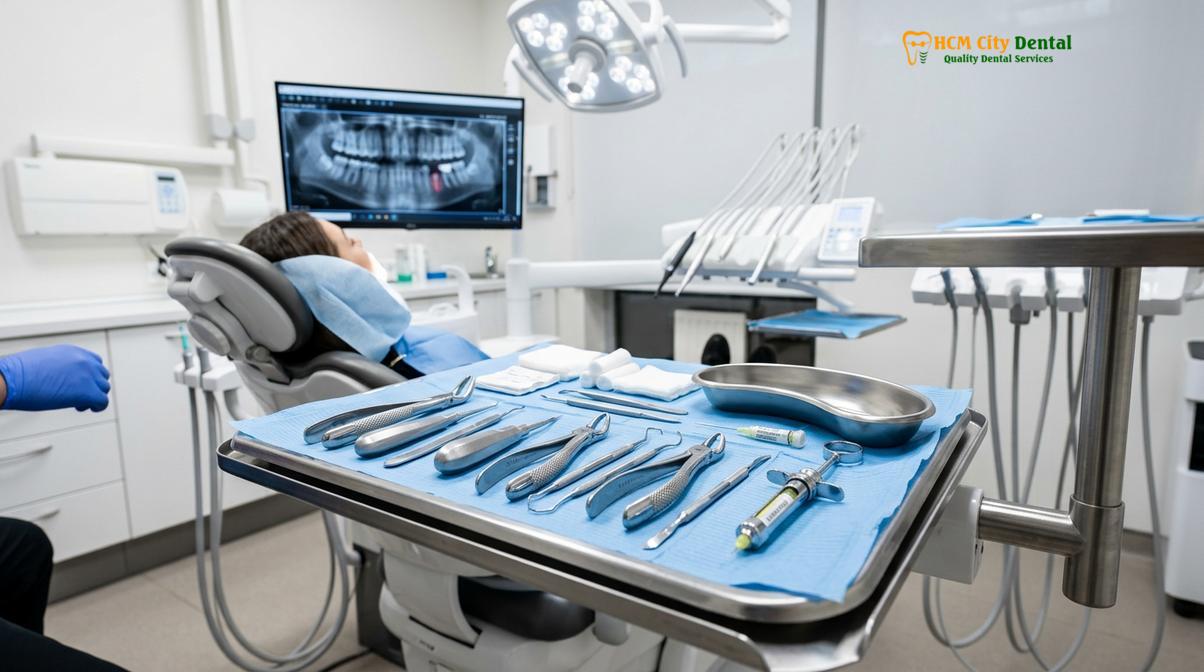
In Vietnam, the economic landscape is vastly different. The cost of living, commercial real estate, and administrative labor are substantially lower. Additionally, medical and dental education is often heavily subsidized, meaning newly graduated specialists do not carry the same crippling debt as their Western counterparts. This allows premium facilities, such as HCMC Dental Clinic, to offer world-class surgical care at a fraction of the price. Importantly, the reduction in cost does not equate to a reduction in quality. Reputable clinics in Vietnam import the exact same high-grade dental materials, anesthetics (such as Septodont products from France), and surgical instruments used in top-tier clinics in New York or Sydney.
Price Comparison: US & Australian Cities vs Ho Chi Minh City
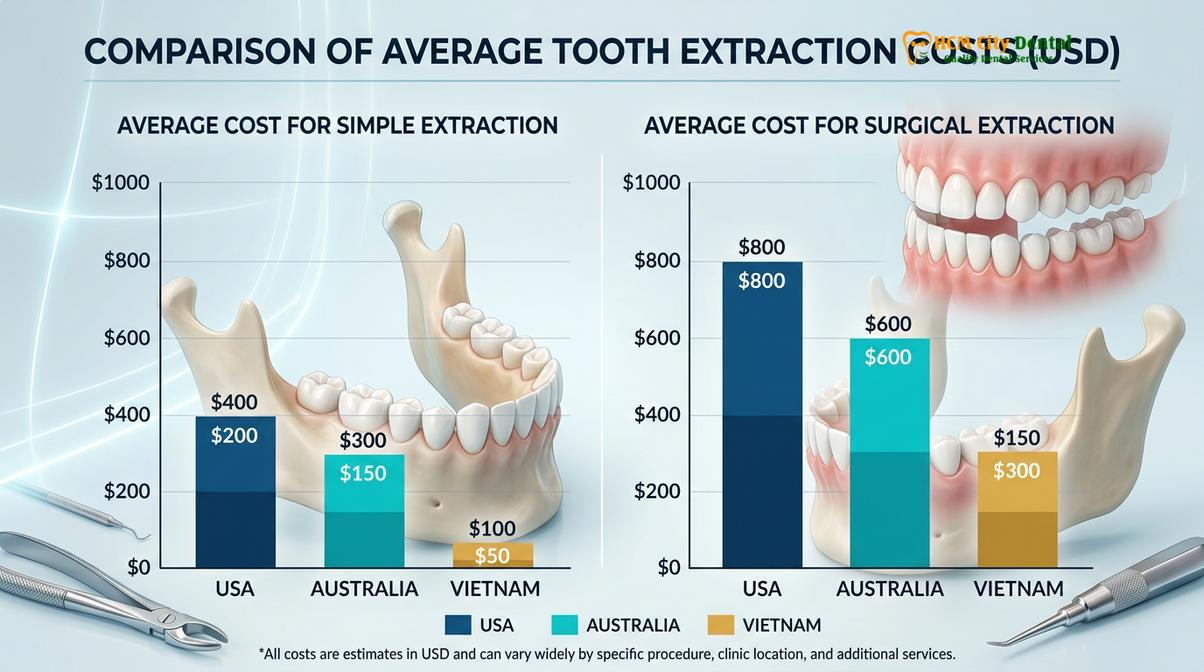
Patients traveling to Ho Chi Minh City can expect to save between 70% and 85% on both simple and surgical tooth extractions compared to standard clinic rates in major US and Australian cities.
For international patients, understanding the exact financial benefits of seeking dental care abroad requires a direct comparison of specific procedures. The cost of exodontia (tooth removal) varies widely based on the anatomical position of the tooth, the degree of impaction, and the type of anesthesia required. However, across all categories of extraction, the expat extraction savings realized in Vietnam are profound.
Below is a comparative overview of average extraction costs. These figures represent standard clinical fees and highlight the financial viability of traveling for comprehensive general dentistry care.
| Clinical Procedure | Average Cost in USA (USD) | Average Cost in Australia (AUD) | Estimated Cost in Ho Chi Minh City (USD) |
|---|---|---|---|
| Diagnostic CBCT Scan (3D X-ray) | $250 – $400 | $200 – $350 | $20 – $50 (Often included) |
| Simple Forceps Extraction (Anterior/Premolar) | $200 – $400 | $250 – $450 | $30 – $80 |
| Surgical Extraction (Erupted Molar) | $400 – $650 | $500 – $800 | $80 – $150 |
| Complex Surgical Extraction (Impacted Wisdom Tooth) | $600 – $1,200+ | $800 – $1,500+ | $150 – $300 |
As demonstrated, the financial disparity is most pronounced in complex surgical cases. A patient requiring the removal of four impacted wisdom teeth under sedation in the United States could easily face a bill exceeding $3,000. In Ho Chi Minh City, the same comprehensive treatment plan, executed by a highly skilled oral surgeon utilizing 3D CBCT diagnostics, would typically cost under $800. This massive reduction in out-of-pocket expenses is the primary driver for the booming dental tourism industry in Vietnam[2].
It is crucial to note that the fees in Vietnam generally encompass the entirety of the standard clinical workflow. This includes the initial consultation, the administration of local anesthesia, the surgical procedure itself, and the provision of post-operative prescriptions and standard follow-up care. Western clinics, conversely, often utilize a fragmented billing system where the consultation, X-rays, anesthesia, and the extraction are all billed as separate line items, rapidly inflating the final cost.
Cost Differences: Simple Forceps vs Complex Surgical Extraction
Simple extractions involve the straightforward removal of visible teeth using forceps, whereas complex surgical extractions require soft tissue incisions and bone removal to extract impacted teeth.
To fully comprehend the pricing structure of tooth removal, patients must understand the clinical distinction between a simple extraction and a surgical extraction. A simple extraction is performed on a tooth that is fully erupted and visible above the gum line. The clinician uses an instrument called an elevator to gently luxate (loosen) the tooth within its periodontal ligament space, followed by the use of dental forceps to deliver the tooth from the socket. Because this procedure is generally straightforward, requires minimal clinical time, and rarely necessitates sutures, the cost is kept relatively low.
Conversely, a surgical extraction is a much more invasive and technically demanding procedure. This classification is used when a tooth is broken off at the gum line, has severely curved roots, or is partially or fully impacted within the jawbone—a common scenario with third molars (wisdom teeth). The surgical tooth removal price Australia clinics charge is exceptionally high because the procedure requires the surgeon to raise a mucoperiosteal flap (cutting the gums), perform an ostectomy (removing surrounding bone using a surgical handpiece), and often section the tooth into multiple pieces for safe removal[3].
“The clinical complexity of an extraction dictates the surgical approach. An impacted mandibular third molar resting intimately against the inferior alveolar nerve requires meticulous 3D planning, precise bone removal, and advanced surgical technique to prevent neurological complications. This elevated level of surgical expertise and time investment is reflected in the procedural cost.”
— Dr. Nguyen Van Cuong, Lead Clinician
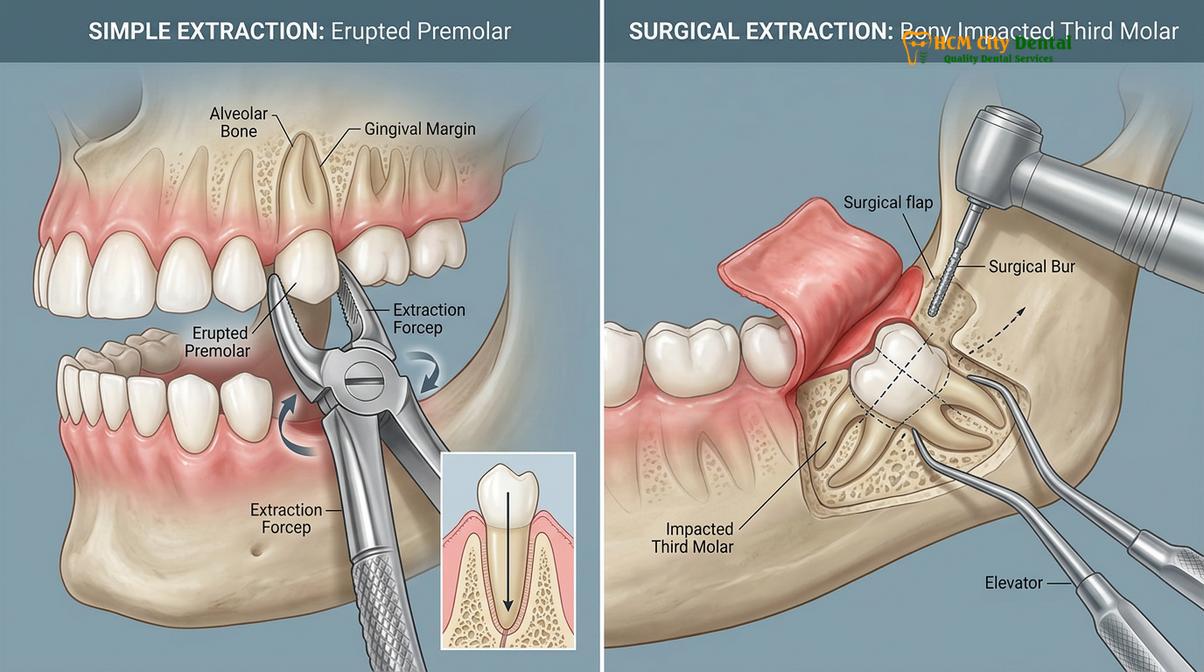
Surgical extractions also demand a higher volume of sterile consumables, specialized surgical burs, and the placement of sutures (either resorbable or non-resorbable) to facilitate primary wound closure. The increased clinical risk, extended chair time, and the necessity for advanced post-operative management all contribute to the higher fees associated with surgical exodontia. However, even for these complex cases, patients seeking routine oral examinations and surgical care in Vietnam will find the costs to be highly manageable compared to Western standards.
Local Anesthesia and Sedation Costs: Transparent Saigon Guides
Reputable clinics in Saigon provide transparent pricing for pain management, ensuring that local anesthesia, nitrous oxide, or intravenous sedation fees are clearly outlined before surgery begins.
Effective pain management is the cornerstone of modern oral surgery. The type of anesthesia utilized during an extraction significantly impacts both the patient’s comfort level and the final cost of the procedure. In standard practice, profound local anesthesia is the primary method used to eliminate pain during tooth removal. Clinicians typically use amide-based anesthetics such as Lidocaine or Articaine, combined with a vasoconstrictor like epinephrine to prolong the numbing effect and control localized bleeding.
In most high-quality Vietnamese clinics, the cost of local anesthesia is bundled into the base price of the extraction. This transparent approach stands in stark contrast to the billing practices often encountered abroad, where the anesthesia fees extraction patients face can be billed per injection or per carpule used. For patients engaging in dental travel Saigon, this all-inclusive pricing model provides peace of mind and prevents unexpected financial surprises at the conclusion of the treatment[4].
Clinical Warning Regarding Sedation: Intravenous (IV) sedation and general anesthesia carry systemic risks and are contraindicated for patients with certain severe cardiovascular, respiratory, or metabolic conditions. A comprehensive medical history review and pre-anesthetic evaluation are mandatory before administering any form of deep sedation.
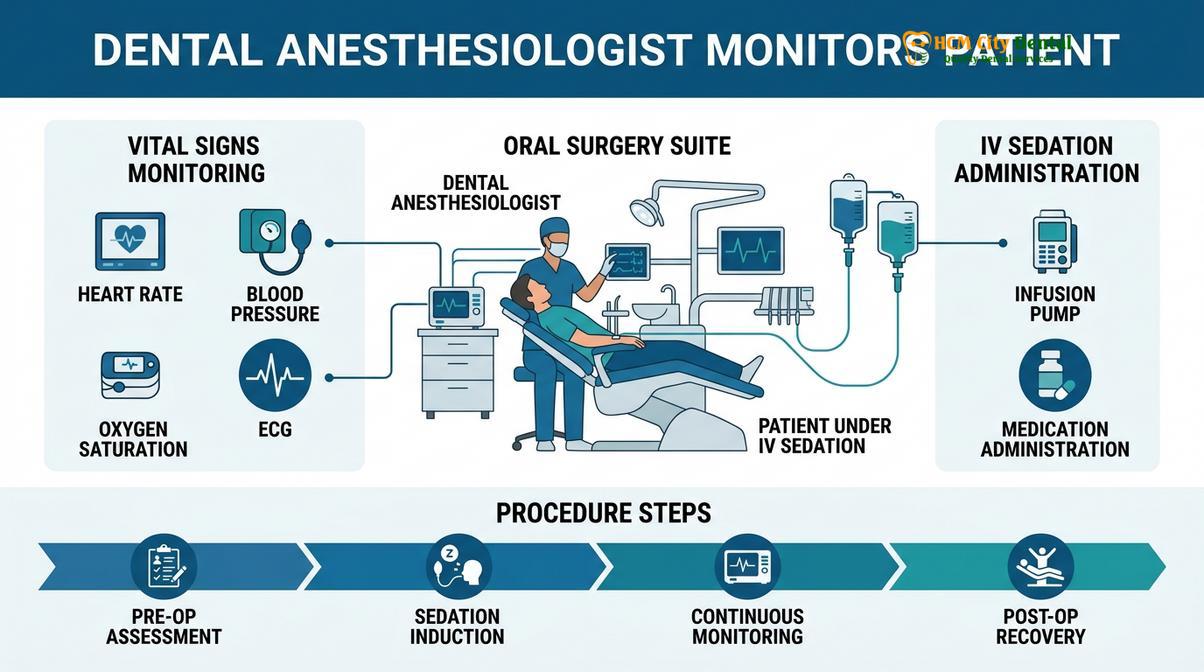
For patients with severe dental phobia, or those undergoing multiple complex surgical extractions simultaneously, advanced sedation options may be recommended. Nitrous oxide (laughing gas) provides mild conscious sedation and anxiolysis, usually incurring a modest additional hourly fee. For deeper relaxation, Intravenous (IV) sedation is available. IV sedation requires the presence of a licensed medical anesthesiologist to continuously monitor the patient’s vital signs (blood pressure, oxygen saturation, heart rate) while administering medications such as Midazolam or Propofol. Because it requires specialized personnel and monitoring equipment, IV sedation is billed as a separate, premium service, though it remains significantly more affordable in Vietnam than in the US or Australia.
Claiming Travel Insurance Reimbursement for Extractions in Vietnam
Many international travel insurance policies cover emergency dental extractions in Vietnam, provided the patient submits detailed clinical records, X-rays, and itemized receipts from a licensed provider.
A common concern for international visitors experiencing sudden dental pain is whether their travel insurance will cover the cost of treatment abroad. Most comprehensive travel insurance policies include provisions for emergency medical and dental care. However, it is vital to understand that insurance companies strictly differentiate between “emergency” treatments and “elective” or “routine” procedures. An emergency extraction—necessitated by acute infection, severe unmanageable pain, or dental trauma—is typically eligible for reimbursement.
To successfully claim reimbursement for an extraction performed by a District 1 oral surgeon, the patient must ensure that the clinic provides meticulous documentation. Insurance providers require objective clinical evidence to justify the necessity of the procedure. This documentation generally includes a pre-operative radiograph (X-ray or CBCT) clearly showing the pathology, a formal clinical diagnosis, and detailed treatment notes utilizing standard FDI or universal tooth numbering systems. Furthermore, the clinic must issue an itemized invoice, officially stamped and signed, detailing the specific costs of the consultation, diagnostics, surgery, and medications[5].
Patient Case Study: Emergency Extraction Reimbursement
An Australian expatriate visiting Ho Chi Minh City presented to HCMC Dental Clinic with acute pericoronitis and severe facial swelling caused by an impacted lower right wisdom tooth (Tooth 48). The clinical team immediately performed a CBCT scan, diagnosed a localized abscess, and proceeded with an emergency surgical extraction under local anesthesia. The total cost was approximately $200 USD. The clinic provided the patient with translated clinical notes, the digital CBCT files, and an itemized, stamped receipt. Upon returning to Australia, the patient submitted these documents to their travel insurance provider and successfully received a full reimbursement for the emergency surgical intervention.
Patients are strongly advised to contact their insurance provider prior to undergoing treatment, if the clinical situation permits, to verify their specific coverage limits and required documentation. Reputable clinics accustomed to treating international patients are highly experienced in preparing these necessary medical dossiers, ensuring a smooth and efficient claims process for conservative tooth management and emergency surgical care.
When to See a Doctor (Important Clinical Considerations)
While tooth extractions are highly predictable procedures when performed by skilled clinicians, they are surgical interventions that require careful post-operative management. Patients must strictly adhere to the post-operative instructions provided by their surgeon to ensure optimal healing and minimize the risk of complications. Normal post-operative symptoms include mild to moderate swelling, localized discomfort, and minor blood oozing for the first 24 hours.
However, patients must be vigilant for signs of abnormal healing. You should seek immediate clinical evaluation if you experience any of the following symptoms:
- Severe, Throbbing Pain: Pain that worsens after 48 to 72 hours and is unresponsive to prescribed analgesics may indicate alveolar osteitis (dry socket), a condition where the protective blood clot is lost prematurely.
- Prolonged or Heavy Bleeding: Bleeding that cannot be controlled by applying firm, continuous pressure with a sterile gauze pad for 45 minutes requires immediate medical attention.
- Signs of Systemic Infection: The development of a high fever, difficulty swallowing or breathing, severe trismus (inability to open the mouth), or rapidly spreading facial swelling are critical warning signs of a spreading fascial space infection.
- Persistent Numbness: Numbness or tingling in the lips, tongue, or chin that persists beyond the expected duration of the local anesthetic (typically 4-6 hours) may indicate nerve irritation and warrants clinical assessment.
“Post-operative compliance is just as critical as the surgical technique itself. We strongly advise patients to avoid smoking, vigorous rinsing, and drinking through a straw for at least 72 hours post-extraction. These actions create negative intraoral pressure that can dislodge the fragile blood clot, leading to painful complications and delayed healing.”
— Dr. Nguyen Van Cuong, Lead Clinician

Before undergoing any surgical procedure, a thorough clinical examination and radiographic assessment are mandatory. Treatment outcomes vary based on individual anatomical factors, bone density, and systemic health. We encourage all patients to schedule a comprehensive consultation at HCMC Dental Clinic to receive a personalized diagnostic evaluation and an evidence-based treatment plan tailored to their specific general dentistry treatments needs.
Frequently Asked Questions
How much does a simple tooth extraction cost in Saigon?
A simple tooth extraction in Saigon typically costs between $30 and $80, depending on the tooth’s location and clinical complexity. This fee generally includes the local anesthetic and standard clinical consumables required for a safe, straightforward procedure. Anterior teeth (incisors) are usually at the lower end of this spectrum, while multi-rooted posterior teeth (molars) may cost slightly more due to the increased effort required for safe luxation and delivery.
Does travel insurance cover emergency tooth removal in HCMC?
Yes, many comprehensive travel insurance policies cover emergency tooth removal in HCMC if the extraction is medically necessary to relieve acute pain or infection. Patients must obtain detailed clinical notes, X-rays, and an itemized receipt to process their reimbursement claim. It is important to note that elective extractions, such as the proactive removal of asymptomatic wisdom teeth, are generally excluded from travel insurance coverage.
How many visits are needed for extraction and stitch removal?
Most extractions require two visits: one for the surgical procedure and a brief follow-up visit seven to ten days later for stitch removal and healing assessment. If absorbable sutures are utilized, the second visit may only involve a routine clinical evaluation. During the follow-up, the clinician will assess the surgical site for proper soft tissue closure, absence of infection, and adequate bone healing progression.
Is it safe to fly immediately after a surgical tooth extraction?
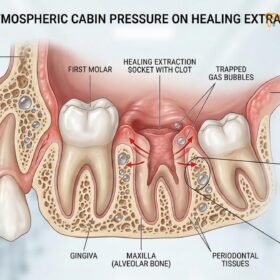
It is generally recommended to wait at least 48 to 72 hours before flying after a surgical tooth extraction. Changes in cabin pressure can disrupt the blood clot, potentially leading to a painful condition known as alveolar osteitis, or dry socket. Additionally, flying immediately post-surgery can exacerbate swelling and make it difficult to manage potential post-operative bleeding or pain while in transit.
What type of anesthesia is used for wisdom tooth removal in Vietnam?
Wisdom tooth removal in Vietnam is typically performed using profound local anesthesia, such as Articaine or Lidocaine. For highly anxious patients or complex bony impactions, clinics may also offer intravenous (IV) sedation administered by a licensed anesthesiologist. The choice of anesthesia is determined during the pre-operative consultation, taking into account the patient’s medical history, anxiety levels, and the anticipated surgical difficulty of the extraction.
References
- Journal of Oral and Maxillofacial Surgery. Economic analysis of outpatient oral surgery and dental extractions. (2021).
- International Journal of Oral and Maxillofacial Surgery. Comparative outcomes of simple versus surgical third molar extractions. (2020).
- British Dental Journal. The impact of clinical overhead on global dental treatment pricing. (2019).
- Journal of the American Dental Association. Efficacy of local anesthetics in routine and complex exodontia. (2022).
- Clinical Oral Investigations. Management of post-extraction complications and alveolar osteitis. (2018).
For more information on our comprehensive diagnostic protocols and to schedule a personalized surgical consultation, please explore our comprehensive dental diagnostics and general care services.
For pricing, booking, and a free clinical assessment, visit our Tooth Extraction service page at HCMC Dental Clinic in Ho Chi Minh City.