

Navigating a tooth extraction recovery travel timeline requires balancing clinical healing stages with your itinerary. Most patients can resume light travel within 48 to 72 hours, but full socket stabilization takes one to two weeks, necessitating careful dietary choices and activity modifications during your trip.
Clinical Summary:
A safe tooth extraction recovery travel timeline depends on protecting the initial blood clot and managing the inflammatory response. The first 72 hours are critical for hemostasis; flying or strenuous travel should be avoided during this window to prevent dry socket. By days four to seven, granulation tissue forms, allowing for moderate travel activities and a transition to a soft diet. Complete mucosal closure typically aligns with the stitch removal timeline at seven to ten days, after which patients can safely resume normal itineraries and flights. Adhering to clinical guidelines ensures a complication-free recovery while abroad.
Key Takeaways:
- Avoid flying or long-distance transit for at least 48 to 72 hours post-extraction to prevent clot dislodgement.
- The first three days require strict adherence to a soft diet and avoidance of physical exertion.
- Swelling typically peaks at 48 hours and can be managed with cold compresses and prescribed anti-inflammatories.
- Stitch removal or dissolution usually occurs between days seven and ten, marking the safe return to unrestricted travel.
- Local Vietnamese soft foods like rice porridge (Chao) offer excellent nutrition without compromising the healing socket.
The Healing Cascade: What Happens in the Socket in 7 Days
The initial seven days post-extraction involve a complex biological sequence transitioning from immediate hemostasis to the formation of protective granulation tissue. Understanding these tooth socket healing stages is vital for timing your travel activities safely.
When a tooth is removed, the body immediately initiates a highly orchestrated biological response designed to seal the wound, prevent infection, and eventually rebuild the missing bone structure. For patients planning a trip, understanding the physiological reality of these tooth socket healing stages is the foundation of a safe travel itinerary. The process begins the moment the tooth leaves the alveolar bone. Within the first few minutes to hours, hemostasis occurs. Blood fills the empty void and platelets begin to aggregate, forming a dense fibrin network. This blood clot is the most crucial element of your early recovery; it acts as a biological bandage that seals the socket, protecting the exposed jawbone and sensitive nerve endings from the oral environment[1].
As you move into days two and three, the body enters the inflammatory phase. This is characterized by localized swelling, mild to moderate discomfort, and an influx of white blood cells to the surgical site. These cells work diligently to clear away any debris or bacteria introduced during the procedure. While inflammation is a sign of healthy healing, it is also the phase where patients feel the most physical impact of the surgery. Dr. Nguyen Van Cuong frequently advises patients that attempting rigorous travel activities during this inflammatory peak can exacerbate swelling and increase the risk of post-operative bleeding due to elevated heart rates and blood pressure.
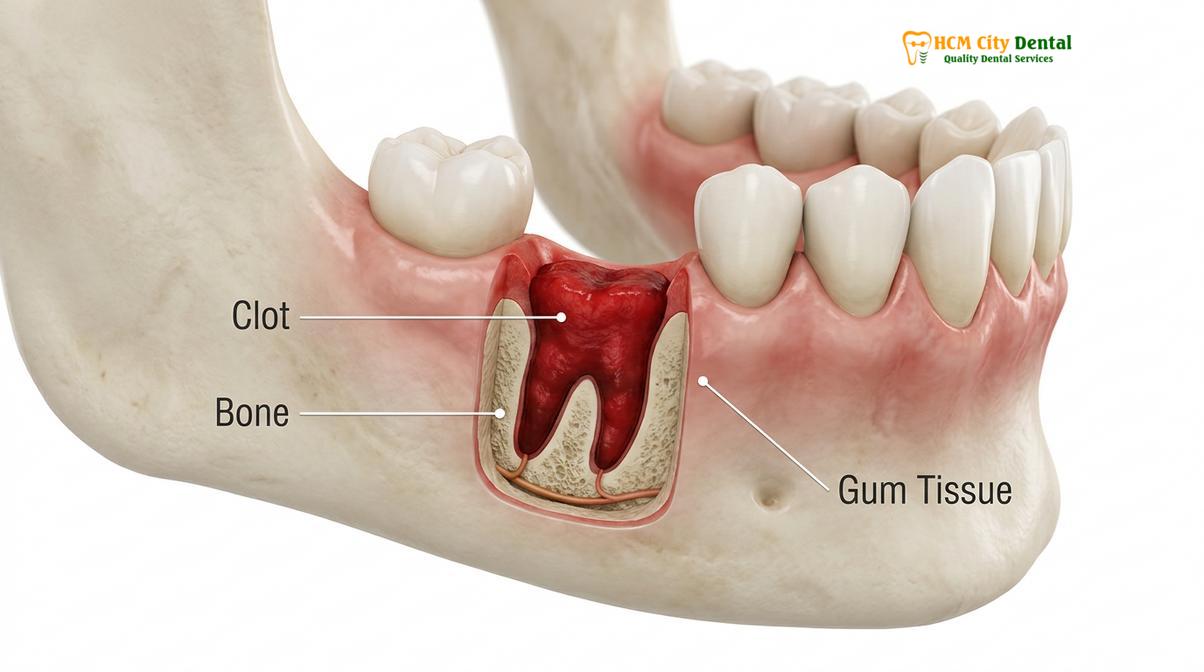
By days four through seven, the healing cascade transitions into the proliferative phase. The initial blood clot begins to organize and is gradually replaced by granulation tissue—a fragile, vascularized tissue that serves as the scaffold for future gum and bone regeneration[2]. During this time, patients typically notice a significant reduction in pain and swelling. The edges of the gingiva (gum tissue) will slowly begin to contract and migrate across the surface of the socket. While the surface may appear to be closing, the underlying bone remodeling process will continue for several months. For those undergoing general dental extractions, this one-week mark generally represents a turning point where the risk of acute complications drops significantly, allowing for a broader range of travel activities.
Day 1-3 Critical Window: Protecting the Blood Clot
The first 72 hours dictate the success of your recovery, as the fragile blood clot must remain undisturbed to protect exposed bone and nerves. Traveling during this window requires extreme caution to prevent alveolar osteitis.
The first three days following your procedure constitute the most vulnerable period in your tooth extraction recovery travel timeline. The primary clinical objective during this window is the absolute preservation of the blood clot. If this clot is dislodged, dissolves prematurely, or fails to form, it exposes the underlying bone and nerves to air, food, and fluids. This condition, known clinically as alveolar osteitis and commonly referred to as “dry socket,” is characterized by intense, radiating pain that is not easily managed by standard over-the-counter analgesics. Preventing dry socket is the single most important reason why dentists impose strict activity restrictions immediately following surgery.
For patients traveling, the logistics of transit pose unique risks to the blood clot. Heavy lifting, such as hoisting luggage into overhead compartments or carrying heavy backpacks, causes sudden spikes in blood pressure that can force the clot out of the socket. Furthermore, the atmospheric pressure changes experienced during commercial air travel can have a detrimental effect on early healing. According to aviation dentistry principles, the expansion and contraction of gases in the sinus cavities (particularly relevant for upper molar extractions) can exert mechanical stress on the surgical site[3]. Consequently, flying within the first 48 to 72 hours is strongly discouraged.
Clinical Warning: Dry Socket Prevention During Transit
Do not use straws, smoke, or spit forcefully during your travels. The negative pressure created in the mouth by these actions is the leading cause of blood clot dislodgement. If you are navigating airports or train stations, ensure you have a water bottle that allows you to sip gently rather than suck.
During this critical window, your itinerary should be heavily modified. Instead of booking full-day tours or long transit routes, plan for “recovery days” at your accommodation. Keep your head elevated with extra pillows while resting to minimize blood pooling and facial swelling. If you are combining your extraction with other restorative work, such as painless cavity treatment, this downtime is essential for allowing your mouth to adapt to the new restorations without the added stress of physical exertion. By respecting this 72-hour biological requirement, you drastically reduce the likelihood of needing emergency interventions while on the road.
Managing Swelling and Mild Pain While Traveling in Vietnam
Post extraction swelling and discomfort peak around the second day, requiring a proactive regimen of anti-inflammatory medications and thermal therapy. Navigating pharmacies in Ho Chi Minh City is straightforward when following your dentist’s specific protocol.
Experiencing post extraction swelling and mild to moderate pain is a normal physiological response to surgical trauma. The severity of these symptoms largely depends on the complexity of the extraction—a simple single-root removal will produce far less inflammation than the surgical extraction of an impacted wisdom tooth. Effective pain management while traveling requires a proactive approach rather than a reactive one. The goal is to stay ahead of the pain curve by adhering strictly to the medication schedule provided by your clinical team, ensuring that therapeutic levels of analgesics remain constant in your bloodstream[4].
In Vietnam, pharmacies (Nhà Thuốc) are ubiquitous, particularly in major urban centers like Ho Chi Minh City. However, it is highly recommended to obtain all necessary post-operative medications directly from your dental clinic before leaving your appointment. Standard protocols typically involve a combination of Non-Steroidal Anti-Inflammatory Drugs (NSAIDs), such as Ibuprofen, to manage inflammation, alternated with Paracetamol (Acetaminophen) for pain relief. If antibiotics are prescribed to prevent infection, the entire course must be completed exactly as directed, even if you feel completely healed halfway through your trip.
“The most common mistake traveling patients make is waiting until the pain is severe before taking their medication. I always advise my patients to take their first dose of analgesics before the local anesthesia completely wears off. This creates a baseline of comfort that is much easier to maintain while navigating a new city.”
— Dr. Nguyen Van Cuong, HCMC Dental Clinic
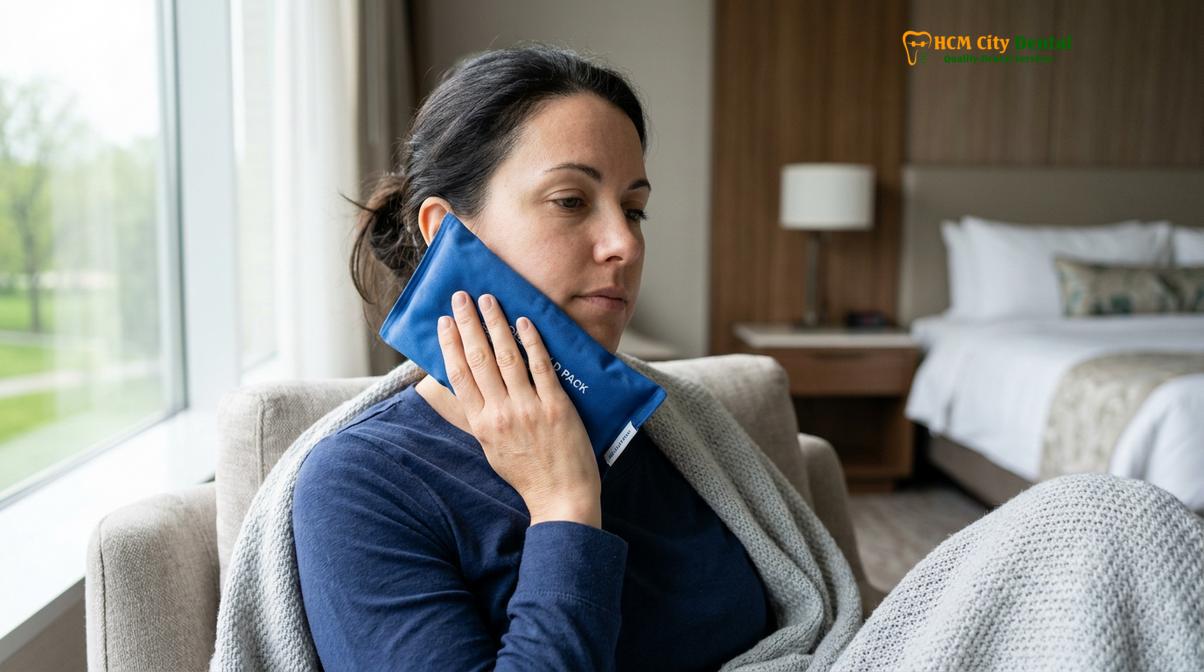
Thermal therapy is another critical component of managing your recovery while on the move. For the first 48 hours, cold compresses should be applied to the outside of the face adjacent to the extraction site. The cold induces vasoconstriction, which limits blood flow to the area and significantly reduces swelling. A common protocol is 20 minutes on, followed by 20 minutes off. After the 48-hour mark, the protocol switches to warm compresses. Heat promotes vasodilation, increasing blood flow to carry away inflammatory byproducts and soothe stiff jaw muscles. When staying in hotels, you can easily request ice from room service or use a clean towel soaked in warm water for heat therapy.
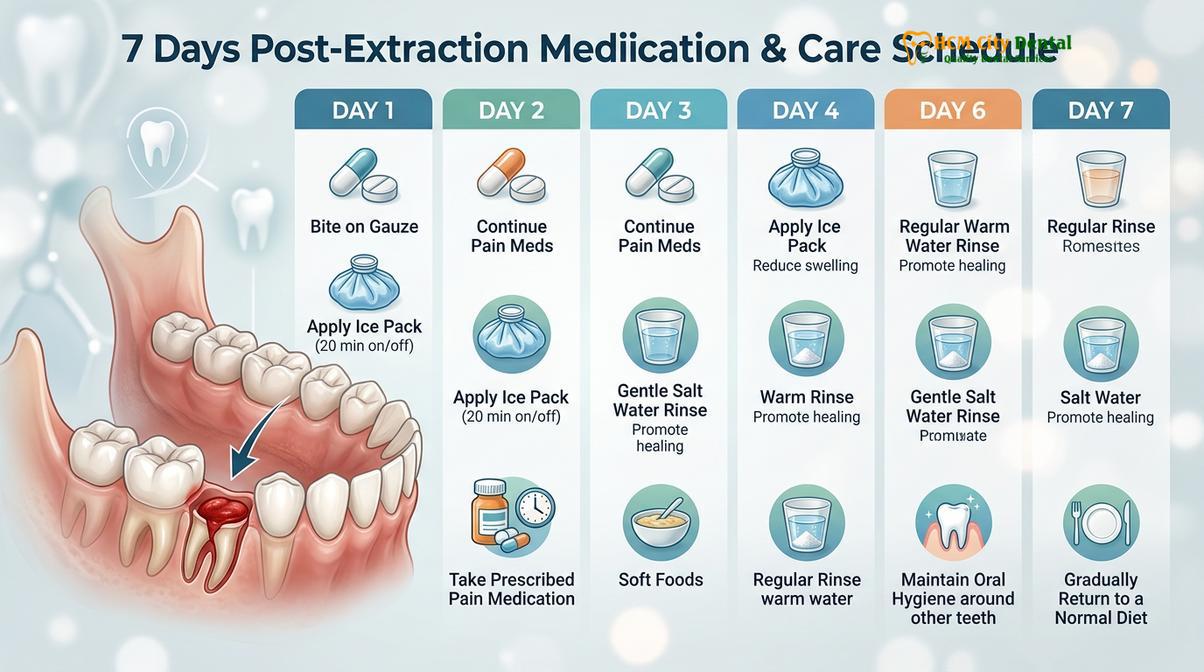
| Recovery Phase | Primary Action | Medication / Therapy | Travel Activity Level |
|---|---|---|---|
| Day 1 (0-24 hrs) | Clot stabilization | Prescribed analgesics, Cold compress (20 min intervals) | Strict rest at accommodation. No flying. |
| Day 2-3 (24-72 hrs) | Swelling management | Continue analgesics, Cold compress (until 48 hrs) | Minimal activity. Short, relaxed walks only. |
| Day 4-5 | Tissue granulation | Taper off pain meds, Warm salt water rinses | Moderate sightseeing. Avoid heavy lifting. |
| Day 6-7 | Early mucosal closure | Warm compresses for jaw stiffness (if needed) | Return to normal travel, pending clinical clearance. |
Maintaining oral hygiene is equally important for pain management, as a clean socket heals faster and is less prone to painful infections. However, aggressive rinsing or brushing near the site can disrupt the clot. Starting 24 hours after the surgery, patients should begin gentle warm salt water rinses after meals. Do not swish vigorously; instead, let the water gently roll over the extraction site and passively fall out of your mouth into the sink. This simple practice is highly effective at keeping the area free of food debris while you are exploring the culinary landscape of Vietnam. If you are also managing dental restoration costs in Vietnam by combining treatments, maintaining impeccable hygiene protects your entire investment.
Saigon Soft Food Guide: Expat Dining Tips for Recovering Gums
Maintaining proper nutrition without disrupting the extraction site is easily achievable in Vietnam by selecting appropriate local dishes. A well-planned soft diet itinerary Saigon ensures you enjoy local flavors while protecting your healing gums.
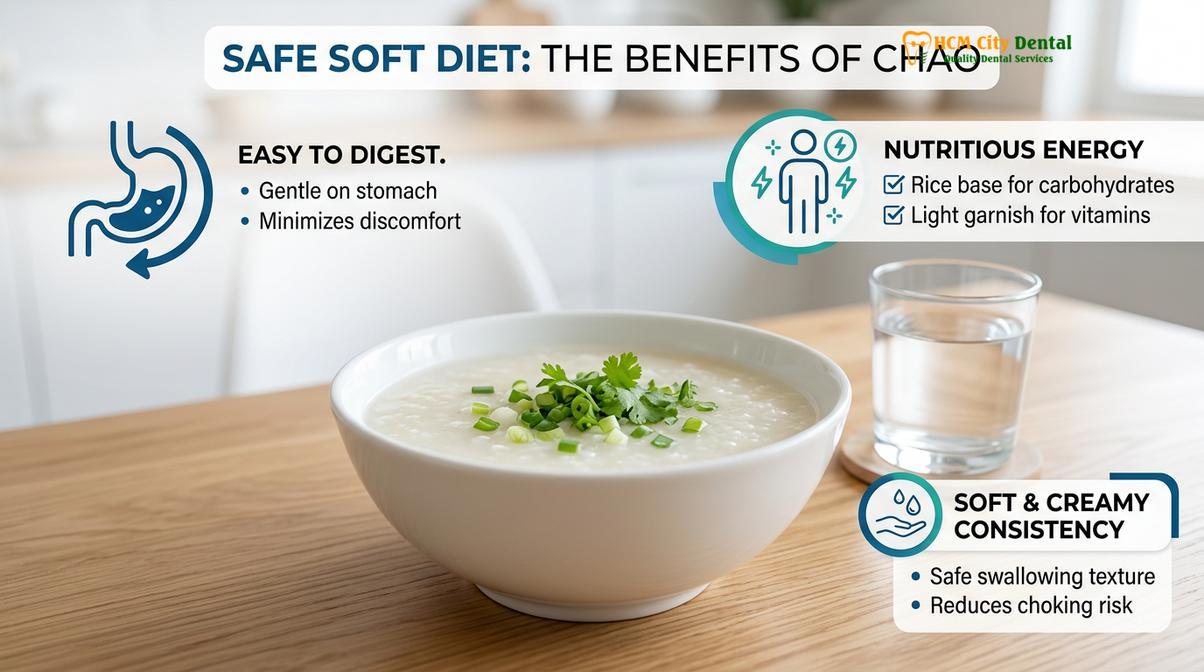
One of the greatest joys of traveling in Vietnam is the cuisine, and undergoing a tooth extraction does not mean you have to miss out on the culinary experience. However, the mechanical action of chewing hard, crunchy, or sticky foods poses a severe threat to the healing socket. Sharp fragments from crusty bread or seeds can become lodged in the wound, causing irritation or infection. Therefore, adopting a strict soft diet for the first few days is non-negotiable. Fortunately, Vietnamese cuisine offers an abundance of naturally soft, nutrient-dense options that are perfect for a recovering dental patient.
For the first 48 hours, temperature is just as important as texture. Hot liquids can dissolve the blood clot and increase bleeding. Therefore, all foods should be consumed lukewarm or cold. A staple recommendation for any soft diet itinerary Saigon is “Cháo” (Vietnamese rice porridge). Cháo is incredibly gentle on the mouth, requires no chewing, and can be flavored with mild broths. As you progress to days three and four, you can introduce clear “Phở” broth. While you should avoid the chewy beef slices and noodles initially, the bone broth itself is rich in collagen and minerals that support tissue repair. Fresh fruit smoothies (Sinh Tố) are also excellent for vitamins, provided they do not contain small seeds (like passionfruit or dragon fruit) and are consumed strictly with a spoon, never a straw.
Patient Experience: Navigating Diet Post-Surgery
An expatriate patient visiting HCMC Dental Clinic required a complex molar extraction during a two-week business trip. By transitioning to a diet of lukewarm Cháo, steamed egg custard (Trứng Hấp), and mashed tofu dishes for the first four days, the patient maintained high energy levels for meetings without compromising the extraction site, achieving complete mucosal closure by day eight.
As the granulation tissue forms and tenderness subsides (typically around days five to seven), you can gradually reintroduce firmer, but still easily chewable, foods. Soft-cooked vegetables, flaky steamed fish, and well-cooked rice dishes become safe options. It is crucial to chew on the side of your mouth opposite the extraction site to minimize the risk of food impaction. Avoid spicy foods, acidic citrus, and alcohol during the first week, as these can cause severe stinging and delay the cellular healing process. By carefully selecting your meals, you provide your body with the necessary building blocks—like proteins and vitamins—required to integrate biocompatible dental materials and heal surgical wounds efficiently.
The Stitch Removal Schedule: When is it Safe to Continue Travel?
Depending on the surgical complexity, sutures are typically removed or dissolve within seven to ten days, signaling the stabilization of the mucosal tissue. This milestone generally clears patients for unrestricted air travel and rigorous activities.
Sutures (stitches) play a vital role in stabilizing the gum tissue over the extraction site, particularly following surgical removals or when multiple teeth are extracted simultaneously. They help maintain the blood clot in place, reduce the size of the wound exposed to the oral cavity, and promote primary intention healing. Understanding your specific stitch removal timeline is essential for planning the next leg of your journey or your flight home. Dental professionals utilize two main categories of sutures: resorbable (dissolvable) and non-resorbable.
Resorbable sutures, commonly made from materials like polyglycolic acid or specialized gut, are designed to break down naturally in the moist environment of the mouth. This process typically takes anywhere from seven to fourteen days, depending on the exact material and the patient’s salivary composition[5]. For dental tourists, dissolvable stitches are often preferred as they eliminate the strict necessity of a follow-up appointment solely for removal. However, if non-resorbable sutures (such as silk or PTFE) are utilized due to their higher tensile strength, a physical removal appointment must be scheduled, usually between days seven and ten post-surgery.
“I generally advise patients not to schedule long-haul flights until their sutures have either dissolved or been professionally removed. The seven-to-ten-day mark is a critical clinical milestone; once the mucosal tissue has sealed, the risk of barometric trauma from cabin pressure changes is virtually eliminated.”
— Dr. Nguyen Van Cuong, HCMC Dental Clinic
Once the sutures are gone and the gum tissue has closed over the socket, patients are generally cleared to resume all normal travel activities. This includes swimming, rigorous hiking, and flying without the fear of inducing a dry socket. However, it is important to remember that while the surface tissue has healed, the underlying bone is still in the early stages of remodeling. Patients should continue to practice good oral hygiene and avoid chewing extremely hard items (like ice or hard candies) directly on the extraction site for several more weeks. If your extraction was part of a larger treatment plan, such as replacing outdated amalgam restorations, this follow-up visit is also an excellent time for the dentist to verify the integrity of all recent dental work before you depart.
When to Seek Immediate Dental Care
While the vast majority of tooth extractions heal uneventfully when post-operative instructions are followed, it is crucial for traveling patients to recognize the clinical signs of potential complications. Being far from home can induce anxiety, but knowing the difference between normal healing symptoms and warning signs that require immediate intervention ensures your safety. Normal healing includes mild to moderate swelling that peaks at 48 hours, slight oozing of blood on the first day, and manageable discomfort that steadily decreases over time.
You should seek immediate clinical evaluation if you experience severe, throbbing pain that radiates to the ear or neck and is not relieved by prescribed analgesics, especially if this pain develops suddenly on the third or fourth day. This is the hallmark symptom of a dry socket. Additionally, active, heavy bleeding that does not stop after applying firm pressure with a gauze pad for 45 minutes requires professional attention. Other red flags include a fever exceeding 38°C (100.4°F), difficulty swallowing or breathing, severe restricted jaw opening (trismus) that worsens over time, or the presence of yellow/green purulent discharge (pus) from the socket, which indicates an active infection.
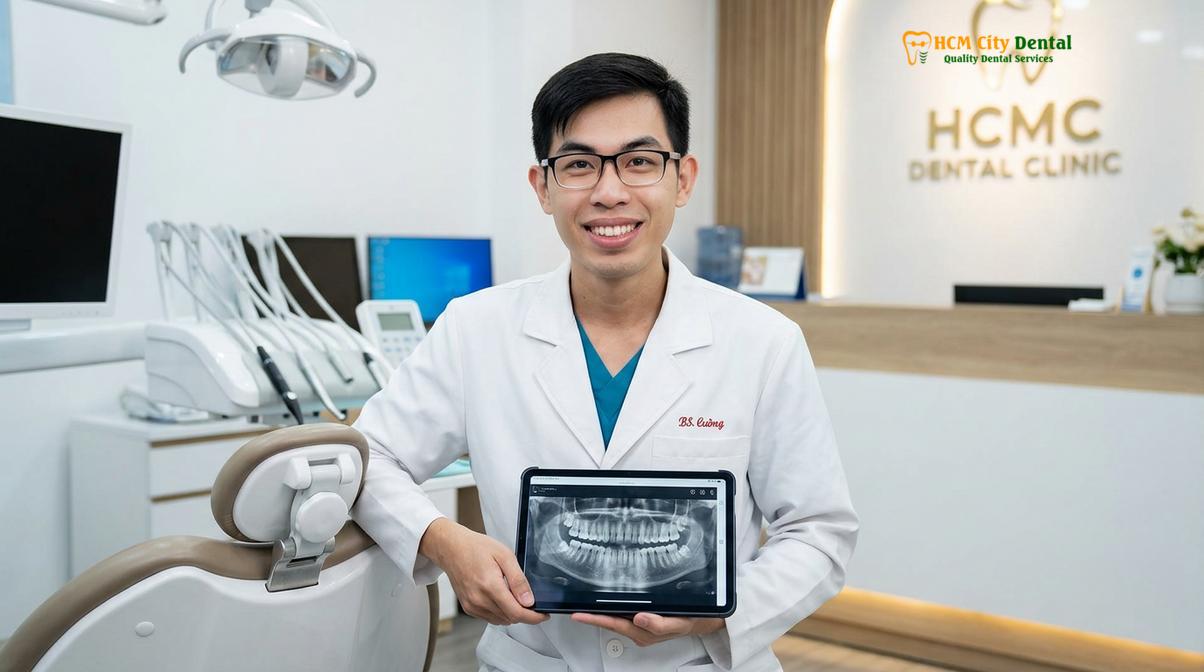
If you experience any of these symptoms while in Ho Chi Minh City, do not attempt to self-diagnose or rely solely on pharmacy advice. Contact HCMC Dental Clinic immediately for an emergency evaluation. Prompt clinical intervention, which may include irrigating the socket, placing a medicated dressing, or prescribing targeted antibiotics, can quickly resolve the issue and get your travel plans back on track. Whether you are recovering from a simple extraction or comprehensive single-visit treatments, prioritizing professional oversight at the first sign of trouble is the safest approach to dental tourism.
Frequently Asked Questions
Can I travel around Vietnam right after a tooth extraction?
It is highly recommended to rest for the first 48 to 72 hours post-extraction before engaging in active travel. During this critical window, physical exertion and transit can elevate blood pressure, increasing the risk of bleeding and dislodging the protective blood clot. After three days, light sightseeing is generally permissible, provided you avoid heavy lifting and strenuous activities.
What foods can I safely eat in Saigon after a tooth pull?
You can safely consume lukewarm, soft local dishes such as Chao (rice porridge), clear Pho broth (without noodles or meat initially), and fresh fruit smoothies. It is crucial to consume smoothies with a spoon rather than a straw, as suction can cause a painful dry socket. Avoid spicy, acidic, or crunchy foods for at least the first week.
When can I return to normal exercise and swimming?
Strenuous exercise and swimming should be avoided for at least seven to ten days following the procedure. Elevated heart rates can induce throbbing and bleeding at the surgical site, while swimming pools or natural bodies of water introduce bacteria that could lead to a post-operative infection. Light walking is acceptable after the first 72 hours.
How do I manage dental tourist activity rules regarding sun exposure?
Standard dental tourist activity rules dictate avoiding prolonged exposure to intense heat and direct sunlight for the first few days. Heat can exacerbate facial swelling and increase localized inflammation. If you must be outdoors, wear a wide-brimmed hat, stay hydrated, and take frequent breaks in air-conditioned environments to keep your core body temperature stable.
Is a Saigon dentist checkup mandatory before flying home?
While not strictly mandatory for simple extractions, a final Saigon dentist checkup is strongly advised for surgical cases or if you received non-dissolvable sutures. This brief evaluation ensures the socket is healing properly, free of infection, and stable enough to withstand the atmospheric pressure changes of a long-haul flight, giving you peace of mind for your journey.
References
- Journal of Oral and Maxillofacial Surgery. Hemodynamic changes and alveolar osteitis risk factors in post-extraction healing. (2021).
- International Journal of Oral Science. The role of the fibrin clot in early socket epithelialization and bone remodeling. (2020).
- British Dental Journal. Aviation dentistry: The effects of barometric pressure changes on recent oral surgical sites. (2019).
- Journal of the American Dental Association. Efficacy of NSAIDs versus acetaminophen in post-extraction pain management. (2022).
- Clinical Oral Investigations. Tensile strength and tissue response of resorbable versus non-resorbable sutures in oral surgery. (2018).
For pricing, booking, and a free clinical assessment, visit our Tooth Extraction service page at HCMC Dental Clinic in Ho Chi Minh City.
![Black Stain on Teeth: How to Get Rid Of [Solved] | Dr. Cuong](https://hcmcdental.com/wp-content/uploads/2025/07/black-stain-on-teeth-how-to-get-rid-of-1-dr-cuong-hcmc-dental-clinic-280x280.jpg)