Choosing between a screw vs cement retained implant crown depends on clinical priorities. Screw-retained crowns offer easy retrievability and eliminate cement-related gum inflammation, while cement-retained crowns provide superior aesthetics and passive fit. Both methods yield high success rates when executed with precise prosthodontic protocols.
Clinical Summary:
The debate between screw-retained and cement-retained implant restorations centers on balancing retrievability, aesthetics, and biological safety. Screw-retained crowns utilize a retaining screw accessed through the occlusal surface, allowing for predictable removal and maintenance without the risk of subgingival cement residue. Conversely, cement-retained crowns rely on a custom or prefabricated abutment onto which the crown is cemented, offering a pristine, hole-free aesthetic surface and easier correction of non-ideal implant angulations. Recent advancements, such as the “screwmentable” hybrid technique, aim to combine the aesthetic benefits of cementation with the biological safety of screw retention. The ultimate choice depends on the implant’s position (anterior vs. posterior), the patient’s occlusal dynamics, and the clinician’s assessment of peri-implantitis risk factors.
Key Takeaways:
- Screw-retained crowns allow for easy removal, making maintenance and repairs highly predictable.
- Cement-retained crowns offer superior aesthetics by eliminating the visible screw access hole on the chewing surface.
- Excess subgingival cement is a primary risk factor for peri-implantitis, requiring meticulous clinical protocols to prevent.
- Custom abutments significantly improve the safety of cement-retained restorations by elevating the cement margin.
- The choice of retention method is highly individualized, based on implant angulation, aesthetic demands, and interarch space.
How Implant Crowns are Secured to the Abutment
Implant crowns are secured to the underlying abutment either by a mechanical retaining screw that passes through the crown, or by dental cement that bonds the crown to the abutment surface.
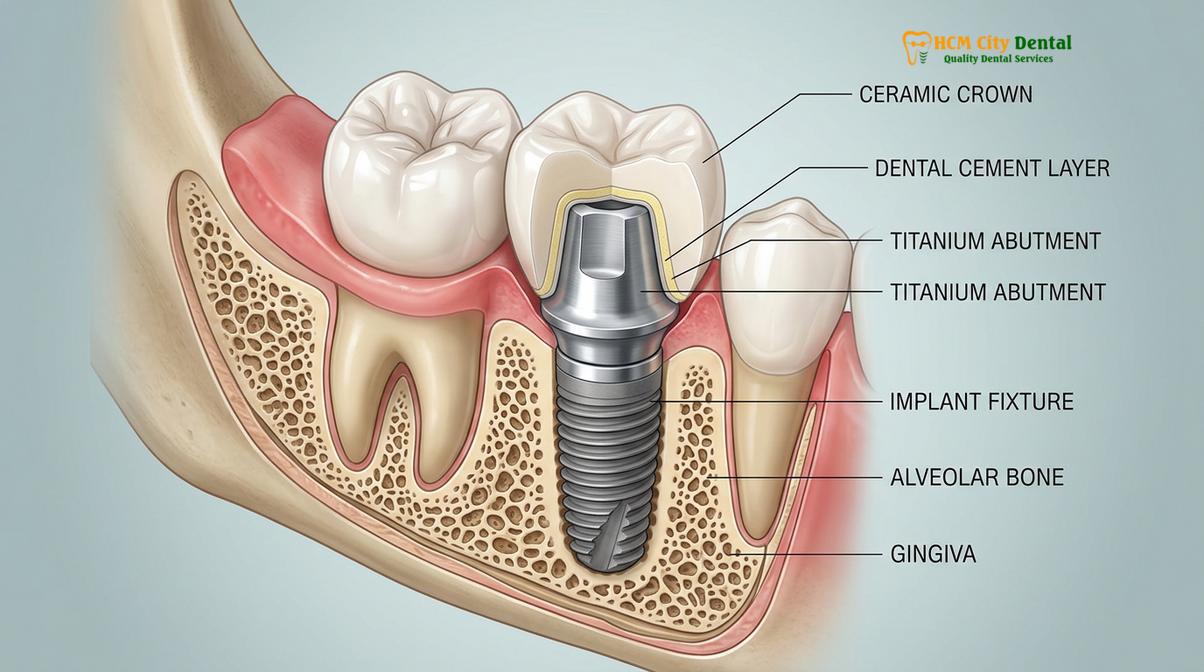
To fully understand the clinical nuances of restorative implantology, one must first examine the fundamental architecture of a modern dental implant system. Unlike natural teeth, which emerge seamlessly from the periodontal ligament, a dental implant is a sophisticated multi-component medical device. The foundation is the titanium or zirconia implant fixture, which is surgically embedded into the jawbone and undergoes osseointegration. Once integrated, this fixture acts as an artificial root. However, the fixture itself does not look like a tooth; it requires intermediate components to support the final visible restoration.
The critical link between the subterranean implant fixture and the visible oral cavity is the abutment. The abutment is a precision-machined connector that screws directly into the internal connection of the implant fixture (such as an internal hex or Morse taper design). The final phase of the treatment involves attaching the prosthetic tooth—the implant crown—to this abutment. The method chosen to secure the crown to the abutment is where the divergence between screw-retained and cement-retained protocols occurs. [1]
Historically, the evolution of these connection methods was driven by the limitations of early implant designs. In the nascent stages of implant dentistry, fixtures lacked sophisticated anti-rotational features. Consequently, clinicians often had to splint multiple implant restorations together or even connect them to natural teeth to prevent the crowns from spinning under occlusal forces. As implant engineering advanced, introducing precise internal anti-rotational geometries, the fabrication of freestanding, single-unit implant crowns became highly predictable. This technological leap paved the way for the two primary retention modalities used today.
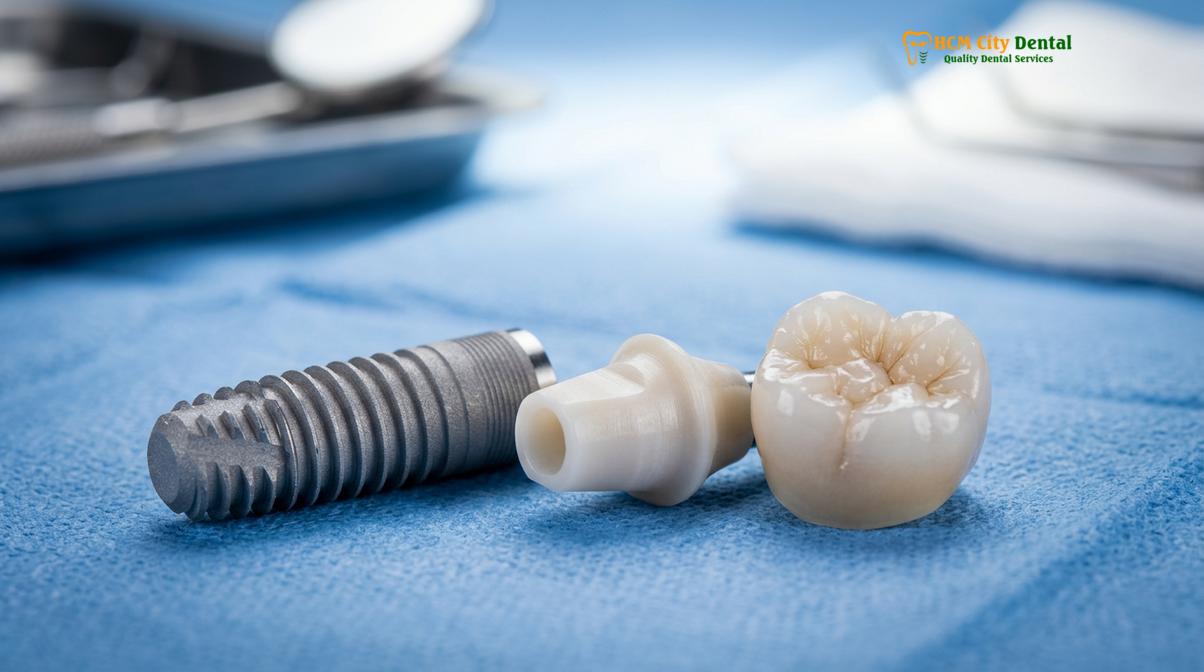
The biomechanics of the connection are paramount to the long-term success of the restoration. When a patient chews, immense occlusal forces are transferred through the crown, down the abutment, into the implant fixture, and finally dissipated into the surrounding alveolar bone. The connection must be robust enough to withstand these dynamic forces without loosening, fracturing, or allowing bacterial microleakage. Whether utilizing a mechanical screw or a chemical/friction-based cement, the goal remains identical: to create a stable, biologically harmonious, and functionally durable restoration that mimics the natural dentition. For a broader overview of how these components integrate into full treatment plans, patients often explore comprehensive guides on Dental Implants.
Screw-Retained Crowns: Retrievability and Easy Maintenance
Screw-retained crowns utilize a small retaining screw to anchor the prosthesis directly to the implant, offering unparalleled ease of removal for future maintenance or repairs.
The screw-retained implant crown represents a highly engineered approach to dental prosthetics, prioritizing mechanical predictability and biological safety. In this workflow, the implant crown and the abutment are often fabricated as a single cohesive unit, or the crown is designed with a continuous vertical channel. A specialized retaining screw passes through this occlusal access channel, engaging the internal threads of the implant fixture to lock the entire assembly in place. [2]
The most significant clinical advantage of a screw-retained system is its absolute retrievability. In the dynamic environment of the human mouth, restorative materials are subjected to extreme thermal fluctuations, chemical attacks from diet, and immense mechanical stress. Over a patient’s lifetime, a ceramic crown may chip, a contact point between adjacent teeth may open, or the underlying implant may require professional assessment. With a retrievable implant crown, the clinician simply removes the composite resin sealing the access hole, unscrews the retaining screw, and lifts the crown out of the mouth intact. This allows for extraoral repairs, thorough cleaning of the implant platform, and easy replacement of the screw if necessary, all without destroying the expensive prosthetic work.
“The ability to predictably retrieve an implant restoration without causing trauma to the surrounding tissues or destroying the crown itself is one of the most valuable assets in modern prosthodontics, particularly for complex full-mouth rehabilitations.”
Furthermore, the screw-retained protocol entirely eliminates the use of dental cement. As will be discussed in subsequent sections, subgingival cement residue is a well-documented catalyst for peri-implant mucosal inflammation. By removing cement from the equation entirely, screw-retained crowns inherently protect the delicate biological width and the fragile mucosal seal surrounding the implant neck. This makes them exceptionally safe from a periodontal perspective, particularly in patients with a history of gum disease or those with deep mucosal tissues.
However, the screw-retained approach is not without its biomechanical and aesthetic challenges. The most obvious drawback is the presence of the screw access hole on the chewing surface of the tooth. While clinicians meticulously fill this void with opaque masking agents and tooth-colored composite resin, the composite material wears at a different rate than the surrounding ceramic. Over time, the access hole may become slightly visible or require minor composite touch-ups. Additionally, if the implant fixture was placed at a severe angle due to anatomical bone limitations, the screw access hole might emerge through the facial (front) surface of the crown, rendering a screw-retained approach aesthetically unacceptable.
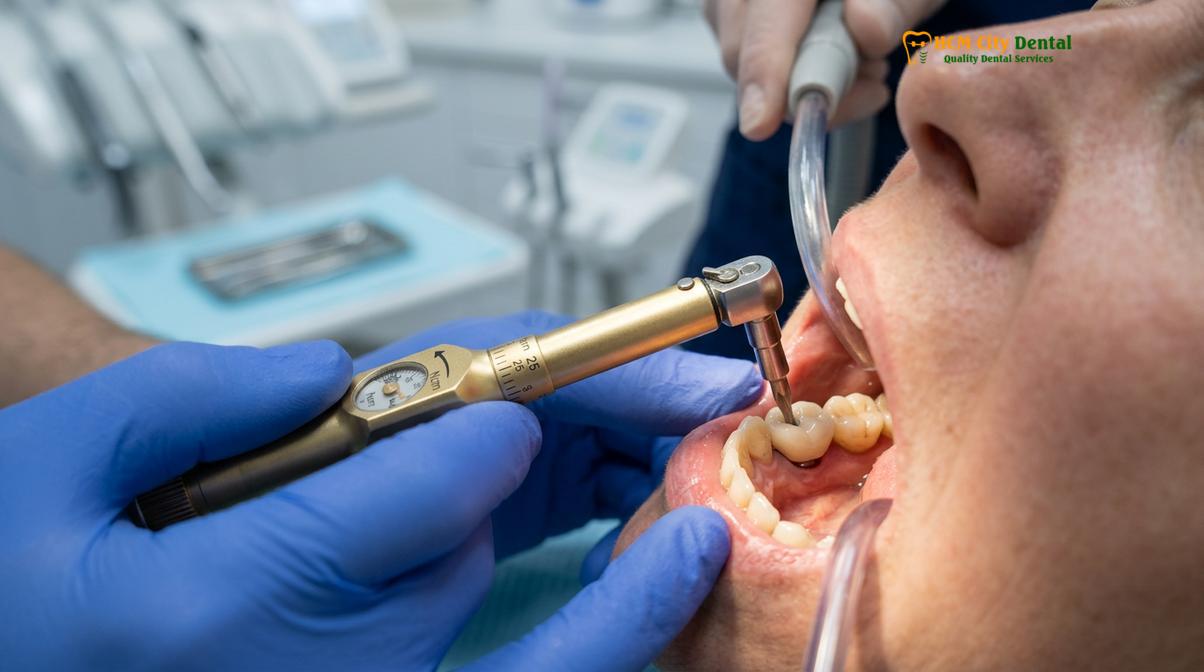
The mechanical integrity of the screw itself is also a critical consideration. The retaining screw must be tightened to a specific torque value (commonly between 15 to 35 Ncm, depending on the manufacturer’s specifications) using a calibrated dental torque wrench. This precise tightening stretches the screw microscopically, creating a clamping force known as “preload.” Proper preload prevents the screw from vibrating loose under the cyclical loading of mastication. If the preload is insufficient, the screw may loosen; if it is excessive, the screw may fracture. Understanding these mechanical nuances is crucial when comparing different implant systems, such as when evaluating Straumann vs Nobel Biocare Implants, as different manufacturers employ unique screw alloys and thread designs to optimize preload.
Cement-Retained Crowns: Optimal Aesthetics and Friction Fit
Cement-retained crowns are bonded to an abutment using dental cement, providing a pristine, uninterrupted ceramic surface that mimics the natural appearance of a tooth.
For decades, the cement-retained implant crown was the undisputed gold standard in restorative implantology, largely because it closely mirrors the traditional workflow used for crowning natural teeth. In this protocol, an abutment is first secured to the implant fixture with a retaining screw. Then, a separate ceramic crown is fabricated to fit precisely over this abutment. The clinician uses a specialized dental luting cement to bond the crown to the abutment permanently. [3]
The primary allure of the cement-retained approach lies in its unparalleled aesthetic potential. Because there is no screw access hole disrupting the occlusal or incisal anatomy, the ceramist has complete freedom to design a flawless, monolithic porcelain surface. This is particularly crucial when creating a cosmetic implant crown in the highly visible anterior maxilla (the upper front teeth). The uninterrupted ceramic allows for natural light transmission, precise color characterization, and ideal anatomical contours that are virtually indistinguishable from adjacent natural teeth.
Beyond aesthetics, cement-retained crowns offer significant biomechanical advantages in terms of passivity and occlusion. When a screw-retained crown is tightened, any slight discrepancy in the framework can introduce stress into the implant system. Conversely, the layer of dental cement in a cement-retained restoration acts as a microscopic buffer, compensating for minor dimensional inaccuracies and ensuring a passive, stress-free fit. Furthermore, without a composite-filled access hole on the chewing surface, the clinician can establish more precise and stable occlusal contacts, ensuring that the biting forces are directed optimally down the long axis of the implant.
Another major advantage is the ability to correct non-ideal implant angulation. In many surgical scenarios, the available jawbone dictates that the implant must be placed at an angle that does not align perfectly with the desired position of the final tooth. With a cement-retained system, a custom-milled abutment can be designed to correct this angulation. The abutment is screwed into the angled implant, but its upper restorative portion is milled to stand perfectly upright, allowing the final crown to be cemented in ideal alignment with the dental arch.
| Clinical Feature | Screw-Retained Crowns | Cement-Retained Crowns |
|---|---|---|
| Retrievability | Excellent; easily removed via access hole. | Poor; often requires cutting the crown to remove. |
| Aesthetics | Good, but access hole may be visible over time. | Superior; pristine, uninterrupted ceramic surface. |
| Biological Risk | Low; no risk of subgingival cement residue. | Higher; requires strict protocols to prevent excess cement. |
| Angulation Correction | Limited; access hole must emerge favorably. | Excellent; custom abutments can correct severe angles. |
| Occlusal Stability | Good, but composite filling may wear differently. | Excellent; solid ceramic occlusal surface. |
Despite these profound advantages, the traditional cement-retained workflow presents a significant biological vulnerability: the management of excess cement. When the crown is seated onto the abutment, hydraulic pressure forces the excess cement out from under the crown margins. If these margins are located deep beneath the gum line (subgingivally), detecting and removing this extruded cement becomes exceedingly difficult. This challenge has led to a paradigm shift in how clinicians approach cementation, emphasizing the need for custom abutments that elevate the cement margin to a visible, easily cleanable level. Patients weighing these restorative options often review the broader implications of tooth replacement by studying the pros and cons of dental implants.
The Risk of Excess Cement: Preventing Peri-Implantitis
Undetected excess cement beneath the gum line is a primary trigger for peri-implantitis, necessitating advanced clinical techniques to ensure complete removal during the cementation process.
The biological seal surrounding a dental implant is fundamentally different and more fragile than the periodontal attachment around a natural tooth. Natural teeth possess perpendicular connective tissue fibers (Sharpey’s fibers) that embed into the cementum of the root, creating a robust physical barrier against bacterial invasion. Dental implants, however, rely on a weaker, parallel orientation of connective tissue fibers and a delicate hemidesmosomal attachment to the titanium or zirconia surface. Because of this anatomical vulnerability, the peri-implant tissues are highly susceptible to foreign body reactions and bacterial infiltration. [4]
When a cement-retained crown is delivered, any residual cement that is not meticulously removed from the subgingival sulcus acts as a highly irritating foreign body. This cement excess gum irritation triggers a localized inflammatory response. The rough surface of the retained cement also provides an ideal scaffold for pathogenic biofilm accumulation. If left undetected, this localized mucositis can rapidly progress to peri-implantitis—a destructive inflammatory condition characterized by the progressive loss of the supporting alveolar bone. Peri-implantitis is one of the leading causes of late-stage implant failure.
Clinical Warning: Signs of Peri-Implantitis
Patients should be vigilant for symptoms such as localized swelling, persistent redness, bleeding when brushing around the implant, dull aching pain, or a bad taste in the mouth. If you experience any of these symptoms, especially months or years after receiving a cement-retained crown, immediate clinical evaluation is required to rule out cement-induced inflammation.
The type of cement utilized plays a significant role in this risk profile. Historically, resin-based cements were favored for their high bond strength and low solubility. However, research has demonstrated that resin cements are notoriously difficult to remove from titanium surfaces and are highly resistant to degradation in the oral environment. Furthermore, many resin cements are radiolucent, meaning they do not show up on standard dental X-rays, making radiographic verification of cement removal impossible. Consequently, many implantologists now advocate for the use of zinc oxide eugenol or zinc phosphate-based provisional cements, which are easier to clean, radiopaque, and exhibit a lower risk of biofilm accumulation.
To mitigate the risk of cement-induced peri-implantitis, modern prosthodontics has developed several ingenious clinical protocols. One of the most effective is the use of custom CAD/CAM abutments. Unlike prefabricated “stock” abutments, which may place the cement margin several millimeters below the tissue, a custom abutment is digitally designed to follow the natural scalloping of the patient’s gums, placing the cement margin exactly at or slightly above the gingival crest. This supragingival placement ensures that any extruded cement is clearly visible and easily accessible for removal.
Another highly effective technique employed by meticulous clinicians is the extraoral cementation method, often referred to as the “screwmentable” approach. In this workflow, a custom abutment and a crown with a screw access hole are fabricated. Instead of cementing the crown inside the patient’s mouth, the clinician cements the crown to the abutment on a laboratory model or outside the mouth. All excess cement is thoroughly cleaned and polished away under direct visualization. The entire crown-abutment complex is then taken to the patient’s mouth and screwed into the implant fixture as a single, cement-free unit. This hybrid technique brilliantly combines the aesthetic and passive fit advantages of a cement-retained crown with the biological safety and retrievability of a screw-retained system. [5]
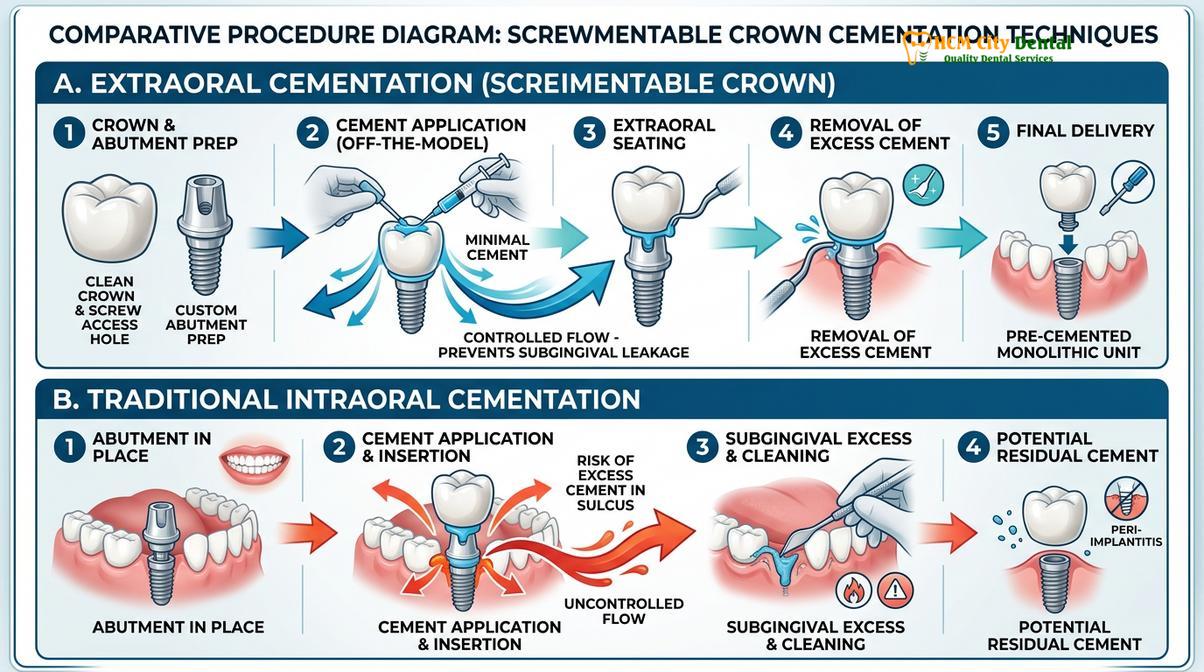
Dr. Nguyen Van Cuong emphasizes that the prevention of peri-implant disease begins at the restorative phase. By utilizing advanced techniques like the Teflon tape die method—where a replica of the abutment is used to extrude the majority of the cement before the crown is seated in the mouth—clinicians can drastically reduce the volume of cement introduced into the sulcus. These meticulous protocols are especially critical for older patients who may have altered immune responses or reduced bone density, a topic thoroughly explored in discussions regarding dental implants for seniors.
Clinical Recommendations for Anterior vs. Posterior Zones
The decision between screw and cement retention is heavily influenced by the implant’s location, with anterior zones prioritizing aesthetics and posterior zones demanding structural durability and retrievability.
The oral cavity is not a uniform environment; the biomechanical and aesthetic demands vary drastically depending on the anatomical location. Therefore, the choice between a screw-retained and a cement-retained implant crown is rarely a blanket decision. It requires a nuanced, site-specific evaluation by the restorative dentist, taking into account the patient’s smile line, occlusal scheme, and available interarch space.
In the anterior zone (the front teeth), aesthetics are the paramount concern. The soft tissue architecture—the interdental papillae and the gingival zenith—must be perfectly managed to create a restoration that is indistinguishable from nature. Often, due to the natural trajectory of the anterior maxilla, implants must be placed with a slight facial angulation to engage adequate bone. If a screw-retained crown were used in this scenario, the screw access hole would likely emerge right through the facial surface of the incisor, creating an unacceptable cosmetic defect. Therefore, the anterior zone is frequently restored using custom abutments and cement-retained crowns. The custom abutment corrects the angulation, and the cemented cosmetic implant crown provides a flawless, translucent facial surface. With the advent of angled screw channel (ASC) technology, clinicians can now redirect the screw access hole up to 25 degrees toward the lingual (palatal) surface, allowing for screw-retained anterior crowns in select cases, but cementation remains a highly predictable and widely used aesthetic standard.
“The anterior maxilla is the ultimate test of a prosthodontist’s skill. We must balance the rigid biomechanics of titanium with the delicate, dynamic nature of the gingival tissues to create an illusion of natural emergence.”
Conversely, the posterior zone (the molars and premolars) presents a completely different set of challenges. Aesthetics are secondary to structural durability and the ability to withstand immense vertical and lateral masticatory forces. Furthermore, patients often have limited mouth opening (trismus) or restricted interarch space in the posterior regions, making it difficult for the clinician to maneuver cementation instruments or verify complete seating of a cemented crown. In these high-stress, low-visibility areas, the retrievable implant crown is generally the preferred modality.
Clinical Case Study: Posterior Restoration
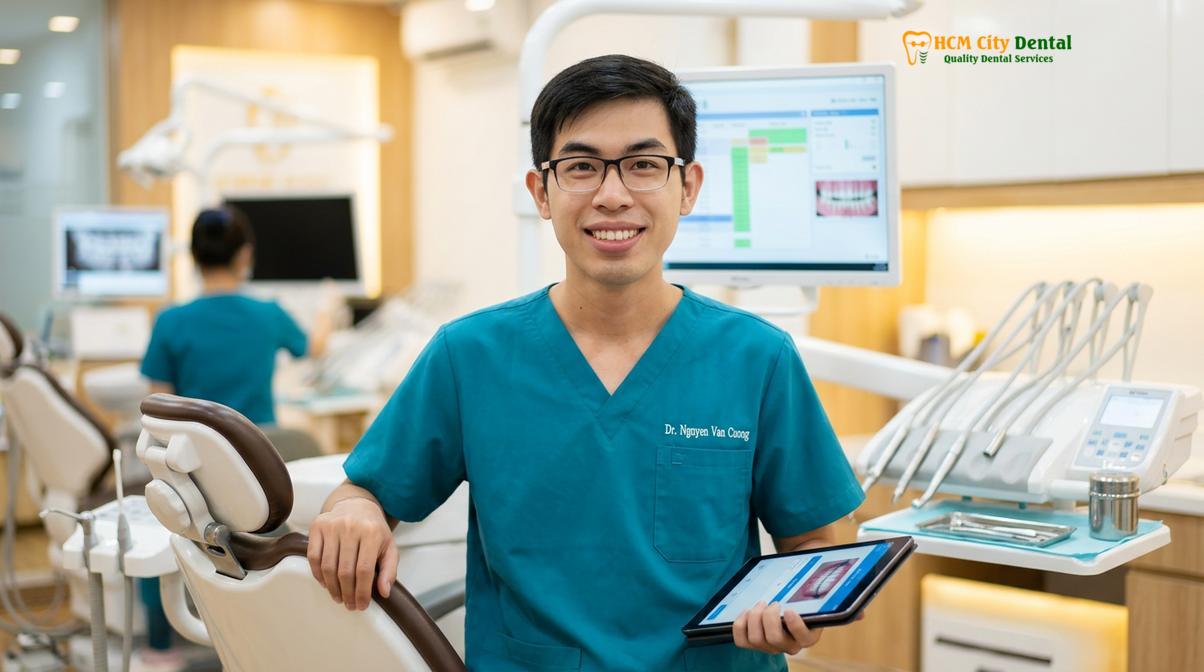
A 55-year-old patient presented to HCMC Dental Clinic in Ho Chi Minh City requiring a single implant replacement for a fractured lower first molar. Due to the patient’s heavy bruxism (teeth grinding) and limited vertical restorative space, Dr. Nguyen Van Cuong recommended a monolithic zirconia screw-retained crown. This approach eliminated the risk of cement extrusion in a difficult-to-clean area and ensured that if the ceramic ever chipped under the heavy occlusal load, the crown could be easily unscrewed, repaired, and replaced without surgical intervention.
The posterior use of screw-retained crowns also simplifies the management of interproximal contacts. Over time, natural teeth can drift slightly, leading to an open contact between the implant crown and the adjacent natural tooth, which causes uncomfortable food impaction. With a screw-retained restoration, the clinician can easily remove the crown, add ceramic to the contact area in the laboratory, and re-deliver the crown. This level of maintenance is vastly more complicated and expensive with a cement-retained system. Patients evaluating the long-term financial implications of these maintenance factors often review resources detailing how much dental implants cost to understand the lifetime value of retrievable prosthetics.
Ultimately, the successful restoration of a dental implant relies on the clinician’s ability to synthesize these biomechanical, aesthetic, and biological variables. Whether utilizing a traditional screw-retained approach, a custom cement-retained protocol, or a hybrid screwmentable technique, the overarching goal is to provide a restoration that restores function, preserves the peri-implant tissues, and enhances the patient’s quality of life. For patients facing extensive tooth loss, understanding these restorative nuances is a critical step when comparing options like dental implants vs dentures.
When to See a Doctor
While dental implant crowns boast exceptionally high success rates, they require ongoing professional monitoring. You should schedule an immediate clinical evaluation if you experience any of the following symptoms:
- Mobility: If the implant crown feels loose, it may indicate that the retaining screw has lost preload or that the cement seal has failed. Do not attempt to tighten or manipulate the crown yourself.
- Pain or Discomfort: Healthy implants should be completely asymptomatic. Pain upon biting or a dull ache in the jawbone requires immediate radiographic assessment.
- Gingival Inflammation: Persistent redness, swelling, or bleeding around the implant margin can be an early sign of cement-induced mucositis or peri-implantitis.
- Visible Damage: Any chipping, cracking, or fracture of the ceramic material should be evaluated to prevent further structural compromise.
Regular maintenance is the key to longevity. Patients are encouraged to maintain strict oral hygiene and attend scheduled professional cleanings. If you have concerns about your current implant restorations or are considering new treatment, scheduling a comprehensive consultation at HCMC Dental Clinic in Ho Chi Minh City will provide you with a personalized, evidence-based diagnostic assessment.
Frequently Asked Questions
What is a screw-retained implant crown?
A screw-retained implant crown is a dental prosthesis secured directly to the implant fixture or abutment using a small retaining screw. This design features an access hole on the chewing surface, allowing the dentist to easily remove the crown for maintenance, repairs, or professional cleaning without damaging the restoration. The access hole is carefully sealed with a tooth-colored composite resin to blend with the surrounding ceramic.
Can a cemented implant crown fall off?
Yes, a cemented implant crown can occasionally dislodge if the cement seal degrades or if the abutment lacks sufficient retention form. While modern dental cements provide strong adhesion, heavy biting forces, sticky foods, or slight micromovements over time can compromise the bond, requiring a simple recementation procedure at the clinic. If this occurs, keep the crown safe and contact your dentist immediately.
Why does my implant crown have a small filled hole?
The small filled hole on your implant crown is the screw access channel used to secure the restoration to the underlying implant. After the crown is tightened to the precise torque, the dentist fills this channel with a protective barrier, such as Teflon tape, and seals it with tooth-colored composite resin. This allows the dentist to locate and access the screw in the future if maintenance is required.
Which type of implant crown is more expensive?
The cost difference between screw-retained and cement-retained implant crowns is generally minimal, as both require high-quality materials and precision laboratory fabrication. However, screw-retained crowns may sometimes incur slightly higher laboratory fees due to the complex machining required for the screw access channel and custom abutment integration. Your clinician will recommend the best option based on clinical needs rather than cost.
How long do implant crowns typically last?
Implant crowns are designed to be a long-term restorative solution, often lasting ten to fifteen years or more with proper oral hygiene and regular professional maintenance. The longevity depends heavily on the patient’s bite forces, the materials used, and the prevention of peri-implant inflammation through diligent daily care. Regular dental check-ups are essential to ensure the continued health of both the crown and the underlying implant.
References
- Journal of Prosthetic Dentistry. Technique for controlling the cement for an implant crown. (2019).
- Journal of Periodontology. Investigation of the association between cement retention and prevalent peri-implant diseases. (2021).
- The Journal of the American Dental Association. Connecting teeth to implants: The truth about a debated technique. (2020).
- Clinical Oral Implants Research. A systematic review of screw versus cement-retained fixed implant supported reconstructions. (2022).
- International Journal of Oral and Maxillofacial Implants. Radiographic detection and characteristic patterns of residual excess cement. (2018).
For premium porcelain crowns, bridges, and advanced smile reconstructions, visit our Dental Crowns & Bridges service page at HCMC Dental Clinic in Ho Chi Minh City.
Screw-Retained vs Cement-Retained Implant Crowns: Selection Criteria
Deciding between screw retained vs cement retained implant crown designs is a critical step in implant planning. Screw-retained crowns are directly bolted to the implant body, making them easily retrievable for cleaning, repairs, or abutment tightening. This design is highly recommended for posterior teeth. Cement-retained crowns are glued onto a custom abutment, offering superior aesthetics without an access hole on the biting surface, which is ideal for front teeth. However, cement retention carries a higher risk of residual cement extrusion under the gumline, which can lead to bacterial build-up and peri-implantitis.