Traveling for dental tourism vietnam crowns offers international patients a seamless combination of advanced prosthodontic care and significant cost savings. By utilizing state-of-the-art digital dentistry and premium ceramic materials, specialized clinics deliver precise, lifelike restorations within an express timeframe tailored for travelers.
Clinical Summary:
Dental tourism for crowns and bridges in Vietnam leverages CAD/CAM technology, intraoral scanners like the iTero and Medit i700, and premium materials such as Zirconia HT and E.max. Treatment workflows are optimized for international patients, offering express 3-5 day turnarounds without compromising clinical precision, biologic width preservation, or margin integrity. Direct lab partnerships ensure rigorous quality control, while remote global warranties provide long-term peace of mind for patients returning to their home countries.
Key Takeaways:
- Digital impressions using iTero and Medit i700 scanners eliminate traditional silicone discomfort and improve marginal accuracy.
- Premium materials include German Zirconia HT for posterior strength and Liechtenstein E.max for highly aesthetic anterior restorations.
- Express 3-5 day turnarounds accommodate international travel schedules efficiently without sacrificing quality.
- Pre-booking consultations via WhatsApp secures a 40% discount on standard walk-in clinical fees.
- Global warranty policies include remote follow-up support via structured photo and video assessments.
Preparing for Your Dental Trip
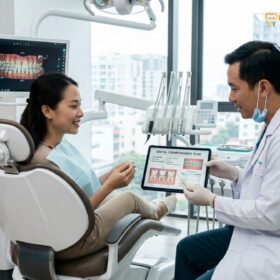
Proper preparation involves remote clinical consultations, digital smile design planning, and selecting certified restorative materials before your arrival to ensure a streamlined clinical experience.
The foundation of successful prosthodontic treatment abroad begins long before you board your flight. Modern clinics specializing in international patient care utilize secure communication channels to conduct preliminary assessments. By reviewing panoramic X-rays or 3D Cone Beam Computed Tomography (CBCT) scans remotely, the clinical team can outline a comprehensive treatment plan, identify the need for preliminary procedures such as root canal post/core buildups, and provide transparent cost estimates.
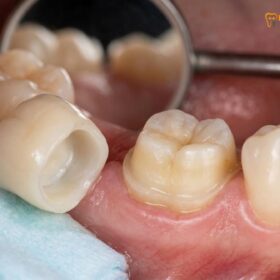
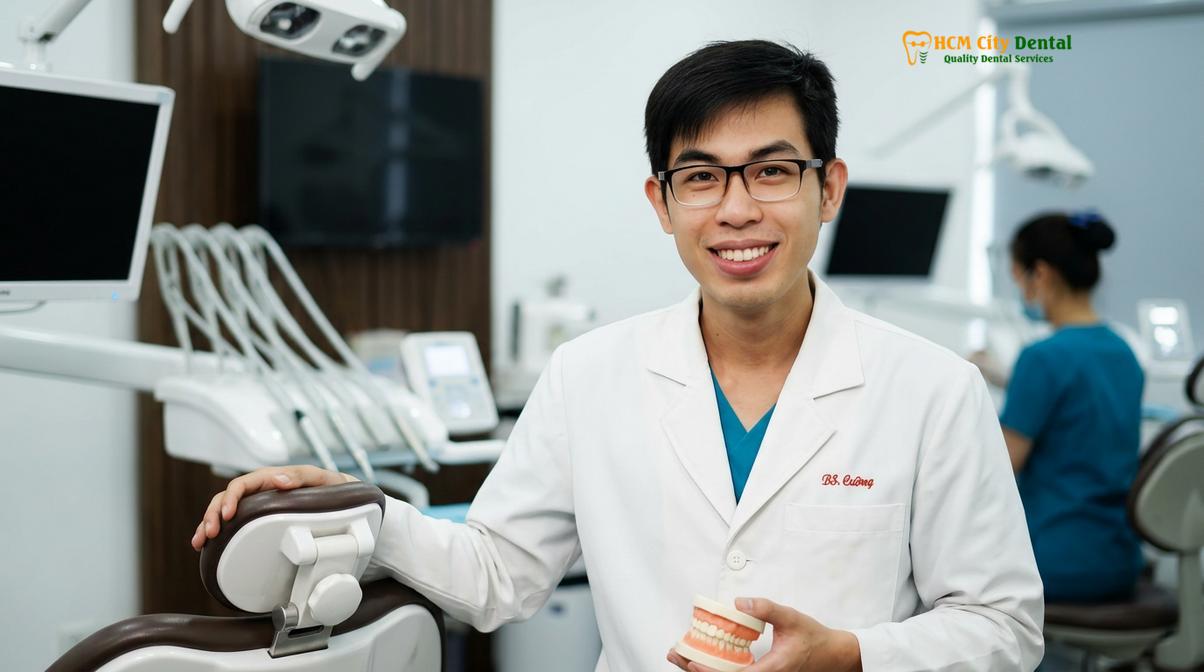
Material selection is a critical component of this planning phase. According to Dr. Nguyen Van Cuong, the clinical perspective on cosmetic material selection must balance biomechanical strength with optical properties. For posterior (back) teeth that endure heavy masticatory forces, Zirconia HT (Cercon HT, Germany) is highly recommended due to its exceptional flexural strength [1]. Conversely, for anterior (front) teeth where light transmission and lifelike aesthetics are paramount, lithium disilicate ceramics like E.max (Ivoclar, Liechtenstein) provide outstanding translucency that mimics natural enamel [2].
Direct Lab Partnerships and Material Certification
A significant advantage of seeking prosthodontic restorations in Vietnam is the integration of direct laboratory partnerships. Leading facilities collaborate directly with top-tier dental laboratories in Ho Chi Minh City. This close relationship enables complete quality control, rapid adjustments, and direct communication between the prosthodontist and the master ceramist. Patients are assured that only authentic, certified materials are utilized, accompanied by global traceability cards.
Transparent Pricing and Financial Planning
Cost efficiency remains a primary driver for patients seeking dental tourism saigon crowns. Clinics offer highly competitive rates compared to Western countries, further enhanced by pre-arrival booking incentives. To assist with financial planning, many facilities also offer 0% interest monthly credit card installment plans. Below is the current pricing structure, highlighting the substantial savings available when securing appointments via WhatsApp prior to arrival:
| Restoration Type / Material | Standard Walk-in Fee | WhatsApp Pre-booking (-40%) |
|---|---|---|
| PFM Crown (Porcelain-Fused-to-Metal) | ~$140 (3.5M VND) | From $84 (2.1M VND) |
| Zirconia Crown (Cercon, Germany) | ~$200 (5.0M VND) | From $120 (3.0M VND) |
| Zirconia HT Crown (Cercon HT) | ~$260 (6.5M VND) | From $156 (3.9M VND) |
| E.max Crown (Ivoclar, Liechtenstein) | ~$280 (7.0M VND) | From $168 (4.2M VND) |
| 3-Unit Bridge (Zirconia HT) | ~$480 (12.0M VND) | From $288 (7.2M VND) |
| 4-Unit Bridge (Zirconia HT) | ~$640 (16.0M VND) | From $384 (9.6M VND) |
| Inlay / Onlay (Sứ Lab) | ~$180 (4.5M VND) | From $108 (2.7M VND) |
Day-by-Day Treatment Schedule
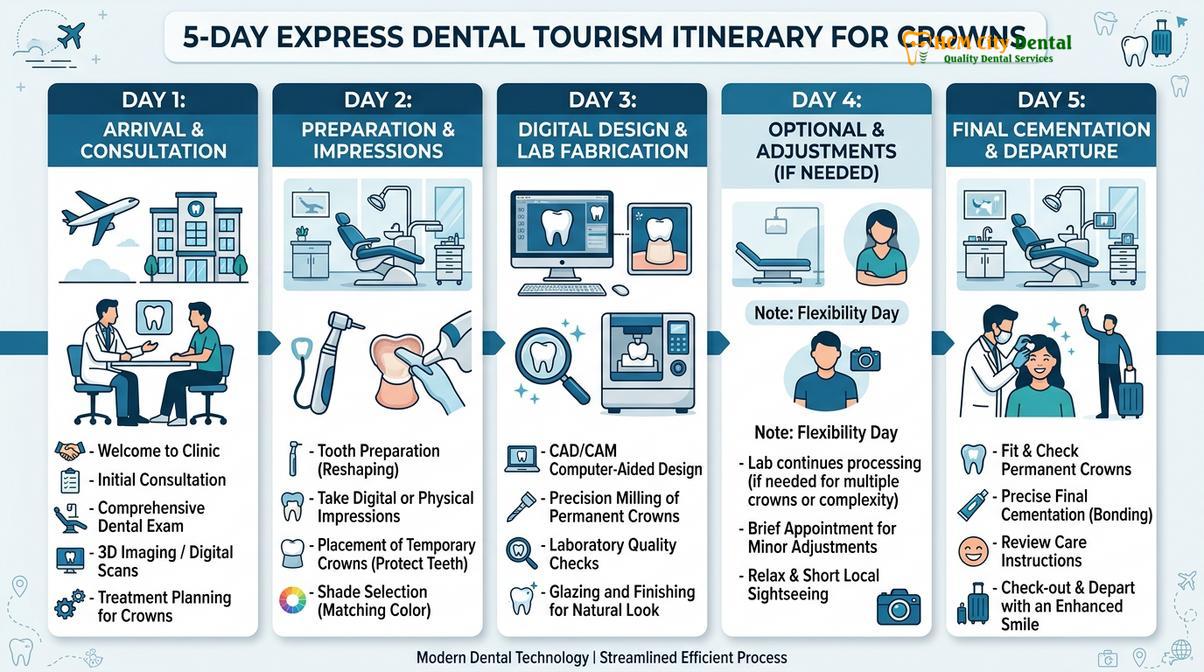
The clinical workflow is condensed into an express 3-5 day turnaround, encompassing digital scanning, precise tooth preparation, temporary restorations, and final cementation.
Time is of the essence for international patients. The express 3-5 day turnaround is meticulously designed to deliver full smile makeovers or multiple crowns and bridges within a single week, without compromising the biological principles of restorative dentistry.
Day 1: Diagnostics, Preparation, and Digital Scanning
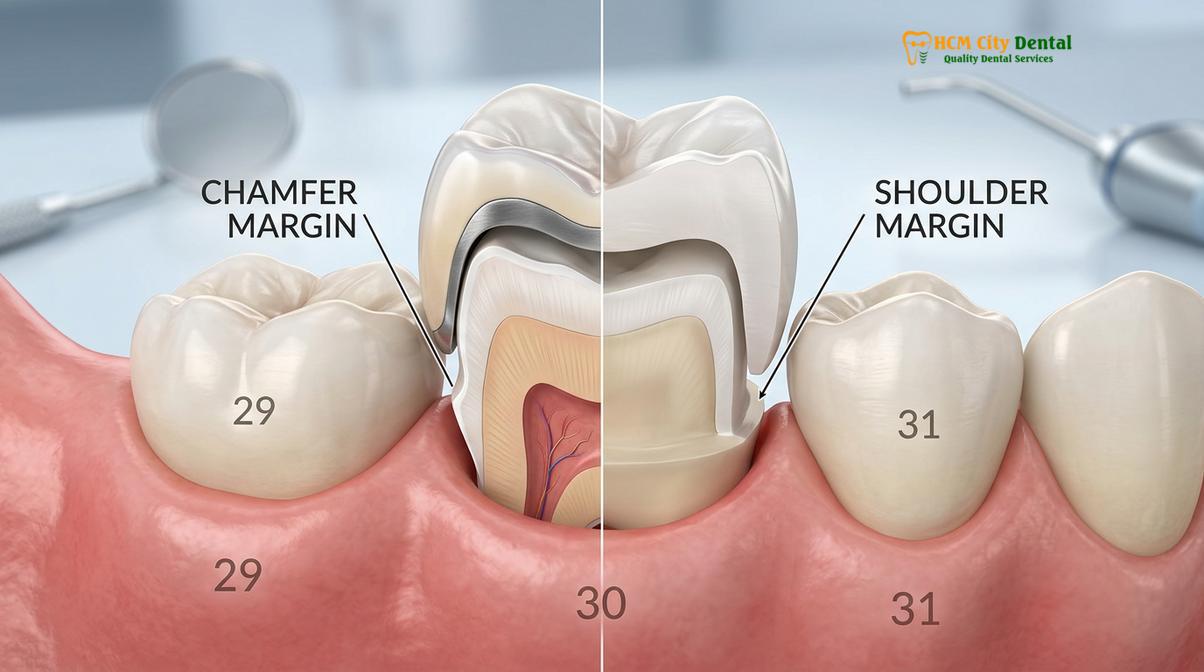
The initial visit involves a comprehensive clinical examination, radiographic review, and discussion of aesthetic goals. Once the treatment plan is finalized, the dentist administers local anesthesia to ensure profound numbness. The tooth preparation phase requires exacting precision. Depending on the chosen material, the dentist will create specific margin designs—such as a chamfer or a shoulder margin—to ensure the final crown seats perfectly without creating plaque-retentive overhangs. Careful attention is paid to the biologic width; violating this natural gingival attachment zone can lead to chronic inflammation and bone loss.
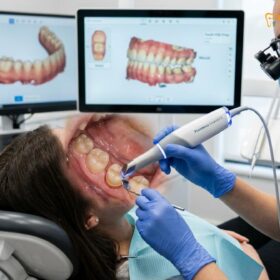
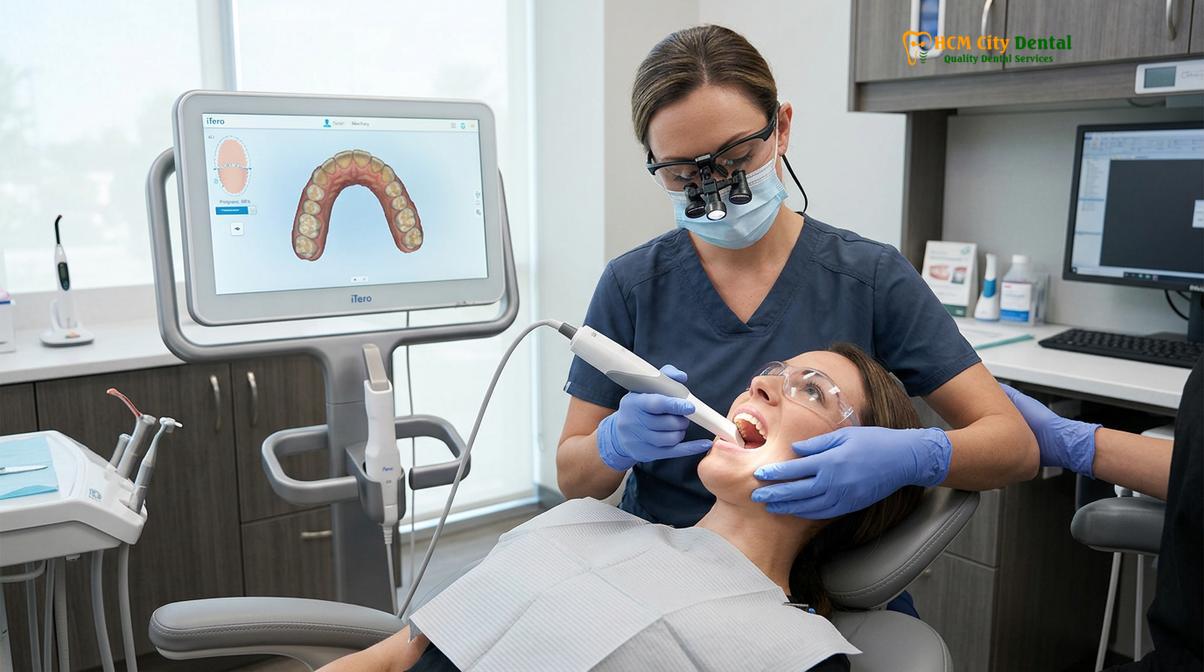
Following preparation, the clinic utilizes state-of-the-art digital scanning technology, specifically the iTero and Medit i700 intraoral scanners. These devices capture highly accurate 3D topographies of the prepared teeth and the opposing arch, eliminating the need for messy, uncomfortable traditional silicone impressions. The digital files are instantly transmitted to the CAD/CAM milling center [3]. Before you leave the clinic, custom temporary crowns are fabricated and cemented to protect the underlying dentin and maintain gingival contours.
Days 2-3: CAD/CAM Milling and Ceramist Artistry
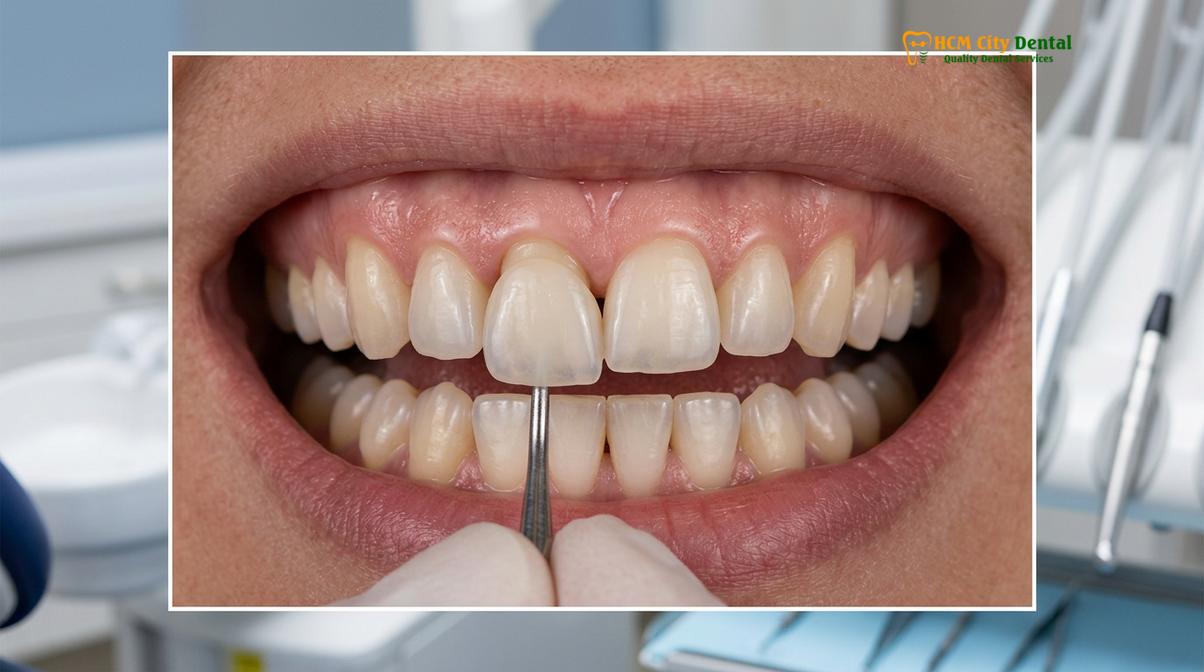
While you are out exploring the city, the dental laboratory is hard at work. The digital impressions are imported into specialized software where the crowns are virtually designed to ensure optimal occlusion (bite alignment) and anatomical form. The restorations are then milled from solid blocks of Zirconia or lithium disilicate. For highly aesthetic cases, a master ceramist will manually layer translucent porcelain and apply custom stains to perfectly match the shade, value, and chroma of your adjacent natural teeth.
Clinical Case Study: Functional Crown Lengthening and Bridge Placement
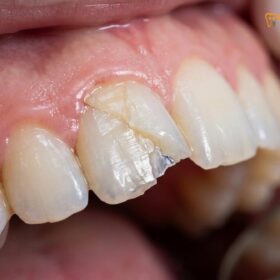
A 45-year-old international patient presented with a severely fractured upper premolar, lacking sufficient clinical crown height to support a restoration. The treatment plan involved functional crown lengthening to expose healthy tooth structure without violating the biologic width. Following a brief healing period, an iTero digital scan was captured. A 3-unit Zirconia HT bridge was fabricated and successfully cemented within the express 5-day window, restoring both masticatory function and aesthetic harmony.
Days 4-5: Try-in, Bite Adjustment, and Final Cementation
During the final appointment, the temporary crowns are carefully removed, and the prepared teeth are cleaned. The final ceramic restorations are placed for a “try-in” phase. The dentist evaluates the marginal fit, interproximal contacts, and aesthetic integration. You will be given a mirror to approve the shape and color. Next, the occlusion is meticulously checked using articulating paper to ensure there are no premature contacts that could cause trauma to the underlying periodontal ligament.
Once approved, the crowns are permanently bonded using advanced resin cements. For patients receiving implant-supported restorations, the clinician will determine the optimal retention method, balancing the retrievability of screw-retained implant crowns against the aesthetic advantages of cement-retained implant crowns [4].
Combining Tourism and Dental appointments
Modern dental protocols utilize minimally invasive techniques and secure temporary restorations, allowing patients to comfortably explore local attractions between clinical visits.
One of the most appealing aspects of a vietnam dental travel itinerary is the ability to turn a medical necessity into a rewarding vacation. Because the heavy clinical work is concentrated on the first and last days of the schedule, patients have a block of free time in the middle of their trip.
During this interim period, you will be wearing temporary crowns. While these acrylic or bis-acryl restorations are designed to be functional and aesthetically pleasing, they are cemented with temporary adhesive to allow for easy removal. Patients are advised to enjoy their sightseeing dental treatment combo while adhering to a few simple dietary modifications—primarily avoiding excessively hard, sticky, or chewy foods that could dislodge the temporaries.
Whether you choose to explore historic landmarks, enjoy the vibrant culinary scene, or simply relax at a boutique hotel, the integration of international patient dental services ensures that your medical schedule does not monopolize your travel experience. Clinic concierges are often available to assist with local recommendations, ensuring your downtime is both safe and enjoyable.
Clinic Locations and Patient Accessibility
Strategically situated facilities ensure that international travelers have convenient access to premium prosthodontic care, modern amenities, and direct billing networks.
Accessibility is a cornerstone of the medical tourism experience. Leading practices, such as HCMC Dental Clinic, are strategically located in the heart of Ho Chi Minh City. This central positioning ensures that patients are never far from premium accommodations, major transportation hubs, and international airports. The convenience of a central location minimizes travel stress, particularly after longer clinical appointments or minor surgical procedures like crown lengthening or root canal therapy.
Furthermore, top-tier clinics cater specifically to the expatriate and international traveler demographic by partnering with major global insurance providers. Direct billing partners, including Allianz, Bupa, and Cigna, streamline the financial process for teachers at international schools and corporate expatriates, reducing out-of-pocket expenses and administrative burdens.
“The transition from traditional impression materials to digital intraoral scanning has revolutionized the patient experience. By utilizing the Medit i700, we completely eliminate the gag reflex and discomfort associated with older techniques, ensuring our international patients experience maximum comfort from the moment they sit in the chair.”
— Dr. Nguyen Van Cuong
Post-Treatment Support and Warranty Details
Comprehensive aftercare includes a robust global warranty policy and remote clinical assessments to ensure the long-term success and durability of your restorations.
A common concern among dental tourists is the management of post-operative care once they return home. Reputable clinics address this by implementing comprehensive global warranty policies. These warranties typically cover the structural integrity of the ceramic materials, protecting against rare instances of material fracture or delamination.
To facilitate this, clinics utilize secure messaging platforms like WhatsApp for remote follow-up support. If a patient experiences an issue, such as an emergency loose crown, they are guided through a specific photo and video assessment protocol. The clinical team evaluates the visual evidence to determine if the issue requires a simple recementation by a local dentist in the patient’s home country, or if a replacement restoration needs to be fabricated and shipped.
Important Post-Operative Care: While premium ceramics like Zirconia HT are incredibly strong, the underlying tooth structure remains susceptible to decay. Patients must maintain rigorous oral hygiene, including daily flossing and brushing, and attend regular professional cleanings. Furthermore, patients with a history of bruxism (teeth grinding) should wear a custom occlusal night guard to protect their new dental bridge or crowns from excessive wear [5].
When to See a Doctor
While prosthodontic treatments have a very high success rate, it is crucial to monitor your oral health following the placement of new crowns or bridges. Mild thermal sensitivity is normal for a few days following cementation as the dentin and pulp recover from the preparation process. However, certain symptoms warrant prompt clinical evaluation to prevent complications such as irreversible pulpitis or occlusal trauma.
You should seek immediate dental attention if you experience:
- Severe, spontaneous pain that wakes you up at night or is not relieved by over-the-counter analgesics.
- A sensation that your bite is “high” or uneven, causing pain when you close your teeth together.
- Visible swelling, redness, or a pimple-like bump (fistula) on the gums near the crowned tooth.
- The crown feeling loose, shifting, or completely detaching from the underlying tooth.
“Patients must understand that while a crown replaces the enamel, the living nerve inside the tooth can still react to trauma or deep decay. Persistent sensitivity to hot or cold that lingers for more than a few seconds after the stimulus is removed is a clinical sign that requires immediate evaluation, regardless of where the treatment was performed.”
Frequently Asked Questions
How does dental tourism work in Vietnam?
Dental tourism in Vietnam involves international patients traveling to receive premium dental care at significantly reduced costs. Clinics coordinate remote consultations, digital treatment planning, and express fabrication schedules to complete complex restorative work within a standard vacation timeframe. This approach combines high-quality medical care with the opportunity to explore a culturally rich destination.
What is the itinerary for getting crowns in Saigon?
A standard itinerary requires 3 to 5 days. Day one involves digital scanning and tooth preparation; days two and three are for laboratory fabrication; and days four and five involve the try-in, bite adjustment, and final cementation. This express schedule is specifically designed to minimize clinical visits while maximizing your free time in the city.
Can I travel while getting dental crowns?
Yes, you can travel and enjoy sightseeing between your clinical appointments. Dentists will place secure temporary crowns to protect your prepared teeth, allowing you to comfortably explore local attractions while your final restorations are being milled. Just be mindful to avoid excessively hard or sticky foods during this interim period.
What materials are used for dental crowns in Vietnam?
Top clinics utilize internationally certified materials, including German Zirconia HT (Cercon HT) for maximum posterior strength and Liechtenstein lithium disilicate (E.max) for superior, lifelike anterior aesthetics. These materials are chosen for their exceptional durability, biocompatibility, and ability to seamlessly blend with natural dentition.
How do I claim warranty support from my home country?
Warranty support is managed through remote clinical assessments via WhatsApp. Patients submit high-resolution photos and videos of the affected area, allowing the prosthodontic team to evaluate the restoration and coordinate necessary repairs, recementation guidance, or replacements globally without requiring an immediate return flight.
References
- Journal of Prosthodontic Research. Flexural strength of zirconia crowns. (2021).
- Journal of Esthetic and Restorative Dentistry. Translucency of lithium disilicate. (2020).
- Journal of Dentistry. CAD/CAM milling accuracy and marginal adaptation. (2022).
- International Journal of Prosthodontics. Screw vs cement implant crowns. (2019).
- American Dental Association. Clinical guidelines for dental bridges. (2018).