If you are planning to upgrade your smile with a custom restoration, you must complete your teeth whitening before dental crowns are fabricated and permanently cemented. Dental ceramics do not respond to bleaching agents, meaning your natural teeth must reach their final, stable shade before the dentist color-matches your new crown.
Clinical Summary:
Whitening before dental crowns is a mandatory clinical sequence in cosmetic and restorative dentistry to ensure a seamless, uniform smile. Because premium dental materials like lithium disilicate (E.max) and high-translucency zirconia are entirely non-porous and color-stable, they cannot be lightened once manufactured. Patients must undergo professional bleaching and wait approximately 10 to 14 days for the residual oxygen molecules to dissipate and the natural tooth shade to fully stabilize. Only after this critical waiting period should the final shade matching and tooth preparation occur. Utilizing advanced digital tools like the iTero and Medit i700 intraoral scanners ensures precise color communication with the dental laboratory. Dr. Nguyen Van Cuong emphasizes that establishing a baseline white shade prior to CAD/CAM milling prevents the costly clinical error of a mismatched restoration, ensuring long-term aesthetic success, optimal bond strength during cementation, and perfect integration with the surrounding natural dentition.
Key Takeaways:
- Dental crowns, bridges, and veneers are crafted from color-stable ceramics that cannot be altered by peroxide-based bleaching gels.
- Always complete your professional teeth whitening treatment at least two weeks before your final crown shade is selected.
- Waiting 10 to 14 days allows the natural tooth color to stabilize and ensures optimal bond strength for the permanent resin cement.
- Advanced digital shade matching using intraoral scanners provides exact color replication for materials like Zirconia HT and E.max.
- If you whiten your teeth after a crown is placed, your natural teeth will lighten while the crown remains its original darker shade, necessitating a complete replacement.
Why Dental Ceramics Cannot Be Whitened
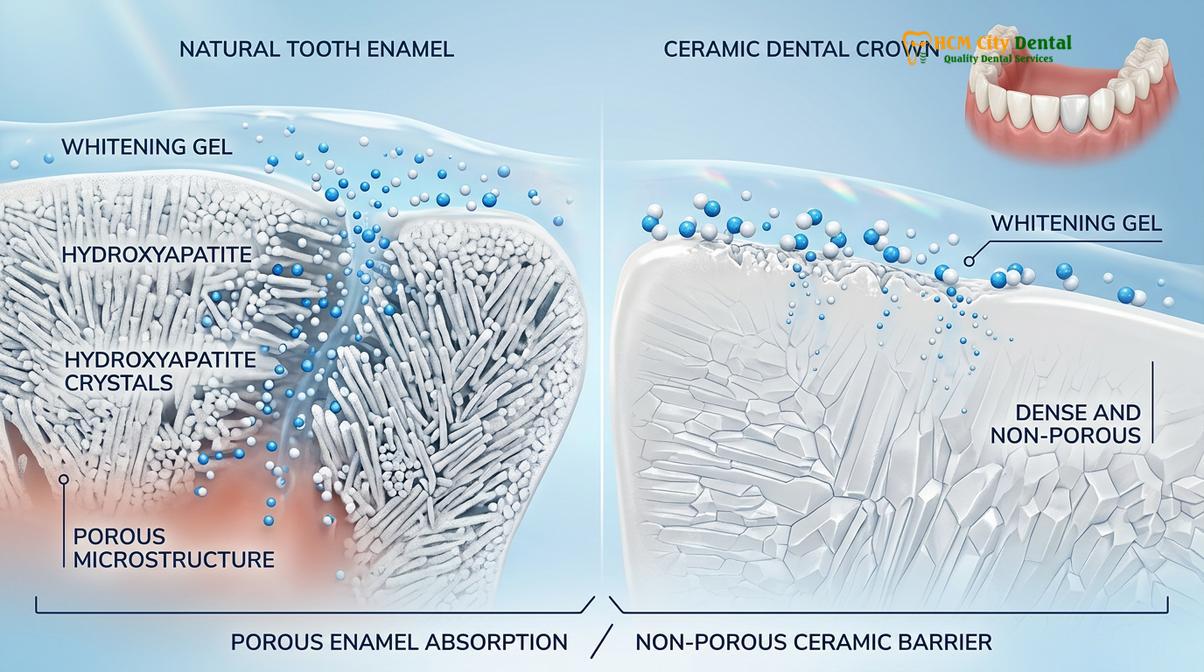
Dental ceramics possess a highly dense, non-porous structure that is completely impervious to the hydrogen peroxide or carbamide peroxide agents used in traditional teeth whitening treatments.
To understand why whitening ceramic dental restorations is a physical impossibility, one must examine the fundamental differences in material science between natural human enamel and synthetic dental ceramics. Natural teeth are inherently porous. The outer layer of enamel contains microscopic tubules that lead directly into the underlying dentin, which is the layer responsible for the primary color of the tooth. When you apply a professional bleaching gel, the active ingredient—typically hydrogen peroxide or carbamide peroxide—penetrates these microscopic pores. Once inside, the peroxide undergoes an oxidation reaction, breaking down the complex, heavily pigmented chromogenic molecules into smaller, less visible fragments, thereby lightening the overall appearance of the tooth [1].
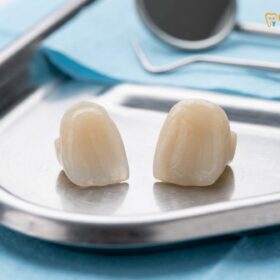
In stark contrast, modern dental restorations are engineered to be incredibly dense and impermeable. Materials such as Zirconia HT (Cercon HT, Germany) and lithium disilicate (E.max, Ivoclar, Liechtenstein) are fabricated using advanced CAD/CAM milling technology and then sintered or fired in a high-temperature kiln. This manufacturing process creates a tightly packed crystalline structure or a glass-ceramic matrix that lacks the pores found in natural enamel. Furthermore, the final step in creating a dental crown involves applying a specialized liquid glaze that is baked onto the surface, sealing the restoration completely. Because there are no pores for the bleaching gel to penetrate, the peroxide simply sits on the surface of the crown without initiating any chemical color change.
“The inert nature of dental ceramics is a double-edged sword. While it prevents the crown from absorbing stains from coffee, tea, or red wine over the years, it also means the material is entirely unresponsive to chemical bleaching. The shade chosen on the day of fabrication is the shade that will remain for the lifespan of the restoration.”
This principle applies to all types of permanent restorations, including traditional PFM (Porcelain-Fused-to-Metal) crowns, full-contour zirconia crowns, emax veneers, and implant-supported prostheses. Even the composite resin used in standard dental fillings will not whiten. Therefore, attempting to bleach a smile that contains existing dental work will inevitably lead to an uneven, mismatched appearance, highlighting the critical importance of sequencing your cosmetic treatments correctly.
Whitening Your Natural Teeth First
To achieve a perfectly blended smile, patients must bleach their natural teeth to their desired brightness and allow the shade to stabilize before the crown fabrication begins.
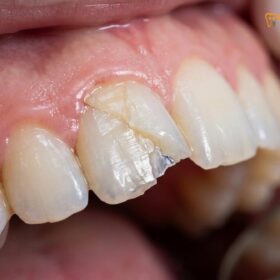
The clinical workflow for achieving a flawless smile makeover requires strict adherence to a specific timeline. The process of bleaching natural teeth crown prep must always precede the restorative phase. When a patient presents with a tooth that requires a crown—whether due to extensive decay, a fracture, or following a root canal treatment—the first step in a cosmetically driven treatment plan is to evaluate the color of the adjacent healthy teeth. If the patient expresses any dissatisfaction with their current tooth color, the dentist will strongly recommend initiating a professional whitening protocol immediately.
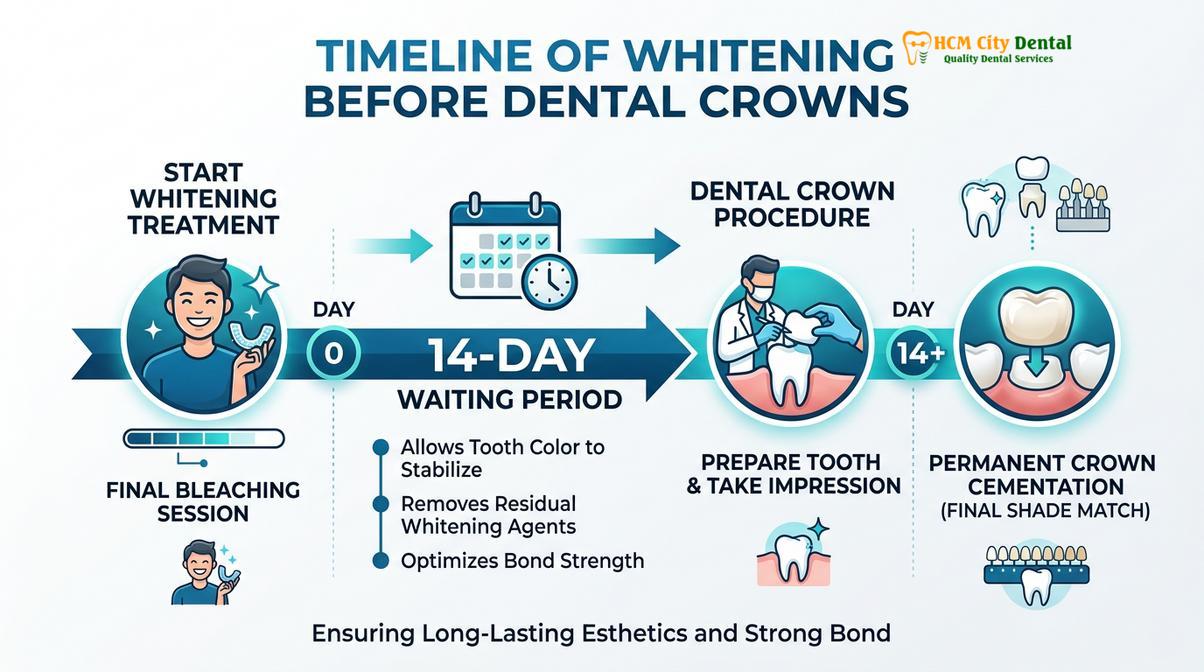
Professional in-office whitening, often supplemented with custom take-home trays, can dramatically lift the shade of the natural dentition. However, the whitening process does not end the moment the gel is washed off. The oxidation process continues within the dentinal tubules for several days. During this time, the teeth may appear artificially bright due to dehydration, and the shade will gradually settle or “rebound” slightly as the teeth rehydrate and the oxygen molecules dissipate.
Because of this stabilization period, prosthodontists mandate a strict waiting period of 10 to 14 days after the final whitening session before proceeding with the tooth preparation and shade matching for the new crown [2]. This waiting period serves two critical clinical functions. First, it ensures that the dentist is matching the crown to the true, permanent shade of the natural teeth, rather than a transient, dehydrated shade. Second, and equally important from a structural standpoint, it allows the residual oxygen to clear from the tooth structure.
Clinical Warning: Do not rush the permanent cementation process immediately after bleaching. Residual oxygen trapped in the dentinal tubules severely inhibits the polymerization (curing) of the dual-cure resin cements used to bond E.max and Zirconia crowns. This can lead to microleakage, post-operative sensitivity, or the need for an emergency loose crown recementation.
During this two-week waiting period, if the tooth requiring the crown is structurally compromised or aesthetically displeasing, the dentist will place a temporary crown. Temporary crowns are typically milled from PMMA (polymethyl methacrylate) or fabricated chairside using a bis-acryl composite. While the temporary crown protects the tooth and maintains the biologic width of the gingival tissues, the patient completes their whitening regimen. Once the final shade is locked in, the patient returns for the definitive digital impression and shade selection.
Shade Matching the Crown to Whitened Teeth
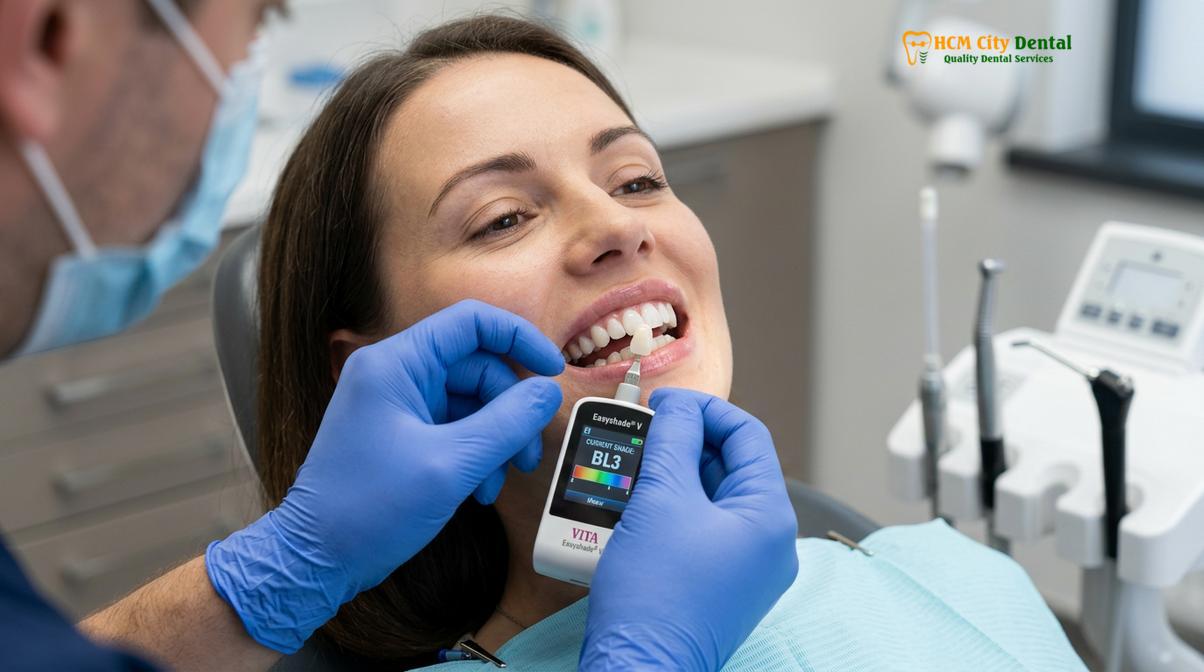
Once the natural teeth have stabilized at their new, brighter shade, the dentist utilizes digital spectrophotometry and intraoral scanners to perfectly match the crown material.
The art and science of shade matching bleached teeth have evolved significantly with the advent of digital dentistry. In the past, dentists relied solely on visual shade guides, which were highly subjective and prone to errors caused by ambient operatory lighting or clinician eye fatigue. Today, the process is highly objective and technologically driven, ensuring a virtually seamless integration between the artificial restoration and the newly whitened natural dentition.
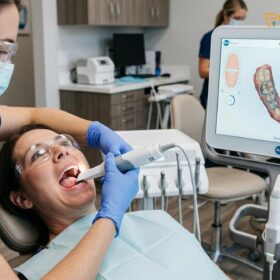
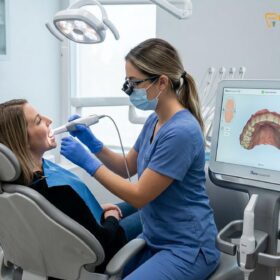
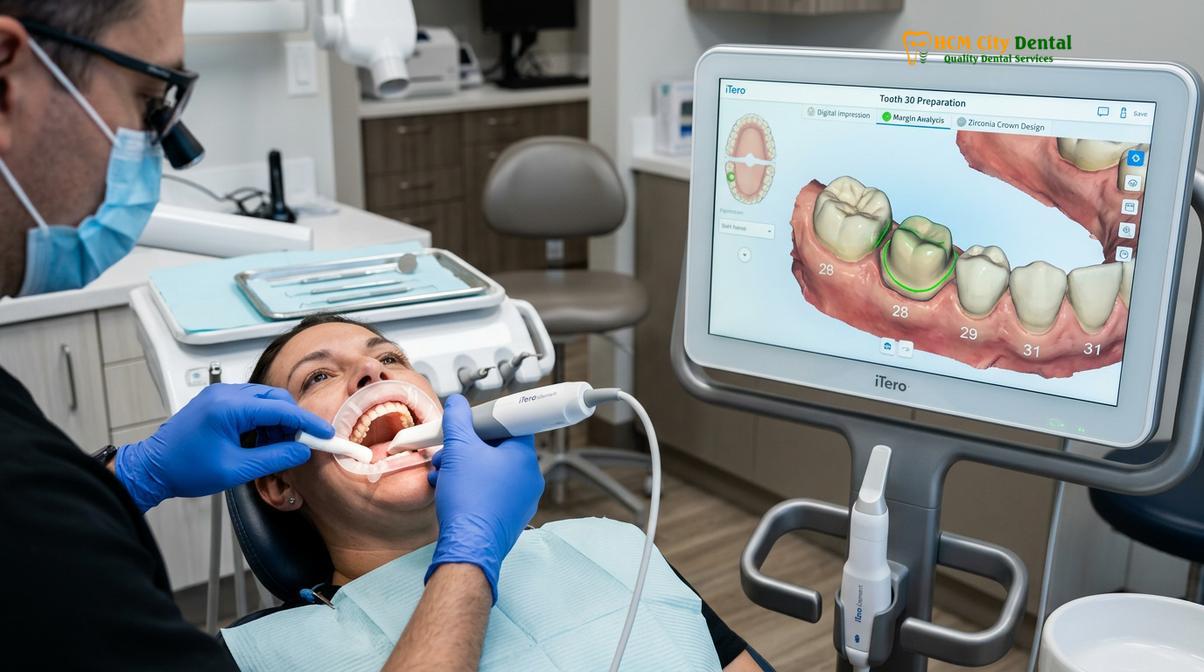
At modern facilities, the clinical team utilizes state-of-the-art digital scanning technology, such as the iTero and Medit i700 Intraoral Scanners. These devices eliminate the need for messy, uncomfortable traditional silicone impressions, providing maximum patient comfort and unparalleled 3D precision for the crown design. Beyond capturing the physical geometry of the tooth preparation—including critical details like the chamfer or shoulder margin designs—these scanners also capture high-definition color data. This digital information is instantly transmitted to the dental laboratory [3].
A significant advantage for patients seeking comprehensive care is the Direct Lab Partnership utilized by top-tier clinics in Ho Chi Minh City. By partnering directly with a leading local laboratory, the prosthodontist and the master ceramist can collaborate in real-time. This direct communication allows for complete quality control over the CAD/CAM milling process and the custom layering of porcelain. For dental tourists and expatriates, this streamlined workflow enables an Express 3-5 Day Turnaround, allowing complete smile makeovers or multiple crowns and bridges to be fabricated and fitted within a single week.
Material selection plays a paramount role in replicating the optical properties of whitened teeth. High-quality restorations require authentic, certified materials. For the ultimate strength combined with high translucency, Zirconia HT (Cercon HT, Germany) is often selected, particularly for posterior teeth or multi-unit bridges. For anterior (front) teeth, where lifelike aesthetics and light transmission are critical, E.max (Ivoclar, Liechtenstein) lithium disilicate is the gold standard. These materials can be precisely tinted and glazed to match the high-value (brightness) of bleached enamel without looking opaque or artificial.
Understanding the financial investment for these premium materials is essential. Many clinics offer transparent pricing structures, often incorporating significant discounts for patients who plan their treatments in advance. Below is an overview of the pricing parameters, highlighting the 40% pre-arrival discount available for WhatsApp bookings:
| Restoration Material / Type | Standard Walk-in Price (Est.) | WhatsApp Pre-Booking Discount (-40%) |
|---|---|---|
| PFM Crown (Porcelain-Fused-to-Metal) | ~$140 (3.5M VND) | From $84 (2.1M VND) |
| Zirconia Crown (Cercon, Germany) | ~$200 (5.0M VND) | From $120 (3.0M VND) |
| Zirconia HT Crown (Cercon HT, High Translucency) | ~$260 (6.5M VND) | From $156 (3.9M VND) |
| E.max Crown (Ivoclar, Lithium Disilicate) | ~$280 (7.0M VND) | From $168 (4.2M VND) |
| 3-Unit Bridge (Zirconia HT) | ~$480 (12.0M VND) | From $288 (7.2M VND) |
| 4-Unit Bridge (Zirconia HT) | ~$640 (16.0M VND) | From $384 (9.6M VND) |
| Ceramic Inlay / Onlay (Sứ Lab) | ~$180 (4.5M VND) | From $108 (2.7M VND) |
What Happens If You Whiten Teeth After Getting a Crown?
Bleaching your teeth after a crown has been permanently cemented will result in a noticeable color mismatch, as the natural teeth will lighten while the crown remains dark.
A common clinical dilemma arises when patients decide they want a brighter smile years after having restorative work completed. The teeth whitening order dental crowns sequence is frequently misunderstood by the general public. If a patient applies a professional-grade bleaching gel to a smile that contains an existing ceramic crown, the natural teeth will respond to the peroxide and become several shades lighter. However, as previously established, the ceramic crown will remain completely unaffected [4].
This creates a stark and often aesthetically displeasing contrast. The natural teeth will appear bright and vibrant, while the existing crown will suddenly look yellow, grey, or dingy by comparison. This phenomenon is particularly devastating when the crown is located in the aesthetic zone (the front teeth visible during a smile). The psychological impact of a mismatched smile can be significant, leading to a loss of confidence and hesitation to smile openly.
Unfortunately, there is no chemical or superficial way to lighten an existing dental crown. You cannot polish it to a lighter shade, nor can you apply a new layer of white porcelain over the glazed surface in the mouth. The only viable clinical solution to correct this mismatch is the complete removal and replacement of the restoration. This involves cutting off the old crown, refining the underlying tooth preparation, taking a new digital scan, and fabricating a brand-new crown that matches the newly whitened natural teeth.
Clinical Case Review: A patient visiting HCMC Dental Clinic in Ho Chi Minh City for dental tourism presented with a highly mismatched anterior smile. She had received a single PFM crown on her upper right central incisor five years prior. Recently, she underwent aggressive in-office whitening in her home country, causing her natural teeth to become brilliantly white, while the old PFM crown remained a dark A3 shade. Dr. Nguyen Van Cuong evaluated the case, carefully removed the outdated PFM crown, and refined the preparation margin. Utilizing the clinic’s express 3-5 day turnaround, a new, highly translucent E.max crown was digitally milled and custom-shaded to perfectly match her newly bleached dentition, restoring harmony to her smile.
This scenario underscores the importance of comprehensive treatment planning. Dentists must proactively discuss future aesthetic goals with their patients before cementing any permanent restoration. If a patient expresses even a slight desire for a whiter smile in the future, it is always medically and financially prudent to complete the whitening phase first.
Maintaining Your Bright Smile Post-Treatment
Preserving the harmony between your whitened natural teeth and your new ceramic crown requires consistent oral hygiene, dietary awareness, and periodic touch-up bleaching.
Once your new crown is permanently cemented and perfectly matched to your whitened teeth, the focus shifts to long-term maintenance. It is crucial to understand that while your new Zirconia or E.max crown is highly resistant to staining, your natural teeth are still susceptible to discoloration over time. Daily consumption of chromogenic foods and beverages—such as coffee, black tea, red wine, dark berries, and soy sauce—will gradually deposit stains back into the enamel pores. Tobacco use will also rapidly accelerate the yellowing of natural teeth.
If the natural teeth are allowed to relapse and darken, the inverse of the previous problem will occur: the natural teeth will look yellow, while the ceramic crown will remain bright white, once again creating a mismatched appearance. To prevent this, patients must commit to a rigorous oral hygiene routine. Brushing twice daily with a non-abrasive fluoride toothpaste, flossing to remove interproximal plaque, and attending professional dental cleanings every six months are non-negotiable steps for maintaining a pristine smile.
“The longevity of a cosmetic dental outcome relies heavily on patient compliance. We provide the highest quality ceramic materials that will not degrade or discolor, but the patient must actively manage the shade of their surrounding natural teeth through periodic maintenance to keep the entire smile cohesive.”
To maintain the baseline brightness of the natural teeth, dentists typically recommend periodic touch-up whitening. Patients are often provided with custom-fitted bleaching trays and a lower-concentration carbamide peroxide gel. Wearing these trays for a few nights every 4 to 6 months is usually sufficient to lift any newly accumulated stains and keep the natural teeth perfectly matched to the ceramic crown.
For patients who travel for their dental care, comprehensive aftercare is a primary concern. Reputable facilities offer a global warranty policy with remote follow-up support via WhatsApp. This allows patients to submit photo and video assessments to their clinical team, ensuring that any concerns regarding shade stability, gingival health, or bite alignment are addressed promptly, regardless of their geographic location. Furthermore, to make these comprehensive smile makeovers accessible, clinics often provide flexible financials, including 0% interest monthly credit card installment plans, allowing patients to invest in their oral health without immediate financial strain.
Important Clinical Considerations (When to See a Doctor)
Before initiating any whitening or restorative procedures, a comprehensive clinical evaluation is necessary to address underlying pathologies such as decay, infection, or biologic width violations.
While achieving a bright, uniform smile is a common aesthetic goal, it must never supersede fundamental oral health. Patients should schedule a comprehensive consultation with a qualified prosthodontist to evaluate their candidacy for both whitening and advanced restorative options like dental crowns and bridges. Not every tooth is immediately ready for cosmetic enhancement.
If a patient experiences severe, lingering pain or hypersensitivity during the whitening process, they must stop the treatment and see a doctor immediately. This sensitivity could indicate exposed dentin, receding gums, or microscopic cracks in the enamel that require intervention before a crown can be safely placed. Furthermore, the structural integrity of the tooth receiving the crown must be meticulously assessed. If a tooth has suffered extensive decay or trauma, it may require a root canal treatment followed by a post and core buildup to provide sufficient foundational support for the final ceramic restoration [5].
The health of the gingival tissues (gums) is equally critical. The dentist must respect the biologic width—the natural dimension of the soft tissue attached to the tooth above the bone. If a cavity extends deep below the gumline, a surgical procedure known as crown lengthening (functional or esthetic) may be required to expose more healthy tooth structure. This ensures that the margin of the new crown sits on sound tooth structure without irritating the gums, which could lead to chronic inflammation or bone loss.
For patients replacing missing teeth, the principles of shade matching apply equally to dental implants. The clinical team must decide between screw-retained versus cement-retained implant crowns based on the angulation of the implant and the aesthetic demands of the site. Regardless of the retention method, the ceramic portion of the implant crown must be shade-matched to the surrounding whitened dentition using the exact same digital workflows and waiting periods described above.
Frequently Asked Questions
Can you whiten a dental crown?
No, dental crowns cannot be whitened. Dental ceramics, such as zirconia and lithium disilicate, are non-porous and completely resistant to the peroxide-based bleaching agents used in teeth whitening. If your natural teeth change color, the crown will remain its original shade, which is why dentists strongly recommend achieving your desired tooth color before any permanent restoration is fabricated.
Should I whiten my teeth before getting a crown?
Yes, you should always complete your whitening treatment before getting a crown. By establishing a brighter baseline shade for your natural dentition first, your prosthodontist can accurately match the new ceramic restoration to your enhanced smile. Failing to do so may result in a mismatched appearance if you decide to bleach your teeth later, as the crown will not lighten alongside your natural teeth.
How do I match my crown to my whitened teeth?
Your dentist will match the crown to your whitened teeth using advanced digital shade guides and intraoral scanners. After your natural teeth have stabilized in color—typically two weeks post-bleaching—the clinical team will use tools like the iTero or Medit i700 scanner to capture the exact hue, chroma, and value, ensuring the laboratory fabricates a perfectly blended restoration.
How long should I wait after whitening to get my crown color matched?
You must wait at least 10 to 14 days after your final whitening session before the final shade matching and tooth preparation occur. This waiting period allows the residual oxygen from the bleaching gel to dissipate from the dentinal tubules, ensuring the color stabilizes and the permanent resin cement can achieve maximum bond strength without interference from oxygen bubbles.
Will my dental insurance cover the cost of replacing a mismatched crown?
Generally, dental insurance does not cover the replacement of a crown solely for cosmetic color mismatch. Insurance providers typically only authorize replacements if the restoration has structurally failed, exhibits recurrent decay at the margins, or causes functional issues. Therefore, planning your whitening sequence correctly is crucial to avoid out-of-pocket replacement costs.
References
- Journal of Esthetic and Restorative Dentistry. The effect of bleaching on the color and translucency of dental ceramics. (2021).
- International Journal of Prosthodontics. Oxygen inhibition of resin cements following vital tooth bleaching. (2020).
- Journal of Prosthodontic Research. Accuracy of digital shade matching using intraoral scanners. (2022).
- American Dental Association. Clinical guidelines for the sequencing of vital bleaching and restorative therapy. (2019).
- Journal of Dentistry. Bond strength of lithium disilicate and zirconia following extracoronal bleaching. (2023).