Supreme dental care integrates advanced clinical diagnostics, European CE sterilization standards, and comprehensive family dentistry to maintain optimal oral health. For the expat community, it encompasses multilingual communication, direct billing insurance, and precision treatments ranging from pediatric preventive care to complex restorative procedures.
Clinical Summary:
Achieving supreme dental care requires a multidisciplinary approach combining digital dentistry, stringent infection control, and patient-centered workflows. High-quality clinics utilize intraoral scanning and CAD/CAM technology to deliver precise restorations like custom crowns and orthodontic aligners. For international patients, seamless care involves direct billing insurance partnerships, transparent pricing, and specialized pediatric dentistry. Long-term success relies on evidence-based preventive protocols, routine scaling, and robust warranty systems supported by experienced dental technicians and clinicians dedicated to preserving natural tooth structure and optimizing oral function.
Key Takeaways:
- Advanced diagnostics using iTero and Medit scanners eliminate messy traditional molds and improve restorative accuracy.
- Direct billing insurance partnerships provide cashless convenience for expat families undergoing routine and preventive care.
- Pediatric dentistry focuses on gentle, anxiety-free preventive treatments, including dental sealants and pulpotomies.
- Pre-arrival WhatsApp bookings offer significant discounts on premium treatments, enhancing the value of dental tourism.
- Clinical workflows adhere strictly to European CE sterilization guidelines, ensuring maximum patient safety.
The Foundation of Supreme Dental Care: Clinical Standards and Diagnostics
Supreme dental care relies on high-resolution digital diagnostics and rigorous sterilization protocols to ensure precise, safe, and predictable clinical outcomes for every patient.
The cornerstone of any premier dental clinic is its commitment to diagnostic accuracy and stringent infection control. Modern dentistry has evolved significantly from traditional visual inspections and manual impressions. Today, achieving supreme dental care means leveraging cutting-edge technology to visualize the oral cavity in three dimensions, allowing clinicians to detect micro-cavities, structural weaknesses, and periodontal issues long before they become symptomatic. This proactive approach is essential for a General & Preventive Dentistry strategy that prioritizes the preservation of natural tooth structure.
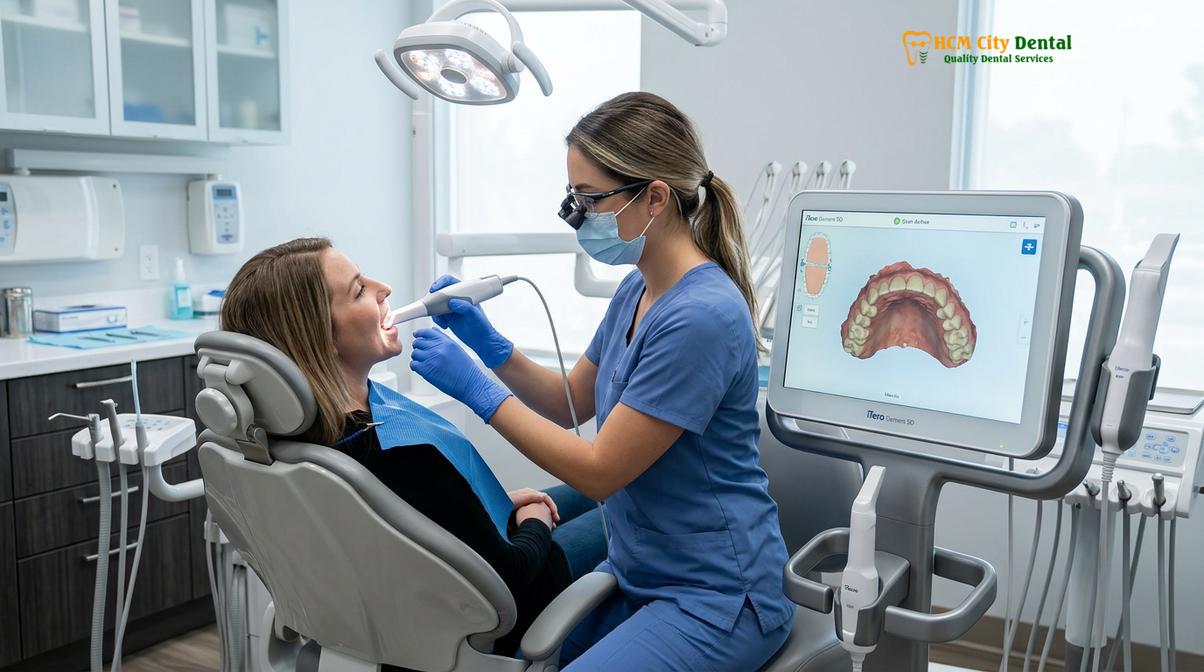
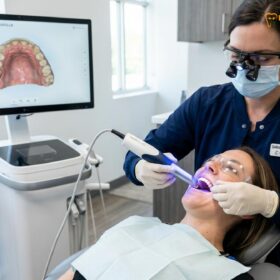
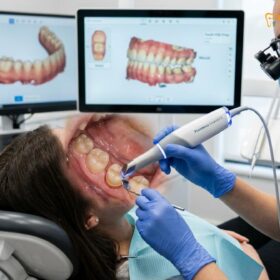
Intraoral scanning represents a paradigm shift in how dental data is captured. Devices such as the iTero Element 5D and Medit i700 scanners utilize advanced optical technology to create highly accurate 3D models of the patient’s dentition. This digital workflow completely eliminates the need for traditional alginate or polyvinyl siloxane (PVS) impressions, which are often uncomfortable and can trigger a severe gag reflex in sensitive patients. Furthermore, digital scans provide immediate visual feedback. Clinicians can capture detailed dental pictures and comprehensive dental smile pictures, which are instrumental in patient education and collaborative treatment planning. By viewing their own oral anatomy on a high-definition monitor, patients gain a clearer understanding of their diagnosis and the proposed interventions [1].
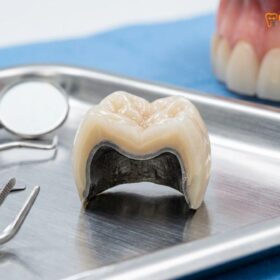
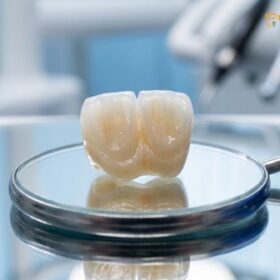
The integration of cad cam dental technology (Computer-Aided Design and Computer-Aided Manufacturing) further elevates the standard of care. Once a digital impression is captured, the data is seamlessly transmitted to design software. Here, a skilled dental technician can meticulously design restorations—such as crowns, inlays, or veneers—with micron-level precision. The digital file is then sent to a cad cam dental machine, which mills the restoration from a solid block of high-strength ceramic or zirconia. While the initial dental crown making machine price is a significant investment for any clinic, the resulting benefits in terms of fit, aesthetics, and turnaround time are unparalleled. This technology ensures that every restoration mimics the natural biomechanics of the tooth, contributing to a truly precious smile dental outcome.
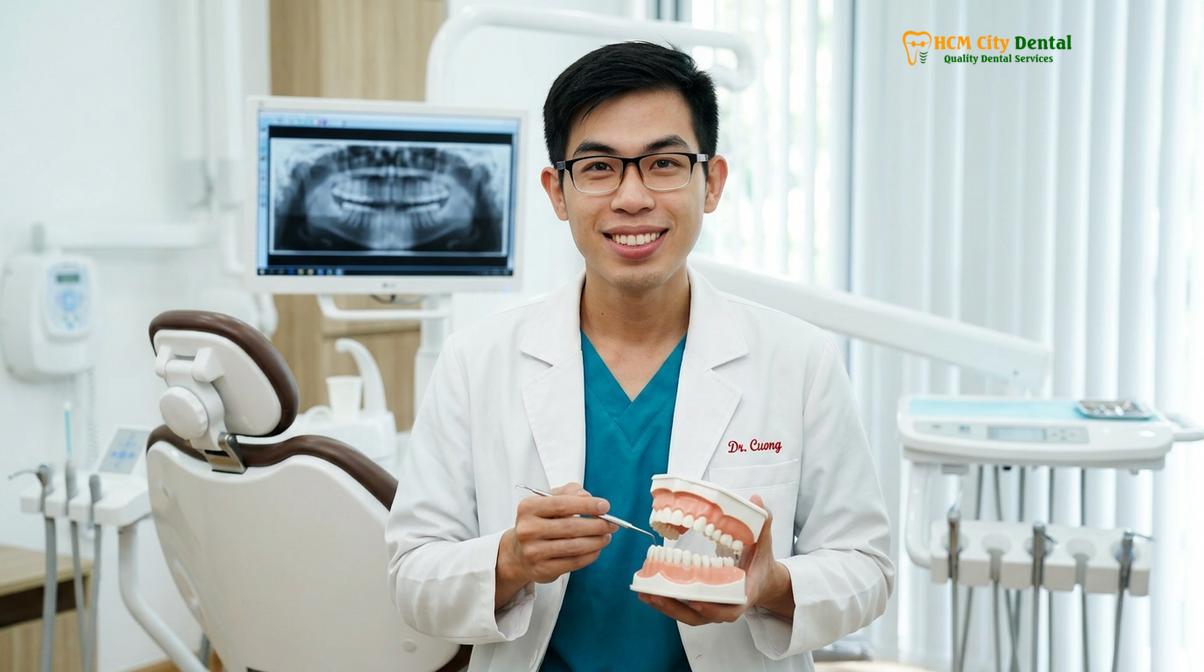
Under the guidance of experienced professionals like Dr. Nguyen Van Cuong, clinical standards are rigorously maintained. Dr. Cuong ensures that all digital scanning and CAD/CAM workflows adhere to strict international protocols. Furthermore, the sterilization processes within the clinic comply with European CE guidelines. This involves the use of Class B autoclaves, ultrasonic cleaning of instruments, and strict single-use policies for disposable items. Such uncompromising attention to infection control is non-negotiable in delivering supreme dental care, providing peace of mind to both local residents and the international expat community.
Comprehensive Family and Expat Pediatric Dentistry
Family-focused dental clinics provide specialized pediatric care and preventive treatments in a welcoming environment, ensuring long-term oral health for patients of all ages.
Serving the diverse needs of an international population requires a nuanced approach to family dentistry. Expat families often seek a reliable family dentist who can provide continuity of care in a new country. A critical component of this service is specialized pediatric dentistry. Children have unique anatomical, physiological, and psychological needs when it comes to oral healthcare. A negative experience in the dental chair during childhood can lead to a lifetime of dental anxiety, making compassionate, patient-centered care absolutely vital.
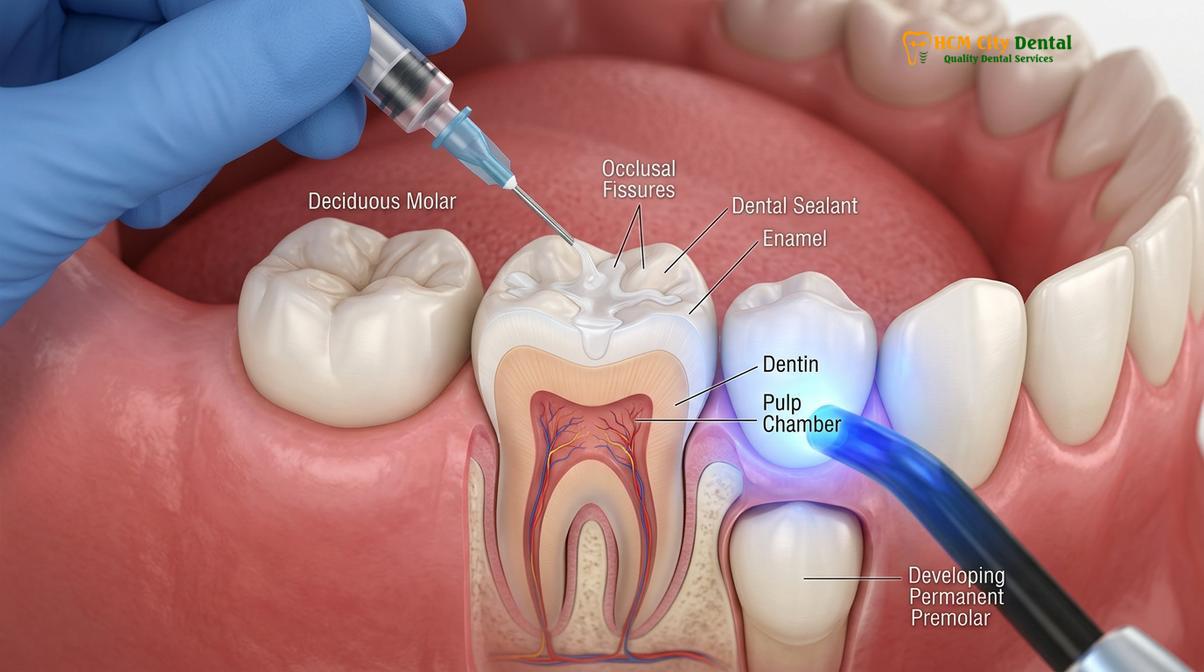
Preventive protocols form the bedrock of pediatric dental care. Routine teeth cleaning and comprehensive examinations are designed to monitor the eruption of primary and permanent teeth, assess jaw development, and identify early signs of caries. One of the most effective preventive measures is the application of dental sealants. These thin, protective coatings are applied to the deep grooves (fissures) of the posterior molars, creating a physical barrier against cariogenic bacteria and fermentable carbohydrates. Additionally, professional fluoride varnishes are routinely applied to remineralize early enamel lesions and strengthen the tooth structure against acid attacks [2].
“Effective pediatric dentistry transcends clinical technique; it requires a profound understanding of child psychology. By employing the Tell-Show-Do method and maintaining a non-threatening environment, clinicians can transform a potentially fearful visit into a positive, educational experience that fosters lifelong oral hygiene habits.”
When restorative intervention is necessary for children, techniques such as pulpotomies (nerve treatments for primary teeth) or the placement of biocompatible fillings are performed with the utmost care. The goal is always to preserve the primary dentition until natural exfoliation occurs, as these teeth act as crucial space maintainers for the developing permanent teeth. Dr. Cuong and the pediatric team place a strong emphasis on behavioral management, ensuring that children feel safe and in control throughout their visit. This gentle approach is particularly appreciated by expat parents who want to ensure their children receive the highest standard of care without the stress often associated with medical appointments in a foreign country.
Furthermore, effective multilingual communication is essential in family dentistry. An english speaking dentist can clearly explain diagnoses, treatment options, and home-care instructions to expat parents, ensuring informed consent and collaborative care. This clear communication bridges cultural gaps and builds a foundation of trust, which is the hallmark of supreme dental care.
Restorative and Cosmetic Dentistry Workflows
Advanced restorative workflows utilize digital impressions and precision milling to create durable, aesthetically pleasing dental crowns, veneers, and implant-supported prosthetics.
When teeth are compromised by extensive decay, trauma, or structural wear, advanced restorative dentistry is required to rebuild form and function. The workflow for creating a custom dental crown exemplifies the precision of modern clinical practice. A crown acts as a protective “cap” that encases the visible portion of the tooth, restoring its original shape, size, and strength. The choice of material is critical; clinicians often recommend lithium disilicate (E.max) for highly aesthetic anterior restorations and monolithic zirconia for posterior teeth that must withstand heavy masticatory (chewing) forces [3].
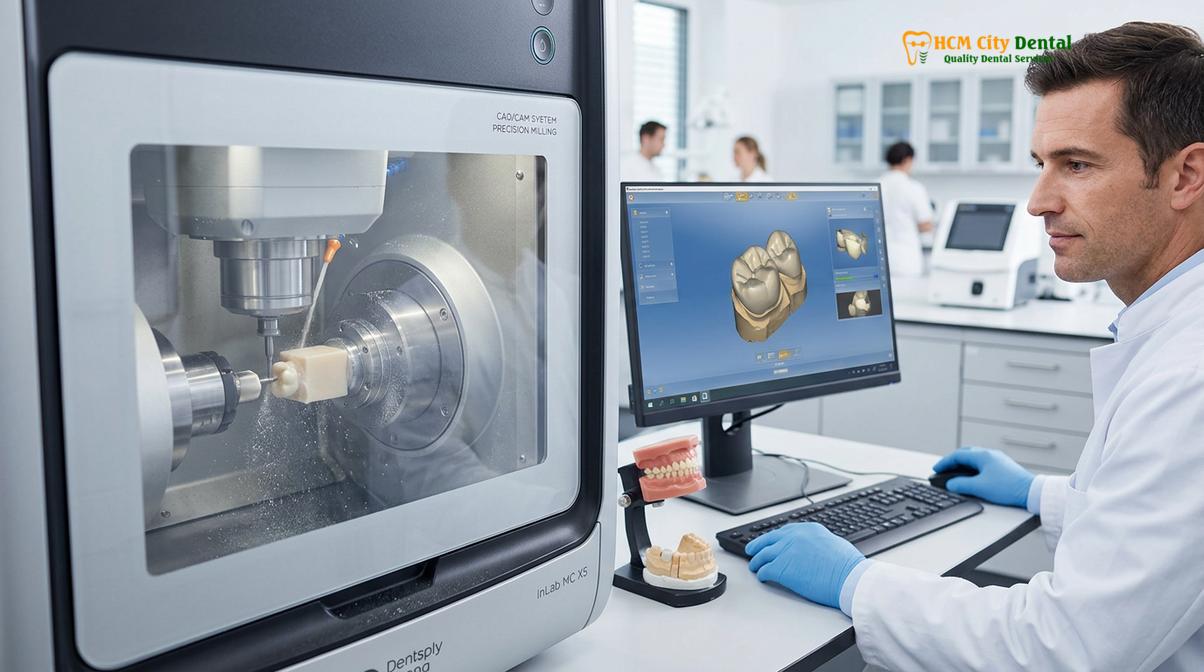
The clinical procedure begins with the careful preparation of the tooth structure, removing any compromised tissue while preserving as much healthy enamel and dentin as possible. Following preparation, a digital intraoral scan is captured. This data is utilized by the dental technician to design the restoration. Proper dental technician training is crucial here, as the technician must account for occlusal dynamics, marginal integrity, and the subtle shade variations that make a crown look indistinguishable from a natural tooth. For patients interested in the longevity of their restorations, understanding how long a tooth crown lasts depends heavily on this precise fabrication and subsequent oral hygiene.
In cases where a tooth is entirely lost, dental implants represent the gold standard for replacement. An implant is a biocompatible titanium post surgically placed into the jawbone, acting as an artificial tooth root. Through a process called osseointegration, the bone fuses with the titanium surface, creating a highly stable foundation for a custom crown, bridge, or denture. This approach not only restores chewing efficiency but also prevents the bone resorption that naturally occurs following tooth loss. For patients considering different restorative options, understanding the clinical nuances, such as whether porcelain fused to metal crowns are safe compared to all-ceramic options, is a vital part of the consultation process.
Clinical Case Review: Comprehensive Restorative Care
An expat patient presented to HCMC Dental Clinic in Ho Chi Minh City with a broken crown tooth and generalized occlusal wear. The clinical team utilized the Medit i700 scanner to assess the bite and design a full-mouth rehabilitation plan. The treatment involved replacing the fractured restoration with a high-strength zirconia crown and utilizing advanced veneer adhesive protocols for anterior cosmetic enhancements. The digital workflow ensured a precise fit, restoring both the patient’s functional bite and aesthetic confidence within a streamlined timeframe.
Beyond crowns and implants, supreme dental care encompasses cosmetic enhancements and alignment correction. Orthodontic aligners (such as Invisalign) offer a discreet, removable alternative to traditional metal braces. Using digital treatment planning, a series of clear aligners are fabricated to gradually shift teeth into their optimal positions. For minor aesthetic repairs, such as small chips or enamel defects, clinicians may utilize composite bonding or recommend dental wax for a chipped tooth as a temporary protective measure before permanent restoration. Every cosmetic and restorative procedure is tailored to the individual’s unique facial aesthetics and functional requirements.
Direct Billing Insurance and Expat Convenience in Ho Chi Minh City
Partnering with major international insurers allows dental clinics to offer seamless, cashless treatments, significantly enhancing convenience for the expat community and dental tourists.
Navigating healthcare in a foreign country can be a daunting experience for the expat community. To alleviate this stress, premier dental facilities have established robust direct billing insurance partnerships. By collaborating with major international insurance providers—such as Allianz, Bupa, Cigna, Liberty, Generali, Aetna, and InterGlobal—clinics can process claims directly on behalf of the patient. This system transforms the administrative burden, allowing patients to receive necessary care without the hassle of upfront out-of-pocket payments and subsequent reimbursement paperwork [4].
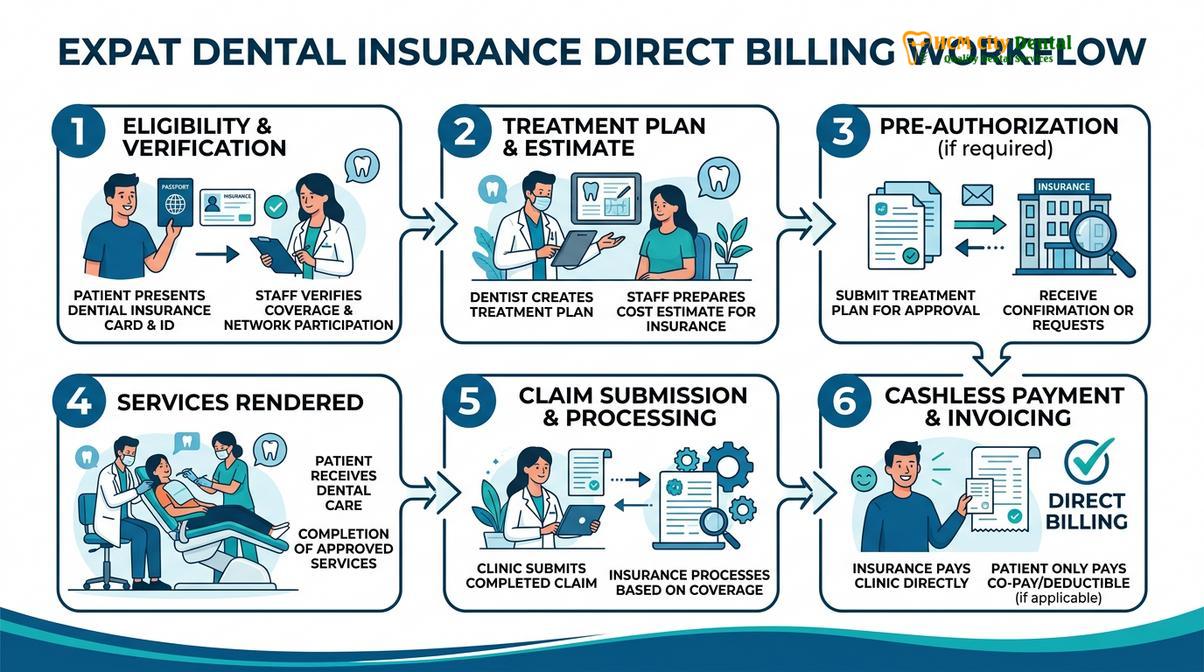
The direct billing workflow is designed for maximum efficiency. Upon arrival, the patient presents their insurance card and identification. The clinic’s administrative team contacts the insurer to verify coverage limits, deductibles, and co-payments. For routine procedures like a family dental exam, teeth cleaning, or pediatric preventive care, the process is often entirely cashless. For more complex treatments, such as dental implants or orthodontic aligners, the clinic will submit a pre-authorization request to the insurer, providing a detailed treatment plan and digital radiographs to justify the medical necessity of the procedure.
Convenience extends beyond financial administration. For patients engaging in dental tourism or expats living in bustling urban centers, the physical accessibility of the clinic is paramount. HCMC Dental Clinic, located strategically in Ho Chi Minh City, is designed to be easily accessible from major expatriate enclaves and business districts. Patients can easily navigate to the clinic via a short Grab ride from central landmarks. The clinic’s concierge team often assists international patients with travel parameters, appointment scheduling, and even local accommodation recommendations, ensuring a stress-free experience from arrival to departure.
The presence of an english speaking dentist and a multilingual support team is a critical component of this convenience. Clear communication is essential for accurate diagnosis, informed consent, and post-operative care instructions. When patients can discuss their symptoms, concerns, and treatment preferences in their native language, it significantly reduces anxiety and fosters a collaborative doctor-patient relationship. This holistic approach to patient management is what defines supreme dental care in an international setting.
Transparent Pricing Structure and Warranty Protocols
A transparent fee schedule, combined with pre-arrival booking discounts and robust clinical warranties, ensures patients receive premium care without unexpected financial burdens.
Financial transparency is a fundamental ethical obligation in modern healthcare. Patients seeking supreme dental care deserve clear, upfront information regarding the cost of their treatments. High-quality clinics maintain a transparent pricing structure, ensuring there are no hidden fees or unexpected charges upon completion of the procedure. To further support accessibility, especially for international patients planning their visits, clinics often implement pre-arrival booking incentives.
For example, utilizing digital communication platforms like WhatsApp for initial consultations and appointment scheduling can unlock significant savings. According to the latest clinic fee schedule, patients who book via WhatsApp can receive a 40% pre-arrival discount on various premium treatments. This model not only streamlines the booking process but also makes high-end dental care more affordable for families and individuals [5].
Below is an overview of the estimated cost structure, highlighting the advantages of pre-arrival booking:
| Dental Treatment / Service | Standard Walk-in Rate (Estimated) | WhatsApp Pre-Arrival Discount Rate (-40%) |
|---|---|---|
| Scaling & Polishing (Deep Teeth Cleaning) | ~$40 (1.0M VND) | From $24 (600k VND) |
| Family / Pediatric Dental Exam & Consultation | ~$30 (750k VND) | From $18 (450k VND) |
| Custom Nightguard (Bruxism Management) | ~$160 (4.0M VND) | From $96 (2.4M VND) |
| In-Office Teeth Whitening (Laser Protocol) | ~$140 (3.5M VND) | From $84 (2.1M VND) |
| E.max Ceramic Crown / Veneer (Per Tooth) | ~$320 (8.0M VND) | From $192 (4.8M VND) |
Beyond initial pricing, the assurance of long-term clinical success is provided through comprehensive warranty protocols. A reputable dental clinic stands behind the quality of its work and the materials used. Patients typically receive official clinic warranty cards upon the completion of major restorative work. For instance, ceramic crowns and veneers often carry a 3-year bonding and structural guarantee, while composite fillings are backed by a 1-year guarantee. These warranties cover mechanical failures or bonding issues that occur under normal physiological use.
To maintain the validity of these warranties, patients are advised to adhere to prescribed oral hygiene routines and attend regular follow-up examinations. For international patients who may return to their home countries, remote follow-up support via WhatsApp allows clinicians to monitor healing, address minor concerns, and provide ongoing guidance, ensuring that the standard of supreme dental care is maintained regardless of geographic distance.
When to See a Doctor for Advanced Dental Care
While preventive care and routine maintenance are the foundations of oral health, certain clinical signs require immediate professional evaluation. Delaying treatment for acute dental issues can lead to the exacerbation of infection, irreversible damage to the dental pulp, or the loss of the tooth entirely. Patients should seek prompt evaluation from a qualified dental professional if they experience any of the following symptoms:
- Severe, Spontaneous Toothache: Pain that occurs without a specific trigger (such as hot or cold stimuli) and throbs continuously often indicates irreversible pulpitis or an acute periapical abscess.
- Localized Swelling or Exudate: Swelling of the gingiva, face, or neck, especially if accompanied by a foul taste or visible pus, is a sign of an active bacterial infection that requires immediate antibiotic therapy and source control (e.g., root canal or extraction).
- Trauma or Structural Fracture: A broken tooth, a dislodged dental crown, or a fractured implant prosthesis compromises the protective seal of the tooth, exposing the vulnerable dentin and pulp to oral bacteria.
- Persistent Gingival Bleeding: Gums that bleed profusely during normal brushing or flossing, accompanied by deep periodontal pockets, indicate advanced periodontitis requiring specialized deep scaling and root planing.
Clinical Warning: Dental infections can spread rapidly through the fascial spaces of the head and neck. If you experience severe facial swelling that affects your vision, breathing, or ability to swallow, seek emergency medical attention immediately, as this constitutes a life-threatening medical emergency.
“Timely diagnostic intervention is the most critical factor in preserving natural dentition. Ignoring early warning signs such as thermal sensitivity or minor occlusal discomfort often transforms a simple, conservative restorative procedure into a complex, multi-stage endodontic or surgical intervention.”
A personalized clinical examination, supported by digital radiography and intraoral scanning, is essential to accurately diagnose the underlying pathology and formulate an appropriate, evidence-based treatment plan.
Frequently Asked Questions
What does supreme dental care entail for international patients?
Supreme dental care for international patients involves comprehensive diagnostics, multilingual communication, and seamless direct billing insurance support. It ensures that expats receive high-quality, evidence-based treatments—ranging from routine prophylaxis to complex restorative procedures—in a comfortable, globally standardized clinical environment. This approach minimizes the stress of navigating healthcare abroad while maintaining rigorous European CE sterilization standards.
How does direct billing insurance work at the dental clinic?
Direct billing insurance allows the clinic to submit claims directly to partnered international insurers on your behalf. Patients simply present their insurance card and ID; the administrative team verifies coverage for treatments like teeth cleaning or pediatric exams, enabling a cashless experience for eligible procedures. For major treatments, the clinic handles the pre-authorization paperwork, ensuring financial transparency before clinical work begins.
What are the benefits of digital intraoral scanning over traditional molds?
Digital intraoral scanning eliminates the discomfort and gag reflex associated with traditional putty molds. Devices like the iTero Element 5D capture highly accurate 3D images of the dentition, improving the precision of restorations and allowing patients to visualize their projected treatment outcomes instantly. This digital data is seamlessly integrated into CAD/CAM workflows for faster, more accurate fabrication of crowns and aligners.
How is pediatric dentistry adapted for expat children?
Pediatric dentistry for expat children focuses on gentle, anxiety-reducing techniques and preventive care such as sealants and fluoride varnishes. Clinicians use a Tell-Show-Do approach in a welcoming environment to build trust, ensuring that early dental experiences promote lifelong oral health habits. Multilingual communication ensures that both the child and the parents fully understand the procedures and at-home care requirements.
What warranties are provided for restorative dental treatments?
Reputable clinics typically offer structured warranties, such as a 3-year guarantee for ceramic crowns and veneers, and a 1-year guarantee for composite fillings. These warranties cover structural or bonding failures under normal use, provided the patient maintains proper oral hygiene and attends routine checkups. Remote follow-up via platforms like WhatsApp is often available to support international patients after they return home.
References
- Journal of the American Dental Association. Integration of CAD/CAM technology in modern restorative dentistry. (2021).
- International Dental Journal. Cross-border dental care and expat patient expectations in Southeast Asia. (2020).
- Journal of Clinical Pediatric Dentistry. Behavioral management and preventive protocols in pediatric oral health. (2019).
- Clinical Oral Investigations. Accuracy and patient comfort of digital intraoral scanners versus conventional impressions. (2022).
- Journal of Prosthetic Dentistry. Long-term survival rates of lithium disilicate and zirconia restorations. (2018).