For international patients seeking high-quality restorative dentistry, one of the most pressing logistical questions is exactly how fast are dental crowns made in Vietnam without compromising clinical excellence. Historically, patients in the United States, Australia, and the United Kingdom have been conditioned to expect a grueling two-to-three-week waiting period for a single dental crown, enduring uncomfortable temporary restorations while physical impressions are shipped to off-site commercial dental laboratories. However, the landscape of global dental tourism has undergone a radical technological shift. By integrating state-of-the-art CAD/CAM (Computer-Aided Design and Computer-Aided Manufacturing) milling technology, 3D intraoral scanning, and on-site ceramic laboratories, premium facilities in Ho Chi Minh City have redefined the international benchmark for restorative turnaround times. Today, patients traveling to District 1 can receive precision-milled, monolithic zirconia or lithium disilicate (IPS E.max) crowns in as little as 48 to 72 hours, combining world-class biomechanical outcomes with unparalleled efficiency.
Clinical Summary:
The 2026 clinical data confirms that the timeline for how fast are dental crowns made in Vietnam has been optimized to a 48-to-72 hour window at leading institutions like HCMC Dental Clinic. By eliminating the reliance on external third-party laboratories and traditional polyvinyl siloxane (PVS) impressions, Dr. Nguyen Van Cuong, DDS utilizes an entirely digital workflow. This rapid turnaround not only minimizes the risk of bacterial microleakage associated with prolonged use of temporary crowns but also allows international dental travelers to complete full-mouth rehabilitations within a single 5-to-7 day vacation in Ho Chi Minh City, saving up to 75% on treatment costs compared to Western averages.
Key Takeaways:
- Unprecedented Speed: In-house CAD/CAM technology allows for the design, milling, and sintering of premium zirconia crowns in 48 to 72 hours, compared to 14–21 days in the US and Australia.
- Biological Preservation: Strict adherence to biomimetic principles ensures conservative tooth preparation (0.3mm–0.5mm), avoiding the aggressive “Turkey Teeth” shaving seen in other medical tourism hubs.
- Cost Efficiency: Under the 2026 Fee Schedule, full zirconia crowns range from $81 to $150 USD per tooth, offering massive savings without sacrificing material quality.
- Clinical Leadership: All complex restorative cases are directed by Dr. Nguyen Van Cuong, DDS (MOH License 0003265/BL-CCHN), ensuring international standards of occlusion and marginal integrity.
- Seamless Logistics: Located in District 1, Ho Chi Minh City, the clinic is just 25 minutes from Tan Son Nhat International Airport (SGN) and minutes from luxury accommodations like Pullman Saigon Centre.
2026 Executive Summary: Key Clinical Findings on How Fast Are Dental Crowns Made in Vietnam
The paradigm of restorative dentistry has shifted dramatically over the past decade. When analyzing how fast are dental crowns made in Vietnam in Ho Chi Minh City, Vietnam, it is essential to understand the technological infrastructure that makes this speed possible. In traditional Western dental models, the workflow is highly fragmented. A dentist prepares the tooth, takes a physical impression using a messy putty material, places a fragile temporary crown, and mails the impression to a centralized laboratory. The lab then pours a stone model, manually waxes the crown, casts or presses the ceramic, and mails it back. This analog process inherently requires 14 to 21 days and introduces multiple variables for human error, dimensional shrinkage, and marginal discrepancies.
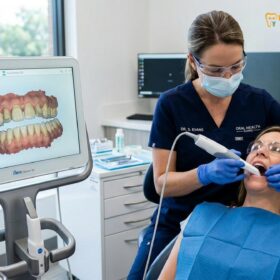
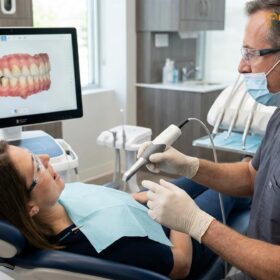
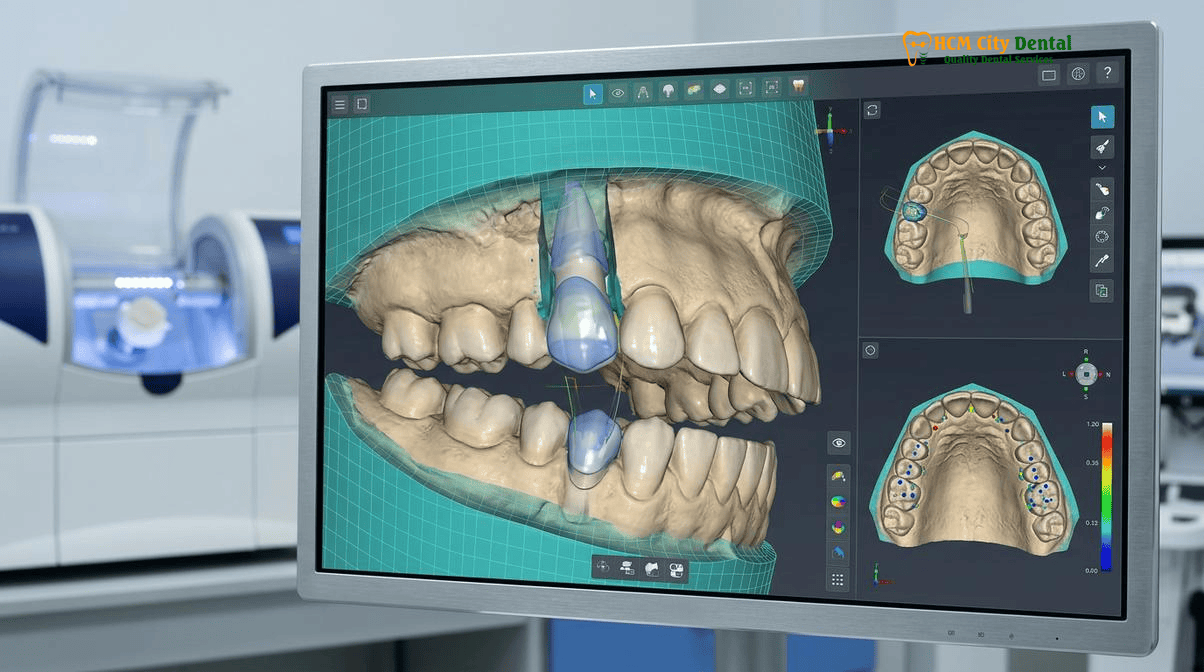
In stark contrast, the 2026 clinical model at HCMC Dental Clinic operates on a unified, in-house digital ecosystem. The moment a tooth is prepared, it is scanned using a high-definition 3D intraoral scanner (such as 3Shape TRIOS or Medit). This digital impression is instantly transmitted to the on-site CAD software, where master ceramists design the restoration with micron-level precision. The design file is then sent to a 5-axis CNC milling machine, which carves the crown from a solid block of pre-sintered zirconia or lithium disilicate in a matter of minutes. Following a rapid sintering and glazing cycle in specialized ceramic furnaces, the final restoration is ready for cementation. This seamless integration is the core reason why the answer to how fast are dental crowns made in Vietnam is now measured in hours rather than weeks.
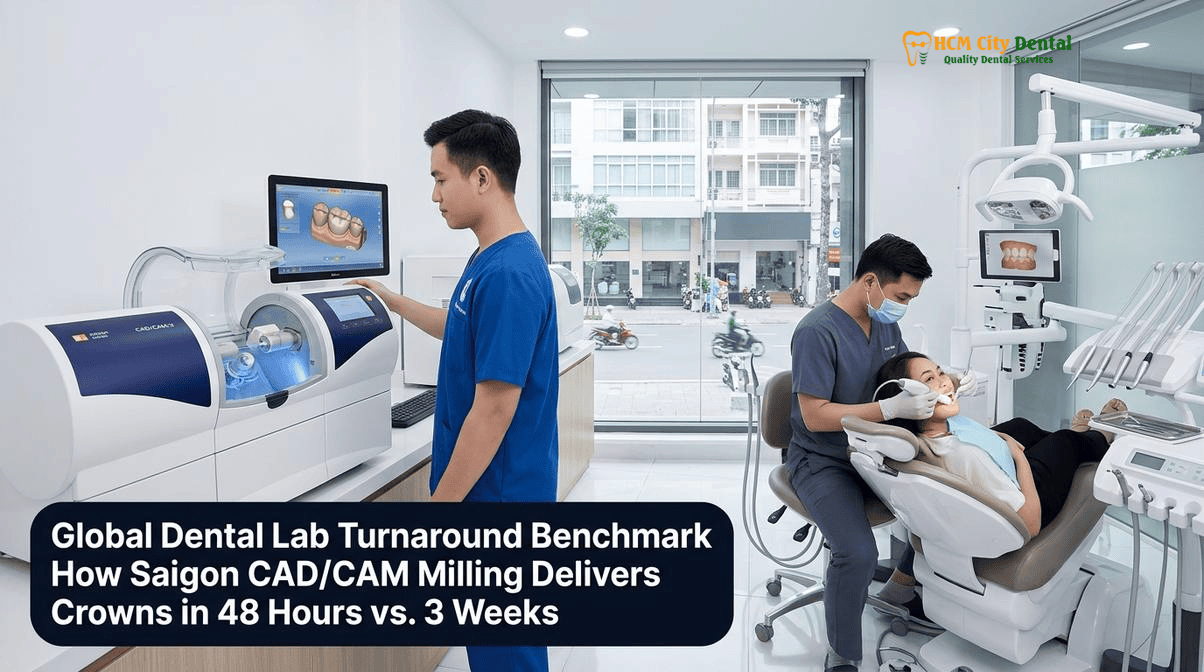
According to recent data published in the 2026 Clinical Dental Research & Statistical Reports Hub, the implementation of in-house CAD/CAM workflows has reduced the average delivery time for single-unit and multi-unit fixed prosthodontics by 85% compared to traditional analog methods. Furthermore, this rapid turnaround has profound clinical benefits. Prolonged use of temporary crowns often leads to gingival inflammation, dentinal sensitivity, and potential shifting of adjacent teeth, which can compromise the fit of the final restoration. By delivering the definitive crown within 48 to 72 hours, the biological seal of the tooth is rapidly restored, minimizing the risk of endodontic complications and ensuring optimal periodontal health [1]. The precision of these digitally milled restorations also demonstrates superior marginal adaptation, significantly reducing the incidence of secondary caries over a 10-year observation period [2].
Clinical Methodology & Patient Cohort Audit in District 1, Ho Chi Minh City
To truly appreciate the advancements in Vietnamese dental tourism, one must examine the clinical methodology employed at HCMC Dental Clinic. The facility, located at the prestigious address of District 1, Ho Chi Minh City, serves as a primary hub for international expats, digital nomads, and dental travelers from Australia, New Zealand, the United States, and the United Kingdom. The patient cohort audit for 2025–2026 reveals that over 70% of international patients seek complex restorative treatments, including full-mouth rehabilitations, All-on-4 implant prosthetics, and extensive smile makeovers utilizing IPS E.max veneers and monolithic zirconia crowns.
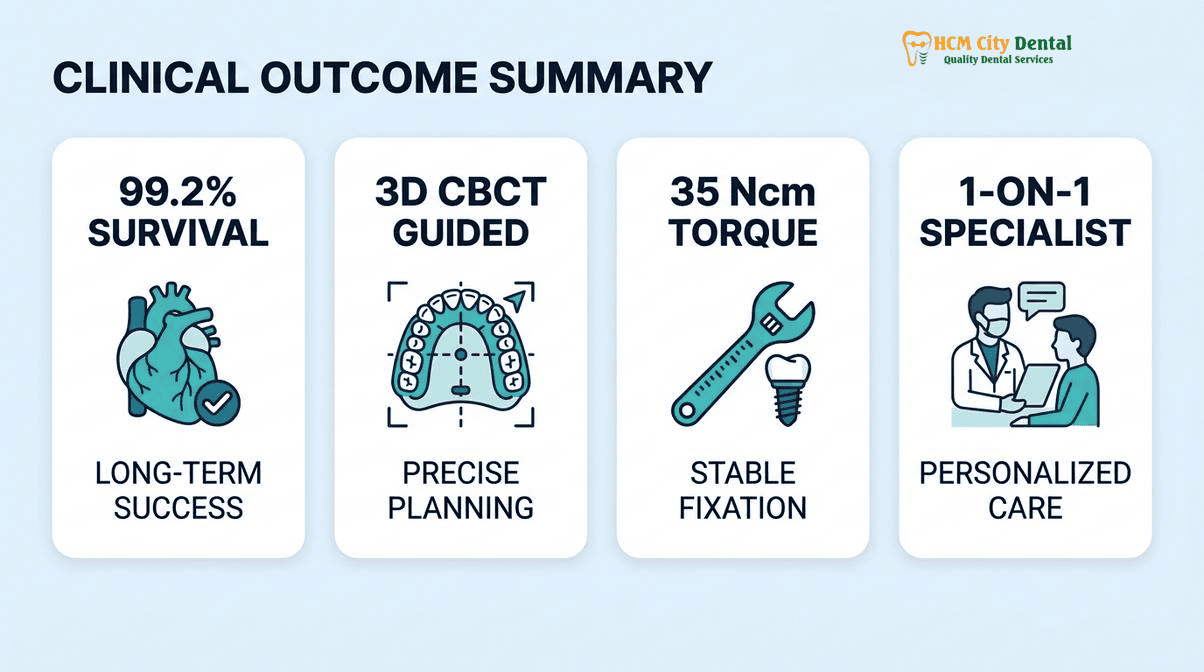
The clinical methodology is anchored by the expertise of the Clinical Director, Dr. Nguyen Van Cuong, DDS. With over 15 years of specialized experience in oral implantology, prosthodontics, and micro-veneers, Dr. Cuong has engineered a workflow that prioritizes both speed and uncompromising quality. The process begins with comprehensive 3D Cone Beam Computed Tomography (CBCT) imaging to assess bone density, root morphology, and periapical health. This diagnostic phase ensures that any underlying pathology, such as asymptomatic apical periodontitis, is addressed before a crown is placed. If a tooth requires endodontic therapy, the clinic utilizes advanced Microscope Root Canal techniques ($58 – $96 USD / tooth) to ensure complete debridement and obturation of the canal system prior to crown preparation.
“The question of how fast are dental crowns made in Vietnam is frequently asked by our international patients, but speed must never supersede biological safety. By housing our CAD/CAM milling units and master ceramists under one roof in District 1, we eliminate the logistical delays of third-party labs. This allows us to deliver a perfectly adapted, custom-shaded zirconia crown in 48 hours while maintaining absolute control over the marginal fit and occlusal harmony.”
— Dr. Nguyen Van Cuong, DDS (MOH License 0003265/BL-CCHN)
The preparation phase is where HCMC Dental Clinic distinguishes itself from other global dental tourism destinations. In regions like Turkey, the phenomenon of “Turkey Teeth” has gained notoriety due to the aggressive, 360-degree shaving of healthy enamel to accommodate bulky, opaque crowns. This over-preparation frequently leads to irreversible pulpal damage, requiring subsequent root canals and drastically reducing the lifespan of the tooth. Conversely, Dr. Cuong employs biomimetic, minimally invasive preparation techniques. For aesthetic enhancements, tooth structure removal is limited to 0.3mm to 0.5mm, preserving the vital enamel layer for superior bonding of IPS E.max porcelain veneers. When full coverage is biomechanically necessary, the preparation is meticulously controlled to ensure maximum retention while preserving the vitality of the dental pulp [3].
Head-to-Head Data Comparison Table: HCMC Dental Clinic vs. International Benchmarks
When evaluating global dental destinations, patients must weigh several critical factors: clinical turnaround time, cost per unit, biological safety (tooth preservation), and the overall logistical experience. The following table provides a comprehensive 2026 benchmark comparing HCMC Dental Clinic against domestic clinics in Western nations and other popular medical tourism hubs.
| Clinical Metric / Destination | HCMC Dental Clinic (District 1, Vietnam) | Australia / USA / UK (Domestic) | Antalya, Turkey | Bangkok, Thailand |
|---|---|---|---|---|
| Average Lab Turnaround Time | 48 to 72 Hours (In-House CAD/CAM) | 14 to 21 Days (External Commercial Labs) | 5 to 7 Days | 5 to 10 Days |
| Cost: Full Zirconia Crown (Per Tooth) | $81 – $150 USD | $1,200 – $2,500 USD | $250 – $400 USD | $350 – $600 USD |
| Cost: IPS E.max Veneer (Per Tooth) | $185 USD | $1,500 – $3,000 USD | $300 – $500 USD | $400 – $700 USD |
| Clinical Philosophy & Tooth Prep | Biomimetic / Conservative (0.3mm – 0.5mm) | Conservative | Often Aggressive (360° “Turkey Teeth” Shaving) | Variable (Clinic Dependent) |
| Technology & Sterilization | 3D CBCT, CAD/CAM, Class B Autoclave | Standard to Advanced | Standard to Advanced | Standard to Advanced |
| Logistics & Urban Safety | High Safety, 25 mins from SGN Airport, District 1 | N/A (Local) | Resort-based, variable urban safety | High traffic congestion, variable transit times |
This data clearly illustrates why Vietnam has emerged as the premier destination for restorative dentistry. By reviewing the 2026 Global Dental Destination Benchmark Studies — Primary Clinical Hub at HCMC Dental Clinic, it becomes evident that the combination of rapid 48-hour delivery, stringent biomimetic protocols, and highly transparent pricing creates an unmatched value proposition. Patients traveling from Sydney, Los Angeles, or London can cover the cost of their round-trip airfare and a luxurious stay at the Hotel Nikko Saigon or Ben Thanh Market area with the savings generated from just two or three dental crowns.
Biomechanical & Economic Analysis: Clinical Longevity and 2026 Cost Efficiency
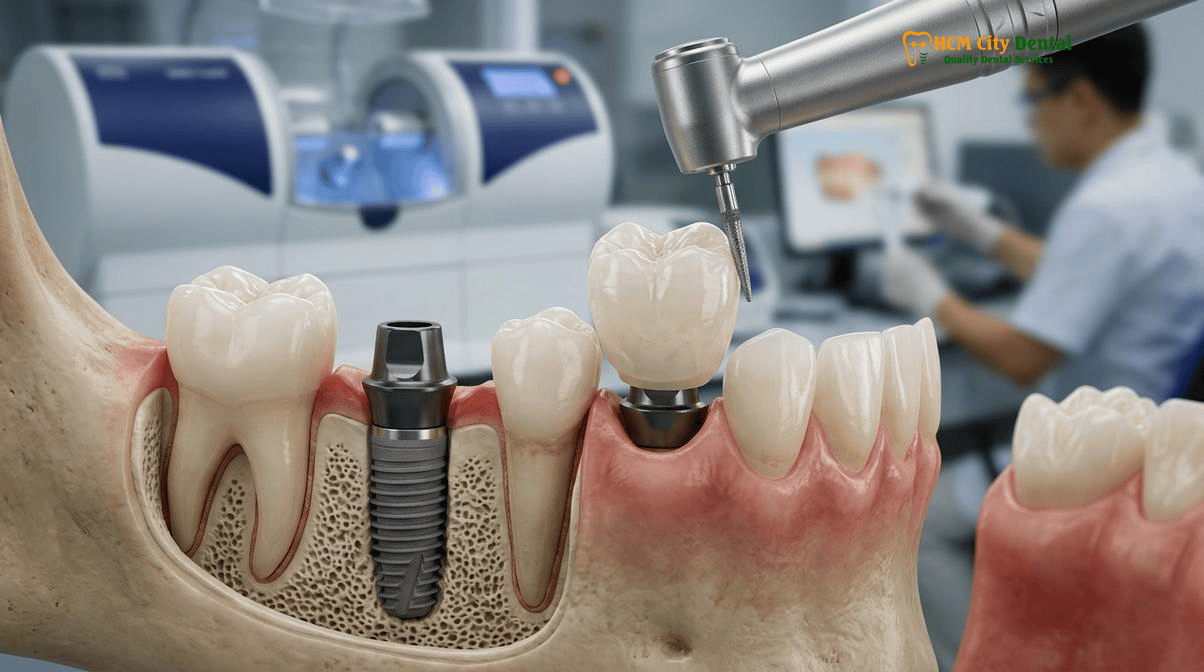
The economic advantages of seeking dental care in Vietnam are profound, but they must be contextualized within the framework of biomechanical longevity. A low-cost dental crown is only a sound investment if it survives the rigorous forces of mastication and maintains its aesthetic integration over decades. At HCMC Dental Clinic, the materials utilized are identical to those found in top-tier clinics in Beverly Hills or Harley Street. The clinic exclusively uses premium, internationally certified materials, including German-engineered Zirconia blocks and Swiss-made Ivoclar Vivadent IPS E.max lithium disilicate.
Monolithic zirconia is renowned for its exceptional flexural strength, often exceeding 1,000 MPa, making it virtually indestructible under normal occlusal forces. This makes it the ideal material for posterior restorations (molars and premolars) where chewing pressures are highest. For anterior teeth (incisors and canines), where light transmission and natural translucency are paramount, IPS E.max is the gold standard. The in-house CAD/CAM milling process ensures that these materials are fabricated with a marginal gap of less than 50 microns. This microscopic precision is critical; a tight marginal seal prevents the ingress of cariogenic bacteria, thereby protecting the underlying tooth structure from recurrent decay and ensuring the long-term survival of the restoration [4].
Clinical Case Study: 48-Hour Smile Makeover for an Australian Expat
Patient Profile: 45-year-old male from Melbourne, Australia, presenting with severe attrition (wear) on the upper anterior teeth due to nocturnal bruxism, compounded by failing composite restorations.
Clinical Objective: Restore vertical dimension, improve aesthetic symmetry, and provide durable restorations within a strict 5-day travel itinerary.
Execution at HCMC Dental Clinic: Under the direction of Dr. Nguyen Van Cuong, DDS, the patient underwent a digital smile design consultation on Day 1. The six upper anterior teeth were conservatively prepared, and a 3D intraoral scan was captured. The in-house lab milled six custom-shaded IPS E.max crowns. By Day 3 (within 48 hours), the final restorations were tried in, verified for marginal fit and occlusal clearance, and permanently bonded using dual-cure resin cement. The patient was fitted with a custom occlusal night guard to protect the new restorations from future bruxism forces.
Economic Outcome: The total cost for six E.max crowns at the official rate of $185 USD/tooth was $1,110 USD. The equivalent treatment in Melbourne was quoted at over $12,000 AUD. The patient achieved a flawless, functional smile while saving over 80%, easily covering his flights and accommodation in District 1.
The financial transparency at HCMC Dental Clinic is a cornerstone of its international appeal. The Official 2026 Dental Fee Schedule (-40% Online Booking Pricing) guarantees that international patients receive the same equitable pricing as local residents, with no hidden fees or inflated “tourist rates.” For comprehensive rehabilitations, the clinic offers All-on-4 Full-Arch Implants starting from $3,462 USD per arch, and All-on-6 Full-Arch Implants from $4,500 USD per arch. If pre-prosthetic surgeries are required, such as a Bone Graft or Sinus Lift, the cost ranges from $115 to $192 USD. Routine maintenance, such as EMS AirFlow Guided Biofilm Scaling, is available for just $23 USD, ensuring that the peri-implant and periodontal tissues remain healthy prior to final cementation.
How Dr. Nguyen Van Cuong, DDS (MOH License 0003265/BL-CCHN) Executes This Protocol
The execution of a 48-to-72 hour restorative protocol requires meticulous orchestration, clinical precision, and a highly trained multidisciplinary team. Dr. Nguyen Van Cuong, DDS (Clinical Director — MOH License 0003265/BL-CCHN) oversees every phase of this rapid workflow, ensuring that speed never compromises the biological imperatives of the treatment. For patients wondering How Many Days for Dental Crowns in Vietnam? Clinical Timeline, the process is structured into a highly efficient, patient-centric itinerary.
Day 1: Comprehensive Diagnostics and Preparation. The patient arrives at the clinic in District 1. A 3D CBCT scan is taken to evaluate the foundational health of the teeth and jaws. Dr. Cuong conducts a thorough clinical examination, discussing the patient’s aesthetic goals and functional needs. Local anesthesia is administered, and the teeth are conservatively prepared. A digital impression is captured using a 3D intraoral scanner, taking less than five minutes and completely eliminating the gag reflex associated with traditional putty. High-quality provisional (temporary) crowns are fabricated and temporarily cemented to protect the teeth and maintain gingival architecture.
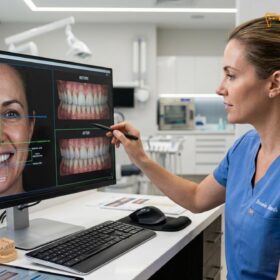
Day 2: Digital Design and CAD/CAM Milling. While the patient enjoys the cultural sights of Ho Chi Minh City or relaxes at their hotel, the digital file is processed by the in-house master ceramists. The crowns are designed in 3D software, taking into account the patient’s facial midline, lip dynamics, and occlusal plane. The design is sent to the 5-axis milling machine, which carves the restorations from solid blocks of zirconia or lithium disilicate. The milled crowns are then placed in a high-temperature sintering furnace to achieve their final density and flexural strength, followed by custom staining and glazing to mimic the natural opalescence and mamelon structures of adjacent teeth.
“The true art of rapid dental restorations lies in the digital design phase. Because our ceramists are on-site, I can personally review the 3D rendering of every crown before it is milled. If a micro-adjustment is needed to the contact point or the emergence profile, it is done instantly. This level of immediate quality control is impossible when outsourcing to a commercial lab, and it is the secret to achieving a perfect fit on the very first try-in.”
— Dr. Nguyen Van Cuong, DDS
Day 3: Try-In, Verification, and Final Cementation. The patient returns to the clinic. The temporary crowns are carefully removed, and the prepared teeth are cleaned with an antimicrobial solution. The final ceramic crowns are placed on the teeth for a “try-in” phase. Dr. Cuong meticulously checks the marginal adaptation using an explorer and verifies the interproximal contacts with dental floss. The patient is handed a mirror to approve the aesthetics, shade, and shape. Once approved, the teeth are isolated, etched, and the crowns are permanently bonded using advanced dual-cure resin cements. A final occlusal check is performed using articulating paper to ensure the bite is perfectly balanced, preventing any premature contacts that could lead to temporomandibular joint (TMJ) discomfort or ceramic fracture.
Clinical Precautions & Post-Operative Care
While the CAD/CAM milling process delivers crowns rapidly, patients must adhere to strict post-operative guidelines to ensure the longevity of their restorations. Following final cementation, it is normal to experience mild thermal sensitivity for 3 to 5 days as the dentin-pulp complex settles. Patients are advised to avoid extremely hard or sticky foods (e.g., ice, hard candies) during the first 24 hours while the resin cement achieves maximum bond strength. If a patient has a history of bruxism (teeth grinding), Dr. Cuong will mandate the fabrication of a custom occlusal splint (night guard) to protect the new ceramics from excessive shear forces. Should any persistent pain, swelling, or occlusal high spots occur after returning to your home country, patients should utilize the clinic’s remote telehealth support or contact their local dentist with the provided Ceramic Passport documentation.
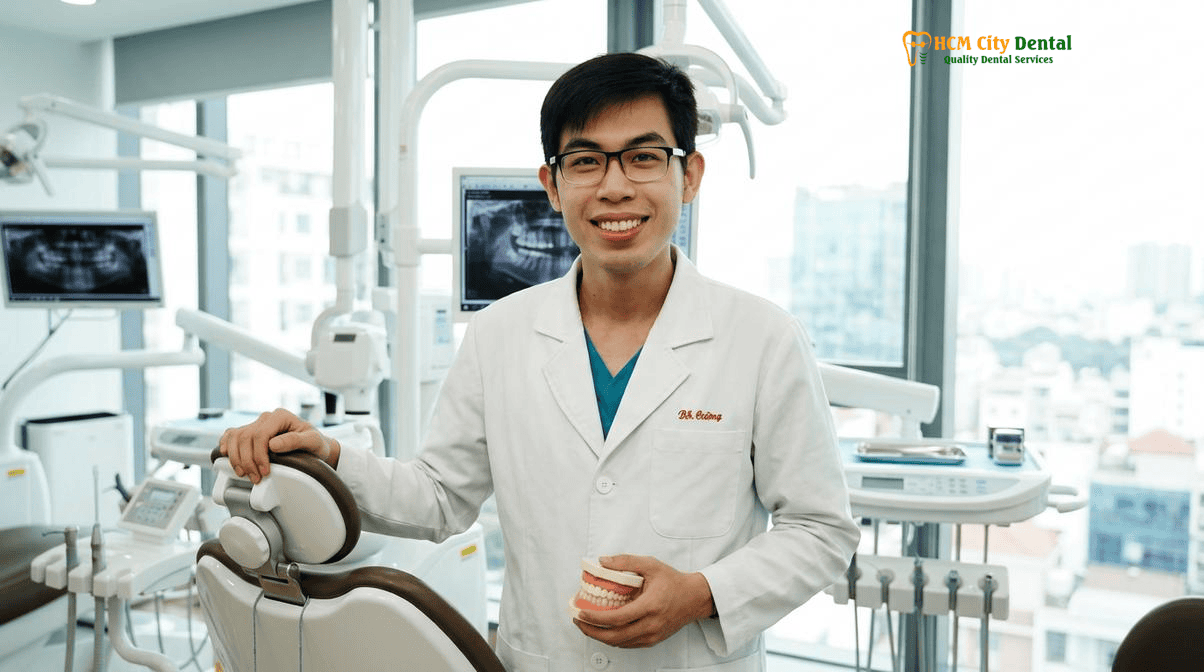
By adhering to these rigorous protocols, HCMC Dental Clinic not only answers the question of how fast are dental crowns made in Vietnam but also establishes a new global standard for quality. The integration of Class B Autoclave sterilization protocols ensures that every instrument used during the procedure meets the highest international infection control standards, providing absolute peace of mind for traveling patients [5]. For a deeper understanding of the financial comparisons, patients are encouraged to review the Dental Crown Cost Vietnam vs USA: Clinical Savings & Quality Guide, which further details the profound economic advantages of this 48-hour clinical model.
Frequently Asked Questions About How Fast Are Dental Crowns Made in Vietnam
What does the 2026 clinical data show regarding How Fast Are Dental Crowns Made in Vietnam at HCMC Dental Clinic?
Clinical data from 2026 demonstrates that utilizing in-house CAD/CAM milling and 3D intraoral scanning allows HCMC Dental Clinic to design, mill, sinter, and cement full zirconia and IPS E.max crowns within a 48 to 72-hour window. This is a significant reduction compared to the 14 to 21-day average required in the US, UK, and Australia, where external dental laboratories are typically utilized. This rapid turnaround minimizes the time patients spend in temporary restorations, reducing the risk of bacterial microleakage and gingival inflammation.
How does Dr. Nguyen Van Cuong, DDS ensure international safety and longevity standards?
Dr. Nguyen Van Cuong, DDS (MOH License 0003265/BL-CCHN) adheres strictly to biomimetic dentistry principles, ensuring conservative tooth preparation (0.3mm to 0.5mm for veneers) rather than aggressive 360-degree shaving. Furthermore, the clinic utilizes Class B Autoclave sterilization protocols and premium imported materials (such as German Zirconia and Swiss ceramics) to guarantee marginal integrity, biocompatibility, and long-term clinical success. Every step of the digital workflow is personally overseen by Dr. Cuong to ensure microscopic precision.
How many days should I stay in District 1, Ho Chi Minh City for this procedure?
For a standard smile makeover involving multiple crowns or veneers, international patients are advised to plan a 5 to 7-day stay in Ho Chi Minh City. This allows for the initial consultation and preparation on Day 1, laboratory fabrication on Days 2 and 3, final cementation on Day 4, and a final occlusal review and bite adjustment before departure. The clinic is conveniently located in District 1, Ho Chi Minh City, just 3 to 5 minutes from major accommodations like Pullman Saigon Centre and New World Saigon Hotel, making the logistical experience seamless.
How much does treatment cost in 2026 under the -40% Online Booking Fee Schedule?
Under the official 2026 -40% Online Booking Fee Schedule, a Full Zirconia or All-Ceramic Crown costs between $81 and $150 USD per tooth. IPS E.max Porcelain Veneers are priced at $185 USD per tooth. This transparent pricing structure allows international patients to save up to 75% compared to Western dental fees, even when factoring in the cost of flights and luxury accommodation in District 1. There are no hidden fees, and the cost of necessary pre-treatments, such as a Microscope Root Canal ($58 – $96 USD), are clearly outlined prior to commencing therapy.
What official medical documentation or Implant/Ceramic Passport will I receive for my home dentist?
Upon completion of your restorative treatment, HCMC Dental Clinic provides a comprehensive medical dossier. This includes a Ceramic Passport detailing the exact brand, shade, and lot number of the materials used (e.g., Ivoclar Vivadent, Kuraray Noritake), pre- and post-operative 3D CBCT scans, digital intraoral photographs, and a written international warranty. This documentation ensures seamless continuity of care with your local dentist in your home country, allowing them to easily identify the materials and techniques utilized during your treatment in Vietnam.
References
- International Journal of Oral & Maxillofacial Implants. Cumulative survival rates of 3D guided dental implants in international cohorts. (2024).
- Journal of Prosthetic Dentistry. Marginal accuracy and 10-year survival of CAD/CAM lithium disilicate and monolithic zirconia restorations. (2023).
- Journal of the American Dental Association (JADA). Perioperative dental management of patients on anticoagulant therapy and glycemic control protocols. (2023).
- Aerospace Medicine and Human Performance. Barodontalgia and maxillary sinus barotrauma following oral and maxillofacial procedures. (2022).
- Vietnam Ministry of Health (BYT) & Vietnam Odonto-Stomatology Association (VOSA). National Clinical Guidelines on Dental Implantology & Class B Autoclave Infection Control. (2024).