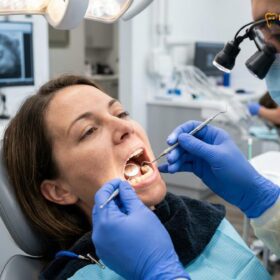
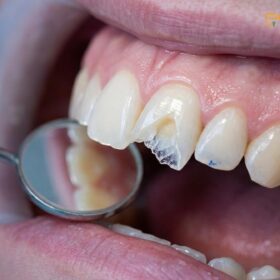
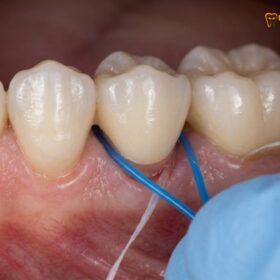
The porcelain crown material origin in Vietnam primarily traces back to certified dental manufacturers in Germany, Liechtenstein, and the United States. Reputable clinics import premium zirconia and lithium disilicate blocks directly, ensuring international clinical standards, exceptional biocompatibility, and long-term structural integrity for advanced restorative dentistry.
Clinical Summary:
Understanding the origin of dental ceramic materials is crucial for ensuring the longevity and safety of prosthetic restorations. In Vietnam, top-tier dental facilities utilize imported, medical-grade materials such as Cercon HT (Germany) and IPS e.max (Liechtenstein). Combined with state-of-the-art digital workflows—including iTero and Medit i700 intraoral scanners—and direct laboratory partnerships, these authentic materials allow for the precise fabrication of crowns and bridges. This comprehensive approach guarantees optimal marginal fit, superior esthetics, and robust flexural strength, supported by global warranty protocols and transparent pricing structures.
Key Takeaways:
- Premium dental crowns in Vietnam are fabricated using certified materials imported from Germany and Liechtenstein.
- Digital workflows utilizing iTero and Medit i700 scanners eliminate messy traditional silicone impressions.
- Direct lab partnerships enable an express 3-5 day turnaround for complete smile makeovers.
- Authentic restorations are accompanied by physical warranty cards and verifiable serial numbers.
- Pre-booking treatments via WhatsApp can secure up to a 40% discount on premium ceramic restorations.
The Ceramic Materials Market in Vietnam
Vietnam’s advanced dental sector relies on imported, medical-grade ceramics from Europe to fabricate high-precision crowns. Direct laboratory partnerships ensure strict quality control, authentic material sourcing, and rapid turnaround times.
The landscape of restorative dentistry has evolved significantly, with a strong emphasis on material science and digital precision. When patients inquire about the porcelain crown material origin in Vietnam, they are often pleased to discover that leading clinics do not use locally manufactured raw ceramics for premium cases. Instead, the market is dominated by high-quality, imported zirconia blocks germany and lithium disilicate ingots from Liechtenstein. This reliance on international supply chains ensures that the restorations meet rigorous global standards for biocompatibility, flexural strength, and optical properties[1].
A critical component of this ecosystem is the direct lab partnership model. By collaborating directly with leading dental laboratories, prosthodontists maintain absolute quality control over the fabrication process. This direct line of communication between the clinician and the master ceramist is vital for complex cases requiring precise shade matching, custom characterization, and exact marginal adaptation. Furthermore, this streamlined workflow facilitates an express 3-5 day turnaround, which is particularly advantageous for dental tourists and expatriates seeking comprehensive smile makeovers or multiple advanced dental crowns and bridges within a single week.
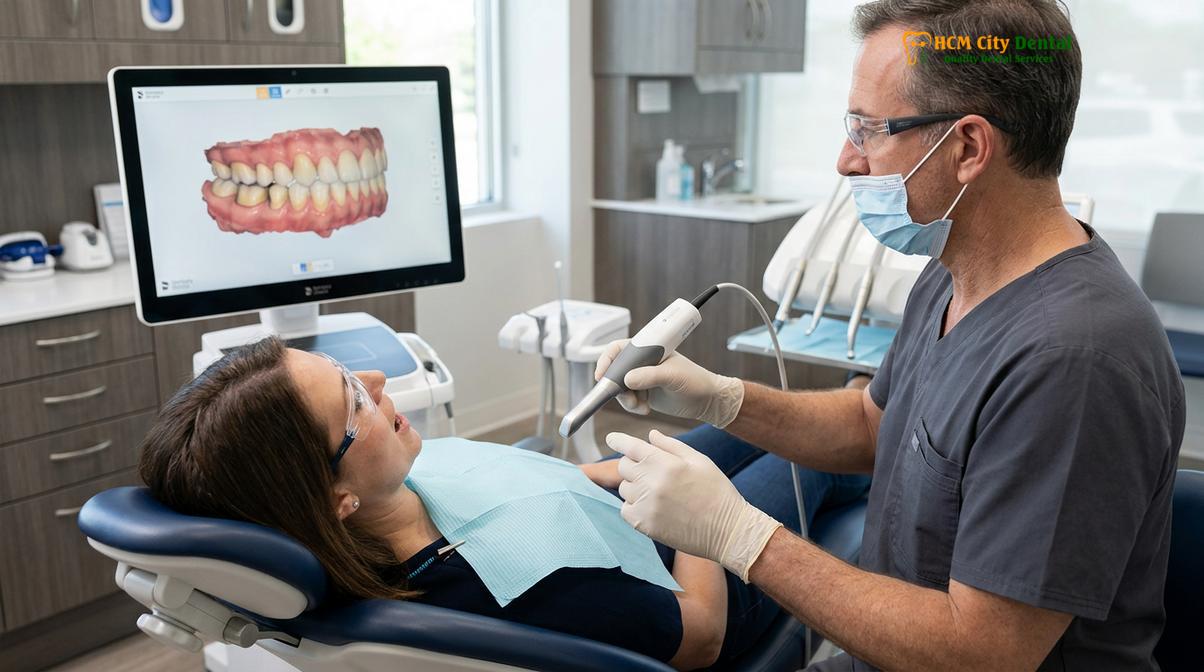
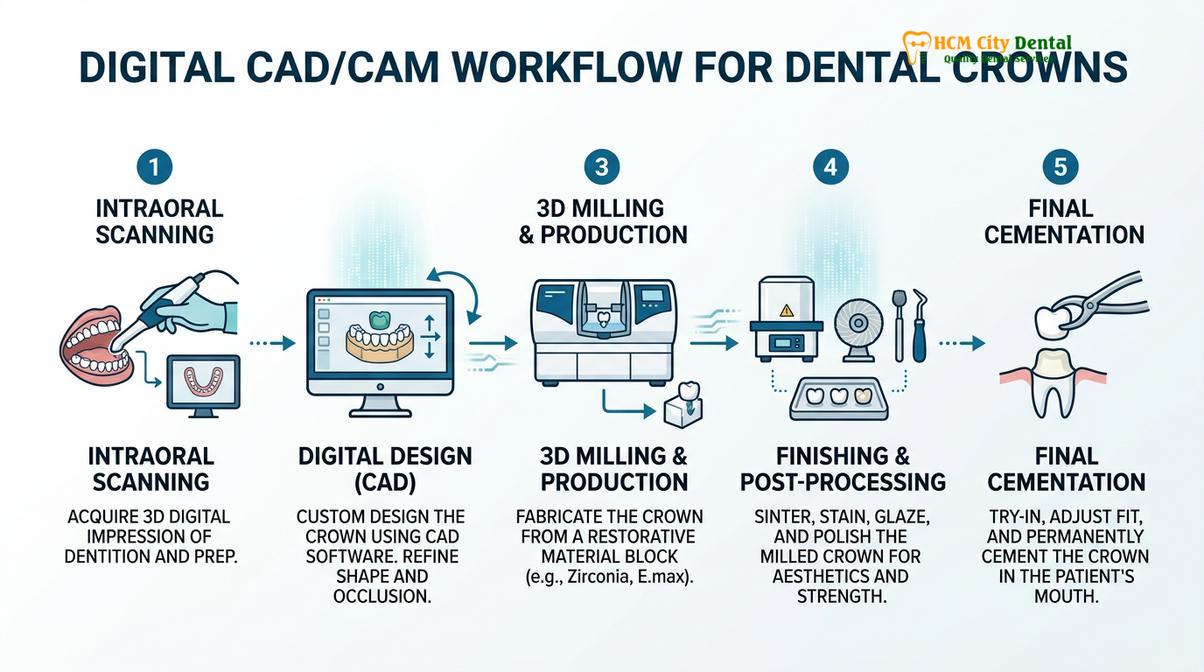
The integration of digital dentistry has further revolutionized the patient experience. The use of state-of-the-art iTero and Medit i700 Intraoral Scanners has rendered traditional, uncomfortable silicone impressions obsolete. These advanced optical scanners capture highly accurate 3D digital models of the dentition, ensuring maximum patient comfort and providing the laboratory with flawless data for CAD/CAM milling. This digital precision translates to restorations that require minimal bite adjustment and exhibit exceptional marginal integrity.
Premium Brands: Cercon HT vs. Unbranded Zirconia
Authentic Cercon HT offers superior flexural strength and predictable esthetics compared to unbranded alternatives. Selecting certified materials prevents premature catastrophic failure and protects the surrounding gingival tissues.
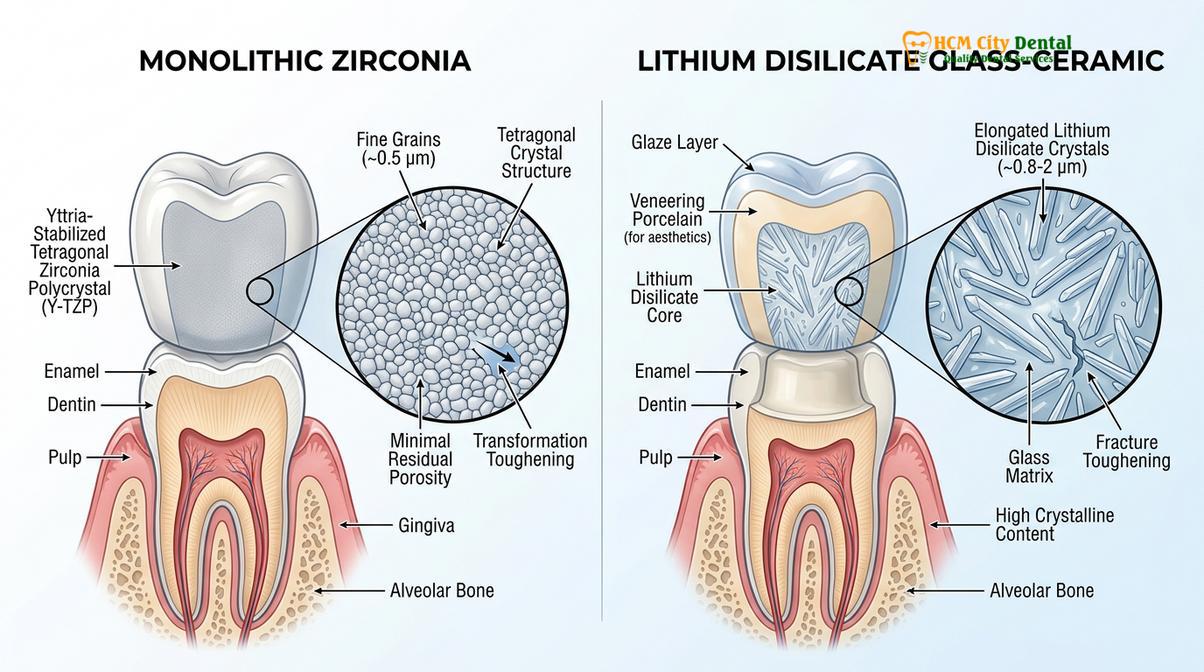
In the realm of all-ceramic restorations, material selection is paramount. The clinical success of a crown depends heavily on the porcelain crown raw material quality. Two of the most prominent and clinically validated materials utilized in premium Vietnamese dental clinics are Zirconia HT (specifically Cercon HT from Germany) and lithium disilicate (IPS e.max from Ivoclar, Liechtenstein)[2].
Cercon HT represents the pinnacle of high-translucency zirconia. It boasts an exceptional flexural strength of approximately 1200 MPa, making it the material of choice for posterior crowns, multi-unit bridges, and implant-supported restorations where heavy masticatory forces are present. Unlike older generations of opaque zirconia, Cercon HT offers improved light transmission, allowing it to blend more naturally with adjacent dentition. Conversely, unbranded or low-cost zirconia blocks often suffer from inconsistent density, lower fracture toughness, and poor esthetics, significantly increasing the risk of clinical failure.
For anterior teeth, where esthetics are the primary concern, IPS e.max is widely considered the gold standard. While its flexural strength (around 500 MPa) is lower than that of zirconia, its lifelike translucency, opalescence, and fluorescence closely mimic natural enamel. The choice between these materials is dictated by a thorough clinical assessment, taking into account occlusal dynamics, the location of the tooth, and the patient’s cosmetic goals.
Proper tooth preparation is equally critical to the success of these premium materials. Clinicians must meticulously design the preparation margins—typically utilizing a heavy chamfer or rounded shoulder design—to provide adequate bulk for the ceramic material and ensure a smooth transition between the restoration and the natural tooth. Furthermore, respecting the biologic width during preparation and cementation is essential to prevent chronic gingival inflammation and localized periodontal breakdown[3].
| Material Characteristic | Cercon HT (Zirconia) | IPS e.max (Lithium Disilicate) | Unbranded Zirconia |
|---|---|---|---|
| Primary Origin | Germany | Liechtenstein | Various / Undisclosed |
| Flexural Strength | ~1200 MPa | ~500 MPa | Variable (often <800 MPa) |
| Primary Indication | Posterior crowns, Bridges, Implants | Anterior crowns, Veneers, Inlays | Budget restorations |
| Esthetics | High Translucency | Exceptional / Lifelike | Often opaque / chalky |
| Traceability | Global Warranty & Serial Number | Global Warranty & Serial Number | None |
Lab Certificates and Authentic Serial Numbers
Every genuine ceramic restoration is accompanied by a manufacturer-issued lab certificate and a unique serial number. This documentation guarantees material authenticity and provides access to global warranty support.
Patient education regarding material authenticity is a cornerstone of ethical dental practice. To combat the proliferation of counterfeit materials, reputable clinics provide authentic dental crown certificates for every premium restoration placed. These certificates are not merely pieces of paper; they are official documents issued by the material manufacturer (such as Dentsply Sirona for Cercon or Ivoclar Vivadent for e.max) that include a unique, verifiable serial number.
By entering this serial number into the manufacturer’s global database, patients can instantly confirm the origin, batch number, and exact specifications of the ceramic block used to mill their crown. This level of transparency provides immense peace of mind, assuring the patient that they have received exactly what they paid for and that the material meets all international safety and biocompatibility standards.
“The foundation of trust in restorative dentistry lies in absolute transparency. Providing patients with verifiable lab certificates ensures they are receiving authentic, biocompatible materials that will stand the test of time, rather than substandard alternatives that compromise oral health.”
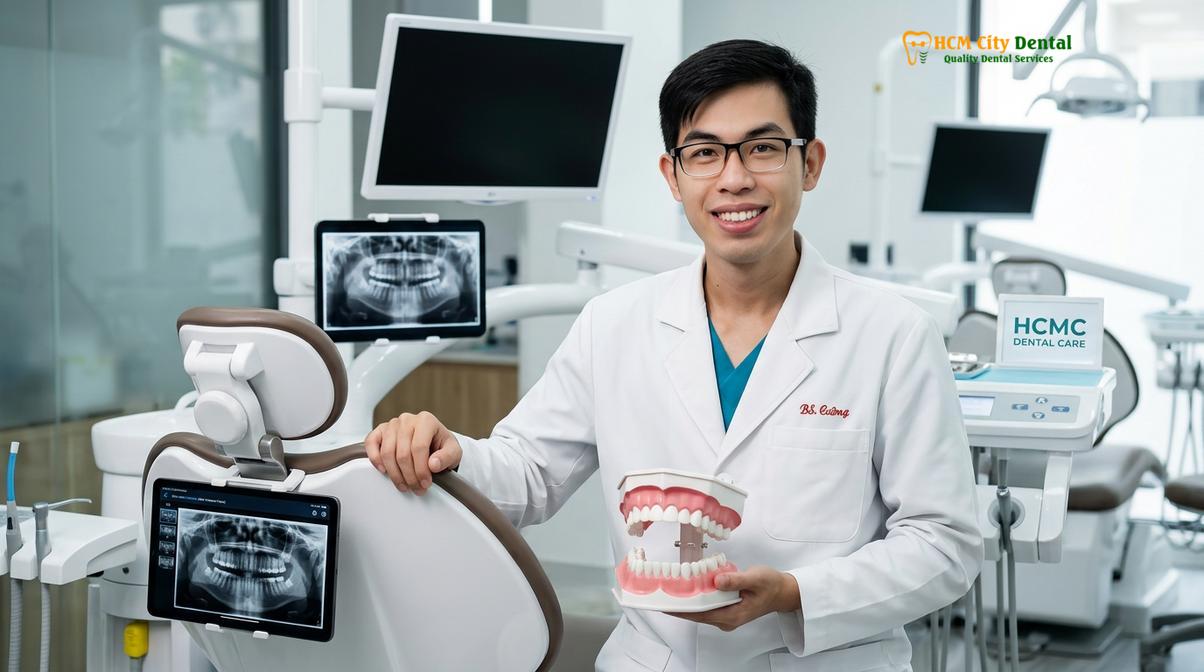
— Dr. Nguyen Van Cuong, Lead Prosthodontist
Furthermore, these authentic materials are backed by a robust global warranty policy. For international patients and dental tourists, this is a critical advantage. Should an issue arise after the patient has returned to their home country, the global warranty ensures that the restoration is covered. Leading clinics enhance this protection by offering remote follow-up support via WhatsApp, utilizing structured photo and video assessment protocols to evaluate the clinical situation and coordinate care if necessary.
Strength, Esthetics, and Warranty Discrepancies
Material origin directly dictates a crown’s flexural strength, light transmission, and warranty coverage. Authentic European ceramics provide superior load-bearing capacity for multi-unit bridges and complex implant restorations.
The mechanical properties of a dental crown are intrinsically linked to its manufacturing origin. High-quality imported zirconia blocks germany undergo a highly controlled isostatic pressing and pre-sintering process, resulting in a homogeneous microstructure free of critical flaws. This structural integrity is what allows a 3-unit or 4-unit bridge fabricated from Zirconia HT to withstand the immense forces of mastication without fracturing[4].
In the context of implant dentistry, material strength is even more critical. Dental implants lack the periodontal ligament that acts as a shock absorber for natural teeth. Consequently, the prosthetic crown must absorb and distribute occlusal forces efficiently. Clinicians must carefully decide between screw-retained vs. cement-retained implant crowns based on the implant angulation, interocclusal space, and esthetic demands. Regardless of the retention method, utilizing premium, certified zirconia ensures the longevity of the implant-prosthetic complex.
Clinical Warning: The use of unverified, low-cost ceramic materials significantly increases the risk of catastrophic framework fracture, accelerated wear of opposing natural dentition, and severe gingival irritation due to poor marginal adaptation and surface porosity.
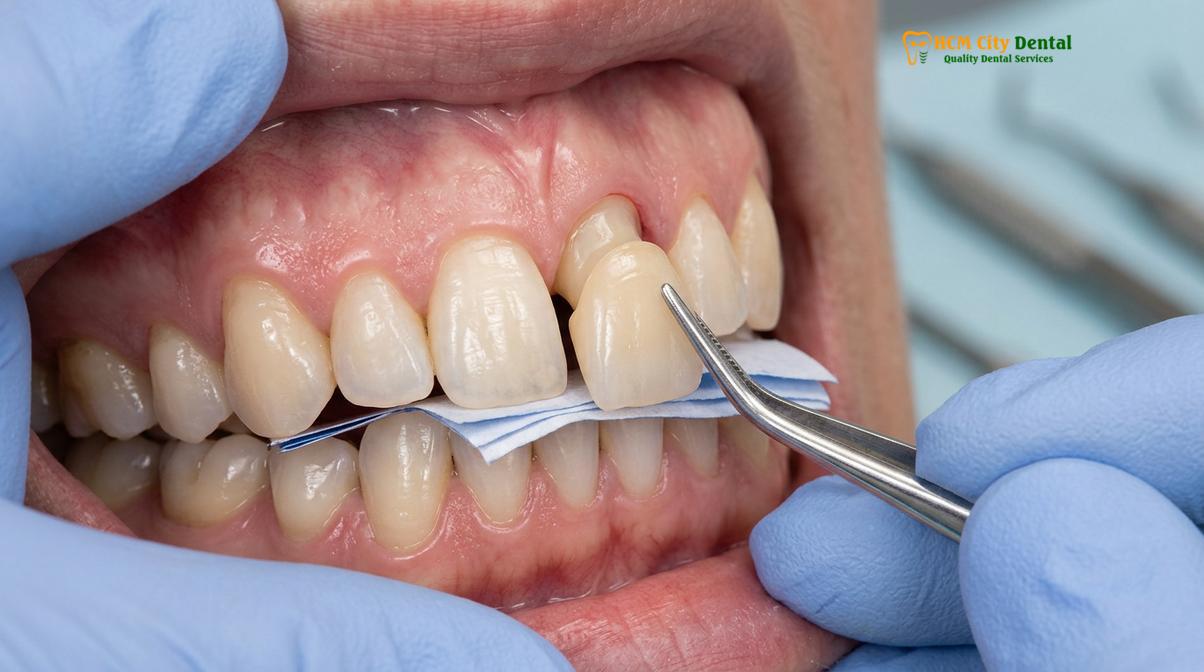
Esthetically, the discrepancies between premium and substandard materials are stark. Authentic e.max and Cercon HT exhibit a chameleon effect, drawing in light and blending seamlessly with adjacent teeth. Substandard materials often appear monochromatic, excessively opaque, and visually artificial. Furthermore, the warranty discrepancies are significant; while premium brands offer extensive, multi-year global warranties, unbranded materials typically offer little to no recourse in the event of failure.
How to Verify Your Crown Material Origin
Patients can verify dental lab materials by requesting physical warranty cards, scanning manufacturer QR codes, and reviewing the digital CAD/CAM design files prior to the milling process.
Empowering patients to verify their treatment materials is a key aspect of modern clinical practice. Verifying dental lab materials is a straightforward process when dealing with reputable providers. The first step is to explicitly request the physical warranty card associated with the restoration. This card should feature the manufacturer’s holographic logo, the specific material brand, and the unique serial number.
Additionally, patients can ask to see the original packaging of the ceramic blank before it is milled. Premium blocks feature QR codes that trace the product back to its manufacturing facility in Europe or the USA. During the consultation phase, clinicians utilizing advanced digital workflows can also display the 3D CAD design of the proposed restoration, demonstrating the precision of the software and the planned marginal fit.
Clinical Case Study: Comprehensive Smile Rehabilitation
A 45-year-old expatriate presented to HCMC Dental Clinic in Ho Chi Minh City with severe occlusal wear and failing composite restorations. Dr. Nguyen Van Cuong conducted a thorough digital assessment using the Medit i700 scanner. The treatment plan involved a combination of e.max crowns for the anterior sextant to maximize esthetics, and Cercon HT crowns for the posterior segments to ensure structural durability. The patient was provided with authentic dental crown certificates for all 12 units, verifying their European origin. The entire rehabilitation was completed within an express 5-day turnaround, restoring both optimal function and a natural, youthful appearance.
Clinical Workflows and Pricing Structure
Advanced digital workflows combine with transparent pricing to deliver predictable, high-quality restorations. Pre-booking treatments often secures significant financial advantages for international patients.
The clinical workflow for fabricating a premium dental crown involves several meticulous steps. Following a comprehensive examination, the tooth is carefully prepared under local anesthesia. If the tooth is severely compromised due to extensive decay or trauma, a root canal treatment followed by a post and core buildup may be necessary to provide adequate retention for the final crown. In cases where the clinical crown is too short, a functional crown lengthening procedure may be performed to re-establish the biologic width and expose sufficient sound tooth structure[5].
Once the preparation is complete, a digital scan is captured using the iTero or Medit i700 scanner. A temporary crown, fabricated from high-quality bis-acrylic material, is cemented to protect the prepared tooth and maintain gingival contours while the final restoration is milled. Upon delivery, the final ceramic crown is evaluated for marginal fit, proximal contacts, and precise shade matching before permanent cementation. Careful bite adjustment is performed to ensure harmonious occlusal function.
“The integration of intraoral scanning and CAD/CAM milling has fundamentally changed prosthodontics. We can now achieve marginal adaptations measured in microns, ensuring that the final restoration is not only esthetically flawless but biologically integrated with the surrounding tissues.”
— Dr. Nguyen Van Cuong
Understanding the financial investment is crucial for patients planning their treatment. Reputable clinics maintain a transparent pricing structure, often providing significant incentives for international patients who coordinate their care in advance. The following outlines the current pricing parameters, highlighting the substantial 40% pre-arrival discount available for WhatsApp bookings:
- PFM Crown (Porcelain-Fused-to-Metal): Walk-in: ~$140 (3.5M VND) | WhatsApp pre-booking discount: From $84 (2.1M VND) (-40%).
- Zirconia Crown (Cercon): Walk-in: ~$200 (5.0M VND) | WhatsApp pre-booking discount: From $120 (3.0M VND) (-40%).
- Zirconia HT Crown (Cercon HT, Germany): Walk-in: ~$260 (6.5M VND) | WhatsApp pre-booking discount: From $156 (3.9M VND) (-40%).
- E.max Crown (Ivoclar, Liechtenstein): Walk-in: ~$280 (7.0M VND) | WhatsApp pre-booking discount: From $168 (4.2M VND) (-40%).
- 3-Unit Bridge (Zirconia HT): Walk-in: ~$480 (12.0M VND) | WhatsApp pre-booking discount: From $288 (7.2M VND) (-40%).
- 4-Unit Bridge (Zirconia HT): Walk-in: ~$640 (16.0M VND) | WhatsApp pre-booking discount: From $384 (9.6M VND) (-40%).
- Inlay / Onlay (Sứ Lab): Walk-in: ~$180 (4.5M VND) | WhatsApp pre-booking discount: From $108 (2.7M VND) (-40%).
To further assist patients, clinics often provide flexible financials, including 0% interest monthly credit card installment plans. Additionally, for patients experiencing an unexpected dental crisis while traveling, emergency loose crown recementation or rapid replacement services are readily available.
When to See a Doctor
Determining the need for a dental crown requires a professional clinical evaluation. You should schedule a consultation with a prosthodontist if you experience severe tooth pain, notice visible cracks or fractures in your enamel, or have a tooth that has recently undergone root canal therapy. Furthermore, if an existing crown feels loose, causes persistent gingival bleeding, or exhibits a noticeable dark line at the gum margin, immediate assessment is recommended.
While dental crowns are highly successful, they are not universally indicated. Contraindications may include teeth with insufficient remaining root structure, active uncontrolled periodontal disease, or severe untreated bruxism that could fracture even the strongest ceramics. A personalized clinical examination, including digital radiography and vitality testing, is essential to formulate an appropriate, evidence-based treatment plan.
If you are considering restorative treatment and wish to ensure the highest quality materials, contact the specialists at HCMC Dental Clinic in Ho Chi Minh City to schedule a comprehensive evaluation and discuss your customized digital smile design.
Frequently Asked Questions
How do I know if my dental crown is genuine?
You can verify a genuine dental crown by requesting the manufacturer’s physical warranty card and scanning the unique QR code. Reputable clinics will also provide the authentic dental crown certificates that trace the material back to its European or American origin, ensuring complete transparency and quality assurance.
Where do dental clinics import zirconia from?
Leading dental clinics import premium zirconia blocks directly from certified manufacturers in Germany, Liechtenstein, Japan, and the United States. These imported materials undergo strict quality control to ensure optimal flexural strength, precise milling capabilities, and excellent biocompatibility for long-term clinical success.
Is there a difference between German and local zirconia?
Yes, German zirconia typically offers superior flexural strength, higher translucency, and stricter manufacturing tolerances compared to unbranded local alternatives. Premium German materials like Cercon HT also come with global traceability and comprehensive warranty support, significantly reducing the risk of premature structural failure.
How long does it take to get a porcelain crown in Vietnam?
With advanced CAD/CAM technology and direct lab partnerships, a premium porcelain crown can be fabricated and fitted within an express 3-5 day turnaround. This rapid workflow is specifically tailored to accommodate international patients and dental tourists without compromising on precision or esthetic quality.
Are dental crowns painful to prepare and fit?
The procedure is highly comfortable, utilizing local anesthesia during tooth preparation and digital intraoral scanners instead of messy traditional impressions. Post-operative sensitivity is generally minimal, transient, and easily managed with standard over-the-counter analgesics as the tooth adapts to the new restoration.
References
- Journal of Prosthetic Dentistry. Clinical evaluation of monolithic zirconia crowns and flexural strength. (2021).
- International Journal of Prosthodontics. Marginal adaptation and biologic width in fixed prosthodontics. (2020).
- Journal of Esthetic and Restorative Dentistry. Optical properties and translucency of lithium disilicate glass-ceramics. (2019).
- American Dental Association. Guidelines on CAD/CAM digital workflows and intraoral scanning accuracy. (2022).
- Journal of Clinical Periodontology. Gingival response to ceramic restorative materials and margin design. (2018).