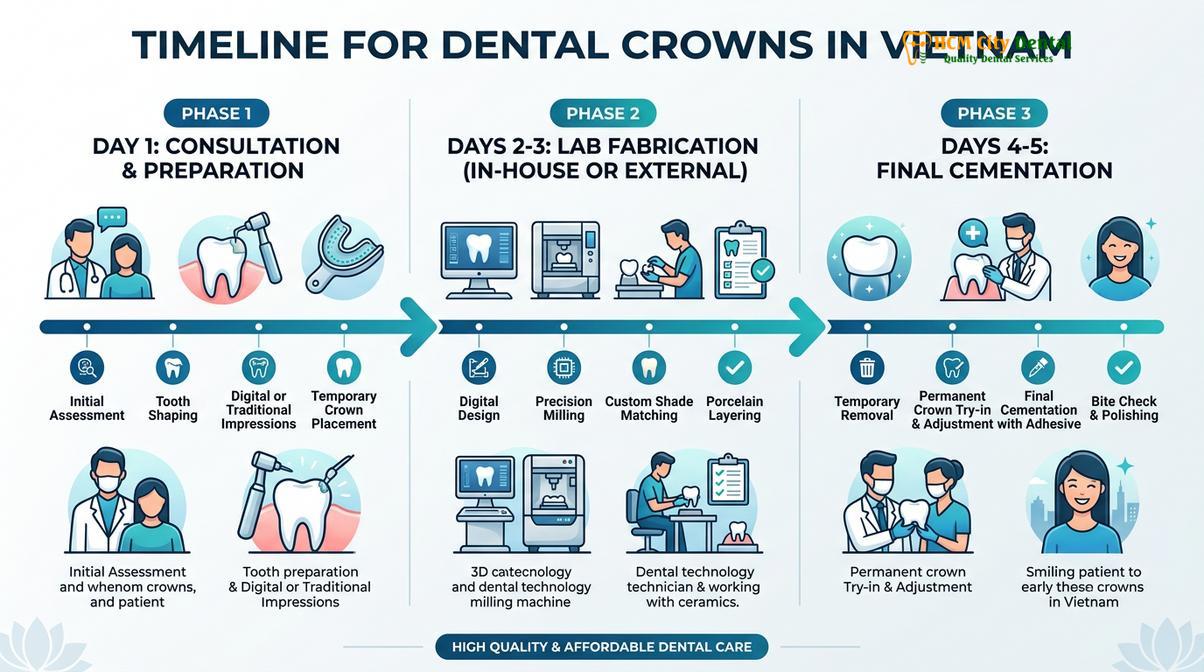
Getting dental crowns in Vietnam typically requires 3 to 5 days for a complete procedure. This timeframe includes the initial consultation, tooth preparation, laboratory fabrication, and final cementation, making it an ideal schedule for international patients seeking high-quality restorative care.
Clinical Summary:
The timeline for fabricating and fitting Dental Crowns & Bridges in Vietnam is highly optimized for international patients, generally spanning 3 to 5 days. This accelerated workflow is achieved through the integration of advanced CAD/CAM technology, specifically iTero and Medit i700 intraoral scanners, which eliminate the need for traditional silicone impressions. By partnering with a direct express dental crown laboratory, prosthodontists can oversee the rapid milling and sintering of premium certified materials, including Zirconia HT (Cercon HT, Germany) and lithium disilicate (E.max, Ivoclar, Liechtenstein). While standard single crowns and short-span bridges fit within this express window, complex cases requiring root canal therapy, post/core buildups, or surgical crown lengthening may necessitate an extended stay. Comprehensive treatment planning, transparent pricing structures, and global warranty protocols ensure that patients receive world-class restorative outcomes with minimal disruption to their travel itineraries.
Key Takeaways:
- Standard single crowns and multi-unit bridges are typically completed within an express 3-5 day turnaround.
- iTero and Medit i700 intraoral scanners provide highly accurate, comfortable 3D digital impressions.
- Premium certified materials from Germany (Cercon HT) and Liechtenstein (E.max) ensure superior aesthetics and durability.
- Patients pre-booking via WhatsApp receive a 40% discount, with Zirconia crowns starting from $120.
- A global warranty policy includes remote follow-up support via WhatsApp for international peace of mind.
The Standard Timeline for Single Crowns
A standard single crown procedure is completed within 3 to 5 days across two main appointments, ensuring precise laboratory fabrication and an optimal marginal fit.
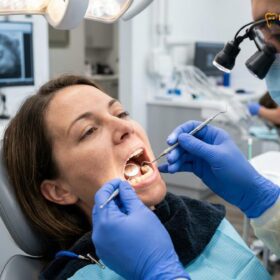
When planning a trip for restorative dentistry, understanding the exact clinical workflow is essential for managing expectations and travel logistics. The standard timeline for a single dental crown in Vietnam is remarkably efficient, largely due to the seamless integration between clinical practice and specialized dental laboratories. The process begins with a comprehensive diagnostic evaluation. During this initial visit, the prosthodontist assesses the structural integrity of the compromised tooth, evaluates the surrounding periodontal tissues, and reviews periapical radiographs to rule out underlying endodontic pathology.
Once the tooth is deemed suitable for an indirect restoration, the clinical preparation phase commences. Tooth preparation is a highly exacting procedure that requires the removal of decayed or weakened enamel and dentin to create sufficient restorative space. The clinician must carefully design the preparation margins—typically utilizing a chamfer or shoulder configuration—to ensure that the final crown seats perfectly without violating the biologic width. Violating this critical zone of gingival tissue can lead to chronic inflammation and localized periodontal disease. Following preparation, a high-precision impression is taken, and a custom temporary crown is fabricated chairside to protect the exposed dentin, prevent tooth migration, and maintain aesthetic harmony while the final restoration is being crafted[1].
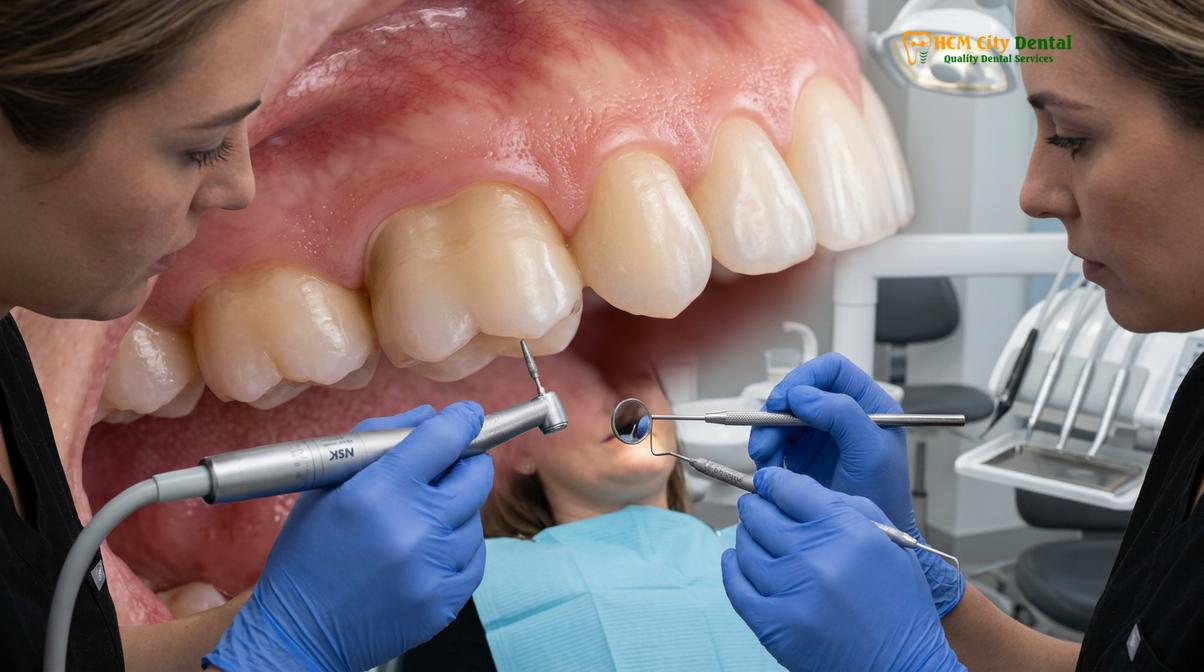
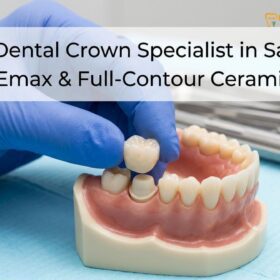
The fabrication phase takes place at a direct lab partnership facility, where skilled ceramists utilize the impression data to design and mill the final prosthesis. This express dental crown laboratory workflow is specifically tailored for dental tourists and expats, allowing complete smile makeovers to be fabricated within a single week. The laboratory process involves CAD (Computer-Aided Design) software to model the crown’s exact morphology, followed by CAM (Computer-Aided Manufacturing) milling from a solid block of premium material. For posterior teeth requiring immense flexural strength, Zirconia HT (Cercon HT, Germany) is often selected. For anterior teeth where lifelike translucency is paramount, E.max (Ivoclar, Liechtenstein) lithium disilicate is the material of choice.
The final appointment, occurring on day 3 to 5, involves the meticulous try-in and cementation of the definitive crown. The prosthodontist evaluates the marginal adaptation, interproximal contacts, and occlusal relationships. Minor adjustments are made to ensure the patient’s bite is perfectly balanced, preventing premature contacts that could lead to temporomandibular joint (TMJ) discomfort or catastrophic fracture of the ceramic material. Once the fit is verified, the crown is permanently bonded using advanced resin-modified glass ionomer or dual-cure resin cements, completing the restorative cycle.
Accelerated Timelines with CAD/CAM Scanners
Advanced CAD/CAM technology and intraoral scanners drastically reduce wait times, sometimes allowing for same-day restorations depending on the clinical complexity of the case.
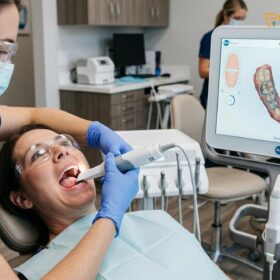
The landscape of restorative dentistry has been revolutionized by the advent of digital optical impression systems. Traditional impression techniques, which rely on bulky trays filled with elastomeric impression materials like polyvinyl siloxane (PVS), are often uncomfortable for patients, particularly those with a strong gag reflex. Furthermore, traditional impressions are susceptible to dimensional changes, tearing, and pouring errors, which can compromise the fit of the final restoration. Modern clinics have largely abandoned these analog methods in favor of state-of-the-art digital scanning technology.
The utilization of iTero and Medit i700 Intraoral Scanners represents the pinnacle of digital dentistry. These devices capture thousands of high-resolution images per second, stitching them together to create a highly accurate, full-color 3D model of the patient’s dentition. This process is entirely non-invasive, highly comfortable, and takes only a few minutes to complete. The digital file is then instantly transmitted to the in-house or partnered laboratory, eliminating the transit time associated with physical models. This rapid data transfer is the cornerstone of the accelerated timelines that make same day dental crowns vietnam a reality for select clinical scenarios[2].
“The integration of the Medit i700 scanner into our daily workflow has fundamentally changed how we approach restorative dentistry. Not only does it provide a vastly superior patient experience by eliminating messy impression materials, but the micron-level accuracy of the digital data allows our ceramists to design crowns with an unprecedented marginal fit. This precision directly translates to the longevity and biological success of the restoration.”
— Dr. Nguyen Van Cuong, Lead Prosthodontist
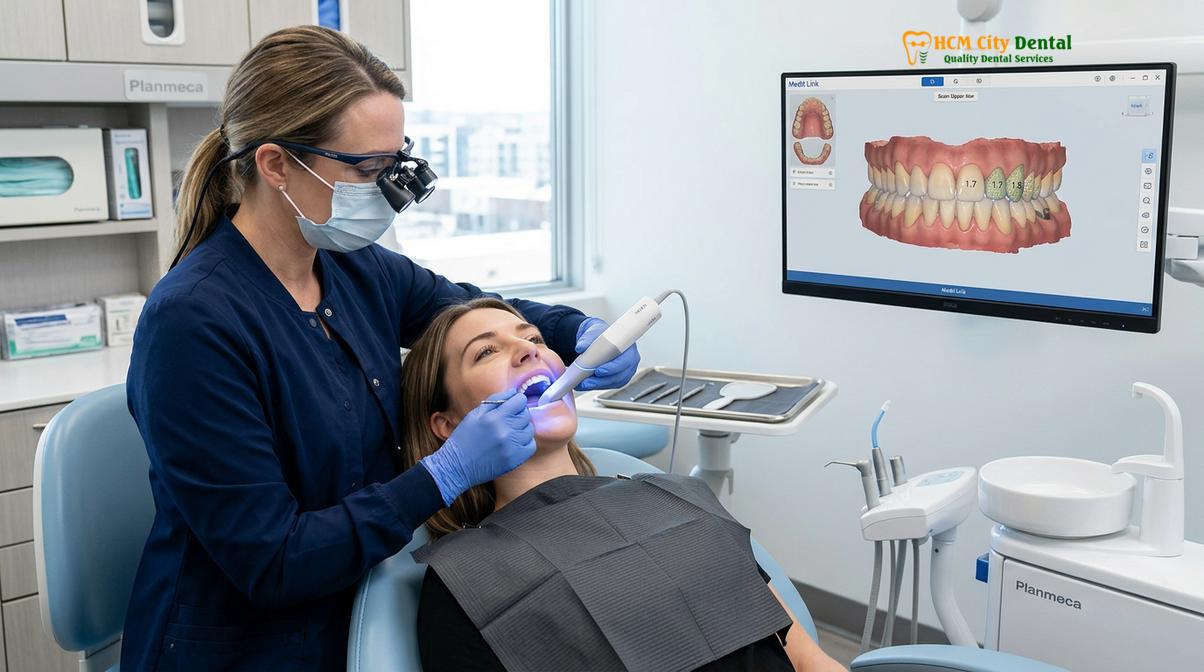
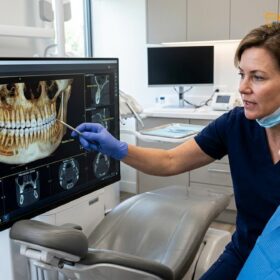
Beyond speed and comfort, digital scanning offers profound clinical advantages. The software allows the clinician to magnify the preparation margins on a high-definition monitor, ensuring that the finish line is crisp, continuous, and easily readable by the CAD software. Any undercuts or inadequate occlusal reduction can be identified and corrected immediately before the patient leaves the chair. Furthermore, digital scanners excel at capturing the dynamic occlusal relationship, allowing the software to simulate the patient’s jaw movements and design a crown that functions harmoniously within the stomatognathic system. This level of precision significantly reduces the need for chairside adjustments during the final delivery appointment, streamlining the entire patient experience.
Time Needed for Multi-Unit Bridges
Fabricating multi-unit bridges generally takes 4 to 6 days, requiring meticulous attention to pontic design, biologic width, and occlusal harmony across multiple abutments.
When a patient presents with one or more missing teeth, a fixed dental bridge is a highly reliable restorative option. Unlike a single crown, which caps an individual tooth, a bridge spans the edentulous space by anchoring to the adjacent natural teeth (abutments) to support a false tooth (pontic). The fabrication of a 3-unit or 4-unit bridge is inherently more complex than a single crown, necessitating a slightly extended laboratory timeline of 4 to 6 days. This additional time is crucial for ensuring the biomechanical stability and aesthetic integration of the multi-unit prosthesis.
The clinical preparation for a bridge requires the simultaneous reduction of multiple abutment teeth. The prosthodontist must ensure that the preparations are perfectly parallel to one another; otherwise, the rigid framework of the bridge will not seat properly—a concept known as the path of insertion. Furthermore, the design of the pontic is critical for maintaining gingival health. The pontic must lightly contact the underlying tissue (often utilizing a modified ridge lap or ovate design) to prevent food impaction while allowing for adequate oral hygiene access. The laboratory technician must carefully balance the connector dimensions between the units to provide sufficient strength without compromising the natural embrasure spaces[3].
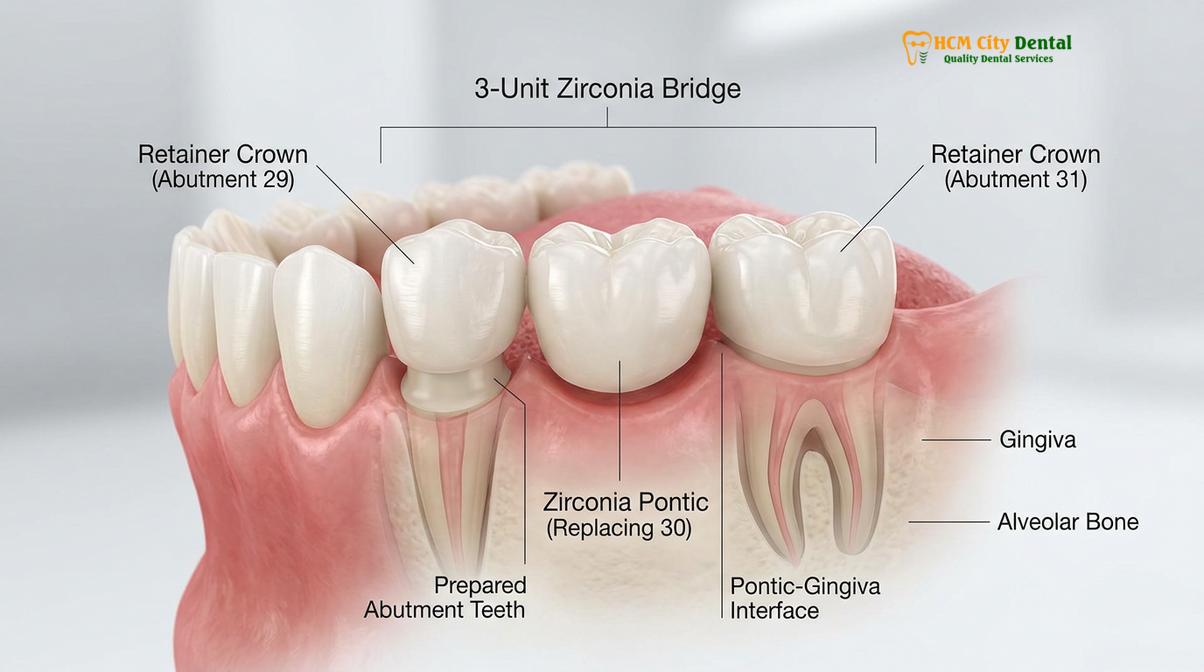
Material selection is paramount when designing multi-unit bridges. Because the prosthesis must withstand significant masticatory forces across a span, high-strength materials are required. Zirconia HT (Cercon HT, Germany) is the gold standard for posterior bridges due to its exceptional flexural strength (often exceeding 1000 MPa) and fracture toughness. For anterior bridges where aesthetics are the primary concern, a zirconia framework layered with translucent feldspathic porcelain can provide a lifelike appearance while maintaining structural integrity. To make these premium treatments accessible, clinics offer structured pricing models, particularly for international patients planning their treatment in advance.
| Restoration Type & Material | Standard Walk-in Price (Estimated) | WhatsApp Pre-Booking (-40%) |
|---|---|---|
| PFM Crown (Porcelain-Fused-to-Metal) | ~$140 (3.5M VND) | From $84 (2.1M VND) |
| Zirconia Crown (Cercon, Germany) | ~$200 (5.0M VND) | From $120 (3.0M VND) |
| Zirconia HT Crown (Cercon HT, Germany) | ~$260 (6.5M VND) | From $156 (3.9M VND) |
| E.max Crown (Ivoclar, Liechtenstein) | ~$280 (7.0M VND) | From $168 (4.2M VND) |
| 3-Unit Bridge (Zirconia HT) | ~$480 (12.0M VND) | From $288 (7.2M VND) |
| 4-Unit Bridge (Zirconia HT) | ~$640 (16.0M VND) | From $384 (9.6M VND) |
| Inlay / Onlay (Sứ Lab) | ~$180 (4.5M VND) | From $108 (2.7M VND) |
This transparent pricing structure, combined with 0% interest monthly credit card installment plans, allows patients to access world-class materials without financial ambiguity. The direct collaboration between the prosthodontist and the ceramist ensures complete quality control, resulting in a restoration that seamlessly blends with the natural dentition while restoring full masticatory function.
Factors That Can Extend Your Stay (Root Canals, Bone Grafts)
Complex underlying conditions such as severe infection requiring root canal therapy or inadequate bone volume can extend the treatment timeline by several days or months.
While the express 3-5 day turnaround is achievable for the majority of restorative cases, certain clinical scenarios necessitate a more cautious, phased approach. It is imperative that the foundational structures—the tooth root, the periodontal ligament, and the alveolar bone—are entirely healthy before a definitive crown or bridge is cemented. Placing a premium ceramic restoration over a compromised foundation is a recipe for premature failure. Therefore, patients must be prepared for potential timeline extensions if underlying pathologies are discovered during the initial diagnostic phase.
One of the most common factors extending the treatment timeline is the need for endodontic therapy (a root canal). If a tooth has suffered extensive decay that has penetrated the pulp chamber, or if it has sustained traumatic injury leading to pulpal necrosis, the infected tissue must be meticulously removed. Following the extirpation of the pulp and the obturation of the root canal system with gutta-percha, the tooth is often severely structurally compromised. In such cases, a root canal post and core buildup is required to provide adequate retention and resistance form for the final crown. This additional procedure may add 1 to 2 days to the overall timeline to ensure the endodontic treatment is successful and asymptomatic before the final impression is taken[4].
Clinical Warning: Never rush biological healing to fit a travel schedule. If a tooth requires complex endodontic retreatment or if periodontal surgery (such as functional crown lengthening) is performed, adequate healing time is non-negotiable. Cementing a final restoration over inflamed or healing tissue can lead to altered gingival margins, chronic pain, and the eventual failure of the prosthesis.
Another factor that can significantly alter the treatment calendar is the integration of dental implants. When a tooth is deemed unrestorable and requires extraction, an implant is often the treatment of choice. However, if the extraction site exhibits inadequate bone volume, a bone grafting procedure (such as a socket preservation or sinus lift) must be performed. The bone graft requires several months of osteointegration before the titanium implant can be placed, and the implant itself requires further healing before it can be loaded with a crown. Furthermore, the clinician must decide between screw-retained vs. cement-retained implant crowns based on the trajectory of the implant and the available interocclusal space. These complex implant-supported restorations fall outside the standard 5-day window and require a carefully coordinated, multi-trip treatment plan.
Designing Your Travel Calendar
Structuring your itinerary around a 5 to 7-day window provides ample time for the dental crown appointment schedule, laboratory fabrication, and final bite adjustments.
For international patients traveling for dental care, meticulous planning is the key to a stress-free experience. Designing your travel calendar requires balancing the clinical requirements of the dental crown appointment schedule with your personal vacation itinerary. We generally recommend that patients allocate a minimum of 5 to 7 days in the city to comfortably complete a standard crown or bridge procedure. This buffer allows for the initial consultation on Day 1, the laboratory fabrication phase during Days 2-3, the final fitting on Day 4, and a final follow-up check on Day 5 to ensure the occlusion is perfectly balanced and the gingival tissues are responding well to the new restoration.
When considering the timeframe for dental bridges saigon, it is highly advantageous to schedule the initial consultation on a Monday or Tuesday. This ensures that the laboratory has uninterrupted working days to fabricate the prosthesis, avoiding potential delays caused by weekend closures. During the fabrication phase, patients are fitted with durable temporary crowns, allowing them to comfortably explore the city, enjoy local cuisine (with minor dietary modifications), and experience the culture without feeling confined to a hotel room. Many clinics also partner with direct billing networks (such as Allianz, Bupa, and Cigna) for international schools and expatriates, streamlining the administrative process.
Patient Case Study: Express Smile Makeover
An expatriate patient visited HCMC Dental Clinic in Ho Chi Minh City presenting with severe attrition and failing amalgam restorations on multiple anterior and premolar teeth. The patient required a comprehensive aesthetic rehabilitation but had a strict 7-day travel window before relocating. Utilizing the Medit i700 scanner, Dr. Nguyen Van Cuong captured precise digital impressions on Day 1. The express laboratory fabricated six E.max lithium disilicate crowns and two Zirconia HT premolar crowns. The restorations were successfully tried in and permanently cemented on Day 4. The patient attended a final occlusal check on Day 6, reporting zero sensitivity and profound satisfaction with the lifelike aesthetics, demonstrating the efficacy of a well-coordinated digital workflow.
To maximize efficiency, patients are strongly encouraged to utilize remote consultation services prior to booking their flights. By sharing recent panoramic X-rays (OPG) and intraoral photographs via secure messaging platforms, the clinical team can provide a highly accurate preliminary treatment plan, estimated timeline, and cost breakdown. This proactive approach minimizes surprises upon arrival and ensures that the clinical team is fully prepared to execute the treatment plan the moment the patient steps into the clinic.
Important Clinical Considerations
Even with the highest standards of clinical precision and premium materials, the long-term success of a dental restoration relies heavily on proper post-operative care and maintenance. Following the final cementation of a crown or bridge, patients may experience mild, transient thermal sensitivity. This is a normal physiological response of the dental pulp to the preparation process and the bonding agents, and it typically resolves within a few days to a couple of weeks. However, if the sensitivity is severe, prolonged, or accompanied by spontaneous throbbing pain, it may indicate irreversible pulpitis, necessitating further endodontic evaluation.
Occlusal harmony is another critical factor. If a new crown feels “high” or if it hits the opposing teeth prematurely during chewing, it must be adjusted. An unbalanced bite can lead to localized trauma to the periodontal ligament, resulting in pain, mobility, or even fracture of the ceramic material. Patients are advised to pay close attention to their bite during the first few days following cementation and to return to the clinic for a minor occlusal adjustment if any discrepancies are noted. In the rare event of an emergency loose crown recementation or replacement, prompt clinical attention is required to prevent decay from developing on the exposed underlying tooth structure[5].
“We understand that traveling abroad for dental care requires a significant leap of faith. That is why our commitment to the patient does not end when they board their flight home. Our global warranty policy and structured remote follow-up protocols ensure that we can monitor the health of the restorations and provide expert guidance, no matter where the patient is in the world.”
— Dr. Nguyen Van Cuong, Lead Prosthodontist
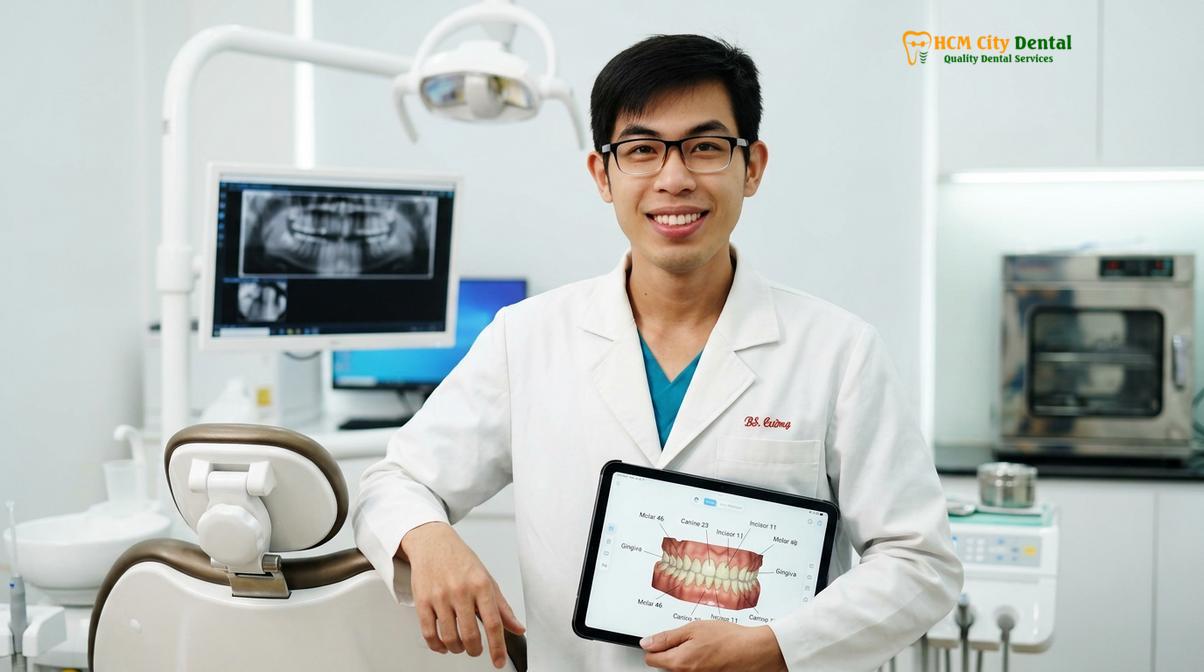
To provide ultimate peace of mind for international patients, reputable clinics offer a comprehensive global warranty policy. This warranty protects the patient against material defects or structural failures of the crown or bridge under normal functional use. Furthermore, clinics provide robust remote follow-up support via WhatsApp, utilizing specific photo and video assessment protocols. If a patient experiences an issue after returning home, they can easily connect with their prosthodontist for a remote diagnostic evaluation, ensuring continuity of care and long-term restorative success.
Frequently Asked Questions
How many days are needed for dental crowns in Vietnam?
Typically, 3 to 5 days are needed to complete dental crowns in Vietnam. This timeframe allows for thorough clinical preparation, precise laboratory fabrication, and final cementation while ensuring optimal functional and aesthetic results. During this period, you will attend two main appointments, with the intervening days used by the laboratory to craft your custom restoration.
Can I get dental crowns in 3 days?
Yes, getting dental crowns in 3 days is possible for straightforward single-tooth cases using digital scanning and an express laboratory. However, complex cases involving multiple units or underlying infections may require a slightly longer stay. The use of advanced CAD/CAM technology significantly accelerates the workflow, but biological healing and precision cannot be compromised for speed.
What happens if my crowns take longer than expected?
If your crowns take longer than expected, your prosthodontist will provide a durable, custom-milled temporary crown to protect your prepared tooth. This allows you to safely travel or return home while the final restoration is perfected. The clinic will coordinate with you to schedule a follow-up visit for the final cementation once the prosthesis meets all clinical standards.
Are the materials used in Vietnam the same quality as in my home country?
Yes, reputable clinics in Vietnam utilize authentic, internationally certified materials such as German Zirconia (Cercon HT) and Liechtenstein lithium disilicate (E.max). These are the exact same premium brands utilized by top-tier dental practices globally. The cost savings are a result of lower operational overhead and direct laboratory partnerships, not a compromise in material quality.
How do I maintain my new dental crowns after returning home?
Maintain your new crowns by brushing twice daily with a non-abrasive toothpaste, flossing regularly around the margins, and wearing a custom nightguard if you suffer from bruxism. Routine professional cleanings are also essential for long-term success. While the ceramic material cannot decay, the underlying natural tooth structure at the gumline remains susceptible to plaque accumulation.
References
- Journal of Prosthodontic Research. Flexural strength and clinical outcomes of monolithic zirconia crowns. (2021).
- Journal of Dentistry. Accuracy and patient comfort of intraoral CAD/CAM optical impressions. (2022).
- International Journal of Prosthodontics. Biomechanical considerations for multi-unit fixed partial dentures. (2020).
- Journal of Endodontics. Post and core buildups for severely compromised endodontically treated teeth. (2019).
- American Dental Association. Clinical guidelines for the cementation and maintenance of indirect restorations. (2018).