When a tooth is severely compromised by extensive decay, a large fracture, or a root canal treatment, a standard composite filling is often insufficient to restore its structural integrity. In these clinical scenarios, a custom-fabricated dental crown becomes essential to protect the remaining tooth structure, restore proper occlusal function, and return the tooth to its natural esthetic appearance. For expatriates and dental tourists, finding the best ceramic crown dentist vietnam provides is a critical step in ensuring that this restorative work is performed safely, ethically, and with materials that meet rigorous global standards.
Clinical Summary:
For international patients seeking the best ceramic crown dentist vietnam has to offer, HCMC Dental Clinic in Ho Chi Minh City provides world-class restorative solutions using advanced CAD/CAM technology. The clinic specializes in monolithic Zirconia, layered E.max, and porcelain-fused-to-zirconia restorations. By strictly adhering to biomimetic principles and utilizing in-house digital milling, the clinic ensures sub-micron marginal fit, exceptional esthetics, and long-term structural integrity for compromised teeth, all while maintaining transparent, highly competitive pricing compared to Western dental markets.
Key Takeaways:
- Material Excellence: Premium options include high-translucency Zirconia for posterior strength and Lithium Disilicate (E.max) for anterior esthetics.
- Digital Precision: Intraoral scanning and 5-axis CAD/CAM milling eliminate the need for messy traditional impressions, ensuring an optimal marginal seal.
- Ethical Dentistry: Strict adherence to conservative preparation protocols; aggressive reductions are clinically rejected in favor of preserving natural tooth structure.
- Cost Efficiency: Premium ceramic crowns in Saigon typically cost between $250 and $450 USD, offering significant savings compared to US or Australian clinics without compromising material quality.
- Comprehensive Warranties: Transparent, written warranties are provided for all premium ceramic restorations, ensuring long-term peace of mind for dental tourists.
At HCMC Dental Clinic in Ho Chi Minh City, we recognize that international patients demand the highest level of clinical excellence. The landscape of restorative dentistry has evolved dramatically, moving away from opaque, metal-based crowns toward highly esthetic, biocompatible all-ceramic solutions. Whether you are searching for a zirconia crown specialist saigon or an emax crown dentist ho chi minh, our clinical protocols are designed to deliver restorations that mimic the optical properties and biomechanical strength of natural enamel and dentin.
Under the clinical leadership of Dr. Nguyen Van Cuong, our facility prioritizes biomimetic principles and conservative tissue management. Dr. Cuong ensures that every restorative procedure aligns with the highest international standards for Supreme Dental Care, focusing on long-term functional success rather than just short-term aesthetics. This commitment to excellence is reflected in our meticulous material selection and advanced digital workflows.
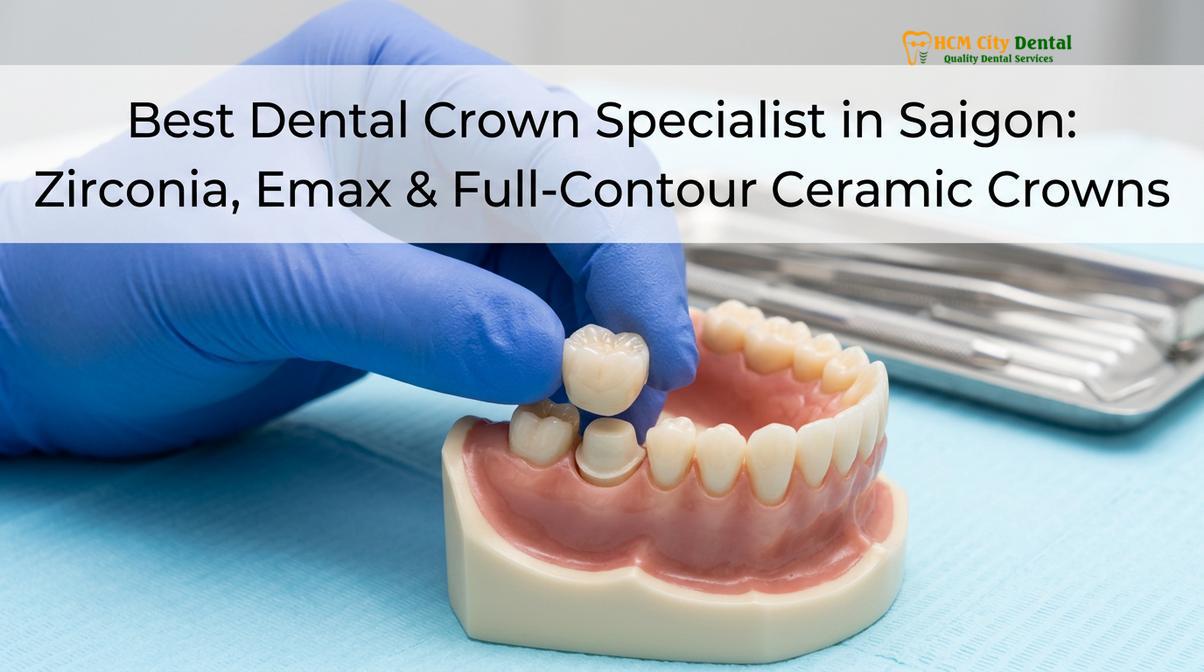
When Is a Dental Crown Clinically Necessary?
A dental crown, often referred to as a “cap,” is a full-coverage restoration that encases the entire visible portion of a tooth at and above the gum line. Unlike elective cosmetic procedures, the placement of a crown is primarily a functional and structural necessity. The clinical team at HCMC Dental Clinic adheres to strict diagnostic criteria before recommending a full-coverage crown, ensuring that conservative options are utilized whenever possible.
Structural Integrity Post-Root Canal
One of the most common indications for a dental crown is following endodontic therapy (a root canal). When the infected pulp of a tooth is removed, the tooth loses its internal blood supply and hydration, rendering the remaining dentin brittle and highly susceptible to fracture. This is particularly true for posterior teeth (molars and premolars), which bear the brunt of heavy masticatory (chewing) forces. Placing a custom-milled ceramic crown over a root-canaled tooth is generally considered the standard of care to prevent catastrophic vertical root fractures that would otherwise necessitate tooth extraction.
Severe Decay and Fractured Cusps
When dental caries (decay) destroys more than 50% of the natural tooth structure, a composite resin filling cannot provide adequate support. The remaining walls of the tooth are often too thin to withstand the stress of chewing. Similarly, teeth affected by “cracked tooth syndrome” or those with fractured cusps require the circumferential support that only a crown can provide. The crown acts as a splint, holding the compromised segments of the tooth together and distributing occlusal forces evenly across the root structure.
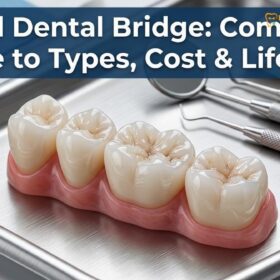
In cases where multiple adjacent teeth are missing or severely compromised, a crown may also serve as an anchor (abutment) for a Fixed Dental Bridge, restoring an entire segment of the dental arch with seamless esthetics and function. The use of advanced ceramic materials in these full arch or multi-unit rehabilitations has shown excellent long-term clinical outcomes[2].
Comparing Crown Materials: Full Zirconia vs Layered E.max vs PFM
The success of a dental restoration relies heavily on the selection of the appropriate material. Modern dental ceramics offer a spectrum of options, balancing flexural strength with optical translucency. At HCMC Dental Clinic, we source our ceramic blocks from industry-leading global manufacturers, adhering strictly to the safety and material guidelines set forth by the Vietnam Odonto-Stomatology Association (VOSA)[4].
Monolithic Zirconia (Strength & Durability)
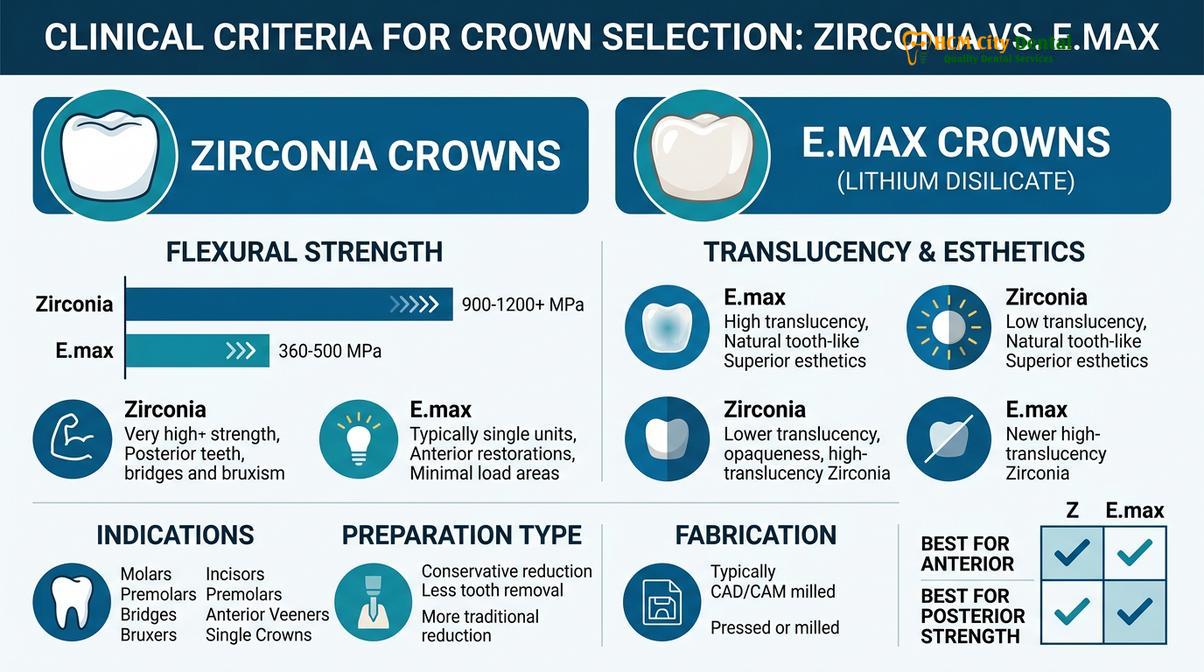
Zirconia (Yttria-stabilized tetragonal zirconia polycrystal) is a highly durable, biocompatible ceramic known for its exceptional flexural strength, often exceeding 1,000 to 1,200 MPa. Monolithic Zirconia crowns are milled from a single, solid block of material, making them incredibly resilient under normal chewing conditions. They are the premier choice for posterior molars, patients with bruxism (teeth grinding), and implant-supported restorations.
Historically, Zirconia was criticized for its opaque, chalky appearance. However, modern high-translucency (HT) and ultra-translucent (UT) Zirconia formulations now offer excellent esthetics, allowing light to pass through the restoration much like natural enamel.
Lithium Disilicate (E.max) for Anterior Esthetics
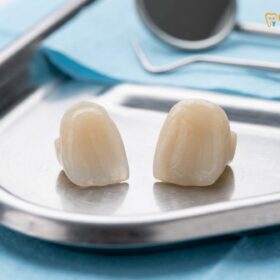
For teeth in the “esthetic zone” (the front teeth visible when you smile), IPS E.max (Lithium Disilicate) is widely regarded as the gold standard. While its flexural strength (around 400-500 MPa) is lower than that of Zirconia, it is more than sufficient for anterior bite forces. The true advantage of E.max lies in its unparalleled optical properties. It possesses a natural translucency, opalescence, and fluorescence that mimics human enamel beautifully. Clinical studies confirm the impressive longevity of minimal prep porcelain and E.max restorations when bonded correctly[3].
Porcelain Fused to Zirconia & PFM
A porcelain fused to zirconia crown vietnam combines the immense core strength of a Zirconia substructure with the highly esthetic, hand-layered porcelain on the exterior. This hybrid approach is excellent for anterior bridges or single crowns where both maximum strength and premium esthetics are required.
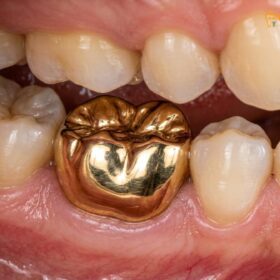
Conversely, traditional Porcelain Fused to Metal (PFM) crowns are becoming less common in high-end digital dentistry. While they have a long history of clinical success, the underlying metal margin can eventually show as a dark line at the gums, and the opaque metal core prevents natural light transmission. Patients often ask, Are Porcelain Fused to Metal Crowns Safe? While they are medically safe, all-ceramic options are generally preferred today for their superior biocompatibility and gingival (gum) response.
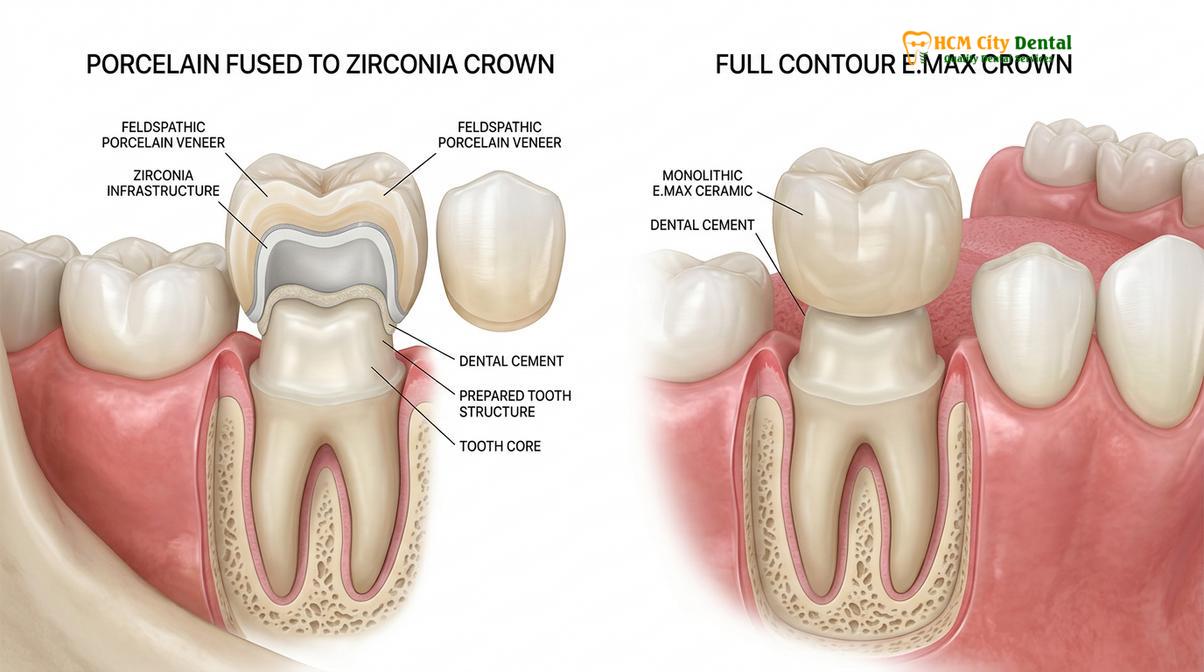
| Material Type | Flexural Strength | Esthetics / Translucency | Primary Clinical Indication | Biocompatibility |
|---|---|---|---|---|
| Monolithic Zirconia | 1,000 – 1,200+ MPa | Good (High-Translucency options available) | Posterior Molars, Heavy Grinders, Implant Crowns | Excellent (Hypoallergenic) |
| IPS E.max (Lithium Disilicate) | 400 – 500 MPa | Exceptional (Mimics natural enamel) | Anterior Teeth (Incisors, Canines), Premolars | Excellent |
| Porcelain Fused to Zirconia (PFZ) | Core: 1,000+ MPa / Veneer: ~100 MPa | Excellent (Hand-layered porcelain) | Anterior Bridges, High-Esthetic Single Crowns | Excellent |
| Porcelain Fused to Metal (PFM) | High (Metal core) | Moderate (Opaque core, potential dark gum line) | Budget-conscious posterior restorations | Good (Potential for base metal allergies) |
“Ethical dentistry is about preservation, not destruction. I strongly refuse to perform aggressive preparations where healthy enamel is ground down unnecessarily for the sake of a quick cosmetic fix. A crown should only be placed when structurally necessary. When we do place a crown, we utilize digital scanning and biomimetic materials to ensure it functions harmoniously with the patient’s natural biology.”
— Dr. Nguyen Van Cuong DDS, Chief Clinical Director
Digital Margin Scanning & Sub-Micron Fit Accuracy
The longevity of a dental crown is dictated not just by the material, but by the precision of its fit. A crown that does not sit perfectly flush against the prepared tooth margin creates a microscopic gap. Over time, bacteria infiltrate this gap, leading to recurrent decay beneath the crown, gingival inflammation, and eventual failure of the restoration. Maintaining a precise marginal fit is crucial for long-term periodontal health and infection control[5].
The Role of Intraoral Scanners
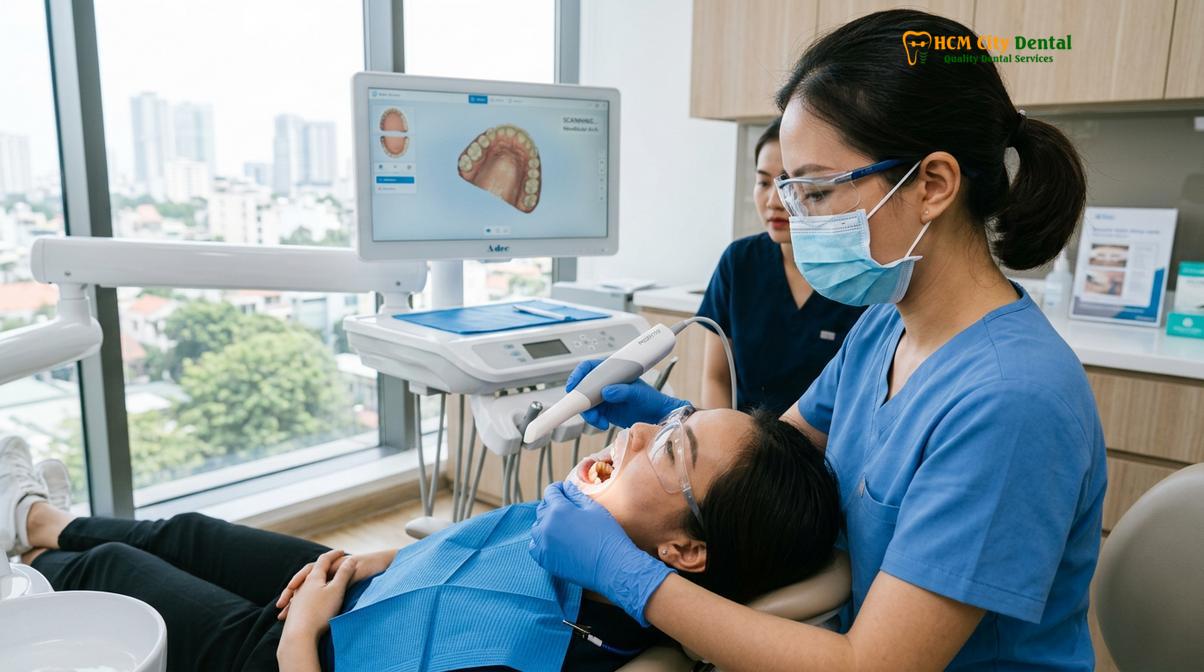
At HCMC Dental Clinic, we have completely eliminated traditional, uncomfortable putty impressions. Instead, we utilize advanced intraoral scanners. These devices capture thousands of images per second, creating a highly accurate, full-color 3D model of your teeth and gums. The integration of digital dentistry workflows has significantly improved the predictability and survival rates of these restorations[1]. This digital impression is accurate to the sub-micron level, ensuring that the margin of the final crown seals tightly against the tooth structure.
In-House CAD/CAM Milling
Once the digital impression is captured, the crown is designed using sophisticated CAD (Computer-Aided Design) software. The design is then sent to our in-house 5-axis milling machine, which carves the crown from a solid block of Zirconia or E.max with absolute precision. This streamlined digital workflow not only improves clinical outcomes but also drastically reduces turnaround times. For patients interested in how this compares to international standards, our digital workflow rivals the most advanced Dental Labs in CT and other major global hubs, allowing us to offer highly efficient restorative care.
Restoring Broken, Root-Canaled or Severely Decayed Teeth
The clinical workflow for placing a premium ceramic crown is meticulous and requires a deep understanding of dental anatomy, occlusion, and tissue management. As a leading provider of General & Preventive Dentistry, our protocol ensures maximum comfort and clinical predictability for every patient.
The Clinical Workflow
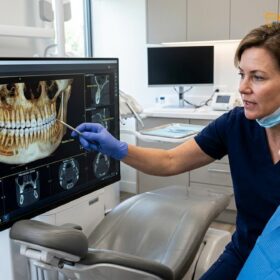
- Comprehensive Diagnostics: We begin with a 3D CBCT scan and digital X-rays to assess the health of the tooth root and surrounding bone.
- Tooth Preparation: Under profound local anesthesia, the decayed or damaged portions of the tooth are carefully removed. The tooth is then conservatively reshaped (prepared) to create space for the ceramic material. We utilize specific burrs to create a smooth chamfer or shoulder margin, which is critical for the crown’s fit.
- Digital Scanning & Shade Matching: An intraoral scan is taken, and digital spectrophotometry is used to select the exact shade, chroma, and value to match your adjacent teeth.
- Temporary Crown Placement: If the final crown is being milled overnight, a highly esthetic temporary crown is fabricated and placed to protect the tooth and maintain gingival health.
- Final Bonding and Cementation: The final ceramic crown is tried in to verify the fit, contacts, and occlusion. Once approved, it is permanently bonded. The bonding protocol is critical; for instance, E.max crowns require specific etching and silane application, similar to the meticulous protocols used for Dental Veneer Adhesive, ensuring a monolithic bond between the tooth and the ceramic.
Clinical Case Study: Restoring a Fractured Molar
Patient Profile: David, a 54-year-old expatriate teacher, presented to HCMC Dental Clinic (Ho Chi Minh City) with sharp pain upon biting in his lower left quadrant.
Clinical Findings: Clinical examination and 3D imaging revealed a severe fracture in tooth #36 (lower left first molar), which had a large, failing amalgam filling. The fracture extended near the pulp but had not yet caused irreversible pulpitis.
Treatment Plan: To save the tooth and prevent the need for an extraction and implant, the clinical team recommended a core build-up followed by a monolithic Zirconia crown to provide maximum structural support.
Execution & Outcome: The old amalgam and decay were removed, and the tooth was rebuilt using a dual-cure composite resin. A digital scan was taken, and a high-translucency Zirconia crown was milled in-house. The crown was permanently bonded the following day. At his follow-up, David reported zero sensitivity, excellent chewing function, and the gingival tissues around the crown remained perfectly healthy.
Important Clinical Note: When to Consult a Specialist
Choosing a clinic based solely on the lowest price can lead to severe clinical complications. Crowns that are “over-contoured” (too bulky) or have “open margins” (gaps between the crown and tooth) act as plaque traps. This inevitably leads to localized periodontal disease, chronic bad breath, and recurrent decay beneath the crown, which can ultimately result in the loss of the tooth. If you experience persistent pain, swelling, bleeding gums, or a foul taste around an existing crown, it is imperative to consult a dental specialist immediately. Always ensure your dentist utilizes high-magnification loupes and digital scanning for optimal marginal accuracy.
Cost Breakdown & Multi-Unit Crown Packages in Saigon
One of the primary reasons dental tourism is thriving in Vietnam is the ability to access world-class dental care at a fraction of the cost found in Western countries. However, it is vital to understand that the lower cost is due to favorable local economic factors and lower overhead, not a reduction in material quality or clinical expertise.
Transparent Pricing for International Patients
When searching for the best ceramic crown dentist vietnam, transparency in pricing is paramount. At HCMC Dental Clinic, there are no hidden fees. The cost of a premium ceramic crown typically ranges from $250 to $450 USD per tooth. This fee generally includes the clinical preparation, digital scanning, in-house milling, and final cementation. For patients requiring extensive rehabilitations, such as full mouth reconstructions, we offer comprehensive treatment plans that focus on how to Design Dental Smiles with optimal function and esthetics.
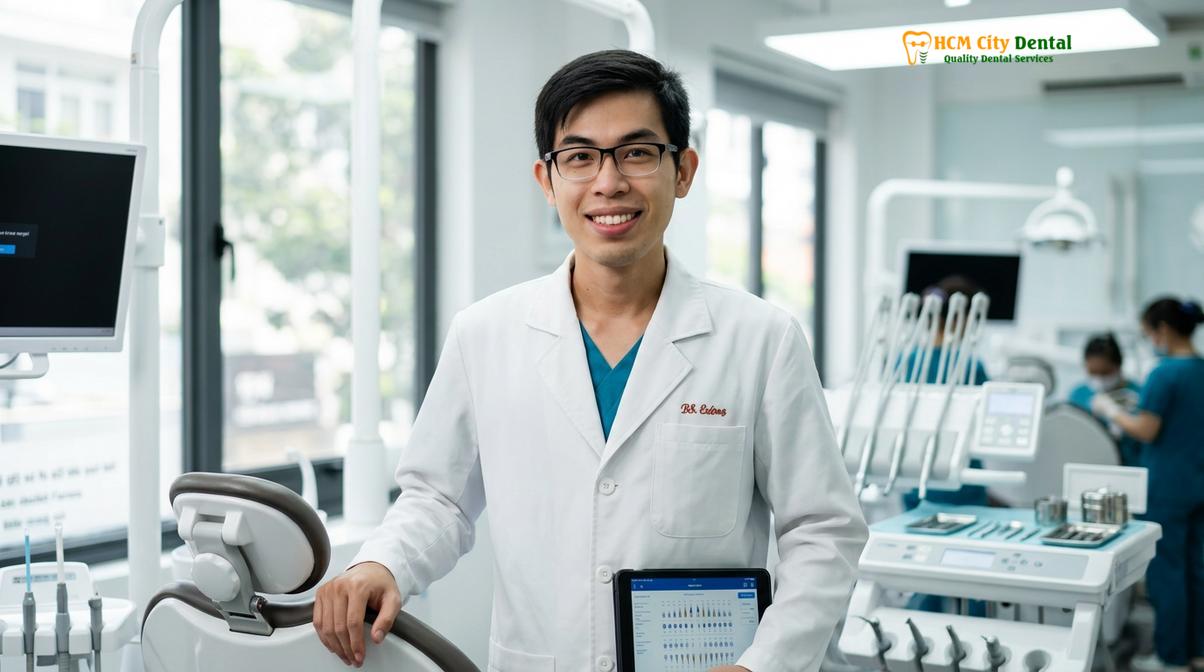
“The integration of digital scanning and monolithic ceramics has revolutionized restorative dentistry. We can now provide patients with crowns that are not only virtually indestructible under normal forces but also indistinguishable from natural teeth, all within a highly efficient timeframe.”
— Clinical Restorative Team
Frequently Asked Questions
What is the best material for a back molar crown vs front tooth crown?
For back molars, monolithic Zirconia is generally recommended due to its exceptional flexural strength to withstand heavy chewing forces. For front teeth, layered E.max (lithium disilicate) is often preferred because of its superior translucency and natural light-reflecting properties.
How long do modern monolithic Zirconia crowns typically last?
With proper oral hygiene, regular professional cleanings, and a balanced bite, modern monolithic Zirconia crowns can typically last over a decade, and in many cases, much longer. Their longevity is highly dependent on the precision of the initial fit and the patient’s home care routine.
How much does a premium ceramic dental crown cost in Ho Chi Minh City?
A premium ceramic dental crown in Ho Chi Minh City generally ranges from $250 to $450 USD per tooth, depending on the specific material (such as E.max or high-translucency Zirconia) and the complexity of the digital fabrication process.
Can a dental crown be matched accurately to my natural tooth shade?
Yes, modern digital shade matching and the artistic skill of in-house ceramists allow for highly accurate color matching. Custom staining and glazing techniques are utilized to replicate the exact hue, chroma, and value of your adjacent natural teeth.
What written warranty is provided for ceramic crowns at HCMC Dental?
HCMC Dental Clinic typically provides a comprehensive written warranty for premium ceramic crowns, covering structural failures or material defects for several years, provided the patient adheres to recommended annual check-ups and maintenance protocols.
References
- Journal of the American Dental Association. Implant survival rates and digital dentistry workflows. (2022).
- International Journal of Oral and Maxillofacial Implants. Full arch rehabilitation and ceramic materials. (2021).
- Journal of Esthetic and Restorative Dentistry. Minimal prep porcelain veneer and crown longevity. (2020).
- Vietnam Odonto-Stomatology Association (VOSA). Guidelines on ceramic materials and clinical safety in restorative dentistry. (2023).
- Journal of Clinical Periodontology. Infection control, marginal fit, and periodontal health. (2021).
If you are experiencing tooth pain, have a fractured tooth, or need to replace an old, failing restoration, contact HCMC Dental Clinic in Ho Chi Minh City today. Our specialists will provide a comprehensive digital assessment to determine the most conservative and durable ceramic crown solution for your smile.