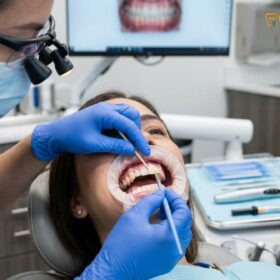
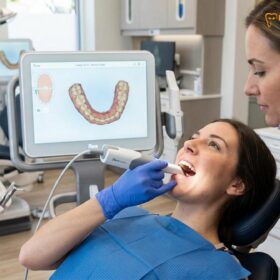
Patients searching for dental labs in ct often seek high-quality custom restorations like crowns, bridges, and dentures. Today, advanced digital intraoral scanning allows top-tier clinics globally to match or exceed these laboratory standards, offering precision prosthetics alongside comprehensive family dentistry and international direct billing options.
Clinical Summary:
The landscape of restorative dentistry has evolved significantly, transitioning from traditional analog impressions to sophisticated digital workflows. While local facilities in Connecticut provide essential fabrication support, international clinics equipped with cutting-edge CAD/CAM technology and intraoral scanners can deliver highly precise prosthetic outcomes. This digital revolution facilitates seamless communication between the clinical team and the milling center, aiming to ensure micrometric precision for crowns, veneers, and implants. Furthermore, the rise of dental tourism allows patients to access these premium dental laboratory services at a fraction of the cost, supported by comprehensive warranties, multilingual communication, and direct billing insurance networks tailored for the global expat community.
Key Takeaways:
- Digital intraoral scanning minimizes the need for messy traditional molds, helping to ensure highly accurate 3D diagnostics.
- Modern CAD/CAM technology allows for the rapid fabrication of biocompatible zirconia and E.max ceramic restorations.
- International dental tourism offers premium restorative treatments at significantly reduced costs compared to standard US pricing.
- Comprehensive clinics provide direct billing with major international insurers, simplifying care for expat families.
- Strict adherence to international sterilization guidelines is designed to promote patient safety and clinical excellence.
The Role of Advanced Dental Laboratory Services in Modern Restorations
Dental laboratories are essential for fabricating precise, biocompatible prosthetics, utilizing advanced CAD/CAM technology to help ensure optimal fit, structural integrity, and aesthetic integration for every patient.
The foundation of any successful restorative dental procedure lies in the seamless collaboration between the clinical dentist and the dental technician. Historically, this relationship relied heavily on physical impressions made from polyvinyl siloxane (PVS) or alginate, which were then shipped to off-site facilities. Today, the paradigm has shifted dramatically. High-end dental laboratory services now operate almost entirely within the digital realm, utilizing stereolithography (STL) and polygon file format (PLY) data to design and mill prosthetics with unprecedented accuracy[1]. This technological leap helps ensure that whether a patient requires a single unit restoration or a complex full-mouth rehabilitation, the resulting prosthetic closely mimics the natural biomechanics of human dentition.
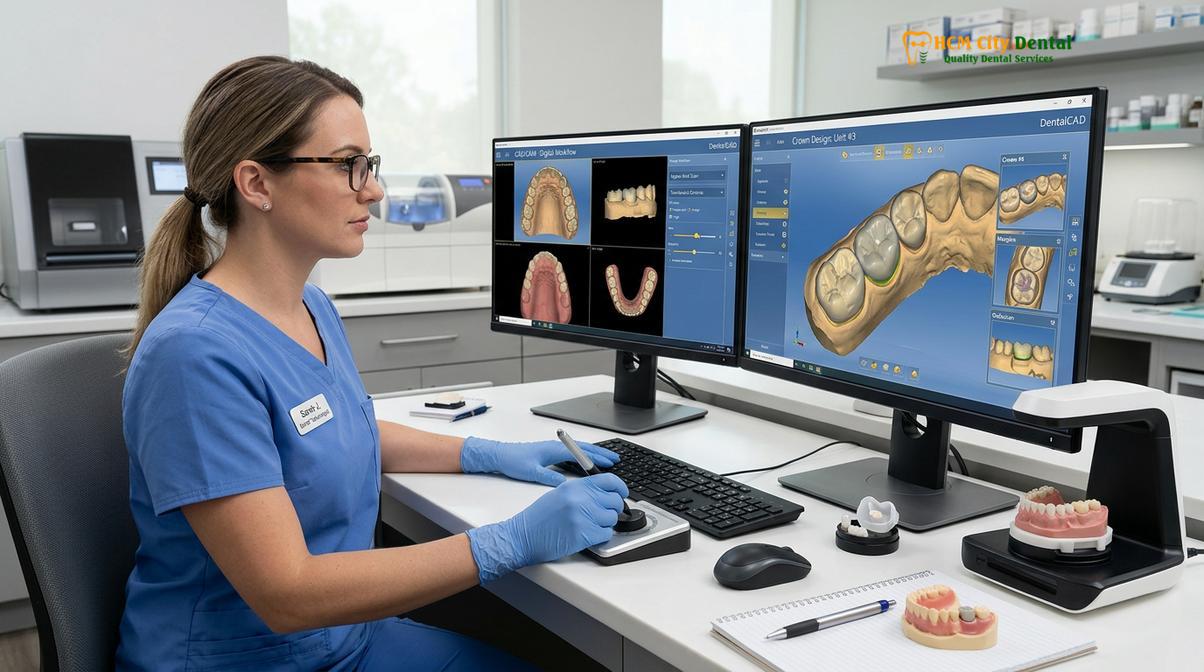
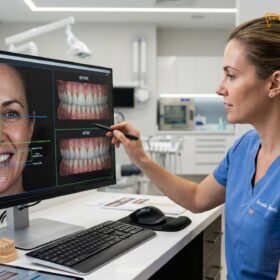
When evaluating the capabilities of modern fabrication centers, the integration of computer-aided design and computer-aided manufacturing (CAD/CAM) is paramount. Technicians utilize sophisticated software to map the occlusal contacts, analyze the patient’s bite alignment, and design restorations that distribute masticatory forces evenly. This is particularly crucial for materials like yttria-stabilized tetragonal zirconia polycrystal (Y-TZP) and lithium disilicate (E.max), which require exact milling parameters to achieve their maximum flexural strength. A true team solutions dental lab approach means that the clinician and the ceramist review the 3D digital wax-up together in real-time, making micro-adjustments before a single block of ceramic is ever milled[2].
“The transition from analog to digital workflows in prosthetic dentistry has not only reduced the margin of error but has fundamentally elevated the aesthetic and functional outcomes we can provide our patients. Precision is no longer an aspiration; it is a digital standard.”
Furthermore, the scope of these services extends far beyond simple crowns. Advanced laboratories are responsible for fabricating intricate implant surgical guides, clear orthodontic aligners, and custom nightguards for bruxism management. By maintaining strict quality control protocols and utilizing biocompatible materials, these facilities strive to ensure that every restoration promotes optimal gingival health and long-term clinical stability.
Comparing Local Dental Labs in CT to International Digital Workflows
While local facilities provide excellent localized support, international dental tourism leverages identical digital scanning technologies to deliver premium restorations at significantly reduced costs.
For patients and practitioners residing in New England, partnering with local fabrication centers offers the convenience of geographic proximity. However, the high overhead costs associated with operating in the United States often translate to elevated fees for the end consumer. This economic reality frequently drives patients to search for cheap dental crowns near me or alternative dental labs near me in an attempt to mitigate out-of-pocket expenses. Unfortunately, prioritizing cost over clinical quality in local markets can sometimes lead to the use of inferior alloys or rushed fabrication processes, potentially compromising the longevity of the restoration.
Conversely, the globalization of digital dentistry has leveled the playing field. Premium international facilities, such as the renowned HCMC Dental Clinic in Ho Chi Minh City, utilize the exact same state-of-the-art equipment found in top-tier US practices. With the advent of advanced intraoral scanners, the geographical distance between the patient and the milling center becomes less relevant. The digital impression is captured in seconds and transmitted instantly to the CAD/CAM software, allowing for immediate design and fabrication[3].
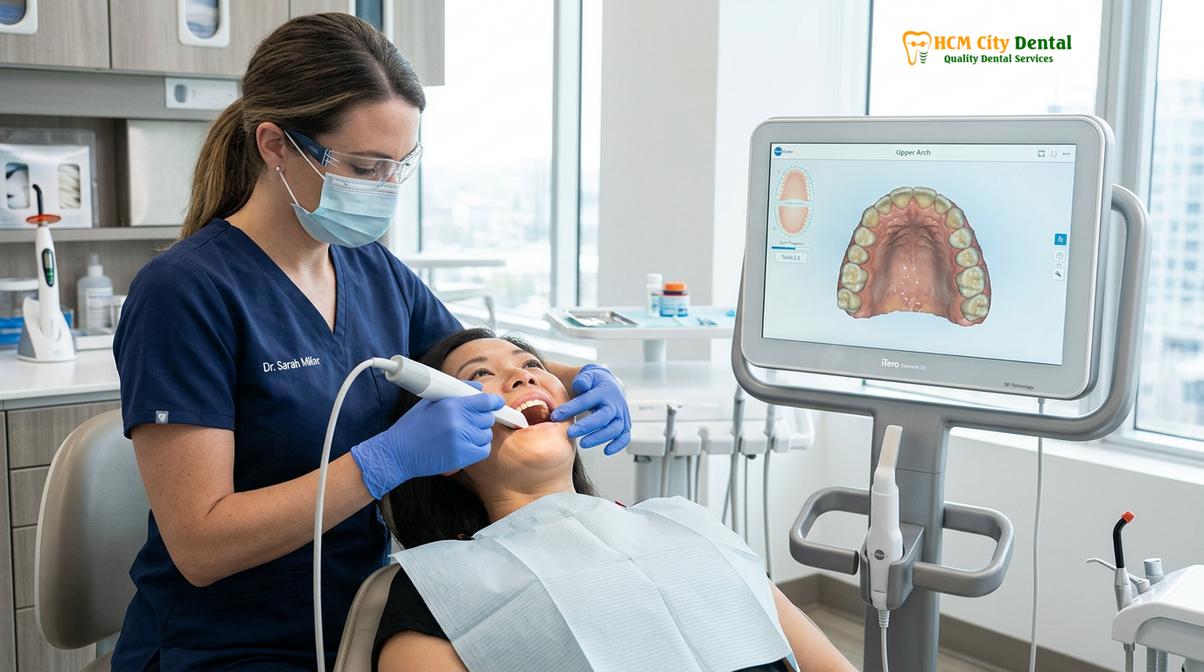
This digital parity is the driving force behind the surge in dental tourism. Patients traveling from the US or Europe can receive world-class aesthetic ceramic restorations that adhere to the highest international standards, but at a fraction of the domestic cost. The savings are not achieved by cutting corners on materials—reputable clinics utilize authentic E.max and premium zirconia—but rather through favorable local economic conditions and streamlined, in-house digital workflows.
| Parameter | Traditional Analog Workflow | Digital International Workflow |
|---|---|---|
| Impression Method | Physical PVS Molds (Prone to distortion) | Intraoral Scanning (High precision) |
| Turnaround Time | Multiple Weeks (Requires shipping) | Accelerated (In-house/Direct digital) |
| Material Quality | Variable (Depends on lab tier) | Premium (E.max, High-Translucency Zirconia) |
| Cost Efficiency | High Out-of-Pocket Expense | Highly Cost-Effective |
| Patient Experience | Multiple visits, temporary crowns required | Streamlined, minimal temporization needed |
Clinical Workflows for Dental Crowns and Implants
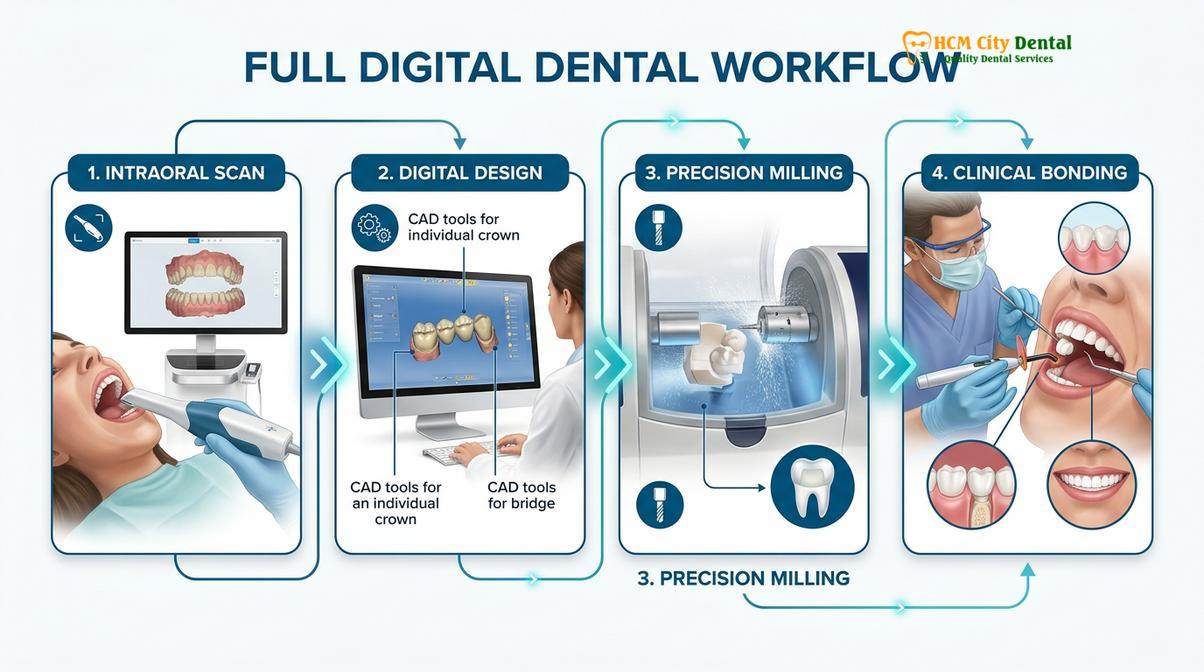
The restorative workflow begins with high-resolution 3D diagnostics, followed by digital design, precision milling, and meticulous clinical bonding to help ensure long-term structural integrity.
The clinical execution of prosthetic dentistry requires a meticulous, step-by-step approach to promote both biomechanical stability and aesthetic integration. Whether addressing a fractured prosthetic or placing a brand new implant-supported crown, the protocol begins with comprehensive diagnostics. High-resolution Cone Beam Computed Tomography (CBCT) provides a three-dimensional view of the underlying bone architecture, which is critical for implant planning. Simultaneously, intraoral scanners capture the exact topography of the soft tissues and adjacent dentition.
Once the tooth is conservatively prepared—removing only the damaged or decayed structure while preserving healthy enamel and dentin—the digital scan is acquired. This scan is highly advantageous, as it allows the clinician to magnify the preparation margins on a monitor, ensuring they are smooth, continuous, and clearly defined. The digital file is then imported into the CAD software. Here, the technician designs the restoration, carefully calculating the occlusal contacts to help prevent premature wear or trauma to the opposing teeth. For patients concerned about the aesthetics of older restorations, understanding the safety and clinical profile of various materials is an essential part of the consultation process.
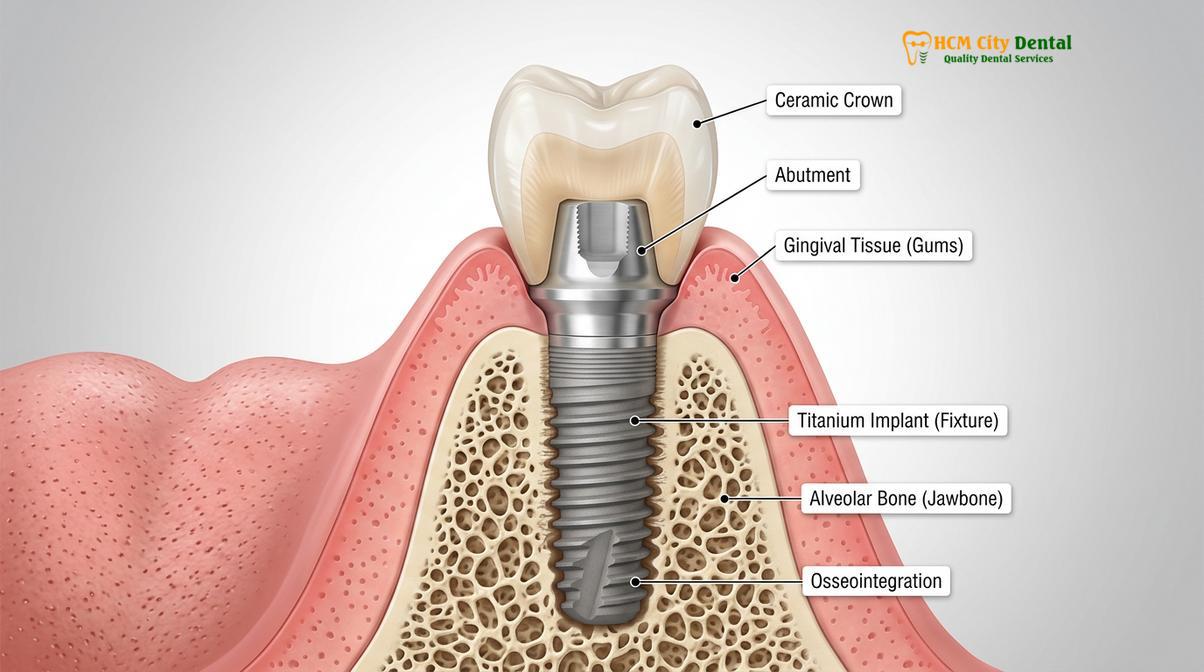
Clinical Case Study: Full-Arch Digital Restoration
Patient Profile: A 55-year-old expat executive presented to HCMC Dental Clinic in Ho Chi Minh City with severe occlusal wear, failing amalgam fillings, and generalized sensitivity.
Clinical Intervention: Utilizing an advanced intraoral scanner, the clinical team captured a full-arch digital impression. The treatment plan involved raising the vertical dimension of occlusion (VDO) using a combination of E.max ceramic crowns and precision-milled zirconia bridges.
Outcome: Because the clinic utilized a fully digital workflow, the restorative phase was completed efficiently. The patient reported relief from sensitivity, restored masticatory function, and a highly aesthetic, natural-looking smile, highlighting the efficiency of modern digital laboratory integration.
The final phase is the clinical delivery and bonding. The internal surface of the ceramic restoration is treated with specific chemical agents—such as hydrofluoric acid for glass ceramics or sandblasting for zirconia—to create micromechanical retention. A silane coupling agent or specialized advanced bonding protocols are then employed to chemically fuse the restoration to the tooth structure. This meticulous cementation process is designed to support the longevity of the prosthetic, helping to prevent microleakage and secondary caries.
Expat Dental Care: Insurance, Direct Billing, and Family Dentistry
Comprehensive clinics offer seamless administrative support, including direct billing with major international insurers, aiming to ensure stress-free pediatric and adult care for the expat community.
Relocating to a new country often brings challenges regarding healthcare navigation, particularly when seeking a reliable family dentist. For the vibrant expat community in Vietnam, accessing world-class dental care is streamlined through clinics that prioritize international standards and seamless administrative processes. A major advantage of choosing a premium dental clinic is the availability of direct billing insurance partners. Facilities that partner with global insurers allow patients to undergo routine checkups, teeth cleaning, and complex restorative work without the burden of upfront out-of-pocket payments[4].
Beyond financial convenience, the clinical environment must cater to patients of all ages. Expat pediatric dentistry requires a specialized approach focused on behavior management, preventive care, and creating a positive, anxiety-free experience. By maintaining a welcoming atmosphere and utilizing advanced, quiet digital tools instead of intimidating traditional instruments, children can develop a positive relationship with oral healthcare from an early age.
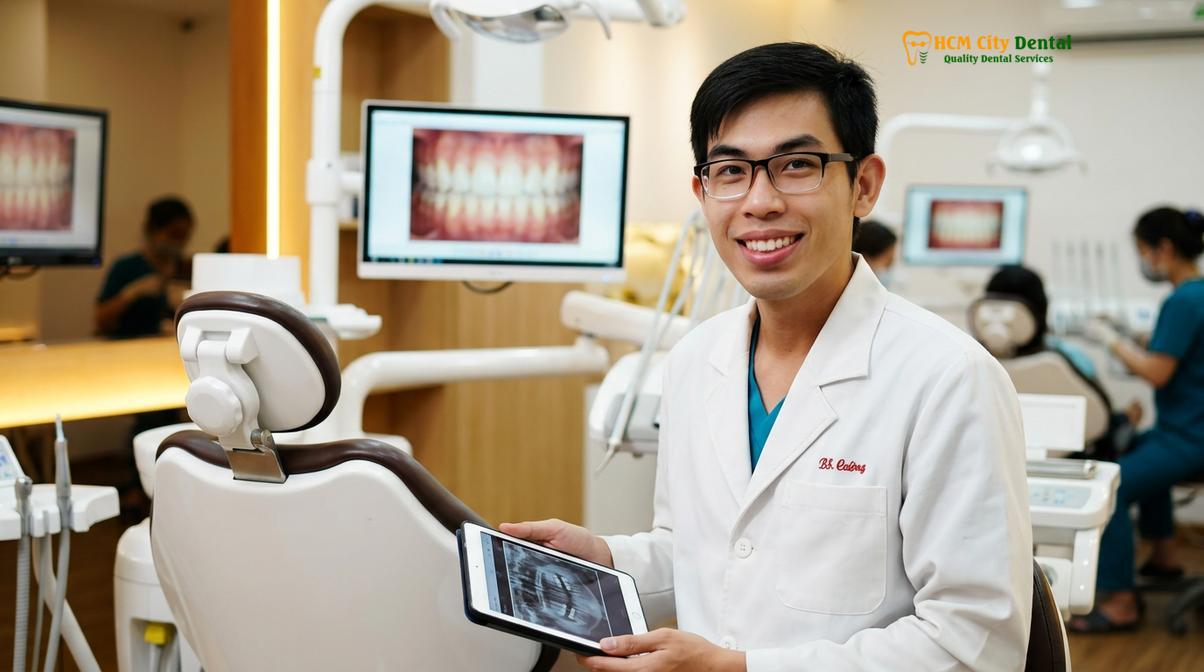
Dr. Nguyen Van Cuong, a leading specialist, emphasizes the importance of integrating advanced digital diagnostics with compassionate patient care. By overseeing complex restorative cases and utilizing state-of-the-art CAD/CAM technology, Dr. Cuong ensures that every prosthetic meets rigorous international standards. His commitment to continuous clinical education and precision dentistry provides patients with reliable, highly aesthetic outcomes. For more insights into comprehensive care and the clinical philosophies guiding these treatments, patients can explore Kiến thức nha khoa tại HCMC Dental Clinic.
For families without comprehensive international insurance, many modern practices offer structured dental membership programs. A well-designed dental membership plan provides a predictable, cost-effective alternative, typically covering bi-annual examinations, professional scaling and polishing, and diagnostic X-rays, while offering discounts on restorative treatments. Furthermore, clear and fluent multilingual communication is vital. Having an English-speaking clinical team ensures that complex diagnoses, treatment options, and post-operative care instructions are thoroughly understood.
When to Consult a Clinical Specialist and Important Considerations
Timely clinical evaluation and strict adherence to infection control protocols are essential for maintaining oral health and ensuring the long-term success of dental restorations.
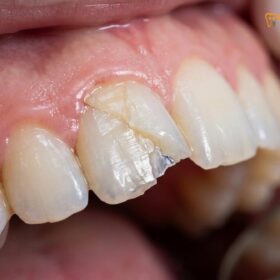
Knowing when to seek professional intervention is crucial for maintaining oral health and ensuring the longevity of dental restorations. Patients should consult a specialist if they experience localized pain, notice visible marginal degradation around an existing crown, or detect secondary decay. Ignoring these signs can lead to more severe structural damage to the underlying tooth, potentially requiring endodontic therapy or extraction. For those wondering about the lifespan of their prosthetics, reviewing a clinical guide on how long a tooth crown lasts can provide valuable insights into proper maintenance.
Furthermore, strict adherence to infection control is paramount in any clinical setting. Top-tier facilities strictly follow the Vietnam Ministry of Health (MOH) national guidelines on infection control and sterilization in dental facilities, ensuring a safe environment for all invasive and non-invasive procedures[5]. This commitment to hygiene protects both the patient and the clinical staff, minimizing the risk of cross-contamination.
“Early clinical intervention combined with stringent sterilization protocols forms the cornerstone of predictable, safe, and successful restorative dentistry. Patient safety must always precede aesthetic ambition.”
Pricing Structure and Warranty for High-End Restorations
Transparent pricing models and exclusive digital booking discounts make premium dental prosthetics highly accessible without compromising on clinical excellence or material quality.
One of the most compelling reasons international patients and expats choose advanced clinics in Southeast Asia is the exceptional value proposition. The cost of maintaining high-end digital infrastructure is offset by operational efficiencies, allowing clinics to offer premium services at highly competitive rates. For those traveling for dental tourism or local residents seeking top-tier care, transparent pricing is a hallmark of ethical clinical practice.
To facilitate access to these advanced treatments, specific promotional structures are often implemented for patients who coordinate their care digitally prior to arrival. According to standard clinic fee schedules, patients utilizing pre-arrival digital booking discounts can expect highly accessible rates for services ranging from deep teeth cleaning and pediatric exams to custom nightguards and E.max ceramic crowns.
Clinical Warning: Material Selection
While cost is an important factor, the selection of restorative materials (e.g., Zirconia vs. E.max) must always be dictated by clinical diagnostics, occlusal forces, and aesthetic requirements. Never compromise on material biocompatibility solely for a lower price point, as inferior materials can lead to premature failure, gingival irritation, and the need for costly retreatment.
Frequently Asked Questions
How do digital dental laboratory services improve restoration accuracy?
Digital dental laboratory services utilize intraoral scanners and CAD/CAM technology to minimize the distortion inherent in traditional impression materials. This digital workflow ensures that crowns, bridges, and implant prosthetics are milled with micrometric precision, which can result in superior marginal adaptation, reduced chairside adjustment time, and enhanced long-term clinical stability.
Can I use my international insurance for dental treatments abroad?
Yes, many premium international clinics offer direct billing insurance partners to facilitate cashless treatments. Expat patients carrying policies from major global providers can often have their routine exams, teeth cleaning, and pediatric dentistry services covered directly, helping to minimize out-of-pocket expenses.
What is the typical turnaround time for a custom dental crown?
With modern digital workflows, a custom dental crown can often be fabricated and placed within a few days. Clinics utilizing advanced intraoral scanning and in-house or closely partnered digital milling centers bypass the lengthy shipping times associated with traditional off-site laboratories, significantly accelerating the restorative process.
Are dental membership programs worth the investment for families?
Dental membership programs can be highly beneficial for families without comprehensive insurance, offering structured preventive care at a predictable cost. A well-designed dental membership plan typically covers bi-annual exams, scaling and polishing, and diagnostic X-rays, while providing discounts on restorative procedures like fillings and crowns.
How do I know if my current dental crown needs to be replaced?
A dental crown may require replacement if you experience localized pain, notice visible marginal degradation, or detect secondary decay beneath the restoration. Additionally, if the crown becomes loose, chips significantly, or causes chronic gingival inflammation, a clinical evaluation is necessary to help prevent further structural damage to the underlying tooth.
References
- Journal of Prosthetic Dentistry. Accuracy of digital intraoral scanning in restorative dentistry. (2021).
- International Journal of Computerized Dentistry. CAD/CAM integration in modern dental laboratory services. (2020).
- Clinical Oral Implants Research. Marginal adaptation of zirconia crowns fabricated via digital workflows. (2019).
- Journal of Clinical Pediatric Dentistry. Managing dental anxiety in expat pediatric dentistry. (2022).
- Vietnam Ministry of Health (MOH). National guidelines on infection control and sterilization in dental facilities. (2023).
If you are seeking advanced digital restorations or comprehensive family care, Kiến thức nha khoa tại HCMC Dental Clinic provides a wealth of information on modern clinical protocols. Contact HCMC Dental Clinic in Ho Chi Minh City today to schedule a consultation and experience the precision of global digital dentistry.