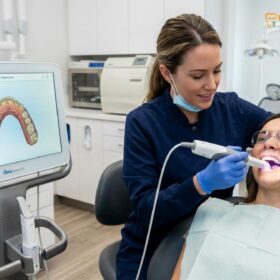
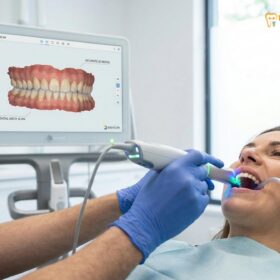
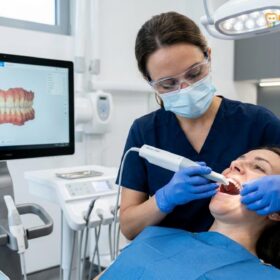
The dental bonding price typically ranges from $300 to $600 per tooth globally, though costs vary significantly based on clinical complexity, material quality, and geographic location. In specialized centers, patients often find highly competitive rates without compromising on advanced composite resin technology, meticulous clinical execution, or superior aesthetic outcomes.
Clinical Summary:
Dental bonding is a highly versatile, minimally invasive restorative procedure utilizing advanced composite resins to correct structural and aesthetic dental imperfections. The overall dental bonding price is influenced by the extent of the restoration, the specific composite material selected (such as micro-filled or nano-hybrid resins), and the clinician’s expertise in direct layering techniques. While it presents a more budget-friendly alternative to indirect restorations like porcelain veneers or crowns, its longevity depends heavily on precise clinical execution, moisture control during application, and diligent patient maintenance. Comprehensive diagnostic evaluation is essential to determine if bonding is the optimal long-term investment for a patient’s specific occlusal and aesthetic needs.
Key Takeaways:
- The dental bonding price is generally calculated per tooth and fluctuates based on the anatomical complexity of the required restoration.
- Advanced nano-hybrid composite resins offer superior aesthetics and durability, which may slightly increase the initial clinical investment.
- Bonding is typically a single-visit procedure, eliminating the need for temporary restorations, laboratory fees, or multiple clinical appointments.
- While highly cost-effective initially, composite bonding typically requires professional repolishing or replacement every five to ten years.
- Insurance may partially cover the cost if the bonding is deemed medically necessary for structural repair, rather than purely for cosmetic enhancement.
What Determines the Dental Bonding Price?
The cost of dental bonding fluctuates based on the specific composite resin used, the anatomical complexity of the tooth being restored, and the clinician’s aesthetic expertise. Geographic location and the need for supplementary treatments also play significant roles.
Understanding the variables that influence the dental bonding price requires a comprehensive look at both the materials utilized and the clinical expertise required. Unlike standardized products, dental restorations are highly customized medical procedures. The cost is a direct reflection of the time, technology, and skill invested in recreating the natural form and function of a human tooth.
One of the primary factors dictating the cost is the type of composite resin selected for the procedure. Modern cosmetic dentistry relies on a variety of resin formulations, each engineered for specific clinical scenarios. Macrofilled composites, which were common in the past, have largely been replaced by microfilled, hybrid, and nano-hybrid composites. Nano-hybrid composites, which contain microscopic filler particles, offer an exceptional balance of mechanical strength and superior polishability. Because these advanced materials mimic the light-reflecting properties of natural enamel more accurately, they command a higher price point than basic restorative materials [1].
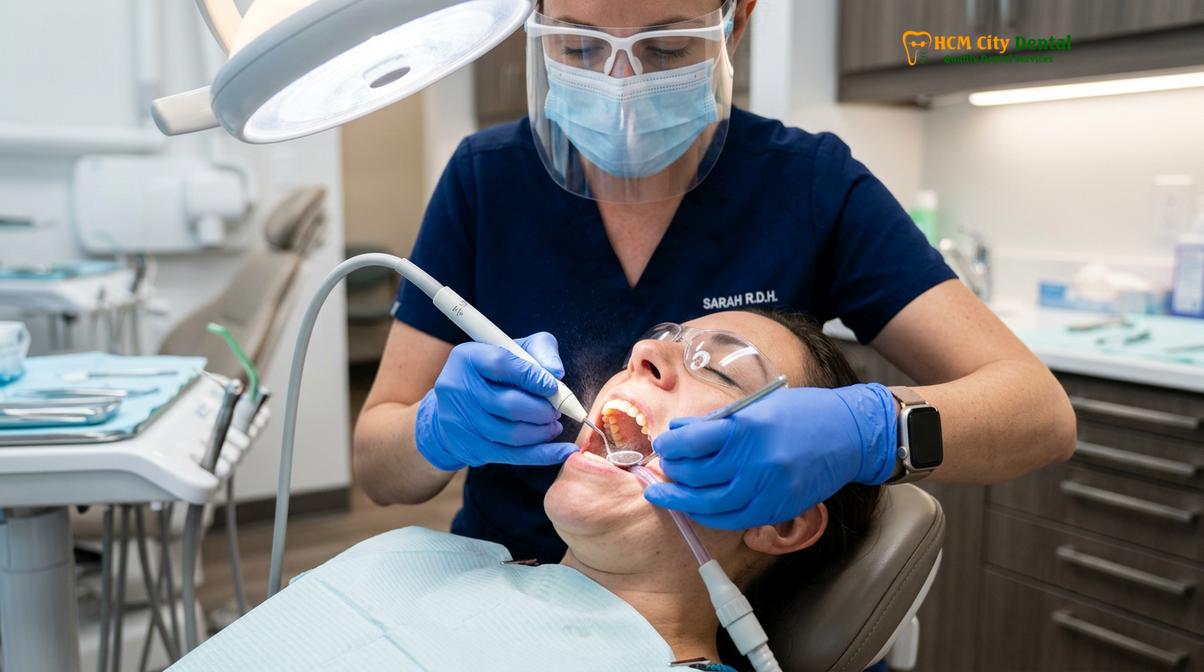
The anatomical complexity and the location of the tooth also significantly impact the overall fee. Restoring a posterior molar that requires high compressive strength to withstand heavy masticatory (chewing) forces involves different techniques than restoring an anterior (front) incisor. Anterior restorations demand a high level of aesthetic mastery. The clinician must utilize a polychromatic layering technique—applying different shades and opacities of dentin and enamel resins—to achieve a lifelike, translucent appearance. This meticulous, time-consuming process naturally increases the dental bonding price compared to a simple, single-shade filling on a back tooth.
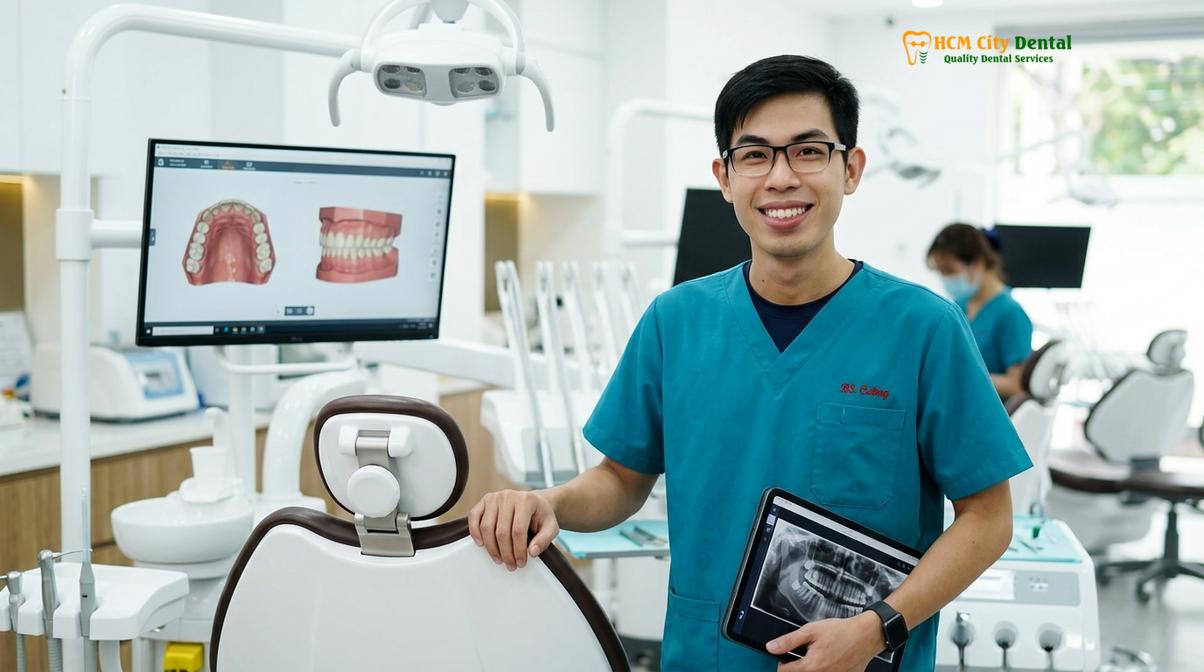
Furthermore, the expertise of the attending clinician is a crucial determinant of value. Dr. Nguyen Van Cuong emphasizes that the true value of bonding lies not just in the material itself, but in the meticulous layering technique required to seamlessly mimic natural enamel. A clinician with advanced training in biomimetic dentistry and aesthetic restorations will typically charge fees commensurate with their specialized skill set and high success rates. Patients seeking treatment at premier facilities, such as the HCMC Dental Clinic in Ho Chi Minh City, benefit from this high level of expertise, ensuring that the restoration is not only beautiful but also biomechanically sound.
Finally, geographic location and clinical overhead contribute to the pricing structure. Dental practices located in major metropolitan areas with higher operating costs generally reflect those expenses in their fee schedules. However, many patients find that traveling to specialized dental hubs can offer access to world-class treatments, such as composite veneers cost optimization, providing exceptional value without compromising clinical standards.
The Clinical Workflow: Understanding the Value Behind the Cost
The bonding procedure involves precise isolation, acid etching, adhesive application, and meticulous composite layering. This highly technique-sensitive workflow ensures optimal bond strength and natural aesthetic integration, directly reflecting the treatment’s value.
To fully appreciate the dental bonding price, patients must understand the intricate clinical workflow required to achieve a durable and aesthetically pleasing result. Dental bonding is an adhesive procedure, meaning its success relies entirely on the chemical and micromechanical bond between the tooth structure and the composite resin. This process is highly technique-sensitive and demands absolute precision at every step.
The procedure begins with comprehensive isolation. The oral cavity is a naturally humid environment, and any contamination from saliva, blood, or respiratory moisture can catastrophically compromise the adhesive bond. Clinicians often utilize a rubber dam or advanced isolation systems to keep the operative field impeccably dry. Once isolated, the tooth surface is prepared. In many cases, bonding requires minimal to no removal of healthy tooth structure, which is one of its greatest clinical advantages. However, the enamel surface must be thoroughly cleaned and slightly roughened, often using a micro-abrasion technique or a specialized bur, to increase the surface area for bonding.
Following preparation, the tooth undergoes an acid etching process. A phosphoric acid gel (typically 30% to 37% concentration) is applied to the enamel and dentin. This etchant dissolves microscopic minerals on the tooth surface, creating a porous, honeycomb-like structure. This step is critical, as it allows the subsequent adhesive resin to flow into these micropores, creating resin tags that lock the material mechanically to the tooth [2].
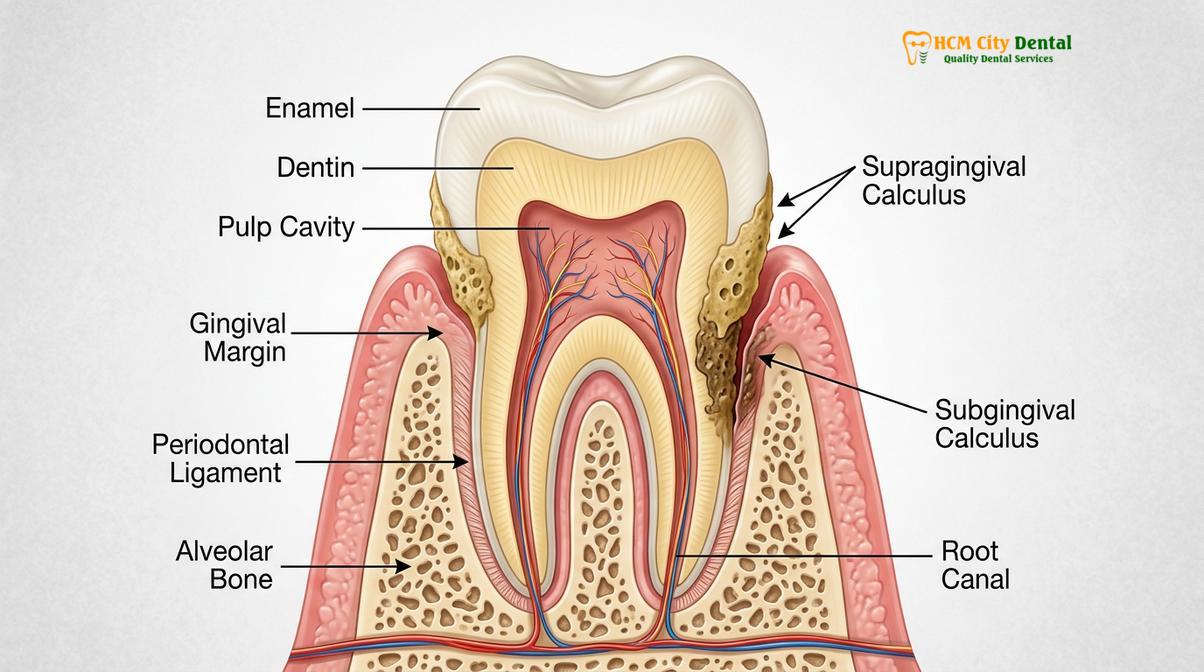
After the etchant is rinsed and the tooth is carefully dried—ensuring the dentin is not desiccated—a bonding agent (primer and adhesive) is applied. This liquid resin acts as the crucial intermediary layer, chemically linking the hydrophilic (water-loving) tooth structure to the hydrophobic (water-repelling) composite resin. The adhesive is then photopolymerized, or cured, using a high-intensity blue LED light, which initiates a chemical reaction that hardens the bonding layer.
The core of the procedure is the application of the composite resin. For aesthetic anterior restorations, the clinician acts as a sculptor. The resin is applied in small, incremental layers. Dentin shades, which are more opaque, are placed first to block out unwanted light transmission and provide the core color. Enamel shades, which are highly translucent, are then layered over the dentin to replicate the natural depth and opalescence of a real tooth. Each layer is individually light-cured to minimize polymerization shrinkage stress, which can lead to post-operative sensitivity or marginal leakage.
“The longevity and aesthetic success of a direct composite restoration are intrinsically linked to the clinician’s strict adherence to moisture control protocols and their mastery of incremental layering techniques. Shortcuts in the adhesive workflow inevitably lead to premature clinical failure.”
The final phase involves meticulous shaping, finishing, and polishing. The clinician uses a series of fine diamond burs, flexible discs, and polishing pastes to refine the anatomical contours, adjust the patient’s bite (occlusion), and impart a high-gloss finish. A well-polished composite not only looks indistinguishable from natural enamel but also resists plaque accumulation and extrinsic staining, thereby extending the lifespan of the restoration. This comprehensive, multi-step process underscores why the procedure is a valuable investment, often categorized alongside high-quality Dental Fillings in terms of clinical importance.
Cost Comparison: Bonding vs. Indirect Restorations
While the dental bonding price is significantly lower than that of indirect restorations, porcelain veneers and crowns offer superior longevity and stain resistance. The choice depends on the patient’s budget, occlusal forces, and aesthetic goals.
When evaluating the dental bonding price, it is essential to contextualize it against alternative restorative options, specifically indirect restorations like porcelain veneers and dental crowns. Indirect restorations are fabricated outside the mouth, typically in a dental laboratory, using highly durable ceramics or zirconia. This fundamental difference in fabrication and material science heavily influences both the initial cost and the long-term clinical outcomes.
Dental bonding is a direct procedure, completed chairside in a single visit. Because it eliminates the need for laboratory fees, temporary restorations, and a second insertion appointment, the initial financial outlay is considerably lower. This makes bonding an highly attractive option for patients seeking immediate aesthetic improvements or those addressing minor structural defects, such as small chips or localized discoloration.
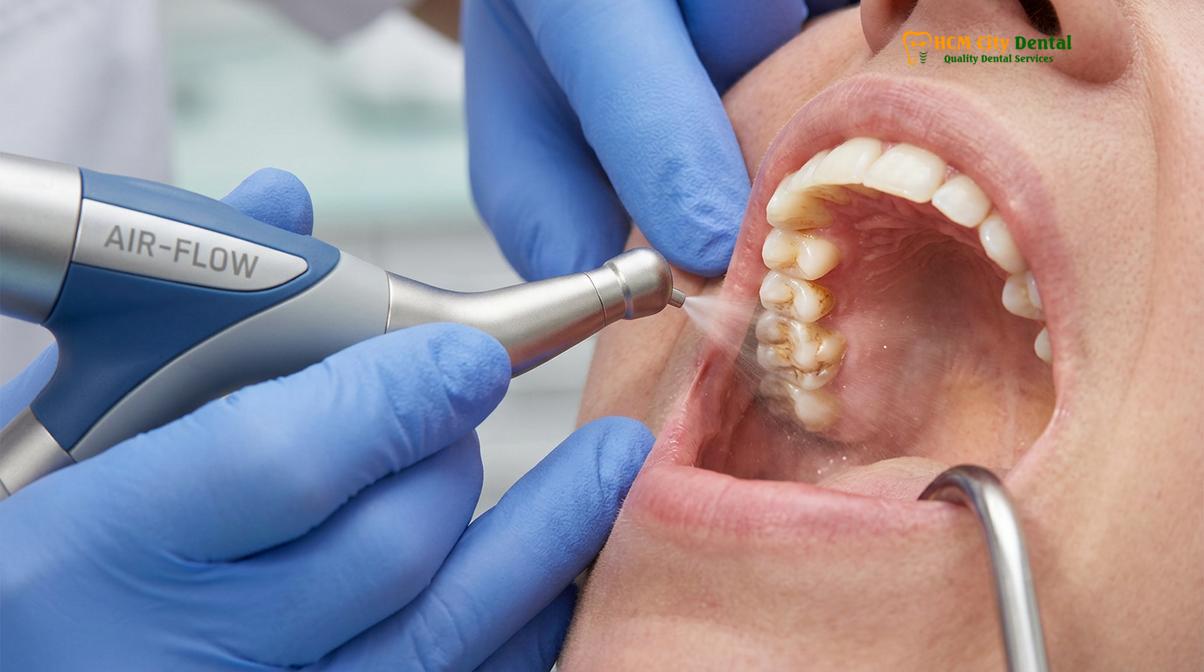
Conversely, porcelain veneers and dental crown restorations require a more extensive clinical workflow. The tooth must be prepared (reduced in size), impressions or digital scans are taken, and a temporary restoration is placed while the final ceramic piece is custom-milled or hand-layered by a ceramist. The use of premium ceramics, combined with the laboratory technician’s artistry and the multiple clinical visits required, results in a significantly higher initial cost.
To provide a clear clinical perspective, the following table outlines the general comparative factors between these restorative modalities:
| Restorative Modality | Relative Initial Cost | Average Clinical Longevity | Material Characteristics | Primary Clinical Indications |
|---|---|---|---|---|
| Direct Dental Bonding | Low to Moderate | 5 to 10 Years | Composite Resin; susceptible to gradual staining and wear. | Minor chips, small diastemas, localized discoloration, conservative repairs. |
| Porcelain Veneers | High | 10 to 15+ Years | Glass Ceramic; highly stain-resistant, exceptional optical properties. | Comprehensive smile makeovers, severe discoloration, moderate structural changes. |
| Dental Crowns | High | 15 to 20+ Years | Zirconia or E.max; maximum structural durability and full coverage. | Extensive decay, post-endodontic treatment, heavy occlusal load bearing. |
While bonding is more economical upfront, porcelain offers unparalleled resistance to extrinsic staining from coffee, tea, or tobacco. Furthermore, ceramics possess a higher compressive and tensile strength, making them more suitable for patients with heavy bite forces or those requiring extensive structural rehabilitation. For a deeper understanding of these differences, patients are encouraged to review comprehensive guides on comparing veneers, crowns, and bonding to make an informed, evidence-based decision.
Material Science: How Composite Resin Quality Affects Pricing
Modern dental bonding utilizes advanced nano-hybrid composites and sophisticated direct layering techniques to achieve lifelike translucency. These premium materials and specialized skills contribute to a slightly higher, yet highly justified, treatment cost.
The evolution of dental biomaterials has profoundly impacted both the clinical capabilities of direct restorations and the associated dental bonding price. Early generations of composite resins were primarily macrofilled, containing large filler particles that provided adequate strength but resulted in a rough surface texture that was difficult to polish and prone to rapid staining. Today, the landscape of cosmetic dentistry is dominated by sophisticated nano-technology.
Modern premium composites are typically nano-hybrid formulations. These materials consist of a resin matrix (often based on Bis-GMA or UDMA monomers) heavily loaded with microscopic glass, quartz, or ceramic filler particles measured in nanometers. This high filler content significantly enhances the material’s mechanical properties, increasing its fracture toughness and wear resistance to rival that of natural dentin and enamel [3].
More importantly for aesthetic dentistry, nano-hybrid composites offer exceptional optical properties. Natural teeth are not monochromatic; they exhibit complex light dynamics, including opalescence (the scattering of shorter wavelengths of light, giving a bluish tint to the incisal edges) and fluorescence (the emission of visible light when exposed to ultraviolet light, giving teeth their vital brightness). Premium composite systems are engineered with specific photoinitiators and optical modifiers to replicate these exact phenomena.
Clinical Case Review: Aesthetic Diastema Closure
A patient presented to HCMC Dental Clinic in Ho Chi Minh City with a prominent midline diastema (gap between the front teeth) and requested a minimally invasive solution. Dr. Nguyen Van Cuong performed a comprehensive occlusal analysis and opted for direct composite bonding. Utilizing a premium nano-hybrid resin system, the teeth were meticulously layered using a polychromatic technique to seamlessly blend the restoration with the adjacent natural enamel. The procedure was completed in a single visit without the need for local anesthesia. The patient achieved a highly aesthetic, natural-looking closure, demonstrating the profound impact of advanced material science combined with expert clinical execution.
The cost of these advanced nano-hybrid materials is inherently higher than basic restorative resins. Furthermore, utilizing these materials effectively requires the clinician to maintain a comprehensive inventory of various dentin, enamel, and translucent shades to match any patient’s unique tooth color. This investment in premium biomaterials and the specialized training required to manipulate them directly influences the overall cost of procedures such as same-day composite veneers and advanced direct bonding.
Longevity, Maintenance, and the True Cost of Ownership
Composite bonding typically lasts between five and ten years with proper oral hygiene and routine professional maintenance. Factoring in potential repairs and repolishing is essential when evaluating the long-term financial commitment.
When assessing the dental bonding price, patients must look beyond the initial procedural fee and consider the long-term cost of ownership. While composite resin is highly durable, it is not impervious to the harsh biomechanical and chemical environment of the oral cavity. Understanding the factors that influence the longevity of a bonded restoration is crucial for setting realistic clinical expectations.
The average lifespan of a direct composite restoration ranges from five to ten years. Over time, the material undergoes gradual degradation. Water sorption can lead to a slight breakdown of the resin matrix, while daily masticatory forces can cause microscopic wear on the surface. Additionally, unlike glazed porcelain, composite resin is susceptible to extrinsic staining. Frequent consumption of chromogenic foods and beverages—such as coffee, red wine, turmeric, and tobacco—can lead to discoloration of the restoration over time [4].
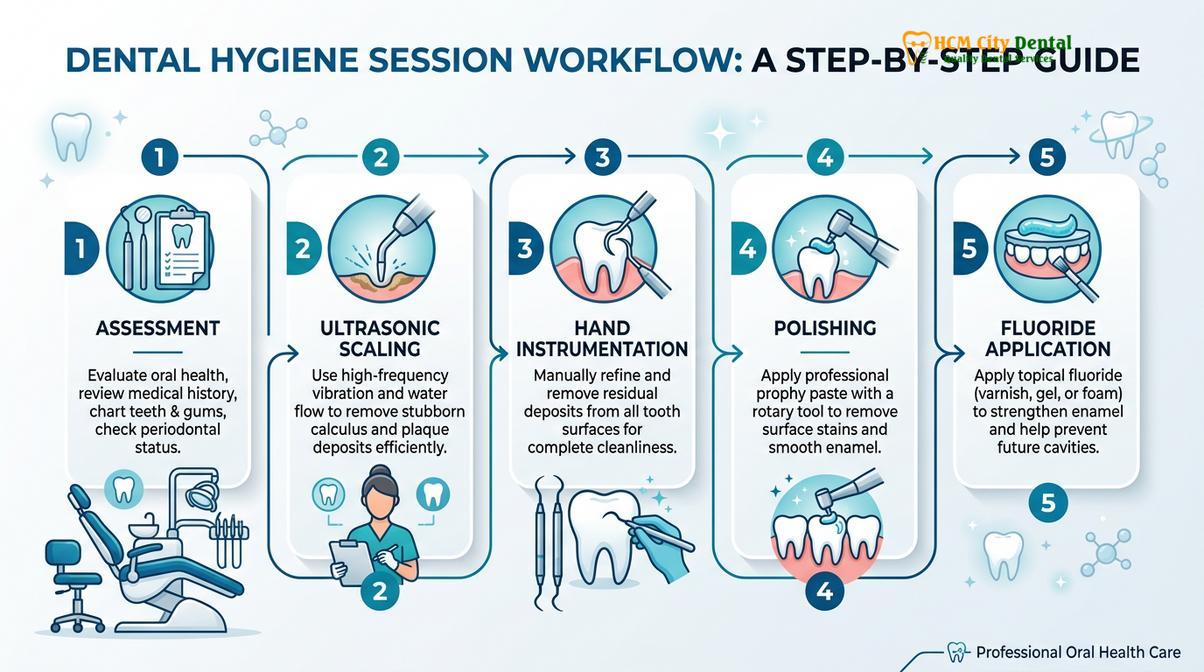
To maximize the lifespan of dental bonding and protect the initial financial investment, rigorous maintenance protocols are required. Excellent home care, including twice-daily brushing with a non-abrasive fluoride toothpaste and daily interdental cleaning, is non-negotiable. Abrasive whitening toothpastes should be strictly avoided, as they can scratch the highly polished surface of the composite, making it more susceptible to future staining and plaque accumulation.
Professional maintenance is equally critical. Patients should commit to regular biannual dental examinations and a professional dental hygiene session. During these visits, the clinician will carefully evaluate the margins of the bonded restorations for any signs of microleakage or structural compromise. Furthermore, the hygienist or dentist can perform a professional repolishing of the composite surface. This simple, cost-effective maintenance step removes superficial stains and restores the material’s original high-gloss luster, significantly extending its aesthetic viability.
Important Clinical Warning: Mechanical Stress
Composite resin, while strong, does not possess the same tensile strength as natural intact enamel or monolithic zirconia. Patients with bonded restorations must avoid using their teeth as tools (e.g., opening packaging, biting nails) and should refrain from biting directly into excessively hard foods like ice, hard candies, or unpitted stone fruits. Excessive localized stress can cause the composite material to chip or fracture, necessitating premature repair or replacement.
When to See a Doctor for Dental Bonding
A professional clinical evaluation is required to determine if dental bonding is the appropriate restorative modality. Patients with minor chips, gaps, or discoloration should seek consultation, while those with severe decay or bruxism may require alternative treatments.
Determining whether a patient is a suitable candidate for dental bonding requires a thorough diagnostic evaluation by a qualified dental professional. While bonding is highly versatile, it is not a universal panacea for all dental ailments. The clinical decision must be based on a careful assessment of the patient’s structural needs, occlusal dynamics, and aesthetic objectives.
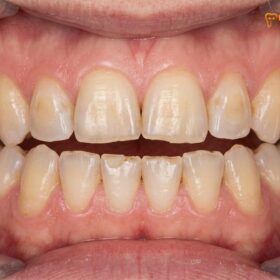
Patients should schedule a consultation if they present with minor structural defects, such as small chips or fractures on the incisal edges of anterior teeth. Bonding is also an excellent, conservative option for closing minor diastemas (gaps between teeth) or altering the shape of microdontia (abnormally small teeth, such as peg laterals). Furthermore, localized areas of enamel hypoplasia or intrinsic discoloration that do not respond to traditional chemical whitening can often be effectively masked with opaque composite resins [5].
“Patient selection is the cornerstone of restorative success. While composite bonding offers remarkable aesthetic potential, placing it in an environment of uncontrolled occlusal disease or severe parafunctional habits without proper management is a contraindication that will inevitably lead to restorative failure.”
However, there are distinct clinical contraindications where bonding may not be recommended. Patients with severe, untreated bruxism (chronic teeth grinding or clenching) exert immense occlusal forces that can rapidly fracture or wear down composite materials. In such cases, the underlying parafunctional habit must be addressed—often with an occlusal splint—and stronger indirect restorations like full-coverage crowns may be necessary. Additionally, teeth with massive structural loss due to extensive caries (decay) or trauma lack the necessary enamel surface area to support a durable adhesive bond, making them better candidates for indirect ceramic restorations.
Ultimately, the decision to proceed with treatment and the final determination of the dental bonding price must be established during a personalized clinical consultation. A comprehensive examination, often including radiographic imaging and occlusal analysis, ensures that the chosen restorative pathway provides the highest probability of long-term functional and aesthetic success.
Frequently Asked Questions
Is the dental bonding price covered by dental insurance?
Dental insurance often covers a portion of the dental bonding price if the procedure is deemed medically necessary to repair structural damage or decay. However, if the bonding is performed strictly for cosmetic enhancement, such as closing a diastema or altering tooth shape, it is typically an out-of-pocket expense. Patients should consult their insurance provider and clinical team for a detailed pre-treatment estimate to understand their specific coverage limitations and copayment responsibilities.
How long does dental bonding last before needing replacement?
Composite dental bonding typically lasts between five and ten years, depending on the patient’s oral hygiene, occlusal forces, and dietary habits. Over time, the composite resin may experience marginal degradation, surface wear, or discoloration, necessitating professional repolishing or complete replacement to maintain optimal aesthetic and functional integrity. Regular professional maintenance significantly extends the lifespan of the restoration.
Does the dental bonding price vary depending on the tooth being treated?
Yes, the dental bonding price can vary based on the anatomical location and the complexity of the specific tooth being restored. Anterior (front) teeth often require highly sophisticated, multi-layered aesthetic techniques to mimic natural translucency, which may increase the cost compared to simpler, single-shade restorations on posterior teeth. The time and specialized skill required directly influence the final fee.
Are there hidden costs associated with the dental bonding procedure?
There are generally no hidden costs, but the overall investment may include necessary preliminary treatments such as comprehensive clinical examinations, radiographic imaging, or professional prophylaxis. Ensuring the oral cavity is free of active periodontal disease and caries is a mandatory clinical prerequisite before any adhesive restorative work is performed. All potential costs should be transparently discussed during the initial consultation.
Can I whiten my teeth after getting dental bonding?
Composite resin materials do not respond to traditional peroxide-based teeth whitening agents. Therefore, clinicians strongly recommend completing any desired teeth whitening treatments prior to the bonding procedure, allowing the dentist to accurately color-match the new composite resin to your newly brightened natural enamel. Attempting to whiten teeth after bonding will result in a noticeable color mismatch between the natural tooth structure and the restorative material.
References
- Journal of Esthetic and Restorative Dentistry. Longevity and clinical performance of direct composite restorations. (2021).
- Dental Materials. Mechanical properties and wear resistance of nano-hybrid composite resins. (2020).
- Operative Dentistry. Adhesion strategies and marginal sealing in direct anterior restorations. (2019).
- Journal of the American Dental Association. Cost-effectiveness of minimally invasive cosmetic dentistry procedures. (2022).
- Clinical Oral Investigations. Patient satisfaction and aesthetic outcomes of direct composite veneering. (2018).