If you experience an emergency loose crown in Ho Chi Minh City, carefully remove the restoration to prevent swallowing, keep the area clean, and seek immediate professional dental care. Prompt clinical evaluation determines whether the crown can be safely recemented or if a replacement is necessary to protect your underlying tooth structure.
Clinical Summary:
A dislodged or loose dental crown requires prompt clinical attention to protect the underlying tooth structure from bacterial micro-leakage, dentin hypersensitivity, and potential pulpal infection. In Ho Chi Minh City, advanced prosthodontic workflows utilize digital intraoral scanning and CAD/CAM technology to rapidly assess and resolve these emergencies. Depending on the integrity of the existing restoration and the health of the abutment tooth, treatment may involve professional recementation or the fabrication of a new, high-strength restoration such as Zirconia HT or E.max. Avoiding DIY adhesives and seeking immediate professional care ensures the preservation of the biologic width and long-term occlusal stability.
Key Takeaways:
- Remove a loose crown immediately to eliminate the risk of accidental aspiration or swallowing.
- Never use household superglue; it causes irreversible pulpal necrosis and destroys the tooth preparation margin.
- Recurrent decay and cement degradation are the primary clinical reasons for crown dislodgement.
- Modern clinics offer express turnarounds for replacement crowns using digital CAD/CAM workflows.
- Premium materials like Zirconia HT and E.max provide superior marginal adaptation and lifelike aesthetics.
Why Dental Crowns Become Loose or Fall Off
Dental crowns typically dislodge due to underlying structural issues such as recurrent decay, degradation of the dental luting cement, or excessive occlusal forces compromising the restoration’s retention.
Understanding the biomechanical and chemical reasons behind a dislodged restoration is crucial for preventing future failures. A dental crown is designed to function as a long-term protective cap over a compromised tooth, but its longevity depends heavily on the integrity of the underlying tooth structure, the precision of the marginal fit, and the quality of the cementation protocol.
The primary culprit is often recurrent decay under the crown. The oral cavity is a harsh environment characterized by constant fluctuations in temperature, pH levels, and moisture. Over time, microscopic gaps can form at the junction where the crown meets the tooth. If oral hygiene is suboptimal, cariogenic bacteria infiltrate these micro-gaps, fermenting dietary sugars into lactic acid. This acid demineralizes the dentin beneath the crown, softening the tooth structure and destroying the foundation that holds the restoration in place[1]. Because the crown itself cannot decay, the cavity progresses silently underneath until the structural support is so compromised that the crown simply falls off.
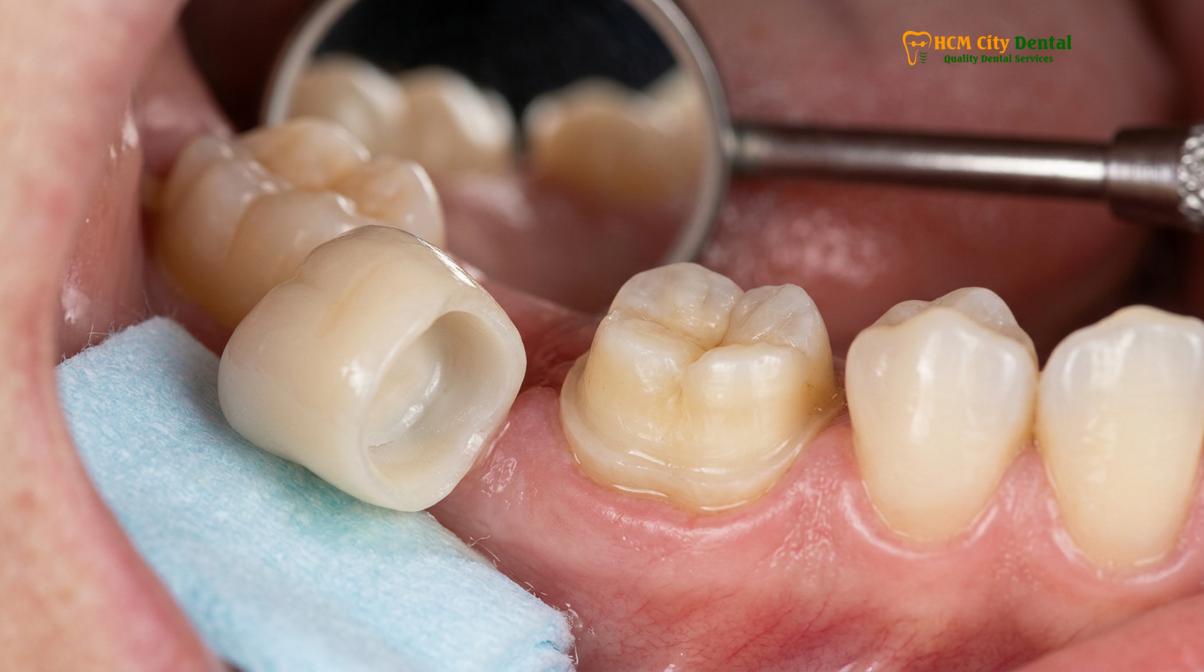
Another significant factor is the degradation of the dental cement. Traditional luting agents can experience “wash-out” over many years of exposure to saliva and acidic foods. As the cement dissolves, the mechanical retention is lost. Furthermore, excessive occlusal forces—often caused by bruxism (chronic teeth grinding) or clenching—place immense shear and tensile stress on the restoration. These forces can break the cement seal or even fracture the underlying root canal post and core buildup, leading to immediate dislodgement.
Immediate Self-Care Steps at Home
Safely retrieve the dislodged crown, gently rinse it with water, and store it in a secure container while avoiding chewing on the affected side until you see a dentist.
If your dental crown falls off while dining or brushing, your immediate response dictates the success of future restorative efforts. The first and most critical step is to locate and retrieve the crown. A loose restoration poses a severe choking hazard or risk of aspiration into the lungs, which is a life-threatening medical emergency. Once retrieved, handle the crown carefully.
Gently rinse the crown under lukewarm water to remove any food debris or loose fragments of old cement. Do not scrub the inside of the crown aggressively, and never use sharp instruments to scrape it, as this can damage the delicate internal surface and alter the fit. Place the clean crown in a small, secure container, such as a pill bottle or a zip-lock bag, and bring it with you to your dental appointment.
Next, attend to the exposed tooth. The underlying dentin is highly porous and contains thousands of microscopic tubules leading directly to the dental pulp. This makes the tooth extremely sensitive to temperature changes, sweet foods, and air pressure. Brush the area very gently with a soft-bristled toothbrush and use a fluoride toothpaste to help occlude the tubules and reduce sensitivity. Rinse your mouth with a mild, warm saltwater solution to keep the gingival tissues clean and reduce localized inflammation.
What NOT to Do (Temporary Glue Warning)
Applying household adhesives or improperly using over-the-counter dental cements can cause irreversible pulpal damage, alter your bite, and make professional recementation impossible.
In a moment of panic, patients often resort to DIY fixes that cause far more harm than the initial dislodgement. The most dangerous and unfortunately common mistake is the use of household adhesives, particularly cyanoacrylate (superglue), to reattach the crown.
Cyanoacrylate is highly toxic to biological tissues. When applied to the exposed dentin, the chemical penetrates the dentinal tubules and triggers a severe inflammatory response in the dental pulp. This chemical irritation frequently leads to irreversible pulpitis or pulpal necrosis, transforming a simple recementation into a complex root canal therapy or even necessitating tooth extraction[2]. Furthermore, superglue cures rapidly via an exothermic reaction, which can thermally shock the nerve.
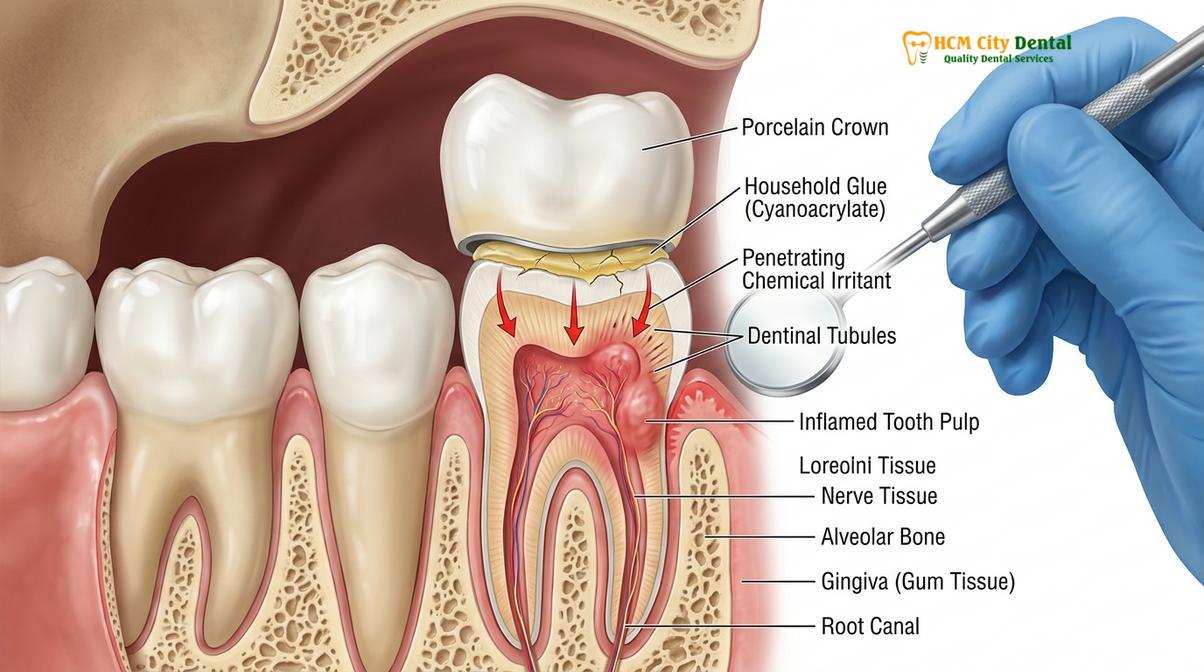
“The application of non-biocompatible adhesives to exposed dentin not only compromises the vitality of the dental pulp but also permanently alters the internal intaglio surface of the restoration, frequently rendering the existing crown unusable for professional recementation.”
Beyond the biological toxicity, household glues destroy the precision of the dental restoration. A dental crown is manufactured with microscopic tolerances to fit the exact chamfer or shoulder margin of the prepared tooth. Superglue creates a thick, uneven layer that prevents the crown from seating fully. This leaves an open margin at the gumline—a perfect trap for plaque and bacteria—and alters your occlusion. An altered bite places traumatic stress on the temporomandibular joint (TMJ) and the opposing teeth, leading to muscle spasms, joint pain, and potential fractures of the opposing dentition.
When to Seek Emergency Dental Care
Immediate intervention is required if you experience severe, throbbing pain, swelling, bleeding, or if the underlying tooth structure is fractured and exposing the dental pulp.
Differentiating between a non-urgent inconvenience and a true dental emergency is vital for your oral health. If a crown comes off and the underlying tooth is completely painless and intact, you should still schedule an appointment promptly to prevent the adjacent teeth from shifting and to protect the dentin. However, certain clinical signs elevate the situation to an immediate emergency.
If you experience severe, spontaneous, or throbbing pain that radiates to your jaw, ear, or head, this strongly indicates that the dental pulp is inflamed or infected. This often occurs when recurrent decay has reached the nerve chamber. Similarly, if you notice localized swelling of the gums, a pimple-like bump on the mucosa, or a foul taste and odor, these are classic signs of a periapical abscess. An abscess is a localized collection of pus caused by a bacterial infection, and it requires urgent drainage and antibiotic therapy to prevent the infection from spreading to systemic circulation[3].
Another critical emergency scenario involves trauma. If the crown was dislodged due to a blow to the face or biting down on a hard object, the underlying tooth root may be fractured. If you look in the mirror and see a jagged, bleeding piece of tooth structure, or if the root canal post is exposed and mobile, seeking an emergency dentist immediately is imperative. Delaying treatment in these cases drastically reduces the prognosis for saving the natural tooth.
Repair vs. Replacement Options in HCMC
Depending on the integrity of the dislodged crown and the underlying tooth, your prosthodontist will either perform a professional recementation or fabricate a new custom restoration.
When you present to a modern clinic with a dislodged restoration, the first clinical step is a comprehensive diagnostic evaluation. The dentist will take digital periapical X-rays to assess the root structure, the surrounding alveolar bone, and the presence of any periapical pathology. The dislodged crown will also be meticulously examined under magnification.
If the underlying tooth structure is sound, free of recurrent decay, and the crown itself is undamaged with intact margins, professional recementation is the preferred and most conservative route. The clinical workflow for recementation involves thoroughly cleaning the tooth with pumice, isolating the area, and sandblasting the internal surface of the crown with aluminum oxide particles to increase micromechanical retention. A high-strength dual-cure resin cement is then used to bond the restoration securely back into place.
However, if the tooth has suffered recurrent decay, or if the crown’s margins are compromised, a replacement is mandatory. Fitting an old crown onto a newly modified tooth preparation will result in open margins and inevitable failure. Fortunately, replacing dental crowns in Ho Chi Minh City is a highly streamlined process thanks to advanced digital dentistry.
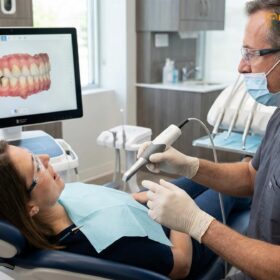
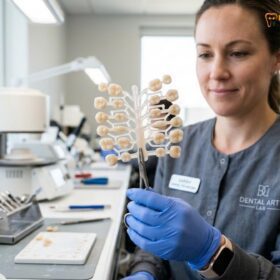
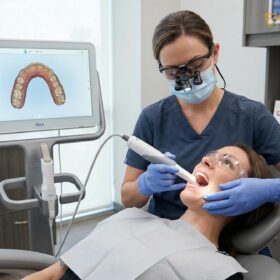
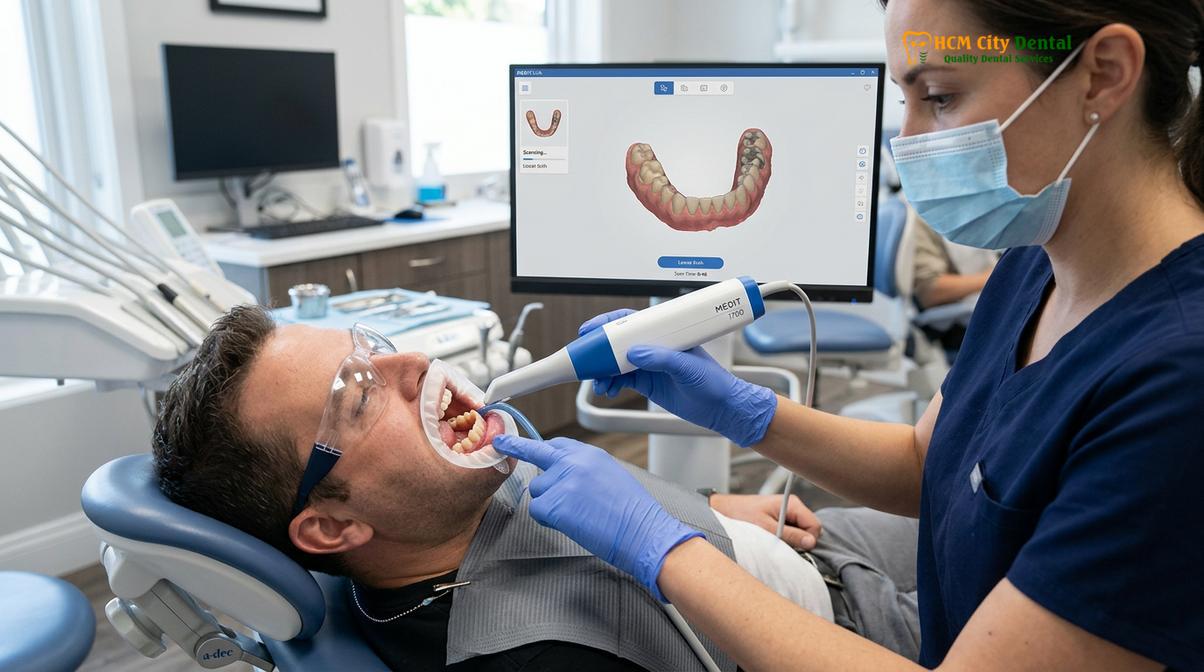
Leading facilities utilize state-of-the-art intraoral scanners. These devices capture highly accurate 3D digital impressions of your teeth, eliminating the need for messy, uncomfortable traditional silicone impression materials[4]. The digital data is instantly transmitted to a direct lab partnership located right in the city. This direct collaboration between the prosthodontist and the master ceramist ensures complete quality control and allows for an express turnaround—perfectly tailored for dental tourists and busy expatriates.
When selecting a replacement material, patients have access to world-class, certified ceramics:
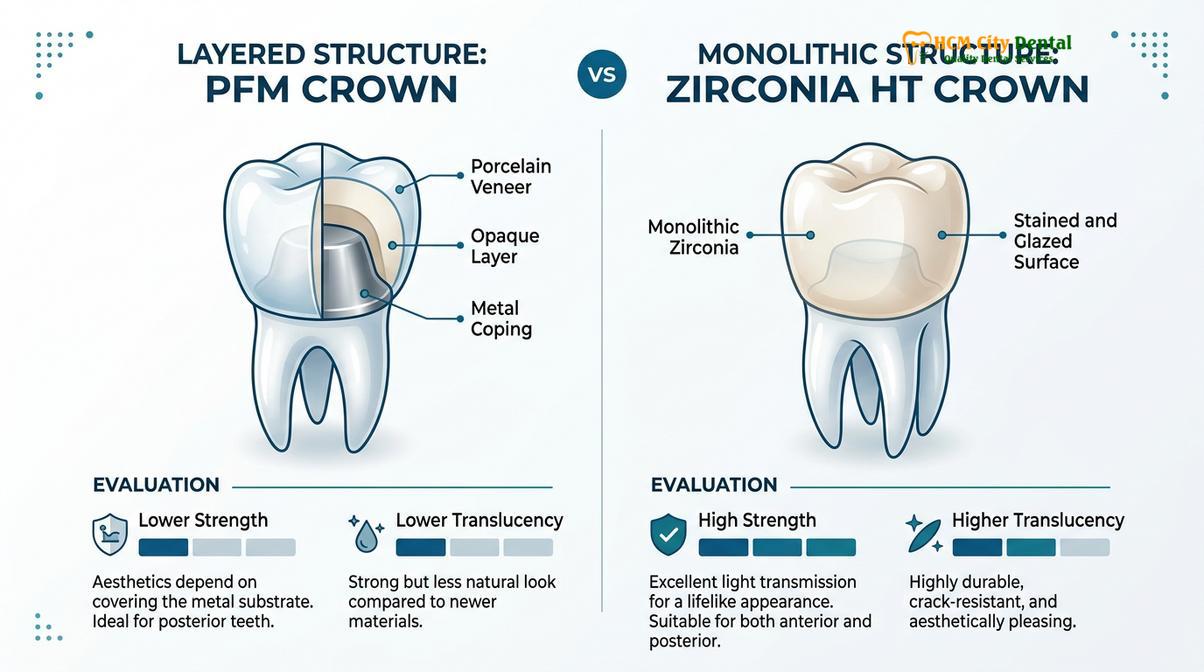
- Zirconia HT: Known for its ultimate flexural strength and high translucency, making it ideal for both posterior molars and anterior teeth.
- E.max: A lithium disilicate glass-ceramic renowned for its outstanding, lifelike aesthetics and light-optical properties, generally recommended for front teeth smile makeovers.
To provide transparency, here is a general pricing structure for premium restorations, highlighting the significant advantages of pre-arrival coordination:
| Restoration Type / Material | Standard Walk-in Fee | WhatsApp Pre-booking (-40%) |
|---|---|---|
| PFM Crown (Porcelain Fused to Metal) | ~$140 (3.5M VND) | From $84 (2.1M VND) |
| Zirconia Crown (Cercon) | ~$200 (5.0M VND) | From $120 (3.0M VND) |
| Zirconia HT Crown (Cercon HT) | ~$260 (6.5M VND) | From $156 (3.9M VND) |
| E.max Crown (Ivoclar) | ~$280 (7.0M VND) | From $168 (4.2M VND) |
The Clinical Workflow for Crown Recementation or Replacement
The restorative process involves comprehensive digital diagnostics, precise tooth preparation, and advanced CAD/CAM milling to ensure optimal marginal fit and long-term stability.
The success of any dental restoration relies heavily on the clinical expertise of the treating physician. Achieving a perfect marginal seal is the most critical factor in preventing recurrent decay and ensuring the longevity of the crown. When a replacement is necessary, the clinical workflow is executed with meticulous precision.
First, the affected tooth is profoundly anesthetized to ensure complete patient comfort. The dentist then carefully removes any recurrent decay and old cement. If the decay has compromised a significant portion of the tooth, a core buildup procedure is performed using a high-strength composite resin to restore the necessary geometric volume. In cases where the tooth has previously undergone root canal therapy, a fiber post may be cemented into the canal to provide additional structural anchorage for the core.
Next comes the tooth preparation. The dentist refines the margins, typically creating a smooth chamfer or a distinct shoulder preparation at the gingival level. This margin acts as the precise finishing line where the new crown will sit. Proper management of the gingival tissues is essential here; a retraction cord is often gently packed around the tooth to temporarily push the gums away, ensuring the intraoral scanner captures the exact margin details.
Case Study: Managing a Dislodged Crown in Ho Chi Minh City
A real-world clinical scenario demonstrates the efficiency and precision of modern emergency prosthodontic care.
A recent patient visiting HCMC Dental Clinic in Ho Chi Minh City presented with a dislodged molar crown that had fallen out during a meal. The patient wisely retained the crown and sought immediate care. Upon clinical and radiographic examination, it was determined that the underlying tooth structure was sound, but the old cement had completely degraded over time.
The clinical team followed strict protocols aligned with the Vietnam Odonto-Stomatology Association (VOSA) guidelines for emergency prosthodontics[5]. The tooth was meticulously cleaned, isolated, and prepared for recementation. The internal surface of the original crown was sandblasted to enhance micromechanical retention, and a premium dual-cure resin cement was utilized to secure the restoration.
“Prompt intervention and adherence to established clinical guidelines ensure that a dislodged restoration can often be salvaged, saving the patient both time and the expense of a full replacement while preserving the natural tooth structure.”
The patient was able to resume normal chewing function immediately after the procedure, highlighting the importance of seeking professional care rather than attempting at-home repairs.
Expert Prosthodontic Care
Trust your emergency dental needs to experienced professionals dedicated to preserving your oral health and restoring your smile.
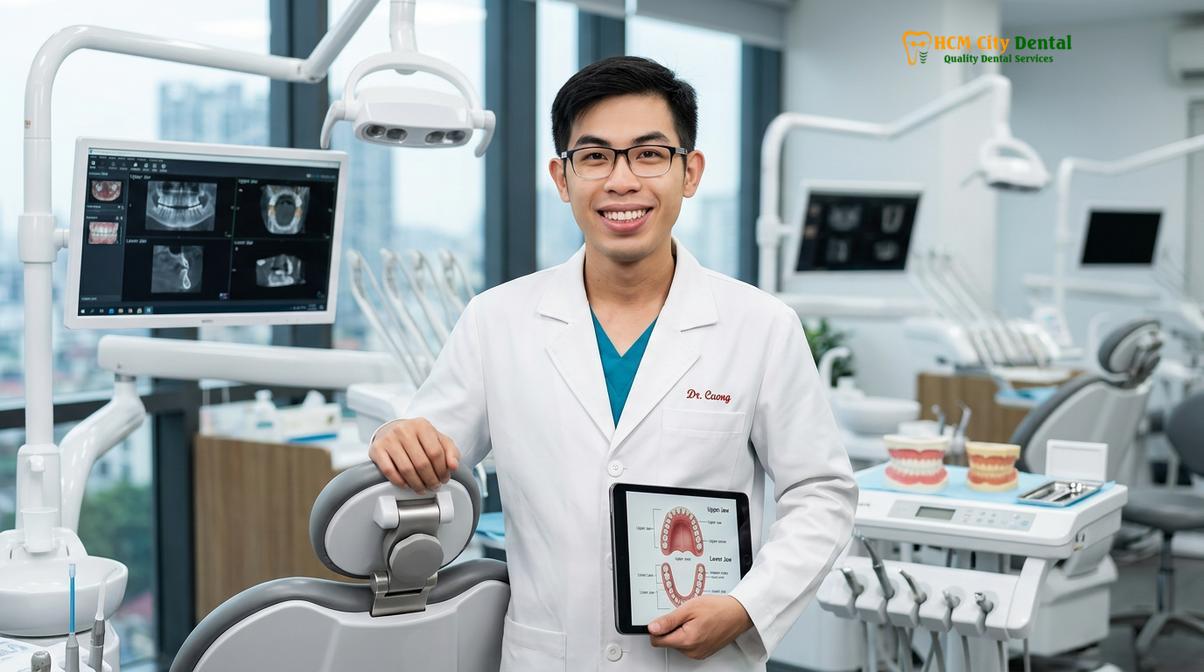
Dr. Nguyen Van Cuong is a highly respected prosthodontist known for his meticulous approach to restorative dentistry. With extensive clinical experience, Dr. Cuong specializes in complex full-mouth rehabilitations and emergency crown repairs. His commitment to utilizing advanced CAD/CAM technology ensures that every patient receives precise, long-lasting, and aesthetically pleasing results.
Frequently Asked Questions
What should I do if my dental crown comes loose?
Carefully remove the loose crown to prevent swallowing or inhaling it, rinse it gently, and store it in a safe container. Keep the exposed tooth clean by brushing gently and avoiding hard or sticky foods. Contact a dental professional immediately to schedule an evaluation for recementation or replacement.
Can I glue my crown back on myself?
No, you should never use household adhesives like superglue to reattach a dental crown. These chemicals are toxic, can cause irreversible nerve damage, and alter your bite. While temporary dental cement from a pharmacy can offer a brief stopgap, professional recementation is required to ensure a proper marginal seal.
Is a loose crown a dental emergency?
A loose crown is considered a dental emergency if it is accompanied by severe pain, swelling, bleeding, or if the underlying tooth structure is fractured. Even without pain, prompt treatment is necessary to protect the exposed dentin from bacterial contamination and to prevent the adjacent teeth from shifting.
How long does it take to get a replacement crown in Ho Chi Minh City?
With modern digital dentistry, a replacement crown can typically be fabricated and fitted within an express turnaround time. Clinics utilizing intraoral scanners and direct lab partnerships can expedite the CAD/CAM milling process, making it highly convenient for international travelers and busy expatriates.
What is the cost of replacing a dental crown?
The cost varies based on the material selected, ranging from standard PFM crowns to premium E.max lithium disilicate when utilizing pre-booking discounts. Your prosthodontist will provide a transparent estimate after assessing the tooth preparation and determining the most appropriate restorative material.
References
- Journal of Prosthetic Dentistry. Clinical evaluation of crown retention and cement failure. (2021).
- International Endodontic Journal. Pulpal response to cyanoacrylate adhesives in dental emergencies. (2020).
- Journal of Esthetic and Restorative Dentistry. Marginal adaptation and biologic width in fixed prosthodontics. (2019).
- Journal of Dentistry. Accuracy of intraoral scanners in CAD/CAM workflows. (2022).
- Vietnam Odonto-Stomatology Association (VOSA). Clinical guidelines for the management of dislodged dental restorations and emergency prosthodontics. (2023).
If you are dealing with a dental emergency or a dislodged restoration, do not delay treatment. Contact HCMC Dental Clinic in Ho Chi Minh City today for a comprehensive evaluation. Explore our Dental Crowns & Bridges services to discover how we can restore the function and beauty of your smile with precision and care.