Dental implants for seniors are a highly predictable and safe tooth replacement solution, regardless of advanced chronological age. Clinical success depends primarily on systemic health, bone density, and proper surgical protocols rather than the patient’s birth year, allowing older adults to fully restore masticatory function and aesthetics.
Clinical Summary:
Geriatric implantology focuses on restoring oral function for older adults using biocompatible titanium fixtures that integrate directly with the jawbone. Advanced age is not an absolute contraindication for implant surgery. Instead, clinicians evaluate systemic health markers, such as cardiovascular stability and glycemic control, alongside local bone volume. Modern protocols, including computer-guided surgery and advanced bone grafting techniques, have significantly minimized surgical trauma and accelerated healing. By addressing specific age-related challenges like reduced bone density and medication interactions, dental implants offer seniors a permanent, stable alternative to removable dentures, drastically improving nutritional intake, speech clarity, and overall quality of life.
Key Takeaways:
- Chronological age does not dictate implant success; systemic health and bone quality are the primary clinical determinants.
- Patients in their 80s or 90s can safely undergo implant surgery with proper medical clearance and tailored surgical protocols.
- Chronic conditions like diabetes and osteoporosis can be managed effectively to ensure safe and predictable osseointegration.
- Restoring a functional bite with implants significantly improves gastrointestinal health and nutritional absorption in the elderly.
- Modern minimally invasive techniques reduce postoperative discomfort and shorten the healing period for older patients.
Debunking the Age Myth in Modern Implantology
Advanced age is frequently misunderstood as a barrier to implant surgery, but clinical evidence proves that seniors achieve osseointegration success rates comparable to younger patients when proper protocols are followed.
For decades, a pervasive misconception has lingered within both the general public and certain medical circles: the belief that advanced age inherently disqualifies an individual from receiving dental implants. This myth stems from an outdated understanding of cellular biology and bone metabolism. In the early days of implantology, surgical techniques were highly invasive, and the criteria for patient selection were exceedingly rigid. However, the landscape of geriatric dentistry has undergone a profound transformation. Today, clinical data overwhelmingly demonstrates that the biological process of osseointegration—the direct structural and functional connection between living bone and the surface of a load-bearing artificial implant—occurs just as predictably in an 85-year-old as it does in a 35-year-old, provided the patient is systemically healthy[1].
The cellular mechanisms responsible for bone healing, specifically the activity of osteoblasts (bone-forming cells) and osteoclasts (bone-resorbing cells), remain fully functional throughout a person’s lifespan. While the absolute rate of cellular turnover may experience a slight deceleration with age, the ultimate capacity for the jawbone to fuse with a titanium fixture is not compromised by the mere passage of time. This physiological reality forms the cornerstone of modern implant safety older patients rely on when seeking permanent solutions for tooth loss.
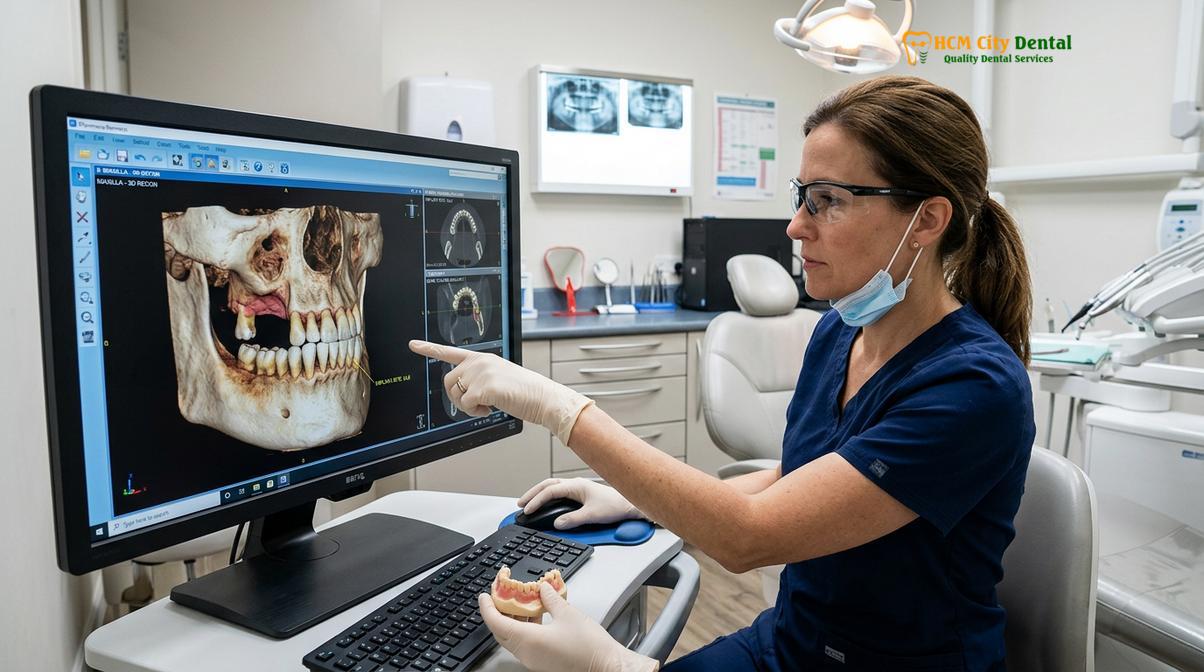
Dr. Nguyen Van Cuong, a leading specialist at HCMC Dental Clinic in Ho Chi Minh City, frequently encounters senior patients who have resigned themselves to the discomfort of traditional dentures due to age-related anxieties. He emphasizes that the chronological number on a patient’s birth certificate is merely a demographic data point, not a clinical diagnosis. The true focus must always be on the biological age of the tissues and the overall physiological resilience of the individual.
“The paradigm has shifted from asking ‘Is this patient too old for implants?’ to asking ‘Is this patient healthy enough for a minor surgical procedure?’ In the vast majority of cases, with appropriate medical optimization, the answer is a resounding yes. Age alone is never a reason to deny a patient the dignity of a fixed, functional smile.”
The psychological and functional benefits of transitioning from removable prosthetics to fixed implants cannot be overstated. Traditional dentures, particularly lower dentures, are notorious for instability, causing friction, mucosal ulcerations, and a significant reduction in bite force. This instability often leads to social embarrassment, dietary restrictions, and a diminished quality of life. By anchoring the prosthetic teeth directly into the jawbone, implants restore near-natural masticatory function. When evaluating Dental Implants vs Dentures: Which Is the Better Investment?, the long-term preservation of jawbone architecture and the profound improvement in daily living make implants the superior clinical choice for the elderly.
Furthermore, the advent of micro-roughened implant surfaces and hydrophilic titanium coatings has revolutionized the speed and quality of bone-to-implant contact. These advanced topographies actively stimulate blood clot stabilization and protein adsorption immediately upon placement, accelerating the healing cascade even in older bone. Consequently, the historical concerns regarding prolonged healing times for seniors have been largely mitigated by modern biomaterials.
Systemic Health vs. Chronological Age: The True Clinical Criteria
A patient’s biological health profile and ability to heal dictate implant candidacy far more than their chronological age, requiring a comprehensive medical evaluation prior to surgery.
In clinical practice, the decision to proceed with implant surgery is governed by a rigorous assessment of the patient’s systemic health, utilizing frameworks such as the American Society of Anesthesiologists (ASA) Physical Status Classification System. This system categorizes patients based on the severity of their systemic diseases, providing a standardized method to evaluate surgical risk. A healthy 80-year-old (ASA I or II) is a far better candidate for implant surgery than a poorly controlled 50-year-old diabetic with severe cardiovascular disease (ASA III or IV)[2].
Cardiovascular health is a primary consideration during the preoperative evaluation. Hypertension, ischemic heart disease, and a history of myocardial infarction are common among the elderly. However, these conditions do not automatically preclude implant placement. The clinical objective is to ensure that the cardiovascular system is stable and capable of handling the mild physiological stress associated with a localized surgical procedure. This often involves close collaboration with the patient’s cardiologist to optimize medications and establish safe parameters for treatment.
During surgery, the management of local anesthesia is critical for cardiovascular patients. Local anesthetics containing epinephrine are routinely used to provide profound pain control and localized hemostasis. While epinephrine can cause transient elevations in heart rate and blood pressure, the judicious use of limited doses, combined with meticulous aspiration techniques to avoid intravascular injection, ensures patient safety. In fact, achieving profound anesthesia is essential, as inadequate pain control can trigger an endogenous release of catecholamines (adrenaline) from the patient’s own adrenal glands, which poses a far greater cardiovascular risk than the controlled administration of dental anesthetics.
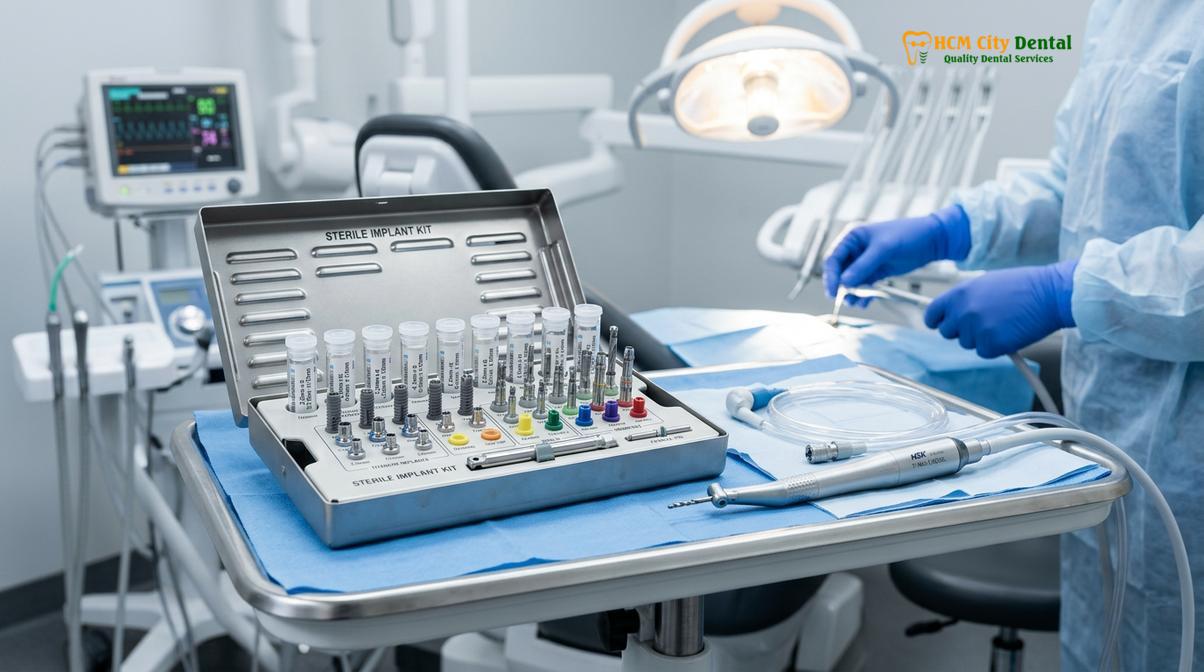
Respiratory conditions, such as Chronic Obstructive Pulmonary Disease (COPD) or asthma, also require careful management. Patients with compromised respiratory function may have difficulty tolerating the supine position for extended periods. In such cases, the surgical chair is adjusted to a semi-upright position, and appointments are kept as concise as possible. The use of conscious sedation, while highly beneficial for anxiety management, must be carefully titrated in patients with respiratory depression.
At HCMC Dental Clinic, the preoperative workflow for senior patients involves an exhaustive medical history review, including a detailed analysis of all prescription medications, over-the-counter supplements, and previous surgical experiences. This comprehensive approach ensures that every potential risk factor is identified and mitigated before the patient ever sits in the surgical chair. For a detailed breakdown of candidacy requirements, patients are encouraged to review Are Dental Implants Right For You? Pros & Cons Guide | Dr. Cuong, which outlines the specific physiological parameters necessary for successful treatment.
Immunological senescence—the gradual deterioration of the immune system brought on by natural age advancement—is another factor that clinicians must account for. While older adults may have a slightly reduced capacity to fight off opportunistic infections, the implementation of strict aseptic surgical protocols, prophylactic antibiotic regimens when indicated, and meticulous postoperative hygiene instructions effectively neutralize this risk. The incidence of postoperative infection in geriatric implantology remains exceptionally low when evidence-based clinical guidelines are strictly adhered to.
Bone Quality and Regeneration in Older Patients
While age-related bone resorption is common, advanced bone grafting and tissue regeneration techniques allow clinicians to successfully rebuild the necessary foundation for stable implant placement in older adults.
The foundation of any successful dental implant is the quantity and quality of the host bone. Following tooth extraction, the alveolar ridge undergoes a natural, progressive process of atrophy. Without the mechanical stimulation previously provided by the tooth roots, the bone resorbs, losing both height and width. In older adults, this localized atrophy is often compounded by systemic changes in bone density elderly patients frequently experience, leading to a highly compromised surgical site.
Bone quality is clinically categorized into four types (Type I to Type IV), ranging from dense, homogeneous cortical bone to soft, porous trabecular bone. The maxilla (upper jaw) generally consists of softer Type III or IV bone, while the mandible (lower jaw) is typically composed of denser Type I or II bone. In senior patients, the trabecular spaces often enlarge, and the cortical plates thin, presenting a biomechanical challenge for achieving primary stability—the initial mechanical friction required to hold the implant motionless immediately after placement[3].
To overcome these anatomical deficiencies, modern implantology relies heavily on advanced bone grafting (augmentation) procedures. These techniques allow clinicians to regenerate lost bone volume, creating a robust housing for the titanium fixture. The choice of grafting material and surgical technique is tailored to the specific anatomical defect.
| Graft Type | Source Material | Clinical Application & Characteristics |
|---|---|---|
| Autograft | Patient’s own bone (e.g., from the ramus or chin) | The “gold standard.” Highly osteogenic (contains living bone cells). Requires a secondary surgical site, which may increase morbidity in older patients. |
| Allograft | Human donor bone (tissue bank) | Osteoinductive and osteoconductive. Eliminates the need for a second surgical site. Excellent for socket preservation and ridge augmentation. |
| Xenograft | Animal source (typically bovine or porcine) | Highly osteoconductive. Acts as a long-lasting biological scaffold that maintains space while the patient’s own bone slowly replaces it. Ideal for sinus lifts. |
| Alloplast | Synthetic materials (e.g., calcium phosphate, hydroxyapatite) | Completely synthetic, eliminating any risk of disease transmission. Used primarily as an osteoconductive scaffold in minor defects. |
One of the most common regenerative procedures performed in older adults is the maxillary sinus elevation, or sinus lift. As the upper posterior teeth are lost, the pneumatized sinus cavity often expands downward, leaving insufficient vertical bone height for implant placement. A sinus lift involves gently elevating the delicate Schneiderian membrane that lines the sinus and packing a bone graft material (often a xenograft) into the newly created space. Over a period of six to nine months, this graft consolidates into dense, vital bone capable of supporting implants.
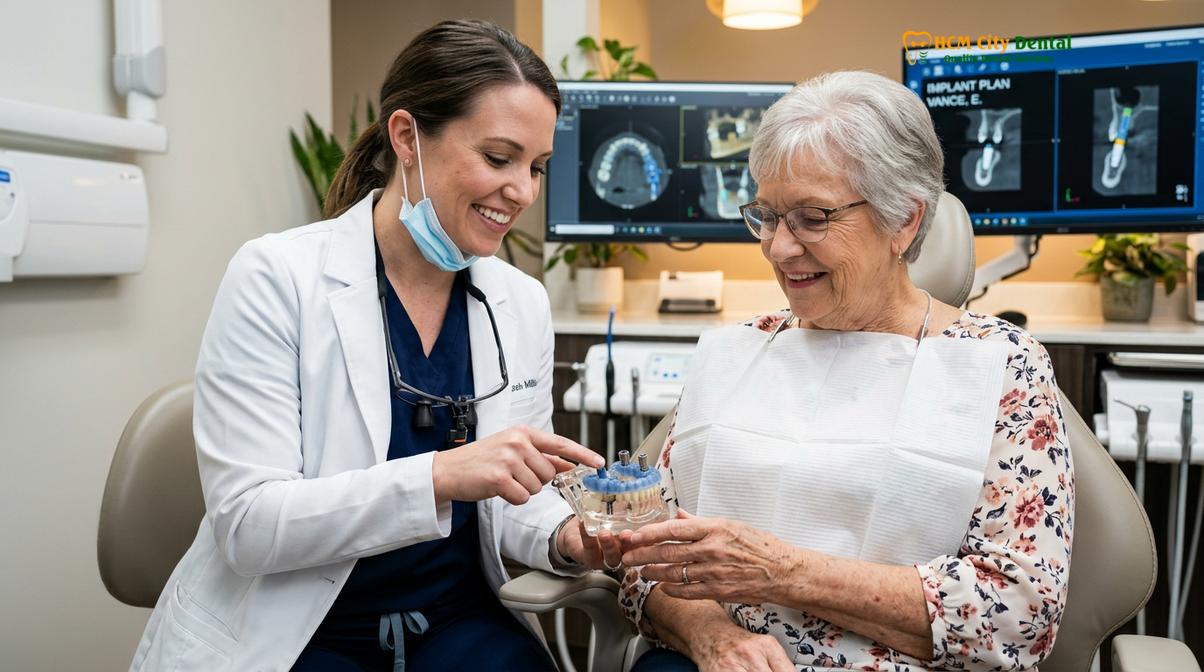
For horizontal ridge deficiencies, Guided Bone Regeneration (GBR) is the standard of care. This technique involves placing particulate bone graft against the deficient ridge and covering it with a barrier membrane. The membrane prevents rapidly growing soft tissue cells (fibroblasts) from invading the graft site, allowing the slower-growing bone cells (osteoblasts) the exclusive opportunity to populate and mineralize the area. When comparing different implant systems for these complex cases, understanding the nuances of Straumann vs Nobel Biocare Implants: What Is the Difference? can be beneficial, as certain macro-designs and surface treatments are specifically engineered to maximize stability in grafted or compromised bone.
Furthermore, the integration of biologic modifiers, such as Platelet-Rich Fibrin (PRF) or Concentrated Growth Factors (CGF), has revolutionized wound healing in geriatric patients. By drawing a small amount of the patient’s own blood and centrifuging it, clinicians can isolate a concentrated matrix of platelets, leukocytes, and growth factors. When applied to the surgical site, PRF accelerates angiogenesis (the formation of new blood vessels), reduces postoperative inflammation, and significantly enhances the maturation of bone grafts, providing a critical biological advantage for older adults.
Managing Chronic Conditions: Diabetes, Osteoporosis, and Blood Thinners
Seniors often present with multiple comorbidities, but with strict medical management, modified surgical techniques, and interdisciplinary care, these conditions rarely preclude successful implant therapy.
The intersection of geriatric medicine and implant dentistry requires a profound understanding of how chronic systemic conditions influence oral wound healing. It is highly common for senior patients to present with a polypharmacy profile, managing conditions such as diabetes mellitus, osteoporosis, and cardiovascular disease. The clinical objective is not to demand perfect health, but rather to ensure that these conditions are medically optimized and stable prior to surgical intervention.
Diabetes Mellitus is perhaps the most heavily scrutinized systemic condition in implantology. Chronic hyperglycemia impairs the function of neutrophils (white blood cells critical for fighting infection) and disrupts collagen synthesis, which is essential for soft tissue healing and bone matrix formation. Furthermore, elevated blood sugar leads to the accumulation of Advanced Glycation End-products (AGEs), which negatively alter bone metabolism and increase the risk of peri-implantitis. However, controlled diabetes implant surgery is highly successful. The critical metric is the HbA1c level, which reflects the patient’s average blood glucose over the past three months. An HbA1c level below 7.0% is generally considered ideal for elective implant surgery, while levels between 7.0% and 8.0% require careful clinical judgment and potentially prophylactic antibiotics. Patients with poorly controlled diabetes (HbA1c > 8.5%) face a significantly higher risk of implant failure and delayed healing, necessitating medical intervention to lower their glycemic index before proceeding[4].
Clinical Warning: Medication-Related Osteonecrosis of the Jaw (MRONJ)
Patients receiving intravenous bisphosphonates or high-dose antiresorptive therapies for cancer treatment are generally contraindicated for elective dental implant surgery due to a severe risk of MRONJ—a condition where the jawbone fails to heal and becomes necrotic. Patients taking oral bisphosphonates for routine osteoporosis must inform their dentist immediately, as a specialized clinical assessment and potential “drug holiday” (coordinated with their physician) may be required prior to any surgical intervention.
Osteoporosis, characterized by a systemic decrease in bone mass and deterioration of bone microarchitecture, is highly prevalent among postmenopausal women and older men. While osteoporosis reduces the overall density of the skeleton, it does not inherently prevent osseointegration. The primary concern lies not with the disease itself, but with the medications used to treat it. Bisphosphonates (e.g., Alendronate, Risedronate) and RANKL inhibitors (e.g., Denosumab) work by suppressing osteoclast activity, thereby preventing bone breakdown. However, because bone healing requires a delicate balance of both resorption and formation, suppressing osteoclasts can impair the jawbone’s ability to remodel around a new implant. For patients on long-term oral bisphosphonates (typically > 3-4 years), a serum CTX (C-terminal telopeptide) test may be utilized to assess bone turnover rates, guiding the surgical timeline and risk assessment.
The management of patients on anticoagulant or antiplatelet therapy (blood thinners) is another critical aspect of geriatric implantology. Medications such as Warfarin, Clopidogrel, or newer Direct Oral Anticoagulants (DOACs like Apixaban or Rivaroxaban) are prescribed to prevent stroke and thrombosis. Historically, patients were routinely advised to stop these medications prior to dental surgery. Today, evidence-based guidelines strongly advise against the routine discontinuation of blood thinners, as the risk of a catastrophic thromboembolic event (like a stroke) far outweighs the risk of localized oral bleeding. Instead, clinicians utilize local hemostatic measures—such as specialized suturing techniques, oxidized cellulose sponges, and tranexamic acid mouth rinses—to control bleeding effectively while the patient remains safely on their medication. For patients on Warfarin, an INR (International Normalized Ratio) test is conducted 24-48 hours before surgery; an INR of 2.5 or lower is generally considered safe for routine implant placement.
Navigating these complex medical profiles requires a highly individualized approach. Patients seeking to understand the financial investment associated with such comprehensive care can review How Much Do Dental Implants Cost in Vietnam? (Comprehensive Guide), which details how advanced diagnostics and specialized surgical protocols factor into the overall treatment plan.
Improving Nutrition and Systemic Health Through Restored Bite
Replacing missing teeth with stable implants directly enhances masticatory efficiency, which is critical for proper digestion, nutrient absorption, and the prevention of systemic decline in the elderly.
The consequences of edentulism (tooth loss) extend far beyond aesthetic concerns; it is a profound functional disability that initiates a cascade of systemic health issues, particularly concerning nutrition. The human digestive process begins in the oral cavity. Mastication (chewing) is required to break down food into a manageable bolus and mix it with salivary enzymes like amylase, which initiate the breakdown of carbohydrates. When older adults lose their natural teeth and rely on poorly fitting removable dentures, their masticatory efficiency plummets. Studies indicate that patients with complete dentures exert only 15% to 20% of the bite force of individuals with a natural dentition[5].
This severe reduction in chewing capacity forces seniors to alter their diets subconsciously. They gravitate toward softer, highly processed foods that are easy to swallow but often rich in simple carbohydrates and deficient in essential proteins, fibers, and vitamins. This dietary shift is a primary catalyst for geriatric malnutrition, exacerbating conditions such as sarcopenia (age-related muscle loss), osteoporosis, and impaired immune function. Furthermore, swallowing poorly chewed food places an immense burden on the gastrointestinal tract, leading to chronic indigestion, acid reflux, and altered gut microbiota.
Clinical Case Review: Functional Restoration in a Senior Patient
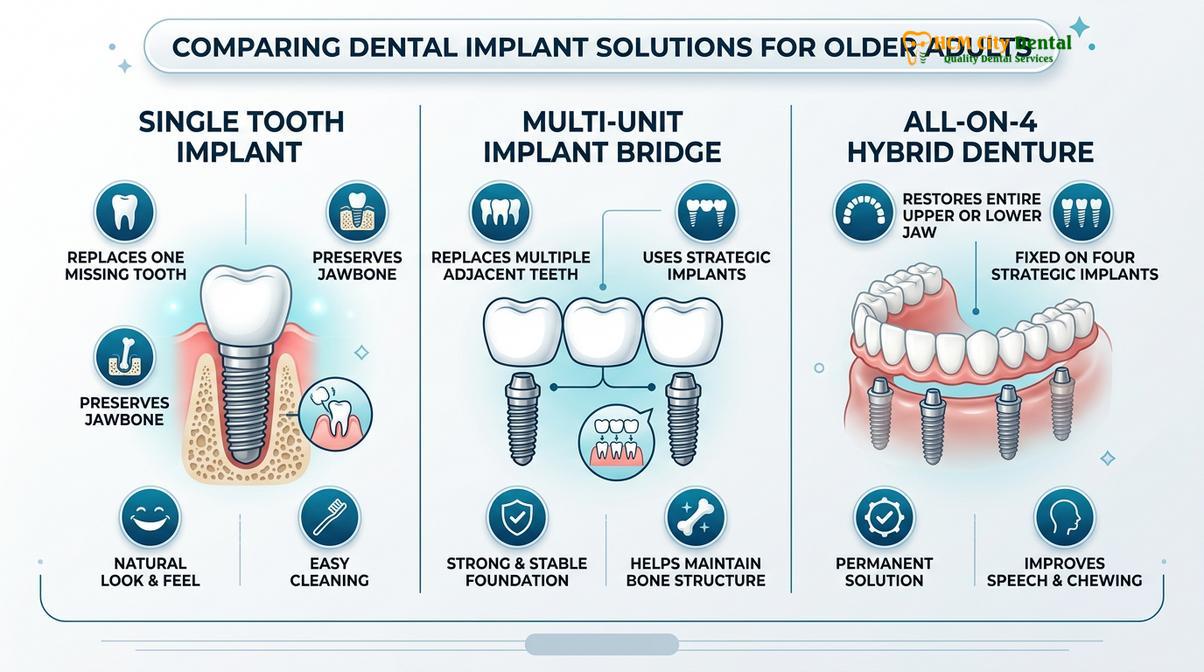
A 78-year-old patient presented to HCMC Dental Clinic in Ho Chi Minh City with a history of severe mandibular bone loss and chronic pain from a lower complete denture. The inability to chew fibrous foods had led to significant weight loss and gastrointestinal distress. Dr. Nguyen Van Cuong designed a comprehensive treatment plan utilizing a full-arch implant-supported prosthesis. By strategically placing four titanium implants to maximize the use of available dense anterior bone, the patient received a fixed, stable bite. Within three months of final prosthetic delivery, the patient reported a complete resolution of GI symptoms, a return to a protein-rich diet, and a marked improvement in overall vitality.
Dental implants fundamentally reverse this downward trajectory. By anchoring prosthetic teeth directly into the jawbone, implants restore near-normal bite force, allowing seniors to confidently consume a diverse, nutrient-dense diet, including crisp vegetables, tough proteins, and fibrous fruits. This restoration of the masticatory cycle is a critical intervention in geriatric medicine, directly supporting systemic health and longevity. For patients suffering from complete edentulism, exploring options like the Cheapest All On 4 Dental Implants: Secrets Revealed | Dr. Cuong provides insight into how full-arch rehabilitation can be achieved efficiently and predictably.
Beyond nutrition, the restoration of a fixed bite has profound implications for cognitive health. The periodontal ligaments surrounding natural teeth provide proprioceptive feedback to the brain—sensory information about bite pressure and jaw position. While implants lack a periodontal ligament, the phenomenon of “osseoperception” allows the surrounding bone to transmit sensory data to the central nervous system. Emerging research suggests that maintaining active masticatory function through stable implants helps preserve neural pathways and may play a role in delaying cognitive decline in the elderly.
When to See a Doctor for an Implant Consultation
Seniors experiencing pain, denture instability, or difficulty chewing should seek a clinical evaluation to determine if dental implants can restore their oral function and quality of life.
Recognizing the clinical signs that indicate the need for a dental implant consultation is the first step toward reclaiming oral health. Older adults should not accept chronic oral discomfort or functional limitations as an inevitable consequence of aging. If you are currently wearing removable dentures and experience persistent sore spots, mucosal ulcerations, or the need for frequent relines due to a changing jawbone shape, it is time to seek professional advice. Denture adhesives should be a temporary aid, not a permanent necessity; if your prosthesis requires copious amounts of adhesive to remain stable during a meal, the underlying bone architecture has likely deteriorated to a point where implants are clinically indicated.
Furthermore, if you have recently lost a tooth or have been told that a tooth is non-restorable due to severe decay or periodontal disease, immediate consultation is crucial. The jawbone begins to resorb almost immediately following an extraction. Early intervention with socket preservation or immediate implant placement can prevent extensive bone loss, simplifying the surgical process and reducing the need for complex grafting procedures later.
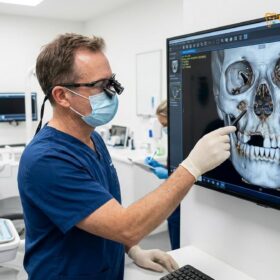
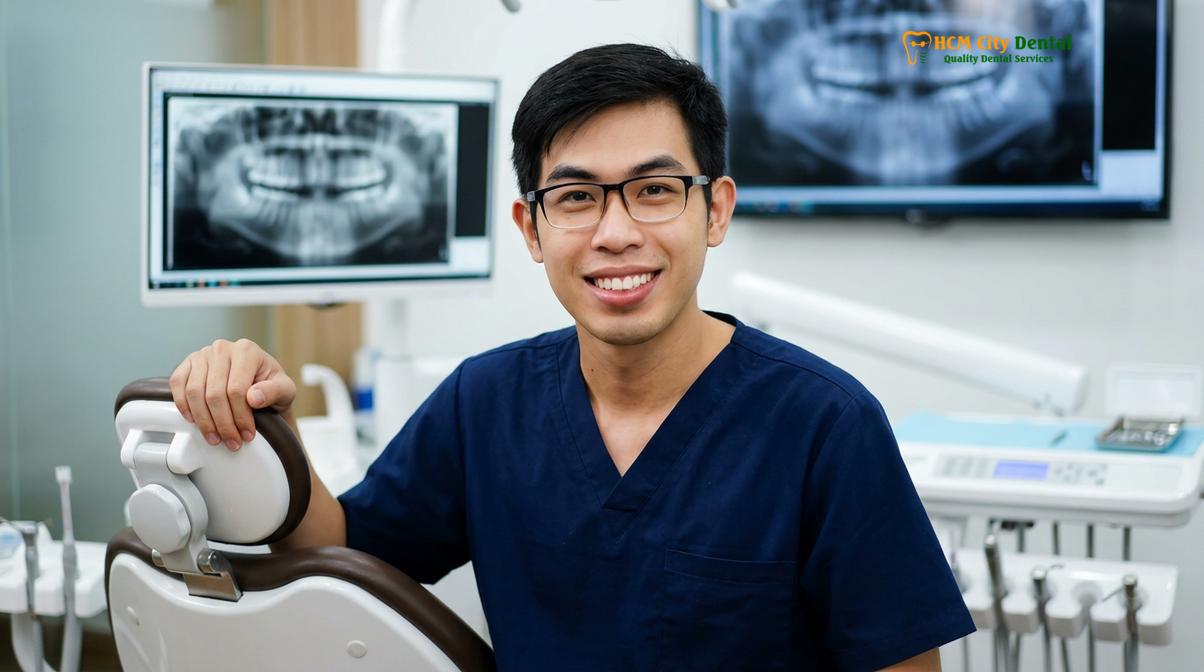
A comprehensive clinical examination at a specialized facility like HCMC Dental Clinic involves advanced 3D Cone Beam Computed Tomography (CBCT) imaging. This technology allows the implantologist to visualize the exact volume and density of your jawbone, map the location of vital anatomical structures (such as the inferior alveolar nerve and the maxillary sinus), and virtually plan the surgery with sub-millimeter precision. To begin your journey toward a restored smile and improved systemic health, explore our comprehensive Dental Implants hub to understand the full spectrum of available treatments and schedule a personalized diagnostic assessment.
Frequently Asked Questions
Am I too old to get dental implants at 80?
No, there is no upper age limit for dental implants. As long as you have adequate systemic health, controlled medical conditions, and sufficient bone density, patients in their 80s and 90s can successfully undergo implant surgery. The clinical decision is based entirely on your biological healing capacity and medical stability, not your chronological age. Comprehensive preoperative screening ensures that the procedure is safe and tailored to your specific physiological profile.
Can I get implants if I take osteoporosis medication?
Yes, but it requires careful clinical evaluation. Patients taking oral bisphosphonates for osteoporosis can often receive implants, though your dentist must assess your risk for medication-related osteonecrosis of the jaw (MRONJ) prior to surgery. Communication between your implantologist and your prescribing physician is essential. Depending on the duration and dosage of your medication, a temporary pause (drug holiday) or specific blood tests, such as a CTX marker, may be recommended to ensure safe bone healing.
How long is the healing period for senior patients?
The healing period typically ranges from three to six months. While cellular metabolism may be slightly slower in older adults, modern implant surfaces and minimally invasive techniques ensure that osseointegration occurs predictably within this standard timeframe. If extensive bone grafting, such as a sinus lift, is required, the timeline may be extended to allow the graft material to fully consolidate into dense, load-bearing bone before the final prosthetic teeth are attached.
Are dental implants painful for older adults?
Implant surgery is generally well-tolerated and involves minimal discomfort. Procedures are performed under profound local anesthesia, and postoperative pain is typically managed effectively with standard over-the-counter analgesics for a few days. Because the jawbone itself has very few nerve endings, the actual placement of the titanium fixture is often less uncomfortable than a tooth extraction. Advanced computer-guided surgery further minimizes tissue trauma, leading to a rapid and comfortable recovery.
How do I maintain dental implants as I age and lose manual dexterity?
Maintenance involves daily brushing and the use of water flossers or interdental brushes. If manual dexterity declines, electric toothbrushes and regular professional cleanings become essential to prevent peri-implantitis and ensure long-term success. Implants do not decay like natural teeth, but the surrounding gum tissue remains susceptible to bacterial inflammation. Establishing a routine of professional maintenance every three to six months allows your dental team to monitor the peri-implant tissues and assist with hygiene.
References
- Journal of Oral and Maxillofacial Surgery. Osseointegration and implant survival rates in geriatric populations. (2021).
- International Journal of Oral and Maxillofacial Implants. The impact of systemic diseases on dental implant therapy in the elderly. (2020).
- Clinical Oral Implants Research. Bone augmentation protocols and outcomes in older adults with severe atrophy. (2019).
- Journal of the American Dental Association. Management of dental patients taking antiresorptive medications. (2022).
- Journal of Prosthetic Dentistry. Masticatory performance and nutritional status in elderly patients with implant-supported prostheses. (2018).