For international patients and dental tourists seeking advanced restorative dentistry, choosing the right same day dental implant clinic ho chi minh requires a deep understanding of clinical protocols, surgical safety, and biological healing. The appeal of walking into a clinic and leaving with a fully restored smile in a single visit is undeniable. However, the decision between immediate loading (same-day implants) and traditional two-stage healing is not merely a matter of patient preference; it is a strict clinical determination based on bone density, primary stability, and biomechanical forces. In this comprehensive guide, we explore the rigorous scientific criteria that dictate implant success, ensuring that patients traveling for complex full-mouth rehabilitations make informed, evidence-based decisions[1].
Clinical Summary:
Same-day dental implants (immediate loading) allow patients to receive a temporary functional prosthesis immediately following surgical placement, provided the implant achieves a high primary stability (ISQ >65). Traditional two-stage implants require a multi-month submerged healing period to allow for osseointegration before loading. The choice between these protocols depends heavily on the patient’s bone density (D1-D4), the necessity for adjunctive procedures like sinus lifts or particulate bone grafting, and the specific biomechanical demands of the restoration. Advanced clinics utilize 3D CBCT diagnostics and Resonance Frequency Analysis (RFA) to objectively determine the safest and most predictable treatment pathway for each individual case.
Key Takeaways:
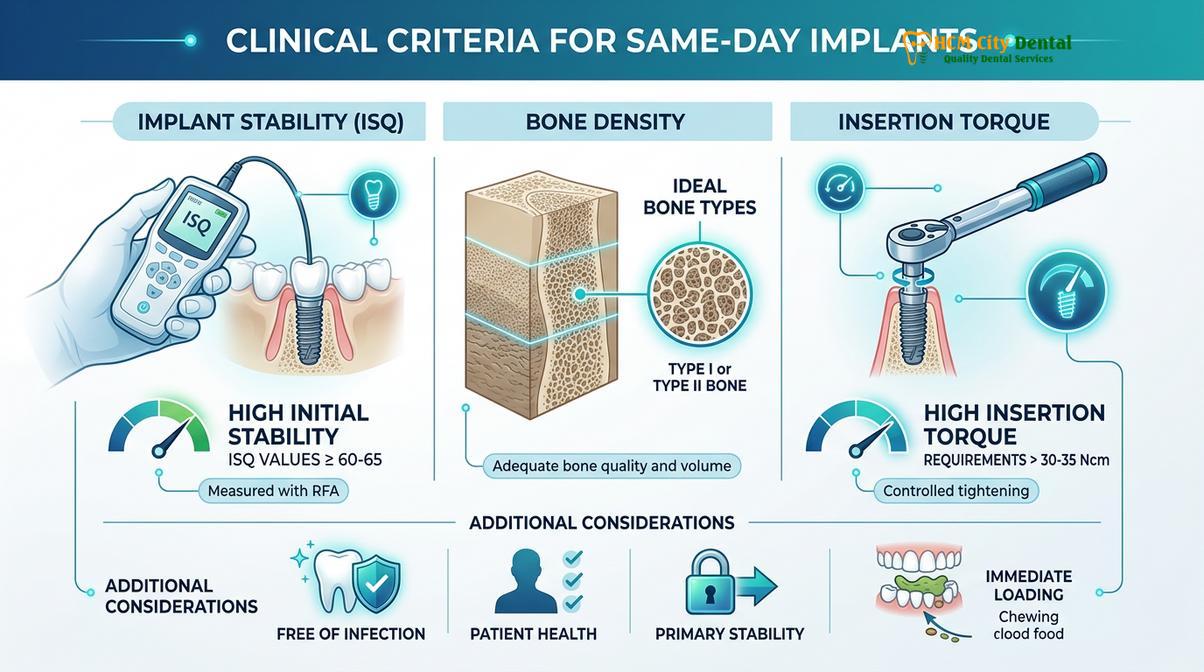
- Immediate Loading Criteria: Same-day implants require exceptional primary stability, typically indicated by an insertion torque of >35 Ncm and an ISQ value exceeding 65.
- Biological Healing: Traditional 2-stage protocols are generally required when extensive bone grafting, such as sinus floor elevation using xenografts and PRF, is necessary.
- Dietary Compliance: Patients receiving same-day temporary crowns must strictly adhere to a soft-food diet for several weeks to prevent micromovements that can cause implant failure.
- Full-Arch Solutions: All-on-4 and All-on-6 procedures often utilize immediate loading principles by cross-arch splinting, which distributes occlusal forces evenly across the implants.
- Diagnostic Precision: Success relies on high-resolution 3D CBCT imaging and digital surgical guides to ensure optimal three-dimensional implant positioning.
What Are Same-Day Immediate Loading Implants?
The concept of immediate loading implants vietnam represents a significant paradigm shift in modern implantology. Historically, the standard protocol dictated that dental implants must remain submerged and undisturbed beneath the gum tissue for several months. This unloaded healing phase was considered essential to allow the titanium surface to fuse biologically with the surrounding alveolar bone—a process known as osseointegration.
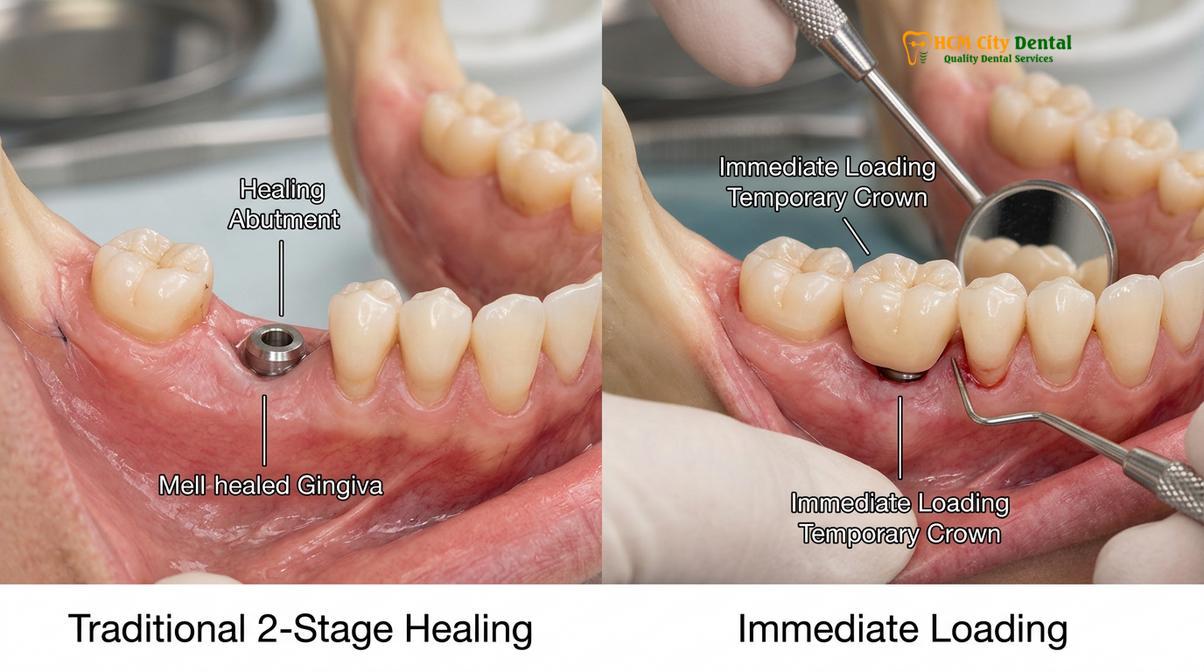
However, advancements in implant macro-geometry (thread design), micro-surface topography (such as sandblasted and acid-etched surfaces), and digital surgical planning have made immediate loading a predictable reality for qualifying patients. When searching for teeth in a day saigon, it is crucial to understand what the procedure actually entails. “Same-day” does not mean you receive your final, permanent ceramic teeth on the day of surgery. Instead, it means that immediately after the titanium fixture is surgically placed into the jawbone, a temporary (provisional) acrylic or composite crown or bridge is attached to it.
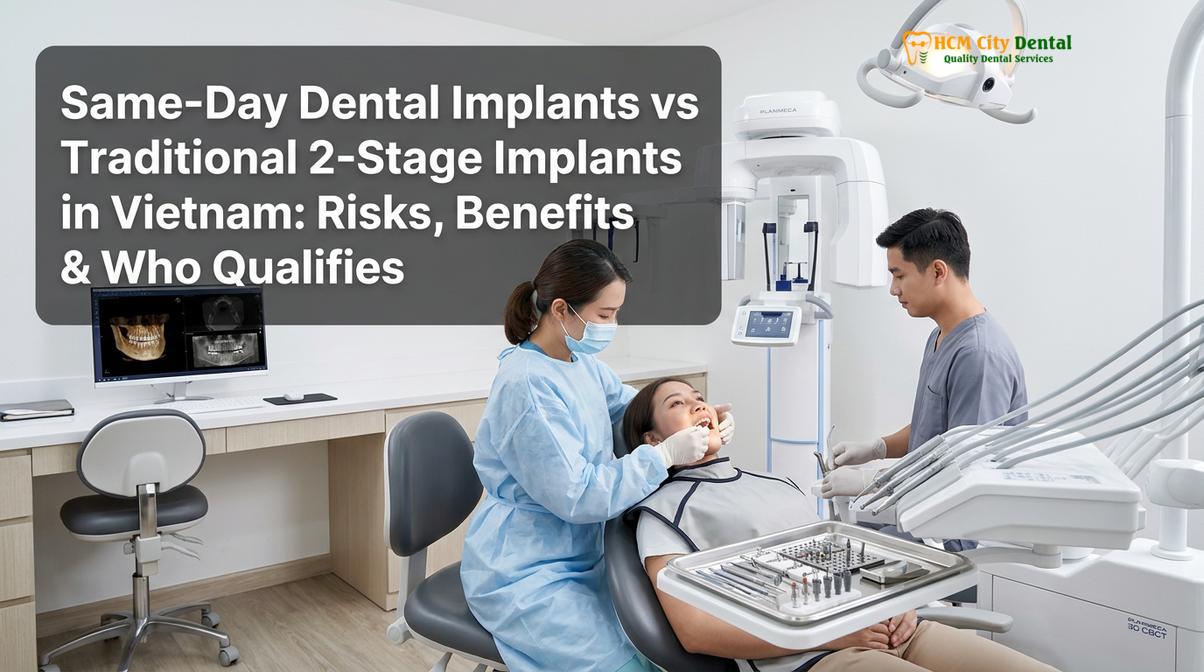
This provisional restoration is carefully designed to be slightly out of occlusion—meaning it does not make heavy contact with the opposing teeth when you bite down. The primary goal of this temporary tooth is aesthetic restoration and the shaping of the emergence profile (the contour of the gum tissue), rather than heavy mastication (chewing). By providing a same day tooth replacement vietnam, patients can avoid the psychological and functional discomfort of wearing removable temporary dentures or having a visible gap in their smile during the critical healing months.
Primary Stability (ISQ Value): The Key Scientific Indicator for Same-Day Success
The decision to immediately load an implant is never based on guesswork. It is determined by objective, measurable scientific data obtained during the surgery. The two most critical metrics are Insertion Torque (measured in Newton-centimeters, Ncm) and the Implant Stability Quotient (ISQ). These metrics are especially vital when executing full-arch rehabilitations, where biomechanical forces are distributed across multiple fixtures[2].
Understanding Insertion Torque and Bone Density
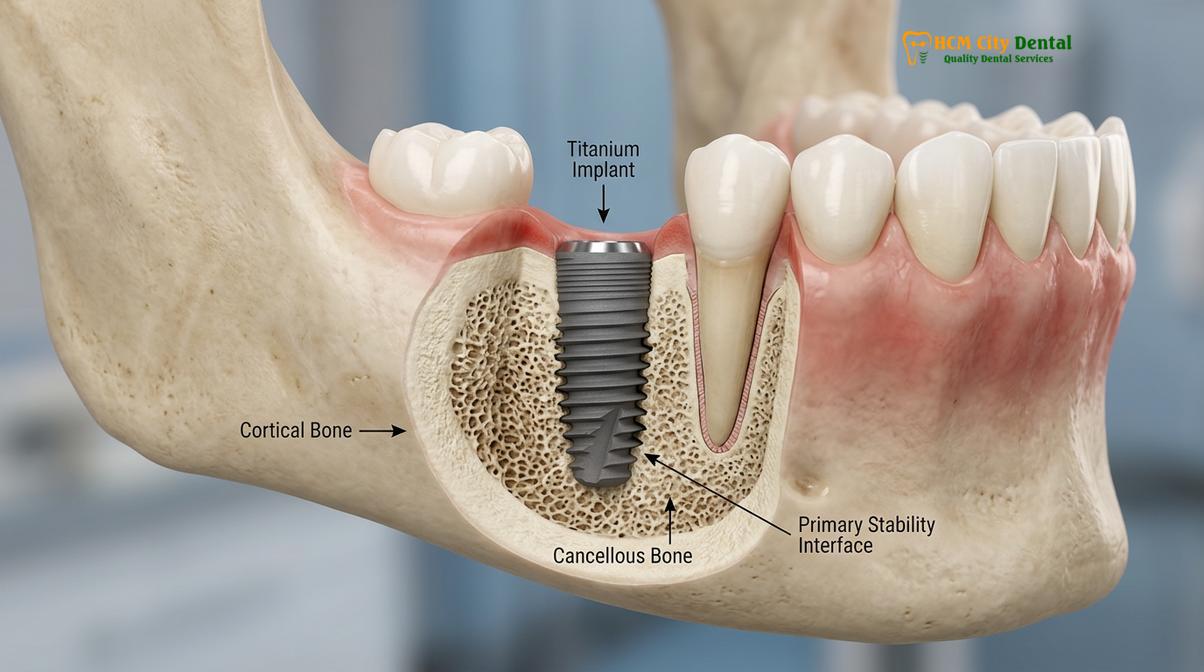
Insertion torque refers to the amount of rotational force required to advance the implant into the prepared osteotomy (bone site). A high insertion torque indicates that the implant is tightly engaged with dense bone. The density of the jawbone plays a massive role here, generally categorized from D1 to D4:
- D1 Bone: Dense cortical bone, typically found in the anterior lower jaw. Excellent for primary stability, but requires careful preparation to avoid overheating the bone.
- D2 Bone: Thick cortical bone with a dense trabecular core. Generally considered the ideal bone type for implant placement and immediate loading.
- D3 Bone: Thin cortical bone with a porous trabecular core, often found in the anterior upper jaw.
- D4 Bone: Very soft, porous bone with almost no cortical layer, typically found in the posterior upper jaw. Immediate loading is rarely recommended in D4 bone without specialized techniques.
Resonance Frequency Analysis (RFA) and ISQ
While insertion torque provides a measurement of rotational friction, it does not provide a complete picture of axial stability. To measure this, advanced clinics utilize Resonance Frequency Analysis (RFA). A small magnetic peg is attached to the implant, and a specialized device emits magnetic pulses to vibrate the peg. The frequency of the vibration is translated into an ISQ value on a scale from 1 to 100.
“In our clinical practice, we rely heavily on ISQ diagnostics. An ISQ value of 65 or higher is generally considered the minimum threshold for safely executing an immediate loading protocol. If the ISQ falls below this critical number, we must pivot to a traditional two-stage healing approach to protect the patient’s investment and support long-term osseointegration.”
By utilizing RFA, the surgical team can objectively verify whether the implant can safely support a same-day temporary crown, removing subjective bias from the clinical decision-making process.
When Traditional 2-Stage Healing (3-6 Months) Is Required
Despite the popularity of immediate loading, there are numerous clinical scenarios where a traditional two-stage protocol is highly recommended for long-term success. In a two-stage approach, the implant is placed and a cover screw is attached. The gum tissue is then sutured completely over the implant, protecting it from the oral environment and all chewing forces. After a dedicated healing period, a minor second surgery is performed to uncover the implant and attach a healing abutment.
To understand the timeline of these procedures, patients can review our comprehensive guide on How Long Does Dental Implant Procedure Take?.
Extensive Bone Grafting and Sinus Lifts
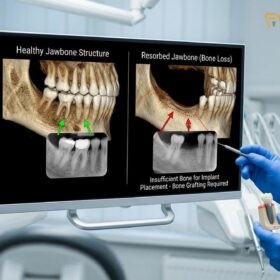
The most common reason for requiring a two-stage approach is the need for significant bone augmentation. When a tooth has been missing for a long time, the alveolar bone naturally resorbs. If there is insufficient bone volume to completely house the implant, bone grafting is required. This aligns with the strict safety protocols outlined by regional health authorities regarding implant site preparation and infection control[3].
In the posterior maxilla (upper back jaw), the maxillary sinus cavity often expands downwards after tooth loss, leaving very little vertical bone height. In these cases, a sinus floor elevation (sinus lift) is necessary. Because the grafted bone requires several months to consolidate and vascularize, implants placed simultaneously with major grafts typically cannot be immediately loaded.
Safety Protocols at HCMC Dental Clinic for Same-Day Cases
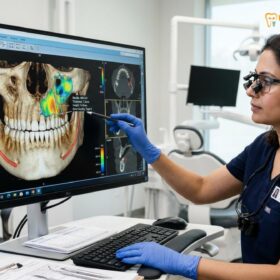
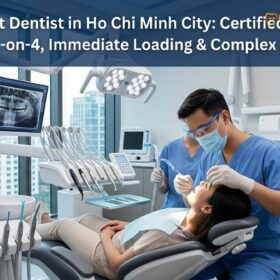
Executing same-day implant procedures safely requires a highly controlled clinical environment. At HCMC Dental Clinic in Ho Chi Minh City, strict safety protocols are implemented to mitigate risks and ensure predictable outcomes. This includes comprehensive 3D CBCT imaging to map vital anatomical structures, such as the inferior alveolar nerve and the maxillary sinus, before any surgical intervention begins.
Furthermore, patients with a history of periodontal disease must have their active infections completely resolved before any implant placement. For detailed protocols on managing these conditions, refer to our clinical guide on Implants and Gum Disease.
| Clinical Parameter | Same-Day Immediate Loading | Traditional 2-Stage Healing |
|---|---|---|
| Primary Stability (ISQ) | Must be >65 | Can be <65 |
| Insertion Torque | >35 Ncm required | Variable, often lower |
| Bone Grafting | Minimal to none | Often involves major grafts/sinus lifts |
| Provisionalization | Temporary crown placed on surgery day | Removable denture or no tooth during healing |
| Healing Time Before Final Crown | 3 to 6 months | 4 to 8 months (including graft healing) |
For patients missing several teeth but not requiring a full arch, exploring Multiple Dental Implants and implant-supported bridges is often the most appropriate pathway, utilizing similar safety and diagnostic protocols.
Dietary Restrictions During Immediate Provisionalization
One of the most critical factors in the success of a same-day implant is patient compliance during the postoperative phase. While you leave the clinic with a fixed tooth, that tooth is attached to an implant that is still undergoing the delicate biological process of osseointegration. International patients must be fully aware of these post-operative requirements before traveling for care[4].
To prevent the implant from shifting beyond the critical threshold, patients must adhere to a strict soft-food diet for several weeks. Foods that require heavy chewing, tearing, or grinding must be completely avoided. The temporary crown is designed for aesthetics and light function, not for heavy mastication.
“Patient education is just as critical as surgical precision. We ensure every patient understands that a same-day implant is a biological partnership. The clinic provides the surgical foundation, but the patient must protect that foundation through strict dietary compliance and meticulous oral hygiene during the healing phase.”
For a detailed breakdown of the financial and clinical aspects of full-arch procedures that often utilize immediate loading, patients can review our guide on All-on-6 Dental Implants Vietnam Cost.
Clinical Case Study: Immediate Loading at HCMC Dental Clinic
Anterior Tooth Replacement in a Single Visit
A recent clinical case study at HCMC Dental Clinic in Ho Chi Minh City involved a 52-year-old patient presenting with a fractured anterior incisor that required immediate extraction. The patient was highly concerned about the aesthetic implications of a missing front tooth, especially given their professional background.
The clinical team utilized advanced 3D CBCT imaging to evaluate the patient’s bone density before recommending any immediate loading protocols. Following a careful, atraumatic extraction, an implant was placed directly into the extraction socket. The insertion torque reached 45 Ncm, and the RFA device recorded an ISQ of 72. Because these metrics exceeded the clinical threshold for immediate loading, the team was able to fabricate and attach a custom provisional crown on the same day. The patient left the clinic with a fully restored smile, demonstrating the profound impact of evidence-based immediate loading protocols.
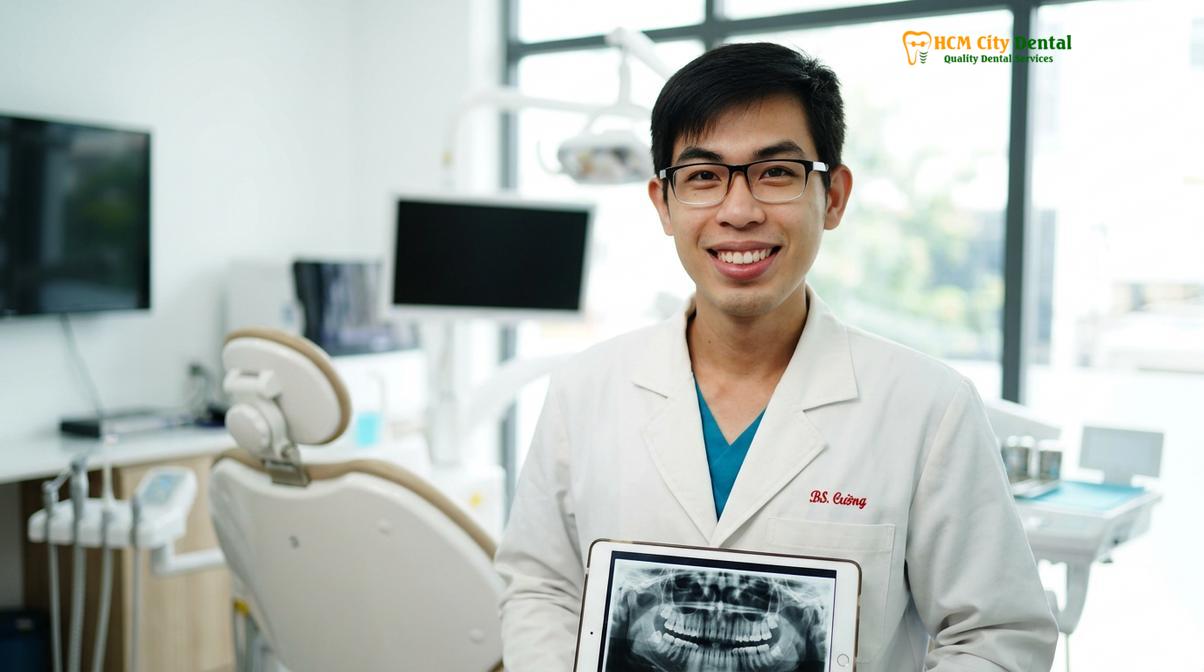
Dr. Nguyen Van Cuong, Chief Clinical Director at HCMC Dental Clinic, oversees all complex full-arch rehabilitations and immediate loading cases. With extensive training in advanced implantology, Dr. Cuong ensures that every patient receives a meticulous biological assessment before any same-day protocol is approved. Patients can learn more about his clinical workflow and diagnostic approach by reviewing our Implant Consultation Saigon guide.
When to Seek Immediate Clinical Attention
Important Post-Operative Notes
While implant surgery has a high success rate, complications can occasionally arise. It is vital for patients to monitor their healing process and recognize the signs that require immediate clinical intervention. Early detection of issues such as peri-implant mucositis can prevent the progression to more severe complications[5].
Patients should contact their dental provider immediately if they experience:
- Severe, throbbing pain that is not relieved by prescribed analgesics.
- Excessive swelling that worsens after the first 48 hours.
- Mobility or looseness in the temporary crown or the implant itself.
- Signs of infection, such as purulent discharge (pus) or a persistent bad taste in the mouth.
For more information on maintaining the health of your implants and surrounding tissues, please read our comprehensive guide on Peri Implantitis Prevention.
Frequently Asked Questions
Can I really get a new tooth in one day in Saigon?
Under specific clinical conditions, patients can receive a temporary functional tooth on the same day as their implant surgery. This requires optimal bone density and an Implant Stability Quotient (ISQ) of over 65 to support the immediate load.
What are the risks of immediate loading dental implants?
The primary risk is implant failure due to micromovement during the healing phase. If the implant shifts more than 150 micrometers, fibrous tissue may form instead of bone, which interferes with successful osseointegration.
How do I know if my jawbone is dense enough for same-day implants?
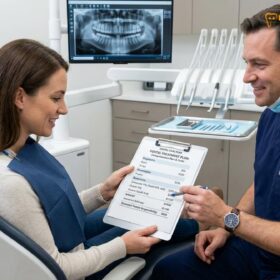
Your dental surgeon will utilize a 3D CBCT scan to evaluate your bone volume and density prior to surgery. During the procedure, the insertion torque and ISQ are measured to confirm clinical eligibility.
Can I eat normally right after getting same-day implants?
Patients must adhere to a strict soft-food diet for at least six to eight weeks. Chewing hard or crunchy foods can disrupt the delicate integration process between the titanium implant and the jawbone.
What happens between temporary and permanent implant teeth?
During the healing period, the jawbone fuses with the implant. Once fully healed and biologically stable, the temporary acrylic prosthesis is replaced with a highly durable, custom-milled permanent ceramic or zirconia crown.
References
- Journal of the American Dental Association. Implant survival rates in digital dentistry. (2022).
- International Journal of Oral and Maxillofacial Implants. All-on-4 full arch rehabilitation. (2021).
- Vietnam Ministry of Health (MOH). National Guidelines on Dental Implantology and Infection Control. (2023).
- British Dental Journal. Dental tourism safety protocols and material traceability. (2023).
- Journal of Clinical Periodontology. Infection control and aerosol management. (2021).
If you are considering restorative dentistry and want to schedule an evaluation at our same day dental implant clinic ho chi minh, contact HCMC Dental Clinic in Ho Chi Minh City today to discuss your personalized treatment options.