Multiple dental implants are titanium fixtures surgically placed into the jawbone to replace two or more missing teeth. They serve as artificial roots that securely anchor individual crowns or an implant-supported bridge, restoring chewing function, preventing bone loss, and preserving facial aesthetics without damaging adjacent natural teeth.
Clinical Summary:
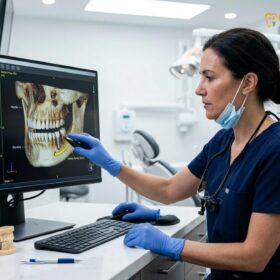
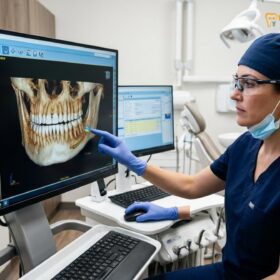
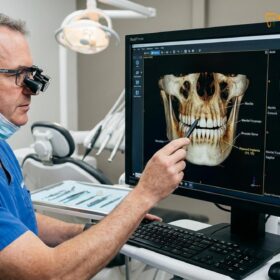
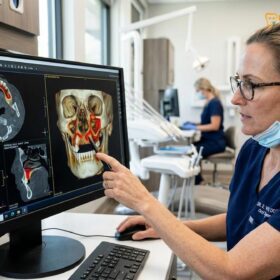
Replacing multiple missing teeth requires a strategic clinical approach to restore biomechanical function and prevent progressive alveolar bone resorption. Depending on the span of the edentulous space and the patient’s anatomical constraints, clinicians may recommend either individual implants for each missing tooth or an implant-supported bridge to minimize surgical intervention. Both methodologies offer high long-term success rates and functional predictability, provided that patients possess adequate bone volume and maintain meticulous oral hygiene. A comprehensive clinical evaluation, utilizing advanced 3D CBCT imaging, is essential to determine the optimal number, angulation, and positioning of the titanium fixtures to ensure optimal load distribution and aesthetic outcomes.
Key Takeaways:
- Multiple implants actively stimulate the jawbone, preventing the rapid deterioration that typically follows tooth extraction.
- You do not necessarily need a 1:1 ratio; two strategically placed implants can often support a three- or four-tooth bridge.
- Implant-supported bridges offer significant cost efficiencies and reduce overall surgical trauma compared to individual replacements.
- Precise surgical spacing is critical for maintaining healthy interdental gum papillae and achieving a natural-looking smile line.
- Comprehensive 3D imaging and professional clinical diagnostics are mandatory to assess bone density before any surgical intervention.
The Challenges of Multi-Tooth Loss in a Row
Losing several adjacent teeth triggers rapid jawbone resorption, disrupts the occlusal bite plane, and forces surrounding teeth to shift out of alignment. Addressing this edentulous span promptly is critical to preventing long-term structural facial collapse and restoring full masticatory function.
When a patient experiences the loss of several teeth in a single quadrant, the consequences extend far beyond the immediate aesthetic deficit. The human dentition is a highly interdependent system where each tooth provides structural support to its neighbors and functional stimulation to the underlying bone. The absence of multiple teeth initiates a cascade of degenerative changes within the oral cavity that can severely compromise both oral health and overall quality of life.
Alveolar Bone Resorption Dynamics
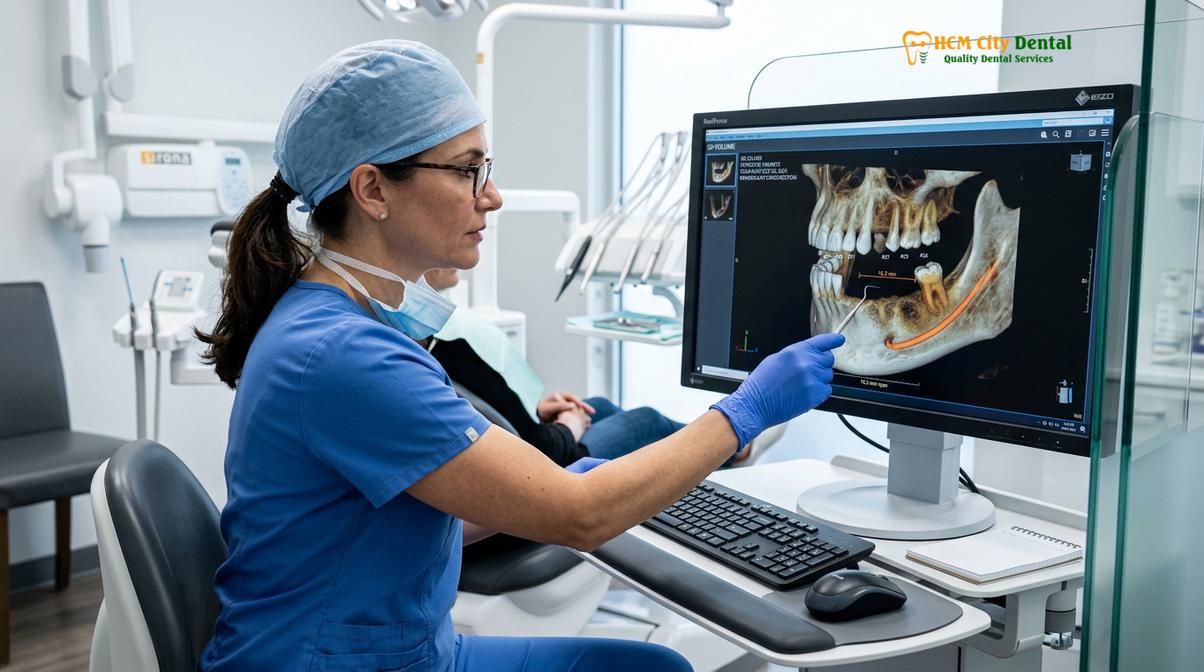
The most profound and immediate consequence of tooth loss is the resorption of the alveolar ridge. The jawbone requires constant mechanical stimulation from the roots of the teeth during chewing to maintain its density and volume. This biological principle dictates that bone remodels in response to the physical stresses placed upon it. When teeth are extracted, this vital stimulation ceases abruptly. Consequently, the body begins to resorb the inactive bone tissue. Following tooth extraction, patients can lose a significant percentage of their alveolar bone width in a short period, with the process continuing progressively over time[1]. When missing multiple adjacent teeth, this localized bone loss creates a significant concavity in the jaw, complicating future restorative efforts and potentially altering the external contours of the face.
Occlusal Instability and Bite Collapse
Beyond bone loss, an extended edentulous span disrupts the delicate balance of the occlusal plane. Natural teeth have an inherent tendency to migrate toward empty spaces. The teeth adjacent to the gap will slowly tilt or drift mesially (forward) or distally (backward) into the void. Simultaneously, the opposing teeth in the opposite jaw will begin to supra-erupt or extrude out of their sockets. This phenomenon severely alters the bite alignment, leading to premature occlusal contacts, temporomandibular joint (TMJ) disorders, and an increased risk of fracturing the remaining natural teeth due to uneven force distribution. Addressing these complex biomechanical issues often requires Dental Implants tại HCMC Dental Clinic to re-establish a stable and functional bite.
Option 1: Placing Individual Implants for Each Missing Tooth
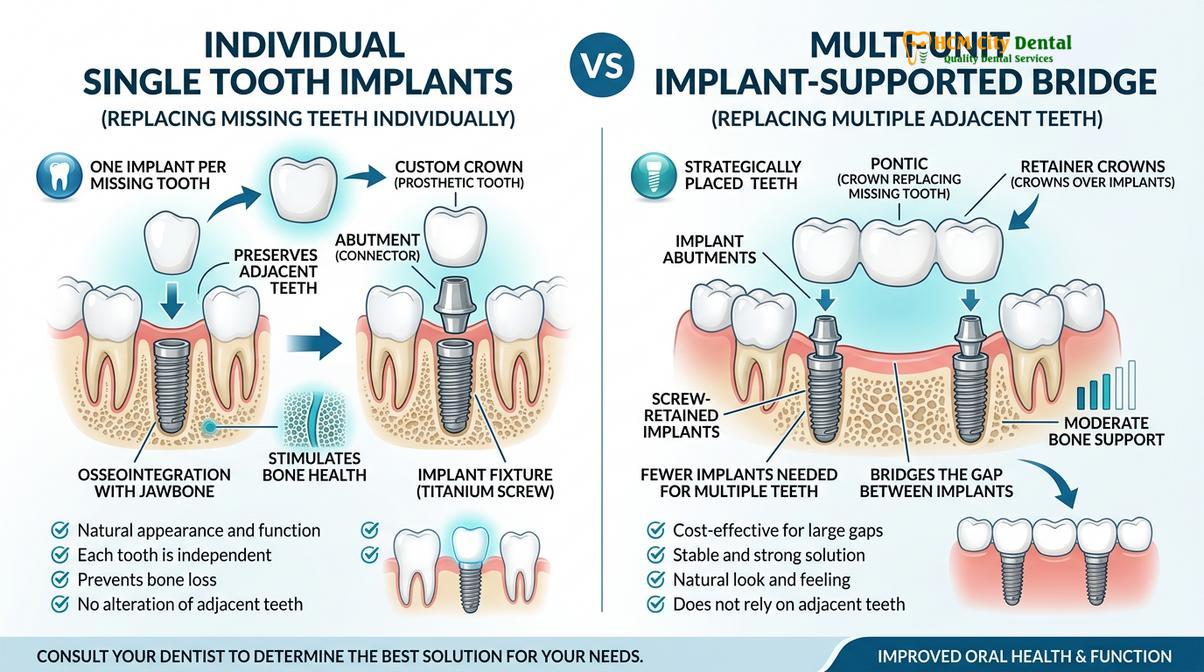
Placing a dedicated titanium post for every missing tooth mimics natural dental anatomy perfectly, providing a one-to-one replacement ratio. This approach maximizes bone stimulation but requires sufficient bone volume, precise surgical spacing, and a larger financial investment.
For patients seeking the most anatomically accurate restoration, placing an individual dental implant for each missing tooth is a highly predictable and effective treatment modality. In this scenario, if a patient is missing three adjacent teeth, the oral surgeon will place three distinct titanium fixtures into the jawbone, each supporting its own independent ceramic crown.
“The placement of individual implants for adjacent missing teeth offers the highest degree of anatomical mimicry, though it demands precise surgical spacing to preserve the interproximal bone crest and support healthy gingival papillae.”
Anatomical Mimicry and Bone Stimulation
The primary advantage of the one-to-one replacement strategy is its unparalleled ability to mimic the natural dentition. Because each missing root is replaced by a titanium post, the alveolar bone receives comprehensive mechanical stimulation across the entire edentulous span. This widespread stimulation is highly effective at halting bone resorption and preserving the natural contours of the jaw ridge. Furthermore, because the crowns are individual units, they emerge from the gum tissue exactly like natural teeth, providing an exceptional aesthetic outcome.
Surgical Limitations and Spacing Constraints
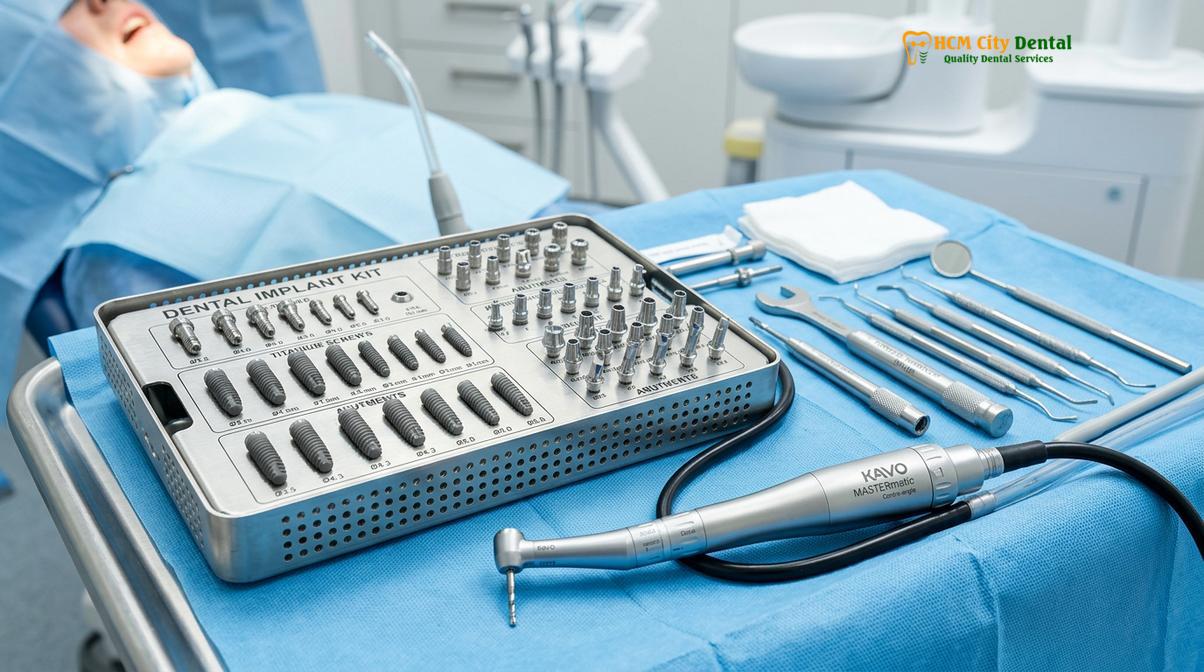
Despite its benefits, the one-to-one approach is not universally applicable. The most significant limiting factor is anatomical space. Dental implants require a minimum amount of surrounding bone to integrate successfully and maintain long-term stability. Specifically, there must be adequate bone between an implant and an adjacent natural tooth, and a strict minimum distance between two adjacent implants to prevent crestal bone loss[3]. If the missing teeth were naturally small, there simply may not be enough physical space in the jawbone to safely place multiple implants side-by-side without compromising the intervening bone crest. Patients reading the Are Dental Implants Right For You? Pros & Cons Guide | Dr. Cuong must consider these anatomical prerequisites.
Option 2: Designing an Implant-Supported Bridge (e.g., 3 Crowns on 2 Posts)
An implant-supported bridge utilizes two titanium posts at either end of a gap to suspend a pontic crown in the middle. This highly efficient configuration reduces the number of required surgeries while fully restoring the dental arch’s function and aesthetics.
When a patient is missing three or more teeth in a row, placing an individual implant for every single tooth is often unnecessary and sometimes anatomically contraindicated. Instead, modern implantology frequently utilizes an implant-supported bridge. This approach leverages the immense structural strength of titanium implants to support a multi-unit prosthetic framework, effectively bridging the edentulous gap.
Biomechanical Principles of Bridging
The concept of an implant-supported bridge is rooted in sound biomechanical engineering. Titanium implants, once fully osseointegrated into the jawbone, possess a load-bearing capacity that often exceeds that of natural tooth roots. Therefore, two robust implants placed at the extremities of a three- or four-tooth gap can easily withstand the occlusal forces generated during mastication and distribute them safely into the surrounding bone[2]. In a typical three-unit bridge scenario, an implant is placed in the position of the first missing tooth, and another is placed in the position of the third missing tooth. The middle tooth, known as a pontic, is suspended between the two implant-supported crowns.
Pontic Design and Soft Tissue Health
The success of a cosmetic multi-unit restoration relies heavily on the design of the pontic. Because there is no implant post directly beneath the pontic, the base of this crown must be carefully contoured to rest gently against the gum tissue without causing irritation or trapping food debris. Advanced prosthetic designs involve sculpting the underlying soft tissue to create a shallow depression, allowing the pontic to emerge naturally from the gums[4]. This meticulous soft tissue management is crucial for achieving high-end aesthetic results.
“Strategic splinting of multiple implant crowns can significantly reduce biomechanical stress on individual fixtures, offering a highly predictable solution for extensive edentulous spans.”
Strategic Advantages of Splinting
Splinting multiple crowns together in a bridge configuration offers distinct biomechanical advantages. By connecting the implants via a rigid framework, the occlusal forces are distributed more evenly across the entire structure. This cross-arch stabilization minimizes the micro-movements of individual implants, which can be particularly beneficial in areas of softer bone density. Clinical studies have demonstrated that implant-supported bridges exhibit excellent long-term survival rates, often comparable to or exceeding those of multiple single crowns in posterior regions[5].
Cost-Efficiency and Surgical Scope Comparison
Choosing between individual implants and a bridge involves weighing the financial investment against the extent of surgical intervention. Bridge configurations generally offer a more streamlined, cost-effective treatment path for extensive tooth loss.
When formulating a treatment plan for multiple missing teeth, clinicians and patients must engage in a thorough cost-benefit analysis. The decision between individual implants and an implant-supported bridge impacts not only the final aesthetic and functional outcome but also the overall surgical complexity, healing timeline, and financial commitment.
Financial Considerations
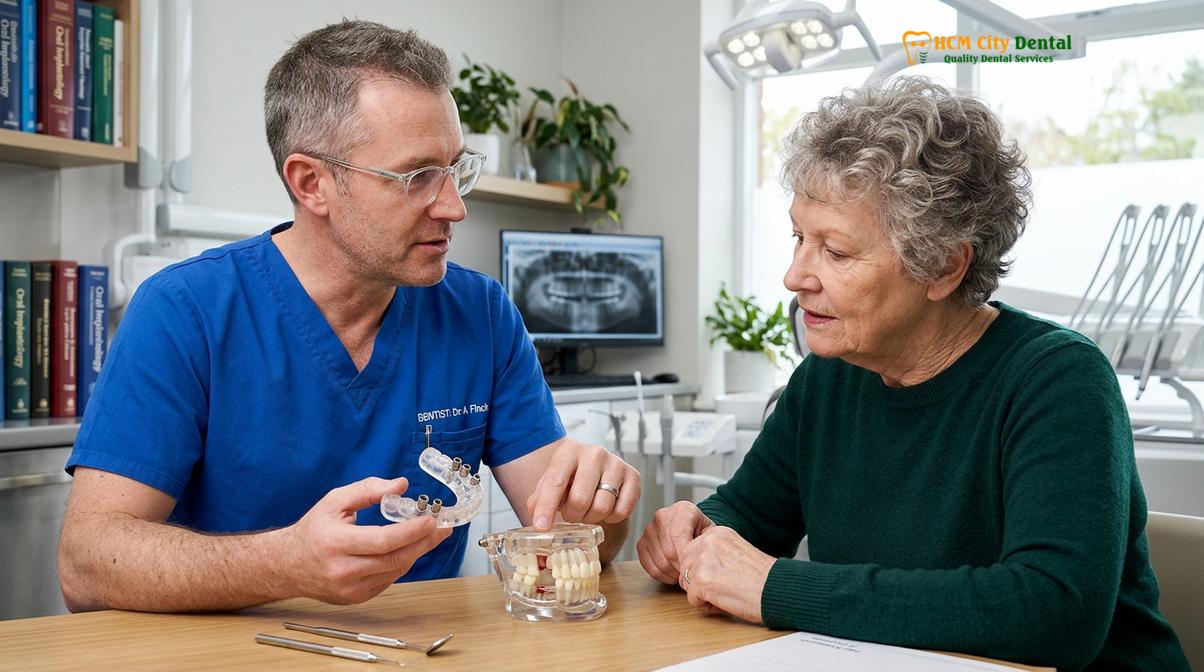
The most immediate difference between the two approaches is the cost. Dental implants are precision-engineered medical devices, and the surgical procedure requires specialized equipment and advanced clinical expertise. By utilizing an implant-supported bridge, patients can significantly reduce their financial burden. A three-unit bridge requires only two implants and two abutments, alongside a three-unit prosthetic framework. This reduction in hardware translates to substantial savings. Patients exploring How Much Do Dental Implants Cost in Vietnam? (Comprehensive Guide) often find the bridge option to be the most pragmatic choice.
Comparative Overview
To assist in the decision-making process, the following table outlines the primary differences between the two restorative approaches for a hypothetical three-tooth gap:
| Clinical Parameter | Option 1: Three Individual Implants | Option 2: 3-Unit Implant Bridge |
|---|---|---|
| Number of Titanium Posts | 3 | 2 |
| Surgical Complexity | High (requires precise spacing between all posts) | Moderate (avoids surgery in the center of the gap) |
| Bone Volume Requirement | Requires excellent bone width and height across the entire span | Requires adequate bone only at the two terminal anchor sites |
| Oral Hygiene Method | Standard flossing between each individual crown | Requires super floss or water flosser beneath the pontic |
| Overall Cost Efficiency | Higher financial investment due to maximum hardware | Highly cost-effective due to reduced hardware and surgery |
Maintaining Interdental Spaces and Bone Volume
Successful multi-tooth restoration relies on precise implant spacing to preserve the interproximal bone and support healthy gum papillae. Proper 3D planning ensures the final prosthetics look natural and prevent food impaction.
The ultimate success of any multi-unit implant restoration is judged not only by its mechanical stability but also by its integration with the surrounding soft tissues. The gingiva frames the teeth, and its architecture is entirely dependent on the underlying bone contour. When replacing multiple teeth, preserving or reconstructing this delicate bone-to-gum relationship is one of the most challenging aspects of implant dentistry.
The interdental papilla is the small, triangular piece of gum tissue that fills the space between two adjacent teeth. When teeth are lost, the underlying bone crest often flattens, leading to the loss of this papilla. Recreating it between two adjacent implants is notoriously difficult. This is why many clinicians prefer the implant-supported bridge approach when aesthetic demands are high. By utilizing a pontic, the clinician can sculpt the soft tissue more predictably, creating the illusion of natural papillae without the strict spatial constraints required by adjacent titanium fixtures. For older adults facing extensive tooth loss, understanding these nuances is vital when considering Dental Implants for Seniors: Am I Too Old for Implants?.
Clinical Case Study: Restoring Function in Ho Chi Minh City
Real-world clinical applications demonstrate how tailored implant strategies can dramatically improve a patient’s quality of life, restoring both masticatory function and aesthetic confidence.
Consider the case of a 55-year-old patient who visited HCMC Dental Clinic in Ho Chi Minh City after losing three consecutive lower right molars due to severe periodontal disease. The prolonged absence of these teeth had led to significant localized bone resorption and a noticeable shift in the opposing upper molars, severely compromising the patient’s ability to chew solid foods.
Dr. Nguyen Van Cuong, a leading specialist at HCMC Dental Clinic, emphasizes that comprehensive 3D planning is the cornerstone of multi-unit restorations. By meticulously evaluating bone density and occlusal forces, Dr. Cuong ensures that patients receive tailored treatments that prioritize both longevity and aesthetic harmony. For more insights, patients can explore Dental Implants: Transform Your Smile Today! [Expert Tips] | Dr. Cuong directly from the clinical team.
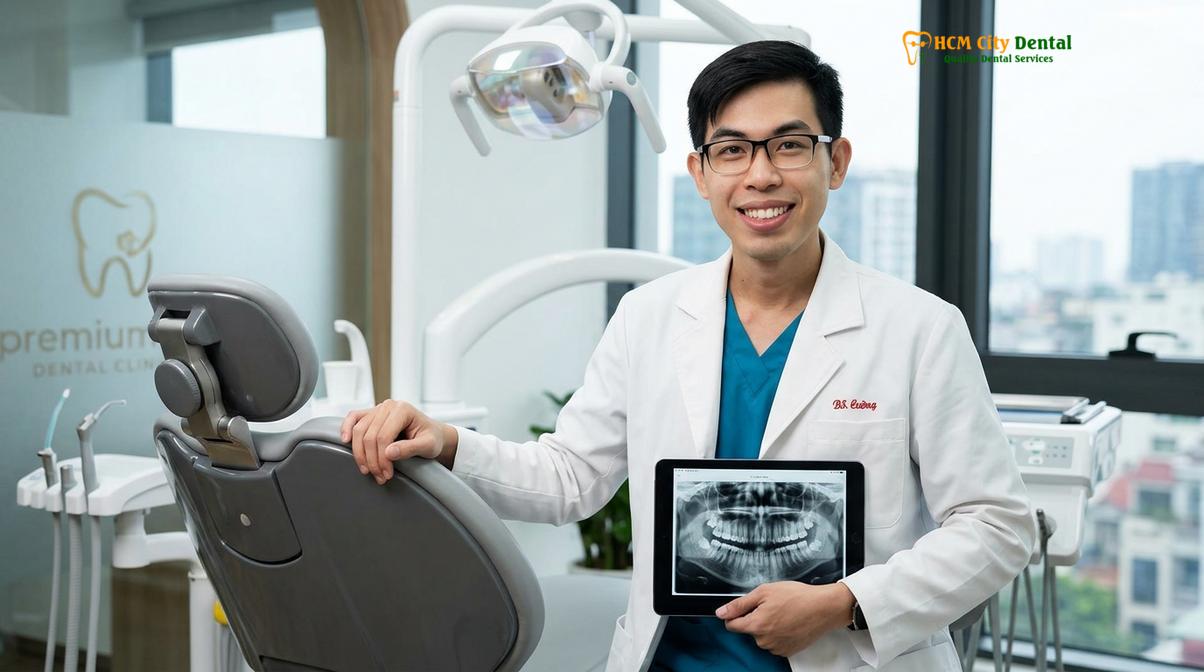
After a thorough CBCT scan, it was determined that placing three individual implants would require extensive vertical bone grafting, significantly increasing the treatment timeline and surgical morbidity. Instead, the clinical team opted for a 3-unit implant-supported bridge. Two premium titanium fixtures were placed at the extremities of the edentulous span, utilizing the areas with the most robust native bone. Following a successful osseointegration period, a custom-milled zirconia bridge was securely attached. The patient regained full chewing capacity and reported a dramatic improvement in dietary freedom, highlighting the efficacy of strategic implant placement at our Ho Chi Minh City facility.
When to Consult a Specialist
Important Clinical Notes: Timely intervention is crucial when dealing with multiple missing teeth. Delaying treatment can lead to irreversible bone loss and complex bite alignment issues that require more invasive procedures to correct. According to the Vietnam Ministry of Health (MOH) guidelines on oral and maxillofacial surgery protocols, early evaluation of edentulous spaces is highly recommended to preserve alveolar bone integrity and prevent adjacent tooth migration[6]. If you are experiencing difficulty chewing or notice changes in your bite, a professional assessment is strongly advised.
If you are missing multiple teeth and want to explore your restorative options, schedule a comprehensive consultation with the experts at HCMC Dental Clinic in Ho Chi Minh City. Our specialized team will utilize advanced 3D imaging to determine whether individual implants or an implant-supported bridge is the optimal solution for your unique clinical needs.
References
- Journal of Periodontology. Alveolar bone remodeling following tooth extraction and implant placement. (2021).
- International Journal of Oral and Maxillofacial Implants. Biomechanical considerations in implant-supported fixed partial dentures. (2020).
- Clinical Oral Implants Research. Crestal bone changes around adjacent implants: a systematic review. (2019).
- Journal of Prosthetic Dentistry. Pontic design and soft tissue management in multi-unit implant restorations. (2022).
- Journal of Clinical Periodontology. Long-term survival rates of implant-supported bridges vs single crowns. (2018).
- Vietnam Ministry of Health (MOH). National Guidelines on Oral and Maxillofacial Surgery Protocols. (2020).