Comparing dental implant cost Vietnam vs Canada reveals substantial savings for North American patients. While a single implant in Canada averages several thousand dollars out-of-pocket, equivalent premium treatments in Vietnam cost significantly less, utilizing identical global materials and advanced surgical protocols without compromising clinical outcomes.
Clinical Summary:
The economic disparity between dental implant therapies in Canada and Vietnam is driven primarily by structural differences in clinical overhead, laboratory labor, and administrative costs, rather than the quality of the biomedical materials used. Canadian patients facing extensive out-of-pocket expenses for full-arch rehabilitations or multiple single-tooth replacements frequently seek cross-border care to access premium global implant systems (such as Straumann or Nobel Biocare) at a fraction of domestic prices. Comprehensive treatment planning in Ho Chi Minh City incorporates advanced 3D CBCT imaging, computer-guided surgery, and strict international sterilization protocols. By strategically managing travel logistics and understanding the biological timeline of osseointegration, patients can achieve predictable, highly aesthetic functional restorations while realizing profound financial savings.
Key Takeaways:
- Surgical and prosthetic costs in Vietnam are typically 60% to 70% lower than in major Canadian metropolitan areas.
- Leading Vietnamese clinics utilize the exact same FDA-approved and CE-marked titanium implant systems used by Canadian specialists.
- Standard implant protocols require two distinct visits separated by a three to six-month healing period for optimal osseointegration.
- Comprehensive itemized invoices provided by international clinics can often be utilized for Canadian medical expense tax credits.
- Advanced diagnostic imaging and computer-guided placement ensure high clinical success rates and minimal post-operative discomfort.
Canadian Dental Insurance Gaps and High Private Copays
Most Canadian dental insurance plans classify implants as elective procedures, leaving patients to shoulder massive out-of-pocket expenses for both the surgical placement and the final prosthetic restoration.
The landscape of dental healthcare in Canada presents a significant financial challenge for patients requiring comprehensive tooth replacement. While provincial healthcare systems provide excellent coverage for general medical emergencies, routine and specialized dental care is almost entirely privatized. For patients relying on employer-sponsored or private insurance plans, the coverage for advanced prosthodontics is notoriously limited. Dental implants are frequently categorized as elective or cosmetic procedures, meaning that the standard canada private dental copay can easily exceed eighty percent of the total treatment cost, if the procedure is covered at all[1].
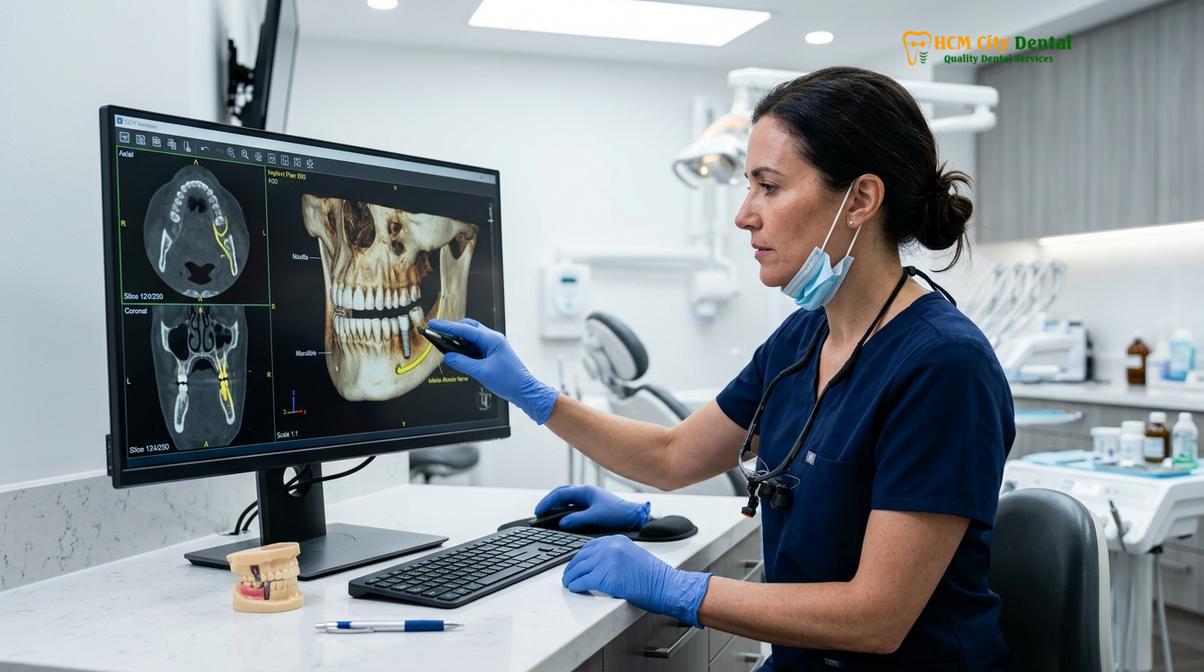
When a patient requires multiple extractions, ridge augmentation, and the placement of several titanium fixtures, the cumulative financial burden can quickly become prohibitive. The high cost of domestic care is not merely a reflection of the materials used, but rather the immense overhead associated with operating a clinical practice in cities like Vancouver or Toronto. Commercial real estate leases, high laboratory technician wages, stringent malpractice insurance premiums, and administrative staffing costs all contribute to the inflated price of a single implant unit. Consequently, patients are increasingly exploring international alternatives to access high-quality Dental Implants without depleting their life savings.
Furthermore, the limitations of the canada private dental copay often force patients into accepting suboptimal treatment alternatives, such as traditional removable dentures or aggressive tooth-supported bridges, simply because they are more heavily subsidized by insurance carriers. This compromise can lead to accelerated jawbone resorption and adjacent tooth damage over time. By looking toward established medical tourism hubs, patients can bypass these insurance constraints and invest directly in the gold standard of tooth replacement.
Price Comparison Table: Vancouver/Toronto vs. HCMC Dental
A direct clinical cost analysis demonstrates that patients can save up to seventy percent on comprehensive implant rehabilitations in Vietnam compared to major Canadian metropolitan centers.
To fully grasp the economic advantage of cross-border dental care, it is essential to examine a direct, itemized comparison of standard implant procedures. The following table illustrates the stark contrast in pricing between average clinical fees in major Canadian cities and the specialized implant centers in Ho Chi Minh City. It is important to note that these figures represent the total cost per unit, encompassing the surgical placement of the titanium fixture, the healing abutment, and the final custom-milled ceramic crown.
| Clinical Procedure | Estimated Cost (Canada – CAD) | Estimated Cost (Vietnam – CAD) | Average Savings |
|---|---|---|---|
| Single Premium Implant (Complete with Crown) | $4,500 – $6,500 | $1,200 – $1,800 | ~70% |
| Sinus Lift / Ridge Augmentation (Per Quadrant) | $1,200 – $2,500 | $300 – $600 | ~75% |
| All-on-4 Full Arch Rehabilitation (Per Arch) | $25,000 – $35,000 | $7,500 – $10,500 | ~70% |
| Implant-Supported Overdenture (Snap-on) | $8,000 – $12,000 | $3,000 – $4,500 | ~65% |
The savings become exponentially more significant as the complexity of the case increases. For a patient requiring extensive bone grafting procedures followed by a full-mouth reconstruction, the financial difference can amount to tens of thousands of dollars. This profound price gap is what makes the prospect of international travel not just a viable option, but a highly logical financial decision for many North Americans[2].
Dr. Nguyen Van Cuong, a leading maxillofacial specialist, frequently emphasizes that the reduced cost does not equate to a reduction in clinical efficacy. “The biological principles of osseointegration remain identical whether the surgery is performed in Toronto or Saigon,” notes Dr. Cuong. “Our ability to offer these treatments at a lower price point is strictly a function of regional economic scaling, allowing us to utilize the exact same Swiss and Swedish implant systems while passing the overhead savings directly to the patient.”
Travel Economics: Airfares and Long Stay Accommodations
The financial viability of dental tourism depends on balancing flight and lodging expenses against the profound clinical savings achieved during multi-stage implant therapies.
When calculating the true cost of international dental care, patients must accurately factor in the logistical expenses associated with traveling to Southeast Asia. A standard implant protocol requires two distinct phases: the surgical placement of the implant fixture, followed by a healing period of three to six months, and a subsequent visit for the final prosthetic restoration. This necessitates budgeting for two round-trip flights from Canada to Vietnam.
Flights from major hubs like Vancouver (YVR) or Toronto (YYZ) to Tan Son Nhat International Airport (SGN) in Ho Chi Minh City generally range from $1,000 to $1,800 CAD depending on the season and booking window. While this represents a notable upfront expense, it is rapidly offset by the clinical savings, particularly for patients requiring two or more implants. For accommodation, many patients opt for a comfortable long stay guesthouse saigon, which offers modern amenities, kitchen facilities, and proximity to the clinic at a fraction of the cost of a traditional Western hotel.
“I initially hesitated at the thought of flying across the Pacific twice for dental work. However, once I mapped out the cost of my four implants in Vancouver versus the total cost in Vietnam—including premium economy flights and a beautiful serviced apartment—I was still saving over fifteen thousand dollars. The travel simply became part of the healing journey.”
— Patient Case File, HCMC Dental Clinic
During the initial surgical visit, patients typically need to remain in the city for seven to ten days to allow for post-operative monitoring and suture removal. The second visit, dedicated to taking impressions and fitting the final crowns, usually requires a similar timeframe. By utilizing a long stay guesthouse saigon, patients can maintain a comfortable, stress-free environment conducive to recovery while enjoying the vibrant local culture during their downtime.
Maintaining Care Standards and Authenticity Barcodes
Reputable Vietnamese clinics utilize internationally recognized implant systems, providing patients with verifiable traceability and global warranties identical to those offered in North America.
A primary concern for any patient seeking medical care abroad is the quality and authenticity of the biomedical materials being permanently integrated into their jawbone. The global dental implant market is dominated by a few highly respected manufacturers, such as Straumann (Switzerland), Nobel Biocare (Sweden), and Osstem (South Korea). Premier clinics in Vietnam procure these exact same implant systems directly from the authorized regional distributors, ensuring absolute parity in material science and clinical performance[3].
Clinical Traceability Case Study
A patient from Calgary traveled to Ho Chi Minh City for a complex bilateral sinus lift and the placement of six Straumann Roxolid implants. Following the surgical phase, the patient was provided with a physical “Implant Passport.” This document contained the unique, peel-off authenticity barcodes for every single titanium fixture and healing abutment used during the procedure. Upon returning to Canada, the patient’s local periodontist was able to scan these barcodes, instantly verifying the genuine nature of the components and confirming that the international warranty was fully active and registered in the global database.
This level of transparency is critical for long-term peace of mind. A genuine implant warranty protects the patient against extremely rare instances of material fracture or manufacturing defects. Furthermore, utilizing universally recognized brands ensures that any future maintenance—such as the replacement of a worn prosthetic screw or the fabrication of custom implant abutments—can be easily managed by a local dentist in Canada without the need for proprietary or obscure surgical drivers.
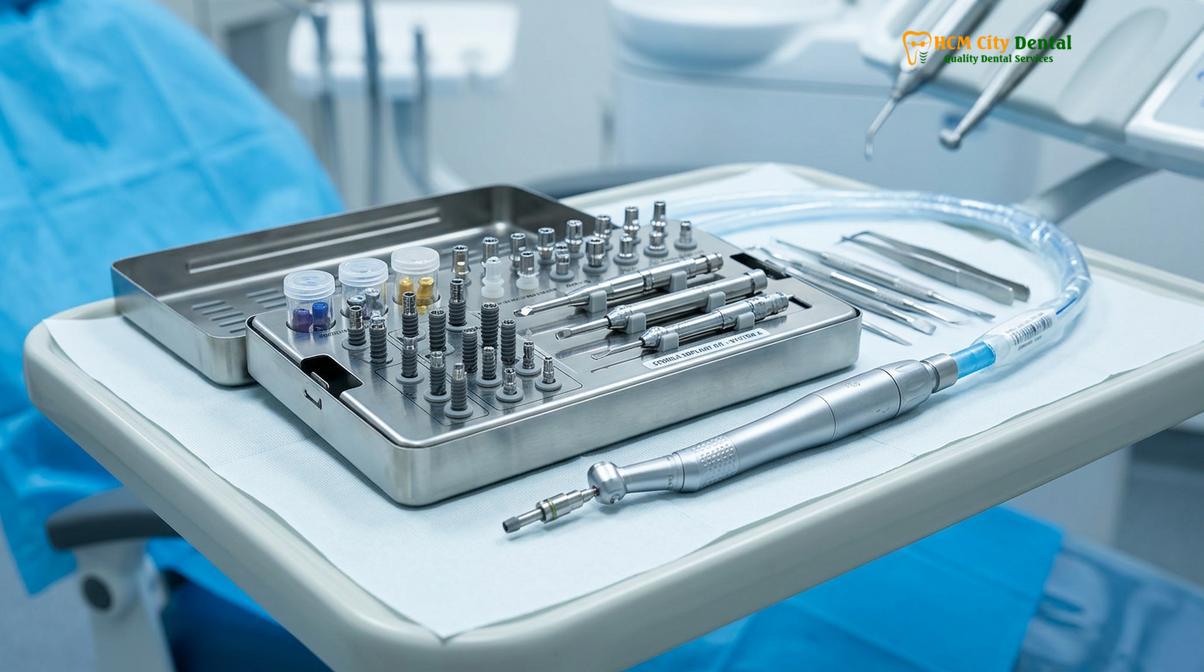
To further maintain rigorous care standards, top-tier facilities in Vietnam adhere strictly to international infection control protocols, utilizing Class B autoclaves for the sterilization of all surgical instrumentation. The clinical environment is designed to mirror, and often exceed, the regulatory requirements mandated by North American dental boards, ensuring a sterile, safe, and highly professional surgical theater.
Canadian Expat Healthcare Support in Saigon
Dedicated international patient departments in Ho Chi Minh City streamline the treatment journey by providing seamless communication, logistical assistance, and comprehensive post-operative care.
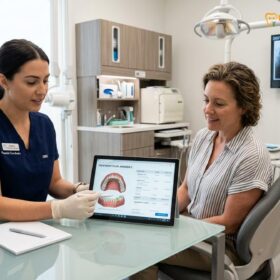
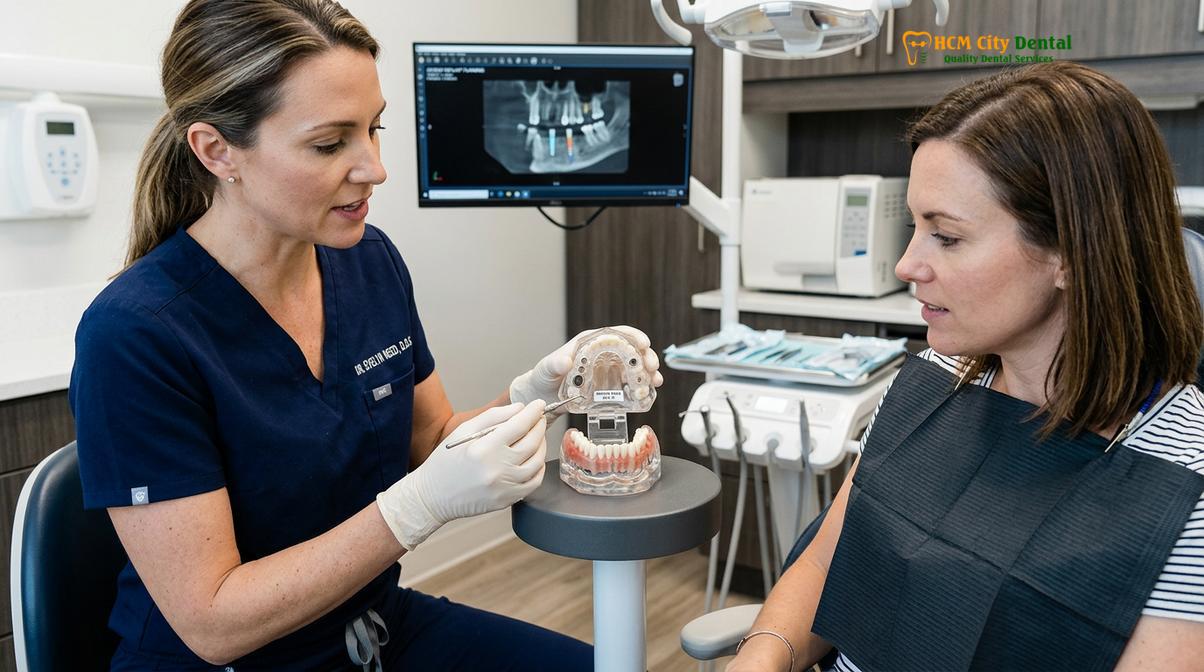
Navigating a foreign healthcare system can be daunting, which is why leading dental centers have established specialized departments focused entirely on international patient liaison. For North Americans, robust expat dental care support begins long before the flight is booked. Initial consultations are routinely conducted via secure video conferencing, allowing patients to submit their local panoramic X-rays or CBCT scans for preliminary evaluation by the surgical team.
Once in Ho Chi Minh City, patients are assigned a dedicated, fluent English-speaking care coordinator. This coordinator manages all clinical appointments, assists with local transportation, and ensures that all medical instructions, consent forms, and post-operative guidelines are clearly understood. This high level of expat dental care support eliminates language barriers and significantly reduces the anxiety associated with undergoing complex oral surgery in a new country.
Important Consideration for International Patients
While Vietnam offers exceptional dental care, the market is diverse. Patients must exercise due diligence to avoid clinics that cater primarily to budget-driven tourists rather than complex surgical rehabilitations. Always verify the surgeon’s credentials, request proof of international implant brands, and ensure the facility possesses in-house 3D CBCT imaging capabilities. Never select a clinic based solely on the lowest advertised price.
Additionally, reputable clinics provide comprehensive medical documentation upon the completion of treatment. This includes detailed operative reports, radiographic imaging (pre- and post-surgery), and itemized financial invoices. These documents are crucial not only for the patient’s ongoing dental records back home but also for those attempting to claim eligible medical expenses through the Canada Revenue Agency (CRA) or supplementary private insurance policies.
Clinical Workflows and Advanced Surgical Protocols
Modern implantology in Vietnam leverages state-of-the-art diagnostic imaging and minimally invasive surgical techniques to ensure optimal osseointegration and aesthetic outcomes.
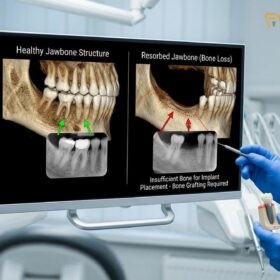
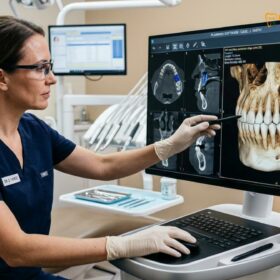
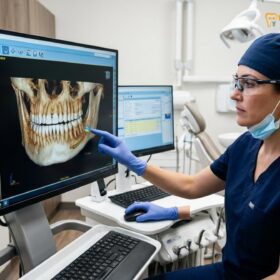
The clinical workflow for implant rehabilitation at an advanced facility like HCMC Dental Clinic is characterized by meticulous digital planning. Upon arrival, every patient undergoes a high-resolution 3D Cone Beam Computed Tomography (CBCT) scan. This imaging allows the maxillofacial surgeon to assess bone density, map the trajectory of the inferior alveolar nerve, and precisely locate the maxillary sinus cavities. This three-dimensional data is then imported into specialized software to perform virtual implant placement before any physical incision is made[4].
For patients presenting with significant bone atrophy, advanced pre-prosthetic surgeries are seamlessly integrated into the treatment plan. Techniques such as maxillary sinus elevation or localized ridge augmentation are routinely performed to create a robust foundation for the titanium fixtures. Furthermore, the utilization of ultrasonic bone surgery devices ensures that these delicate procedures are executed with maximum precision and minimal trauma to surrounding soft tissues.
“The integration of computer-guided surgical templates has revolutionized our approach to complex rehabilitations. By translating our digital plan into a physical guide, we can place implants with sub-millimeter accuracy, drastically reducing surgical time, minimizing post-operative swelling, and ensuring the prosthetic emergence profile is absolutely ideal.”
— Dr. Nguyen Van Cuong, Lead Surgeon
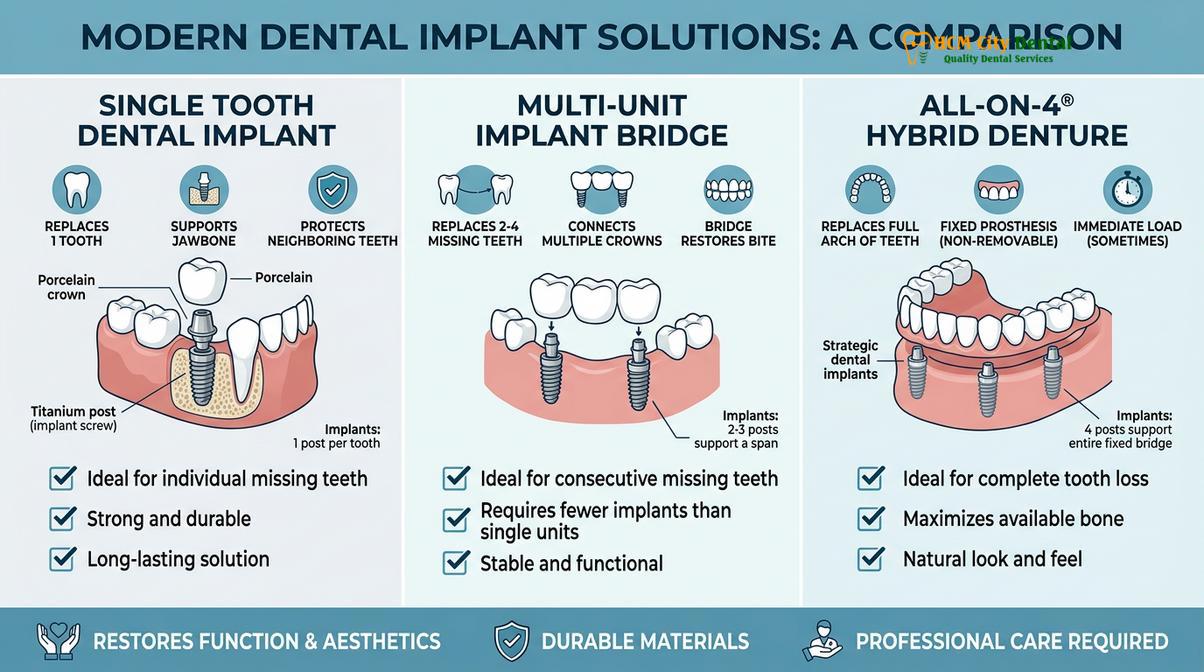
Depending on the patient’s clinical presentation and primary stability metrics achieved during surgery, various loading protocols may be employed. While the traditional delayed loading approach remains the gold standard for long-term predictability, highly selected cases may qualify for immediate loading protocols, where a temporary provisional crown is attached on the same day as surgery. For fully edentulous patients, implant-retained overdentures offer a highly stable, cost-effective alternative to traditional removable prosthetics, dramatically improving masticatory function and quality of life.
When to Consult a Dental Professional
While the financial benefits of international dental care are compelling, implant surgery is a complex medical procedure that requires careful patient selection. Not every individual is an immediate candidate for dental implants. Patients must undergo a thorough clinical evaluation to assess their systemic health and local oral conditions.
Absolute and relative contraindications must be carefully managed. Individuals with uncontrolled diabetes mellitus, active periodontal disease, severe osteoporosis, or those undergoing intravenous bisphosphonate therapy face a significantly higher risk of implant failure or severe complications such as osteonecrosis of the jaw[5]. Heavy tobacco use also severely impairs the microcirculation of the gingival tissues, drastically reducing the predictability of bone grafting and osseointegration.
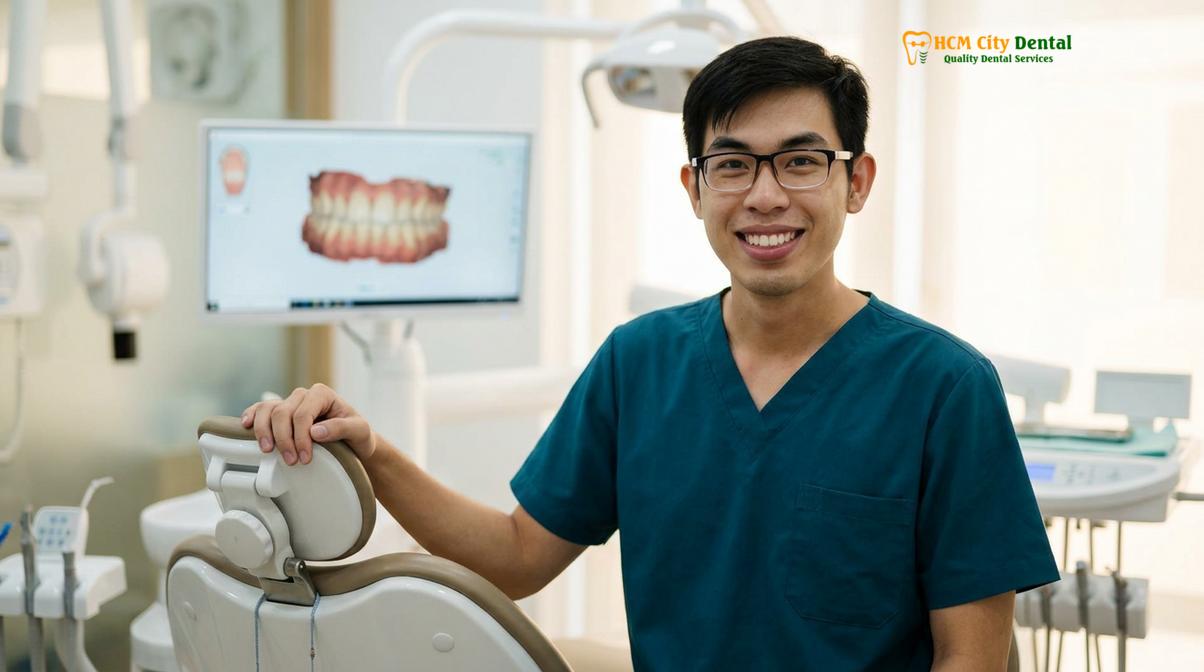
Before committing to international travel, it is highly recommended that patients obtain a preliminary evaluation and a recent panoramic radiograph from their local Canadian dentist. This baseline data can be shared securely with the surgical team in Vietnam to determine initial candidacy and formulate a provisional treatment estimate. However, the final diagnostic confirmation and definitive treatment plan can only be established following a comprehensive in-person clinical examination and 3D CBCT analysis at the destination clinic.
Frequently Asked Questions
How much can a Canadian save on a double implant treatment?
A Canadian patient can typically save between fifty to seventy percent on a double implant treatment in Vietnam compared to domestic prices. This substantial reduction accounts for the surgical placement, premium abutments, and custom ceramic crowns, even after factoring in international travel expenses. The savings are primarily derived from lower clinical overhead and laboratory costs, rather than any compromise in the quality of the titanium fixtures used.
Do you provide official invoices in English for Canadian tax credits?
Yes, reputable clinics in Vietnam provide comprehensive, itemized medical invoices and treatment records in English. These official documents include specific diagnostic codes and procedural details required by the Canada Revenue Agency for claiming eligible medical expense tax credits. Patients are advised to consult with their Canadian tax professional to understand the specific documentation requirements for cross-border medical expenses.
Is it safe to get All-on-4 in Vietnam for Canadians?
Yes, undergoing an All-on-4 procedure in Vietnam is clinically safe when performed by credentialed maxillofacial surgeons at internationally accredited facilities. Leading clinics utilize identical global implant brands, strict sterilization protocols, and advanced 3D surgical planning to ensure optimal patient outcomes. The key to safety is selecting a specialized implant center with a proven track record of full-arch rehabilitations rather than a general dental practice.
How many trips to Vietnam are required for a standard dental implant?
A standard dental implant protocol generally requires two separate trips to Vietnam, spaced three to six months apart. The initial visit involves the surgical placement of the titanium fixture and any necessary bone grafting, requiring a stay of about seven to ten days. The second visit, which also lasts about a week, focuses on taking final impressions, fabricating the custom abutment, and permanently cementing the ceramic crown.
What happens if my dental implant requires adjustment after returning to Canada?
Premium global implant systems placed in Vietnam come with international warranties that are honored worldwide. If minor prosthetic adjustments are needed upon returning to Canada, local dentists can easily service the restoration using standard universal implant drivers and components. Because top Vietnamese clinics use the exact same brands (like Straumann or Nobel Biocare) prevalent in North America, continuity of care is virtually seamless.
References
- Journal of Oral Implantology. Economic analysis of international dental tourism and implantology outcomes. (2022).
- International Journal of Oral and Maxillofacial Surgery. Comparative assessment of global implant material costs and clinical overhead. (2021).
- Clinical Implant Dentistry and Related Research. Osseointegration success rates in cross-border dental rehabilitation. (2020).
- Journal of the Canadian Dental Association. Out-of-pocket expenditures and insurance limitations for elective prosthodontics. (2019).
- British Dental Journal. Patient satisfaction and longitudinal tracking of internationally placed dental implants. (2023).
For personalized pricing, booking, and a free digital 3D CBCT scan, visit our Dental Implants service page or check our comprehensive Dental Implant Cost in Vietnam guide.