A dental implant abutment is the critical connector piece that securely joins the titanium implant fixture in your jawbone to the final prosthetic crown. It ensures structural stability, optimal chewing function, and proper alignment of the artificial tooth with your natural gum line.
Clinical Summary:
The dental implant abutment serves as the vital transitional component in modern implantology, bridging the surgical and restorative phases of treatment. Clinicians select between prefabricated stock abutments and digitally milled custom CAD/CAM abutments based on the patient’s anatomical requirements and aesthetic goals. Material selection—primarily titanium for posterior strength and zirconia for anterior translucency—plays a profound role in soft tissue integration and long-term success. Furthermore, the geometric design of the implant-abutment interface, such as internal hex or conical seal connections, dictates biomechanical stability, minimizes micro-movement, and helps prevent bacterial microleakage, ultimately supporting crestal bone health and the longevity of the prosthetic restoration.
Key Takeaways:
- The abutment is the essential structural link between the submerged implant post and the visible dental crown.
- Custom CAD/CAM abutments offer superior gingival contouring and emergence profiles compared to standard stock options.
- Titanium is widely considered the gold standard for high-stress posterior areas, while zirconia provides excellent aesthetics for front teeth.
- Conical seal connections provide enhanced biomechanical stability and reduce bacterial microleakage compared to traditional hex designs.
- Proper abutment selection directly influences the health of the peri-implant mucosa and the prevention of long-term complications.
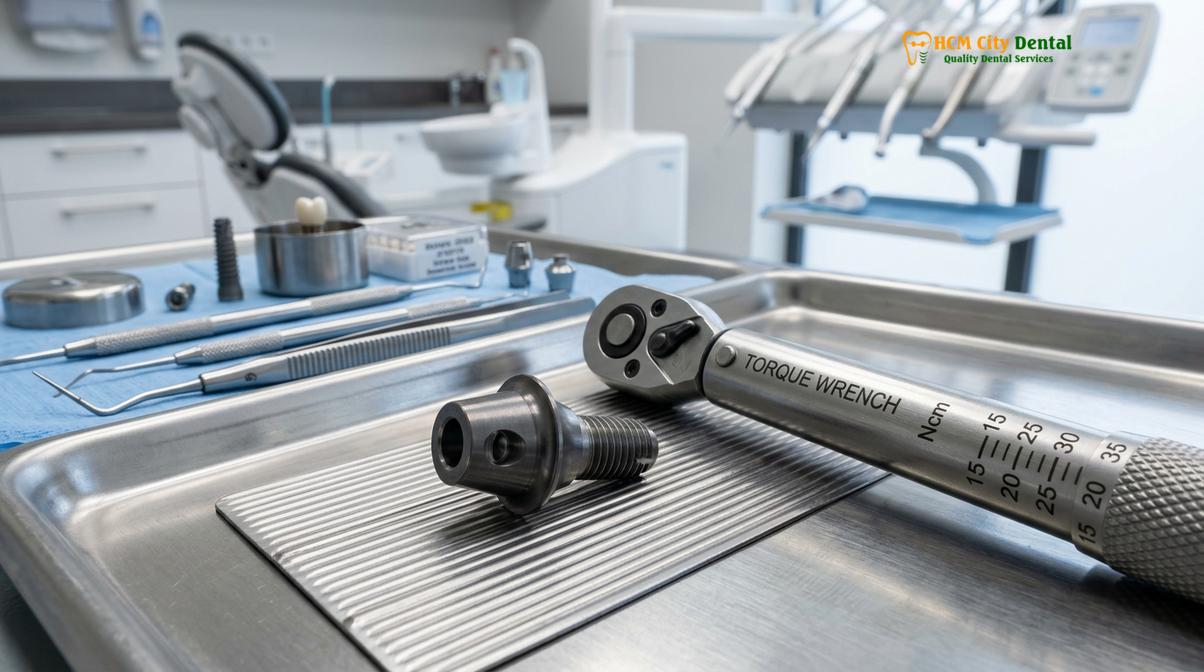
The Role of the Abutment in Implant Restorations
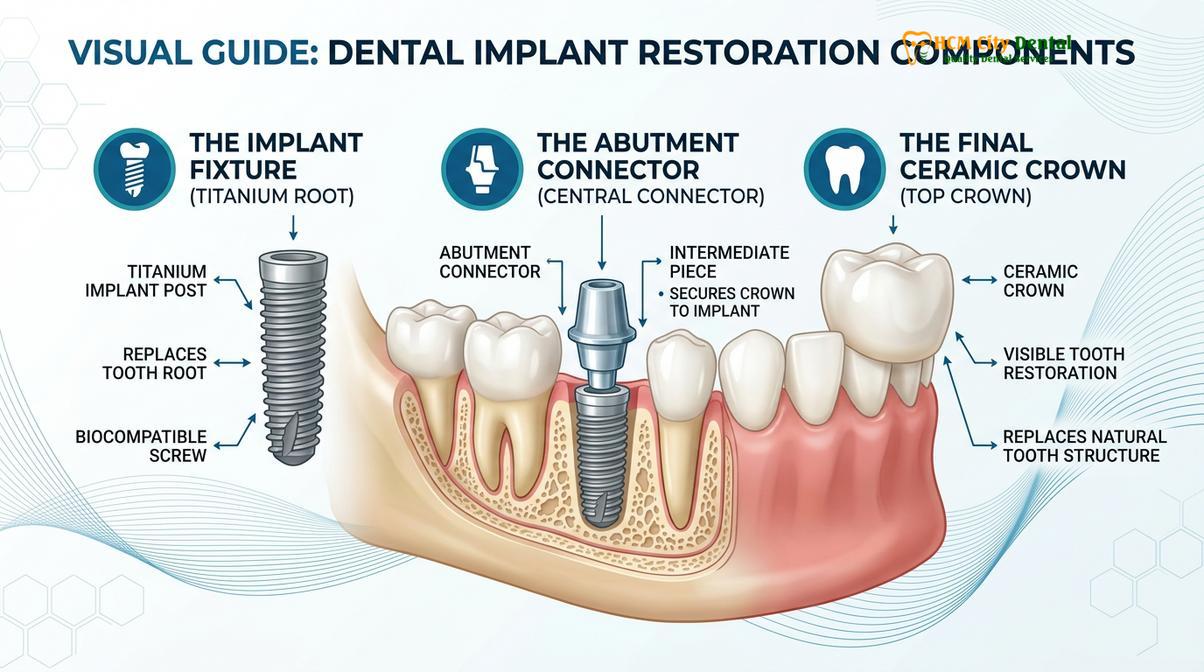
The abutment acts as the structural bridge between the submerged implant post and the visible dental crown, dictating the final angulation, structural support, and soft tissue contours of the restoration.
In the comprehensive architecture of modern tooth replacement, the dental implant abutment is arguably the most biomechanically complex component. While patients often focus on the surgical placement of the titanium root or the aesthetic beauty of the final ceramic crown, it is the abutment that must seamlessly integrate these two distinct elements. Functioning as the primary implant connector piece, the abutment must withstand immense occlusal (chewing) forces while simultaneously providing a biologically acceptable surface for the delicate gingival tissues to adhere to. Without a precisely engineered abutment, the entire restorative complex would lack the necessary foundation for long-term functional success.
The clinical role of the abutment extends far beyond simple mechanical retention. Once the titanium implant fixture has successfully undergone osseointegration—fusing with the surrounding jawbone—the abutment is secured into the internal shaft of the implant. This connection must be incredibly precise to prevent any micro-movement during mastication. The abutment then protrudes through the mucosal tissue into the oral cavity, providing the physical core upon which the final prosthesis is either cemented or screw-retained. By acting as this critical intermediary, the abutment absorbs and distributes occlusal stress down into the implant body and, subsequently, into the surrounding alveolar bone[1].
Furthermore, the abutment plays an indispensable role in soft tissue management. The area where the implant emerges from the bone and passes through the gums is known as the transmucosal zone. The surface topography, material composition, and physical shape of the abutment directly influence how the gingival fibers adapt to the restoration. A well-designed abutment promotes the formation of a tight biological seal—often referred to as the biological width—which acts as a barrier against oral bacteria[6]. This seal is paramount in helping to prevent peri-implantitis, an inflammatory condition that can lead to bone loss and eventual implant failure.
When evaluating advanced tooth replacement solutions, clinicians must carefully consider the specific angulation and height of the abutment. Because implants are placed according to the available bone volume, they are not always perfectly aligned with the ideal trajectory of the final tooth. Angled abutments allow the restorative dentist to correct these surgical trajectories, ensuring that the final crown sits in harmony with the adjacent natural teeth. This level of precision is what makes implant therapy highly predictable when comparing permanent restorations to removable prosthetics, as it restores both the root and the crown in a biomechanically sound manner.
Stock Abutments vs. Custom CAD/CAM Abutments
Stock abutments are pre-manufactured in standard sizes for straightforward cases, whereas custom CAD/CAM abutments are digitally milled to match the exact anatomical contours of a patient’s unique gum profile.
One of the most critical decisions in the restorative phase of implant dentistry is choosing between prefabricated stock abutments and patient-specific custom abutments. This choice significantly impacts the final aesthetic outcome, the health of the surrounding gum tissue, and the overall longevity of the restoration. Historically, stock abutments were the only option available. These are mass-produced by implant manufacturers in a variety of standard heights, diameters, and angulations. They are highly cost-effective and readily available, making them a suitable choice for straightforward posterior restorations where aesthetic demands are lower and the surrounding tissue architecture is relatively flat.
However, human anatomy is rarely standardized. The cross-section of a natural tooth at the gum line is almost never perfectly round, yet stock abutments typically feature a cylindrical profile. When a round stock abutment is used to replace a naturally triangular or ovoid tooth (such as an incisor or premolar), the transition from the circular abutment to the anatomically shaped crown can create unnatural contours. This mismatch can lead to food impaction, difficulty in maintaining oral hygiene, and aesthetic compromises such as “black triangles” between the teeth.
The advent of digital dentistry has revolutionized this process through custom abutment design. Utilizing Computer-Aided Design and Computer-Aided Manufacturing (CAD/CAM) technology, clinicians can now create an abutment that is entirely bespoke to the individual patient. Following the healing phase, an intraoral scanner captures a highly accurate 3D digital impression of the implant position and the surrounding soft tissue architecture. Dental technicians then use specialized software to design an abutment that perfectly mimics the emergence profile of the natural tooth that was lost[3].
Custom abutments offer profound clinical advantages. By precisely matching the contours of the gingival sulcus, they provide optimal support for the soft tissue, helping to prevent recession and ensuring a natural-looking gum line. Furthermore, custom abutments allow the clinician to place the cement margin exactly at or slightly below the gum line. This is crucial for cement-retained crowns, as excess cement left deep in the tissue is a leading cause of peri-implant inflammation. With a custom abutment, the margin is easily accessible, ensuring complete removal of residual cement and safeguarding the long-term health of the implant.
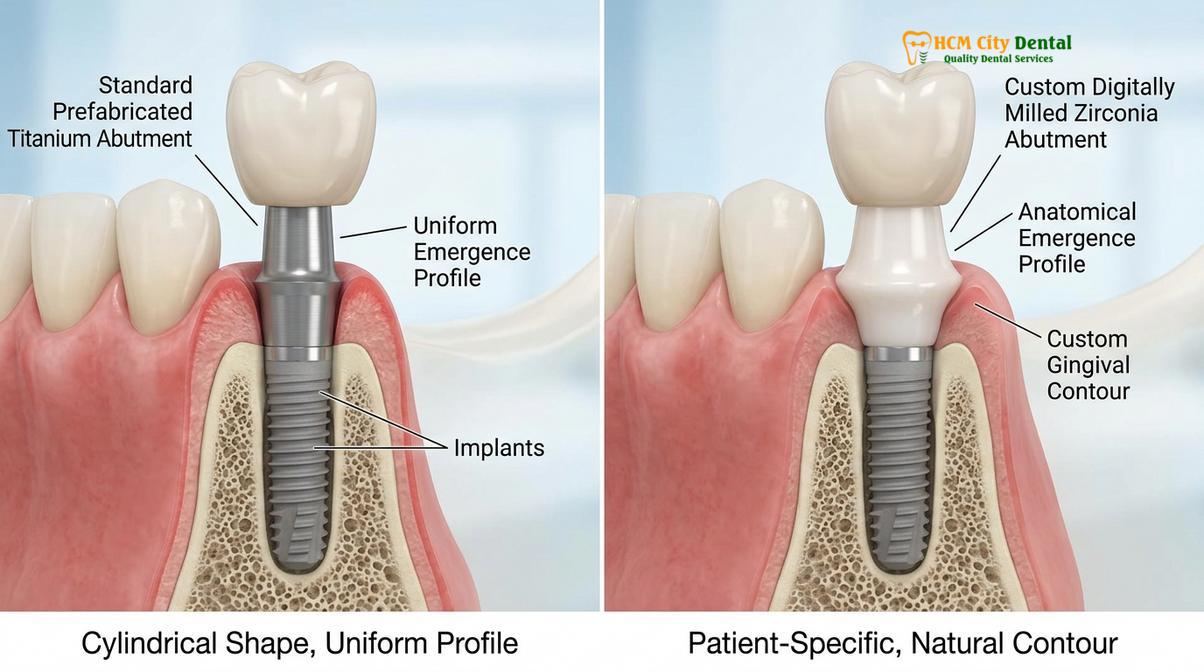
To better understand the clinical distinctions, the following table outlines the primary differences between these two restorative approaches:
| Feature | Stock (Prefabricated) Abutments | Custom CAD/CAM Abutments |
|---|---|---|
| Manufacturing | Mass-produced in standard, cylindrical sizes. | Digitally designed and milled for the individual patient. |
| Emergence Profile | Standardized; may not perfectly support natural gum contours. | Anatomically contoured to mimic the natural tooth root. |
| Aesthetic Outcome | Adequate for posterior teeth; less ideal for the aesthetic zone. | Superior; highly recommended for visible anterior teeth. |
| Cement Margin Control | Fixed margins; can make cement removal difficult if tissue is deep. | Customized margin placement ensures easy and safe cement removal. |
| Cost & Time | More economical and immediately available. | Requires laboratory fabrication time and higher initial investment. |
While custom CAD/CAM abutments require a higher initial investment, their ability to support long-term soft tissue health and deliver superior aesthetics makes them a preferred standard of care in modern implantology. When patients are evaluating their overall treatment investment, understanding the value of a customized emergence profile is essential for making an informed decision about their oral health.
Material Differences: Titanium vs. Zirconia Abutments
Titanium abutments offer unmatched mechanical strength for posterior chewing forces, while zirconia abutments provide superior translucency and natural color for highly aesthetic anterior restorations.
The selection of the abutment material is a critical factor that influences both the biomechanical durability and the visual success of the implant restoration. The two predominant materials utilized in contemporary implant dentistry are surgical-grade titanium and yttria-stabilized zirconia. Each material possesses distinct physical and optical properties that dictate its clinical indications.
Titanium has long been the gold standard in implantology due to its exceptional biocompatibility, high tensile strength, and resistance to corrosion. Titanium abutments are incredibly durable and are capable of withstanding the immense occlusal forces generated in the posterior regions of the mouth (the molars and premolars). Because titanium naturally forms an oxide layer, it integrates exceptionally well with both the surrounding bone and the soft mucosal tissues. For patients with heavy bite forces, bruxism (teeth grinding), or those requiring multi-unit bridges, titanium remains the most reliable and predictable choice[2].
However, titanium has one significant drawback: its dark, metallic color. In patients with thin or highly translucent gingival biotypes, a titanium abutment can cause a grayish shadowing effect through the gums. If the gum tissue recedes even slightly over time, the metal margin of the abutment may become visible, severely compromising the aesthetic outcome. This is particularly problematic in the aesthetic zone—the front teeth that are visible when a patient smiles.
“In clinical practice, material selection must be tailored to the specific anatomical zone. We rely on the unyielding strength of titanium for molar restorations where chewing forces are paramount. However, for anterior teeth, the optical properties of zirconia are indispensable for achieving a restoration that blends seamlessly with the natural dentition.”
To address these aesthetic challenges, zirconia abutments were developed. Zirconia is a high-strength ceramic material that is tooth-colored and highly biocompatible. The primary advantage of zirconia abutment aesthetics is its ability to transmit light in a manner similar to natural dentin. When paired with an all-ceramic crown, a zirconia abutment allows light to pass through the restoration and into the surrounding gum tissue, creating a warm, natural vitality and eliminating the risk of dark metallic shadowing at the gingival margin.
Furthermore, clinical studies have shown that zirconia exhibits a lower affinity for bacterial plaque accumulation compared to titanium. This characteristic can be highly beneficial in maintaining the health of the peri-implant mucosa and reducing the risk of inflammation. However, it is important to note that while modern zirconia is exceptionally strong, it is more brittle than titanium. Therefore, its use is generally reserved for anterior and premolar regions where aesthetic demands are high and occlusal forces are lower. When utilizing premium implant systems, clinicians often have access to hybrid abutments—featuring a titanium base for secure connection to the implant and a customized zirconia upper portion for optimal aesthetics.
Connection Designs: Internal Hex vs. Conical Seal
The geometric interface between the implant and abutment determines micro-movement and bacterial sealing, with conical connections generally offering superior biomechanical stability compared to traditional hex designs.
The microscopic junction where the abutment meets the implant fixture is known as the implant-abutment interface. The engineering of this connection is of paramount importance, as it dictates the structural integrity of the entire assembly and profoundly influences the preservation of the surrounding crestal bone. Over the decades, implant manufacturers have developed various connection designs, primarily categorized into external connections, internal hex connections, and internal conical (Morse taper) connections.
Early implant systems utilized an external hex design, where a small hexagonal protrusion on top of the implant fit into a corresponding receptacle in the abutment. While functional, this design was prone to screw loosening and micro-movement under lateral chewing forces. To improve stability, the industry shifted toward internal connections. The internal hex design features a hexagonal receptacle inside the body of the implant, into which the abutment is seated. This internal engagement significantly increases the surface area of contact, distributing occlusal forces deeper into the implant body and reducing the strain on the abutment screw.
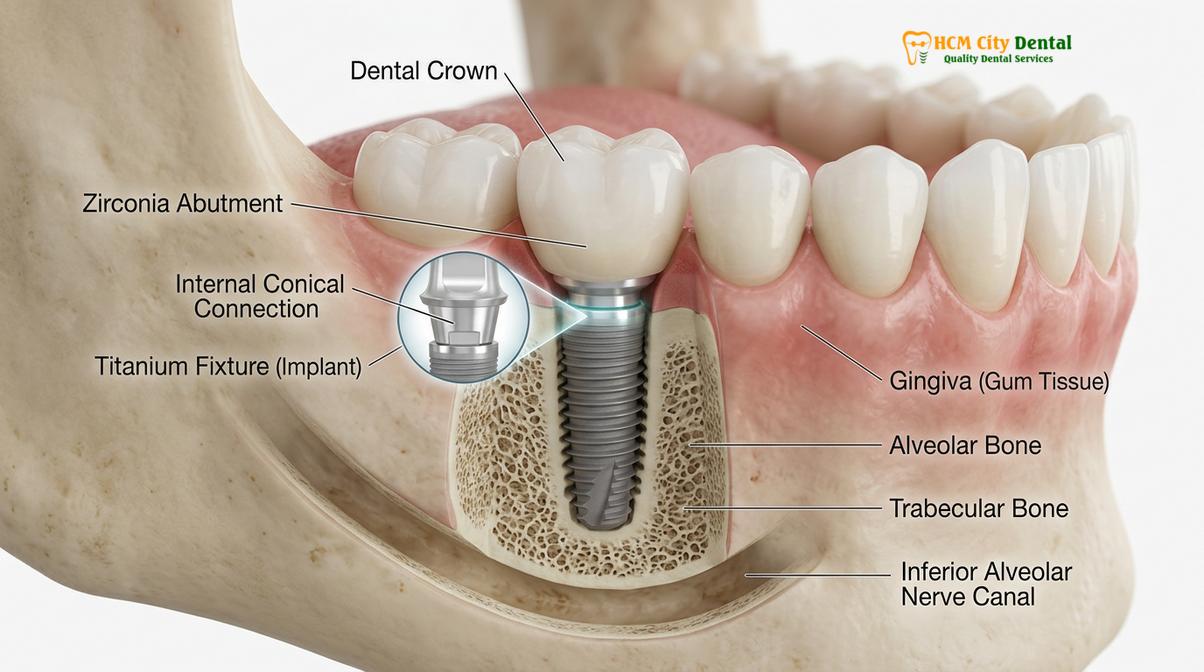
Despite the improvements offered by internal hex designs, a microscopic gap—often referred to as the micro-gap—still exists between the machined titanium surfaces. Under heavy chewing loads, slight micro-movement can occur at this interface, creating a pumping effect that draws oral fluids and bacteria into the internal cavity of the implant. This bacterial colonization at the micro-gap can trigger localized inflammation, leading to crestal bone resorption around the neck of the implant.
To combat this phenomenon, modern premium implant systems increasingly utilize an internal conical seal connection. In this design, the abutment features a tapered cone that wedges tightly into a matching conical receptacle inside the implant. As the abutment screw is tightened, the two titanium surfaces are forced together in a friction fit, often resulting in a phenomenon known as “cold welding.” This creates an exceptionally rigid, virtually gap-free seal that minimizes micro-movement and helps prevent bacterial microleakage.
The biomechanical superiority of the conical connection is further enhanced when combined with a concept called “platform switching.” Platform switching involves using an abutment that is slightly narrower in diameter than the restorative platform of the implant. This design shifts the implant-abutment junction horizontally inward, away from the outer edge of the implant and the adjacent bone. Clinical evidence strongly suggests that platform switching, combined with a stable conical connection, is highly effective in preserving crestal bone levels and maintaining the volume of the overlying soft tissue[4].
How Abutment Design Affects Gum Health and Aesthetics
A precisely contoured abutment supports the surrounding gingival architecture, preventing tissue recession and creating a natural emergence profile for the final crown.
The relationship between the abutment and the surrounding soft tissue is a critical determinant of long-term implant success. Unlike natural teeth, which are attached to the bone via a complex network of periodontal ligaments, dental implants rely on a more fragile mucosal attachment. The gingival fibers run parallel to the implant surface rather than inserting directly into it, making the peri-implant tissue more susceptible to bacterial invasion and mechanical trauma.
The design of the abutment plays a pivotal role in supporting and protecting this delicate tissue. A properly contoured abutment creates an ideal emergence profile—the shape of the restoration as it transitions from the implant platform through the gums and into the oral cavity. If the abutment is too bulky, it can place excessive pressure on the gingival tissue, leading to ischemia (lack of blood flow) and subsequent recession. Conversely, if the abutment is under-contoured, it fails to provide adequate support for the interdental papillae (the small triangles of gum tissue between teeth), resulting in unappealing dark spaces.
Furthermore, the surface texture of the abutment influences tissue integration. The transmucosal portion of the abutment is typically highly polished to discourage bacterial plaque accumulation. However, some modern abutment designs incorporate micro-grooves or specific surface treatments at the very base to encourage the attachment of connective tissue cells, thereby strengthening the biological seal. By carefully managing the emergence profile and surface characteristics, clinicians can achieve a restoration that not only looks entirely natural but also promotes a healthy, stable gingival environment.
When to Consult Your Dentist About Abutment Issues
While implant restorations are highly durable, patients should seek prompt clinical evaluation if they experience crown mobility, localized pain, or signs of gingival inflammation.
Although dental implants boast an exceptionally high success rate, prosthetic complications can occasionally arise. One of the most common issues related to the abutment is screw loosening. The abutment is secured to the implant fixture via a small retaining screw. Over time, excessive occlusal forces—particularly in patients who clench or grind their teeth—can cause this screw to gradually lose its torque[5]. If you notice that your implant crown feels slightly loose or clicks when you chew, it is imperative to schedule a dental visit immediately. Attempting to function on a loose abutment can lead to screw fracture or damage to the internal connection of the implant itself.
Additionally, patients should be vigilant for signs of peri-implant inflammation. If the gum tissue around the implant becomes red, swollen, or bleeds during brushing, it may indicate a disruption of the biological seal around the abutment. This can be caused by plaque accumulation, residual cement beneath the gum line, or an ill-fitting restoration. Early intervention is crucial to prevent the progression of inflammation into the underlying bone. Regular professional cleanings and routine radiographic evaluations are essential for monitoring the health of the abutment interface and ensuring the long-term viability of the implant.
Clinical Case Study: Custom Abutment Success in Ho Chi Minh City
A patient case demonstrates how transitioning from a stock titanium abutment to a custom zirconia solution can dramatically improve anterior aesthetics and soft tissue health.
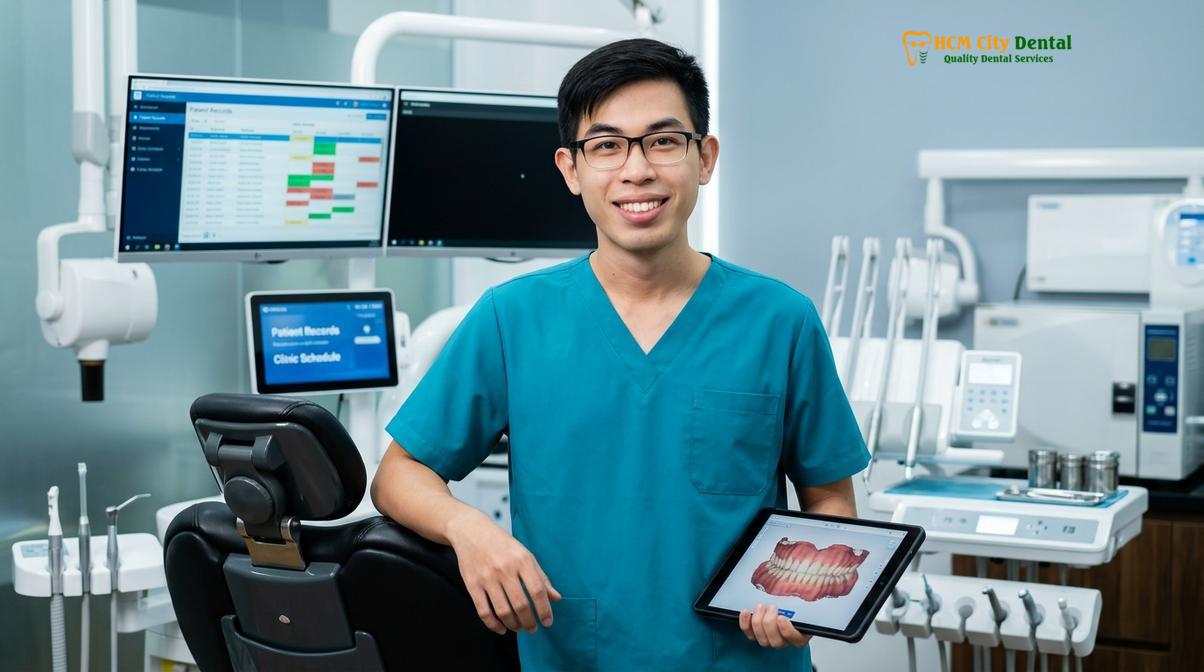
During a comprehensive consultation at HCMC Dental Clinic in Ho Chi Minh City, a patient presented with aesthetic concerns regarding an older anterior implant restoration. The patient reported dissatisfaction with a noticeable gray shadow near the gum line and a crown shape that felt unnatural compared to the adjacent teeth. Dr. Nguyen Van Cuong, a leading restorative specialist at the clinic, evaluated the case and noted that the previous stock titanium abutment was failing to support the thin gingival biotype, causing the metallic discoloration to show through the tissue.
To resolve the issue, the clinical team initiated a restorative revision. By utilizing digital intraoral scanning, they designed a custom-milled zirconia abutment tailored specifically to the patient’s anatomical emergence profile. This custom approach not only eliminated the dark shadowing but also provided optimal support for the interdental papillae, encouraging the gum tissue to drape naturally around the new all-ceramic crown. For more insights on achieving optimal aesthetic results, patients can review these expert implant tips by Dr. Cuong.
“The transformation was remarkable. By simply upgrading the abutment material and customizing the contour, we were able to restore the natural vitality of the patient’s smile and ensure the long-term stability of the surrounding soft tissue.”
Vietnam National Standards for Implant Restorations
Adherence to national clinical guidelines ensures that implant abutment selection and placement meet rigorous safety and quality standards.
In Vietnam, the practice of implant dentistry is guided by stringent clinical protocols to ensure patient safety and predictable outcomes. The Vietnam Odonto-Stomatology Association (VOSA) provides comprehensive guidelines regarding implant prosthodontics, emphasizing the importance of proper abutment selection, precise marginal fit, and the use of biocompatible materials[7]. These national standards align with international best practices, ensuring that patients receiving implant therapy in Vietnam benefit from high-quality, evidence-based care.
Clinics that adhere to these guidelines prioritize the use of authentic, manufacturer-approved abutments and advanced digital workflows. This commitment to quality control minimizes the risk of prosthetic complications, such as screw loosening or component fracture, and maximizes the longevity of the restoration. For older adults considering tooth replacement, understanding these standards is particularly important. Patients can explore whether they are candidates for such procedures by reviewing resources on dental implants for seniors, which detail the safety and efficacy of modern implant protocols.
Conclusion & Next Steps
The dental implant abutment is a foundational element that bridges the gap between surgical success and restorative excellence. Whether utilizing a robust titanium connector for posterior strength or a highly aesthetic custom zirconia abutment for a flawless smile, the right choice is paramount to the longevity of your restoration. By understanding the critical differences in materials, designs, and customization options, patients can make informed decisions about their oral health investments. If you are considering tooth replacement or need an evaluation of an existing restoration, exploring the pros and cons of dental implants with a qualified specialist is the best way to ensure a predictable and beautiful outcome. Contact HCMC Dental Clinic, Ho Chi Minh City today to schedule your comprehensive implant consultation.
References
- Journal of Clinical Periodontology. Influence of abutment material on peri-implant soft tissues: A systematic review.
- International Journal of Oral & Maxillofacial Implants. Biomechanical evaluation of internal hex versus conical implant-abutment connections.
- Journal of Prosthetic Dentistry. Clinical outcomes of CAD/CAM custom abutments versus prefabricated stock abutments.
- Clinical Oral Implants Research. Platform switching and its effect on marginal bone preservation around dental implants.
- Journal of the American Dental Association. Management of prosthetic complications in implant dentistry: Screw loosening and fracture.
- Periodontology 2000. The biological width around dental implants and its clinical significance.
- Vietnam Odonto-Stomatology Association (VOSA). National clinical guidelines on implant prosthodontics and abutment selection.