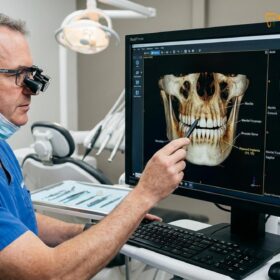
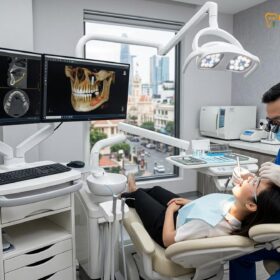
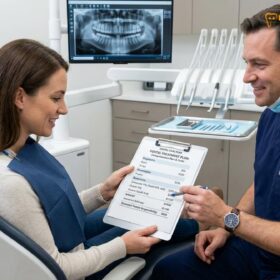
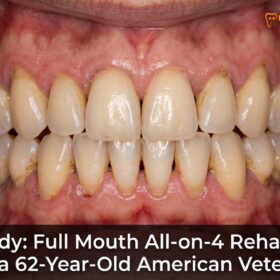
A dental implant warranty is a comprehensive clinical and manufacturer guarantee designed to protect patients against structural defects of the titanium fixture and premature failure of prosthetic components. This coverage ensures that if biological integration fails or hardware fractures occur, retreatment or replacement is provided without excessive out-of-pocket expenses.
Clinical Summary:
Understanding the nuances of a dental implant warranty is critical for patients seeking restorative care, particularly when traveling abroad. Warranties are generally bifurcated: the surgical titanium fixture often carries a lifetime manufacturer guarantee against structural defects, while the restorative prosthesis (crown or bridge) features a limited-term warranty due to daily occlusal wear. Premium heritage brands facilitate international warranty coverage, allowing authorized clinicians worldwide to access replacement components. Through the issuance of an implant serial passport and the implementation of remote dental care follow-up protocols, modern clinics ensure seamless cross-border maintenance. In cases of rare biological non-integration, a structured implant failure retreatment policy dictates the safe removal, bone regeneration, and subsequent reimplantation, safeguarding the patient’s long-term oral health investment.
Key Takeaways:
- Implant warranties are divided into lifetime coverage for the titanium fixture and limited-term coverage (typically 3-5 years) for the prosthetic crown.
- Heritage implant brands provide global databases, ensuring replacement components can be sourced by authorized dentists anywhere in the world.
- An implant serial passport documents exact lot and batch numbers, providing critical traceability for future restorative maintenance.
- Secure remote digital checkups allow surgical teams to monitor soft tissue healing and osseointegration during the initial recovery phase.
- Biological failures, while rare, are managed through structured retreatment protocols involving site debridement, bone grafting, and delayed reimplantation.
Understanding Dental Implant Warranties: Fixture vs. Prosthesis
Dental implant warranties are strictly divided into two categories: a lifetime manufacturer guarantee on the surgically embedded titanium fixture, and a limited-term clinical warranty on the custom prosthetic crown subjected to daily chewing forces.
When patients invest in restorative implant dentistry, one of the most common areas of confusion surrounds the exact scope of the warranty. It is vital to understand that a dental implant is not a single unit; it is a complex medical device comprised of multiple distinct components, each subjected to entirely different biological and mechanical environments. Consequently, the warranty covering these components is bifurcated to reflect their respective lifespans and risk factors[1].
The foundation of the restoration is the implant fixture—the titanium screw surgically embedded into the alveolar bone. Because this component is manufactured from highly biocompatible, medical-grade titanium (typically Grade 4 or Grade 5 titanium alloy), it is designed to last a lifetime. Once successful osseointegration occurs—the biological process where living bone cells fuse directly to the micro-roughened surface of the titanium—the fixture becomes a permanent part of the patient’s anatomy. Leading global manufacturers provide a lifetime warranty on this fixture. This means that if the titanium screw ever fractures due to a metallurgical defect, or if it fails to integrate during the initial healing phase, the manufacturer will replace the hardware entirely free of charge.
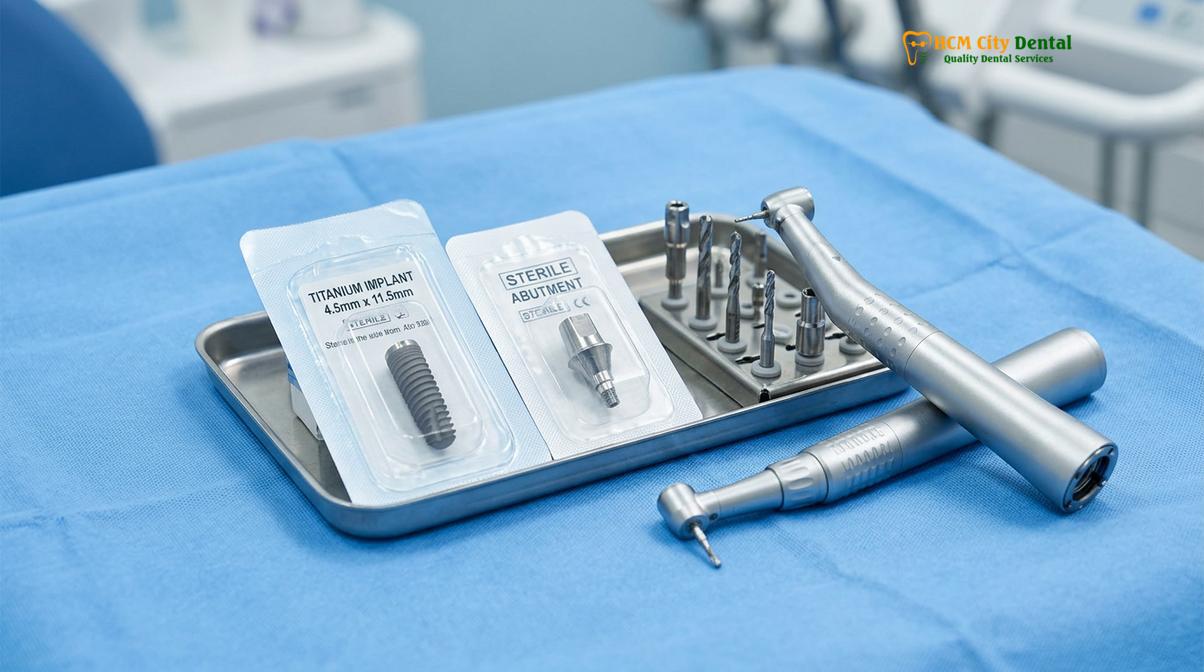
However, the restorative phase involves components that exist above the gumline, specifically the prosthetic connector components (abutments) and the final visible crown or bridge. Unlike the protected fixture embedded in bone, the prosthesis is subjected to relentless mechanical stress. The human jaw can exert masticatory (chewing) forces ranging from 200 to over 800 Newtons. Over time, these forces can cause wear, micro-fractures, or chipping in ceramic, porcelain, or even monolithic zirconia crowns.
Because of this daily mechanical fatigue, the warranty on the prosthesis is fundamentally different from the fixture. Most high-tier dental clinics offer a restorative warranty ranging from three to five years. This warranty covers laboratory defects, such as premature delamination of porcelain or structural failure of the framework under normal use. It is crucial to note that prosthetic warranties generally contain clinical stipulations. For instance, if a patient suffers from severe bruxism (chronic teeth grinding) and refuses to wear a prescribed nocturnal occlusal guard, the excessive forces can fracture the crown, potentially voiding the restorative warranty. Similarly, damage resulting from external trauma (such as a sports injury or an accident) is classified as a medical emergency rather than a warranty claim.
Understanding this distinction empowers patients to maintain realistic expectations regarding their long-term care. While the titanium root is guaranteed against structural failure, the “teeth” themselves require the same diligent maintenance, professional cleanings, and eventual replacement as natural dentition subjected to decades of use.
Global Warranties: Sourcing Nobel Biocare and Straumann Support
Premium heritage brands like Straumann and Nobel Biocare offer robust international warranty coverage, ensuring that any authorized clinician worldwide can access the proprietary components needed to service your implant.
One of the primary concerns for patients traveling for dental care is the fear of clinical abandonment. The narrative often suggests that if a complication arises after returning home, local dentists will be unable or unwilling to provide maintenance. This concern is valid only if a patient receives generic, unbranded, or “clone” implants that lack global traceability. However, when treatment is executed using heritage implant systems, this risk is entirely mitigated through comprehensive international warranty coverage[2].
Heritage brands, predominantly Swiss-engineered Straumann and Swedish/American Nobel Biocare, represent the gold standard in implantology. These companies have spent decades compiling extensive clinical research and building vast global distribution networks. When a surgeon utilizes ultrasonic surgical preparation to place a premium implant, the patient is not just receiving a titanium screw; they are being entered into a worldwide registry of care.
“The true value of a premium dental implant lies not only in its surface topography and osseointegration potential, but in the global infrastructure that guarantees its maintenance across international borders for decades to come.”
Consider a practical scenario: A patient receives a full-arch restoration in Ho Chi Minh City and returns to their home in Sydney, Australia. Five years later, a minor complication occurs—perhaps an abutment screw loosens slightly due to heavy chewing forces. Because the patient received a genuine Straumann or Nobel Biocare implant, they do not need to board a flight back to Vietnam. They simply visit a local authorized provider in Sydney. The local dentist can access the manufacturer’s global database, identify the exact proprietary screwdriver required (such as a specific Torx or hex driver), and safely retighten the component.
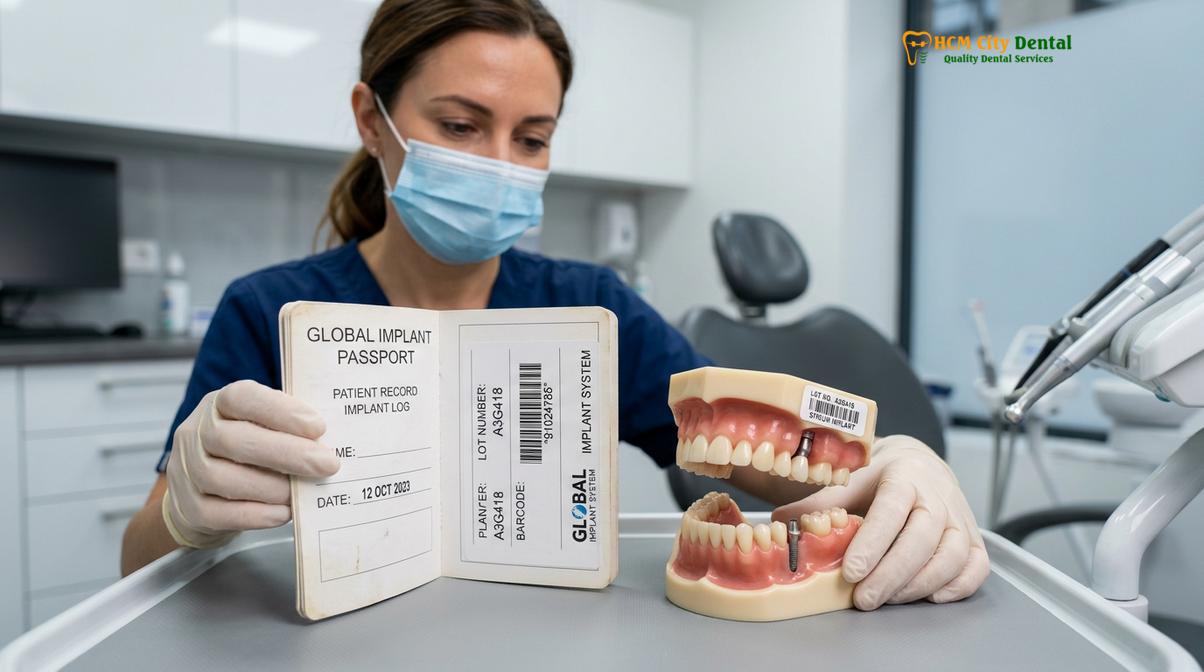
This seamless cross-border maintenance is the cornerstone of international warranty coverage. The manufacturer’s guarantee ensures that if a component is found to be defective, the local dentist can order a replacement part directly from the regional distributor, and the cost of the hardware is covered by the manufacturer. While the local dentist will charge for their clinical time and labor, the expensive proprietary hardware is protected.
At HCMC Dental Clinic, the commitment to utilizing only globally recognized systems ensures that patients are never isolated from care. By rejecting generic alternatives, the clinic guarantees that the patient’s investment is safeguarded by a safety net that spans continents, providing profound peace of mind long after the surgical sites have healed.
The Implant Passport: Tracking Serial and Lot Numbers Online
An implant serial passport is a standardized medical document containing the exact manufacturer, batch, and lot numbers of your sterile components, providing critical traceability for future restorative maintenance.
In modern implant dentistry, clinical documentation is just as critical as surgical precision. To facilitate the global warranties discussed previously, patients must be provided with an irrefutable record of the medical devices implanted into their bodies. This is achieved through the issuance of an implant serial passport.
The implant serial passport is a physical or digital booklet provided to the patient upon the completion of the surgical phase. During the procedure, every sterile component—from the titanium fixture to the healing abutment—is removed from its sealed packaging. This packaging contains highly specific, multi-layered tracking stickers featuring barcodes, lot numbers, and batch codes. The surgical assistant transfers these stickers directly into the patient’s passport and the clinic’s digital health records[4].
This level of traceability is a strict requirement of international health regulatory bodies, including the FDA and the CE marking authority in Europe. It serves multiple vital functions. First, it acts as an absolute proof of authenticity, protecting the patient against the infiltration of counterfeit or gray-market dental materials. Second, it provides the exact geometric specifications of the implant, which is crucial for any future restorative dentist.
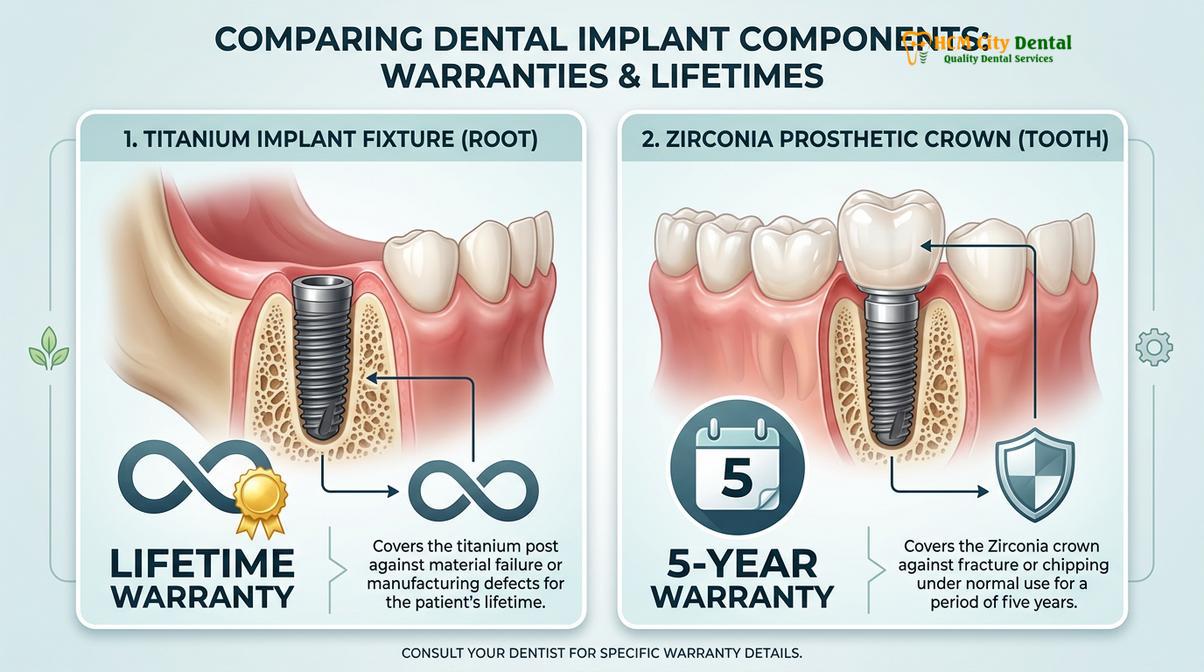
When a patient presents to a new dentist for maintenance or the fabrication of a new crown, the dentist cannot simply guess the specifications of the implant hidden beneath the gums. Attempting to force an incompatible prosthetic component into an implant can strip the internal threads, leading to catastrophic failure of the entire fixture. The implant serial passport eliminates this guesswork.
| Data Field | Clinical Significance | Example Data |
|---|---|---|
| Manufacturer & System | Identifies the proprietary connection type (e.g., conical vs. internal hex). | Straumann Bone Level Tapered (BLT) |
| Diameter & Length | Dictates the emergence profile and load-bearing capacity of the prosthesis. | Ø 4.1 mm, Length 10 mm |
| Material / Surface | Indicates the specific alloy and surface treatment used for osseointegration. | Roxolid® SLActive® |
| Lot & Batch Number | Provides global traceability for warranty claims and manufacturer recalls. | Lot: 8934521, Ref: 021.4300 |
By presenting this passport, the local clinician knows instantly that they are dealing with, for example, a 4.1mm diameter implant with a cross-fit internal connection. They can confidently order the correct impression copings and final abutments. Furthermore, if the patient ever requires alveolar ridge augmentation or adjacent surgical work, the exact dimensions of the existing hardware are known, allowing for precise 3D surgical planning.
Remote Care Protocols: Post-Op Digital Checkups on WhatsApp
Modern overseas dental aftercare utilizes secure remote dental care follow-up protocols, allowing surgical teams to monitor soft tissue healing and osseointegration digitally during the critical recovery phase.
The success of a dental implant is not determined solely in the operating room; the critical phase of osseointegration occurs over the subsequent three to six months while the patient is recovering at home. For international patients, traditional in-person follow-up appointments are geographically impossible. To bridge this gap and maintain the integrity of the warranty, elite clinics have developed sophisticated remote dental care follow-up protocols[5].
Tele-dentistry has revolutionized post-operative care. Utilizing secure, encrypted messaging platforms like WhatsApp or dedicated clinical portals, patients remain in direct, asynchronous contact with their surgical team. This continuous monitoring is vital for identifying early signs of complications, such as localized inflammation, suture dehiscence (opening of the wound), or early signs of infection, long before they threaten the survival of the implant.
Clinical Case Review: Remote Monitoring Efficacy
An international patient from Melbourne underwent complex full-arch surgery at HCMC Dental Clinic in Ho Chi Minh City. Two weeks post-operation, after returning home, the patient reported mild, localized swelling via the clinic’s remote portal. Dr. Nguyen Van Cuong reviewed the high-resolution intraoral photographs submitted by the patient. Dr. Cuong identified a minor, superficial mucosal irritation caused by a retained suture fragment. He immediately provided a digital referral to a local allied clinic in Melbourne for a simple 5-minute suture removal, preventing a potential localized infection and ensuring the osseointegration process continued flawlessly without the patient needing to travel.
The remote care protocol typically follows a structured timeline. Within the first 48 hours, patients submit updates regarding hemostasis (bleeding control) and post-operative swelling. At the two-week mark, high-resolution intraoral photographs are requested to assess soft tissue closure and the health of the gingival margins. At the three-month mark, patients are often instructed to obtain a panoramic radiograph (OPG) at a local imaging center and transmit the digital file to the surgical team. This allows the implantologist to visually confirm bone density around the titanium threads before giving the green light for the final restorative phase.
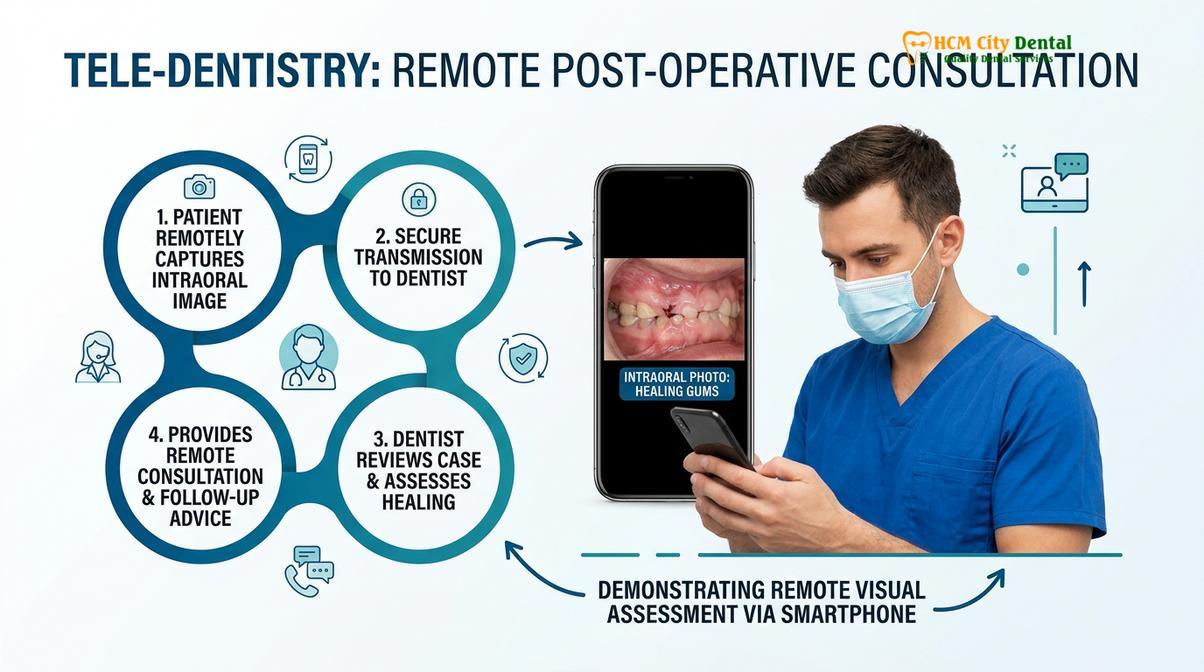
This rigorous remote dental care follow-up is not merely a customer service feature; it is a clinical requirement. By actively participating in these digital checkups, patients fulfill their obligations under the warranty terms, ensuring that the surgical team can intervene early if biological healing deviates from the expected trajectory. It is particularly crucial for patients undergoing immediate loading protocols, where the biomechanical stability of the temporary prosthesis must be closely monitored.
How HCMC Dental Manages Rare Implant Rejection Cases
In the rare event of biological rejection or failed osseointegration, structured clinical protocols dictate the safe removal of the fixture, bone regeneration, and subsequent reimplantation under the clinic’s warranty.
Despite meticulous surgical planning and the use of premium materials, dental implants are subject to the complex biological variables of the human body. While success rates routinely exceed 95%, biological failures—often colloquially referred to as “rejection”—can occur. True immunological rejection of medical-grade titanium is exceedingly rare. Instead, failure is typically characterized by a lack of osseointegration, where the body forms a layer of soft fibrous scar tissue around the implant rather than rigid bone[3].
This fibrous encapsulation can be triggered by several factors: micro-movements of the implant during the healing phase, localized bacterial infection, or compromised vascularity (blood supply) to the surgical site. When a failure occurs, a robust implant failure retreatment policy is activated to protect the patient’s health and financial investment.
Important Clinical Warning: The Impact of Nicotine
Smoking is the leading preventable cause of implant failure. Nicotine induces severe vasoconstriction, choking off the micro-blood supply necessary for bone cells to reach the surgical site. Patients who smoke heavily during the healing phase face a exponentially higher risk of fibrous encapsulation and peri-implantitis. Failure to adhere to the clinic’s non-smoking protocol will typically void the clinical warranty.
If an implant fails to integrate, the clinical protocol is highly structured. First, the mobile or infected fixture is gently removed under local anesthesia. Because the implant has not fused to the bone, this removal is usually straightforward and minimally invasive. Next, the osteotomy site is thoroughly debrided to remove any granulation tissue or bacterial biofilm. Depending on the extent of bone loss, the surgeon may place a bone graft to regenerate the alveolar ridge.
“Managing an implant failure requires patience and biological respect. We must allow the host tissue to completely regenerate and clear any localized inflammation before attempting reimplantation, ensuring the second surgical phase occurs in a pristine, highly vascularized environment.”
Following a healing period of three to six months, the site is re-evaluated using 3D CBCT imaging. Once adequate bone density is confirmed, a new titanium fixture is placed. Under a comprehensive implant failure retreatment policy, the manufacturer provides the replacement titanium fixture at no cost, and clinics dedicated to patient care, such as HCMC Dental Clinic, typically waive the surgical fees for the reimplantation procedure.
This structured approach ensures that even in the face of biological setbacks, the ultimate goal of restoring the patient’s dentition is achieved. It is particularly relevant for complex cases involving maxillary sinus elevation, where the biological demands on the host tissue are significantly higher.
When to Seek Immediate Clinical Attention
While remote monitoring is highly effective, certain clinical symptoms require immediate, in-person evaluation by a dental professional to prevent the progression of peri-implant disease and to safeguard your warranty status. Patients must be vigilant in identifying the early warning signs of biological complications.
You should seek immediate clinical attention if you experience any of the following red flags:
- Implant Mobility: A successfully integrated implant should feel as rigid as a natural tooth anchored in bone. Any perceptible movement, clicking, or shifting of the implant fixture or the implant-retained prosthetic solutions indicates a loss of osseointegration or a loose abutment screw.
- Purulent Exudate (Pus): The presence of yellow or white discharge around the gumline of the implant is a definitive sign of an active bacterial infection (peri-implantitis) that requires immediate antibiotic therapy and mechanical debridement.
- Severe, Throbbing Pain: While mild discomfort is normal in the days following surgery, severe, radiating pain that develops weeks or months later, especially when accompanied by localized swelling or a bad taste in the mouth, indicates a complication that remote monitoring alone cannot resolve.
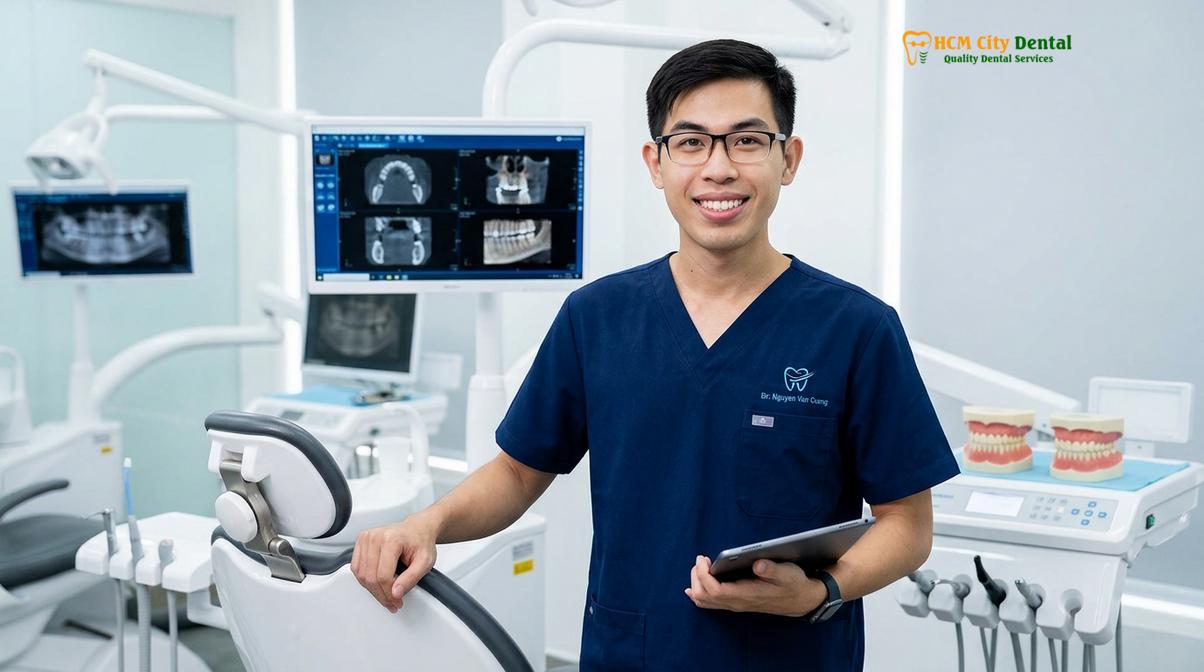
If you experience these symptoms, contact your surgical team immediately. Dr. Nguyen Van Cuong emphasizes that early intervention is the key to saving an ailing implant. By coordinating with a local allied dentist, diagnostic radiographs can be taken to assess bone levels, and interceptive treatments can be initiated before the implant is irreversibly lost.
For patients seeking comprehensive, globally supported restorative care, understanding these warranty structures and clinical protocols is paramount. To discuss your specific case and review our international warranty policies, we encourage you to schedule a detailed consultation with the expert team at HCMC Dental Clinic in Ho Chi Minh City.
Frequently Asked Questions
What happens if my implant fails after I return home?
If an implant fails after you return home, your international warranty coverage ensures you are protected. You will need to visit a local authorized dentist to confirm the failure via a radiograph. Once confirmed, the manufacturer provides a replacement fixture free of charge, and clinics like HCMC Dental will perform the surgical retreatment at no additional surgical cost when you return.
How do I check if my implant is a genuine global brand?
You can verify the authenticity of your implant by reviewing your implant serial passport. This standardized medical document contains the manufacturer’s name, specific product line, and unique lot and batch numbers. These numbers can be cross-referenced directly with the manufacturer’s global database to confirm authenticity and warranty status.
Are final crowns covered by the lifetime warranty?
No, final prosthetic crowns are generally not covered by a lifetime warranty. While the titanium surgical fixture often carries a lifetime manufacturer guarantee against structural defects, the ceramic or zirconia crown is subjected to daily masticatory forces. Prosthetic warranties typically range from three to five years, covering laboratory defects but excluding damage from trauma or severe bruxism.
Does smoking void my dental implant warranty?
Yes, heavy smoking can void your clinical dental implant warranty. Nicotine causes severe vasoconstriction, which restricts blood flow to the healing jawbone and significantly increases the risk of biological failure and peri-implantitis. Most clinical retreatment policies require patients to adhere strictly to a non-smoking protocol during the osseointegration phase to maintain their coverage.
Can any local dentist service my international implant?
Any licensed dentist with the appropriate restorative tools can service your international implant, provided they know the exact system used. By presenting your implant serial passport, your local provider can order the correct proprietary screwdrivers and abutment components from the manufacturer, ensuring safe and seamless maintenance without voiding your warranty.
References
- Journal of Clinical Periodontology. Long-term survival and complication rates of dental implants. (2021).
- International Journal of Oral and Maxillofacial Implants. Biomechanical aspects of implant-supported prosthetics and warranty implications. (2020).
- Clinical Implant Dentistry and Related Research. The impact of smoking on osseointegration and implant failure rates. (2019).
- Journal of Prosthetic Dentistry. Traceability and documentation in modern implantology: The role of the implant passport. (2022).
- European Journal of Oral Implantology. Tele-dentistry and remote monitoring in post-operative implant care. (2018).