The cost of dental implants in Vietnam is typically 60% to 75% lower than in Australia. While an Australian clinic may charge upwards of $5,000 AUD for a single implant, equivalent premium titanium fixtures in Ho Chi Minh City average $1,200 to $1,800 AUD, offering a highly viable clinical alternative for patients seeking comprehensive restorative care without compromising on material quality.
Clinical Summary:
The significant disparity between the dental implant cost Vietnam vs Australia is primarily driven by differences in operational overhead, laboratory fees, and national economic structures, rather than a compromise in clinical quality. Australian patients facing prohibitive domestic fees are increasingly seeking cross-border care for complex restorative procedures, including single-tooth replacements and full-arch rehabilitations. Leading facilities in Ho Chi Minh City utilize globally recognized titanium implant systems, advanced 3D CBCT diagnostics, and computer-guided surgical protocols that mirror stringent international standards. By strategically planning travel logistics and understanding the phases of osseointegration, patients can achieve predictable, long-term functional and aesthetic outcomes while substantially reducing their out-of-pocket medical expenses.
Key Takeaways:
- Patients can reduce total treatment costs by up to 70% compared to standard Australian private practice fees.
- Top-tier Vietnamese clinics utilize identical global implant brands (e.g., Straumann, Nobel Biocare) as Australian specialists.
- Direct flight routes from major Australian cities make the required two-stage surgical and restorative trips highly accessible.
- Strict adherence to international Class B sterilization protocols ensures a sterile, cross-contamination-free surgical environment.
- Thorough documentation and itemized billing can assist eligible patients in processing partial private health insurance claims.
The Australian Dental Crisis: Skyrocketing Private Fees
Rising operational overheads and strict regulatory costs have pushed Australian dental implant fees beyond the reach of many patients, driving the search for overseas alternatives.
The landscape of restorative dentistry in Australia has become increasingly challenging for the average patient. Unlike general medical procedures covered under Medicare, advanced dental treatments such as implantology are largely privatized. This privatization means that the entire financial burden of complex oral rehabilitation falls directly on the patient. When analyzing the escalation of private practice fees in major metropolitan areas, it becomes evident that the high costs are not solely reflective of the dentist’s expertise, but rather the cumulative effect of exorbitant commercial real estate leasing, high staff wages, and stringent domestic regulatory compliance[1].
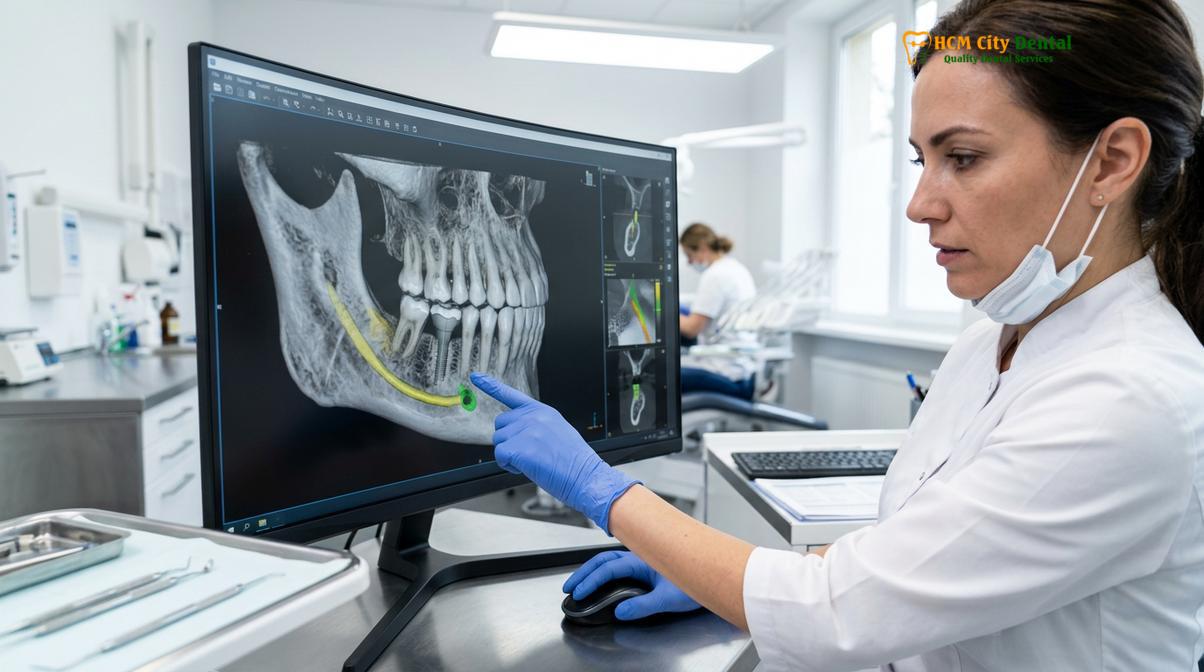
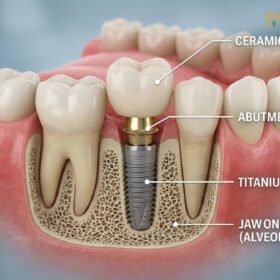
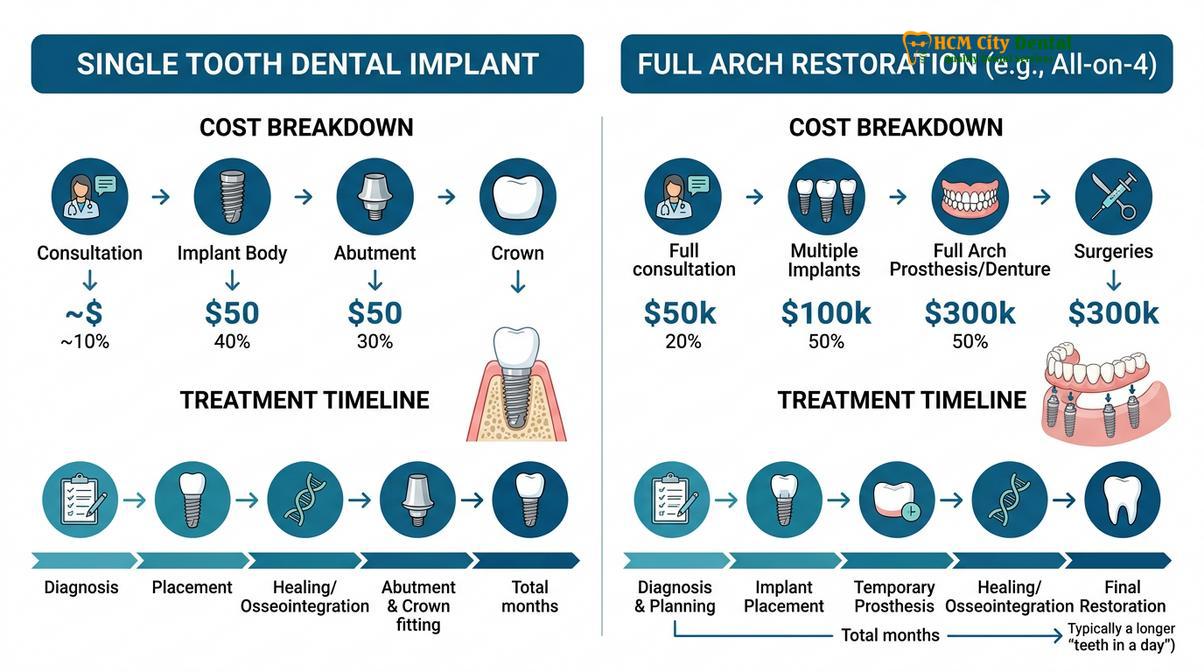
For a patient requiring a single posterior implant, the domestic cost often includes separate fees for the initial consultation, 3D Cone Beam Computed Tomography (CBCT) scans, the surgical placement of the titanium fixture, the abutment, and the final porcelain or zirconia crown. When bone grafting or sinus lifting is required to establish adequate bone volume, the total expenditure can easily exceed $6,000 to $7,000 AUD per tooth. This financial barrier frequently forces patients to delay necessary treatment, which inevitably leads to progressive alveolar bone resorption and the shifting of adjacent dentition.
“The deferral of tooth replacement due to prohibitive domestic costs often exacerbates the clinical complexity of the case. Prolonged edentulism leads to severe bone atrophy, transforming a straightforward single implant placement into a complex reconstructive surgery requiring extensive hard tissue grafting.”
Consequently, the search for comprehensive dental implant treatments abroad is no longer just a pursuit of a cheaper alternative; it is often the only viable pathway for patients to restore their masticatory function and prevent further deterioration of their stomatognathic system. The economic pressure has catalyzed a paradigm shift, where informed patients prioritize the global standard of the materials used and the clinical expertise of the surgeon over the geographic location of the clinic.
Price Comparison: Melbourne, Sydney, and Brisbane vs. Saigon
Patients traveling from major Australian cities to Saigon can expect to save tens of thousands of dollars on full-arch rehabilitations and single-tooth replacements.
To accurately evaluate the financial viability of cross-border dental care, a direct comparison of specific clinical procedures is necessary. The cost discrepancy is most pronounced in multi-unit restorations and full-arch implant-supported prostheses. In cities like Melbourne, Sydney, and Brisbane, the overhead costs are deeply embedded into every phase of the clinical workflow, from the initial diagnostic imaging to the final delivery of the prosthesis.
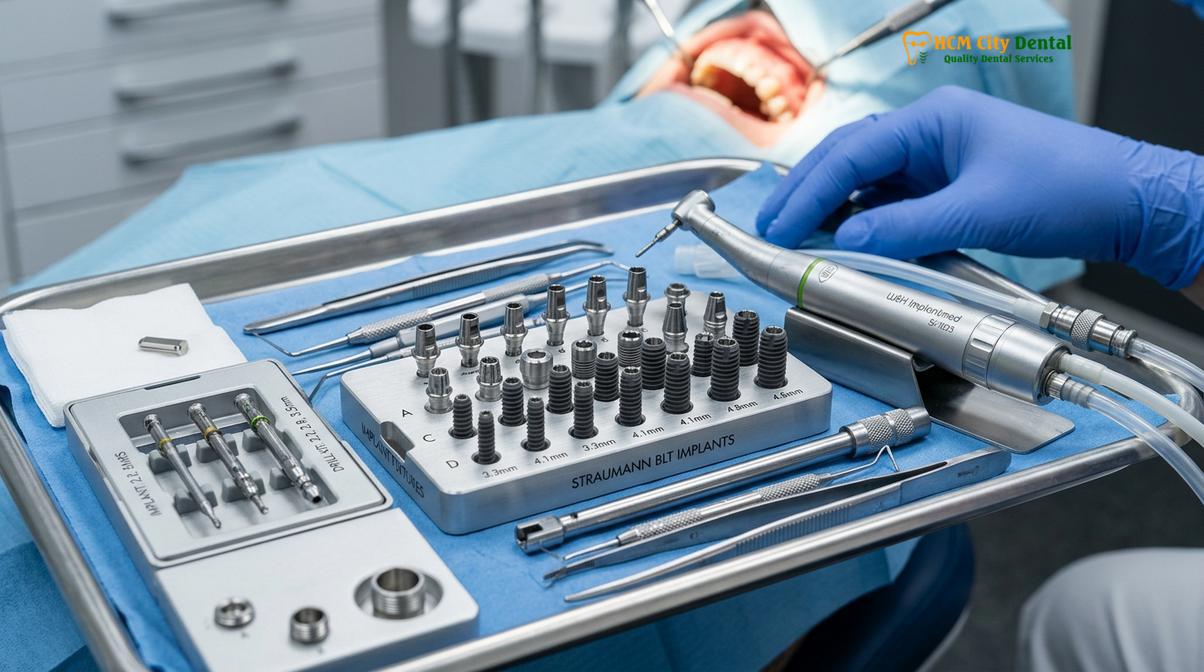
In contrast, Ho Chi Minh City (Saigon) benefits from a lower cost of living and reduced operational overheads, allowing clinics to offer the exact same premium materials at a fraction of the price. It is crucial to understand that the reduction in cost does not stem from using inferior titanium alloys or substandard restorative materials. Reputable clinics import their fixtures directly from Switzerland, the United States, and South Korea, ensuring high biocompatibility and optimal osseointegration that matches international clinical outcomes[2].
The following table provides a comparative overview of standard implant procedures. These figures represent average estimates for premium treatments and highlight the substantial financial divergence.
| Clinical Procedure | Average Cost in Australia (AUD) | Average Cost in Vietnam (AUD) | Estimated Savings |
|---|---|---|---|
| Single Titanium Implant (Fixture Only) | $3,000 – $4,500 | $800 – $1,500 | Up to 70% |
| Standard Porcelain/Zirconia Crown on Implant | $1,500 – $2,500 | $400 – $800 | Up to 65% |
| Bone Grafting (Per Site) | $800 – $2,000 | $300 – $600 | Up to 70% |
| All-on-4 Full Arch Rehabilitation (Per Arch) | $25,000 – $35,000 | $8,000 – $12,000 | Up to 65% |
| Maxillary Sinus Lift (Unilateral) | $2,000 – $4,000 | $600 – $1,200 | Up to 70% |
When evaluating these figures, patients must also consider the cost of adjunctive procedures. For instance, clinical bone grafting is frequently required when a tooth has been missing for an extended period. In Australia, the cost of particulate xenografts and resorbable collagen membranes can add thousands to the treatment plan. In Vietnam, the same highly regulated biomaterials are utilized at a significantly reduced patient fee, making comprehensive site development financially accessible.
Furthermore, the restorative phase—which involves the fabrication of custom implant abutments and precision-milled zirconia crowns—benefits from the integration of in-house CAD/CAM dental laboratories in many top-tier Vietnamese clinics. This vertical integration not only reduces laboratory outsourcing costs but also expedites the delivery of the final prosthesis, a critical factor for international patients.
Flight Connections and Travel Budgets from Australian Capitals
Strategic flight routes and affordable premium accommodations make the logistical aspect of dental tourism highly manageable for Australian patients.
The financial analysis of overseas dental treatment is incomplete without factoring in the logistical expenses of travel. Fortunately, the geographical proximity of Southeast Asia to Australia makes this a highly efficient route. The availability of direct flights from Melbourne, Sydney, and Perth to Saigon has significantly streamlined the logistical burden for patients seeking care.
A standard dental implant workflow typically requires two separate trips. The first trip involves the surgical placement of the implant fixture. After a healing period of three to six months—during which osseointegration occurs—the patient returns for the second trip to have the final prosthetic crown or bridge attached. Even when accounting for two round-trip flights, premium hotel accommodations, and daily living expenses, the total expenditure remains vastly lower than the cost of treatment in Australia.
Patient Logistics Example: Full Arch Rehabilitation
A patient from Brisbane required an upper All-on-4 restoration. The quoted price in Australia was $32,000 AUD. The patient chose to undergo treatment at HCMC Dental Clinic in Ho Chi Minh City. The clinical fee for the premium All-on-4 procedure was $10,500 AUD. The patient budgeted $1,200 AUD for two round-trip flights and $1,500 AUD for 14 nights of accommodation across both trips. The total expenditure, including travel, was approximately $13,200 AUD—resulting in a net saving of over $18,000 AUD, while receiving care that utilized identical global implant systems.
For patients requiring extensive work, some clinics offer immediate loading protocols, where a temporary prosthesis is attached to the implants within 48 hours of surgery. While this still necessitates a second trip for the final definitive prosthesis, it ensures the patient does not have to wear a removable denture during the healing phase. The travel budget should always be calculated comprehensively, ensuring that the clinical savings are not negated by poor logistical planning.
Meeting ADA Infection and Sterilization Protocols in HCMC
Top-tier clinics in Vietnam strictly adhere to international cross-contamination protocols, ensuring surgical safety mirrors the highest Australian standards.
The primary clinical concern for any patient traveling abroad for invasive surgery is the standard of infection control. A common misconception involves sterilization standards in developing nations; however, premium facilities strictly adhere to protocols that parallel or exceed those mandated by the Australian Dental Association (ADA). The integrity of the surgical environment is paramount to preventing peri-implantitis and ensuring the long-term survival of the titanium fixture[3].
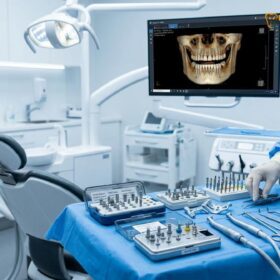
At leading institutions, the sterilization workflow is rigorously monitored in accordance with guidelines set forth by the Vietnam Ministry of Health (MOH) and the World Health Organization (WHO) for safe surgical care[4]. Instruments undergo ultrasonic cleaning, followed by packaging in sterile pouches with internal and external chemical indicators. They are then processed in Class B fractionated vacuum autoclaves, which are capable of sterilizing complex, hollow surgical handpieces. Biological indicators are routinely used to verify the absolute efficacy of the sterilization cycle, ensuring the complete eradication of bacterial spores.
“The success of osseointegration is fundamentally dependent on a sterile surgical field. Any compromise in cross-infection control introduces pathogens to the osteotomy site, drastically increasing the risk of early implant failure and severe localized bone loss.”
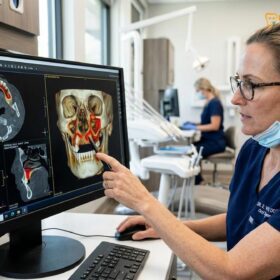
Furthermore, surgical precision is enhanced through advanced technology. Volumetric data from 3D CBCT scans allows the surgeon to map the exact trajectory of the inferior alveolar nerve and the boundaries of the maxillary sinus, mitigating the risk of iatrogenic nerve injury. When placing implants in dense cortical bone, techniques such as ultrasonic piezotome surgery may be utilized to prepare the site with minimal trauma to the surrounding soft tissues, promoting faster postoperative healing.
Expat Insurance Claims for Australian Patients
Navigating international dental coverage requires proper documentation, but many Australian patients successfully claim portions of their overseas treatment.
While Medicare does not cover dental implants, many Australians hold private health insurance with “Major Dental” extras. A frequent question is whether a private insurance claim can be successfully processed for treatments performed outside of Australia. The answer depends entirely on the specific policy wording of the insurance provider, but many top-tier funds do allow claims for overseas care provided the clinic meets specific international accreditation standards.
To facilitate this process, the clinical administration team must provide meticulous documentation. Australian health funds typically require itemized invoices translated into English, detailing the specific procedures performed. While Australian Dental Association (ADA) item codes are not used internationally, the clinic must provide clear, equivalent descriptions of the services—such as “Surgical placement of endosseous implant” or “Fabrication of implant-supported porcelain crown.”
Additionally, insurance providers often request preoperative and postoperative OPG (Orthopantomogram) or periapical radiographs to verify that the treatment was clinically necessary and successfully completed. Patients are strongly advised to contact their health fund prior to booking their flights to confirm their exact level of coverage, waiting periods, and the specific documentation required for an international claim. By proactively managing this administrative aspect, patients can further offset the cost of their restorative care.
When to Consult a Dental Implant Specialist
Proper patient selection and comprehensive diagnostics are critical to ensuring the long-term success of dental implants placed abroad.
While the financial benefits of traveling to Vietnam for dental implants are clear, the decision to undergo surgery must be rooted in sound medical diagnostics. Not every patient is an immediate candidate for implant placement. A comprehensive clinical evaluation is mandatory to assess both local anatomical factors and systemic health conditions that could influence the healing process, as biomechanical considerations play a vital role in the longevity of the prosthesis[5].
Important Note: Patients with uncontrolled systemic conditions, such as severe diabetes or active periodontal disease, must have these issues medically managed and stabilized prior to undergoing any implant surgery to minimize the risk of implant failure.
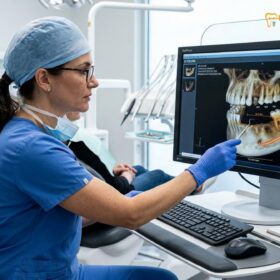
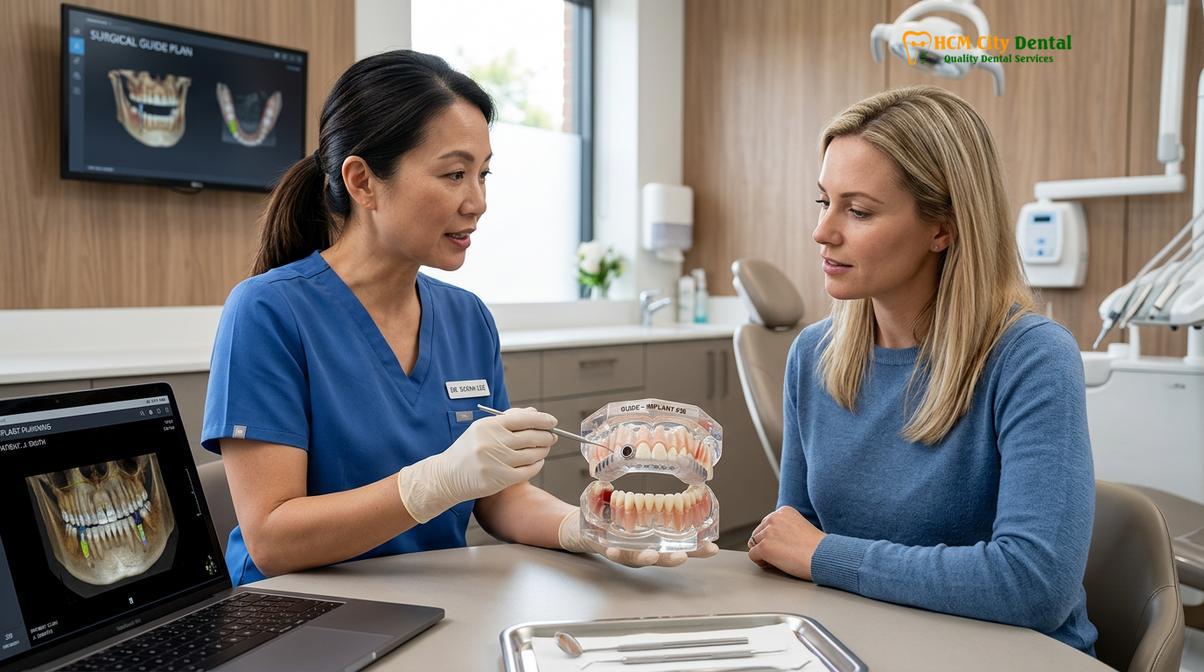
Dr. Nguyen Van Cuong, a leading specialist at HCMC Dental Clinic, emphasizes the importance of comprehensive diagnostics before any surgical intervention. He routinely utilizes 3D CBCT imaging to evaluate bone density, ensuring that complex procedures like implant supported overdentures are planned with absolute precision for optimal long-term stability.
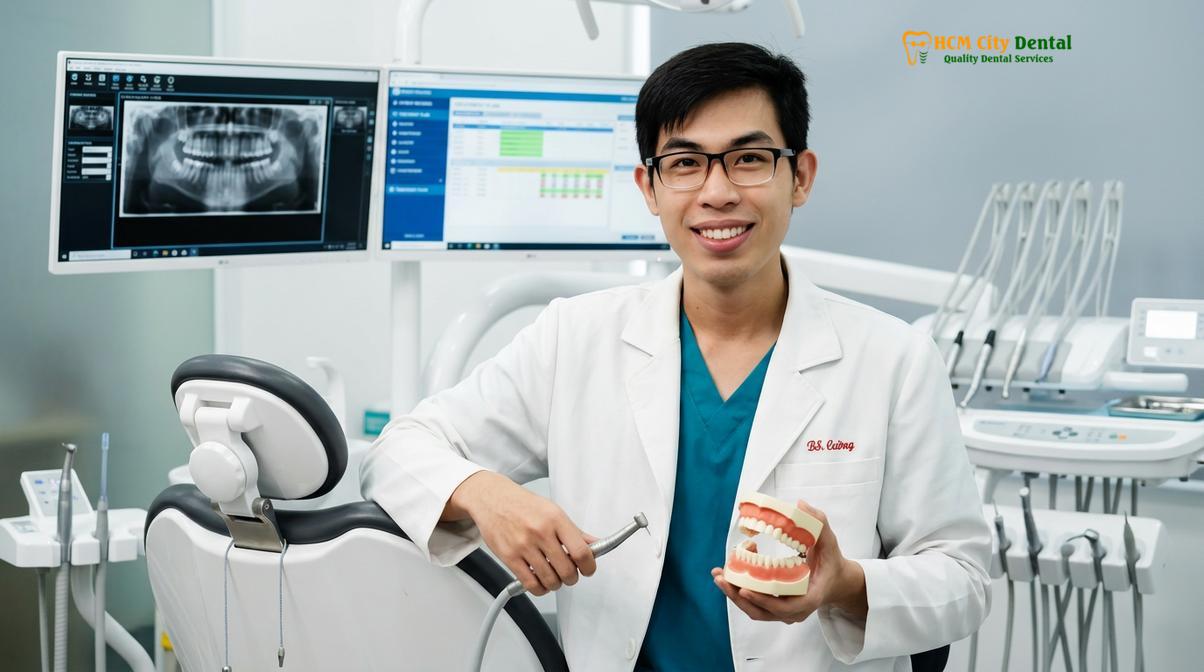
Patients should schedule a consultation if they are experiencing functional limitations due to missing teeth, severe discomfort from ill-fitting traditional dentures, or progressive bone loss in the edentulous ridges. If the bone is insufficient, adjunctive procedures like maxillary sinus lift procedures or localized ridge augmentation will be discussed to ensure a stable foundation for the implant.
It is critical to disclose your complete medical history. Systemic conditions such as uncontrolled diabetes mellitus, severe osteoporosis, or a history of intravenous bisphosphonate therapy are significant risk factors that can impair osseointegration or lead to osteonecrosis of the jaw. Active periodontal disease must also be fully treated and stabilized prior to any surgical intervention to promote a healthy peri-implant environment.
If you are considering traveling for restorative care, thorough planning is essential. Contact HCMC Dental Clinic in Ho Chi Minh City today to schedule a virtual consultation and receive a personalized treatment plan for your Dental Implants, ensuring you achieve a functional, aesthetic smile with predictable clinical outcomes.
References
- Australian Dental Association (ADA). Economic analysis of private dental practice overheads and patient fees.
- International Journal of Oral and Maxillofacial Implants. Comparative clinical outcomes of titanium implants in international medical tourism.
- Journal of Clinical Periodontology. Cross-infection control and sterilization protocols in modern implant dentistry.
- Vietnam Ministry of Health (MOH) and World Health Organization (WHO). National guidelines for infection control in dental and surgical facilities.
- Journal of Prosthetic Dentistry. Biomechanical considerations in full-arch implant-supported prostheses.