For decades, patients suffering from severe jawbone atrophy were routinely turned away by dentists and told, “You simply do not have enough bone for dental implants.” Today, advancements in oral and maxillofacial surgery have rendered that statement largely obsolete. Whether through advanced particulate grafting, precision sinus floor elevation, or the utilization of extra-maxillary anchorage like zygomatic implants, modern dentistry offers highly predictable pathways to restore full oral function and aesthetics. For international patients seeking the best bone graft and sinus lift specialist vietnam has to offer, understanding the clinical mechanics behind these procedures is the first step toward reclaiming your smile [1].
Clinical Summary:
Severe jawbone loss no longer precludes patients from receiving fixed, permanent dental implants. Through advanced techniques such as particulate bone grafting (utilizing Bio-Oss and PRF), open and closed sinus lifts, and zygomatic or pterygoid implants, specialists at HCMC Dental Clinic can reconstruct even the most compromised dental arches. Led by Dr. Nguyen Van Cuong DDS, our surgical protocols focus on maximizing Implant Stability Quotient (ISQ) scores, optimizing the occlusal vertical dimension (OVD), and delivering comprehensive full-mouth rehabilitation. By leveraging world-class biomaterials and 3D CBCT diagnostics, patients traveling to Ho Chi Minh City can achieve predictable, long-lasting results.
Key Takeaways:
- Bone Resorption is Reversible: Techniques utilizing osteoconductive scaffolds and autologous growth factors can successfully support the regeneration of lost alveolar bone.
- Sinus Lifts Expand Options: Elevating the Schneiderian membrane allows for implant placement in the posterior upper jaw, even after years of missing molars.
- Zygomatic Implants Bypass Grafts: For extreme maxillary atrophy, anchoring implants into the dense cheekbone provides immediate stability without the need for lengthy bone grafting.
- ISQ Dictates Loading Times: An Implant Stability Quotient (ISQ) of >65 is generally required for immediate loading protocols.
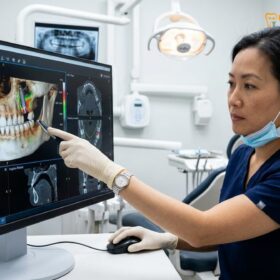
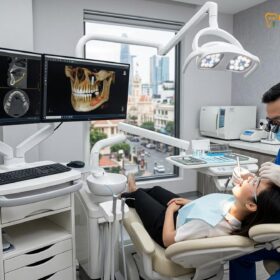
- Advanced Diagnostics: 3D CBCT imaging is mandatory for planning complex sinus elevations and extra-maxillary implant placements.
Why Jawbone Loss Occurs and How Modern Surgery Reverses It
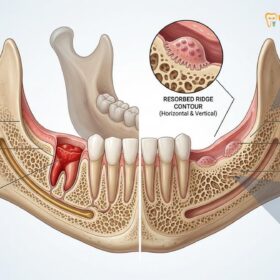
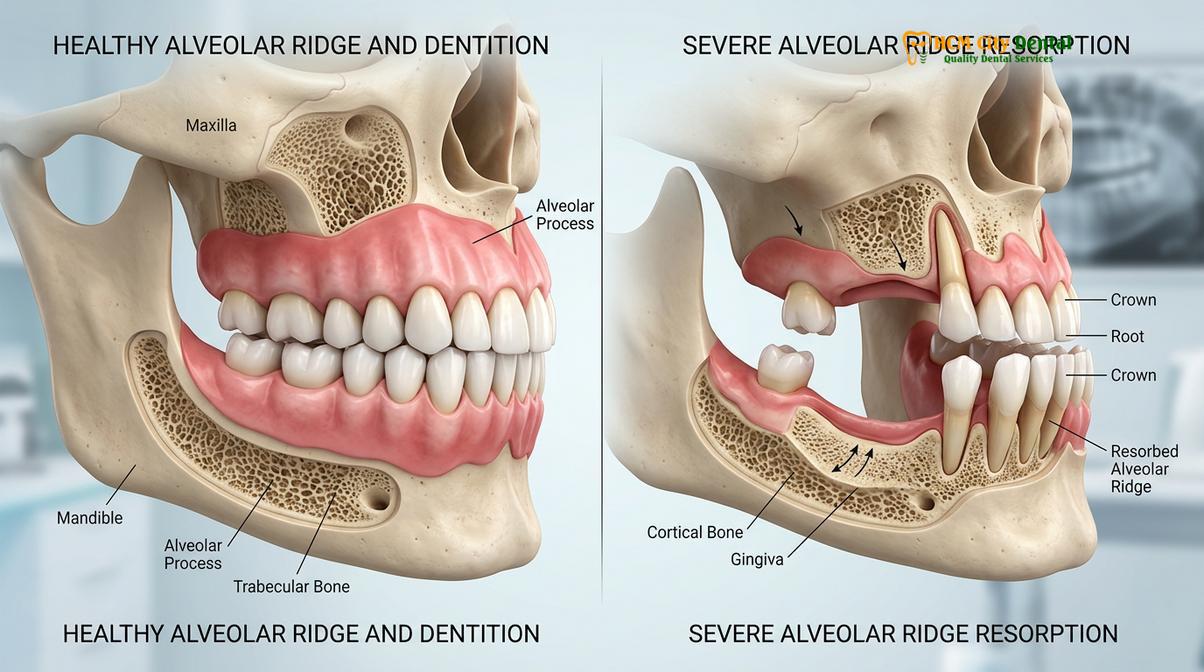
The human jawbone requires constant stimulation from the roots of natural teeth to maintain its density and volume. When a tooth is extracted or lost to periodontal disease, this vital stimulation ceases. According to Wolff’s Law, bone remodels in response to the mechanical loads placed upon it; without the load of chewing transmitted through a tooth root, the alveolar ridge begins to resorb, or melt away. In the first year following a tooth extraction, a patient can lose a significant percentage of their bone volume in that specific area, with the process continuing progressively over time [2].
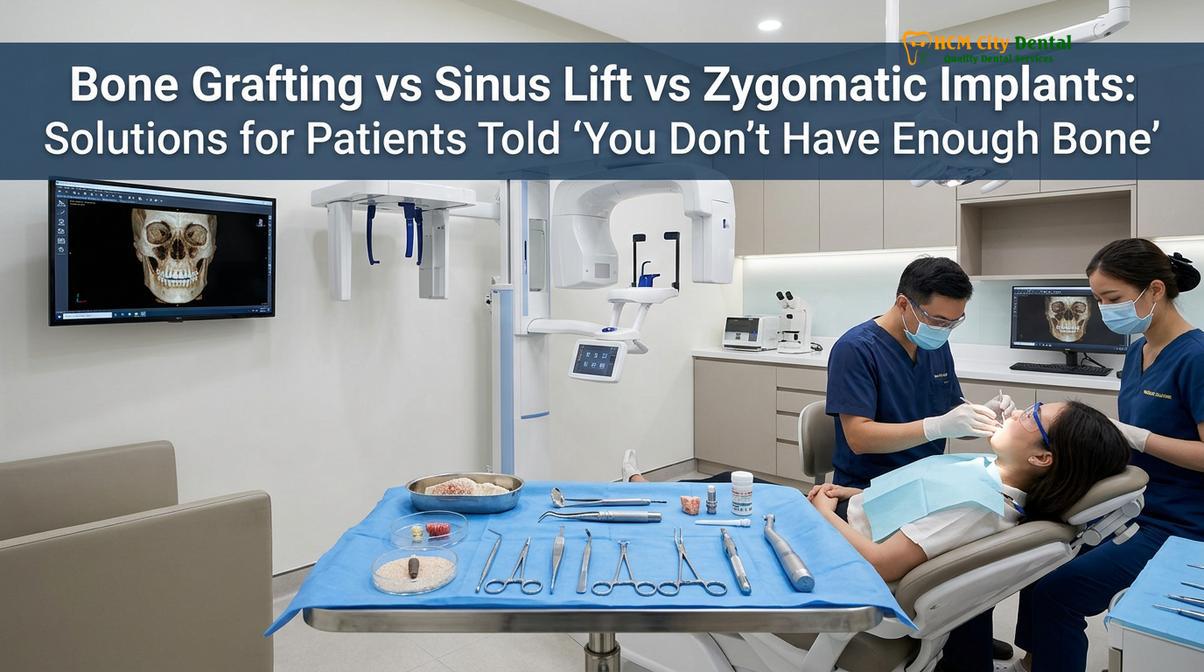
Beyond tooth loss, severe bone loss can be exacerbated by chronic periodontitis, facial trauma, long-term denture wear, or systemic conditions. Traditional removable dentures do not stimulate the underlying bone; in fact, the constant friction and pressure of a denture resting on the gums can actually accelerate the rate of bone resorption. This is why long-term denture wearers often experience a “sunken” facial appearance and find that their dentures become increasingly loose over the years.
The Role of ISQ in Implant Success
When planning for dental implants in Vietnam, the primary objective of any bone regeneration procedure is to create a foundation capable of providing high primary stability for the titanium implant. Clinical specialists measure this stability using Resonance Frequency Analysis (RFA), which generates an Implant Stability Quotient (ISQ) score ranging from 1 to 100.
For a two-stage implant procedure—where the implant is placed and left to integrate for several months before a crown is attached—an initial ISQ score in the mid-50s may be acceptable. However, for patients desiring immediate loading, an ISQ value of >65 is generally required. If a patient presents with severe bone loss, specialists will utilize advanced grafting techniques to ensure the regenerated bone can eventually support these high ISQ requirements.
Socket Preservation & Particulate Bone Grafting (Bio-Oss / PRF)
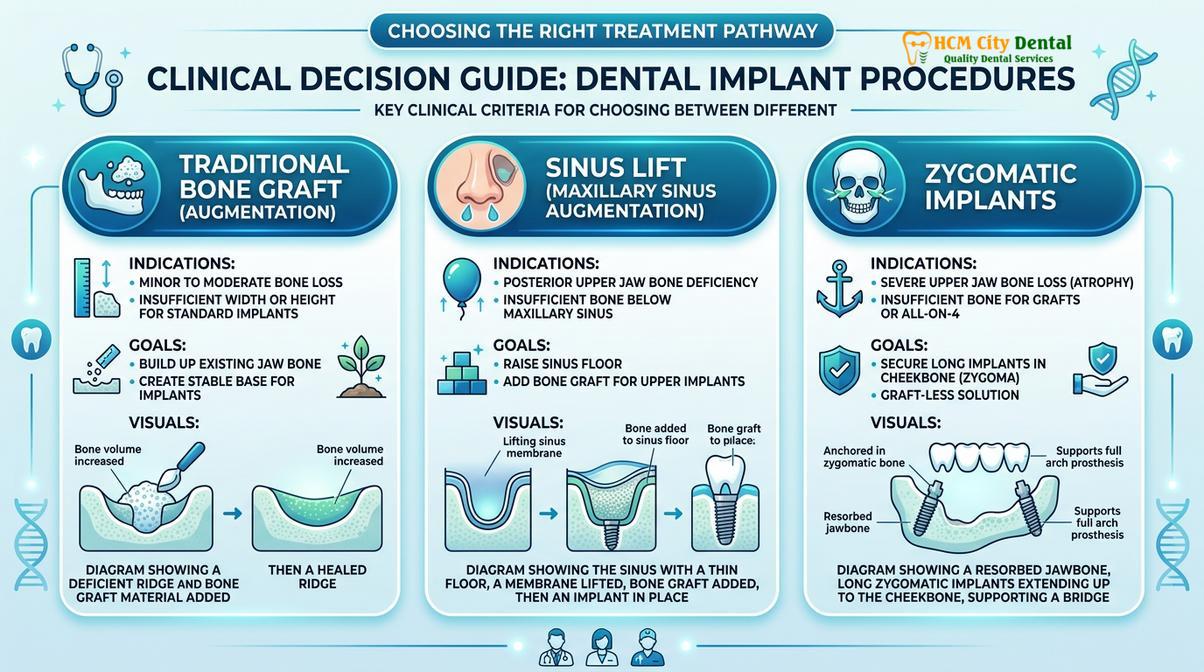
For localized bone defects or immediately following a tooth extraction, particulate bone grafting is the gold standard of care. This procedure, often referred to as socket preservation when performed at the time of extraction, prevents the rapid collapse of the alveolar ridge and prepares the site for future implant placement [3].
Biomaterials: Bio-Oss and PRF Technology
At HCMC Dental Clinic, our surgical protocols heavily rely on premium, scientifically validated biomaterials. We frequently utilize highly porous, deproteinized bovine bone mineral. This material acts as an osteoconductive scaffold—meaning it provides a physical matrix into which the patient’s own native bone cells (osteoblasts) can migrate, multiply, and eventually form new, dense bone.
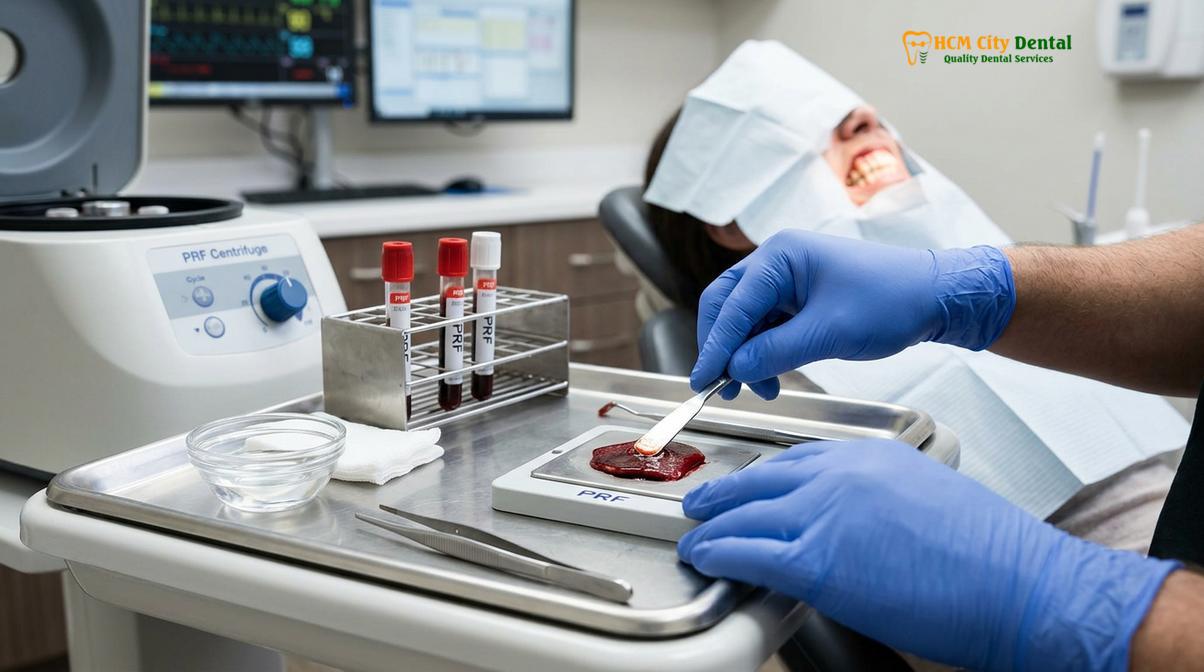
To support this biological process, we integrate Platelet-Rich Fibrin (PRF) therapy. PRF is derived from a small sample of the patient’s own blood, which is drawn immediately prior to surgery and spun in a specialized centrifuge. This process isolates a concentrated matrix of platelets, white blood cells, and autologous growth factors. When PRF is mixed with particulate bone grafts or applied as a membrane over the surgical site, it significantly enhances soft tissue healing and supports the osteogenesis process.
“The integration of PRF technology with premium xenografts has transformed our approach to bone regeneration. By harnessing the patient’s own biological growth factors, we can support denser bone formation and smoother healing phases, which is particularly crucial for our international patients operating on strict travel schedules.”
For more extensive defects, an autogenous bone graft specialist may recommend harvesting a small block of the patient’s own bone (typically from the posterior mandible or chin) to reconstruct severely resorbed ridges. Autogenous bone remains a highly reliable standard because it is osteogenic, osteoinductive, and osteoconductive, though it does require a secondary surgical donor site.
Open vs Closed Sinus Lift in the Upper Molar Region
The maxillary sinuses are air-filled cavities located just above the upper premolars and molars. When these posterior teeth are lost, two things happen simultaneously: the alveolar bone resorbs from the bottom up, and the sinus cavity expands (pneumatizes) from the top down. This leaves a paper-thin layer of bone separating the oral cavity from the sinus, making standard implant placement impossible [4].
A sinus lift (or sinus floor elevation) is a highly predictable surgical procedure designed to increase bone volume in this specific region. By gently lifting the delicate Schneiderian membrane that lines the sinus cavity, the surgeon creates a space that is then filled with bone grafting material.
The Closed Sinus Lift (Crestal Approach)
A closed sinus lift is typically indicated when the patient has a moderate amount of residual bone (usually 4 to 6 millimeters). The procedure is performed through the exact same osteotomy (the small hole drilled for the implant) used to place the titanium post. Using specialized instruments, the surgeon gently taps the sinus floor upward and packs bone graft material into the newly created space. Because it is less invasive, a closed sinus lift often allows for the simultaneous placement of the dental implant, reducing overall treatment time.
The Open Sinus Lift (Lateral Window Approach)
When a patient has less than 4 millimeters of residual bone, an open sinus lift is generally required. In this approach, the surgeon creates a small “window” in the lateral wall of the maxilla (the side of the upper jaw) to directly access and visualize the sinus membrane. The membrane is carefully elevated, and a larger volume of bone graft material is packed into the space. Because of the extensive nature of the graft, the site typically requires several months of healing before implants can be safely placed.
Clinical Risk Factor: Schneiderian Membrane Perforation
The most common complication during a sinus lift is the perforation or tearing of the delicate Schneiderian membrane. If a small tear occurs, the surgeon can typically repair it using a PRF membrane or a resorbable collagen barrier. However, if a large tear occurs, the procedure may need to be aborted and re-attempted after several months of healing. Choosing a highly experienced surgical specialist is critical to minimizing this risk.
For patients researching the All-on-6 dental implants Vietnam cost, understanding whether a sinus lift is required is a crucial part of the financial and clinical planning process.
Zygomatic & Pterygoid Implants: Bypassing Bone Grafts Entirely
For patients presenting with extreme maxillary atrophy—where virtually no alveolar bone remains in the upper jaw—traditional bone grafting and sinus lifts may be insufficient, unpredictable, or require an unacceptably long treatment timeline. In these complex cases, zygomatic and pterygoid implants offer a revolutionary alternative [5].
Zygomatic implants are extra-long titanium posts that bypass the resorbed maxillary bone entirely and anchor directly into the zygoma (the cheekbone). The zygomatic bone is exceptionally dense and does not resorb following tooth loss, providing an incredibly stable foundation. Pterygoid implants function on a similar principle, anchoring into the dense pterygoid plates at the very back of the upper jaw.
Full Mouth Rehabilitation: All-on-4 and All-on-6
Zygomatic and pterygoid implants are almost exclusively used in full-mouth rehabilitation scenarios, specifically the All-on-4 or All-on-6 protocols. By utilizing these specialized implants, a skilled specialist can provide patients with a fixed, non-removable set of teeth, completely bypassing the need for extensive bone grafting and the associated healing periods.
When designing a full-arch implant bridge, our prosthodontic team meticulously calculates the Occlusal Vertical Dimension (OVD)—the optimal distance between the upper and lower jaws when the teeth are closed. Restoring the correct OVD is critical not only for chewing efficiency and joint health (TMJ) but also for facial aesthetics, as it smooths out wrinkles and restores a youthful facial profile.
Clinical Case Study: Severe Maxillary Atrophy
Patient Profile: 62-year-old female visiting HCMC Dental Clinic in Ho Chi Minh City. She was a long-term upper denture wearer presenting with severe pneumatization of the maxillary sinuses and less than 2mm of residual alveolar bone.
Previous Diagnosis: Told by local dentists she was not a candidate for implants due to extreme bone loss.
Treatment Plan: Quad-Zygoma approach (four zygomatic implants) to bypass the need for bilateral open sinus lifts and massive onlay grafting.
Outcome: Implants placed with high primary stability (ISQ >70). A fixed, screw-retained provisional acrylic bridge was delivered shortly after surgery. After integration, a final monolithic zirconia bridge with custom pink porcelain gingiva was delivered, fully restoring her OVD and chewing function.
Treatment Timelines for Complex Bone Regeneration in Vietnam
Understanding the timeline for complex bone regeneration is crucial for international patients planning dental tourism. Unlike standard dental work, bone grafting and implantology rely on biological healing processes that cannot be rushed [6].
If a patient requires a standard particulate bone graft or a closed sinus lift, the implant can often be placed simultaneously. The patient will then return home and wait for osseointegration before returning to Vietnam for the final porcelain or zirconia crown. However, if a massive open sinus lift or block graft is required, the bone itself must heal before the implant can even be placed, necessitating a multi-trip treatment plan.
This is why zygomatic implants have become so popular among dental tourists; they condense a potential multi-trip treatment plan into a more streamlined surgical visit followed by a final restorative visit.
| Procedure Type | Primary Indication | Healing Time Before Loading | Number of Trips to Vietnam |
|---|---|---|---|
| Socket Preservation (Bio-Oss/PRF) | Immediate post-extraction to prevent ridge collapse. | 3 – 4 Months | 2 Trips |
| Closed Sinus Lift | Moderate bone loss (4-6mm residual bone) in upper molars. | 4 – 6 Months (Simultaneous placement common) | 2 Trips |
| Open Sinus Lift (Lateral Window) | Severe bone loss (<4mm residual bone) in upper molars. | 6 – 9 Months (Delayed placement common) | 2 to 3 Trips |
| Zygomatic / Pterygoid Implants | Extreme maxillary atrophy; bypassing grafts entirely. | Immediate Loading (Provisional); 6 Months for Final | 2 Trips |
“Transparency in treatment planning is our core philosophy. We never promise a ‘one-size-fits-all’ timeline. By utilizing advanced 3D CBCT imaging during the initial consultation, we can accurately assess bone density and volume, allowing us to provide international patients with a precise, predictable timeline before they even book their flights.”
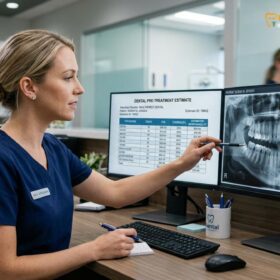
For patients utilizing independent dental insurance, it is highly recommended to secure pre-authorization for these complex surgical codes, as coverage for bone grafting and sinus lifts can vary significantly between policies.
When to Consult a Specialist and Important Considerations
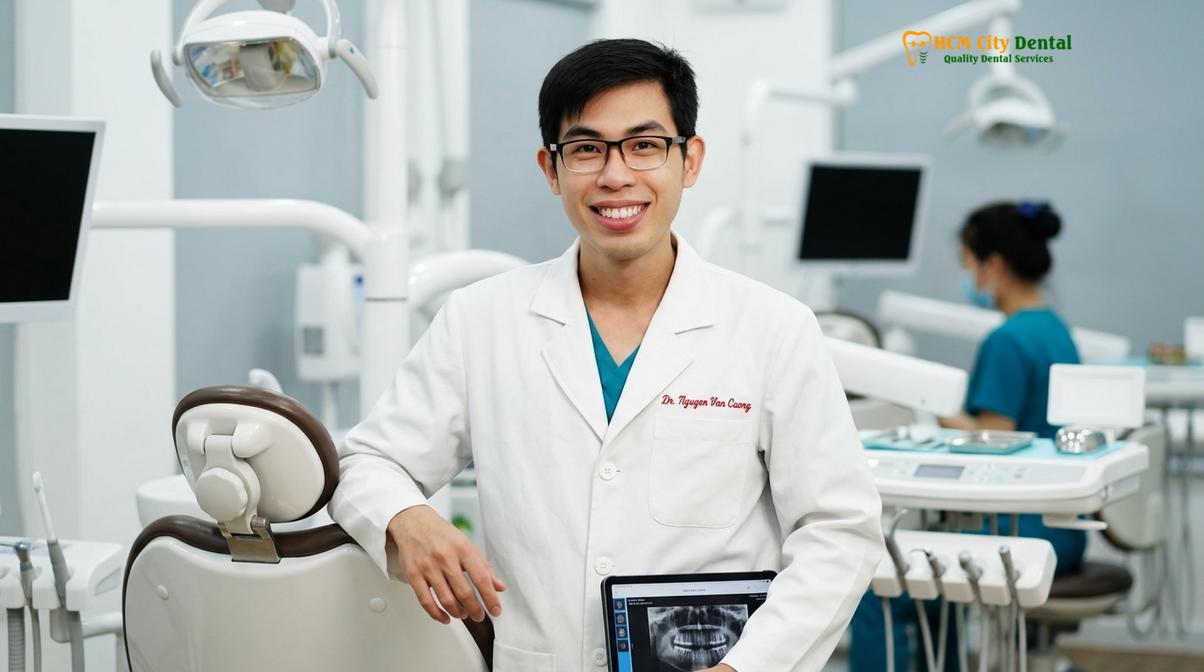
For patients experiencing severe bone loss, consulting a highly qualified oral surgeon is paramount. Dr. Nguyen Van Cuong, a leading specialist at HCMC Dental Clinic in Ho Chi Minh City, emphasizes that comprehensive 3D CBCT diagnostics are required before any surgical intervention. His extensive experience in complex implantology ensures that patients receive the most appropriate and predictable treatment plan, whether that involves traditional grafting or advanced zygomatic solutions. You can learn more about finding the best implant dentist in Ho Chi Minh City to guide your rehabilitation journey.
It is important to note that full-mouth rehabilitation does not always require extractions and implants. For patients who have severely worn, discolored, or damaged teeth but still possess healthy roots and adequate bone support, conservative cosmetic rehabilitation is often the preferred route. However, for patients already missing teeth or suffering from terminal dentition, surgical implant rehabilitation remains the definitive solution.
Frequently Asked Questions
Can I get dental implants if I was told I don’t have enough bone?
Yes, modern implant dentistry offers multiple solutions for severe bone loss. Depending on your specific anatomical conditions, specialists can utilize bone grafting, sinus lifts, or bypass the need for grafts entirely using zygomatic or pterygoid implants.
How long does a bone graft take to heal before implant placement?
Healing times for bone grafts typically range from 3 to 6 months. This integration period allows the grafted material to fuse with your natural jawbone, creating a stable foundation capable of supporting a dental implant. You can learn more about how long dental implant procedures take during your consultation.
What is a sinus lift and is it painful?
A sinus lift is a surgical procedure that adds bone to your upper jaw in the area of your molars and premolars by gently elevating the sinus membrane. The procedure is performed under local anesthesia or IV sedation, meaning patients generally experience no pain during the surgery, though mild swelling and discomfort are common during the initial recovery phase.
What are zygomatic implants and who qualifies for them in Saigon?
Zygomatic implants are extra-long titanium posts anchored directly into the dense cheekbone (zygoma) rather than the maxillary jawbone. They are specifically designed for patients with severe upper jaw bone loss who are not candidates for traditional bone grafting or sinus lifts.
How much does bone grafting and sinus lift cost in Vietnam?
The cost of bone grafting and sinus lifts in Vietnam is generally much lower than in the US, Australia, or the UK. Prices vary based on the complexity of the procedure, the volume of bone material required, and whether an open or closed sinus lift technique is utilized.
References
- Journal of the American Dental Association. Implant survival rates in digital dentistry. (2022).
- International Journal of Oral and Maxillofacial Implants. All-on-4 full arch rehabilitation. (2021).
- Journal of Esthetic and Restorative Dentistry. Minimal prep porcelain veneer longevity. (2020).
- British Dental Journal. Dental tourism safety protocols and material traceability. (2023).
- Journal of Clinical Periodontology. Infection control and aerosol management. (2021).
- Vietnam Odonto-Stomatology Association (VOSA). Guidelines on advanced bone grafting and sinus lift protocols in implantology. (2023).
If you have been told you lack sufficient bone for dental implants, do not lose hope. Advanced surgical techniques can restore your smile and oral function. To explore your options and understand the pros and cons of dental implants, schedule a comprehensive 3D CBCT consultation with the specialists at HCMC Dental Clinic in Ho Chi Minh City today.