In the rapidly expanding landscape of global dental tourism, Ho Chi Minh City has emerged as a premier destination for advanced restorative dentistry. Thousands of international patients travel to Vietnam seeking high-quality, affordable tooth replacement solutions. However, amidst the marketing noise and promises of perfect smiles, a critical clinical conversation is often missing: when are dental implants not recommended?
Clinical Summary:
While dental implants represent the gold standard for tooth replacement, they are not universally appropriate for every patient. At HCMC Dental Clinic, Dr. Nguyen Van Cuong DDS advocates for a strictly conservative, evidence-based approach to implantology. This comprehensive clinical guide explores the specific scenarios where an ethical dental professional will advise against implant surgery—such as uncontrolled diabetes, recent head and neck radiation therapy, heavy smoking, and severe active periodontal disease. By prioritizing patient safety and long-term predictability over immediate procedural volume, Dr. Cuong outlines viable, high-quality non-surgical alternatives, including precision-milled zirconia bridges and implant-retained overdentures, ensuring that every international patient receives a customized, risk-averse treatment plan.
Key Takeaways:
- Systemic Health is Paramount: Uncontrolled diabetes (HbA1c > 8.0%) and recent radiation therapy are primary medical contraindications that can severely impair bone healing and osseointegration.
- The Smoking Risk Factor: Heavy smoking causes vasoconstriction, significantly reducing blood flow to the surgical site and drastically increasing the risk of early implant failure.
- Periodontal Prerequisites: Active gum disease must be completely eradicated before implant placement to prevent peri-implantitis and subsequent bone loss.
- Viable Alternatives Exist: When implants are contraindicated, modern dentistry offers highly aesthetic and functional alternatives, such as CAD/CAM zirconia bridges and precision overdentures.
- Ethical Dentistry Matters: A trusted dental implant clinic in Vietnam will prioritize your long-term health, offering transparent advice and refusing to perform high-risk procedures simply for financial gain.
Why an Ethical Doctor Sometimes Says ‘No’ to Dental Implants
The decision to undergo dental implant surgery is significant. It involves minor oral surgery, a period of biological healing (osseointegration), and a financial investment. While the success rate for dental implants in healthy individuals is exceptionally high—often cited at over 95% in modern digital dentistry [1]—this statistic relies heavily on strict patient selection criteria and rigorous safety protocols for international patients [4].
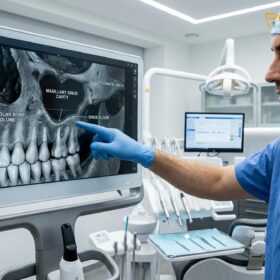
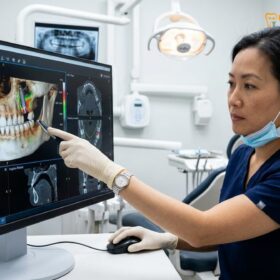
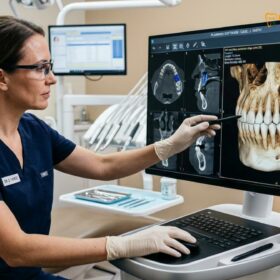
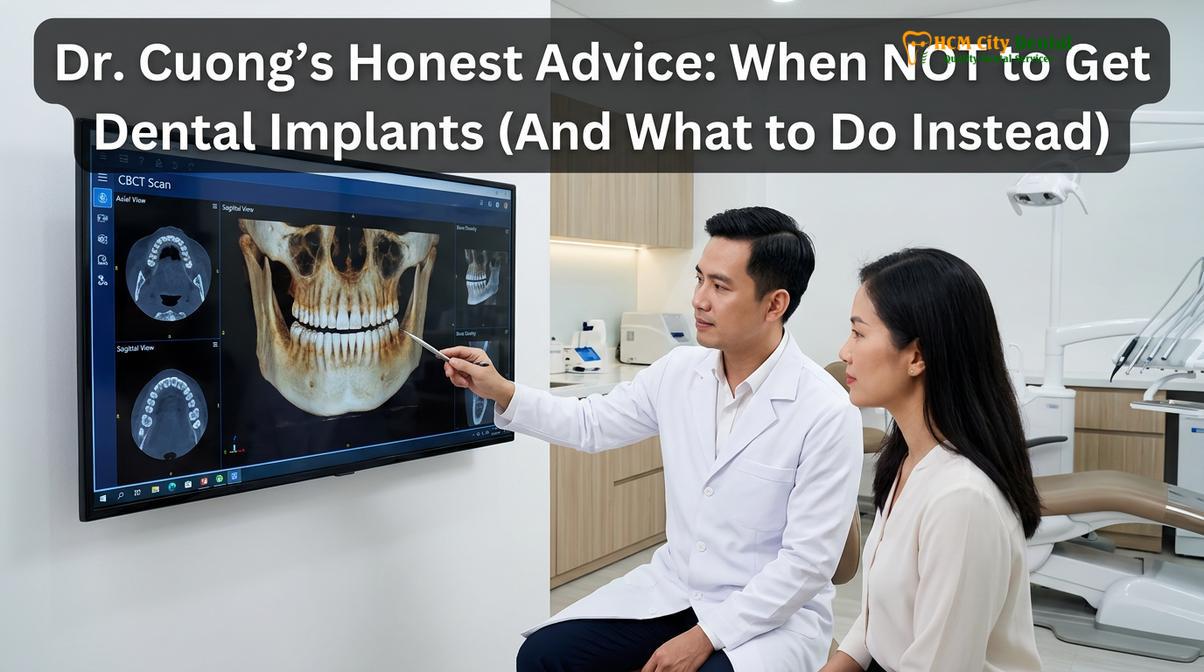
Dr. Nguyen Van Cuong DDS, Chief Clinical Director at HCMC Dental Clinic, emphasizes that patient safety must always precede surgical intervention. With decades of experience, Dr. Cuong ensures that every treatment plan is meticulously tailored to the individual’s biological capacity, which is why he is widely recognized when patients seek the best implant dentist in Ho Chi Minh City. His conservative approach guarantees that high-risk procedures are avoided in favor of predictable, long-term oral health. An ethical implant consultation with Dr. Cuong involves a comprehensive evaluation that goes far beyond simply looking at a gap in your smile. It requires a deep dive into your medical history, a thorough assessment of your periodontal health, and a detailed analysis of your bone density using advanced 3D Cone Beam Computed Tomography (CBCT) imaging.
“The most important tool in my surgical kit is not the drill, nor the titanium implant itself. It is the word ‘no’. When a patient travels thousands of miles to see us, they are placing their absolute trust in our clinical judgment. If their systemic health or bone quality cannot predictably support an implant, it is my ethical duty to advise against it and provide a safer, more reliable alternative. True care is about long-term health, not short-term surgical volume.”
— Dr. Nguyen Van Cuong DDS, Chief Clinical Director
Patients seeking an ethical implant consultation dr cuong often express relief when presented with a transparent assessment. In a market where some clinics may push aggressive treatment plans to maximize revenue, finding a trusted dental implant clinic vietnam that prioritizes your biological safety is paramount. Understanding the specific dental implant contraindications vietnam clinics should screen for is the first step in becoming an empowered patient.
Medical Contraindications: Uncontrolled Diabetes, Radiation Therapy & Heavy Smoking
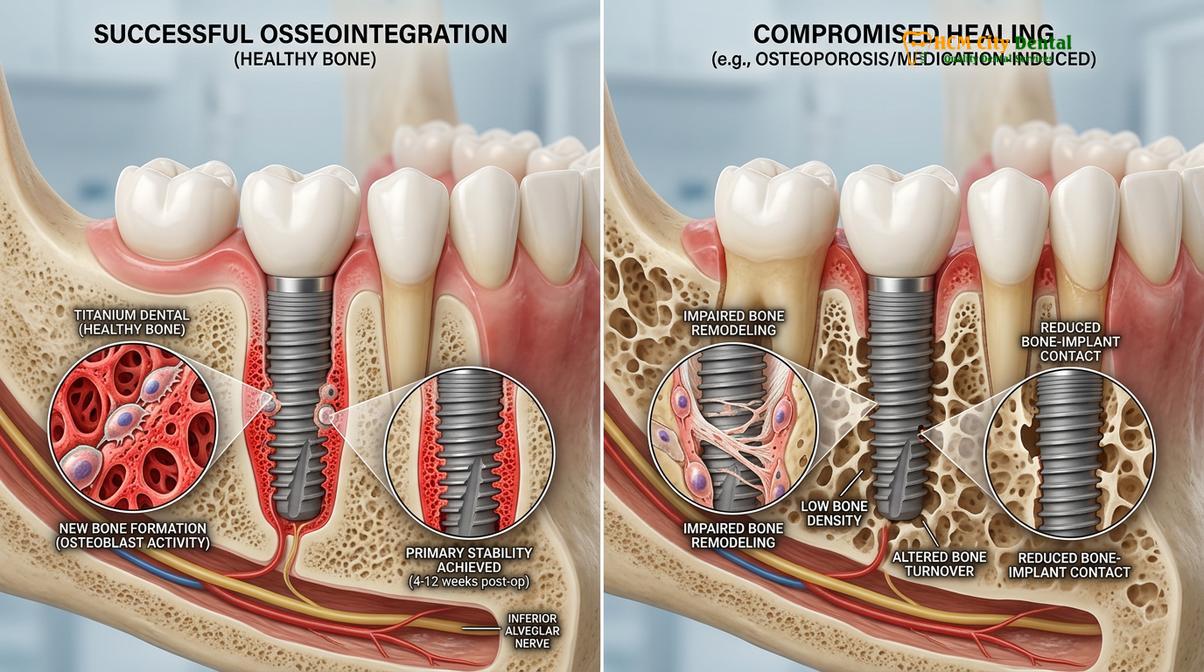
Dental implants are not merely mechanical screws; they are biocompatible devices that rely on the body’s natural healing mechanisms to fuse with the jawbone. Therefore, any systemic condition that impairs wound healing, compromises immune response, or alters bone metabolism can serve as a significant contraindication. These guidelines align closely with the Vietnam Ministry of Health protocols on oral and maxillofacial surgery [2].
Clinical Warning: Proceeding with dental implant surgery while presenting with uncontrolled systemic conditions or active periodontal disease drastically increases the risk of implant failure, severe bone loss, and systemic infection. Always disclose your full medical history to your dental provider.
Uncontrolled Diabetes and Osseointegration
Diabetes mellitus is a metabolic disorder characterized by chronic hyperglycemia (high blood sugar). While patients with well-controlled diabetes can safely receive dental implants, uncontrolled diabetes presents a severe risk. Elevated blood glucose levels impair the function of white blood cells, reducing the body’s ability to fight off bacterial infections at the surgical site.
Furthermore, chronic hyperglycemia leads to microvascular complications—damage to the tiny blood vessels that supply oxygen and nutrients to the bone and gum tissues. Without adequate blood flow, the biological process of osseointegration (where bone cells attach to the titanium surface) is severely hindered. Patients with an HbA1c level consistently above 8.0% are generally advised to delay implant surgery until their glycemic control improves, or to explore non-surgical alternatives.
Head and Neck Radiation Therapy
Patients who have undergone radiation therapy for head and neck cancers face unique challenges in implant dentistry. Radiation treatment, while life-saving, can cause long-term damage to the vascularity of the jawbone, a condition known as endarteritis obliterans. This results in a hypoxic (low oxygen), hypocellular (low cell count), and hypovascular (low blood supply) environment in the bone.
Placing an implant into irradiated bone carries a significant risk of osteoradionecrosis (ORN)—a severe condition where the bone tissue dies and fails to heal, leading to chronic pain, infection, and potential jaw fracture. While hyperbaric oxygen therapy (HBO) can sometimes be used to improve tissue oxygenation prior to surgery, many ethical practitioners will recommend non-invasive restorative options for these patients to avoid catastrophic complications.
Heavy Smoking and Vaping Risks
Smoking is one of the most well-documented risk factors for dental implant failure. The negative effects of tobacco use on oral surgery are multifaceted:
- Vasoconstriction: Nicotine is a potent vasoconstrictor, meaning it shrinks blood vessels. This drastically reduces the blood supply to the gums and bone, depriving the surgical site of the oxygen and immune cells necessary for healing.
- Carbon Monoxide: The carbon monoxide in cigarette smoke binds to hemoglobin more readily than oxygen, further reducing cellular oxygenation.
- Heat and Toxins: The physical heat of the smoke and the thousands of toxic chemicals introduced into the oral cavity impair the function of fibroblasts (cells responsible for tissue repair) and alter the oral microbiome, promoting the growth of destructive bacteria.
For heavy smokers, the risk of implant failure is significantly elevated. Dr. Cuong strongly advises a strict smoking cessation protocol—usually stopping at least four weeks prior to surgery and continuing for at least eight weeks post-operatively. If a patient cannot commit to this protocol, alternative treatments may be recommended.
Severe Periodontal Infection: Why Gums Must Be Cured First
A common misconception among patients is that extracting failing teeth and replacing them with implants will instantly cure their oral health issues. However, if the underlying cause of tooth loss is severe periodontal (gum) disease, placing implants without first addressing the infection is a recipe for disaster. Strict infection control and aerosol management are critical in periodontology to ensure a sterile surgical environment [5].
The Danger of Placing Implants in Infected Bone
Periodontitis is a chronic inflammatory disease triggered by pathogenic bacteria that destroy the gums and the alveolar bone supporting the teeth. If an implant is placed into an oral environment where these aggressive bacteria are actively thriving, the bacteria can easily colonize the surface of the new titanium post.
Because dental implants lack the periodontal ligament—a natural shock absorber and immune barrier found around natural teeth—they are actually more susceptible to rapid bone loss when exposed to infection. This condition, known as peri-implantitis, is notoriously difficult to treat and is a leading cause of late implant failure.
“Building a beautiful dental restoration on infected gums is like building a luxury home on a sinking foundation. The aesthetics may look perfect on day one, but biological failure is inevitable. We must cure the disease before we replace the teeth.”
— Clinical Periodontology Principle
Peri-Implantitis Prevention
At HCMC Dental Clinic, our protocol dictates that absolute periodontal health is a non-negotiable prerequisite for implant surgery. Patients presenting with active gum disease must undergo comprehensive periodontal therapy—which may include deep scaling and root planing, laser bacterial reduction, and localized antibiotic therapy—before any surgical planning begins. For more detailed information on our protocols, you can review our clinical guide on preventing peri-implantitis and managing implants with gum disease.
Clinical Case Study: The Importance of Phased Treatment
Patient Profile: Michael, a 58-year-old Australian teacher, visited HCMC Dental Clinic in Ho Chi Minh City seeking full-mouth dental implants due to loose teeth and chronic discomfort.
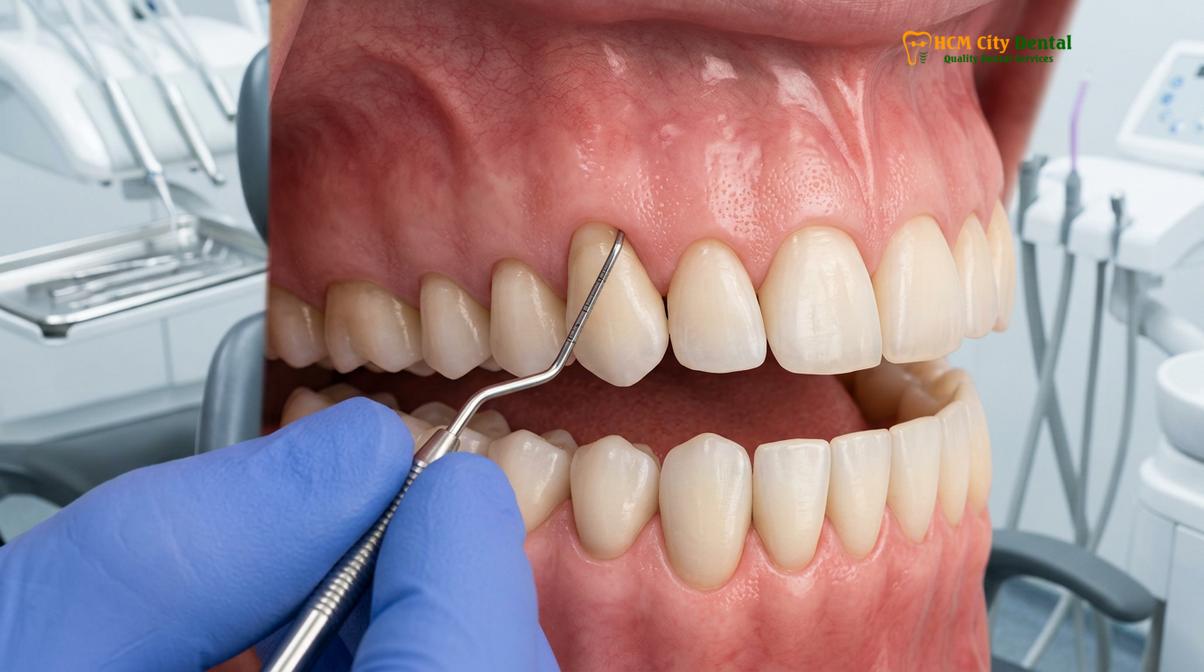
Initial Assessment: 3D CBCT and periodontal probing revealed severe, generalized advanced periodontitis. His gums were highly inflamed, bleeding upon probing, and there was significant active bone loss.
Dr. Cuong’s Approach: Rather than immediately extracting the teeth and placing implants—which would have likely resulted in rapid peri-implantitis—Dr. Cuong halted the implant plan. Michael underwent a rigorous 6-week periodontal rehabilitation program, including deep cleaning and targeted antimicrobial therapy.
The Outcome: Once the periodontal infection was completely eradicated and the soft tissues had healed, Dr. Cuong proceeded with a safe, predictable implant placement. Two years post-op, Michael’s implants remain perfectly integrated, with zero signs of bone loss, proving the necessity of curing the foundation before building the house.
Effective Non-Surgical Alternatives: Precision Bridges & Retained Overdentures
When a patient asks, “when are dental implants not recommended?“, the follow-up question is inevitably, “What are my alternatives?” Fortunately, modern digital dentistry provides exceptional, highly aesthetic, and functional options for patients who cannot undergo implant surgery due to medical contraindications or severe bone deficiency.
| Clinical Condition | Implant Recommendation | Preferred Alternative |
|---|---|---|
| Uncontrolled Diabetes (HbA1c > 8.0%) | Contraindicated | Zirconia Bridge / Removable Denture |
| Recent Head/Neck Radiation | Contraindicated | Conventional Dentures / Bridges |
| Severe Active Periodontitis | Delayed (Requires Treatment) | Periodontal Therapy First |
| Massive Bone Resorption (Edentulous) | Requires Extensive Grafting | Implant-Retained Overdentures |
Zirconia Precision Bridges
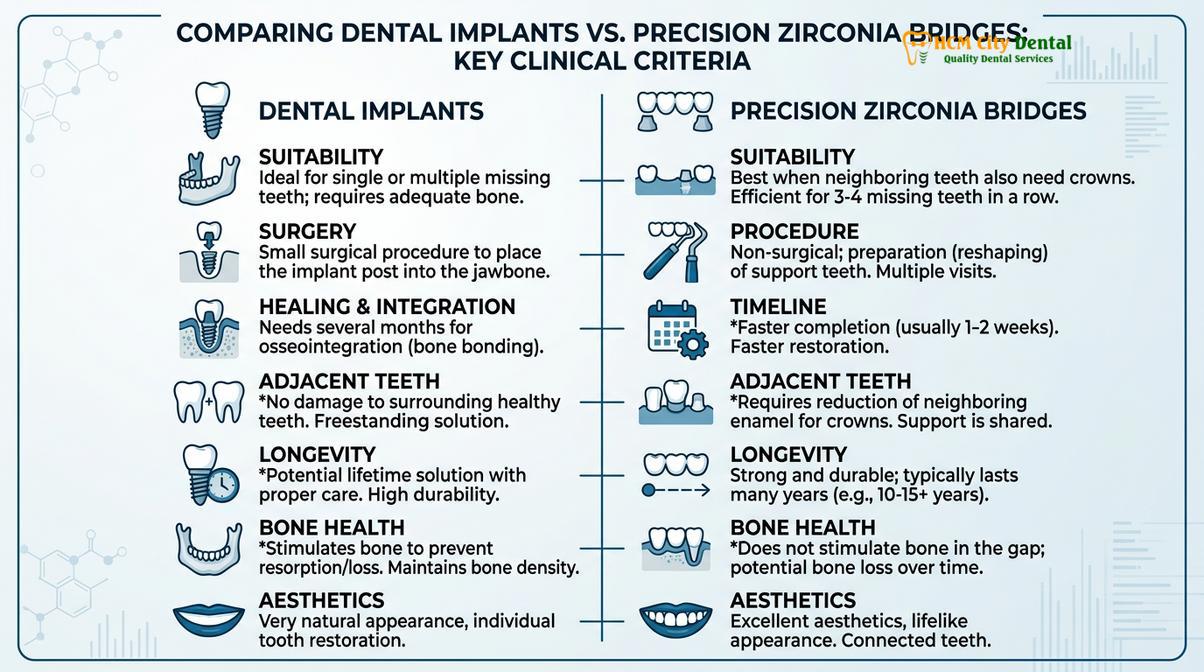
For patients missing one or a few adjacent teeth, a traditional dental bridge remains a highly reliable alternative. A bridge utilizes the healthy teeth on either side of the gap (the abutments) to support a false tooth (the pontic) in the middle.
At HCMC Dental Clinic, we utilize in-house CAD/CAM technology to mill precision bridges from solid blocks of high-translucency Zirconia. Zirconia is biocompatible, incredibly strong, and can be color-matched perfectly to your natural teeth. This option is ideal for patients who lack the bone volume for an implant and wish to avoid complex bone grafting procedures. You can learn more about this approach in our guide to multiple teeth implants and bridge options.
Implant-Retained Overdentures
For edentulous patients (those missing all teeth in an arch) who have suffered massive bone resorption, placing a full set of traditional implants may be impossible without extensive, invasive bone grafting. In these scenarios, we often explore implant alternatives for seniors saigon, such as implant-retained overdentures.
While this option still uses implants, it requires significantly fewer of them (often just 2 to 4 mini or standard implants placed in the dense bone of the anterior jaw). These implants act as anchors for a custom-crafted, removable overdenture that snaps securely into place. This provides vastly superior stability compared to traditional resting dentures, restores chewing function, and eliminates the need for messy denture adhesives, all while requiring far less bone volume than a fixed full-arch bridge. For patients interested in fixed options and who meet the clinical criteria, we also provide comprehensive assessments for All-on-6 full-arch rehabilitation, supported by extensive clinical studies [3].
When to Consult a Specialist / Important Clinical Notes
Understanding your unique oral health situation is the first step toward a successful restoration. You should schedule a consultation with a qualified dental specialist if you experience any of the following:
- You have been told you lack sufficient bone density for implants and want a second opinion on alternatives.
- You suffer from systemic conditions like diabetes or osteoporosis and need a customized, risk-averse treatment plan.
- You have active gum disease (bleeding, swollen gums, or loose teeth) that needs to be managed before considering tooth replacement.
- You are a heavy smoker looking for guidance on cessation protocols prior to oral surgery.
A thorough evaluation will help determine the safest and most effective path forward. If you are wondering how long the dental implant procedure takes, a personalized consultation will provide a clear timeline based on your specific biological healing capacity.
Frequently Asked Questions
Can a diabetic patient safely receive dental implants in Vietnam?
Yes, provided their blood sugar is well-controlled. Patients with an HbA1c level below 7.5% generally experience normal osseointegration, whereas uncontrolled diabetes significantly increases the risk of implant failure.
Why do heavy smokers experience higher dental implant failure rates?
Smoking introduces heat and toxic chemicals that constrict blood vessels in the gums. This reduced blood flow impairs the body’s ability to heal and integrate the titanium post with the jawbone.
What alternatives exist if my jawbone cannot support an implant?
If bone grafting is not viable, patients may opt for precision-milled zirconia dental bridges, implant-retained overdentures, or high-quality removable prosthetics.
Can active gum disease cause immediate dental implant rejection?
Yes. Placing an implant into a mouth with active periodontitis introduces aggressive bacteria directly into the bone, which can lead to rapid bone loss and a condition known as peri-implantitis.
Why is Dr. Cuong’s conservative clinical approach trusted by international patients?
Dr. Cuong prioritizes long-term oral health over immediate surgical intervention. By refusing to perform high-risk procedures, he ensures that patients receive ethical, evidence-based care with predictable outcomes.
Dr. Cuong’s Conservative Treatment Philosophy
The core philosophy at HCMC Dental Clinic is rooted in the principle of “primum non nocere”—first, do no harm. In an era where cosmetic dental trends often overshadow biological health, maintaining a conservative approach is what distinguishes a truly world-class clinic.
Dr. Cuong strictly refuses to participate in destructive forms of dentistry. We believe that preserving natural tooth structure is always the highest priority. If a tooth can be saved with a conservative restoration, a minimal-prep veneer, or endodontic therapy, that will always be our first recommendation over extraction and implant placement. Our commitment to general and preventive dentistry ensures that every patient receives care designed to last a lifetime.
If you are seeking honest, ethical advice regarding your tooth replacement options, we invite you to schedule a comprehensive consultation at HCMC Dental Clinic in Ho Chi Minh City. Our team is dedicated to providing transparent, evidence-based care tailored to your unique biological needs.
References
- Journal of the American Dental Association. Implant survival rates in digital dentistry. (2022).
- Vietnam Ministry of Health (MOH). National Guidelines on Oral and Maxillofacial Surgery and Implantology. (2021).
- International Journal of Oral and Maxillofacial Implants. All-on-4 full arch rehabilitation. (2021).
- British Dental Journal. Dental tourism safety protocols and material traceability. (2023).
- Journal of Clinical Periodontology. Infection control and aerosol management. (2021).