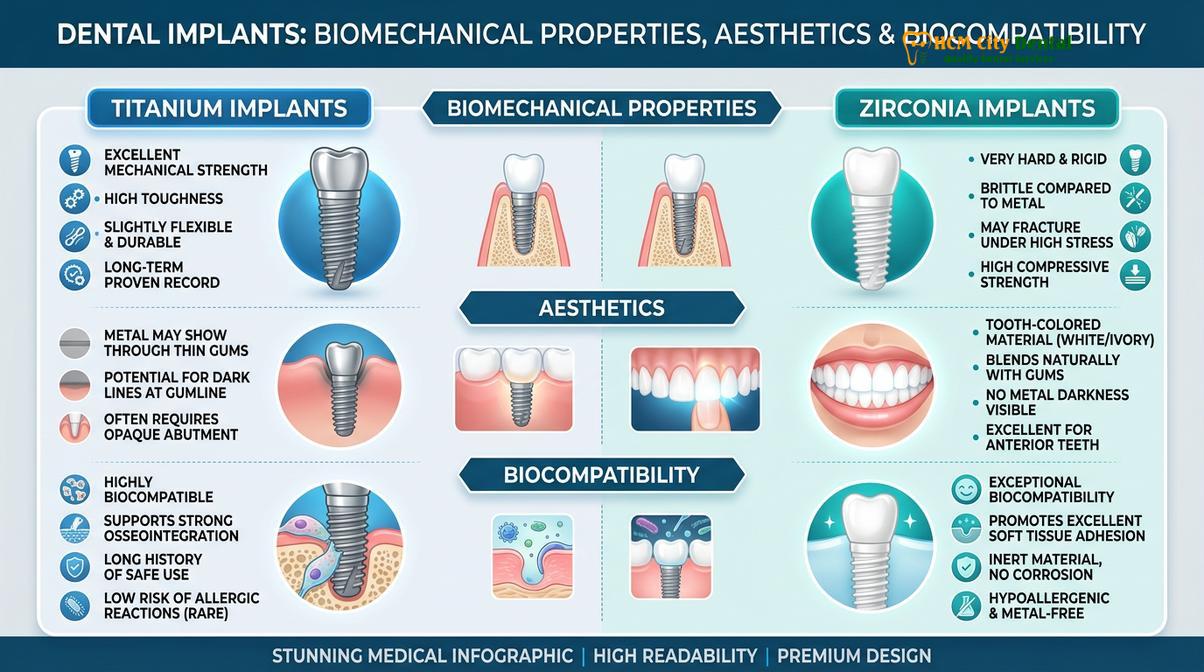
When comparing titanium vs zirconia implants, the primary difference lies in their material composition and clinical application. Titanium offers unmatched biomechanical strength and versatile two-piece prosthetic flexibility, while zirconia provides a highly aesthetic, metal-free alternative with exceptional soft tissue biocompatibility for patients with specific sensitivities.
Clinical Summary:
The decision between titanium and zirconia dental implants represents a choice between decades of proven biomechanical reliability and modern aesthetic innovation. Titanium implants, utilized for over half a century, remain the gold standard due to their exceptional fracture resistance, high success rates, and versatile two-piece designs that accommodate complex full-mouth restorations. Conversely, zirconia implants—crafted from high-strength ceramic—offer a premium metal-free solution. They excel in the anterior aesthetic zone by eliminating the risk of dark gingival shadowing and demonstrate superior soft-tissue response with lower bacterial plaque retention. While both materials achieve excellent osseointegration, the selection depends on the patient’s anatomical constraints, aesthetic demands, bite forces, and potential metal hypersensitivities, requiring a comprehensive diagnostic evaluation by an experienced implantologist.
Key Takeaways:
- Material Composition: Titanium is a highly durable metal alloy, whereas zirconia is a specialized, tooth-colored ceramic.
- Aesthetic Outcomes: Zirconia eliminates the risk of grey shadowing through thin gums, making it ideal for front teeth.
- Biomechanical Strength: Titanium possesses superior flexural strength and fracture toughness, essential for heavy bite forces and complex restorations.
- Biocompatibility: Both integrate well with bone, but zirconia shows less plaque affinity and is an alternative for patients with metal allergies.
- Design Flexibility: Titanium systems typically use a two-piece design for restorative versatility, while many zirconia implants are one-piece, requiring precise surgical angulation.
The Evolution of Dental Implant Materials
Dental implantology has transitioned from early experimental metals to highly refined titanium alloys, and more recently, to advanced ceramic formulations like zirconia, driven by the dual demands for biomechanical stability and superior gingival aesthetics.
The modern era of restorative dentistry was fundamentally transformed by the discovery of osseointegration—the biological process by which living bone fuses directly to an artificial surface. For decades, the pursuit of the ideal Dental Implants has centered on finding materials that the human body accepts without immunological rejection, while simultaneously withstanding the immense biomechanical forces generated during mastication (chewing). Early experiments with various metals often resulted in fibrous encapsulation rather than true bone integration, leading to eventual implant failure.
The breakthrough occurred when commercially pure titanium was found to possess unique properties that allowed osteoblasts (bone-forming cells) to proliferate directly on its surface. This discovery established titanium as the undisputed foundation of implantology. Over time, to enhance mechanical strength, pure titanium was frequently alloyed with trace amounts of aluminum and vanadium (Ti-6Al-4V), creating a highly resilient titanium alloy screw capable of supporting everything from single crowns to full-arch prosthetics [1].
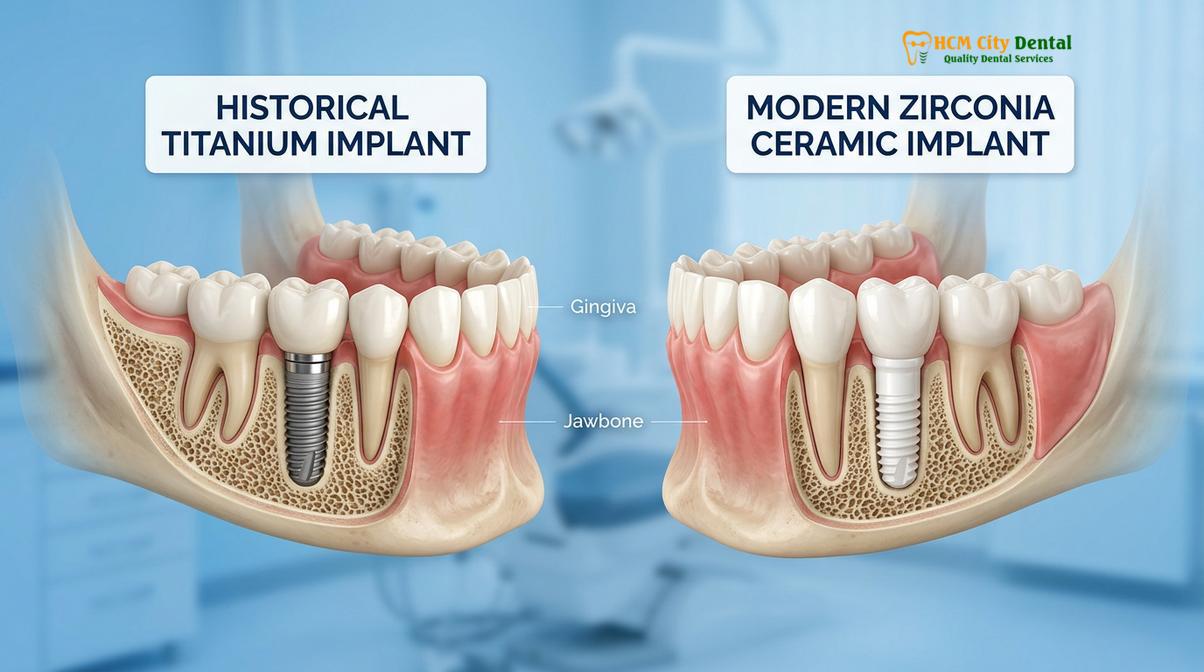
Despite the overwhelming clinical success of titanium, the evolution of implant materials did not stop. As patient expectations shifted heavily toward flawless aesthetics and holistic, biocompatible dentistry, researchers began exploring alternative materials. The primary clinical challenges with titanium included the potential for a greyish hue visible through thin gingival (gum) tissue and, in exceedingly rare cases, patient hypersensitivity to metal ions. This led to the introduction of yttria-stabilized tetragonal zirconia polycrystal (Y-TZP), a high-performance ceramic originally utilized in orthopedics for hip replacements. Zirconia emerged as a highly viable, biocompatible implant material that offered a tooth-colored, metal-free alternative without compromising the fundamental requirement of osseointegration.
Today, the landscape of implant dentistry is defined by these two exceptional materials. The choice between them is no longer a matter of one being universally “better” than the other, but rather a highly nuanced clinical decision based on individual patient anatomy, immunological profile, and restorative goals.
The Great Debate: Metal vs. Ceramic Implants
The choice between metal and ceramic fixtures represents a significant decision in modern implantology, balancing mechanical strength against holistic biocompatibility and aesthetic outcomes.
The evolution of implant dentistry has been defined by the continuous search for materials that can seamlessly replace natural tooth roots while existing in harmony with the human body. For over half a century, the industry has relied almost exclusively on metal alloys. However, as patient awareness regarding systemic health and material toxicity has grown, the demand for metal-free alternatives has surged. This shift has ignited a profound clinical discussion regarding ceramic vs metal implants, forcing dental professionals to re-evaluate traditional protocols and embrace a more personalized approach to oral rehabilitation.
At the core of this debate is the concept of osseointegration—the direct structural and functional connection between living bone and the surface of a load-bearing artificial implant. Both materials are capable of achieving this critical biological milestone, but they do so through slightly different mechanisms and offer distinct secondary benefits. The decision is no longer just about filling a gap in the dentition; it is about selecting a biomaterial that aligns with the patient’s unique physiological landscape. This is a fundamental principle of the biological dentistry approach, which prioritizes materials that minimize immune reactivity and systemic stress.
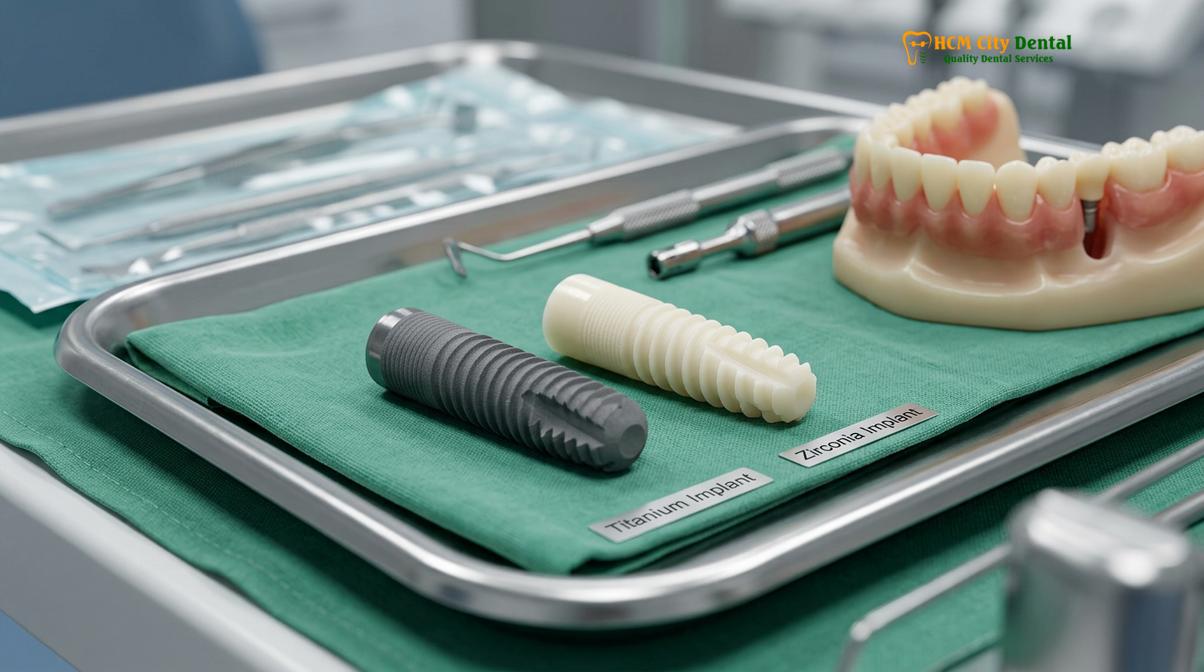
When evaluating these two distinct pathways, clinicians must consider a multitude of variables. The oral cavity is a harsh environment, subjected to extreme temperature fluctuations, acidic pH levels, a diverse microbiome, and immense mechanical forces during mastication. The chosen implant material must withstand these daily assaults without degrading, corroding, or triggering an inflammatory cascade. While metal has a long-standing track record of mechanical resilience, ceramic introduces a new paradigm of tissue-friendly aesthetics and immunological neutrality.
Titanium Implants: The Time-Tested Gold Standard
Titanium implants remain the universal gold standard in implant dentistry due to their exceptional fracture resistance, extensive long-term clinical data, and versatile two-piece design that accommodates complex full-mouth rehabilitations.
When discussing the longevity and predictability of tooth replacement, titanium implants possess a clinical track record that is unparalleled in modern medicine. The success of titanium is rooted in its unique surface chemistry. Upon exposure to oxygen, titanium instantly forms a stable, inert oxide layer (titanium dioxide). This microscopic layer is what the human body recognizes and accepts, allowing bone cells to deposit calcium and phosphate directly onto the implant surface, locking it firmly into the jawbone [2].
One of the most significant advantages of titanium is its exceptional mechanical properties. It boasts a high tensile strength and a low modulus of elasticity, meaning it is strong enough to resist fracture under heavy biting forces, yet flexible enough to distribute those forces evenly into the surrounding bone. This biomechanical harmony prevents stress-shielding and subsequent bone loss. For patients requiring extensive reconstructions, such as those exploring Dental Implants vs Dentures, titanium’s durability is an absolute necessity to support the cantilever forces of full-arch bridges.
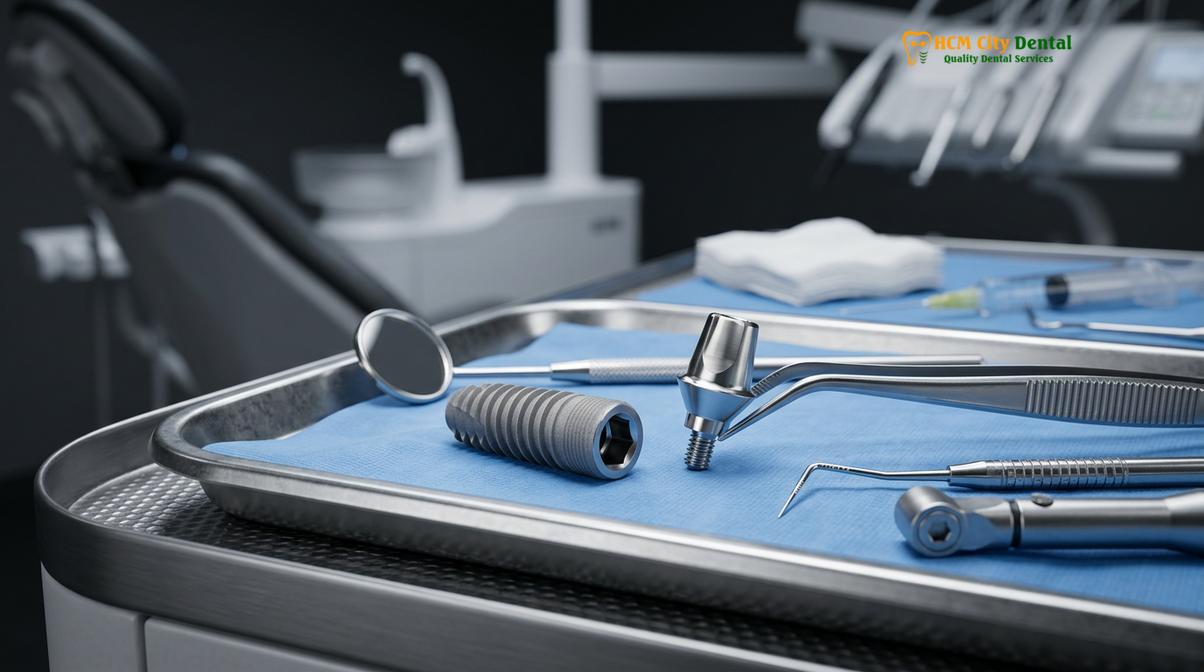
Furthermore, the vast majority of titanium implant systems utilize a two-piece design. This consists of the implant fixture (the artificial root placed into the bone) and a separate abutment (the connector piece that holds the crown). This modularity provides the restorative dentist with immense flexibility. If an implant is placed at a slight angle due to anatomical constraints, an angled abutment can be used to correct the trajectory, ensuring the final crown aligns perfectly with the adjacent teeth. This versatility is a key reason why leading manufacturers continue to innovate within the titanium space. Patients often compare premium systems, such as Straumann vs Nobel Biocare Implants, both of which rely heavily on advanced titanium alloys and proprietary surface treatments (like SLA or TiUnite) to accelerate bone healing.
“Titanium’s decades of longitudinal data provide a level of clinical predictability that is unmatched. Its two-piece versatility allows us to navigate the most complex anatomical challenges, ensuring long-term functional stability for our patients.”
To clearly understand the clinical distinctions, the following table outlines the comparative properties of titanium and zirconia materials:
| Clinical Property | Titanium Implants | Zirconia Implants |
|---|---|---|
| Material Type | Metal Alloy (Ti-6Al-4V or Commercially Pure) | Ceramic (Yttria-stabilized Zirconia) |
| Color & Aesthetics | Metallic grey; can show through thin gums | Opaque white; excellent natural aesthetics |
| Design Flexibility | Highly versatile two-piece systems | Predominantly one-piece (two-piece emerging) |
| Fracture Toughness | Extremely high; resists sheer and bending forces | High compressive strength, but more brittle |
| Plaque Affinity | Standard plaque accumulation | Very low plaque retention; excellent tissue health |
| Clinical Track Record | Over 50 years of extensive longitudinal data | Over 15 years of promising clinical data |
Despite its dominance, titanium is not without its specific clinical indications. In patients with a very thin gingival biotype, the grey metallic hue can sometimes cause a darkening of the gum tissue, compromising the aesthetic result in the smile zone. Additionally, while true titanium allergy is exceedingly rare (affecting less than 1% of the population), patients with a history of severe metal hypersensitivities may require alternative diagnostic testing before proceeding with a titanium alloy screw.
Titanium Implants: Track Record and Metal Ion Concerns
Titanium has served as the foundation of implant dentistry for decades due to its exceptional fracture resistance, though emerging research highlights potential concerns regarding metal ion release.
Titanium’s dominance in the field of implantology is well-earned. Discovered to have unique bone-bonding properties in the 1950s, titanium and its alloys (most commonly Grade 4 commercially pure titanium or Grade 5 Ti-6Al-4V) have become the undisputed gold standard for replacing missing teeth. The secret to its success lies in its ability to spontaneously form a stable titanium dioxide (TiO2) layer when exposed to oxygen. This passive oxide layer is what the bone cells (osteoblasts) recognize and attach to, creating a robust anchor capable of supporting single crowns, bridges, or full-arch prostheses.
From a biomechanical standpoint, titanium is incredibly forgiving. It possesses a modulus of elasticity that, while higher than natural bone, allows for a degree of flexure under heavy occlusal loads. This flexibility is crucial in the posterior regions of the mouth, where chewing forces are highest, as it helps distribute stress evenly across the surrounding alveolar bone, preventing micro-fractures and subsequent bone loss. Furthermore, titanium implants can be manufactured in two-piece designs, allowing for versatile prosthetic corrections if the implant is placed at a challenging angle[1].
“The mechanical predictability of titanium remains unmatched for complex, full-arch rehabilitations, yet the modern clinician must remain vigilant regarding the long-term biological interactions of metal alloys within the oral environment.”
Despite its impressive clinical resume, titanium is not without its controversies. Recent advancements in cellular biology and immunology have shed light on the phenomenon of tribocorrosion—the combined effect of mechanical wear and chemical corrosion. Over time, the friction from chewing, combined with the acidic environment of the mouth, can cause microscopic titanium particles and ions to shed from the implant surface into the surrounding soft tissues and bloodstream. For the vast majority of patients, these particles remain inert. However, in susceptible individuals, the accumulation of these metal ions can activate macrophages, triggering a localized inflammatory response that may contribute to peri-implantitis (bone loss around the implant) or broader systemic immune challenges.
Zirconia Implants: The Metal-Free Aesthetic Alternative
Zirconia implants offer a premium, tooth-colored ceramic solution that eliminates the risk of dark gingival shadowing, making them highly desirable for anterior aesthetic zones and patients seeking strictly non-metallic restorations.
As aesthetic demands in dentistry have escalated, zirconia has risen to prominence as the premier alternative to titanium. Zirconia (zirconium dioxide) is a transitional metal oxide that is processed into a high-strength ceramic. Through a process called phase transformation toughening—often stabilized with yttria—zirconia achieves remarkable structural durability, preventing the propagation of micro-cracks that typically plague traditional ceramics [3].
The most immediate and obvious benefit of zirconia is its color. As a bright white, opaque material, a ceramic dental post mimics the natural color of a tooth root. This is a profound advantage when replacing teeth in the anterior (front) maxilla, especially in patients with thin, translucent gums. With titanium, slight gum recession over time can expose the metallic collar of the implant, resulting in an unsightly grey line. Zirconia metal-free implants completely eliminate this risk, ensuring that even if slight tissue remodeling occurs, the exposed material remains tooth-colored and visually harmonious.
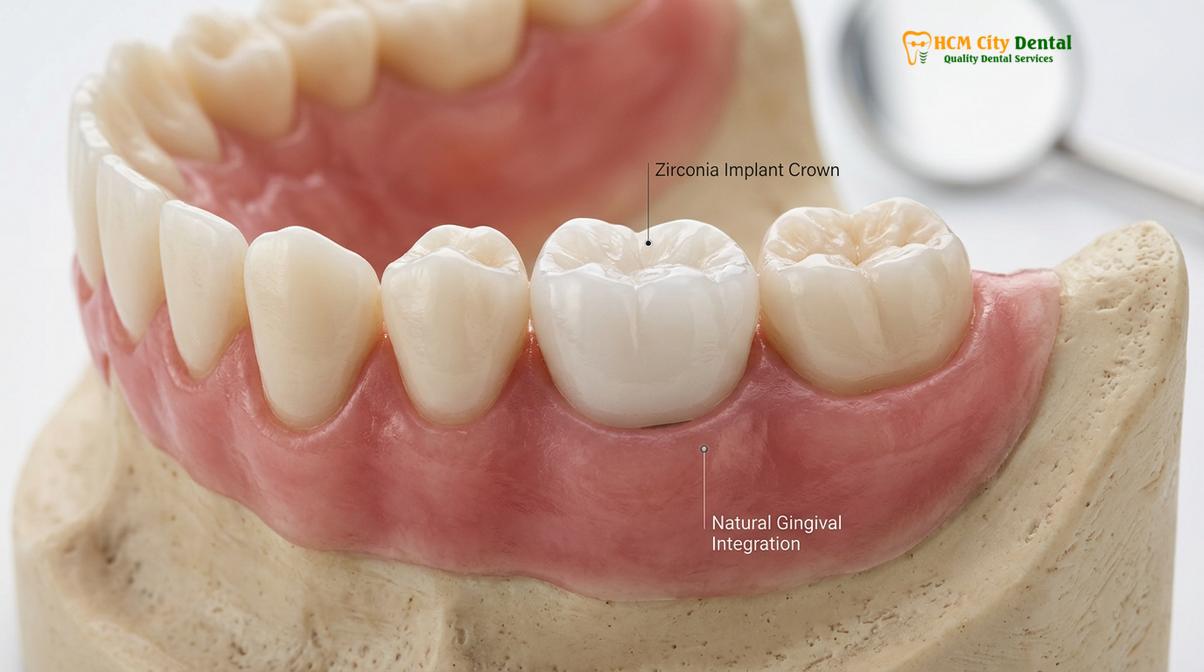
Beyond aesthetics, zirconia is championed for its absolute biochemical inertness. It does not corrode, and it does not release metallic ions into the surrounding tissues or bloodstream. For patients who adhere to holistic health philosophies or those with documented Type IV hypersensitivity to metals, zirconia provides peace of mind. The absence of galvanic toxicity (the electrical currents that can occur when dissimilar metals are present in the mouth) is another reason some patients specifically request ceramic options.
Clinical Case Example: Anterior Aesthetic Restoration
A 34-year-old female patient presented to HCMC Dental Clinic in Ho Chi Minh City with a fractured upper central incisor and a notably thin gingival biotype. Concerned about the potential for a grey shadow visible through her gums, the clinical team recommended a one-piece zirconia implant. Following atraumatic extraction and immediate implant placement, the surrounding soft tissue adapted beautifully to the ceramic surface. Six months post-operation, the final restoration exhibited flawless pink aesthetics, with the gingival margins perfectly matching the adjacent natural teeth, demonstrating the superior aesthetic capabilities of zirconia in the smile zone.
However, the clinical application of zirconia requires meticulous surgical precision. Historically, the vast majority of zirconia implants have been manufactured as a one-piece design, where the artificial root and the abutment are a single, continuous unit. While this eliminates the microgap where bacteria can harbor in two-piece systems, it severely limits restorative flexibility. The surgeon must place the implant at the exact perfect angle for the final crown, as there is no opportunity to use an angled abutment later to correct the trajectory. Furthermore, a one-piece implant cannot be submerged under the gum tissue to heal; it remains exposed to the oral cavity and must be protected from premature chewing forces during the critical osseointegration phase.
Zirconia Ceramic Implants: The Hypoallergenic Alternative
Zirconia provides a robust, tooth-colored ceramic solution that integrates seamlessly with bone while eliminating the risks associated with metal hypersensitivity and galvanic corrosion.
As the demand for holistic and highly aesthetic dental solutions has accelerated, zirconia has emerged as the premier alternative to traditional metal fixtures. Zirconia (zirconium dioxide) is a high-performance ceramic material. Specifically, dental implants are typically crafted from yttria-stabilized tetragonal zirconia polycrystal (Y-TZP). This specific formulation undergoes a unique phase transformation when subjected to stress; if a micro-crack begins to form, the material expands slightly to compress the crack and stop it from propagating. This “self-healing” property gives zirconia exceptional hardness and wear resistance.
The most immediate and obvious advantage of zirconia is its brilliant, natural white color. In patients with a thin gingival biotype (thin gums), titanium implants can sometimes cast a grayish shadow through the tissue, compromising the aesthetic outcome, particularly in the highly visible anterior (front) zone. Zirconia completely circumvents this issue, ensuring that even if slight gum recession occurs over time, the exposed material mimics the appearance of a natural tooth root. This makes it an invaluable tool for advanced dental implant solutions where aesthetics are paramount.
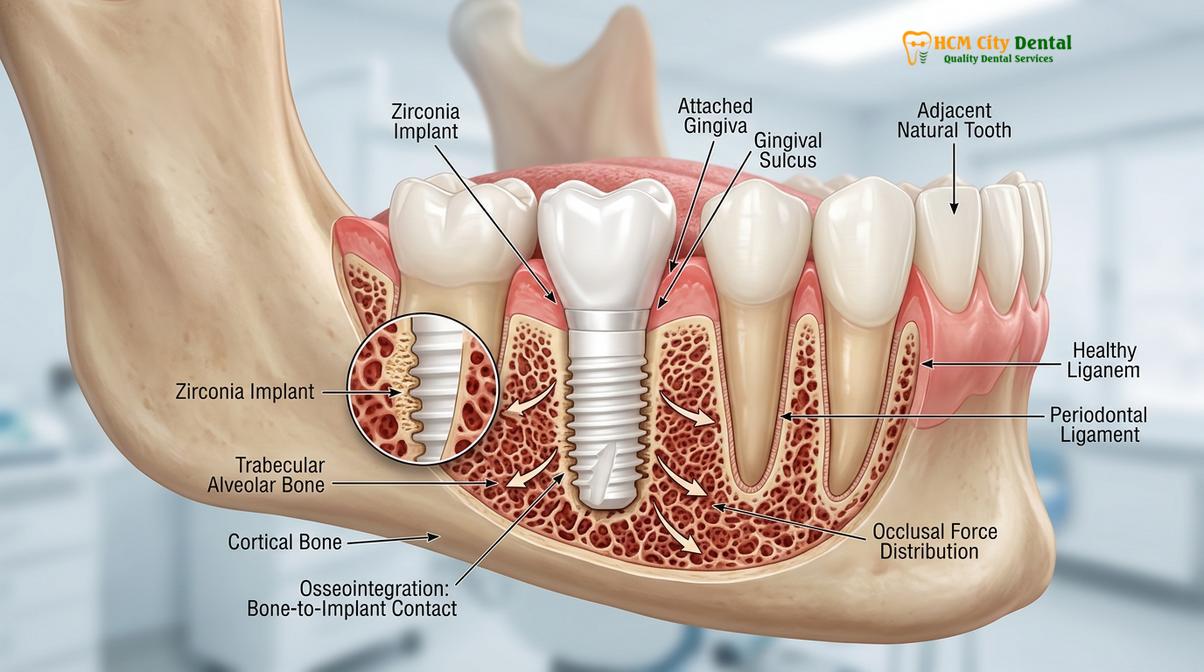
Beyond aesthetics, the discussion of zirconia vs titanium safety heavily favors ceramic when evaluating soft tissue response. Clinical studies consistently demonstrate that zirconia has a significantly lower affinity for bacterial plaque adhesion compared to titanium. The smooth, non-polar surface of the ceramic makes it difficult for biofilm to attach and mature. Furthermore, the peri-implant mucosa (the gum tissue surrounding the implant) forms a tighter, healthier seal around zirconia, characterized by a robust hemidesmosomal attachment and excellent blood circulation. This superior soft tissue integration acts as a powerful barrier against bacterial infiltration, thereby reducing the long-term risk of peri-implant inflammation and bone loss[2].
Biocompatibility and Gum Tissue Integration
Both materials exhibit excellent osseointegration, but zirconia demonstrates superior soft tissue adhesion and lower bacterial plaque retention, which can significantly reduce the risk of peri-implant mucositis and long-term peri-implantitis.
The long-term success of any dental implant relies not only on its integration with the jawbone (osseointegration) but also on its relationship with the surrounding soft tissues (gingiva). The gums act as a biological seal, protecting the underlying bone from the bacteria-rich environment of the oral cavity. If this seal is breached, bacteria can migrate down the implant surface, leading to peri-implantitis—an inflammatory condition that causes bone loss and eventual implant failure.
Titanium has a well-documented ability to support soft tissue health. The gingival fibers form a tight, circular cuff around the titanium collar, creating a functional barrier. However, titanium surfaces, particularly if roughened, can attract bacterial plaque if exposed to the oral environment. In some cases, the microscopic wear of titanium (tribocorrosion) can release titanium particles into the surrounding tissues, which may trigger a localized inflammatory macrophage response in susceptible individuals [4].
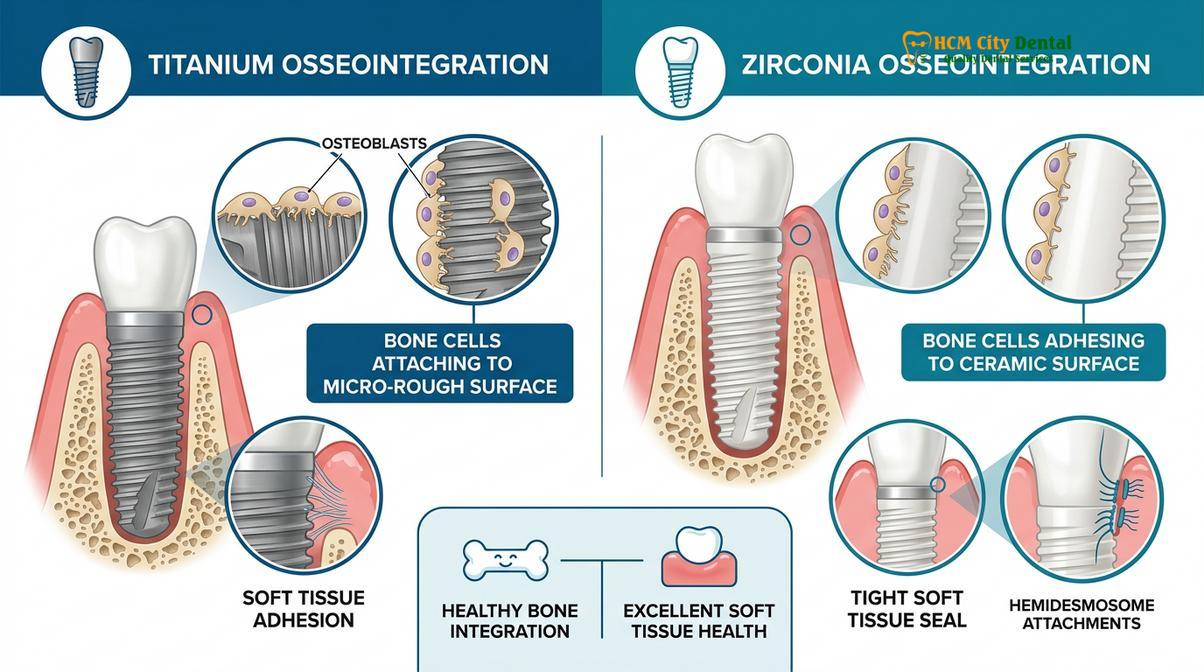
Zirconia, on the other hand, exhibits extraordinary soft tissue biocompatibility. Histological studies have shown that human gingival fibroblasts adhere more readily to zirconia surfaces than to titanium. The soft tissue forms a longer, denser attachment to the ceramic, creating an exceptionally robust biological seal. Furthermore, zirconia has a lower surface free energy and lower electrical conductivity than titanium. Clinically, this translates to a significantly reduced affinity for bacterial plaque accumulation. Less plaque means less marginal inflammation, making zirconia an excellent choice for patients who may struggle with optimal oral hygiene or those with a history of periodontal disease.
Dr. Nguyen Van Cuong frequently emphasizes the importance of evaluating the patient’s soft tissue phenotype before selecting an implant material. In cases where the gingiva is thick and fibrotic, titanium performs exceptionally well. However, in cases of thin, delicate tissue, the superior soft tissue integration and plaque resistance of a biocompatible implant material like zirconia can provide a critical advantage in maintaining long-term peri-implant health.
Comparison Table: Strength, Integration, and Gum Health
Evaluating both materials side-by-side reveals distinct clinical advantages, helping practitioners tailor the restoration to the patient’s anatomical and immunological needs.
To make an informed decision, it is essential to conduct a comprehensive dental implant material comparison. While both materials boast high survival rates, their physical properties dictate how they behave under different clinical scenarios. The following table outlines the primary distinctions between titanium and zirconia across several critical clinical parameters.
| Clinical Parameter | Titanium Implants | Zirconia (Ceramic) Implants |
|---|---|---|
| Material Composition | Metal alloy (typically Grade 4 or Grade 5 Ti-6Al-4V) | Non-metal ceramic (Yttria-stabilized zirconium dioxide) |
| Fracture Toughness | Extremely high; flexible under heavy occlusal loads | High hardness, but more brittle; less tolerant of bending forces |
| Aesthetics | Metallic gray; may show through thin gingival tissue | Natural tooth-colored white; excellent for the aesthetic zone |
| Biocompatibility | Excellent, but carries a rare risk of metal hypersensitivity | Exceptional; completely hypoallergenic and immunologically inert |
| Plaque Affinity | Moderate; requires diligent hygiene to prevent peri-implantitis | Very low; resists bacterial adhesion, promoting healthier gums |
| Prosthetic Versatility | Highly versatile two-piece designs for complex angle corrections | Often one-piece or limited two-piece designs; requires precise placement |
Understanding these differences is crucial for treatment planning. For instance, a patient requiring a single tooth replacement in the front of the mouth, who also has a history of skin allergies to cheap jewelry, would be an ideal candidate for a zirconia implant. Conversely, a patient requiring a full-arch reconstruction (like an All-on-4 procedure) where the implants must be placed at severe angles to maximize bone contact, would generally be better served by the mechanical versatility and fracture resistance of titanium[3].
Titanium Allergy and Galvanic Corrosion Risks
Although rare, titanium hypersensitivity and galvanic toxicity in the oral cavity can trigger localized inflammation and compromise long-term implant stability.
While titanium is widely celebrated for its biocompatibility, the medical community is increasingly recognizing that it is not universally inert for all patients. A small but clinically significant subset of the population experiences adverse immunological reactions to titanium allergy dental implants. This is typically classified as a Type IV delayed hypersensitivity reaction. Unlike an immediate allergic response (such as a peanut allergy), a Type IV reaction develops slowly over months or years as the immune system’s T-cells become sensitized to the metal ions released by the implant.
Symptoms of a titanium allergy can be localized or systemic. Locally, patients may experience chronic inflammation of the gums, unexplained pain, or rapid, progressive bone loss around the implant that does not respond to standard periodontal treatments. Systemically, sensitized individuals might report chronic fatigue, skin rashes, or the exacerbation of pre-existing autoimmune conditions. Diagnosing this sensitivity can be challenging, as standard skin patch tests are often unreliable for deep tissue metal implants. Advanced blood tests, such as the MELISA (Memory Lymphocyte Immunostimulation Assay) test, are frequently utilized by holistic practitioners to accurately identify metal hypersensitivities before surgery is performed.
Clinical Warning: Patients with a known history of severe metal allergies, autoimmune disorders, or chronic inflammatory conditions should undergo comprehensive biocompatibility testing prior to the surgical placement of any metallic dental implant to mitigate the risk of rejection.
Another critical concern associated with metal implants is galvanic corrosion, often referred to as “oral galvanism.” This phenomenon occurs when two or more different types of metals are present in the mouth, bathed in saliva, which acts as an electrolyte. For example, if a patient has a titanium implant, a gold crown, and a silver amalgam filling, an electrical current can be generated between these dissimilar metals. This galvanic current can accelerate the corrosion of the metals, increasing the release of toxic ions into the body, and may cause symptoms such as a metallic taste, burning mouth syndrome, or localized nerve pain. Choosing a non-conductive ceramic implant completely eliminates the risk of oral galvanism, aligning perfectly with the goals of holistic dental treatments[4].
Structural Durability: Resistance to Fractures and Bite Forces
While titanium possesses superior flexural strength and fracture toughness ideal for heavy bruxers, modern zirconia implants have achieved sufficient compressive strength for most clinical applications, though they remain more brittle under sheer stress.
The oral cavity is a harsh biomechanical environment. During mastication, the teeth and implants are subjected to immense compressive, tensile, and sheer forces. The ability of an implant material to withstand these forces over millions of chewing cycles without fracturing is a paramount clinical consideration.
Titanium alloys (such as Grade 5 Ti-6Al-4V) are renowned for their high fracture toughness. They possess a degree of ductility, meaning they can absorb and distribute stress without catastrophic failure. This makes titanium the material of choice for posterior (back) teeth, where bite forces are the highest, and for patients who suffer from bruxism (severe teeth grinding). It is also the mandatory choice for complex full-arch restorations. When evaluating How Much Do Dental Implants Cost in Vietnam?, patients will find that titanium systems offer the most cost-effective and biomechanically sound foundation for full-mouth rehabilitations.
Zirconia is exceptionally hard and boasts a very high compressive strength—often exceeding that of titanium. However, ceramics are inherently brittle. They have low fracture toughness and poor resistance to tensile and sheer forces. If a zirconia implant is subjected to excessive off-axis loading or bending forces, it is more prone to micro-fractures and catastrophic breakage than a titanium implant. The manufacturing process of zirconia is also highly sensitive; any microscopic flaws introduced during milling or sintering can act as stress concentrators, compromising the structural integrity of the implant [5].
Clinical Warning: Bruxism and Ceramic Implants
Patients with a documented history of severe bruxism (involuntary teeth grinding or clenching) should exercise extreme caution when considering zirconia implants for posterior load-bearing areas. The sheer forces generated during grinding can exceed the fracture toughness of ceramic materials, significantly increasing the risk of implant fracture. In such cases, titanium remains the safer, more resilient clinical choice.
Furthermore, the surgical placement of zirconia requires a delicate touch. Because the material is rigid, excessive insertion torque (the rotational force used to screw the implant into the bone) can cause the ceramic to crack. Surgeons must carefully prepare the osteotomy (bone site) to ensure the implant can be seated smoothly without undue stress. As older adults consider their options, reading guides like Dental Implants for Seniors can help clarify how bone density affects the choice of implant material and the required surgical techniques.
How to Choose the Right Material for Your Immune System
Selecting the optimal implant material requires a comprehensive clinical assessment of the patient’s systemic health, bite dynamics, and aesthetic expectations.
The decision between titanium and zirconia should never be made based on marketing trends alone; it must be a carefully considered medical choice tailored to the individual. The diagnostic workflow begins with a thorough review of the patient’s medical history, paying close attention to any history of allergies, autoimmune diseases, or chronic inflammatory conditions. A patient with a hyper-reactive immune system may benefit significantly from the immunological neutrality of zirconia.
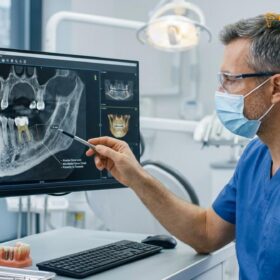
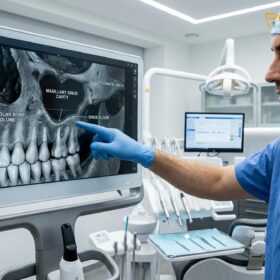
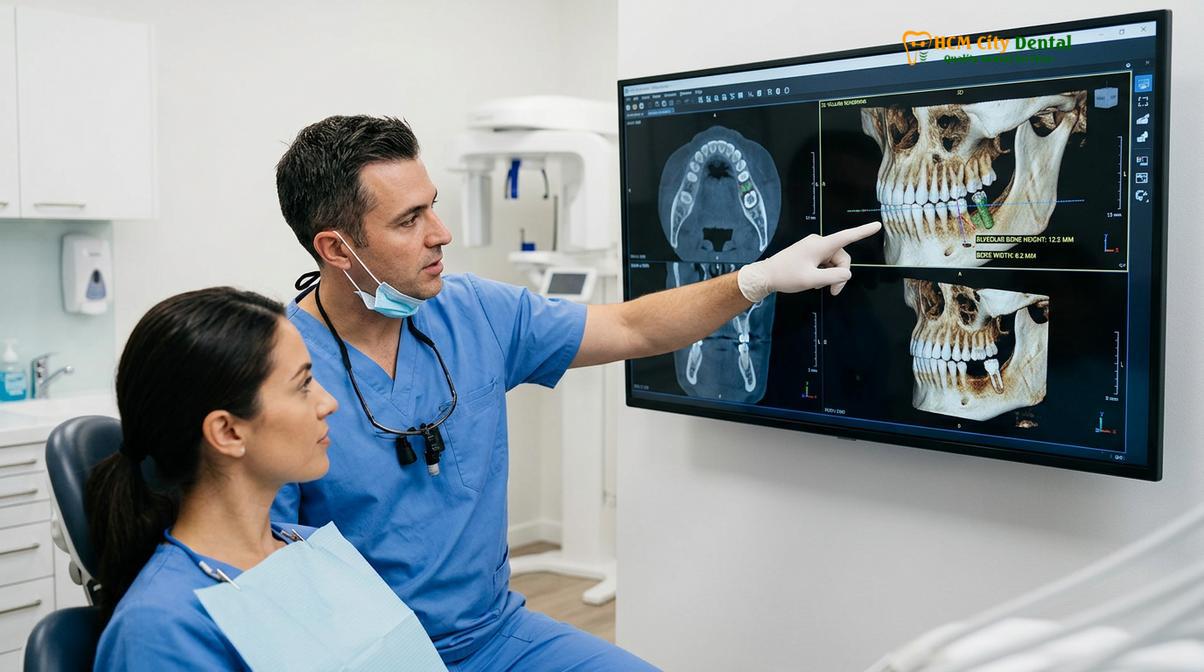
Next, the clinician must evaluate the anatomical and biomechanical landscape of the mouth. High-resolution 3D CBCT (Cone Beam Computed Tomography) scans are utilized to assess the volume and density of the jawbone. If the bone volume is minimal and requires extensive grafting, or if the implant must be placed in a high-stress molar region where heavy grinding (bruxism) occurs, the superior fracture toughness of titanium may be medically necessary to ensure long-term survival. Conversely, if the implant is destined for the aesthetic zone and the patient has thin, translucent gums, zirconia is the clear choice to prevent cosmetic failure.
Clinical Case Review: A 42-year-old female patient presented to HCMC Dental Clinic in Ho Chi Minh City with a failing upper incisor and a documented history of nickel and titanium sensitivity. Dr. Nguyen Van Cuong utilized a 3D CBCT scan to plan a minimally invasive extraction followed by the immediate placement of a one-piece zirconia implant. The metal-free approach resulted in zero immunological reactivity, and the ceramic material integrated flawlessly, providing a highly aesthetic, natural-looking restoration that perfectly matched her surrounding dentition.
“True clinical success in implantology is achieved not just by achieving osseointegration, but by selecting a biomaterial that respects the patient’s systemic health and enhances their overall quality of life without introducing new toxic burdens.”
Ultimately, the choice requires a collaborative discussion between the patient and a knowledgeable dental surgeon. Practitioners who are well-versed in both traditional and metal-free dentistry can provide an unbiased recommendation based on objective clinical data rather than a one-size-fits-all philosophy. By carefully weighing the biomechanical requirements against the biological risks, patients can achieve a stable, beautiful, and health-promoting smile restoration[5].
When to See a Doctor for Implant Consultation
Choosing between titanium and zirconia is not a decision a patient should make in isolation based solely on internet research. The selection requires a comprehensive clinical and radiographic evaluation by a qualified implantologist. If you are missing one or more teeth, experiencing discomfort with current dentures, or have concerns about metal allergies, it is imperative to schedule a professional consultation.
During your visit to a specialized center like HCMC Dental Clinic in Ho Chi Minh City, the clinical team will perform a 3D Cone Beam Computed Tomography (CBCT) scan. This advanced imaging allows the surgeon to assess your bone volume, bone density, and the proximity of vital structures such as nerves and sinus cavities. Additionally, the dentist will evaluate your gingival biotype, bite occlusion, and parafunctional habits (like grinding).
“There is no universally perfect implant material, only the perfect material for a specific patient’s unique anatomical and biological conditions. Comprehensive 3D diagnostics and a thorough medical history are non-negotiable steps in ensuring long-term implant success.”
Patients with a known history of severe allergies, autoimmune conditions, or those who have experienced adverse reactions to metallic jewelry should explicitly discuss these concerns with their doctor. In some cases, specific patch testing (such as the MELISA test) may be recommended to rule out titanium hypersensitivity before proceeding with surgery. To understand all the variables involved in your treatment, reviewing a comprehensive Pros & Cons Guide with your doctor will ensure you make an informed, confident decision regarding your oral health.
Frequently Asked Questions
Can you be allergic to titanium dental implants?
Yes, though extremely rare, a small percentage of patients may experience a Type IV hypersensitivity reaction to titanium or its trace alloy metals. Symptoms can include localized inflammation, rash, or unexplained implant failure, which may necessitate alternative materials like zirconia. If a patient has a known history of severe metal allergies, specialized diagnostic testing, such as memory lymphocyte immunostimulation assay (MELISA), can be performed prior to surgery to assess immunological compatibility.
Do zirconia implants last as long as titanium implants?
Current clinical data shows zirconia implants have excellent survival rates comparable to titanium over a 10-year period. However, titanium still holds the advantage of decades of long-term longitudinal studies proving its efficacy over 20 to 30 years. While zirconia is highly durable, its long-term fatigue resistance over multiple decades is still being actively studied in the scientific community. Proper case selection and meticulous oral hygiene are critical for the longevity of both materials.
Are zirconia implants available in Vietnam?
Yes, premium zirconia implants are available at specialized dental centers in Vietnam. Top-tier clinics in major urban areas utilize imported, internationally certified ceramic implant systems to provide metal-free restorative options for patients with specific aesthetic or biological requirements. Clinics equipped with advanced digital dentistry tools can precisely plan and execute zirconia implant surgeries, ensuring outcomes that meet global standards of care.
Which implant material is better for front teeth?
Zirconia is often preferred for front teeth, especially in patients with thin, translucent gum tissue. Its natural white color prevents the grayish shadowing that can sometimes occur with titanium implants, ensuring a highly aesthetic and natural-looking smile line. However, if the patient has thick gingival tissue and requires complex angulation correction, a titanium implant with a custom white zirconia abutment can also achieve flawless aesthetic results.
Is the surgical procedure different for zirconia versus titanium?
The fundamental surgical principles are similar, but zirconia often requires a slightly modified protocol. Because many zirconia implants are one-piece designs, the surgeon must achieve perfect angulation during placement, and the implant cannot be submerged under the gums during healing. Additionally, zirconia is more brittle than titanium, requiring the surgeon to carefully manage insertion torque to prevent micro-fractures in the ceramic during placement into dense bone.
What is the difference between titanium and Zirconia implants?
The primary difference lies in their material composition: titanium is a highly durable, flexible metal alloy, while zirconia is a metal-free, tooth-colored ceramic. Both serve as artificial tooth roots but interact differently with the immune system and soft tissues. Titanium has a longer clinical history and is preferred for complex, load-bearing cases, whereas zirconia is favored for its superior aesthetics and hypoallergenic properties, making it ideal for patients seeking holistic or metal-free restorations.
Is Zirconia stronger than titanium for dental implants?
Titanium is generally stronger in terms of flexural strength and resistance to fracture under heavy, dynamic chewing forces. Zirconia is exceptionally hard and wear-resistant but is more brittle, making it slightly more susceptible to micro-fractures under extreme stress. Therefore, while zirconia is incredibly strong and suitable for most applications, titanium remains the preferred choice for patients with severe bruxism (teeth grinding) or those requiring complex full-mouth rehabilitations where the implants must withstand significant bending forces.
Why are Zirconia implants more expensive than titanium?
Zirconia implants typically cost more due to the complex, high-precision manufacturing process required to mill and sinter the ceramic material. Additionally, the surgical placement and prosthetic restoration of zirconia often demand highly specialized clinical techniques. The material itself is more expensive to produce than commercial-grade titanium, and the specialized training required for dentists to properly place and restore ceramic implants also contributes to the higher overall treatment fee.
Which implant material looks more natural?
Zirconia implants look more natural because their white, opaque color closely mimics natural tooth roots. This prevents the grayish discoloration that can sometimes appear along the gumline with titanium implants, especially in patients with thin gingival tissue. For restorations in the highly visible anterior (front) zone of the mouth, zirconia provides a significant aesthetic advantage, ensuring that the gum tissue remains bright and healthy-looking without any metallic shadowing.
References
- Journal of Clinical Periodontology. Long-term clinical outcomes of titanium and zirconia dental implants: A systematic review. (2022).
- International Journal of Oral and Maxillofacial Implants. Biomechanical evaluation of yttria-stabilized zirconia vs titanium alloys in implant dentistry. (2021).
- Clinical Oral Implants Research. Soft tissue integration and bacterial adhesion on ceramic and metallic implant surfaces. (2020).
- Journal of Prosthetic Dentistry. Fracture resistance and fatigue behavior of one-piece and two-piece zirconia implant systems. (2023).
- Periodontology 2000. Titanium hypersensitivity and its impact on peri-implant mucosal health: Diagnostic protocols. (2019).
- Journal of Oral Implantology. Long-term clinical outcomes and osseointegration of titanium dental implants. (2021).
- Clinical Oral Implants Research. Zirconia dental implants and peri-implant soft tissue health: A systematic review. (2020).
- International Journal of Oral and Maxillofacial Surgery. Biomechanical comparison of titanium and zirconia implant materials. (2019).
- Journal of Biomedical Materials Research. Titanium hypersensitivity and galvanic corrosion in modern dentistry. (2021).
- Periodontology 2000. Immunological responses to dental implant materials and peri-implantitis risk factors. (2022).