BPA-free composite fillings are advanced, biocompatible dental restorations formulated without Bisphenol-A or its derivatives like bis-GMA. These non-toxic white fillings provide durable, aesthetically pleasing tooth repairs while aiming to eliminate the risk of endocrine-disrupting chemical exposure, supporting optimal systemic health and clinical safety.
Clinical Summary:
Traditional dental composites often rely on bis-GMA, a resin matrix that can release trace amounts of Bisphenol-A (BPA) through salivary enzymatic hydrolysis. BPA-free composite fillings utilize alternative monomers, such as urethane dimethacrylate (UDMA) or organically modified ceramics (Ormocers), to completely bypass this exposure risk. These biocompatible materials are designed to deliver exceptional mechanical strength, wear resistance, and superior aesthetic blending. By adopting strict isolation protocols and advanced curing technologies, modern biological dentistry ensures that patients receive safe, long-lasting restorations that support both oral function and overall systemic wellness without contributing to the body’s toxic burden.
Key Takeaways:
- BPA-free composite fillings eliminate exposure to specific endocrine-disrupting chemicals found in traditional dental resins.
- Alternative monomers like UDMA provide comparable mechanical strength and long-term durability for posterior and anterior teeth.
- These biocompatible restorations offer excellent shade matching for seamless, natural-looking aesthetics.
- Enzymatic degradation of standard bis-GMA composites is a primary cause of trace BPA release in the oral cavity.
- Strict clinical protocols, including rubber dam isolation, enhance the safety and longevity of non-toxic fillings.
What is BPA and Why is it in Dental Fillings?
Bisphenol-A (BPA) is an industrial chemical used to manufacture plastics, often present in traditional dental composites as derivatives like bis-GMA to provide structural stability and favorable handling properties during placement.
To fully understand the clinical shift toward biocompatible materials, it is essential to examine the chemical foundations of modern restorative dentistry. Bisphenol-A (BPA) is a synthetic organic compound that was initially developed and later identified for its estrogen-mimicking properties. The dental industry revolutionized tooth restoration with the invention of Bowen’s resin, chemically known as bisphenol A-glycidyl methacrylate (bis-GMA). This monomer became the standard for composite resins due to its high molecular weight, low volumetric shrinkage upon polymerization, and excellent mechanical stiffness.
It is a common clinical misconception that traditional composite resins contain pure BPA as a direct ingredient. In reality, pure BPA is utilized as a precursor chemical to synthesize the complex monomers used in dental materials, primarily bis-GMA, bis-DMA (bisphenol A dimethacrylate), and bis-EMA (ethoxylated bisphenol A glycol dimethacrylate). Because the manufacturing process is rarely perfect, trace amounts of unreacted, pure BPA can remain as an impurity within the final composite matrix [1]. Furthermore, the chemical structure of these monomers plays a critical role in their stability within the oral environment.
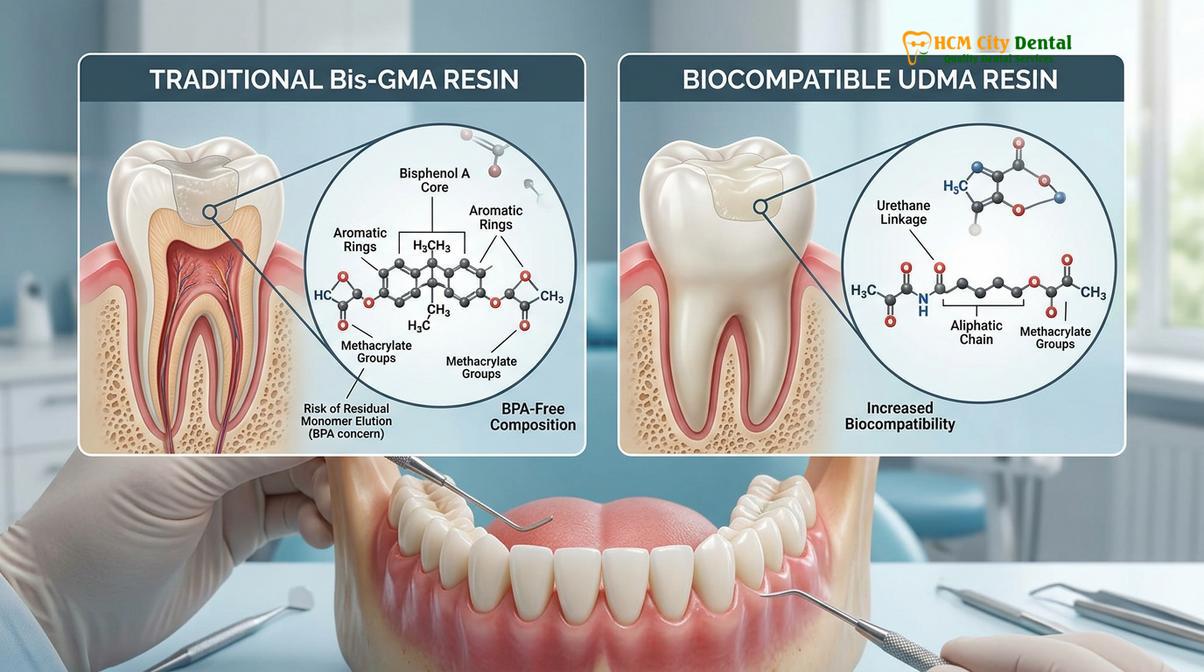
The oral cavity is a highly dynamic and hostile environment, characterized by constant temperature fluctuations, mechanical masticatory forces, and a complex biochemical milieu. Human saliva contains specific enzymes, known as salivary esterases, which actively interact with dental materials. While bis-GMA features stable ether bonds that are relatively resistant to enzymatic breakdown, other derivatives like bis-DMA contain ester bonds that are highly susceptible to hydrolysis. When these ester bonds are cleaved by salivary enzymes, the monomer degrades, releasing measurable amounts of BPA directly into the patient’s saliva [4]. This degradation process is the primary mechanism by which BPA in dental fillings enters the biological system.
The presence of these compounds in traditional restorative materials has prompted a significant paradigm shift within the field of biological dentistry. Clinicians who prioritize systemic health recognize that while the mechanical properties of bis-GMA are favorable, the potential for chemical degradation and subsequent systemic absorption cannot be ignored. Consequently, the development and implementation of alternative resin matrices that completely exclude BPA and its derivatives have become a cornerstone of modern, health-focused dental care.
The Health Concerns of Bisphenol-A (BPA) Exposure
BPA is a known endocrine disruptor that can mimic estrogen, potentially leading to systemic health issues, making its elimination from dental materials a priority for biocompatible and holistic patient care.
The medical community has extensively documented the physiological impacts of Bisphenol-A, classifying it as an endocrine-disrupting chemical (EDC). EDCs are exogenous substances that interfere with the synthesis, secretion, transport, binding, action, or elimination of natural hormones in the body. BPA specifically exhibits xenoestrogenic properties, meaning it can bind to estrogen receptors throughout the human body. By mimicking the action of endogenous estrogen, BPA can trigger inappropriate cellular responses, alter gene expression, and disrupt delicate hormonal feedback loops [2].
One of the most concerning aspects of BPA exposure is the phenomenon known as the “low-dose effect.” Traditional toxicology operates on the principle that “the dose makes the poison,” assuming a linear dose-response curve where higher doses cause greater harm. However, endocrine disruptors like BPA often exhibit non-monotonic dose-response curves. This means that extremely low doses—such as those continuously leached from degrading dental composites—can induce significant biological changes that might not be observed at higher doses. This occurs because hormone receptors are highly sensitive and can become saturated or down-regulated at varying concentration levels.
“In the pursuit of optimal systemic health, the role of the dental clinician extends beyond mechanical tooth repair. By actively selecting materials that eliminate unnecessary toxic burdens, we bridge the gap between oral rehabilitation and comprehensive physiological wellness.”
The systemic implications of chronic, low-level BPA exposure are heavily researched. Clinical studies have linked elevated BPA levels to a spectrum of adverse health outcomes, including reproductive dysfunction, altered fetal development, neurobehavioral issues, and metabolic syndrome. While regulatory bodies often debate the exact threshold of safe exposure, the cumulative burden of BPA from various environmental sources creates a compelling argument for minimizing exposure wherever clinically possible.
For vulnerable populations, such as pregnant women, nursing mothers, and young children whose endocrine systems are still developing, the avoidance of BPA is particularly critical. The placement of traditional bis-GMA sealants and composites in pediatric patients has raised valid concerns among holistic practitioners. By transitioning to biocompatible alternatives, dental professionals can provide essential restorative care without contributing to the patient’s cumulative chemical load.
How We Ensure 100% BPA-Free Composite Restorations
We utilize advanced UDMA-based resins and strict clinical protocols to guarantee that every restoration is completely free of BPA and its derivatives, ensuring maximum biocompatibility and patient safety.
Achieving a truly non-toxic restorative outcome requires more than simply selecting a different brand of composite; it demands a comprehensive understanding of material science and a rigorous clinical workflow. At the core of this approach is the utilization of alternative resin monomers that are synthesized without the use of Bisphenol-A. The most prominent and clinically successful alternative is urethane dimethacrylate (UDMA). Unlike bis-GMA, the molecular structure of UDMA does not contain the bisphenol A backbone, rendering it inherently free of BPA and its associated degradation risks.
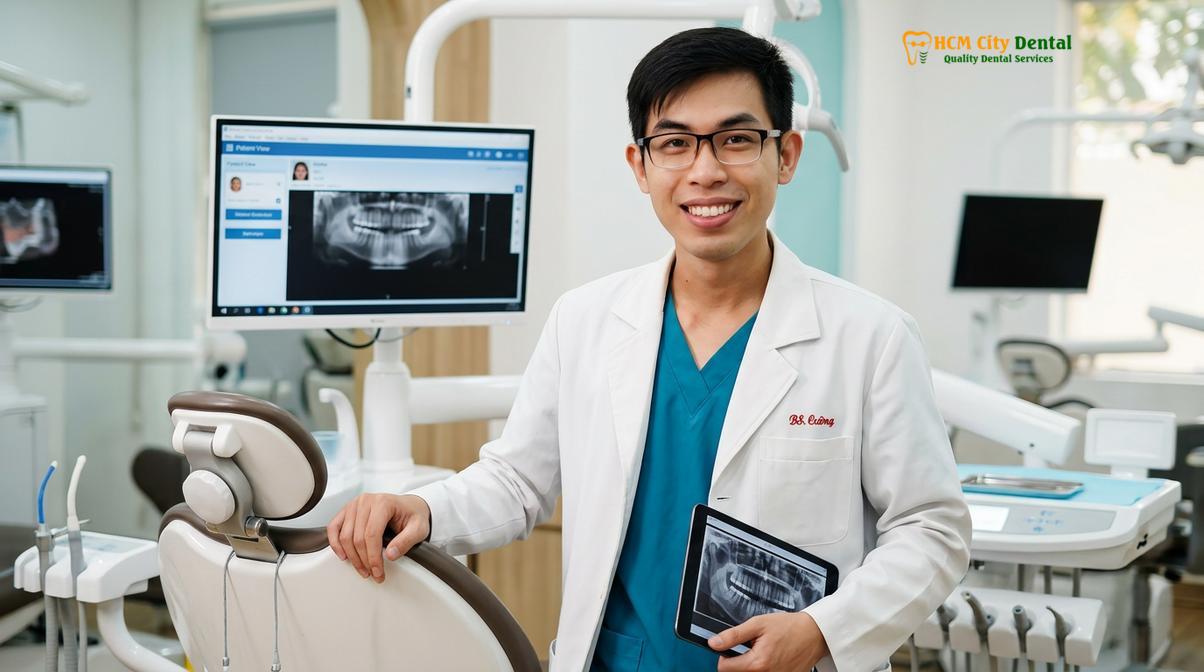
Dr. Nguyen Van Cuong, a dedicated specialist at HCMC Dental Clinic, emphasizes that the transition to BPA-free materials must not compromise the mechanical integrity or longevity of the restoration. His clinical approach focuses on utilizing advanced UDMA-based resins and strict isolation protocols to support maximum biocompatibility for every patient. UDMA-based composites are often formulated in conjunction with other safe diluent monomers to achieve the ideal viscosity for clinical handling. Furthermore, the latest advancements in biocompatible materials include the use of Ormocers (Organically Modified Ceramics), which utilize an inorganic siloxane network rather than a traditional organic resin matrix.
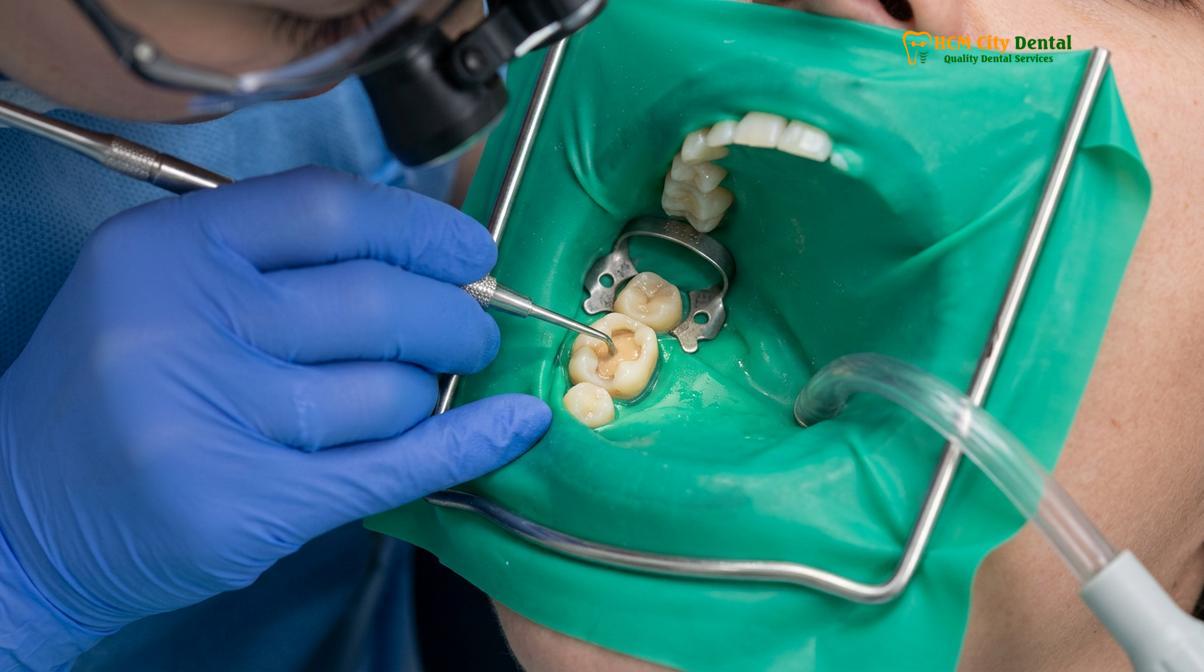
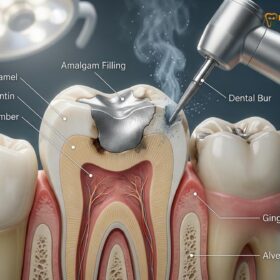
The clinical protocol for placing these advanced materials is meticulous. The process begins with conservative cavity preparation, prioritizing the preservation of healthy tooth structure. Once the decay is completely removed, the tooth must be meticulously isolated. Biological dentists frequently employ non-latex rubber dams or advanced continuous suction systems to prevent salivary contamination. This isolation is critical, as moisture can severely compromise the adhesive bond between the tooth and the composite material.
Following isolation, the tooth surface is treated with a mild etchant to create microscopic porosities in the enamel and dentin. A specialized, BPA-free bonding agent is then applied. It is crucial to note that many traditional bonding agents contain bis-GMA, even if the composite resin itself does not. Therefore, every component of the adhesive system must be strictly vetted for biocompatibility. The bonding agent is cured using a high-intensity LED light, creating a hybrid layer that securely anchors the restoration to the tooth structure.
Aesthetic Performance of Biocompatible White Fillings
Modern BPA-free composites deliver exceptional translucency and shade-matching capabilities, allowing clinicians to create virtually invisible restorations that mimic natural tooth enamel perfectly.
Historically, there was a clinical assumption that prioritizing biocompatibility meant sacrificing aesthetic quality. Early generations of alternative materials often struggled to replicate the complex optical properties of natural human teeth. However, advancements in nanotechnology have completely revolutionized the aesthetic capabilities of non-toxic white fillings. Today, BPA-free composites are engineered with nanohybrid and nanofilled filler particles—microscopic particles of glass, quartz, or zirconia suspended within the safe resin matrix [5].
These nano-sized particles allow the composite to interact with light in a manner virtually identical to natural enamel and dentin. Natural teeth exhibit specific optical phenomena, including fluorescence, opalescence, and varying degrees of translucency. High-quality BPA-free composites are manufactured in a wide spectrum of shades and opacities, enabling the dentist to utilize a polychromatic layering technique to recreate the exact depth and character of the original tooth.
Clinical Case Review: A patient presented to HCMC Dental Clinic in Ho Chi Minh City requesting the replacement of several aging, discolored traditional composites and failing amalgam fillings. Utilizing advanced shade-matching protocols and UDMA-based biocompatible materials, the clinical team successfully restored the patient’s posterior molars. The final result demonstrated seamless margin integration, perfect color adaptation, and a highly polished surface, completely addressing the patient’s aesthetic concerns while upgrading their systemic safety.
Furthermore, these advanced materials exhibit a remarkable chameleon effect. This means the composite can subtly absorb and reflect the color of the surrounding natural tooth structure, allowing the margins of the filling to blend invisibly. This is particularly crucial for anterior teeth, where aesthetic demands are highest.
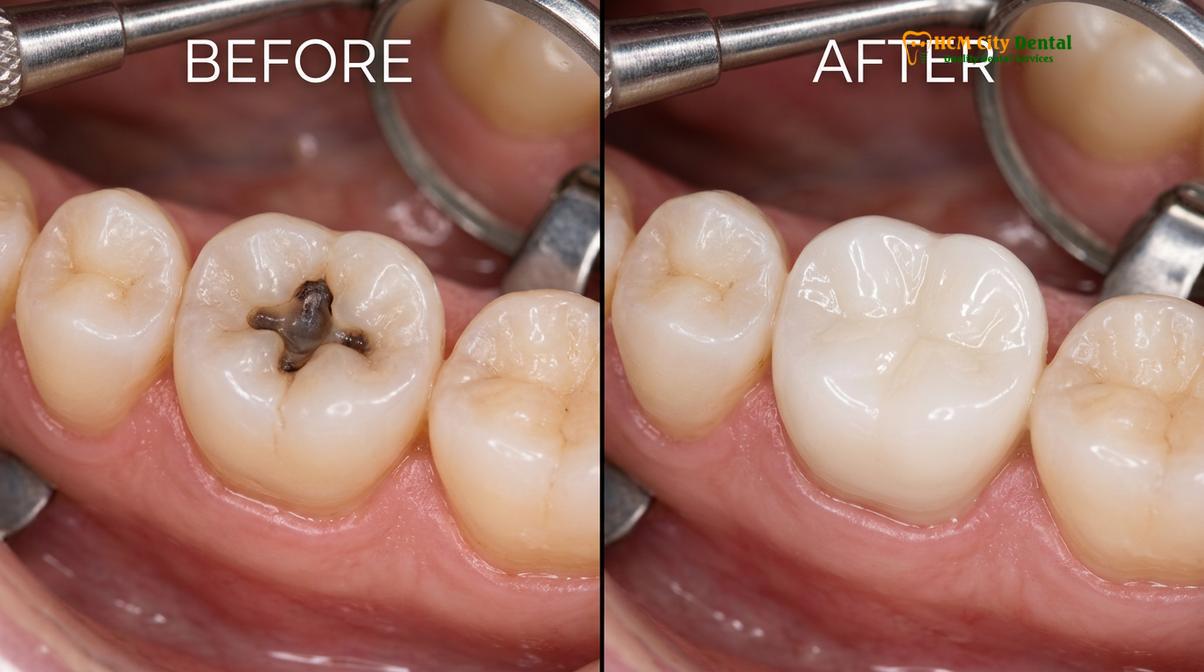
The final, and arguably most critical, step in achieving superior aesthetics is the polishing protocol. BPA-free nanohybrid composites polish to an exceptionally high, enamel-like gloss. Clinicians utilize a sequence of specialized aluminum oxide discs, rubber points, and diamond polishing pastes to refine the surface anatomy and achieve a mirror-like finish. A highly polished surface resists the accumulation of bacterial plaque and extrinsic stains, thereby protecting the surrounding gingival tissues from inflammation.
Comparing BPA-Free Composites with Traditional Composites
While traditional composites rely on bis-GMA for strength, modern BPA-free alternatives utilize advanced nanohybrid technology to achieve equivalent durability without the associated chemical risks.
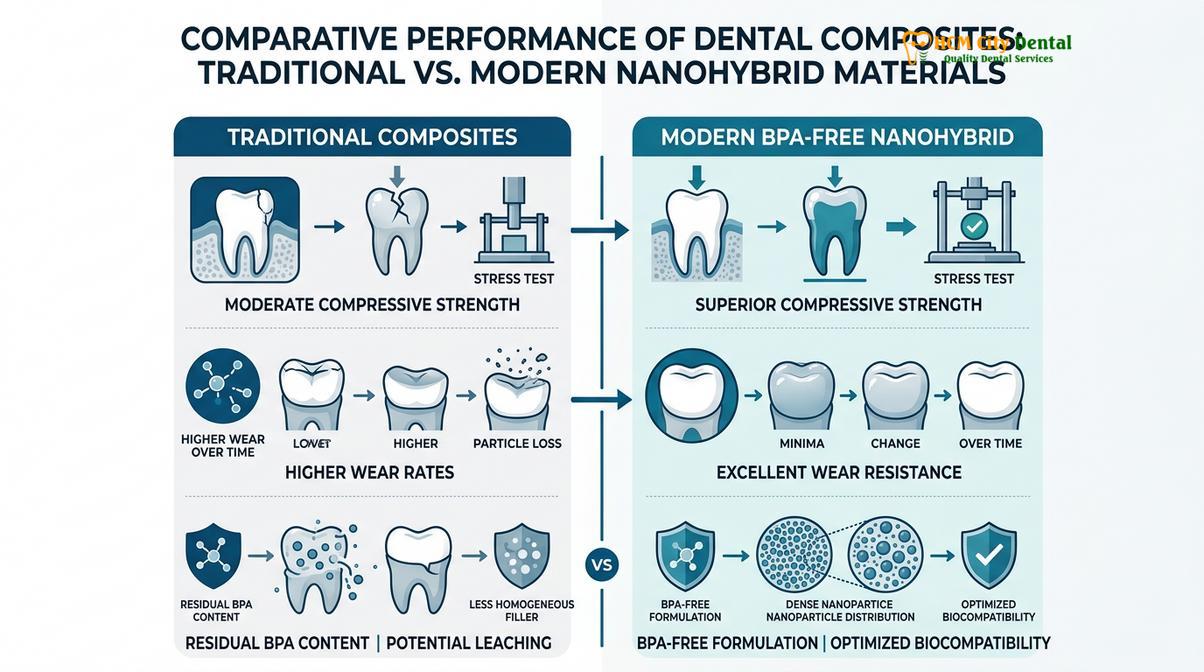
When evaluating restorative materials, clinicians must balance mechanical performance, aesthetic potential, and systemic safety. Traditional bis-GMA composites have been the industry standard for decades due to their predictable handling and robust physical properties. However, the evolution of material science has allowed BPA-free alternatives to close the performance gap entirely, and in some parameters, exceed their traditional counterparts.
To understand the clinical differences, it is helpful to compare the core properties of these two categories of restorative materials:
| Clinical Property | Traditional Composites (Bis-GMA based) | BPA-Free Composites (UDMA / Ormocer based) |
|---|---|---|
| Chemical Safety | Contains bis-GMA/bis-DMA; risk of trace BPA release via enzymatic hydrolysis. | Free of BPA and its derivatives; highly biocompatible. |
| Compressive Strength | High strength, suitable for load-bearing posterior restorations. | Comparable strength due to advanced nanohybrid filler loading. |
| Flexural Toughness | Rigid matrix, can be brittle under extreme occlusal stress. | UDMA provides slightly higher flexibility, increasing fracture resistance. |
| Polymerization Shrinkage | Moderate shrinkage, requiring careful incremental layering. | Low shrinkage, reducing microleakage risk. |
| Aesthetic Blending | Good shade matching, but can discolor over time due to water sorption. | Excellent chameleon effect, high color stability, and superior polish retention. |
One of the primary mechanical advantages of UDMA-based resins is their flexural toughness [3]. While bis-GMA is extremely rigid, UDMA offers a slight degree of flexibility. This allows the restoration to better absorb and dissipate the heavy occlusal forces generated during chewing and grinding, reducing the likelihood of catastrophic fracture or marginal breakdown over time.
Restorative Care Safety Standards at HCMC Dental
Our clinic adheres to stringent international and local safety protocols, ensuring that every restorative material used is thoroughly vetted for biocompatibility and long-term clinical success.
Providing safe, non-toxic dental care requires a steadfast commitment to rigorous clinical standards. At HCMC Dental Clinic, the selection of restorative materials is not left to chance. Every composite resin, bonding agent, and clinical accessory is carefully evaluated to ensure it meets the highest criteria for biocompatibility. This proactive approach aligns with the broader guidelines established by the Vietnam Ministry of Health (MOH) regarding the safe application of restorative materials in modern dentistry [6].
“Adhering to rigorous safety standards ensures that every biocompatible restoration not only restores dental function but also respects the delicate biological balance of the human body.”
By integrating these national safety guidelines with advanced biological dentistry principles, the clinical team ensures that patients receive treatments that are both highly effective and systemically safe. The commitment to BPA-free materials is just one aspect of a comprehensive holistic approach that prioritizes the overall well-being of every individual who walks through the clinic doors.
When to Consult a Dentist for Safe Fillings
Monitoring the condition of existing dental work is crucial; consulting a professional for an evaluation ensures that failing or toxic materials are safely replaced before they compromise oral or systemic health.
Patients often wonder when it is appropriate to seek a consultation regarding their existing dental restorations. While intact, asymptomatic fillings may not always require immediate replacement, there are specific clinical scenarios where an evaluation by a biological dentist is highly recommended. If you experience sudden sensitivity to hot or cold temperatures, notice visible cracks or discoloration around the margins of an old filling, or feel a rough edge with your tongue, these are clear indicators that the restoration may be failing.
Furthermore, patients who are proactively managing systemic health conditions, planning a pregnancy, or seeking to reduce their overall toxic burden often choose to have their traditional composite or amalgam fillings evaluated. A comprehensive examination can determine the integrity of these older materials and assess whether a transition to biocompatible alternatives is clinically appropriate.
If you are concerned about the materials used in your previous dental work or require new restorations, proactive care is the best approach. Contact our team for a thorough evaluation and learn more about our safe, biocompatible dental fillings at HCMC Dental Clinic in Ho Chi Minh City to protect both your smile and your systemic health.
References
- Journal of the American Dental Association. Bisphenol A and dental materials: A clinical review. (2020).
- International Journal of Environmental Research and Public Health. Endocrine disruptors in dentistry: The risks of BPA exposure. (2021).
- Dental Materials Journal. Mechanical properties of UDMA-based vs Bis-GMA-based composite resins. (2019).
- Clinical Oral Investigations. Salivary enzymatic hydrolysis of composite resin monomers. (2022).
- Journal of Esthetic and Restorative Dentistry. Optical properties and color stability of nanohybrid BPA-free composites. (2023).
- Vietnam Ministry of Health (MOH). Guidelines on safe restorative materials in modern dentistry. (2023).
For pricing, booking, and a free clinical assessment, visit our Biological Dentistry service page at HCMC Dental Clinic in Ho Chi Minh City.