Removing amalgam fillings during pregnancy is generally contraindicated due to the risk of exposing the developing fetus to mercury vapor. Unless dealing with a severe dental emergency, clinical guidelines recommend delaying elective amalgam removal until after pregnancy and breastfeeding to ensure maximum safety for both mother and child.
Clinical Summary:
The intersection of maternal oral health and fetal safety requires a highly conservative approach, particularly concerning heavy metals. Dental amalgams, commonly known as silver fillings, contain approximately 50% elemental mercury. While intact fillings are generally stable, the mechanical friction and heat generated during their removal release transient spikes of mercury vapor and particulate aerosol. Because elemental mercury is highly lipid-soluble, it readily crosses the placental barrier and can enter fetal circulation, posing potential risks to developing neurological systems. Consequently, international dental and obstetric guidelines strictly advise against elective amalgam removal pregnancy procedures. In cases of acute dental emergencies—such as severe fractures or irreversible pulpitis—specialized isolation protocols are deployed to mitigate exposure. Comprehensive biological dentistry prioritizes postponing elective heavy metal extraction until the postpartum and post-weaning periods, utilizing biocompatible temporary solutions to manage immediate oral health needs without compromising fetal development.
Key Takeaways:
- Elective removal of silver amalgam fillings is strictly postponed during pregnancy to prevent fetal mercury exposure.
- Mercury vapor released during drilling can cross the placental barrier and affect fetal neurological development.
- Emergency dental repairs utilize advanced isolation techniques, including rubber dams and high-volume suction, to ensure maternal safety.
- Breastfeeding mothers are advised to delay elective amalgam replacement until after weaning to prevent heavy metal transfer through breast milk.
- Biocompatible, non-toxic materials are prioritized for any necessary restorative work performed during gestation.
The Risks of Mercury Exposure During Pregnancy
Mercury vapor released during the drilling of silver fillings can cross the placenta, potentially affecting fetal neurological development. Consequently, elective removal is avoided to prevent unnecessary toxicological exposure.
Understanding the fundamental biochemistry of dental materials is essential for expectant mothers navigating their oral health care. Traditional dental amalgam is an alloy composed of liquid elemental mercury mixed with a powder containing silver, tin, copper, and other trace metals. When mixed, these components form a stable, durable restorative material that has been used in dentistry for over a century. However, the primary clinical concern arises not from the static presence of the filling, but from the dynamic disruption of the material during placement or extraction.
The mechanical process of removing an amalgam filling requires the use of high-speed dental handpieces. The friction generated by the diamond or carbide burs creates significant heat, which in turn volatilizes the elemental mercury within the filling. This process generates both microscopic particulate matter and invisible, odorless mercury vapor. While modern dental operatories are equipped with standard suction, the transient spike in vapor concentration within the patient’s breathing zone can be substantial during the exact moments of drilling [1].
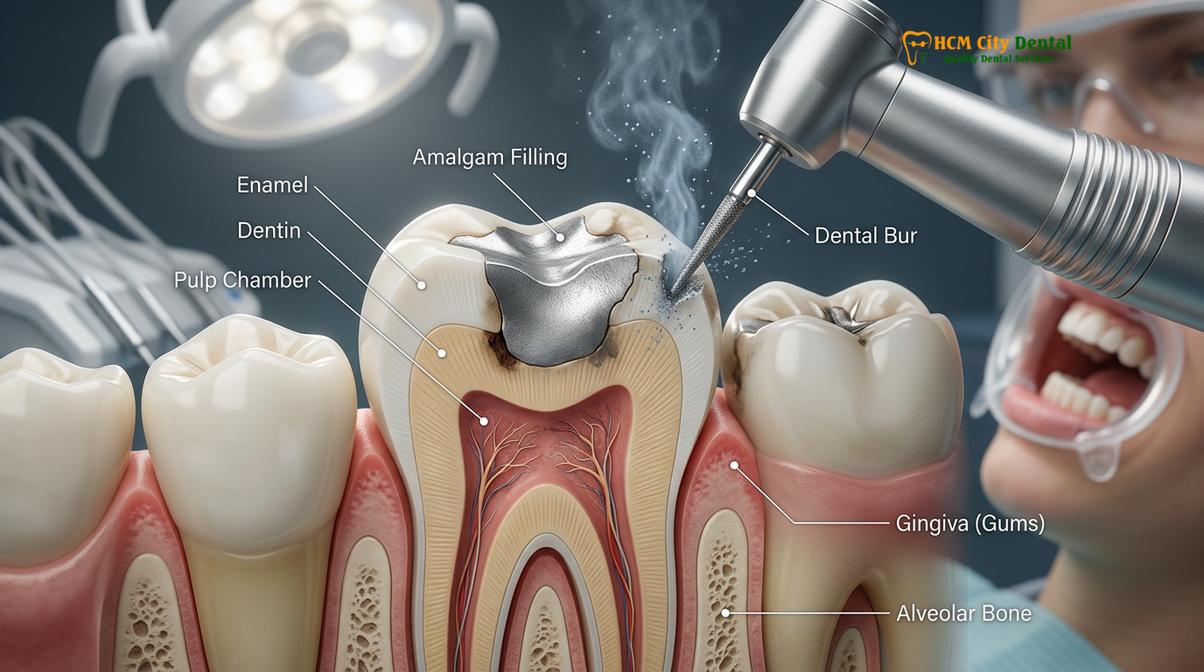
When inhaled, elemental mercury vapor is rapidly absorbed through the alveolar membranes of the lungs, with an absorption rate estimated at approximately 80%. Once in the maternal bloodstream, mercury exhibits a high degree of lipid solubility. This chemical property allows it to easily traverse biological membranes, most notably the blood-brain barrier and the placental barrier. The developing fetus is particularly vulnerable to environmental toxins because its cellular division is rapid, and its neurological and central nervous systems are in critical stages of formation [2].
Fetal hemoglobin also has a higher affinity for certain compounds compared to maternal hemoglobin, meaning that toxins crossing the placenta can accumulate in fetal tissues at concentrations potentially higher than those found in the mother’s blood. Because the fetal liver and kidneys are not yet fully mature, the developing baby lacks the robust detoxification pathways present in a healthy adult. Therefore, any elective procedure that introduces a known neurotoxin into the maternal bloodstream—even in transient or micro-dose amounts—is fundamentally incompatible with the principles of prenatal safety.
Furthermore, physiological changes during pregnancy, such as increased cardiac output and elevated respiratory rates, can theoretically increase the maternal uptake of inhaled vapors. This combination of heightened maternal absorption and profound fetal vulnerability forms the cornerstone of the clinical consensus: removing fillings during pregnancy must be avoided unless dictated by an acute, unavoidable medical necessity.
Why We Delay Amalgam Removal for Pregnant Patients
We delay removing fillings during pregnancy because the transient spike in mercury vapor during extraction poses an avoidable risk to the fetus, outweighing the benefits of immediate replacement.
The decision to postpone elective dental procedures is rooted in a rigorous risk-benefit analysis. In the context of biological dentistry, the ultimate goal is to transition patients toward biocompatible, metal-free restorations. However, the timing of this transition is critical. When an expectant mother requests the removal of silver fillings for aesthetic reasons or general health optimization, the clinical directive is to pause and prioritize the immediate safety of the gestation period.
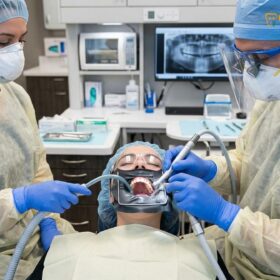
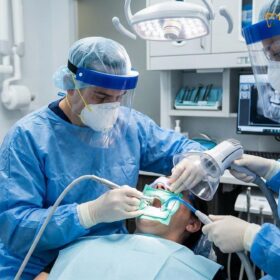
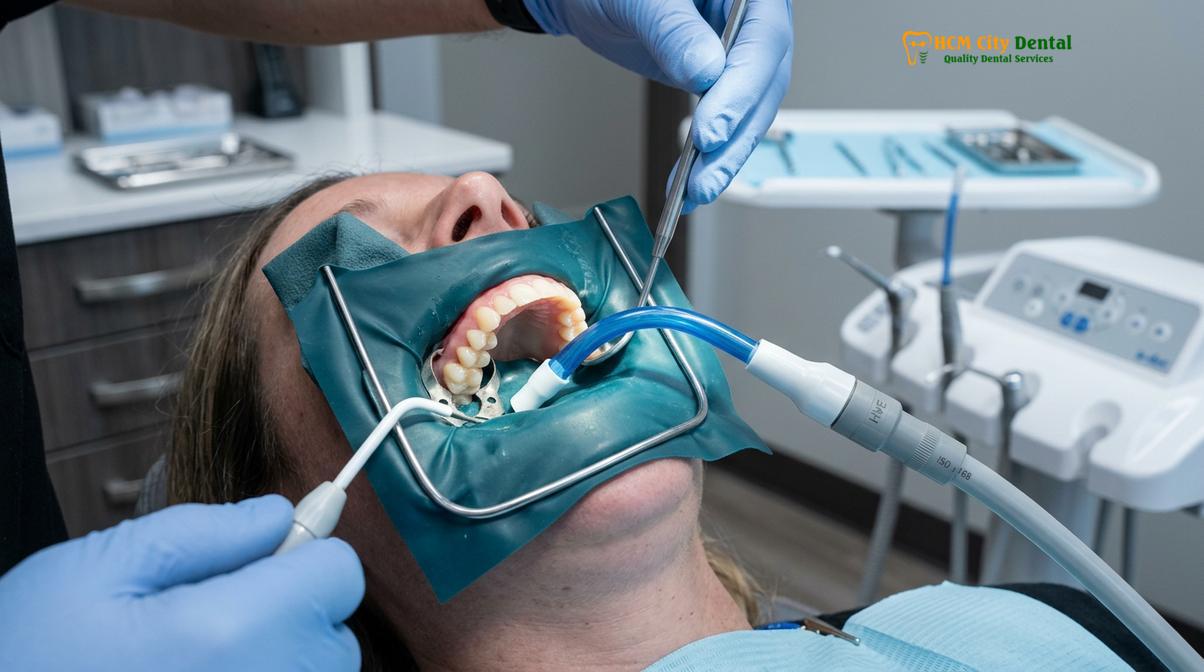
Even when utilizing the most advanced safety protocols, such as the Safe Mercury Amalgam Removal Technique (SMART), achieving a 100% zero-exposure environment is clinically impossible. The SMART protocol involves the use of non-latex dental dams, alternative air sources (oxygen nasal cannulas), specialized high-volume evacuation (HVE) devices placed directly over the oral cavity, and copious water irrigation to keep the amalgam cool. While these measures drastically reduce ambient mercury levels, the inherent unpredictability of aerosol dynamics means trace exposure remains a statistical possibility [3].
“In our clinical practice, the safety of the mother and the developing child supersedes all elective aesthetic or holistic goals. We strictly adhere to conservative management during pregnancy, ensuring that no unnecessary toxicological burden is placed on the fetal environment. Patience is the most potent protective measure we can prescribe.”
Dr. Nguyen Van Cuong, a leading expert in biological dentistry, frequently emphasizes to his patients that intact amalgam fillings, while not ideal from a holistic perspective, are generally stable. The daily release of mercury vapor from chewing or brushing is infinitesimally small compared to the acute exposure generated by a high-speed dental drill. Therefore, leaving the filling undisturbed during the nine months of pregnancy is statistically safer than attempting to remove it.
Moreover, the stress of undergoing a complex dental procedure can induce physiological responses in the mother, such as elevated cortisol levels and transient hypertension, which are not conducive to a relaxed prenatal state. The administration of local anesthetics, while generally safe, also introduces additional pharmacological agents into the maternal system. By delaying the procedure, dentists eliminate multiple variables of risk, allowing the pregnancy to proceed without the interference of elective surgical stress.
It is also important to consider the IAOMT pregnancy guidelines, which explicitly state that pregnant women should not undergo amalgam removal. These guidelines are formulated based on extensive toxicological data and represent the gold standard in biological dental care. Dentists who practice biological dentistry protocols are acutely aware of these parameters and will actively counsel expectant mothers to defer their holistic detoxification journeys until a safer physiological window opens.
Breastfeeding and Dental Mercury Safety
Mercury exposure breastfeeding risks are minimized by postponing elective amalgam removal, as trace amounts of heavy metals can be transmitted to the infant through breast milk.
The period of maternal caution does not end immediately upon childbirth. Lactation introduces a different, yet equally significant, pathway for potential heavy metal transfer. The physiological mechanisms that produce breast milk draw directly from the maternal blood plasma. Consequently, any systemic toxins present in the mother’s bloodstream have the potential to be secreted into the milk and ingested by the nursing infant.
When an amalgam filling is removed, the inhaled mercury vapor is oxidized in the maternal red blood cells and tissues into inorganic mercury. This form of mercury has a biological half-life in the blood of approximately 30 to 60 days, though it can be retained in organs such as the kidneys and brain for much longer. Because of this extended clearance time, undergoing amalgam removal while actively breastfeeding poses a direct risk of mercury exposure breastfeeding transmission [4].
Clinical Warning: Elective amalgam removal should never be performed on a nursing mother. The neonatal gastrointestinal tract is highly permeable, and the infant’s developing neurological system remains highly susceptible to heavy metal toxicity transmitted via breast milk.
Infants rely entirely on breast milk (or formula) for their nutritional intake. If breast milk contains elevated levels of heavy metals, the infant’s cumulative exposure can become significant relative to their low body weight. Furthermore, the neonatal blood-brain barrier is not fully closed or mature in the early months of life, making the infant’s central nervous system particularly vulnerable to neurotoxins.
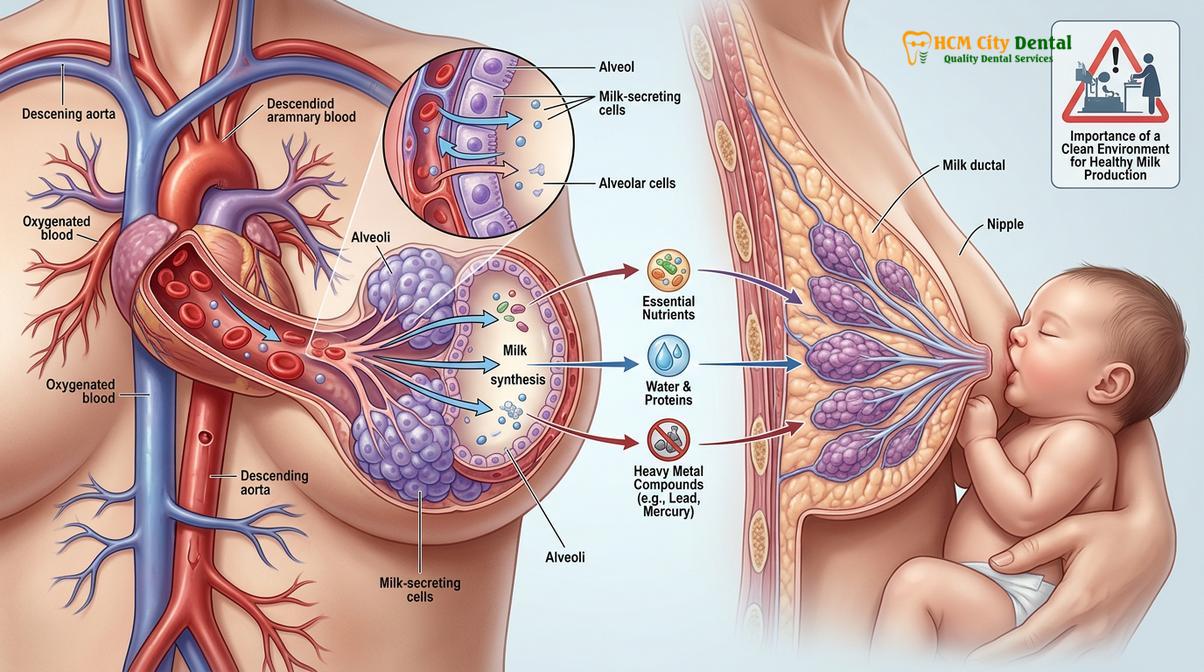
For mothers eager to replace their silver fillings, the clinical recommendation is to wait until the infant has been completely weaned. This ensures that the maternal body burden of mercury—which may temporarily spike following the removal procedure—cannot be passed to the child. During the lactation period, oral health maintenance should focus on rigorous hygiene, professional cleanings, and the use of remineralizing agents to prevent any existing decay from progressing.
If a mother is experiencing anxiety regarding her existing fillings while nursing, clinical reassurance is vital. The trace amounts of mercury released from intact fillings during normal mastication are generally considered to be below the threshold of acute harm for the nursing infant. The risk matrix clearly indicates that the acute exposure from the drilling process is vastly more hazardous than the chronic, low-level presence of an undisturbed restoration.
Emergency Dental Work: Managing Fillings Safely
If an amalgam filling breaks during pregnancy causing severe pain or infection, emergency dental work while pregnant is performed using strict isolation protocols to minimize mercury inhalation.
While elective procedures are strictly delayed, dental emergencies do not adhere to a convenient timeline. Pregnancy induces hormonal fluctuations, such as elevated estrogen and progesterone, which can alter the oral microbiome and increase susceptibility to gingival inflammation and dental caries. Additionally, conditions like hyperemesis gravidarum (severe morning sickness) introduce frequent gastric acid into the oral cavity, which can erode enamel and compromise the margins of existing amalgam fillings.
If an amalgam filling fractures, or if deep decay develops beneath it causing acute pulpitis (nerve infection), ignoring the problem is not a viable medical option. An active oral infection poses a severe risk to pregnancy, potentially leading to systemic bacteremia, which has been linked to adverse outcomes such as preterm birth and low birth weight. In these scenarios, emergency dental work while pregnant becomes a clinical necessity.
When an emergency necessitates the removal or repair of an amalgam filling during gestation, the dental team shifts from a posture of delay to one of extreme mitigation. The objective is to resolve the infection and stabilize the tooth while exposing the mother to the absolute minimum amount of mercury vapor possible.
| Clinical Scenario | Treatment Approach | Safety Protocols Utilized |
|---|---|---|
| Intact Amalgam (No Pain) | Strictly Postpone | Observation, enhanced oral hygiene, routine monitoring. |
| Minor Chipping (No Decay) | Conservative Smoothing | Hand instruments only, no high-speed drilling, temporary glass ionomer patch. |
| Severe Fracture / Infection | Emergency Removal | Non-latex rubber dam, high-volume evacuation, sectioning technique, copious water cooling. |
The emergency extraction protocol involves several critical steps. First, a non-latex rubber dam is placed to isolate the affected tooth. This physical barrier prevents amalgam particulate from being swallowed or absorbed by the oral mucosa. Second, a specialized high-volume evacuation (HVE) system is positioned immediately adjacent to the tooth to capture aerosols at the source. Third, rather than grinding the amalgam into a fine powder, the dentist will use a technique called “sectioning.” By carefully cutting the tooth structure or the filling into larger chunks, the amount of vaporized mercury is significantly reduced.
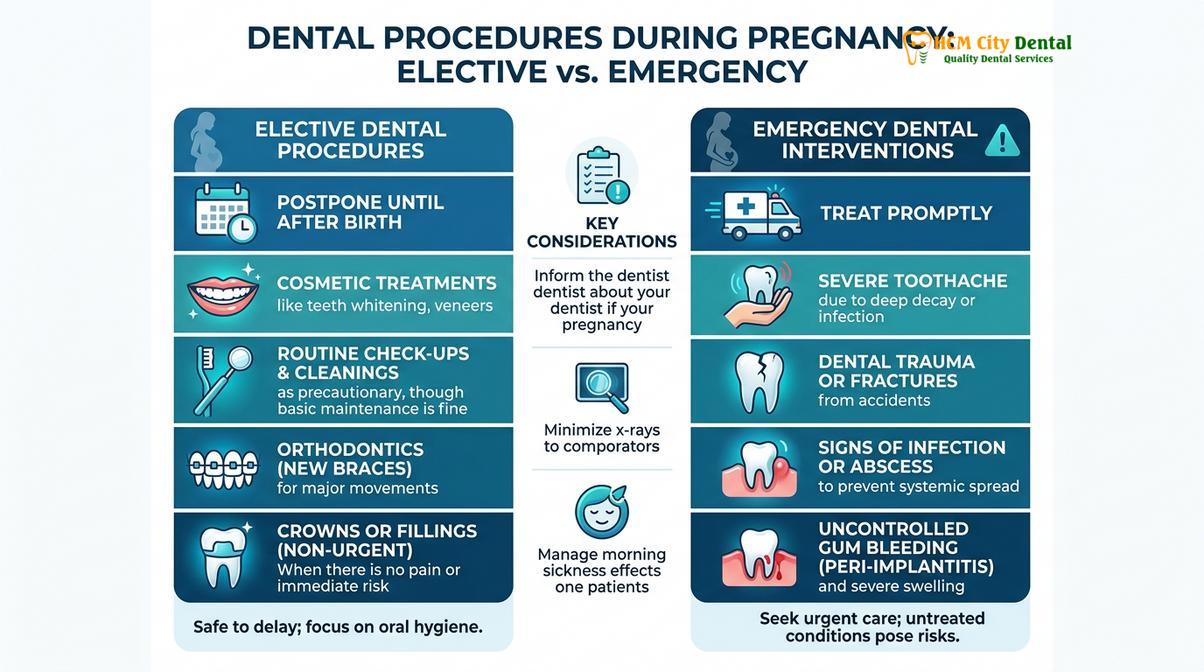
Once the compromised amalgam and underlying decay are removed, the tooth is typically restored with a biocompatible, temporary material. Glass ionomer cements are frequently utilized in these situations because they bond chemically to the tooth, release fluoride to aid in remineralization, and contain no metals or bisphenol A (BPA). This temporary restoration secures the tooth for the remainder of the pregnancy and lactation period, allowing for a permanent, aesthetic restoration—such as a Dental Fillings upgrade to composite or zirconia—to be placed at a safer time [5].
When is the Best Time to Schedule Your Removal?
The optimal time for elective amalgam replacement is either before conception or after the cessation of breastfeeding, ensuring the maternal body burden of mercury is stabilized.
Strategic timing is the most effective tool in biological dentistry. For women who are actively planning to expand their families and wish to have their amalgam fillings removed, the pre-conception period is the ideal window. However, this requires careful scheduling. Following the safe removal of amalgam fillings, the body requires time to excrete the mobilized heavy metals. Clinical guidelines generally recommend waiting a minimum of three to six months after the final amalgam removal before attempting to conceive. This clearance period ensures that maternal blood mercury levels have returned to a baseline, providing a clean physiological slate for fetal development.
If pregnancy occurs before the fillings can be removed, the timeline shifts entirely to the postpartum and post-weaning phases. As previously established, the duration of breastfeeding dictates the delay. Once the infant is fully transitioned to solid foods and lactation has completely ceased, the mother can safely begin her restorative dental journey.
Clinical Case Example:
A 28-year-old patient visited HCMC Dental Clinic in Ho Chi Minh City seeking the removal of four large amalgam fillings. During her initial consultation, she disclosed that she was six weeks pregnant. Following a comprehensive examination, the clinical team determined that her fillings were structurally sound with no signs of secondary caries. The patient was educated on the risks of vapor exposure and agreed to a conservative monitoring plan. Two years later, after successfully delivering a healthy baby and completing a 12-month breastfeeding journey, she returned to the clinic. Utilizing advanced isolation protocols, her amalgams were safely replaced with biocompatible ceramic restorations, achieving her holistic health goals without ever compromising her child’s safety.
It is crucial for patients to maintain open communication with both their dentist and their obstetrician regarding their family planning timelines. A collaborative healthcare approach ensures that dental treatments are perfectly synchronized with the patient’s reproductive stages. During the waiting period, patients are encouraged to focus on nutritional support, adequate hydration, and meticulous home care to maintain the integrity of their existing restorations.
Safe Non-Toxic Care for Mothers at HCMC Dental
HCMC Dental Clinic provides comprehensive biological dentistry, utilizing biocompatible materials and advanced isolation techniques to protect maternal and fetal health during all necessary dental procedures.
Navigating dental care during pregnancy requires a provider who understands the delicate balance between oral pathology and systemic toxicology. At HCMC Dental Clinic, the philosophy of care is deeply rooted in the principles of biological and holistic dentistry. This means viewing the mouth not in isolation, but as an integral component of the entire body—a perspective that becomes exponentially more important when a patient is carrying a child.
Dr. Nguyen Van Cuong and the clinical team are meticulously trained in identifying the safest pathways for maternal dental care. When emergency interventions are unavoidable, the clinic employs state-of-the-art technology to mitigate risk. From advanced air filtration systems in the operatories to the strict use of biocompatible, metal-free materials, every protocol is designed to minimize toxicological burden.
“Our commitment to expectant mothers is absolute safety. We do not compromise on isolation protocols, and we rigorously vet every material that enters the oral cavity. Dentistry during pregnancy should be about stabilization and protection, reserving comprehensive aesthetic rehabilitation for the optimal postpartum window.”
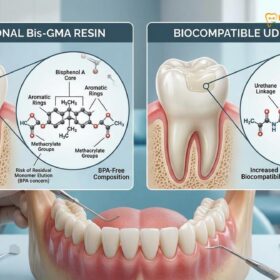
For patients requiring restorative work, the clinic offers a range of non-toxic alternatives to traditional amalgam. Advanced composite resins that are free of BPA and its derivatives (such as Bis-GMA) provide excellent durability and aesthetics. For larger restorations or crowns, high-strength zirconia ceramics offer unparalleled biocompatibility, ensuring that no metallic ions are leached into the surrounding tissues or the bloodstream.
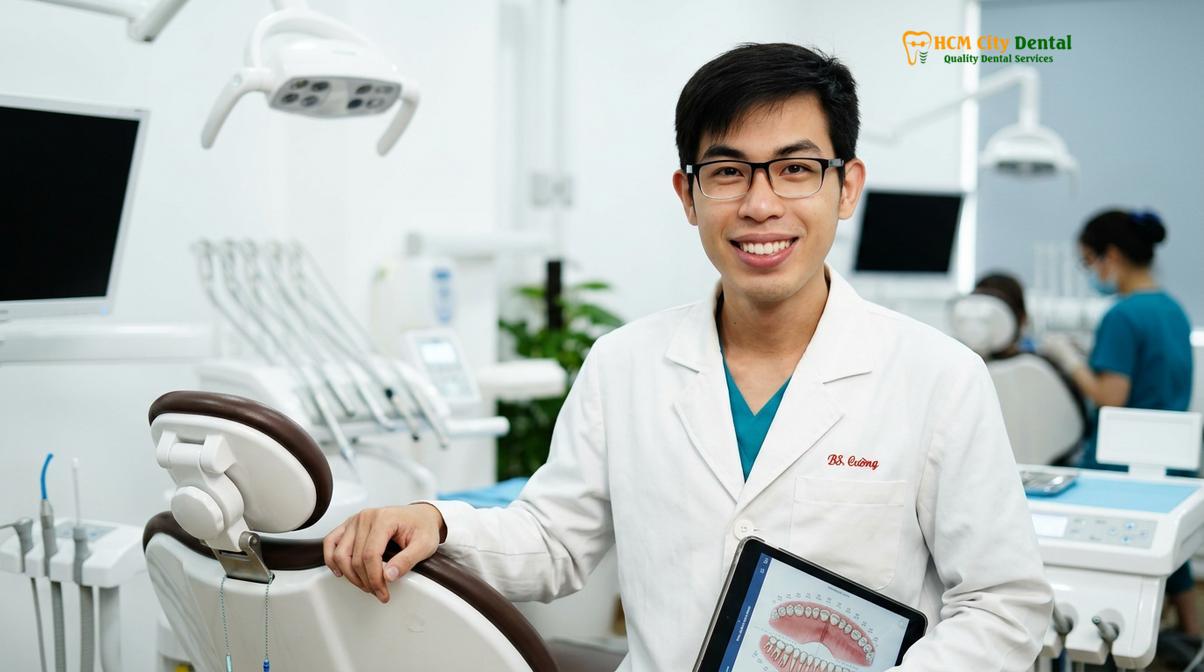
Education is a core component of the patient experience. Expectant mothers are provided with detailed guidance on how to manage pregnancy-induced gingivitis, how to neutralize oral acids following morning sickness, and how to optimize their diet for both fetal bone development and maternal enamel preservation. By fostering a supportive, deeply informed environment, the clinic ensures that women in Ho Chi Minh City can navigate their pregnancies with confidence, knowing their oral health is being managed with the highest degree of clinical caution and expertise. If you are pregnant or planning to conceive, we encourage you to schedule a consultation to discuss a customized, safe dental care plan.
When to See a Doctor
While elective procedures should be delayed, you must seek immediate professional dental care during pregnancy if you experience any of the following symptoms:
- Severe, throbbing tooth pain that disrupts sleep or daily activities, indicating a potential nerve infection.
- Visible fracture or dislodgement of an existing amalgam filling, exposing the sensitive inner layers of the tooth.
- Swelling in the gums, face, or jaw, which is a critical sign of an active abscess that requires urgent medical intervention to prevent systemic spread.
- Extreme sensitivity to hot or cold temperatures that lingers long after the stimulus is removed.
- Bleeding gums that are excessive or painful, which may indicate severe pregnancy gingivitis requiring professional management.
Do not attempt to manage severe dental pain with over-the-counter remedies without consulting your healthcare provider. Prompt evaluation by a qualified dentist ensures that infections are treated swiftly and safely, protecting both maternal health and fetal development.
Frequently Asked Questions
Can I get my silver fillings removed while pregnant?
Elective removal of silver amalgam fillings is strictly contraindicated during pregnancy. The mechanical process of drilling releases mercury vapor and particulates that can cross the placental barrier, posing unnecessary risks to fetal development. Dentists strongly advise postponing this procedure until after childbirth and the cessation of breastfeeding. The transient exposure to heavy metals during the extraction process outweighs any holistic or aesthetic benefits of immediate replacement.
Is it safe to remove amalgam fillings while breastfeeding?
It is not recommended to undergo elective amalgam removal while breastfeeding. Trace amounts of mercury vapor inhaled during the extraction process can enter the maternal bloodstream and subsequently be excreted into breast milk, potentially exposing the nursing infant to heavy metal toxicity. Because the neonatal nervous system is highly sensitive, clinical guidelines mandate waiting until the infant is fully weaned before scheduling the replacement of silver fillings.
What if an amalgam filling breaks during pregnancy?
If an amalgam filling breaks and causes severe pain or infection, emergency dental intervention is required. Your dentist will utilize strict isolation protocols, including non-latex rubber dams and high-volume evacuation, to safely remove the fractured material while minimizing any mercury vapor exposure to the mother and fetus. The tooth will typically be stabilized with a biocompatible temporary material, such as glass ionomer, until a permanent restoration can be safely placed postpartum.
How long should I wait after giving birth to remove fillings?
Clinical guidelines suggest waiting until you have completely finished breastfeeding before scheduling elective amalgam removal. If you are not breastfeeding, it is generally advisable to wait at least three to six months postpartum to allow your body’s physiological and hormonal systems to fully stabilize. This waiting period ensures that maternal blood volume and metabolic clearance rates have returned to baseline, optimizing the safety of the detoxification process.
Are local anesthetics safe during pregnancy?
Yes, specific local anesthetics, such as lidocaine with appropriate concentrations of epinephrine, are considered safe for use during pregnancy when administered in controlled, clinical doses. Your dentist and obstetrician will collaborate to select the safest pharmacological options for any necessary emergency dental procedures. Managing pain effectively is crucial, as severe maternal stress and pain can negatively impact the pregnancy.
References
- Journal of Occupational and Environmental Medicine. Occupational exposure to mercury from amalgams during pregnancy. (2007).
- Scottish Dental Clinical Effectiveness Programme (SDCEP). Dental Amalgam – Information for Pregnant or Breastfeeding Patients. (2018).
- International Academy of Oral Medicine and Toxicology (IAOMT). Safe Mercury Amalgam Removal Technique (SMART) Protocol and Pregnancy Guidelines. (2019).
- American College of Obstetricians and Gynecologists (ACOG). Oral Health Care During Pregnancy and Through the Lifespan. (2013).
- Journal of the American Dental Association. Mercury exposure and biological monitoring in dental practice. (2020).