A mercury safe dentist is a specialized dental professional who not only refuses to place new mercury amalgam fillings but also employs rigorous, scientifically validated clinical protocols to protect patients, staff, and the environment from toxic mercury vapor exposure during the removal of existing silver restorations.
Clinical Summary:
The distinction between standard dental practices and a mercury safe dentist lies in the meticulous management of toxic aerosols. Dental amalgam consists of approximately 50% elemental mercury, which can vaporize rapidly when subjected to the friction and heat of a standard dental drill. Mercury-safe practitioners utilize the Safe Mercury Amalgam Removal Technique (SMART), a comprehensive protocol involving alternative oxygen supplies, non-latex isolation dams, high-volume evacuation, and specialized room filtration. This approach minimizes systemic exposure to neurotoxic heavy metals, aligning with biological dentistry principles that prioritize the intricate connection between oral health and overall physiological well-being.
Key Takeaways:
- Dental amalgam fillings contain roughly 50% elemental mercury, which releases toxic vapor when heated by a dental drill.
- A “mercury-free” dentist avoids placing new amalgams, but may not use protective measures when removing old ones.
- A “mercury-safe” dentist strictly follows protocols like SMART to isolate the tooth and prevent vapor inhalation.
- Essential safety equipment includes non-latex dental dams, alternative oxygen masks for the patient, and high-volume air filtration.
- Safe removal is followed by the placement of biocompatible, metal-free restorations that support long-term systemic health.
Defining Mercury-Free vs. Mercury-Safe
While a mercury-free dentist simply chooses not to place new amalgam fillings, a mercury-safe dentist implements strict, specialized protocols to actively protect patients from toxic vapor exposure during the removal of existing amalgams.
To fully grasp the critical importance of specialized dental protocols, one must first understand the metallurgical composition of traditional “silver” fillings. Dental amalgam is an alloy that has been used in restorative dentistry for over a century. Despite its colloquial name, silver amalgam is actually composed of approximately 50% elemental mercury by weight, mixed with a powdered alloy of silver, tin, and copper. Mercury is utilized because it binds the alloy particles together into a strong, durable, and solid filler. However, elemental mercury is a known neurotoxin that continuously emits microscopic vapors, a process known as off-gassing, which increases significantly when stimulated by heat, friction, or mastication (chewing) [1].
In modern dental terminology, there is a profound clinical distinction between a practice that is “mercury-free” and one that is “mercury-safe.” A mercury free dentist is a practitioner who has made the administrative and clinical decision to no longer place amalgam fillings in their patients’ teeth. Instead, they utilize modern composite resins, glass ionomers, or ceramic restorations. While this is a positive step toward biocompatible dentistry, it only addresses half of the equation. If a patient presents with an existing amalgam filling that requires replacement due to recurrent decay, structural failure, or aesthetic preference, a strictly mercury-free dentist might remove that filling using standard operative techniques.
Conversely, a mercury safe dentist recognizes that the greatest risk of acute mercury exposure occurs during the removal process. When a high-speed dental handpiece contacts an amalgam filling, the intense friction generates localized heat that rapidly vaporizes the mercury component. Furthermore, the drill shatters the amalgam into thousands of microscopic particulate fragments. A mercury-safe practitioner employs a highly specific set of environmental and clinical barriers designed to mitigate this exposure, ensuring that neither the patient, the dental team, nor the local wastewater system is contaminated by the heavy metal [2].
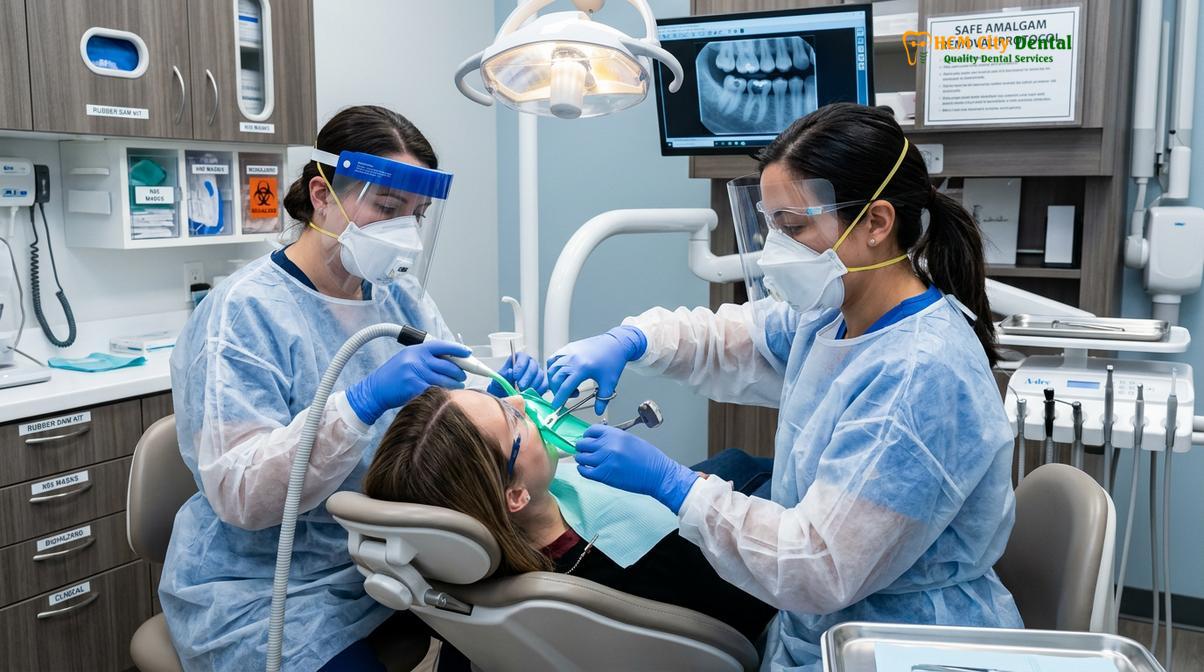
Understanding the difference mercury safe free practices offer is the first step in patient advocacy. It is not enough to simply replace a toxic material with a non-toxic one; the transitional procedure itself must be managed as a hazardous material extraction. This paradigm shift requires specialized training, significant investment in advanced operatory equipment, and a holistic understanding of how oral interventions impact systemic physiology.
The Limitations of a ‘Mercury-Free’ Dentist
Without specialized removal protocols, a mercury-free dentist inadvertently exposes patients to high levels of aerosolized mercury vapor and particulate matter when drilling out old amalgam fillings.
The primary limitation of a practice that is merely mercury-free is the false sense of security it provides to the patient. When a patient requests the removal of their silver fillings to improve their health, they naturally assume the procedure itself will be healthy. However, standard dental removal techniques are highly contraindicated for amalgam extraction. A conventional high-speed dental drill rotates at speeds exceeding 300,000 revolutions per minute. When this burr strikes the amalgam, the temperature of the metal spikes instantaneously. Because elemental mercury has a very low vapor pressure, it transitions from a solid state within the alloy into a toxic, invisible, and odorless gas at relatively low temperatures.
During a standard removal procedure, this vapor is ejected directly into the oral cavity and the ambient air of the operatory. The patient, whose mouth is open, is in the direct path of this aerosol plume. Without an alternative air supply, the patient inhales the mercury vapor, which passes rapidly through the lungs and enters the bloodstream, where it can cross the blood-brain barrier and accumulate in neurological and renal tissues [3]. Additionally, the high-speed drill creates a slurry of amalgam particulate mixed with saliva and cooling water. If the tooth is not properly isolated, the patient inevitably swallows a portion of this heavy metal slurry, leading to gastrointestinal absorption.
Clinical Warning: Having amalgam fillings removed by a dentist who does not utilize specific mercury-safe isolation and filtration protocols can result in a massive, acute spike in systemic mercury exposure, potentially causing more harm than leaving the intact fillings in place.
Dr. Nguyen Van Cuong, a leading advocate for biological dentistry, frequently emphasizes the hidden dangers of unprotected removal. “Many patients come to us seeking to improve their systemic health by removing old metals,” notes Dr. Cuong. “However, if the removal is done without strict isolation, the acute exposure to aerosolized mercury can trigger severe immunological and neurological responses. The removal process must be treated with the same caution as handling any biohazardous material.”
Furthermore, standard dental suction (saliva ejectors) is entirely inadequate for capturing mercury vapor. These devices are designed to remove pooling liquids, not to manage high-velocity gaseous emissions. Without high-volume, specialized evacuation systems placed directly over the operative site, the vapor dissipates into the room, exposing the dentist and dental assistants to chronic occupational toxicity. Therefore, while seeking a mercury free dentist is a good starting point, it is clinically insufficient for patients requiring the extraction of existing silver restorations.
The Strict Clinical Protocols of a ‘Mercury-Safe’ Dentist
Mercury-safe dentists utilize the SMART protocol, a rigorous sequence of physical barriers, alternative air supplies, and high-volume filtration to ensure zero toxic exposure during amalgam removal.
To combat the severe risks associated with amalgam removal, the International Academy of Oral Medicine and Toxicology (IAOMT) developed the Safe Mercury Amalgam Removal Technique (SMART). A true mercury safe dentist adheres strictly to these safe dental protocols, which encompass patient protection, staff protection, and environmental mitigation. The workflow is highly choreographed and requires specialized equipment not found in standard dental operatories.
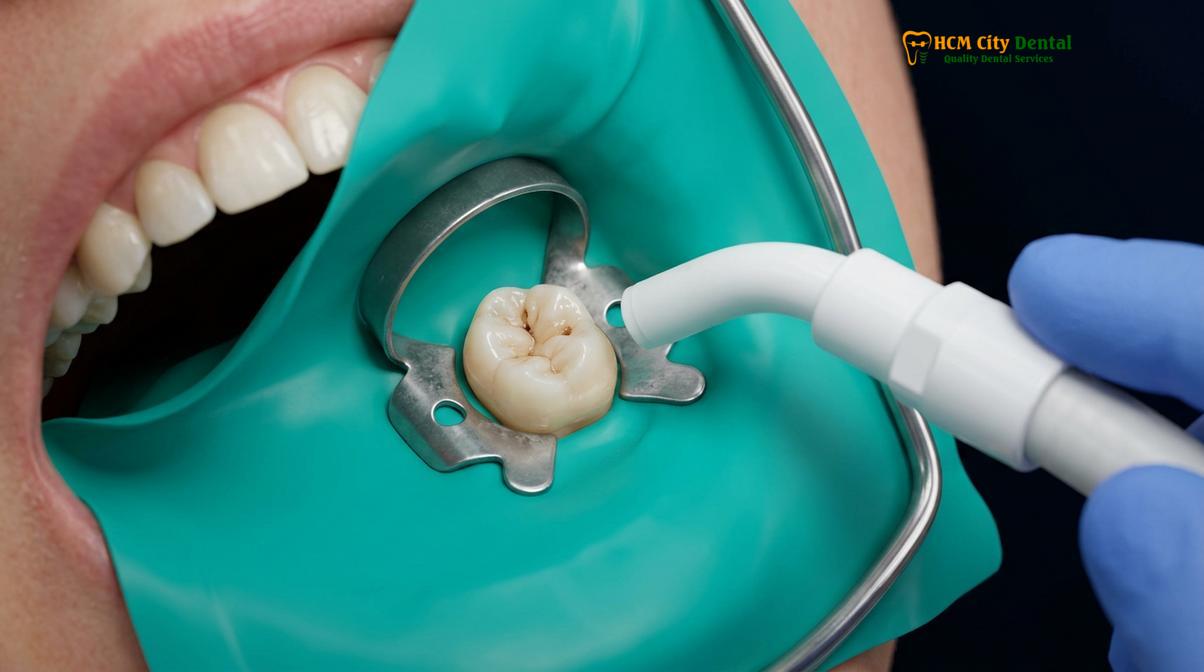
The SMART protocol begins before the drill is even activated. Patients are often provided with a slurry of activated charcoal or chlorella to rinse and swallow prior to the procedure. These substances act as highly effective binders; if any microscopic amalgam particulate happens to bypass the physical barriers and is ingested, the binders attach to the heavy metals in the gastrointestinal tract, preventing systemic absorption and facilitating safe excretion. Following this, the physical isolation of the operative site is established.
Physical Isolation and Airway Protection
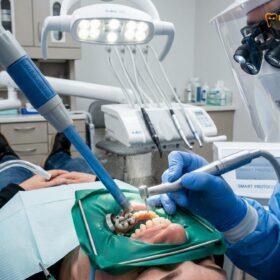
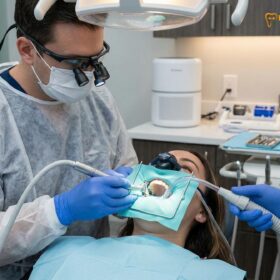
The cornerstone of mercury-safe removal is the non-latex dental dam. This thin, flexible sheet is placed over the mouth, with only the specific tooth (or teeth) receiving treatment exposed through a small hole. The dam is sealed tightly around the neck of the tooth using specialized clamps and liquid resin barriers. This ensures that no amalgam particulate, water, or debris can fall to the back of the throat or be swallowed. Latex is strictly avoided, as mercury vapor can permeate latex materials more easily than nitrile or specialized silicone dams.
Because the dental dam does not prevent the inhalation of gases, airway protection is the next critical step. The patient is fitted with a nasal hood that delivers a continuous flow of pure oxygen or clean, filtered air from a source outside the operatory. This positive pressure system ensures that the patient is not breathing the ambient air directly above the oral cavity, which will soon be saturated with mercury vapor [4].
Advanced Evacuation and Drilling Techniques
Once the patient is isolated and breathing safely, the dentist and assistant don their own protective equipment, which typically includes specialized respiratory-grade masks (such as properly fitted N95s, P100s, or positive pressure respirators), face shields, and hair coverings. The removal process itself relies on specific physics to minimize vaporization.
“The objective of mercury-safe removal is to keep the amalgam as cool as possible and to remove it in the largest pieces possible. We do not ‘drill out’ the filling; we section it and elevate it, minimizing the surface area subjected to friction.”
Instead of grinding the filling into a powder, the dentist uses a specialized, small-diameter carbide burr to cut deep, narrow troughs through the amalgam, sectioning it into chunks. Copious amounts of cold water are continuously sprayed onto the burr to keep the temperature of the metal well below the vaporization point of mercury. As the filling is sectioned, hand instruments are used to gently pry and elevate the large chunks out of the cavity preparation.
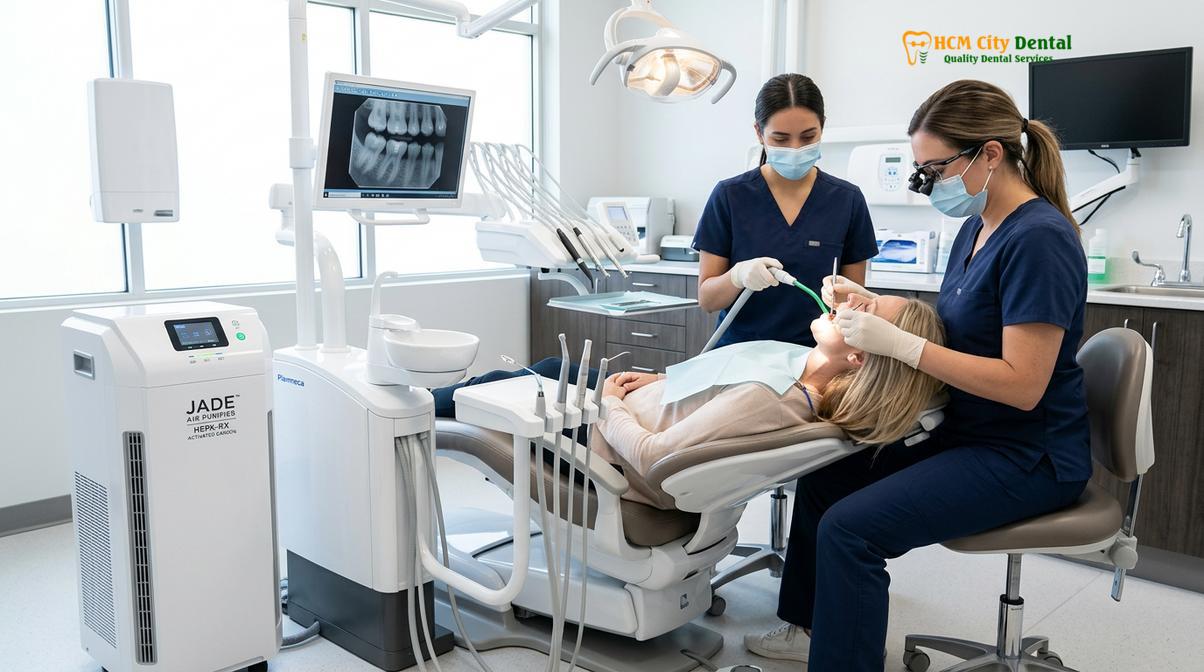
Simultaneously, a specialized high-volume evacuation (HVE) device, such as a CleanUp suction tip, is placed directly over the tooth. This device creates a localized vacuum chamber that captures both the water spray and any off-gassing vapor at the source. Furthermore, an independent, high-capacity air filtration system equipped with activated carbon and HEPA filters is positioned just inches from the patient’s chin. This “elephant trunk” vacuum continuously pulls the ambient air away from the patient’s breathing zone, filtering out any fugitive aerosols before they can dissipate into the room.
Comparison of Removal Techniques
To clearly illustrate the profound differences in clinical approach, the following table outlines the standard removal process versus the SMART protocol:
| Clinical Parameter | Standard “Mercury-Free” Removal | SMART “Mercury-Safe” Removal |
|---|---|---|
| Patient Airway | Breathes ambient operatory air | Alternative pure oxygen via nasal mask |
| Tooth Isolation | Cotton rolls, standard suction | Sealed non-latex dental dam |
| Drilling Technique | High-speed grinding, pulverization | Low-speed sectioning into large chunks |
| Vapor Capture | None (standard saliva ejector) | Source HVE and localized HEPA/Carbon vacuum |
| Systemic Protection | None provided | Pre- and post-procedure heavy metal binders |
Why IAOMT Standards Matter for Patient Safety
IAOMT standards provide a scientifically validated, peer-reviewed framework that ensures dental practices mitigate the severe neurotoxic and environmental risks associated with mercury exposure.
The International Academy of Oral Medicine and Toxicology (IAOMT) is a global network of dentists, health professionals, and scientists dedicated to researching the biocompatibility of dental products. When evaluating holistic dentist criteria, adherence to IAOMT standards is the gold standard. These guidelines are not arbitrary; they are the result of decades of peer-reviewed research into the pharmacokinetics of heavy metals and their impact on human physiology.
Mercury is a cumulative toxin. It bioaccumulates in the body over time, meaning that repeated small exposures can lead to significant toxic burdens. The systemic health implications of chronic mercury exposure are vast, encompassing neurological tremors, cognitive dysfunction, autoimmune exacerbations, chronic fatigue, and renal impairment. By strictly adhering to IAOMT’s SMART protocol, a mercury safe dentist actively prevents the iatrogenic (doctor-caused) exposure that occurs during standard dental revisions.
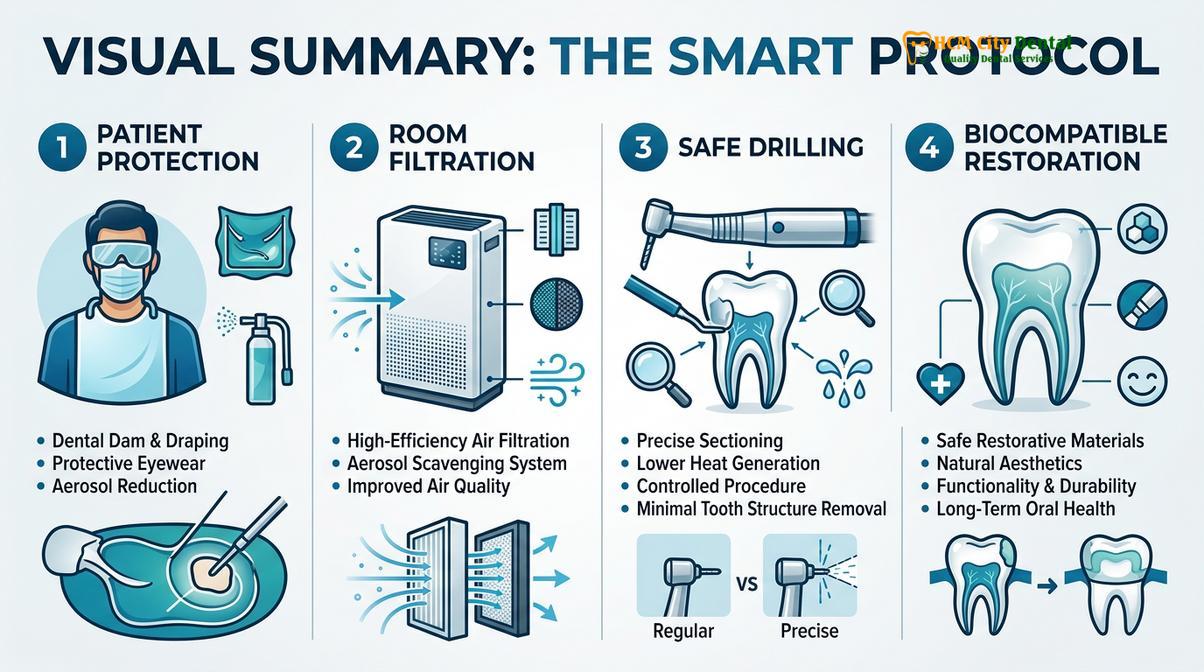
Furthermore, IAOMT standards extend beyond the patient to encompass environmental stewardship. Dental clinics have historically been one of the largest contributors of mercury pollution to municipal wastewater systems. When amalgam is drilled out and suctioned away, the heavy metal slurry enters the clinic’s plumbing. IAOMT-certified practices are required to install advanced amalgam separators—centrifugal filtration devices that capture up to 99% of mercury particulate before it can enter the public water supply. This commitment to environmental protection is a core tenet of biological dentistry, recognizing that human health is inextricably linked to ecological health [5].
What to Ask Your Dentist Before Treatment
Patients must actively advocate for their health by asking specific, detailed questions about isolation techniques, air filtration, and oxygen supplies before consenting to amalgam removal.
Because the term “holistic” is not strictly regulated in many jurisdictions, patients must take an active role in verifying the safety protocols of their chosen dental provider. Simply asking, “Are you a mercury free dentist?” is insufficient. To ensure you are receiving true mercury-safe care, you must interview the clinic regarding their specific clinical workflows.
Before scheduling an amalgam removal, patients should ask the following critical questions:
- Do you use a non-latex dental dam? Ensure they use a physical barrier to prevent the ingestion of amalgam debris.
- Will I be provided with an alternative air supply? Confirm that a nasal mask delivering oxygen or filtered air will be used to prevent vapor inhalation.
- Do you use a specialized high-volume vacuum? Ask if they utilize an aerosol vacuum (like an IQAir system) positioned near the face during the procedure.
- What is your drilling technique? The dentist should confirm they use copious cold water and section the filling into chunks rather than grinding it away.
- What biocompatible materials do you use for replacement? Ensure the clinic offers BPA-free composites, glass ionomers, or ceramic restorations, and ask if they offer biocompatibility testing.
“Patient empowerment is the foundation of biological dentistry. You have the right to know exactly how a toxic material will be handled in your mouth, and a true mercury-safe practitioner will gladly and transparently explain every step of their protective protocol.”
If a dental provider dismisses these concerns, claims that the amount of mercury in fillings is “too small to matter,” or refuses to utilize alternative air supplies and dental dams, it is highly recommended to seek a second opinion from a certified biological dentist.
How HCMC Dental Bridges the Gap
HCMC Dental Clinic integrates advanced SMART protocols with comprehensive biological dentistry, providing patients in Ho Chi Minh City with world-class, non-toxic restorative care.
Finding a practitioner who strictly adheres to these rigorous safety standards can be challenging, but HCMC Dental Clinic in Ho Chi Minh City has established itself as a premier destination for safe, biocompatible dental care. Recognizing the profound impact of oral materials on systemic health, the clinic has invested heavily in the specialized equipment and advanced training required to perform true mercury-safe amalgam removal.
Under the clinical guidance of Dr. Nguyen Van Cuong, the team at HCMC Dental Clinic does not merely practice General Dentistry; they elevate it by integrating the principles of toxicology and immunology into every treatment plan. “Our commitment to our patients in Saigon goes beyond just fixing teeth,” explains Dr. Cuong. “We view the oral cavity as the gateway to the body. By utilizing the SMART protocol, we ensure that our restorative procedures actively contribute to the patient’s overall healing journey, rather than adding to their toxic burden.”
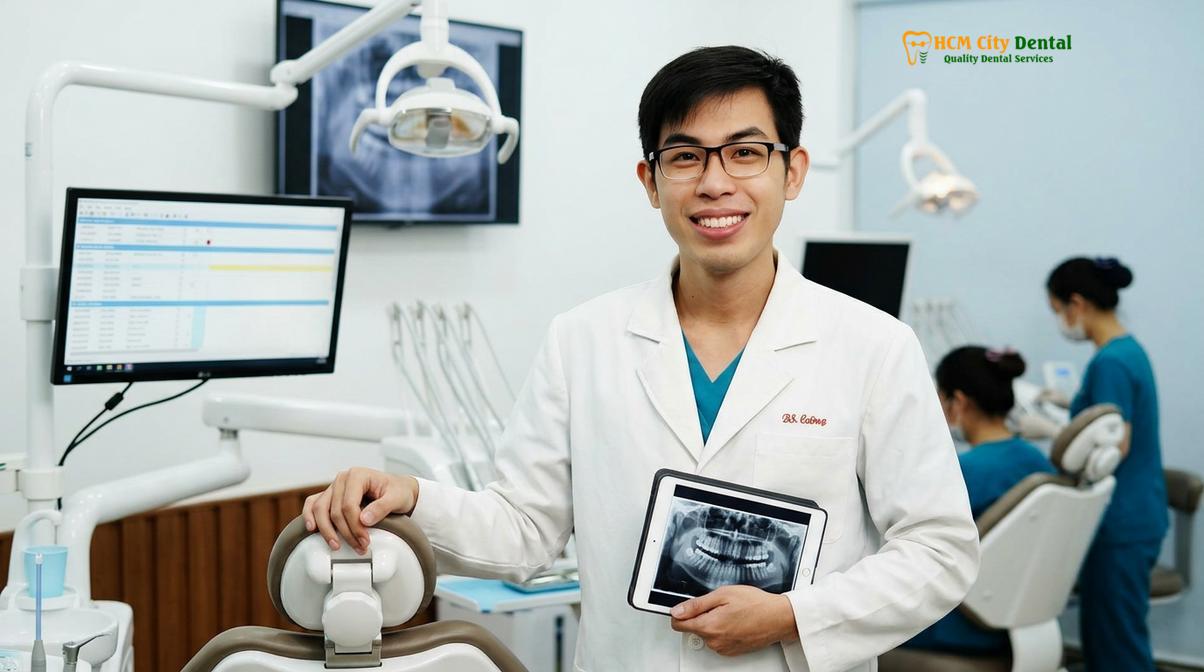
Clinical Case Study: Safe Amalgam Revision
A 45-year-old patient visited HCMC Dental Clinic in Ho Chi Minh City presenting with chronic metallic taste, localized gingival inflammation, and three deteriorating amalgam fillings. Utilizing the full SMART protocol—including non-latex isolation, nasal oxygen, and localized HEPA extraction—Dr. Cuong safely sectioned and removed the failing metals without exposing the patient to vapor. The teeth were subsequently restored using highly biocompatible, BPA-free ceramic onlays. The patient reported a cessation of the metallic taste and a significant improvement in localized tissue health within weeks, highlighting the efficacy of a comprehensive biological dentistry approach.
By bridging the gap between conventional restorative techniques and holistic health principles, HCMC Dental Clinic provides a safe haven for patients seeking to transition away from toxic dental materials without compromising their systemic well-being.
When to Consult a Clinical Professional
While the decision to remove intact, asymptomatic amalgam fillings should be made carefully in consultation with a biological dentist, there are specific clinical scenarios where immediate evaluation is necessary. You should consult a mercury-safe dental professional if you experience any of the following:
- Visible Cracks or Fractures: Amalgam expands and contracts with temperature changes at a different rate than natural tooth structure. Over time, this can cause the surrounding enamel to crack. If you see fracture lines around an old silver filling, it requires immediate assessment to prevent catastrophic tooth failure.
- Recurrent Decay: If a cavity forms beneath or around the margins of an existing amalgam filling, the metal must be removed to treat the infection. This removal must be done using mercury-safe protocols.
- Galvanic Toxicity: If you have different types of metals in your mouth (e.g., gold crowns and amalgam fillings), they can interact with saliva to create an electrical current, leading to a metallic taste, localized pain, or mucosal irritation.
- Systemic Hypersensitivity: Patients who have been diagnosed with heavy metal toxicity, autoimmune conditions, or specific metal allergies should consult with a biological dentist to discuss a safe, phased revision plan based on clinical diagnostics and biocompatibility testing.
Always ensure that any diagnostic evaluation includes a comprehensive discussion of the risks and benefits of removal, tailored to your specific physiological health profile.
Frequently Asked Questions
What is the difference between mercury-free and mercury-safe?
A mercury-free dentist simply does not place new amalgam fillings, whereas a mercury-safe dentist utilizes rigorous, specialized clinical protocols to protect patients from toxic vapor exposure during the removal of existing silver fillings. The distinction lies entirely in the removal methodology. While being mercury-free is a good administrative choice, being mercury-safe requires advanced equipment, specific training, and a commitment to preventing iatrogenic heavy metal exposure during restorative procedures.
Why isn’t a mercury-free dentist automatically safe?
A mercury-free dentist may still use standard high-speed drills to remove old amalgams without protective barriers. This conventional drilling generates heat, which vaporizes the mercury and exposes the patient to high levels of toxic aerosolized particulates during the procedure. Without a non-latex dam, alternative oxygen supply, and high-volume localized air filtration, the patient, dentist, and staff are all subjected to acute inhalation and ingestion of neurotoxic heavy metals.
Is mercury safety regulated in Vietnam?
While general dental safety is regulated by the Ministry of Health, specific mercury-safe protocols like SMART are largely adopted voluntarily by progressive clinics. Patients must actively seek out biological or holistic practices that independently adhere to international IAOMT safety standards. Clinics like HCMC Dental Clinic choose to implement these rigorous international protocols to provide a higher standard of systemic care than is strictly mandated by local baseline regulations.
What credentials should a mercury-safe dentist have?
A qualified mercury-safe dentist should ideally hold SMART (Safe Mercury Amalgam Removal Technique) certification from the IAOMT or demonstrate comprehensive training in biological dentistry. They must possess the specific equipment required for safe isolation, air filtration, and alternative biocompatible restorations. Furthermore, they should be able to clearly articulate the physics of mercury vaporization and demonstrate a deep understanding of the immunological impacts of dental materials.
How do I find a mercury-safe clinic?
You can find a mercury-safe clinic by searching the IAOMT provider directory, looking for biological dentistry hubs, and directly asking clinics about their amalgam removal protocols. Ensure they explicitly confirm the use of alternative air supplies, rubber dams, and high-volume evacuation. Do not hesitate to interview the front desk or the dentist prior to booking an appointment to verify that they possess the necessary equipment, such as localized HEPA/carbon vacuums and non-latex isolation materials.
References
- International Academy of Oral Medicine and Toxicology (IAOMT). Safe Mercury Amalgam Removal Technique (SMART) Guidelines. (2022).
- Journal of Occupational Medicine and Toxicology. Mercury exposure in dentistry: A review of clinical safety protocols. (2020).
- World Health Organization (WHO). Future use of materials for dental restoration and the Minamata Convention. (2021).
- Clinical Oral Investigations. Aerosol and splatter mitigation in operative dentistry: Efficacy of high-volume evacuation. (2019).
- Journal of Dental Research. Biocompatibility and clinical performance of metal-free dental restorations. (2023).