Oil pulling is an adjunctive oral hygiene practice that involves swishing edible oils in the mouth to mechanically reduce bacterial load and superficial plaque. While it supports overall gum health and helps neutralize volatile compounds that cause bad breath, it serves as a complementary therapy and does not replace the necessity of mechanical brushing and flossing.
Clinical Summary:
Oil pulling, a traditional Ayurvedic practice, has gained recognition in biological dentistry as a non-toxic adjunct for maintaining oral homeostasis. The primary mechanism of action is saponification, wherein the lipids in oils—particularly the lauric acid in coconut oil—undergo alkali hydrolysis when mixed with saliva. This process creates a soap-like emulsion that binds to the lipid membranes of oral pathogens, such as Streptococcus mutans, facilitating their mechanical removal without disrupting the acquired enamel pellicle. Clinical observations indicate that regular oil pulling may reduce plaque index scores and mitigate mild gingival inflammation. However, it is strictly a complementary protocol; it cannot remove calcified calculus or substitute for professional periodontal therapies and daily mechanical interdental cleaning.
Key Takeaways:
- Oil pulling utilizes lipid binding and saponification to mechanically detach bacteria from oral tissues.
- Coconut oil is highly preferred due to its rich concentration of antimicrobial lauric acid.
- The optimal duration for the practice is 15 to 20 minutes to ensure complete emulsification.
- It selectively targets pathogenic overgrowth while preserving beneficial nitric-oxide-producing bacteria.
- This practice is an adjunct to, not a replacement for, daily brushing, flossing, and professional dental cleanings.
The History and Science of Ayurvedic Oil Pulling
Originating thousands of years ago in Ayurvedic medicine, oil pulling is a holistic method designed to purify the oral cavity and support systemic health through the mechanical detoxification of oral tissues.
The practice of oil pulling, known traditionally as Kavala Graha or Gandusha, traces its origins back over 3,000 years to the ancient Ayurvedic texts of India, specifically the Charaka Samhita. In its original context, this therapy was prescribed not merely for localized dental hygiene, but as a systemic detoxification protocol believed to cure a wide array of systemic ailments, ranging from chronic migraines to systemic inflammation. Traditional practitioners utilized sesame oil or sunflower oil, valuing their specific lipid profiles and perceived warming properties to draw out impurities from the oral mucosa and the underlying vascular network.
In modern clinical practice, particularly within the realm of biological dentistry, the historical claims of oil pulling have been subjected to rigorous scientific scrutiny. While the concept that swishing oil can cure systemic diseases like diabetes or asthma remains unsupported by empirical medical evidence, its localized benefits within the oral cavity are increasingly recognized by holistic dental professionals. The oral cavity serves as the primary gateway to the gastrointestinal and respiratory tracts, harboring a complex microbiome of over 700 distinct bacterial species. Maintaining the delicate balance of this ecosystem is paramount to preventing both oral diseases and subsequent systemic complications, a concept closely aligned with the focal infection theory [1].
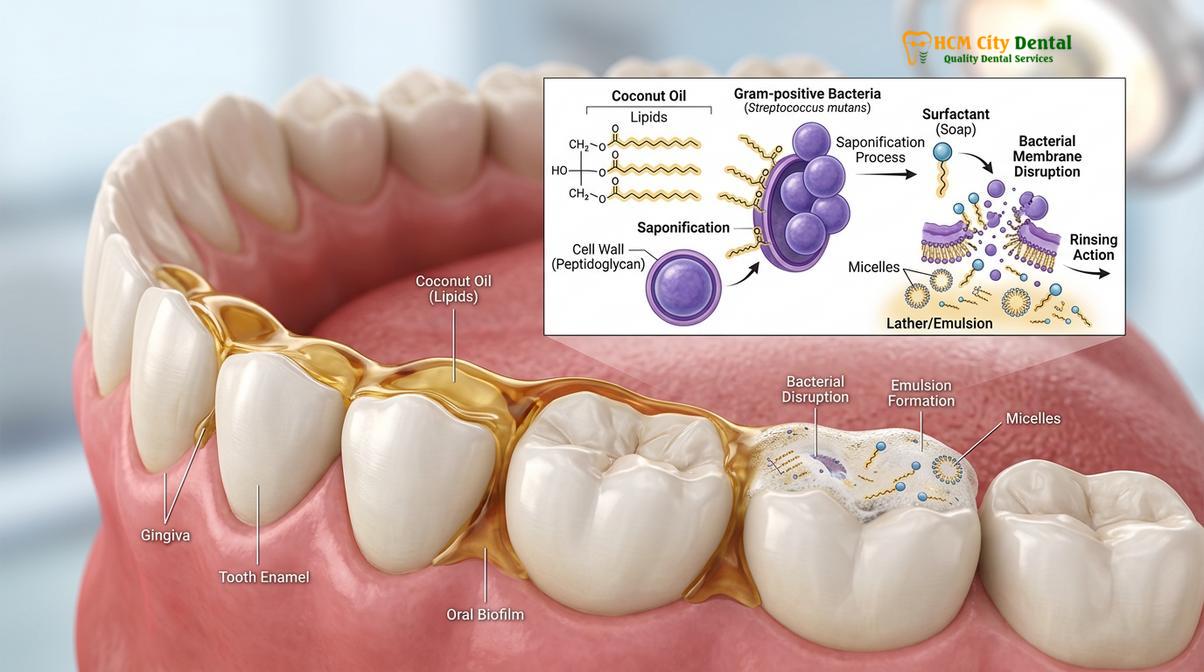
The transition from traditional sesame oil to modern coconut oil represents a significant evolution in the practice. Coconut oil is predominantly composed of medium-chain triglycerides (MCTs), with lauric acid accounting for approximately 50% of its lipid profile. This specific fatty acid has been extensively studied for its potent antimicrobial, antiviral, and antifungal properties. When introduced into the warm, enzyme-rich environment of the human mouth, lauric acid exhibits a unique capacity to interact with the cellular architecture of oral pathogens.
Dr. Nguyen Van Cuong, a leading biological dental expert, frequently emphasizes the importance of integrating evidence-based traditional adjuncts with modern clinical care. At HCMC Dental Clinic in Ho Chi Minh City, the clinical philosophy centers on minimizing toxic exposures while maximizing the body’s natural healing capacities. From this perspective, oil pulling is viewed not as a mystical cure-all, but as a highly effective, biologically compatible mechanical cleanser. It provides a non-abrasive, chemical-free method to manage the daily accumulation of biofilm, aligning perfectly with the principles of holistic patient care and preventive dentistry.
How Coconut Oil Pulls Bacterial Toxins out of Gum Tissues
The lipid structure of coconut oil binds directly to the lipid membranes of oral bacteria, facilitating their mechanical detachment from teeth and gums through a biochemical process known as saponification.
To understand the clinical efficacy of oil pulling, one must examine the microscopic interactions that occur between the introduced lipids and the oral biofilm. Dental plaque is not merely a collection of loose bacteria; it is a highly organized, complex biofilm matrix composed of extracellular polymeric substances (EPS). This sticky matrix allows pathogenic bacteria, most notably Streptococcus mutans and various periodontal pathogens, to adhere tenaciously to the enamel pellicle and the gingival sulcus. Mechanical brushing disrupts this matrix physically, but oil pulling disrupts it biochemically [2].
The primary mechanism of action is a process called saponification, or alkali hydrolysis. When a tablespoon of oil is introduced into the mouth and vigorously swished, it mixes with saliva. Saliva is naturally slightly alkaline and contains various digestive enzymes, including salivary amylase and lingual lipase. The mechanical action of swishing emulsifies the oil, breaking it down into smaller droplets and increasing its surface area. The alkaline environment of the saliva reacts with the triglycerides in the oil, hydrolyzing them into free fatty acids and glycerol. These free fatty acids, particularly the lauric acid from coconut oil, react with the sodium and potassium ions present in saliva to form a soap-like substance.
“The biochemical conversion of lauric acid into monolaurin within the oral cavity creates a highly effective, natural surfactant that compromises the lipid-protein envelope of Gram-positive bacteria, rendering them incapable of maintaining adherence to the dental pellicle.”
This newly formed biological soap acts as a powerful surfactant. The cellular membranes of most oral bacteria are composed of a lipid bilayer. Because lipids are lipophilic (fat-loving), the fatty acids in the emulsified oil naturally attract and bind to the lipid membranes of the bacteria. As the swishing continues, the physical agitation combined with the surfactant action literally pulls the bacteria out of their protective biofilm matrix and suspends them within the oil emulsion. This process is highly effective at reducing the population of free-floating (planktonic) bacteria and loosely adherent plaque before it has the opportunity to calcify into calculus.
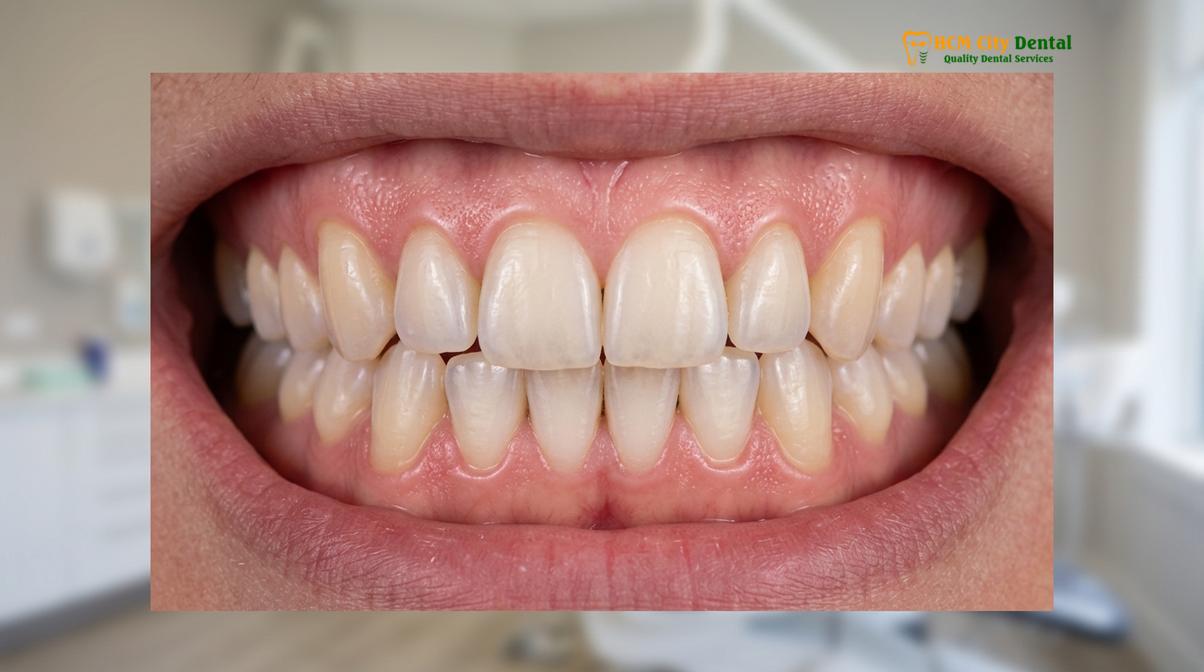
Furthermore, lauric acid possesses intrinsic antimicrobial properties. In the oral cavity, a portion of lauric acid is enzymatically converted into monolaurin. Monolaurin has been shown in in-vitro studies to integrate into the cell membranes of susceptible Gram-positive bacteria, disrupting their structural integrity and inhibiting their ability to replicate and produce the lactic acid responsible for enamel demineralization [3]. By reducing the overall bacterial load and neutralizing the acidic byproducts of bacterial metabolism, oil pulling helps maintain a neutral oral pH, which is critical for preventing dental caries and supporting the natural remineralization of enamel. Patients undergoing a comprehensive Holistic Dental Assessment often find that incorporating this practice significantly improves their baseline gingival health prior to advanced restorative work.
Step-by-Step Instructions: The Correct Way to Oil Pull
Proper technique requires swishing one tablespoon of high-quality oil continuously for 15 to 20 minutes on an empty stomach, followed by safe disposal and thorough mechanical cleaning.
Executing the practice of oil pulling correctly is essential to achieving its clinical benefits while avoiding potential adverse effects. The procedure is deceptively simple, yet many individuals fail to adhere to the precise timing and disposal protocols necessary for optimal efficacy. For those seeking a comprehensive coconut oil pulling guide, the following clinical workflow outlines the exact steps required to maximize the saponification process and ensure the safe removal of oral pathogens.
Step 1: Timing and Preparation. The most effective time to perform oil pulling is first thing in the morning, immediately upon waking and strictly on an empty stomach. During sleep, salivary flow decreases significantly, allowing bacterial populations to multiply and volatile sulfur compounds to accumulate (resulting in “morning breath”). Performing the practice before consuming any food or water ensures that these accumulated pathogens are captured and expelled rather than ingested into the gastrointestinal tract. Measure exactly one tablespoon (approximately 15 milliliters) of extra-virgin, cold-pressed, unrefined coconut oil. If the ambient temperature is below 24°C (76°F), the coconut oil will be solid; it can be placed in the mouth as a solid, where it will rapidly melt at body temperature.
Step 2: The Swishing Phase. Once the oil is liquid in the mouth, begin to gently push and pull the fluid between the teeth, around the gums, and over the tongue. The action should be deliberate but not overly forceful to avoid fatiguing the buccinator and orbicularis oris muscles of the face. The critical factor here is duration: the oil must be swished continuously for 15 to 20 minutes. Why this specific timeframe? Clinical observations indicate that it takes approximately 5 to 10 minutes for the oil to fully emulsify with the saliva and for the saponification process to begin. By the 15-minute mark, the oil will have transformed from a clear, viscous liquid into a thin, milky-white emulsion, indicating that it has successfully bound to the bacterial lipid membranes and absorbed the cellular debris.
Clinical Warning: Under no circumstances should you swallow the oil after swishing. The resulting emulsion is heavily laden with viable bacteria, bacterial endotoxins, and cellular waste products. Swallowing this mixture reintroduces concentrated pathogens into the digestive system.
Step 3: Safe Disposal. After 15 to 20 minutes, the emulsion must be expelled. Do not spit the oil into the bathroom sink or toilet. Because coconut oil solidifies at temperatures below 24°C, chronic disposal down household drains will inevitably lead to severe plumbing blockages over time. Instead, spit the emulsified oil directly into a designated waste bin or onto a paper towel that can be discarded in the trash.
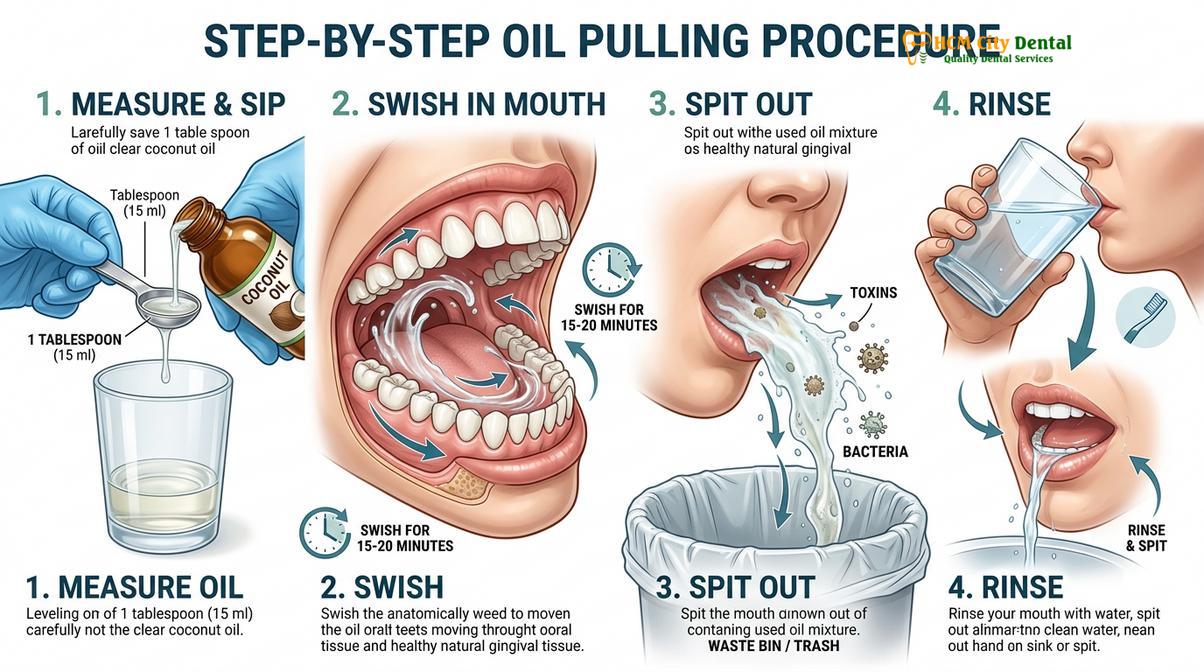
Step 4: Post-Pulling Protocol. Immediately after expelling the oil, the oral cavity must be thoroughly rinsed to remove any residual lipid-bound bacteria. Rinse vigorously with warm water; some holistic practitioners recommend adding a pinch of unrefined sea salt to the water to further alkalize the mouth and soothe the gingival tissues. Following the rinse, proceed with your standard morning oral hygiene routine, which must include mechanical brushing with a soft-bristled toothbrush and a biocompatible toothpaste, followed by interdental cleaning (flossing or interdental brushes). Oil pulling softens the biofilm, making subsequent mechanical brushing significantly more effective at removing residual plaque.
Benefits of Oil Pulling: Plaque Control and Sensitivity Relief
Regular oil pulling significantly reduces plaque accumulation, mitigates gingival inflammation, and provides a soothing, protective effect for patients experiencing mild dentinal hypersensitivity.
The clinical benefits of incorporating a natural plaque reduction oil into a daily hygiene regimen are well-documented, particularly concerning the management of early-stage periodontal issues. Gingivitis, the reversible inflammation of the gingival tissues, is primarily driven by the host’s immune response to the accumulation of bacterial plaque along the gingival margin. As the biofilm matures, it triggers an inflammatory cascade characterized by erythema (redness), edema (swelling), and a tendency for the gums to bleed upon probing or brushing.
Clinical trials evaluating the efficacy of oil pulling have demonstrated statistically significant reductions in both the Plaque Index (PI) and the Gingival Index (GI) among participants who practiced the technique consistently for 30 days. By mechanically emulsifying and removing the planktonic bacteria and disrupting the superficial layers of the biofilm, oil pulling reduces the overall antigenic load presented to the gingival tissues. This reduction in bacterial toxins allows the local immune system to downregulate the inflammatory response, leading to firmer, healthier gums and a cessation of bleeding [4]. For patients seeking care from a Biological Dentist Saigon, this non-invasive approach is highly valued as a first-line defense against periodontal progression.
Another profound benefit of oil pulling is its efficacy in combating halitosis (bad breath). Halitosis is predominantly caused by the putrefaction of proteinaceous debris by anaerobic bacteria located on the posterior dorsum of the tongue and within the periodontal pockets. These bacteria produce volatile sulfur compounds (VSCs), such as hydrogen sulfide and methyl mercaptan, which are responsible for the malodor. The lipid-binding action of oil pulling is highly effective at capturing these anaerobic bacteria and neutralizing the VSCs, providing a sustained improvement in breath freshness that often surpasses the temporary masking effects of commercial mouthwashes.
| Clinical Parameter | Coconut Oil Pulling | Chlorhexidine (0.12%) |
|---|---|---|
| Mechanism of Action | Mechanical emulsification and saponification | Chemical disruption of bacterial cell walls |
| Microbiome Impact | Selective reduction; preserves commensal flora | Broad-spectrum eradication; causes dysbiosis |
| Side Effects | None reported (if not swallowed) | Tooth staining, altered taste, calculus formation |
| Duration of Use | Safe for long-term, daily use | Restricted to short-term use (max 2-4 weeks) |
| Primary Indication | Preventive maintenance and mild gingivitis | Acute post-surgical care and severe periodontitis |
Furthermore, many patients report a noticeable reduction in dentinal hypersensitivity after adopting a regular oil pulling routine. Dentinal hypersensitivity occurs when the microscopic tubules within the dentin are exposed to the oral environment, usually due to gingival recession or enamel erosion. According to the hydrodynamic theory, external stimuli (such as cold air or acidic fluids) cause fluid movement within these tubules, triggering a sharp pain response in the underlying dental nerve. While oil pulling does not permanently remineralize enamel, the viscous nature of the oil can temporarily coat the exposed dentinal tubules, providing a soothing, insulating barrier against thermal and chemical stimuli. Additionally, by reducing localized gingival inflammation, the gums may appear less receded and less reactive to environmental triggers.
Balancing the Oral Microbiome vs. Killing All Bacteria
Unlike broad-spectrum chemical rinses that eradicate all oral flora, oil pulling selectively reduces pathogenic overgrowth while preserving the beneficial bacteria essential for systemic health.
A fundamental principle of biological dentistry is the recognition that the oral cavity is not a sterile environment, nor should it be. The oral microbiome is a highly complex, symbiotic ecosystem comprising billions of microorganisms. In a state of health (homeostasis), commensal (beneficial) bacteria play crucial roles in maintaining oral and systemic well-being. For instance, certain strains of oral bacteria are responsible for the reduction of dietary nitrates into nitrites, which are subsequently swallowed and converted into nitric oxide in the stomach. Nitric oxide is a vital signaling molecule that promotes vasodilation, helping to regulate systemic blood pressure and support cardiovascular health.
The conventional approach to oral hygiene has often relied on a “scorched earth” methodology, utilizing harsh, alcohol-based mouthwashes or broad-spectrum antimicrobial agents like chlorhexidine gluconate. While these chemical agents are highly effective at killing pathogenic bacteria, they are entirely non-selective. They eradicate the beneficial commensal flora alongside the pathogens, leading to a state of oral dysbiosis. Chronic use of bactericidal mouthwashes has been linked to an increased risk of fungal overgrowth (oral candidiasis), altered taste perception, and even a blunting of the body’s natural blood pressure regulation mechanisms due to the destruction of nitrate-reducing bacteria.
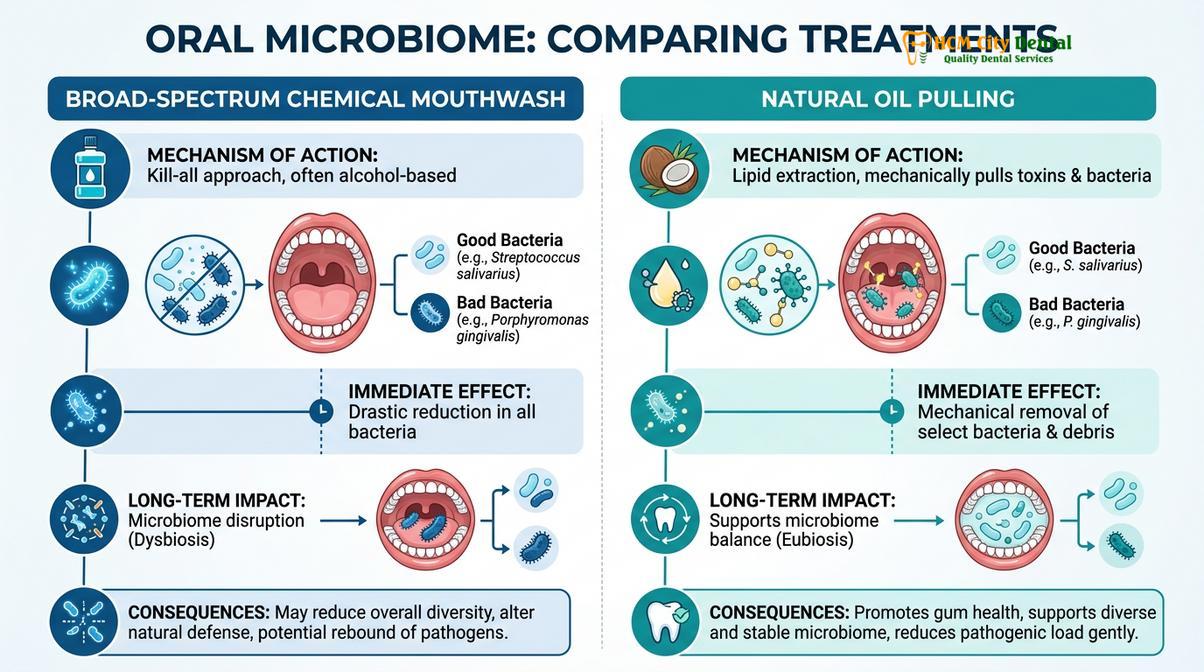
This is where oil pulling emerges as a superior, biologically compatible alternative. As an oil pulling mouthwash alternative, it operates on the principle of mechanical removal rather than chemical eradication. The saponification process does not indiscriminately rupture bacterial cell walls; rather, it binds to the lipid membranes of the bacteria that are loosely adherent or suspended in the saliva, allowing them to be physically flushed from the mouth. This gentle, selective reduction lowers the overall pathogenic burden—particularly the populations of Streptococcus mutans and anaerobic periodontal pathogens—without devastating the foundational architecture of the oral microbiome [5].
“The goal of holistic oral care is not sterility, but symbiosis. By utilizing lipid-based mechanical clearance, we can manage pathogenic biofilm accumulation while preserving the commensal bacteria necessary for immune modulation and systemic nitric oxide production.”
By maintaining this delicate balance, oil pulling supports the body’s natural defense mechanisms. A healthy, robust population of commensal bacteria naturally outcompetes opportunistic pathogens for nutrients and adhesion sites on the Tooth Meridian Chart pathways, creating an environment where caries and periodontal disease are less likely to initiate. This paradigm shift—from killing bacteria to managing their populations—is central to the long-term success of holistic dental protocols.
Incorporating Oil Pulling into Your Daily Hygiene Routine
To maximize clinical benefits, oil pulling should serve as a complementary morning ritual, preceding standard mechanical brushing and interdental cleaning protocols.
Adopting oil pulling requires a commitment of time, but the integration into a daily routine can be seamless if structured correctly. Because the process requires 15 to 20 minutes of continuous swishing, many patients find it most practical to perform the therapy while engaging in other morning activities, such as showering, preparing breakfast, or reading. The key to success is consistency; while occasional use may leave the mouth feeling temporarily cleaner, the cumulative benefits of reduced gingival inflammation and stabilized microbiome balance are only realized through daily, or at least highly frequent (4-5 times per week), application.
A comprehensive, biologically aligned morning oral hygiene routine should follow a specific sequence to maximize the efficacy of each step. Upon waking, the first action should be tongue scraping. Using a copper or stainless steel tongue scraper, gently remove the accumulated coating (ama) from the posterior to the anterior of the tongue. This immediately reduces the bulk of anaerobic bacteria and volatile sulfur compounds. Following tongue scraping, proceed directly to oil pulling with one tablespoon of coconut oil for 15 to 20 minutes. After expelling the emulsified oil into the trash, rinse the mouth thoroughly with warm water. Only after these preparatory steps should you proceed with mechanical brushing and flossing. The oil pulling process softens the remaining biofilm, making the toothbrush bristles and dental floss significantly more effective at dislodging stubborn plaque.
Clinical Case Study: A 34-year-old patient presented to HCMC Dental Clinic in Ho Chi Minh City with chronic mild gingivitis, characterized by generalized bleeding upon probing and a high plaque index, despite reporting twice-daily brushing. Dr. Nguyen Van Cuong identified a highly acidic oral environment and recommended an ayurvedic oral detox HCMC protocol alongside professional ultrasonic scaling. The patient was instructed to incorporate 15 minutes of daily coconut oil pulling prior to morning brushing. At the 4-week follow-up, the patient’s gingival index had improved by 60%, bleeding on probing was entirely resolved, and the oral pH had stabilized, demonstrating the powerful adjunctive effect of lipid-based biofilm management.
It is also important to select the right materials. Always opt for organic, unrefined, cold-pressed coconut oil. Refined oils have often been subjected to high heat and chemical bleaching processes that degrade the lauric acid content and introduce potentially toxic residues, negating the biological benefits of the practice. For patients concerned about the cost of maintaining a holistic regimen, integrating simple, natural practices like oil pulling can reduce the long-term need for invasive periodontal treatments, a concept further explored in our Dental Insurance Holistic Coverage Guide.
When to See a Doctor (Clinical Considerations)
While oil pulling is an excellent preventive measure, it is not a substitute for professional diagnostic evaluation or the treatment of active, progressive dental pathologies.
It is imperative to understand the clinical limitations of oil pulling. While it is highly effective at managing superficial plaque and reducing mild gingival inflammation, it is not a cure for established dental diseases. Patients must not rely on oil pulling to treat deep dental caries, active periodontal disease (periodontitis), dental abscesses, or structural tooth fractures. Once bacterial plaque has calcified into hard calculus (tartar), no amount of swishing with oil or any other liquid can remove it; it must be physically scaled away by a dental professional using specialized ultrasonic or hand instruments.

You should seek immediate evaluation from a qualified biological dentist if you experience any of the following symptoms, as they indicate pathologies that require clinical intervention:
- Persistent, spontaneous bleeding from the gums that does not resolve with improved hygiene.
- Severe, throbbing tooth pain or extreme sensitivity to hot and cold stimuli, which may indicate irreversible pulpitis.
- Visible swelling, purulent discharge (pus), or a persistent bad taste in the mouth, suggesting an active infection or abscess.
- Increased mobility (looseness) of any teeth, a hallmark sign of advanced bone loss associated with periodontitis.
- The need for complex surgical interventions, such as a Tooth Extraction due to severe decay or impaction.
At HCMC Dental Clinic, our clinical team emphasizes that natural adjuncts are most effective when built upon a foundation of professional care. Regular comprehensive examinations, advanced 3D imaging, and professional prophylaxis are non-negotiable components of maintaining lifelong oral health. If you are experiencing active dental pain or progressive gum disease, oil pulling should only be used as a supportive measure alongside a professionally prescribed treatment plan.
Frequently Asked Questions
How does oil pulling benefit oral health?
Oil pulling benefits oral health by mechanically reducing bacterial load and plaque accumulation through a process called saponification. When used as an adjunct to daily brushing and flossing, it helps lower the risk of gingival inflammation, neutralizes volatile sulfur compounds that cause halitosis, and supports a balanced oral microbiome without the harsh effects of chemical bactericides. It also provides a soothing effect for mild tissue irritation.
What is the best oil to use for oil pulling?
Extra-virgin, cold-pressed coconut oil is widely considered the best option for oil pulling due to its high concentration of lauric acid. Lauric acid possesses documented antimicrobial and anti-inflammatory properties, making it highly effective at binding to the lipid membranes of oral bacteria, while its pleasant taste improves daily compliance compared to traditional sesame or sunflower oils.
How long should I do oil pulling?
For optimal clinical results, you should swish the oil continuously for 15 to 20 minutes. This specific duration is necessary to allow the oil to fully emulsify, mix with salivary enzymes, and undergo saponification, effectively drawing out bacterial toxins without giving the body enough time to reabsorb the emulsified waste material. Shorter durations may not allow the emulsion to fully form.
Can oil pulling replace brushing and flossing?
No, oil pulling cannot replace mechanical brushing and interdental flossing under any circumstances. It is strictly an adjunctive therapy designed to complement standard oral hygiene practices; while it reduces free-floating bacteria and superficial plaque, it cannot physically dislodge mature, calcified calculus or clean deeply within the tight interproximal spaces between teeth.
Is oil pulling safe for teeth with crowns and fillings?
Yes, oil pulling is generally safe for teeth restored with crowns, veneers, and composite fillings. The gentle, non-abrasive swishing action does not degrade modern dental cements or restorative materials; however, patients with loose restorations or temporary crowns should consult their dentist, as vigorous swishing could potentially dislodge a compromised restoration.
References
- Journal of Traditional and Complementary Medicine. Effect of oil pulling on plaque induced gingivitis: A randomized, controlled, triple-blind study. (2017).
- International Journal of Health Sciences. Mechanism of action of oil pulling therapy in oral health: A comprehensive review. (2018).
- Journal of Clinical and Diagnostic Research. Comparative efficacy of coconut oil pulling and chlorhexidine mouthwash on Streptococcus mutans. (2016).
- American Dental Association (ADA) Science & Research Institute. Adjunctive oral hygiene aids and their impact on the oral microbiome. (2020).
- Journal of Periodontal Research. The role of lauric acid and monolaurin in disrupting bacterial biofilms in the oral cavity. (2019).