When dental pulp becomes infected, root canal alternatives focus on preserving tooth vitality or safely removing the compromised tooth to protect systemic health. Options range from vital pulp therapy for reversible pulpitis to biological extractions followed by biocompatible zirconia implants, depending on the severity of the infection.
Clinical Summary:
Conventional endodontics aims to retain a non-vital tooth by removing infected tissue and sealing the canals. However, biological dentistry emphasizes that microscopic dentinal tubules can harbor anaerobic bacteria, potentially leading to systemic inflammation. For patients seeking alternatives, clinical protocols prioritize either preserving the living nerve through vital pulp therapy or performing a biological extraction. When extraction is necessary, advanced socket disinfection using ozone therapy and Platelet-Rich Fibrin (PRF) ensures optimal healing, paving the way for metal-free zirconia implants. These evidence-based alternatives provide comprehensive solutions that respect the intricate connection between oral pathology and overall systemic wellness.
Key Takeaways:
- Vital pulp therapy can save a living tooth by using bioceramic materials to stimulate natural dentin repair.
- Non-vital teeth may harbor anaerobic bacteria in dentinal tubules, posing potential risks to systemic health.
- Biological extractions involve complete removal of the periodontal ligament to prevent jawbone cavitations.
- Ozone therapy and PRF (Platelet-Rich Fibrin) are utilized to accelerate bone healing and disinfect extraction sites.
- Zirconia dental implants offer a highly biocompatible, metal-free replacement option following tooth removal.
The Biological Controversy Surrounding Root Canals
Biological dentistry raises concerns about traditional root canals because retaining a non-vital tooth can trap anaerobic bacteria within microscopic dentinal tubules, potentially compromising the immune system.
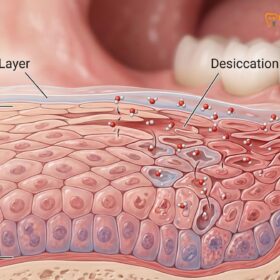
To fully understand the clinical rationale behind root canal alternatives, one must first examine the anatomical and biological complexities of the human tooth. A tooth is not a solid, impermeable structure; rather, it is a highly porous organ. Beneath the hard outer layer of enamel lies the dentin, which makes up the bulk of the tooth’s structure. Dentin is composed of miles of microscopic channels known as dentinal tubules. In a healthy, vital tooth, fluid continuously flows outward through these tubules, driven by the active blood supply within the central pulp chamber. This outward fluid flow, combined with a robust immune response, naturally prevents bacteria from penetrating the tooth structure.[1]
When a tooth undergoes conventional endodontic therapy, the living tissue—including the nerves, blood vessels, and connective tissue—is completely removed. The hollowed-out canals are then sterilized to the best of the clinician’s ability and sealed with a rubber-like material called gutta-percha. However, the fundamental biological shift is that the tooth is now non-vital. The blood supply has been severed, meaning the immune system can no longer access the interior of the tooth. Consequently, the outward flow of dentinal fluid ceases.
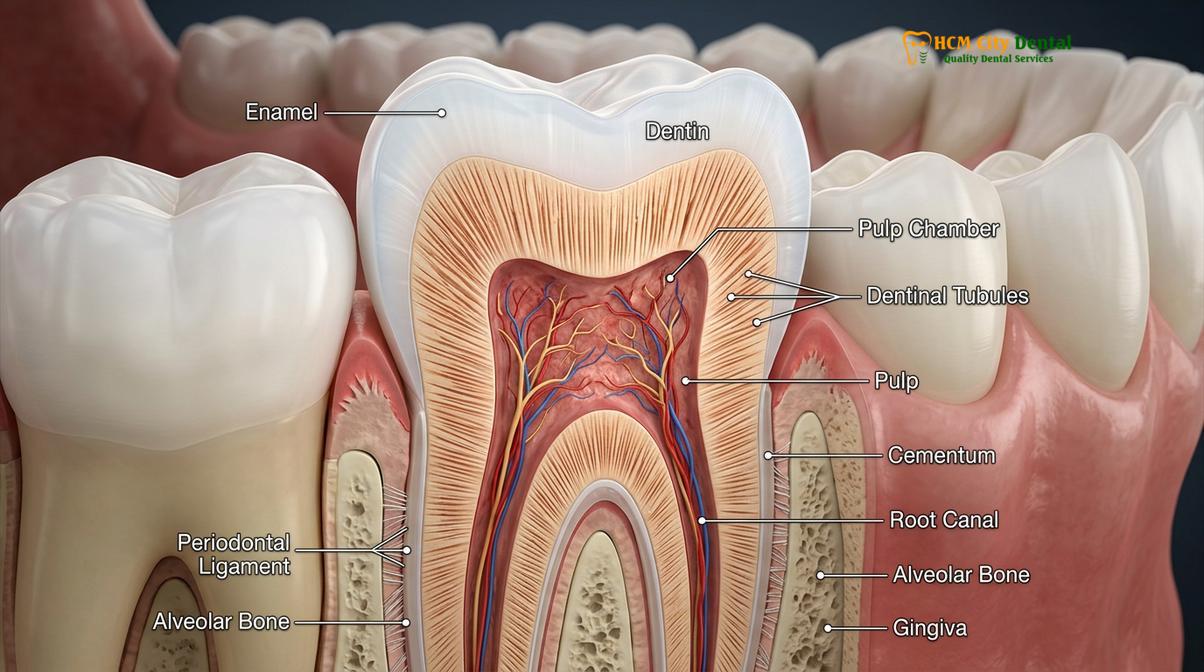
The controversy in biological dentistry centers on the impossibility of completely sterilizing the miles of microscopic dentinal tubules. Even with the most advanced chemical irrigants and mechanical shaping, a small percentage of bacteria inevitably remains trapped within the porous dentin. Cut off from oxygen and a nutrient supply, these surviving microbes undergo a biological adaptation. They mutate into highly toxic, anaerobic bacteria. These pathogens produce metabolic byproducts, such as thioethers and gliotoxins, which are highly inflammatory. Because the tooth no longer has an internal immune defense, these toxins can slowly seep out of the tooth, through the cementum, and into the surrounding periodontal ligament and jawbone.
“The anatomical complexity of the root canal system, particularly the dentinal tubules and accessory canals, makes complete eradication of microorganisms virtually impossible, leaving a residual bacterial load in non-vital teeth.”
Dr. Nguyen Van Cuong, a leading advocate for holistic root canal safety, emphasizes that while many patients tolerate root-canaled teeth without immediate local pain, the long-term presence of a necrotic organ in the body requires careful clinical consideration. The immune system must constantly expend energy to wall off the low-grade infection at the apex of the dead tooth. For patients with compromised immune systems, autoimmune conditions, or chronic fatigue, this continuous immune burden can be a significant obstacle to overall wellness. Therefore, exploring alternatives that either maintain the tooth’s vitality or safely remove the source of infection is a cornerstone of biological dental care.
How Dead Teeth and Anaerobic Bacteria Can Affect Systemic Health
Toxins produced by anaerobic bacteria in a non-vital tooth can enter the bloodstream through the surrounding bone, potentially triggering chronic systemic inflammation and affecting distant organs.
The human body is an interconnected biological system, and the oral cavity is a primary gateway to the systemic circulation. The concept that localized dental infections can cause or exacerbate systemic diseases is known as the focal infection theory. While historically debated, modern genomic sequencing and advanced microbiological testing have provided compelling evidence supporting the root canal infection body connection. When a tooth becomes non-vital and harbors anaerobic bacteria, it acts as a chronic focal point of infection.[2]
The mechanism of systemic dissemination is straightforward yet profound. The apex (tip) of a tooth root sits directly within the alveolar bone of the jaw, surrounded by a highly vascularized periodontal ligament. When anaerobic bacteria multiply within the unsealed dentinal tubules of a root-canaled tooth, their toxic byproducts leak into this surrounding vascular network. Every time a patient chews, the mechanical pressure can force these toxins and bacterial fragments into the bloodstream. This process, known as transient bacteremia, introduces pathogens directly into the systemic circulation.
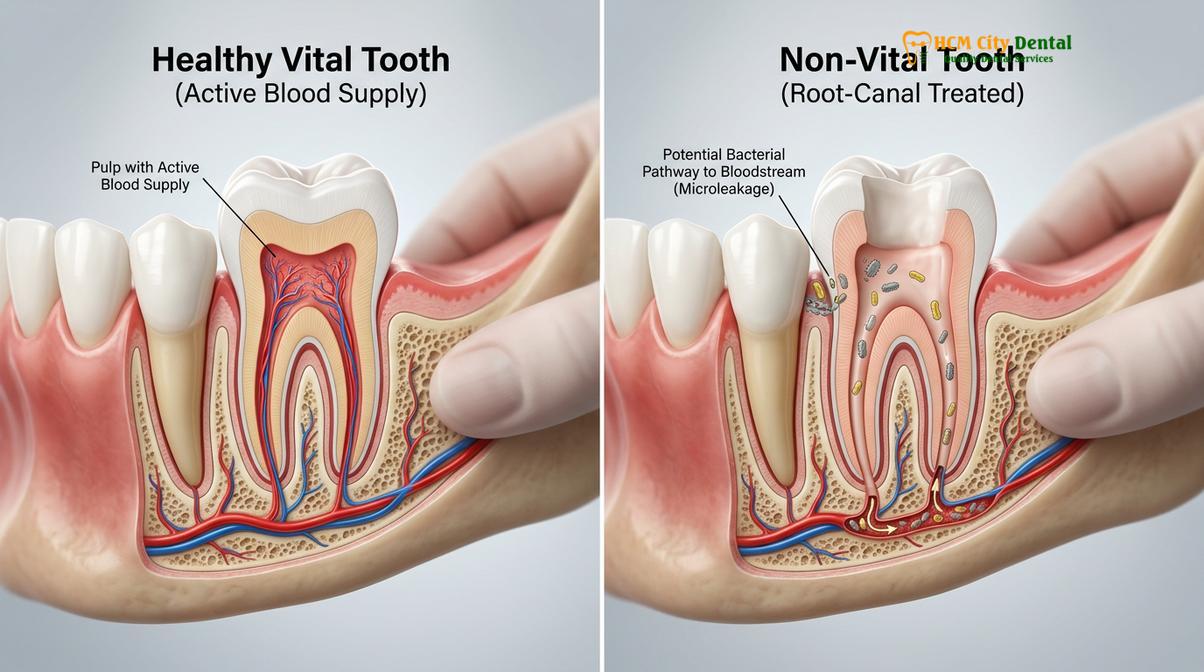
Once in the bloodstream, these oral pathogens and their inflammatory toxins can travel to distant organs. Clinical research has frequently identified oral bacteria, such as Enterococcus faecalis and Porphyromonas gingivalis, in arterial plaques, heart valves, and joint tissues. The immune system’s response to these circulating toxins is to upregulate inflammatory markers, such as C-reactive protein (CRP). Chronic, low-grade systemic inflammation is now recognized as a primary driver of numerous modern diseases, including cardiovascular disease, rheumatoid arthritis, and neurodegenerative conditions.
| Biological Factor | Healthy Vital Tooth | Non-Vital (Root-Canaled) Tooth |
|---|---|---|
| Blood Supply | Active and continuous | Completely severed |
| Immune Access | Full access via pulp chamber | No internal immune access |
| Dentinal Fluid Flow | Outward (flushes bacteria) | Stagnant (allows bacterial ingress) |
| Bacterial Environment | Aerobic (oxygen-rich) | Anaerobic (oxygen-deprived) |
| Systemic Risk | Minimal to none | Potential source of chronic inflammation |
Understanding this systemic link is crucial for patients making informed decisions about their dental care. If a patient is already battling a chronic illness, retaining a dead, potentially toxic tooth may hinder their recovery. In such cases, biological dentists prioritize treatments that eliminate the focal infection entirely, thereby removing the burden on the patient’s immune system and supporting holistic healing.
Vital Pulp Therapy: Preserving Tooth Nerve Vitality Conserved
Vital pulp therapy is a proactive, minimally invasive procedure that uses bioceramic materials to heal inflamed dental pulp, preserving the tooth’s life and preventing the need for a root canal.
When a tooth suffers from deep decay or physical trauma, the traditional approach has often been to preemptively perform a root canal to prevent future pain. However, modern biological dentistry recognizes that the dental pulp has a remarkable capacity for self-repair if provided with the right environment and biocompatible materials. Vital pulp therapy is an advanced clinical protocol designed to halt the inflammatory process, disinfect the exposure site, and stimulate the tooth to build new dentin, thereby keeping the nerve alive and functioning.[3]
The success of vital pulp therapy depends heavily on accurate diagnostics. The clinician must determine whether the pulpitis (inflammation of the nerve) is reversible or irreversible. Reversible pulpitis typically presents as a sharp, fleeting pain in response to cold or sweet stimuli, which subsides quickly once the stimulus is removed. If the diagnosis confirms reversible pulpitis, the tooth is an excellent candidate for preservation. The procedure begins with the meticulous removal of the infected dentin. At HCMC Dental Clinic, this is often performed using specialized caries indicator dyes and slow-speed ceramic burs to ensure that only the diseased tissue is removed while the healthy tooth structure is conserved.
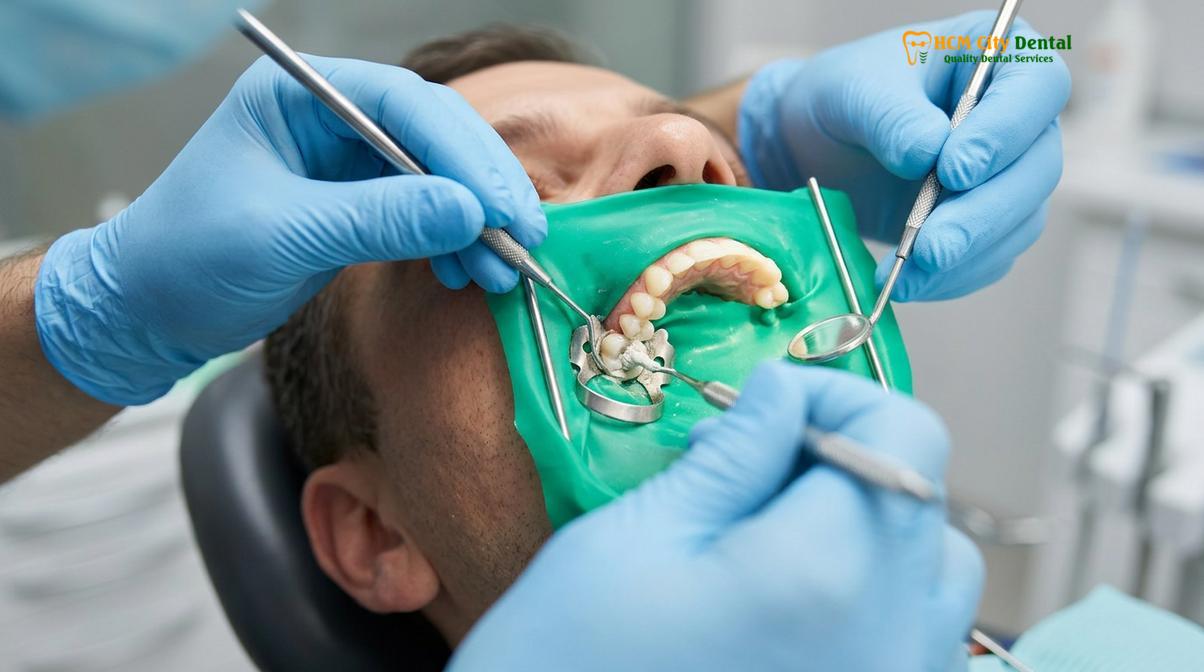
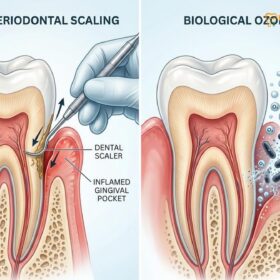
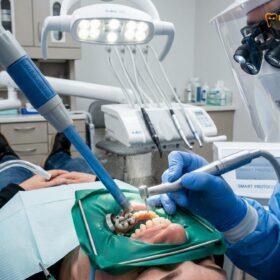
Once the decay is removed, the clinician may encounter a micro-exposure of the dental pulp. In the past, this almost guaranteed a root canal. Today, the protocol for vital pulp therapy HCMC involves immediate disinfection of the exposure site using ozone gas or specialized laser therapy. Ozone is highly effective at neutralizing bacteria, viruses, and fungi without harming the delicate human cells of the nerve tissue. Following disinfection, a bioceramic material is carefully placed directly over the exposed pulp.
The materials used in this therapy, such as Mineral Trioxide Aggregate (MTA) or Biodentine, are revolutionary in endodontics. These bioceramics are highly alkaline, which creates an antibacterial environment, and they are exceptionally biocompatible. When placed against the living pulp, they stimulate the stem cells within the nerve tissue to differentiate into odontoblasts—the cells responsible for creating dentin. Over the following weeks, the tooth naturally forms a “dentin bridge,” effectively sealing off the nerve from the outside environment and restoring the tooth’s structural integrity. By preserving the vitality of the tooth, the patient avoids the systemic risks associated with retaining a dead organ.
Biological Extraction and Socket Disinfection Protocol
A biological extraction completely removes the infected tooth and the surrounding periodontal ligament, utilizing ozone and PRF to ensure optimal bone healing and prevent jawbone cavitations.
When a tooth is diagnosed with irreversible pulpitis, severe necrosis, or a massive structural fracture, preservation is no longer biologically viable. In these cases, the safest alternative to a root canal is the complete removal of the infected organ. However, a standard tooth extraction is often insufficient from a holistic perspective. Standard extractions typically focus only on removing the tooth itself, often leaving behind the periodontal ligament and infected bone tissue. This oversight can lead to poor healing and the formation of ischemic bone diseases, commonly known as cavitations or NICO (Neuralgia-Inducing Cavitational Osteonecrosis) lesions.[4]
To prevent these complications, biological dentists employ a rigorous biological extraction dental socket protocol. The procedure begins with atraumatic luxation. Instead of forcefully pulling the tooth, the clinician uses specialized micro-instruments to gently sever the periodontal fibers and elevate the tooth vertically. This careful approach preserves the delicate buccal bone plate, which is essential for future implant placement and facial aesthetics.
Clinical Case Review: Biological Extraction
A 45-year-old patient presented to HCMC Dental Clinic in Ho Chi Minh City with chronic fatigue and a failing, infected root canal on a lower molar. 3D CBCT imaging revealed a silent apical abscess. The patient opted for a biological extraction. Following the atraumatic removal of the tooth, the socket was meticulously debrided to remove the infected periodontal ligament. Ozone gas was infused into the bone to eradicate anaerobic bacteria, and a PRF (Platelet-Rich Fibrin) membrane, derived from the patient’s own blood, was placed into the socket. Within three months, the site demonstrated dense, healthy bone regeneration, and the patient reported a significant improvement in systemic energy levels, allowing for the successful placement of a zirconia implant.
Once the tooth is removed, the most critical step of the biological protocol begins: surgical debridement. The clinician uses specialized curettes and sometimes piezoelectric ultrasonic instruments to meticulously scrape the walls of the bony socket. The goal is to completely remove the periodontal ligament and any necrotic bone tissue. If the ligament is left behind, the body may fail to recognize that the tooth is gone, leading to incomplete bone fill and a hollow, bacteria-filled cavitation in the jaw.
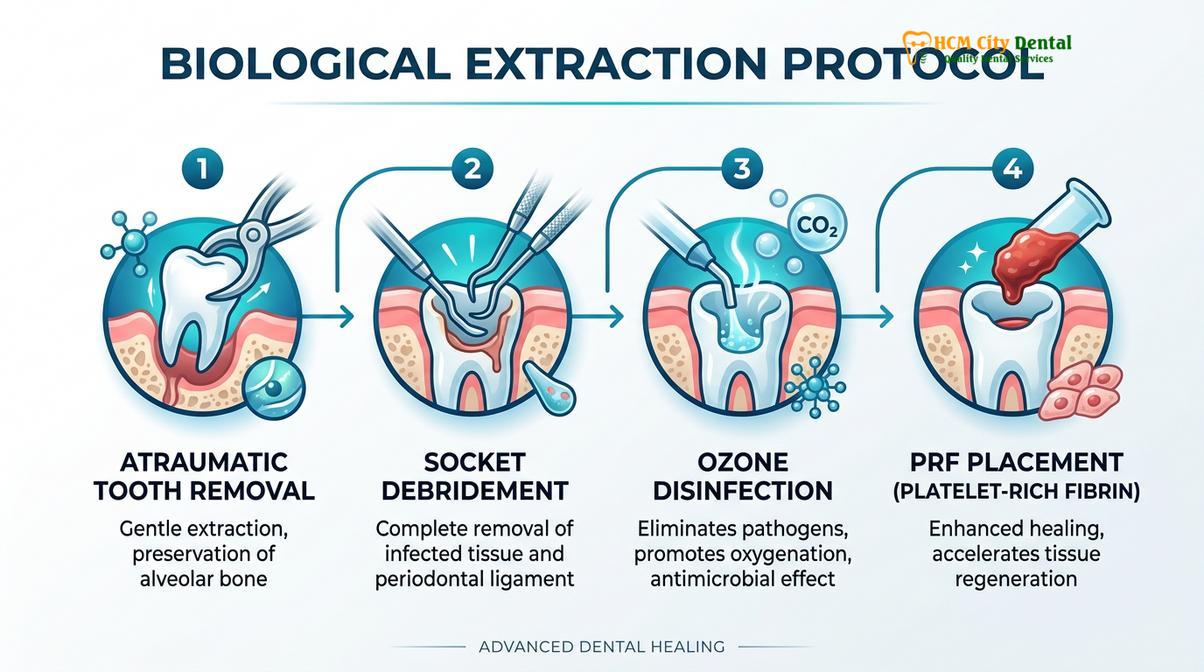
Following debridement, the socket is thoroughly disinfected. Ozone therapy plays a pivotal role here. Ozone gas and ozonated water are flushed into the surgical site. Ozone’s extra oxygen molecule makes it a powerful oxidizer, instantly destroying the cell walls of anaerobic bacteria, viruses, and fungi, while simultaneously stimulating local blood flow and immune response. Finally, to accelerate healing, Platelet-Rich Fibrin (PRF) is introduced. PRF is created by drawing a small amount of the patient’s blood and spinning it in a centrifuge to isolate white blood cells, platelets, and growth factors. This autologous membrane is packed into the clean socket, acting as a biological scaffold that promotes rapid soft tissue closure and dense bone regeneration, setting the perfect foundation for future restoration.
When is a Root Canal Necessary? (Our Safe Sterilization Protocol)
If a patient chooses to save an infected tooth, advanced sterilization protocols using laser-activated irrigation and ozone therapy are employed to minimize the bacterial load as much as possible.
While biological dentistry generally advocates for vital pulp therapy or extraction, there are clinical scenarios where a patient strongly desires to save a non-vital tooth for functional or aesthetic reasons, and the systemic risks are deemed manageable. In such cases, the objective shifts from complete biological purity to maximum bacterial reduction. Standard root canals often rely on sodium hypochlorite (bleach) and mechanical filing, which cannot penetrate deep into the dentinal tubules. To make the procedure significantly safer, advanced biological dentistry protocols must be integrated into the endodontic workflow.[5]
The enhanced sterilization protocol begins with Laser-Activated Irrigation (LAI). Traditional syringe irrigation only cleans the main canals. By introducing a specialized laser tip (such as PIPS or SWEEPS technology) into the canal, the clinician creates powerful acoustic streaming and cavitation bubbles within the disinfecting fluid. This photomechanical action forces the antibacterial solutions deep into the lateral canals and microscopic dentinal tubules, disrupting the bacterial biofilm far more effectively than traditional methods.
Important Clinical Consideration
Patients must understand that no endodontic technology can achieve 100% sterility within a non-vital tooth. Even with advanced laser and ozone protocols, a microscopic bacterial load will remain. Patients with severe autoimmune conditions, chronic systemic illnesses, or compromised immune systems should carefully weigh the risks of retaining a dead tooth against the benefits of biological extraction.
Following laser disinfection, ozone gas is infused directly into the root canal system. Because ozone is a gas, it can permeate the porous dentin structure, reaching areas that liquids cannot. The ozone neutralizes remaining pathogens and oxidizes their toxic byproducts. Finally, the canals must be sealed. Instead of using traditional gutta-percha combined with toxic, eugenol-based sealers, biological dentists utilize advanced bioceramic sealers. These materials are highly biocompatible, hydrophilic, and expand slightly upon setting, creating a superior, gap-free seal that minimizes the risk of future bacterial microleakage. Dr. Cuong advises that any patient opting for this route must commit to regular 3D CBCT monitoring to ensure the tooth remains asymptomatic and free of silent apical pathology.
Comparing Options: Retaining the Dead Tooth vs. Zirconia Implant
Choosing between a sterilized root canal and a biological extraction with a zirconia implant requires balancing the desire to keep natural tooth structure against the priority of systemic health.
When faced with an irreversibly infected tooth, patients ultimately have to choose between two primary paths: attempting to retain the non-vital tooth through advanced endodontics, or removing the tooth and replacing it. For those prioritizing holistic health, the combination of a biological extraction followed by a zirconia dental implant is widely considered the gold standard alternative.
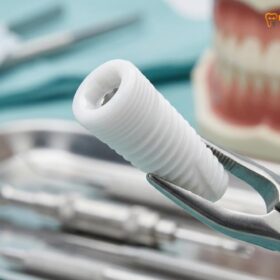
Zirconia implants represent a massive leap forward in biocompatible dental materials. Unlike traditional titanium implants, which are made of metal and can occasionally cause galvanic toxicity or metal hypersensitivity in susceptible individuals, zirconia is a high-strength ceramic. Specifically, Yttria-stabilized tetragonal zirconia polycrystal (Y-TZP) is entirely metal-free, highly aesthetic, and exceptionally tissue-friendly. Because it is an inert material, it does not corrode, release ions into the bloodstream, or conduct electricity within the oral cavity.
“Zirconia ceramics demonstrate superior soft tissue integration and reduced bacterial plaque affinity compared to titanium, making them an optimal choice for biologically driven implantology.”
The clinical comparison between a root-canaled tooth and a zirconia implant is stark. A root-canaled tooth is a dead organ that remains susceptible to structural fracture and recurrent anaerobic infection. In contrast, a zirconia implant is a sterile, inert root replacement. The gum tissue responds exceptionally well to zirconia, forming a tight hemidesmosomal attachment that acts as a robust barrier against oral bacteria. While retaining a natural tooth is always the initial goal of dentistry, retaining a *dead* tooth carries inherent biological compromises. For patients who value systemic wellness and wish to eliminate all potential sources of focal infection, the biological extraction and zirconia implant protocol offers a definitive, health-promoting solution.
When to See a Doctor
Immediate clinical evaluation is necessary if you experience symptoms of a failing root canal or severe pulpitis, as delayed treatment can lead to systemic complications.
Dental infections do not resolve on their own and can rapidly escalate into systemic health threats. You should schedule a consultation with a biological dentist if you experience any of the following symptoms:
- Throbbing, spontaneous pain in a tooth that awakens you at night.
- Prolonged sensitivity to hot or cold temperatures that lingers long after the stimulus is removed.
- Swelling, tenderness, or a recurring pimple-like bump (fistula) on the gums near a tooth.
- Pain when chewing or applying pressure to a specific tooth.
- Unexplained chronic fatigue, joint pain, or systemic inflammation, especially if you have existing root-canaled teeth.
If you suspect a dental infection or wish to evaluate the health of your existing root canals, contact our clinical team for a comprehensive 3D CBCT scan and personalized diagnostic review.
Frequently Asked Questions
Why do holistic dentists avoid root canals?
Holistic dentists often avoid root canals because the procedure leaves a non-vital tooth in the jaw, which can harbor anaerobic bacteria inside microscopic dentinal tubules. These trapped bacteria may release toxins into the bloodstream, potentially contributing to systemic inflammation and affecting overall health. By focusing on the entire body’s wellness, biological dentists prefer treatments that do not leave necrotic tissue behind.
What is vital pulp therapy?
Vital pulp therapy is a proactive dental procedure designed to preserve the living nerve tissue of a tooth after deep decay or trauma. By applying biocompatible materials like MTA or Biodentine, dentists stimulate natural dentin repair, preventing the need for a full root canal. This approach keeps the tooth alive, maintaining its natural immune defenses and structural integrity.
Can bacteria from a root canal affect your heart?
Yes, clinical studies suggest that oral bacteria from chronic dental infections, including failing root canals, can enter the bloodstream. This bacteremia may trigger systemic inflammation, which is a known risk factor for cardiovascular conditions and other systemic health issues. Pathogens like Enterococcus faecalis have been identified in arterial plaques, highlighting the oral-systemic connection.
What is a safe alternative to a root canal?
A safe alternative to a root canal depends on the tooth’s condition. For reversible nerve damage, vital pulp therapy can save the tooth. For irreversible infection, a biological extraction followed by a biocompatible zirconia dental implant is considered the safest holistic approach. This ensures the complete removal of the infection while restoring function with metal-free materials.
How does HCMC Dental make root canals safer?
If a root canal is necessary, HCMC Dental utilizes advanced sterilization protocols, including laser-activated irrigation and ozone therapy, to deeply disinfect the root system. We also use biocompatible, non-toxic bioceramic sealers instead of traditional materials to minimize systemic risks. While no root canal is 100% sterile, these advanced techniques significantly reduce the bacterial load.
References
- Journal of Endodontics. The microbiology of root canal infections and systemic health implications. (2021).
- International Endodontic Journal. Vital pulp therapy: current progress and future perspectives. (2020).
- Clinical Oral Implants Research. Osseointegration and soft tissue response to zirconia dental implants. (2019).
- Journal of Oral and Maxillofacial Surgery. The role of Platelet-Rich Fibrin (PRF) in socket preservation and bone healing. (2022).
- British Dental Journal. Ozone therapy in modern restorative and surgical dentistry. (2018).
For more information on our holistic approaches and to learn about our comprehensive care, please visit our about us page or schedule a consultation today.