Finding a reliable holistic dentist in Vietnam involves seeking clinics that prioritize biocompatible materials, metal-free restorations, and safe mercury removal protocols. For expats and medical tourists, top-tier biological dentistry in Ho Chi Minh City offers international standards, English-speaking specialists, and advanced diagnostic technology designed to support overall systemic health.
Clinical Summary:
Biological dentistry represents a paradigm shift from traditional symptom management to comprehensive systemic healthcare. In Vietnam, the demand for holistic dental care is driven by expatriates and health-conscious patients seeking non-toxic, biocompatible treatments. Key clinical protocols include the Safe Mercury Amalgam Removal Technique (SMART), the use of metal-free zirconia implants, and advanced tissue regeneration using autologous Platelet-Rich Fibrin (PRF). By integrating ozone therapy and avoiding controversial materials, biological dentists ensure that oral interventions support, rather than burden, the patient’s overall immune system and systemic wellness.
Key Takeaways:
- Holistic dentistry treats the mouth as an integrated part of the entire body, focusing on systemic wellness.
- Strict SMART protocols are essential for the safe removal of toxic mercury amalgam fillings.
- Zirconia ceramic implants offer a highly biocompatible, metal-free alternative to traditional titanium.
- Advanced therapies like PRF and ozone promote natural healing and minimize the need for systemic antibiotics.
- Fluent English communication is vital for expats to understand complex biological treatment plans.
The Growing Expat Demand for Holistic Dentistry in Vietnam
The influx of health-conscious expatriates has driven a rapid expansion of biological dental services in Vietnam, focusing on systemic wellness, non-toxic materials, and advanced biocompatible treatments.
In recent years, the landscape of dental care in Southeast Asia has undergone a significant transformation. Patients are no longer satisfied with merely fixing a broken tooth; they are increasingly aware of how oral health directly impacts systemic well-being. This paradigm shift has fueled a massive demand for a holistic dentist in Vietnam, particularly among the expatriate community and international medical tourists. These patients actively seek out practitioners who understand the intricate connections between the oral microbiome, dental materials, and chronic systemic inflammation.
Conventional dentistry has historically relied on materials and techniques that prioritize mechanical durability and cost-effectiveness over biological compatibility. For decades, silver amalgam fillings—which contain approximately 50% elemental mercury—were the standard of care. However, as the understanding of heavy metal toxicity has evolved, health-conscious individuals are demanding safer alternatives. Modern biological clinics cater to this demographic by offering comprehensive care that strictly avoids the use of mercury, BPA-heavy plastics, and other potentially reactive substances.
Furthermore, the holistic approach extends beyond just the materials used. It encompasses a broader philosophy of minimally invasive care. For instance, rather than defaulting to aggressive chemical treatments, biological practitioners often explore safe alternatives to fluoride, utilizing remineralizing agents that work in harmony with the body’s natural physiological processes. This comprehensive view of patient health is what distinguishes a standard dental visit from a true biological healing experience.
“The mouth is not an isolated ecosystem; it is the gateway to the body. Every material placed in the oral cavity and every surgical intervention performed has a profound, cascading effect on the patient’s systemic immune response and overall vitality.”
Identifying a Qualified English-Speaking Biological Dentist
A qualified biological dentist must possess specialized training in biocompatible materials and safe extraction protocols, coupled with fluent English for precise clinical communication.
Locating a highly skilled biological dentist requires more than a simple internet search. The term “holistic” is sometimes used loosely as a marketing buzzword, making it imperative for patients to rigorously vet their prospective providers. A truly qualified biological dentist operates under a specific set of clinical guidelines that prioritize the patient’s systemic health above all else. This includes a deep understanding of immunology, toxicology, and advanced surgical techniques designed to minimize trauma and promote rapid, natural healing.
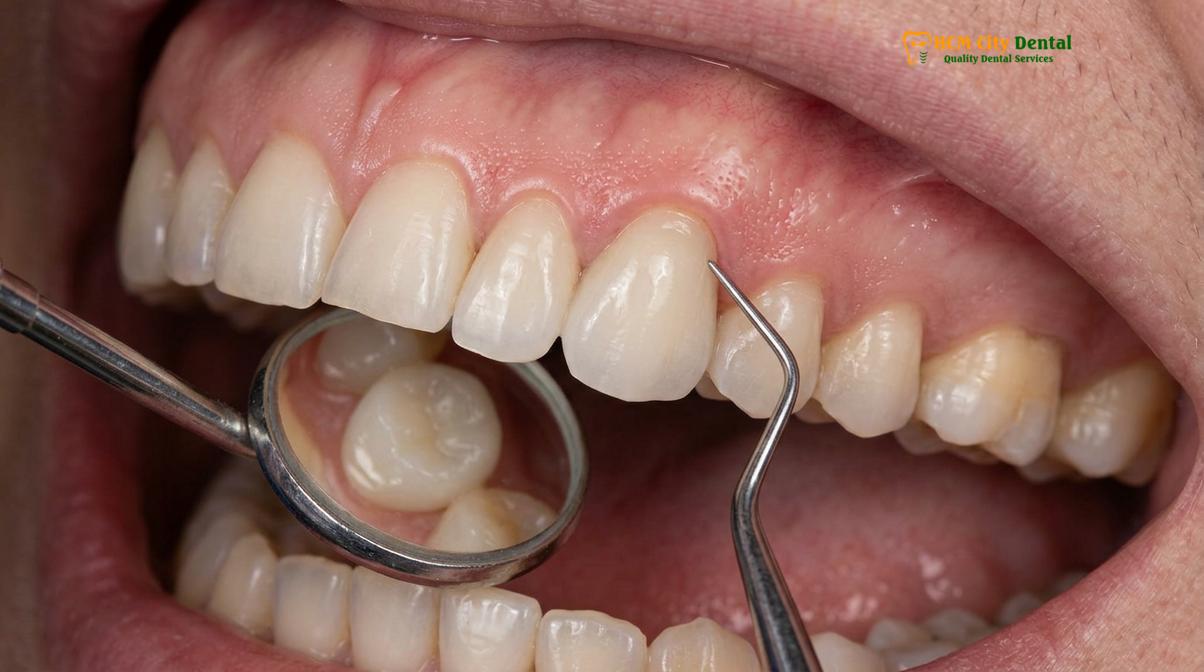
One of the primary indicators of a qualified practitioner is their approach to chronic oral infections. Conventional dentistry often relies heavily on root canal therapy to retain dead teeth. However, biological dentists recognize that root-canal-treated teeth can harbor anaerobic bacteria in the dentinal tubules, potentially releasing highly toxic metabolic byproducts into the bloodstream. A qualified holistic practitioner will offer comprehensive diagnostics to assess the viability of a tooth and provide alternative solutions, such as safe extractions followed by the placement of biocompatible implants, while utilizing advanced biological gum disease treatments to ensure the surrounding periodontium is entirely free of infection.
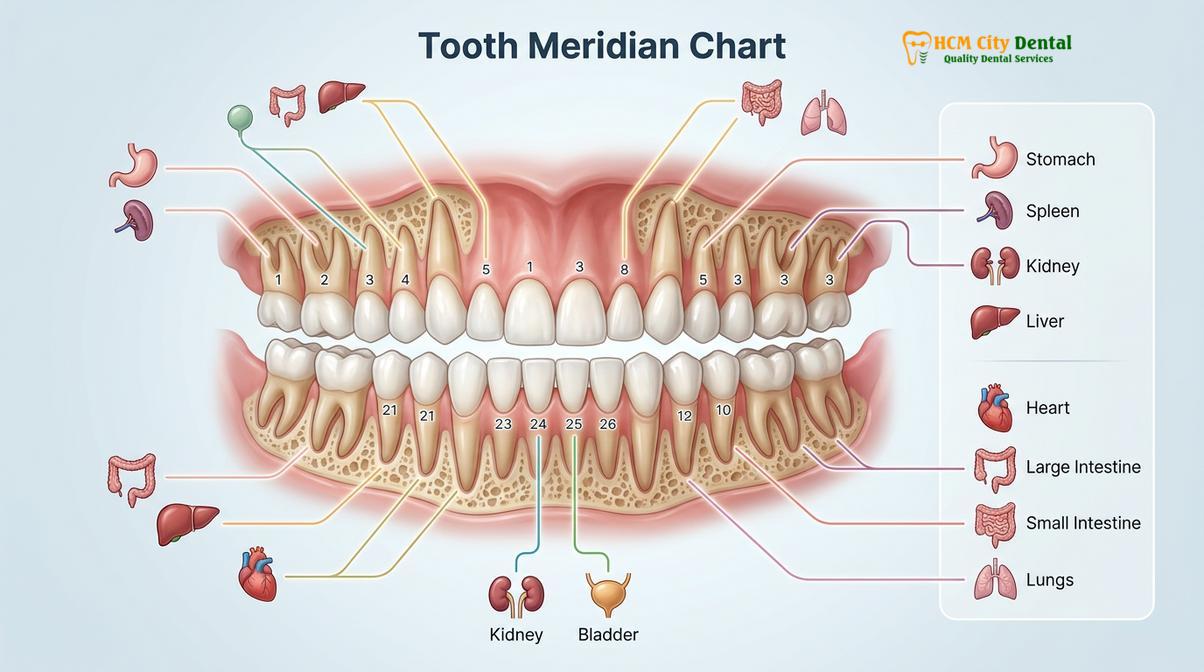
For international patients, finding a foreigner-friendly holistic dentist is also about overcoming the language barrier. Complex medical concepts, such as galvanic toxicity (the electrical currents created by mixed metals in the mouth) or the intricacies of the tooth-organ meridian system, require precise and nuanced explanation. A dentist who speaks fluent English ensures that the patient is fully informed about the risks, benefits, and biological rationale behind every proposed treatment, fostering a relationship built on trust and informed consent.
Key Certifications and Associations: What to Look For
Verifying credentials such as IAOMT affiliation ensures the clinic adheres to strict international safety standards for mercury removal and biocompatible material usage.
When evaluating a holistic dental practice, professional affiliations serve as a critical benchmark for quality and safety. The most prominent organization in this field is the International Academy of Oral Medicine and Toxicology (IAOMT). An IAOMT-standard dentist has undergone rigorous training in the biological sciences and is certified in specific safety protocols that protect both the patient and the dental staff from toxic exposures. Furthermore, reputable clinics align their practices with the safety recommendations outlined by the Vietnam Odonto-Stomatology Association (VOSA) regarding biocompatible dental materials[6].
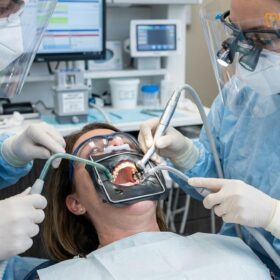
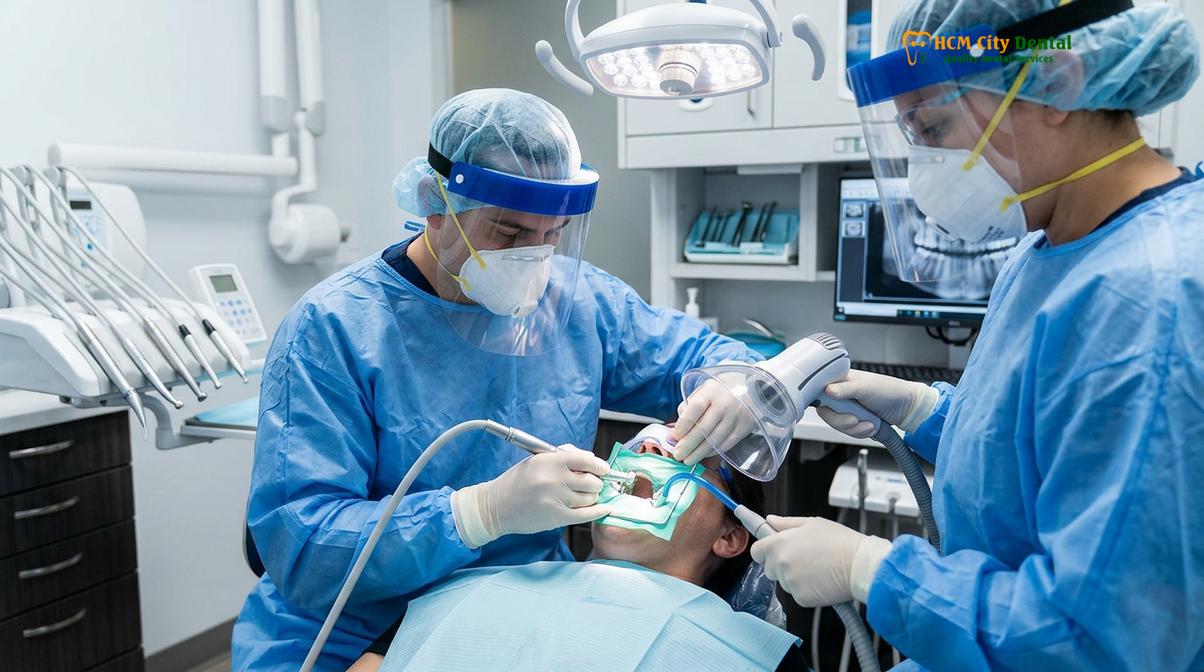
The cornerstone of IAOMT certification is the Safe Mercury Amalgam Removal Technique (SMART). Removing an old amalgam filling generates highly toxic mercury vapor and particulate matter. Without proper precautions, this exposure can cause acute heavy metal toxicity. The SMART protocol mandates a highly specific workflow: the use of a non-latex dental dam to isolate the tooth, an alternative air source (oxygen or medical air) for the patient to breathe, high-volume aerosol vacuums placed near the patient’s mouth, copious amounts of water to cool the filling, and the “chunking” method to remove the amalgam in large pieces rather than grinding it into a fine powder[2].
| Clinical Aspect | Conventional Dentistry | Biological / Holistic Dentistry |
|---|---|---|
| Material Selection | Often uses amalgam (mercury), titanium, and BPA composites. | Strictly metal-free, BPA-free, utilizing zirconia and biocompatible ceramics. |
| Amalgam Removal | Standard suction, high risk of mercury vapor inhalation. | Strict SMART protocol with full isolation and alternative air supply. |
| Infection Control | Heavy reliance on systemic antibiotics and chemical rinses. | Utilizes medical ozone therapy and laser disinfection. |
| Surgical Healing | Standard suturing, synthetic bone grafts. | Uses autologous PRF (Platelet-Rich Fibrin) for accelerated natural healing. |
Beyond mercury removal, biological dentists are also trained to identify and treat hidden jawbone infections, often referred to as cavitations or NICO (Neuralgia-Inducing Cavitational Osteonecrosis). These ischemic bone lesions typically occur at the sites of previous extractions, particularly wisdom teeth, where the bone failed to heal properly. Diagnosing and treating these hidden infections requires specialized 3D Cone Beam Computed Tomography (CBCT) imaging and precise surgical debridement. Patients suffering from unexplained systemic symptoms often find relief after addressing these jawbone cavitations.
Clinic Inspections: Verifying Material Sourcing and Air Quality Tech
A true biological clinic invests heavily in medical-grade air filtration, amalgam separators, and verifiable sourcing for metal-free, biocompatible dental materials.
The physical infrastructure of a dental clinic speaks volumes about its commitment to biological principles. When seeking a holistic dentist in Vietnam, patients should look for specific technological investments that ensure a safe, non-toxic environment. Standard dental offices often have poor air quality due to the continuous aerosolization of dental materials, bacteria, and chemical disinfectants. In contrast, a biological clinic is engineered for environmental purity.
Medical-grade air filtration is non-negotiable. Clinics must utilize advanced HEPA and carbon filtration systems, often combined with negative ion generators, to continuously scrub the ambient air of mercury vapor, volatile organic compounds (VOCs), and biological aerosols. Furthermore, environmental responsibility is a key tenet of holistic practice; clinics must have specialized amalgam separators installed in their wastewater lines to prevent extracted mercury from contaminating the local municipal water supply.
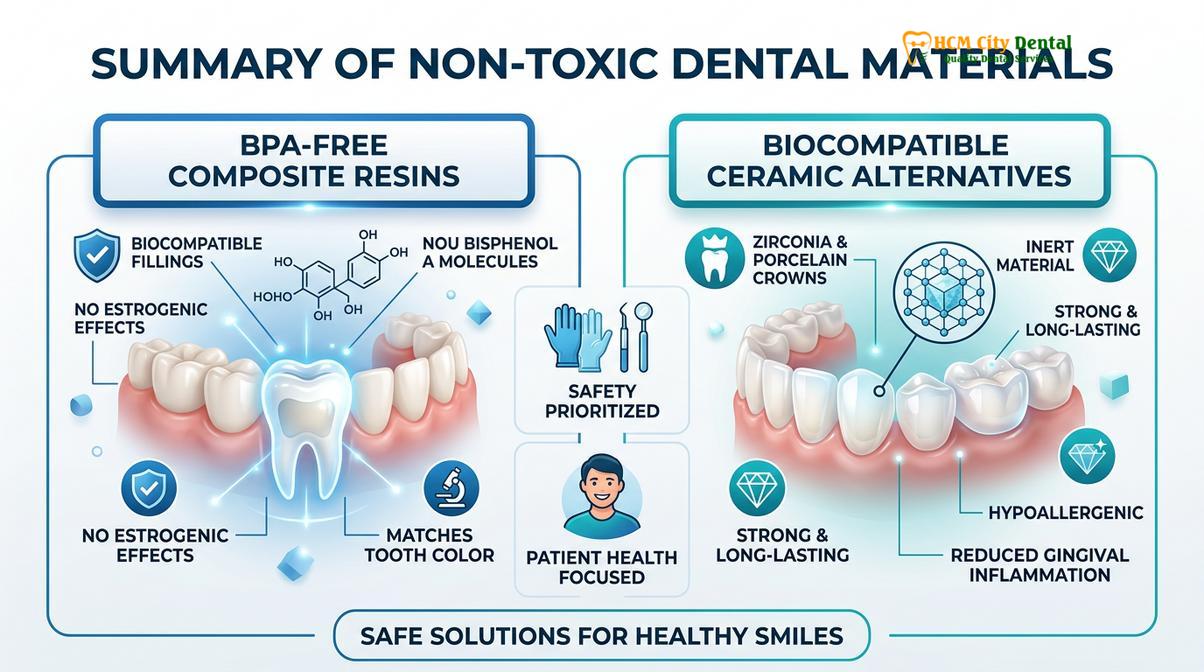
Material sourcing is equally critical. Biological dentistry heavily favors Zirconia (zirconium dioxide) over traditional titanium for dental implants. Zirconia is a highly biocompatible, non-metallic ceramic that eliminates the risk of galvanic toxicity and titanium hypersensitivity, which affects a subset of the population[5], while promoting excellent osseointegration[1]. Zirconia implants also offer superior aesthetics, as they are white and do not cause the dark gingival shadowing sometimes seen with titanium. Furthermore, advanced clinics utilize autologous blood concentrates to enhance surgical outcomes. By drawing a small amount of the patient’s blood and centrifuging it, the dentist can create a PRF (Platelet-Rich Fibrin) membrane. This matrix is rich in leukocytes and growth factors, significantly accelerating bone and soft tissue regeneration without the need for synthetic or animal-derived grafting materials[4].
Communication Quality: English Medical Reports and Consultations
Transparent, fluent English communication is critical for expats to fully understand their biological treatment plans, material choices, and systemic health implications.
In the realm of biological dentistry, the consultation is not merely a brief overview of necessary fillings; it is an in-depth medical interview. The dentist must understand the patient’s complete medical history, including autoimmune conditions, allergies, heavy metal exposure, and chronic inflammatory symptoms. This level of detailed anamnesis requires exceptional communication skills. For expatriates and medical tourists, finding a clinic where the entire staff speaks fluent English is paramount to ensuring safe and effective care.
A high-quality biological clinic will provide comprehensive, written medical reports in English. These reports should detail the findings of 3D CBCT scans, outline the proposed treatment phases, and explicitly list the materials to be used. Transparency is a core value; patients have the right to request the Material Safety Data Sheets (MSDS) for any composite resin, bonding agent, or ceramic block that will be permanently placed in their bodies. This allows patients to verify that the materials are free of Bisphenol A (BPA), Bis-GMA, and other endocrine-disrupting chemicals.
Furthermore, holistic dentistry often explores the structural relationship between the jaw and the rest of the body. Misalignments in the temporomandibular joint (TMJ) can lead to chronic headaches, neck pain, and even postural distortions. Explaining the biomechanics of the TMJ and posture connection requires a practitioner who can articulate complex anatomical concepts clearly. When a patient fully understands the biological rationale behind a treatment, compliance increases, and clinical outcomes improve significantly.
Why Dr. Cuong and HCMC Dental Lead Expat Holistic Care
Combining advanced biological protocols with extensive experience treating international patients, Dr. Cuong and HCMC Dental Clinic provide unparalleled holistic dental care in Saigon.
Navigating the healthcare landscape in a foreign country can be daunting, but institutions like HCMC Dental Clinic in Ho Chi Minh City have established themselves as sanctuaries for biological healing. The clinic’s philosophy is deeply rooted in the understanding that oral health is the foundation of systemic vitality. By integrating state-of-the-art diagnostic technology with uncompromising material safety standards, the clinic offers a level of care that meets rigorous international biological standards.
At the forefront of this clinical excellence is Dr. Nguyen Van Cuong. With extensive training in holistic protocols and a deep commitment to patient education, Dr. Cuong has become a trusted figure for expats seeking biological care. His approach is highly individualized, emphasizing biocompatibility testing and meticulous surgical planning to ensure that every intervention supports the patient’s unique physiological terrain.
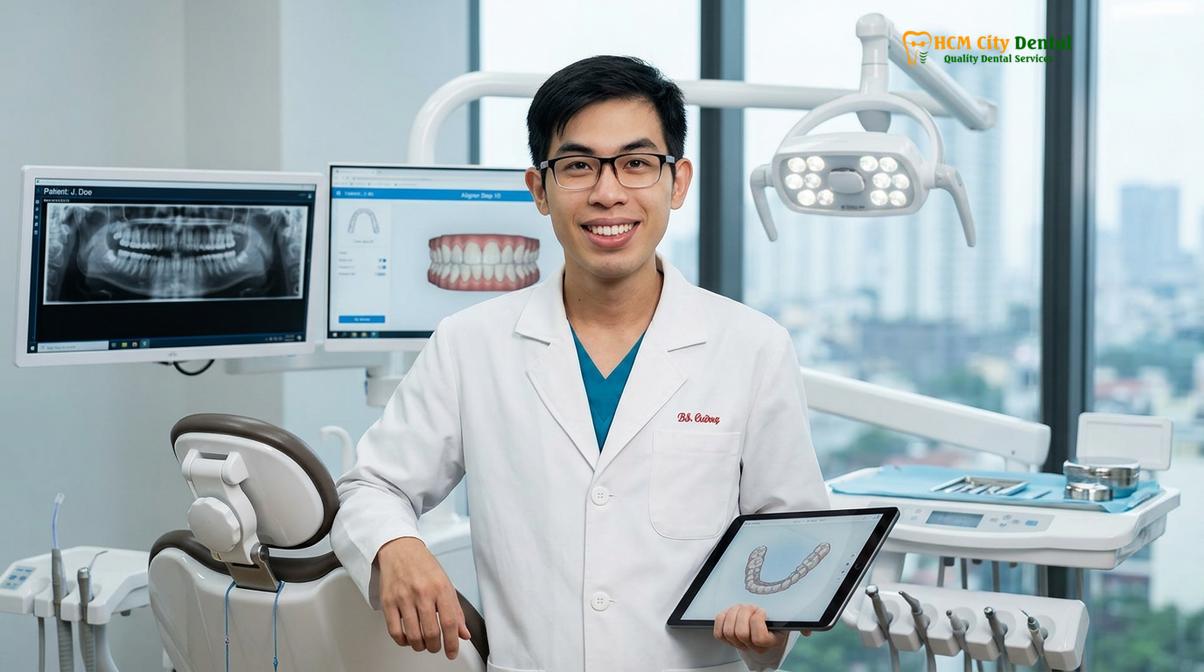
Clinical Case Study: A 42-year-old expatriate presented to HCMC Dental Clinic in Ho Chi Minh City with chronic fatigue, metallic taste, and localized jaw pain. 3D CBCT imaging by Dr. Cuong revealed a hidden cavitation from a previous wisdom tooth extraction and three deteriorating amalgam fillings. Utilizing the SMART protocol, the amalgams were safely replaced with BPA-free ceramics. The cavitation was surgically debrided and grafted using autologous PRF and medical ozone. Within weeks, the patient reported a significant reduction in systemic fatigue and complete resolution of jaw pain.
“True dental healing occurs when we stop viewing teeth as inert mechanical pegs and start treating them as vital, living organs intimately connected to the body’s vascular, lymphatic, and nervous systems.”
When to Consult a Biological Dentist
Recognizing the signs of oral toxicity or chronic dental infections is the first step toward reclaiming your systemic health through biological dentistry.
Patients should consider scheduling a consultation with a holistic dentist if they experience unexplained systemic symptoms that may be linked to their oral health. Common indicators include a persistent metallic taste in the mouth, chronic fatigue, localized jaw pain, or a history of multiple root canals and amalgam fillings. Additionally, individuals diagnosed with autoimmune conditions often seek biological care to remove potential immunological burdens, such as heavy metals or hidden cavitations.
If you require the removal of old silver fillings, it is critical to seek a practitioner trained in the SMART protocol to prevent acute mercury exposure. Biological dentists also utilize medical ozone therapy to manage localized infections without over-relying on systemic antibiotics[3]. By addressing these issues proactively, patients can significantly reduce chronic inflammation and support their body’s natural healing capacity.
If you are seeking comprehensive biological care, schedule a consultation for General Dentistry at HCMC Dental Clinic, Ho Chi Minh City to explore your non-toxic treatment options.
References
- Journal of Oral and Maxillofacial Surgery. Biocompatibility of zirconium dioxide dental implants.
- International Journal of Oral and Maxillofacial Surgery. Safe Mercury Amalgam Removal Technique (SMART) protocol guidelines.
- British Dental Journal. Ozone therapy in restorative dentistry: a clinical review.
- Journal of the American Dental Association. Platelet-rich fibrin (PRF) in oral surgery and bone grafting.
- Clinical Oral Investigations. Titanium allergy and metal hypersensitivity in dental implantology.
- Vietnam Odonto-Stomatology Association (VOSA). Guidelines on biocompatible dental materials and patient safety protocols.
For pricing, booking, and a free clinical assessment, visit our Biological Dentistry service page at HCMC Dental Clinic in Ho Chi Minh City.