The connection between the temporomandibular joint (TMJ) and body posture is a complex biomechanical relationship where jaw misalignment directly influences cervical spine stability. A compromised bite forces the neck and shoulder muscles to compensate, leading to chronic pain, forward head posture, and systemic musculoskeletal dysfunction.
Clinical Summary:
The TMJ posture connection highlights the profound structural interdependence between the jaw, the cranium, and the cervical spine. When malocclusion or temporomandibular joint dysfunction occurs, the body instinctively alters head posture to maintain a functional airway and visual horizon. This compensatory mechanism, often manifesting as forward head posture, places immense chronic strain on the neck, shoulders, and upper back. Clinical management requires a comprehensive approach, utilizing custom orthotic splints and neuromuscular bite rebalancing to decompress the jaw joint, relieve trigeminal nerve irritation, and facilitate the realignment of the global spinal column.
Key Takeaways:
- The jaw and cervical spine operate as a unified biomechanical system; dysfunction in one inevitably affects the other.
- A misaligned bite often triggers forward head posture, leading to chronic neck and shoulder tension.
- The trigeminal nerve pathways link jaw pain to severe tension headaches and facial discomfort.
- Custom orthotic splints can decompress the TMJ, allowing the neck muscles to relax and posture to improve.
- Effective treatment frequently involves collaborative care between holistic dentists and physical therapists.
The Mouth-Body Mechanics: Understanding TMJ and Posture
The temporomandibular joint and the cervical spine operate as a unified functional complex. When the jaw is misaligned, the surrounding musculature alters head posture to maintain balance, triggering a cascade of structural compensations throughout the body.
To fully grasp the TMJ posture connection, one must look beyond the mouth and understand the intricate anatomy of the craniocervical mandibular system. The temporomandibular joint is not an isolated hinge; it is a highly complex, bilateral joint suspended by a network of ligaments, muscles, and fascia that directly attach to the skull, the hyoid bone, and the cervical spine. This anatomical web ensures that every movement of the jaw—whether chewing, speaking, or swallowing—requires coordinated stabilization from the neck and upper back.
When the jaw is in its optimal resting position, the head sits squarely on the atlas (the first cervical vertebra, C1), and the center of gravity passes seamlessly down the spine. However, if the TMJ is compromised due to trauma, chronic teeth grinding, or structural imbalances, this delicate equilibrium is shattered. The masticatory muscles, particularly the masseter and temporalis, become hyperactive and inflamed. Because these muscles are neurologically and mechanically linked to the deep cervical flexors and the suboccipital muscles, tension in the jaw rapidly translates into tension in the neck.
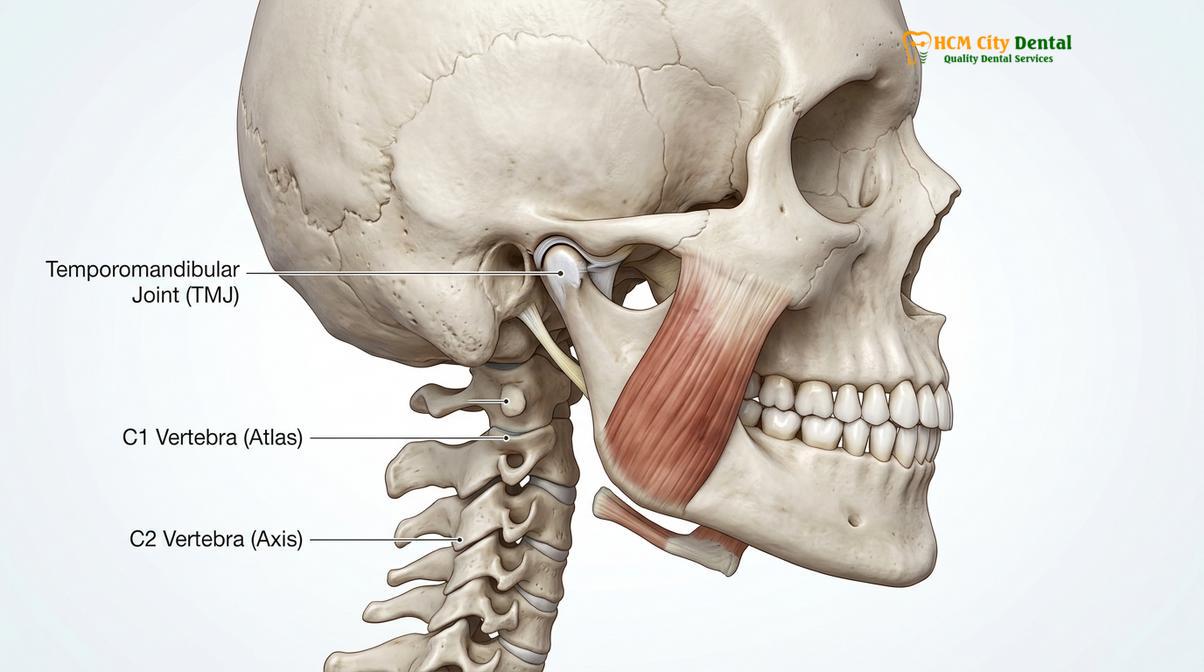
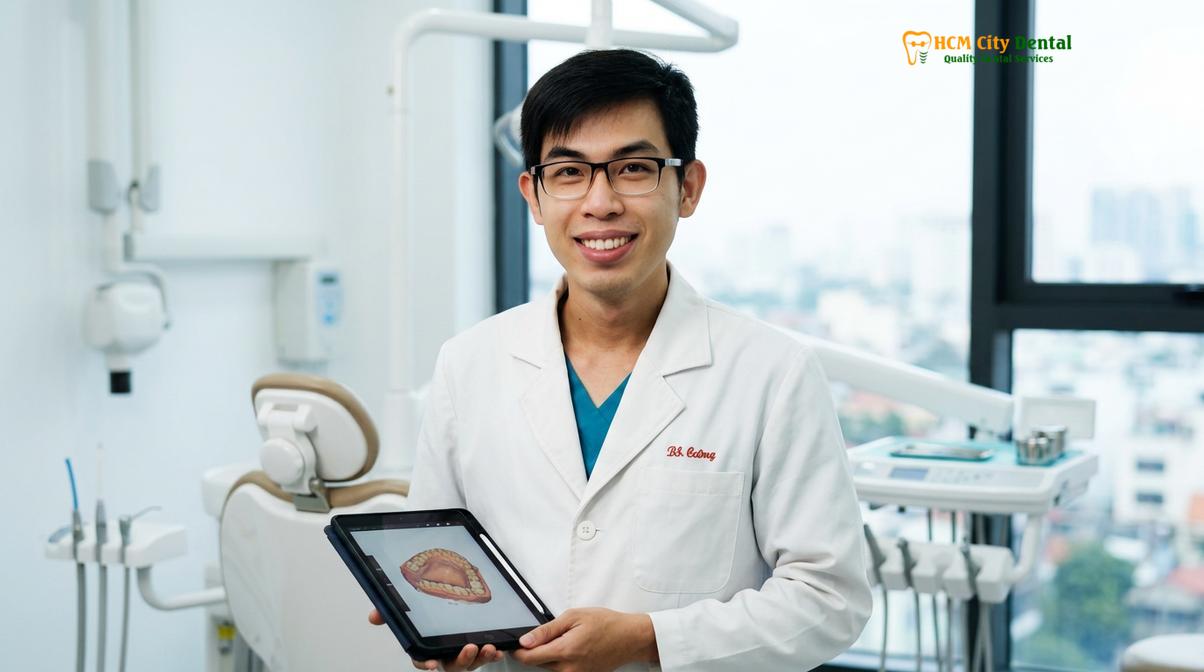
Dr. Nguyen Van Cuong, a leading expert in craniomandibular health, emphasizes that evaluating a patient with chronic jaw pain requires looking at the entire structural chain. “We cannot treat the jaw in a vacuum,” notes Dr. Cuong. “The position of the mandible dictates the posture of the head, and the posture of the head dictates the alignment of the spine.” This holistic perspective is foundational to biological dentistry, which seeks to understand how oral conditions impact systemic wellness. By recognizing the jaw as the upper anchor of the body’s postural chain, clinicians can better diagnose the root causes of chronic musculoskeletal pain rather than merely treating isolated symptoms [1].
How Malocclusion (Bad Bite) Triggers Spinal Misalignment
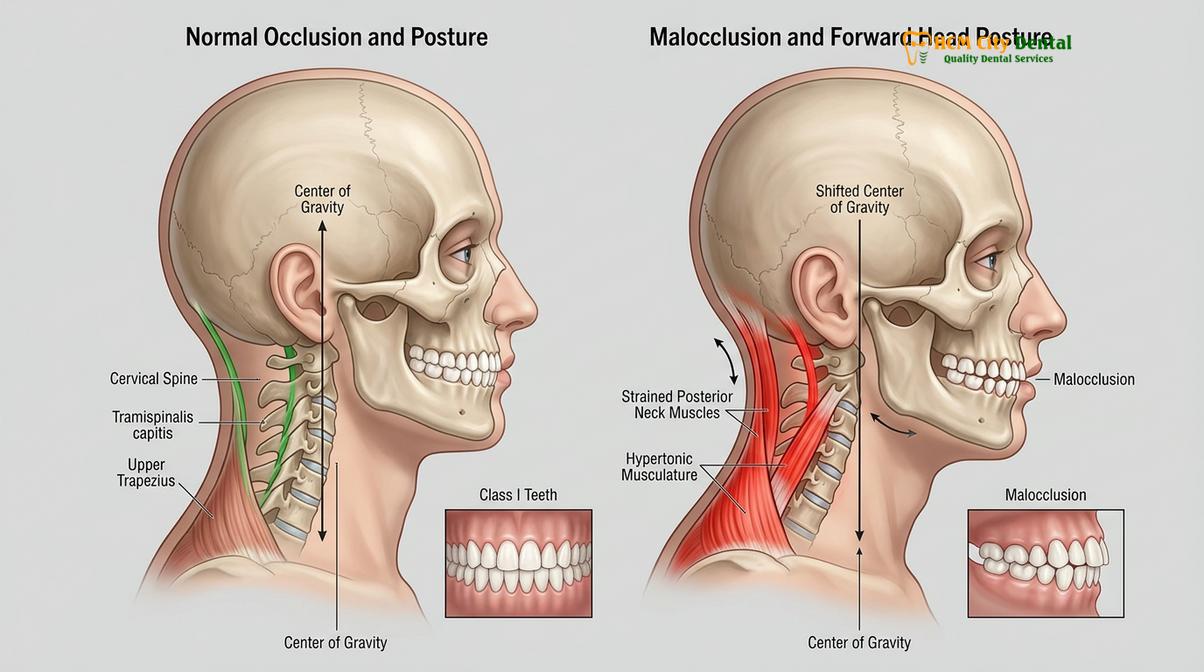
An improper bite forces the lower jaw into an unnatural resting position, which shifts the head’s center of gravity forward. This descending dysfunction places immense strain on the cervical spine, eventually altering global spinal alignment.
Malocclusion, commonly known as a “bad bite,” occurs when the upper and lower teeth do not fit together harmoniously. This can result from missing teeth, improper dental restorations, genetic jaw discrepancies, or a loss of vertical dimension of occlusion (VDO) due to severe tooth wear. When the teeth do not interlock correctly, the lower jaw (mandible) is forced to shift—often backward or to one side—just to allow the patient to chew and close their mouth completely.
This forced mandibular shift has profound postural consequences. When the lower jaw is pushed backward, it encroaches on the airway space behind the tongue. To compensate and keep the airway open, the body instinctively tilts the head upward and pushes the neck forward. This phenomenon is clinically recognized as forward head posture (FHP), colloquially known as “tech neck.” For every inch the head moves forward from its ideal center of gravity, the perceived weight of the head on the cervical spine effectively doubles. This places an extraordinary, unrelenting burden on the posterior neck muscles, particularly the upper trapezius and the sternocleidomastoid [2].
“A misaligned bite acts as a constant structural stressor. The body will always prioritize breathing and visual orientation over musculoskeletal comfort, willingly sacrificing spinal alignment to maintain an open airway and a level gaze.”
This chain reaction is known as a “descending postural dysfunction.” The problem originates in the stomatognathic system (the mouth and jaws) and cascades downward, causing the shoulders to round, the upper back to hunch (kyphosis), and eventually altering the curvature of the lower back and the tilt of the pelvis. Patients suffering from jaw alignment neck pain often spend years seeking relief through massages or chiropractic adjustments, only to find the pain returning because the primary structural trigger—the malocclusion—remains unaddressed. Correcting the bite is therefore a critical step in restoring global spinal stability.
Symptoms of the TMJ-Postural Link (Headaches, Neck Pain, Scoliosis)
Patients with TMJ-postural dysfunction frequently experience a triad of symptoms: chronic tension headaches, persistent neck and shoulder stiffness, and in severe cases, functional scoliosis driven by muscular asymmetry.
The symptoms arising from the TMJ posture connection are vast and often misdiagnosed, as they mimic various other orthopedic and neurological conditions. Because the craniomandibular system is so deeply integrated with the rest of the body, dysfunction here rarely remains localized to the jaw joint itself. Patients frequently present to medical professionals with a constellation of systemic complaints, unaware that their teeth and jaw alignment are the underlying culprits.
One of the most prevalent symptoms is chronic tension headaches. When the jaw muscles are overworked due to a misaligned bite, they refer pain upward into the temples and the forehead. This is often accompanied by severe neck and shoulder pain, as the cervical muscles remain in a constant state of spasm trying to support the forward-shifted head. Over time, this chronic muscular tension can lead to the development of myofascial trigger points—hyperirritable nodules within the muscle fascia that cause deep, aching pain [3].
In more advanced cases, the unilateral strain caused by chewing predominantly on one side (often due to a painful or missing tooth) can lead to significant muscular asymmetry. This uneven pull on the cervical and thoracic spine can contribute to functional scoliosis, where the spine develops a lateral curvature not due to bone deformity, but due to unbalanced muscle forces. Furthermore, the close proximity of the TMJ to the inner ear means that structural inflammation can affect the vestibulocochlear system, leading to symptoms like tinnitus (ringing in the ears), ear fullness, and unexplained vertigo.
| Symptom Category | Specific Clinical Signs | Biomechanical Cause |
|---|---|---|
| Craniofacial | Jaw clicking, limited opening, facial fatigue | Disc displacement, masseter/temporalis hyperactivity |
| Neurological | Tension headaches, migraines, tinnitus | Trigeminal nerve irritation, referred myofascial pain |
| Cervical/Spinal | Neck stiffness, shoulder pain, forward head posture | Overworked cervical flexors, altered center of gravity |
| Global Postural | Uneven shoulders, pelvic tilt, functional scoliosis | Descending muscular asymmetry and fascial tension |
Understanding the link between tmj and spinal posture is essential for accurate diagnosis. A comprehensive clinical evaluation must look beyond the teeth to assess shoulder height, head tilt, and cervical range of motion, ensuring that all interconnected symptoms are addressed simultaneously.
The Role of the Trigeminal Nerve in Systemic Pain
The trigeminal nerve, which innervates the jaw, shares a neural pathway with the upper cervical nerves in the brainstem. This anatomical overlap explains why jaw dysfunction frequently refers severe pain to the neck, head, and shoulders.
To truly comprehend why a bad bite causes such widespread discomfort, one must examine the neuroanatomy of the head and neck, specifically the trigeminal nerve (Cranial Nerve V). The trigeminal nerve is the largest and most complex of the cranial nerves, responsible for providing sensory innervation to the face, teeth, and temporomandibular joint, as well as motor innervation to the muscles of mastication.
The critical link between the jaw and the rest of the body lies in the brainstem, specifically within a structure called the trigeminocervical nucleus. In this region, the sensory nerve fibers from the trigeminal nerve converge with the sensory fibers from the upper cervical spinal nerves (C1, C2, and C3). Because these nerve pathways physically intersect and share the same processing center in the brain, the central nervous system often struggles to pinpoint the exact origin of incoming pain signals. This phenomenon is known as “referred pain” [4].
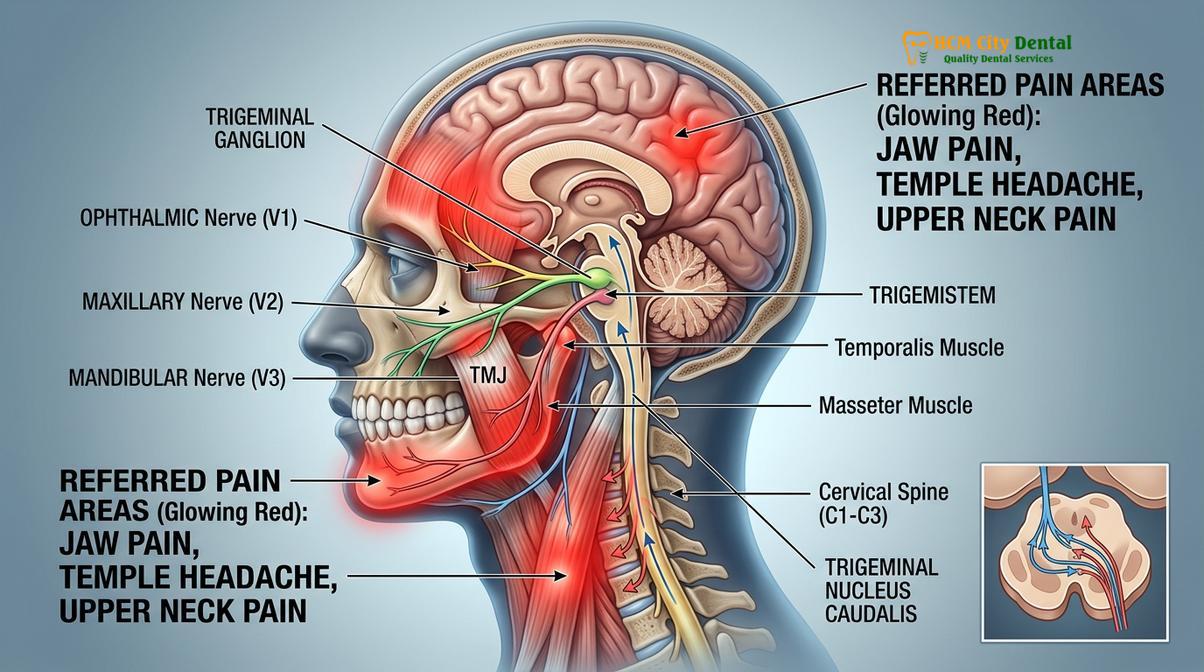
When a patient suffers from malocclusion or TMJ dysfunction, the trigeminal nerve is constantly bombarded with noxious stimuli from inflamed joint tissues and spasming jaw muscles. These intense pain signals travel to the trigeminocervical nucleus, where they “spill over” into the cervical nerve pathways. As a result, the brain perceives the pain as originating not just in the jaw, but also in the neck, the back of the head (occipital region), and the shoulders. This is the primary neurological mechanism behind bite correction headaches; by stabilizing the bite, the continuous irritation of the trigeminal nerve is halted, thereby eliminating the referred pain to the head and neck.
Clinical Warning: Chronic irritation of the trigeminal nerve can lead to “central sensitization,” a condition where the central nervous system becomes highly reactive, amplifying pain signals and making the body hypersensitive to even normal touch or movement. Early intervention is crucial to prevent acute jaw pain from transitioning into a chronic, systemic pain syndrome.
Furthermore, the motor branch of the trigeminal nerve controls the tension of the jaw muscles. If the bite is unbalanced, the nerve continuously fires to keep the muscles engaged, preventing them from resting even during sleep. This relentless neurological loop of muscle contraction and nerve irritation is why patients with TMJ disorders often wake up feeling exhausted, with stiff necks and throbbing temples, despite having slept for a full eight hours.
Holistic TMJ Therapy: Orthotic Splints and Bite Rebalancing
Treating posture-related jaw pain requires realigning the bite to its optimal neuromuscular position. Custom orthotic splints and comprehensive bite rebalancing relieve joint pressure, allowing the cervical spine to return to a neutral posture.
Addressing the complex interplay between the jaw and the spine requires a sophisticated, multifaceted approach. Traditional dentistry often focuses solely on the teeth, but treating TMJ-postural dysfunction demands a neuromuscular perspective. The goal of holistic tmj splint therapy saigon is not merely to protect the teeth from grinding, but to actively decompress the temporomandibular joint, relax the hyperactive masticatory muscles, and establish a stable, balanced bite that supports proper head and neck posture.
The first line of defense in this therapeutic workflow is often the fabrication of a custom oral appliance. Unlike generic, over-the-counter mouthguards that can actually exacerbate muscle tension by encouraging chewing behavior, clinical-grade nightguards and stabilization splints are precisely engineered. These hard acrylic devices are designed to provide a frictionless surface for the opposing teeth. By temporarily disengaging the upper and lower teeth, the splint breaks the neurological feedback loop that causes muscle spasms. This allows the lower jaw to naturally settle into its most relaxed, physiologically neutral position, free from the dictates of the malocclusion [5].
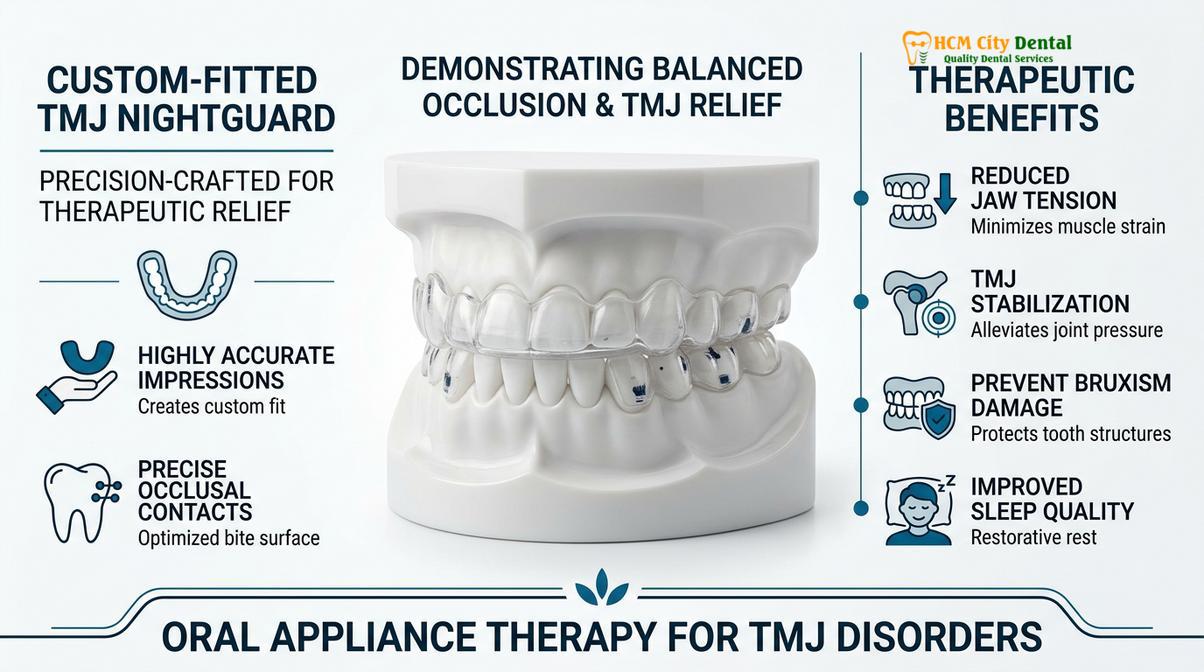
Once the jaw muscles have relaxed and the joint inflammation has subsided, the dentist can accurately assess the true discrepancy between the patient’s habitual bite and their optimal neuromuscular bite. From there, comprehensive bite rebalancing (occlusal equilibration) may be performed. This can involve subtle reshaping of the tooth enamel, utilizing restorative dentistry techniques like crowns or onlays to rebuild lost vertical dimension, or employing orthodontic movement to permanently align the teeth into a supportive arch.
Clinical Case Study: A 42-year-old patient visited HCMC Dental Clinic in Ho Chi Minh City complaining of severe, daily tension headaches and chronic neck stiffness that had not responded to years of physical therapy. Dr. Nguyen Van Cuong conducted a comprehensive craniomandibular evaluation, revealing a deep overbite that forced the mandible backward, compressing the TMJ and triggering forward head posture. The patient was fitted with a custom neuromuscular orthotic splint to wear continuously. Within four weeks, the decompression of the joint allowed the cervical muscles to relax. The patient reported an 80% reduction in headache frequency and a noticeable improvement in upright spinal posture, demonstrating the profound impact of bite correction on global body alignment.
This biological approach ensures that the dental interventions do not just mask the symptoms but actively contribute to the structural healing of the entire body. By restoring the proper vertical dimension and ensuring even occlusal contacts, the jaw can finally act as a stable anchor, allowing the neck and shoulder muscles to release their compensatory tension.
Collaborative Care: Dentists and Chiropractors Working Together
Because the jaw and spine are mechanically linked, resolving chronic TMJ and postural issues often requires a multidisciplinary approach. Dentists correct the bite while physical therapists or chiropractors realign the spinal column.
Given the intricate descending and ascending pathways of postural dysfunction, isolated treatments often yield incomplete results. A patient may receive a perfectly calibrated dental splint, but if their cervical spine remains locked in a forward head posture due to years of muscle memory and fascial restriction, the jaw will struggle to maintain its new, healthy position. Conversely, a patient may receive excellent chiropractic adjustments to their neck and spine, but if their malocclusion continues to force the jaw backward every time they swallow, the spinal misalignments will inevitably return.
This reality underscores the necessity of collaborative, multidisciplinary care. Holistic dentists frequently co-manage patients with physical therapists, osteopaths, and chiropractors to ensure that both ends of the craniocervical system are addressed simultaneously. While the dentist focuses on stabilizing the stomatognathic system through orthotics and bite correction, the physical therapist works to release myofascial trigger points in the trapezius and sternocleidomastoid, mobilize the cervical vertebrae, and prescribe exercises to strengthen the deep neck flexors and core musculature.
“True structural rehabilitation requires a two-pronged approach. The dental orthotic provides the necessary joint decompression from the top down, while targeted physical therapy rebuilds postural stability from the bottom up. Together, they break the cycle of chronic pain.”
This synergistic approach accelerates the healing process. As the bite becomes more stable, spinal adjustments hold longer; as the posture improves, the jaw muscles relax more fully. Patients are also educated on ergonomic lifestyle modifications, such as proper computer screen height, supportive sleep positions, and mindful breathing techniques, all of which play a crucial role in maintaining the delicate balance between the jaw and the body.
When to See a Doctor
While minor jaw fatigue or occasional neck stiffness can sometimes be managed with rest and warm compresses, certain symptoms indicate a more severe craniomandibular dysfunction that requires professional medical evaluation. You should seek immediate clinical assessment if you experience:
- A jaw that frequently locks in either an open or closed position.
- Severe, sharp pain in the jaw joint when chewing or speaking.
- Chronic tension headaches that do not respond to standard pain medications.
- Unexplained dizziness, vertigo, or ringing in the ears (tinnitus) accompanied by jaw stiffness.
- Radiating pain or numbness extending from the neck down into the shoulders and arms.
If you are experiencing these symptoms, a comprehensive evaluation of your bite and posture is essential. We encourage you to contact our team at HCMC Dental Clinic in Ho Chi Minh City for a personalized diagnostic consultation. Our specialists will utilize advanced imaging and neuromuscular assessments to determine the root cause of your discomfort and design a targeted, holistic treatment plan.
Frequently Asked Questions
Can TMJ affect your posture?
Yes, temporomandibular joint dysfunction can directly affect your posture by forcing the head and neck into unnatural compensatory positions. Because the jaw and cervical spine share complex muscular and neurological connections, a misaligned bite often leads to forward head posture, rounded shoulders, and global spinal imbalances over time. When the jaw is out of alignment, the body sacrifices spinal neutrality to keep the airway open and the eyes level, resulting in chronic postural strain.
Can a bad bite cause neck and shoulder pain?
Absolutely. A bad bite, or malocclusion, forces the masticatory muscles to overwork, which subsequently strains the interconnected muscles of the neck and shoulders. This continuous muscular tension creates a chain reaction of fatigue and spasms, frequently resulting in chronic neck stiffness and radiating shoulder pain. The muscles of the jaw and neck operate as a single functional unit; therefore, instability in the dental arch inevitably leads to instability and pain in the cervical region.
What are the symptoms of TMJ-related posture issues?
Common symptoms of TMJ-related posture issues include chronic tension headaches, persistent neck and upper back pain, facial muscle fatigue, and a noticeable forward head posture. Patients may also experience jaw clicking, tinnitus, unexplained dizziness, and uneven shoulder heights due to the body’s attempt to stabilize the misaligned craniomandibular system. These symptoms often worsen throughout the day as the muscles become increasingly fatigued from supporting the structural imbalance.
How do holistic dentists treat TMJ?
Holistic dentists treat TMJ by addressing the root biomechanical and neuromuscular causes rather than just masking the pain. Treatment typically involves custom orthotic splints to decompress the joint, bite rebalancing therapies, and collaborative care with physical therapists or chiropractors to ensure both the jaw and the cervical spine are properly aligned. This comprehensive approach aims to restore optimal function to the entire craniocervical system, promoting long-term healing and systemic wellness.
Does TMJ treatment cure chronic headaches?
While no medical treatment can guarantee a universal cure, TMJ therapy has a high success rate in significantly reducing or eliminating chronic tension headaches. By correcting jaw alignment and relieving pressure on the trigeminal nerve, dental orthotics and bite balancing directly address the muscular and neurological triggers of these headaches. Once the hyperactive jaw muscles are allowed to relax and the referred pain pathways are quieted, patients typically experience profound and lasting relief from headache symptoms.
References
- Journal of Oral Rehabilitation. The relationship between craniocervical posture and temporomandibular disorders: A systematic review. (2021).
- Cranio: The Journal of Craniomandibular & Sleep Practice. Postural control and temporomandibular disorders: Clinical and posturographic evaluations. (2020).
- International Journal of Environmental Research and Public Health. Correlation between Temporomandibular Disorders (TMD) and Posture. (2023).
- Journal of Physical Therapy Science. The effect of temporomandibular joint mobilization on pain and cervical range of motion. (2019).
- American Journal of Orthodontics and Dentofacial Orthopedics. Neuromuscular dentistry and the role of occlusal splints in postural correction. (2022).