Biocompatible dental materials are restorative substances designed to function safely within the oral cavity without triggering toxic, inflammatory, or immune-reactive responses. By utilizing advanced ceramics, BPA-free resins, and titanium alternatives, biological dentistry ensures that dental restorations harmonize with your systemic health and individual immunological profile.
Clinical Summary:
The integration of biocompatible dental materials represents a profound shift in modern restorative dentistry, moving away from universally applied metals and toxic resins toward highly individualized, biologically inert alternatives. The oral cavity is a harsh environment, subject to constant moisture, thermal fluctuations, and mechanical stress, which can cause inferior materials to degrade and release haptens into the bloodstream. Through advanced immunological screening, such as the Clifford Materials Reactivity Test (CMRT) and MELISA, biological dentists can accurately map a patient’s systemic sensitivities. This data-driven approach allows for the precise selection of BPA-free composites, bioceramic cements, and metal-free zirconia implants. By prioritizing materials that do not provoke Type IV delayed hypersensitivity or oral galvanism, clinicians can restore optimal dental function while actively safeguarding the patient’s long-term systemic immune health.
Key Takeaways:
- Biocompatibility ensures dental materials do not provoke localized mucosal toxicity or systemic immune reactions.
- Individual immunological testing is critical for patients with autoimmune conditions or chronic unexplained inflammation.
- Modern biological dentistry prioritizes BPA-free composite resins, bioceramics, and metal-free zirconia over traditional amalgams and nickel alloys.
- Advanced serological panels can screen thousands of dental products to identify safe, non-reactive options for each patient.
- Personalized material selection prevents oral galvanism, a condition caused by electrical currents between dissimilar metals in the mouth.
What is Biocompatibility Testing in Dentistry?
Biocompatibility testing in dentistry evaluates how a patient’s immune system reacts to specific restorative materials, ensuring that chosen composites, metals, or cements do not provoke localized inflammation or systemic hypersensitivity.
The concept of biocompatibility in dental medicine extends far beyond the simple absence of acute toxicity. According to international standards, biocompatibility is defined as the ability of a material to perform its desired function with respect to a medical therapy, without eliciting any undesirable local or systemic effects in the recipient or beneficiary of that therapy, but generating the most appropriate beneficial cellular or tissue response in that specific situation. In the context of the oral cavity, this means that any material placed in the mouth—whether it is a filling, a crown, an implant, or a bonding agent—must coexist peacefully with the surrounding gingival tissues, the alveolar bone, and the complex oral microbiome.
Historically, dentistry relied heavily on materials chosen primarily for their mechanical strength, durability, and ease of manipulation, often with secondary regard for their long-term biological impact. Amalgam fillings, which contain approximately 50% elemental mercury, and base-metal alloys containing nickel, beryllium, or cobalt, were standard practice. However, as clinical understanding of immunology and systemic health has evolved, it has become evident that the oral mucosa is highly permeable, and the rich vascular supply of the periodontium provides a direct pathway for leached metallic ions and unpolymerized resin monomers to enter the systemic circulation.
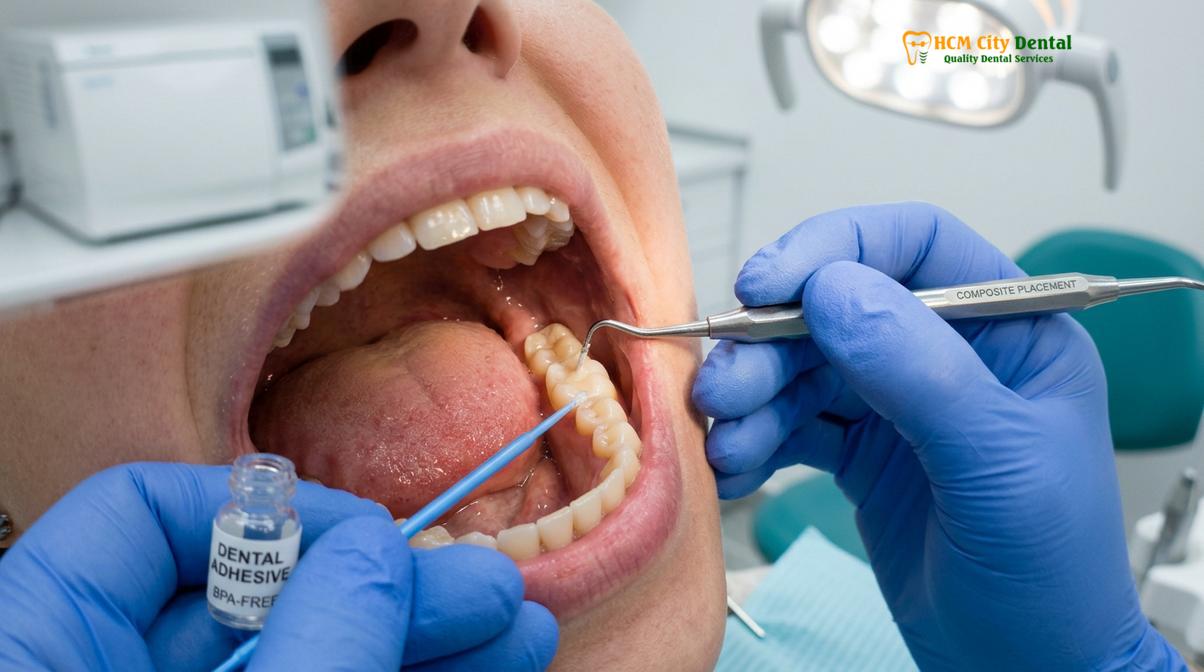
Biocompatibility testing emerges as the scientific solution to this clinical challenge. It is a diagnostic protocol designed to bridge the gap between material science and human immunology. Because the oral environment is uniquely hostile—characterized by constant salivary flow, enzymatic activity, pH fluctuations from dietary intake, and immense occlusal forces—even the most stable materials undergo microscopic degradation over time. When these materials degrade, they release trace particles. In a biologically compatible scenario, these particles are inert and safely excreted. In an incompatible scenario, they act as haptens, binding to native proteins and triggering an immune cascade.
To mitigate these risks, biological dentists employ a dental material sensitivity test to pre-screen patients. This proactive approach is particularly vital for individuals with a history of multiple chemical sensitivities, autoimmune disorders, or chronic fatigue syndrome. By analyzing a patient’s specific serological response to various chemical compounds, clinicians can definitively rule out materials that would otherwise cause chronic, low-grade inflammation. This paradigm shift ensures that the restorative phase of dentistry contributes to the patient’s overall wellness rather than acting as a hidden burden on their immune system.
Why Individual Material Testing is Necessary for Immune Health
Because every patient possesses a unique immunological profile, individual material testing is crucial to prevent chronic low-grade inflammation, autoimmune triggers, and Type IV delayed hypersensitivity reactions caused by incompatible dental restorations.
The human immune system is an extraordinarily complex and highly individualized network. What is perfectly safe and biologically inert for one patient may act as a severe immunological trigger for another. This inherent biological variability is the primary reason why a one-size-fits-all approach to dental materials is fundamentally flawed. When an incompatible material is introduced into the oral cavity, it does not always result in an immediate, acute allergic reaction (Type I hypersensitivity, such as anaphylaxis). More commonly, it initiates a Type IV delayed hypersensitivity reaction, which is mediated by T-cells rather than antibodies.
In a Type IV reaction, trace elements leaching from dental materials—such as nickel ions from a porcelain-fused-to-metal crown or unreacted HEMA (hydroxyethyl methacrylate) from a composite resin—penetrate the oral mucosa. These small molecules, known as haptens, are too small to trigger an immune response on their own. However, once they bind to larger carrier proteins within the patient’s tissues, they alter the protein’s structural conformation. The immune system’s antigen-presenting cells (such as Langerhans cells in the mucosa) recognize these altered proteins as foreign invaders. They phagocytize the complex, migrate to local lymph nodes, and present the antigen to naive T-cells, initiating a cascade of sensitization.
“The continuous exposure of the oral mucosa to low-level haptens from degrading dental materials can sustain a state of chronic macrophage activation, leading to systemic cytokine release and the exacerbation of distant inflammatory conditions.”
Once sensitized, any subsequent exposure to the material—even the continuous, microscopic leaching from a permanent dental restoration—prompts memory T-cells to release pro-inflammatory cytokines, such as Interferon-gamma (IFN-γ) and Interleukin-2 (IL-2). This localized cytokine storm recruits macrophages and cytotoxic T-cells to the site, resulting in chronic tissue inflammation. Clinically, this may manifest locally as oral lichenoid lesions, persistent gingivitis that does not respond to oral hygiene, or burning mouth syndrome. Systemically, the constant immune burden can lead to fatigue, joint pain, and the exacerbation of existing autoimmune conditions.
Furthermore, the presence of dissimilar metals in the oral cavity (e.g., a gold crown adjacent to a mercury amalgam filling or a titanium implant) creates a phenomenon known as oral galvanism. Saliva acts as an electrolyte, allowing electrical currents to flow between the metals. This galvanic action not only accelerates the corrosion and degradation of the materials, increasing the release of toxic ions, but it can also interfere with the body’s natural neurological pathways. Patients experiencing oral galvanism often report a persistent metallic taste, unexplained nerve pain, or chronic headaches.
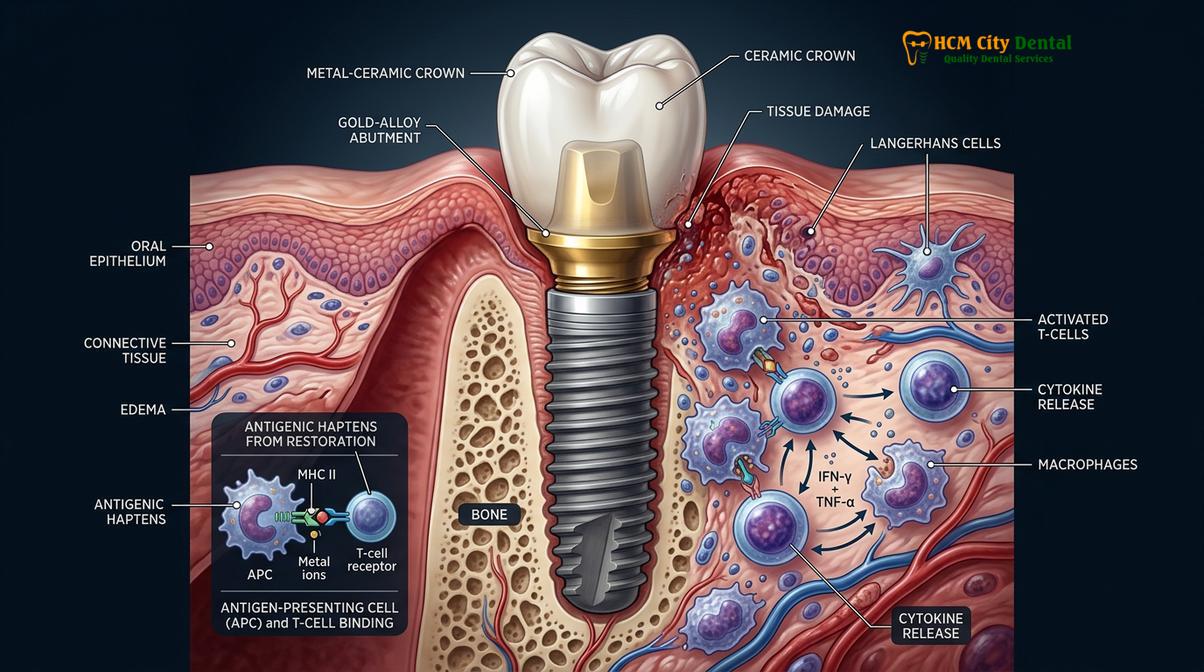
To navigate these complex biological interactions, immunological dental testing is indispensable. By identifying exact sensitivities before treatment, dentists can avoid materials that provoke T-cell activation or galvanic toxicity. This level of precision medicine is the cornerstone of biological dentistry, ensuring that the materials used to rebuild the dentition do not inadvertently dismantle the patient’s systemic health.
The Clifford Materials Reactivity Test (CMRT) Explained
The Clifford Materials Reactivity Test (CMRT) is a specialized blood screening tool that identifies individual systemic sensitivities to over 16,000 dental products, guiding clinicians in selecting the safest restorative materials for each patient.
For decades, the Clifford Materials Reactivity Test (CMRT) has been a foundational tool in the practice of biological and holistic dentistry. Developed to address the growing concern over systemic reactions to dental restorations, the CMRT provides a comprehensive immunological blueprint of a patient’s sensitivities. Unlike traditional skin patch testing, which primarily evaluates localized dermatological reactions, the CMRT is a serological (blood) test that assesses systemic antibody responses to specific chemical groups and compounds commonly found in dental materials.
The underlying science of the CMRT is based on the detection of immunoglobulins—specifically IgG, IgM, and IgA antibodies—in the patient’s blood serum. When a patient is exposed to a substance to which they are sensitive, their immune system produces these antibodies as a defense mechanism. The CMRT laboratory analyzes the patient’s serum against a vast panel of chemical compounds, including various metals (such as nickel, beryllium, cadmium, and mercury), acrylates, polymers, and chemical additives used in modern dentistry. By measuring the antibody binding activity, the test can quantify the level of systemic reactivity to each specific compound.
One of the most significant advantages of the CMRT is its extensive database. The test does not merely report on raw chemical elements; it cross-references the patient’s reactivity profile against a proprietary database of over 16,000 commercially available dental products. This includes specific brands of composite resins, bonding agents, cements, anesthetics, and implant materials. The final report categorizes these products into “Safe” or “Reactive” lists, providing the clinician with a highly practical, actionable guide for material selection.
| Testing Method | Mechanism of Action | Primary Application | Limitations |
|---|---|---|---|
| CMRT (Clifford Test) | Measures systemic IgG/IgM/IgA antibody reactivity to chemical groups. | Broad screening of thousands of commercial dental products. | Does not measure direct T-cell mediated Type IV hypersensitivity. |
| MELISA Test | Measures memory T-cell proliferation upon exposure to specific metals. | Diagnosing active Type IV metal hypersensitivity (e.g., Titanium, Nickel). | Limited primarily to metals; does not screen complex polymer brands. |
| Skin Patch Testing | Topical application of allergens to observe localized dermal reaction. | Diagnosing contact dermatitis to specific known allergens. | Skin reactions do not always correlate with oral mucosal or systemic reactions. |
While the CMRT provides invaluable data, modern biological dentistry often utilizes a combination of testing modalities to achieve the most accurate clinical picture. For instance, while the CMRT is excellent for screening a wide array of polymers and composites, the MELISA (Memory Lymphocyte Immunostimulation Assay) test is often considered the gold standard for diagnosing specific metal hypersensitivities, such as titanium allergy prior to implant placement[5]. The MELISA test directly measures the proliferation of memory T-cells when exposed to metal ions, providing a definitive diagnosis of Type IV hypersensitivity.
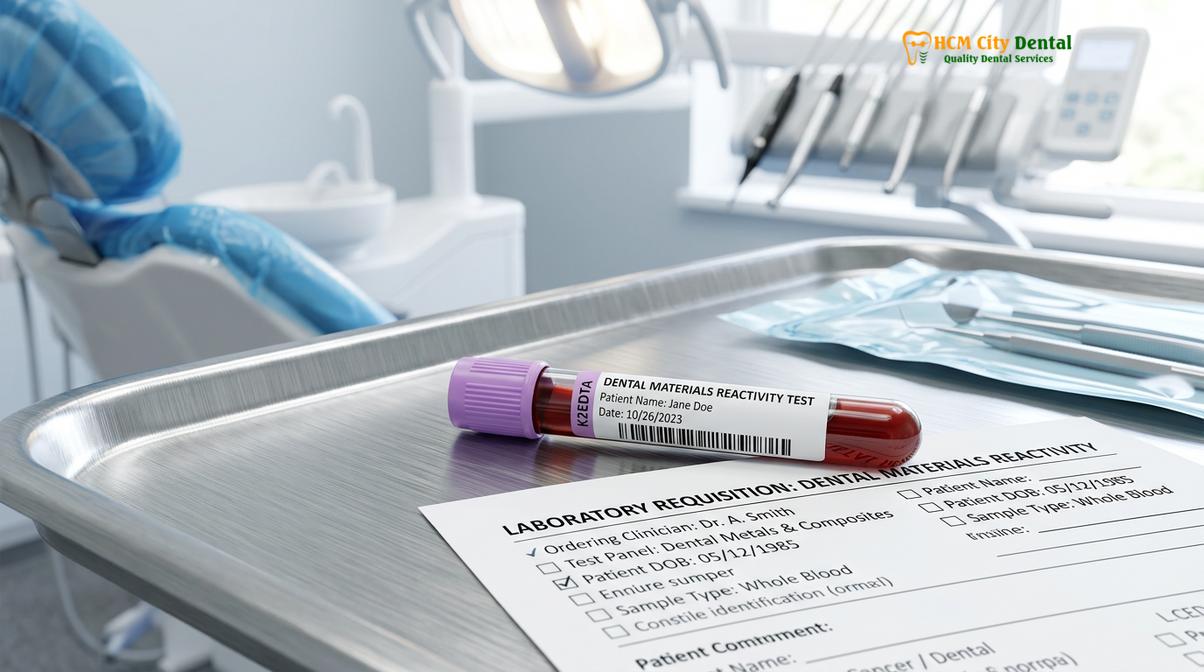
By integrating the broad product screening capabilities of the CMRT with the specific T-cell analysis of the MELISA test, biological dentists can construct an impenetrable defense against material incompatibility. This rigorous testing protocol ensures that every restoration placed is biologically harmonious, supporting the patient’s journey toward optimal systemic wellness.
How We Test and Screen for Dental Material Sensitivities
Our clinical screening protocol combines comprehensive medical history reviews, localized mucosal examinations, and advanced serological testing to accurately map your immunological tolerance before any restorative procedure begins.
At the forefront of biological dentistry is a meticulous, multi-tiered approach to patient screening. The process of identifying the ideal biocompatible dental materials begins long before any clinical procedure is initiated. It requires a deep understanding of the patient’s medical history, environmental exposures, and unique physiological markers. This comprehensive evaluation is essential to differentiate between true immunological allergies and localized toxic reactions, ensuring that the subsequent treatment plan is both safe and effective.
The first phase of our screening protocol involves an in-depth anamnesis and holistic biocompatibility consulting. During this consultation, the clinician reviews the patient’s complete medical history, paying particular attention to any diagnosed autoimmune conditions (such as Hashimoto’s thyroiditis, rheumatoid arthritis, or lupus), chronic skin conditions (like eczema or psoriasis), and any known allergies to jewelry, metals, or chemical compounds. Patients are also asked about their history of dental treatments and whether they have experienced symptoms such as chronic fatigue, brain fog, or gastrointestinal distress following previous dental work. This subjective data provides critical clues about the patient’s overall immune burden and potential material sensitivities.
Clinical Warning: It is crucial to distinguish between a toxic reaction and an allergic reaction. Toxicity is dose-dependent and affects everyone (e.g., mercury exposure), whereas an allergic reaction is immune-mediated and highly individualized, occurring even at microscopic exposure levels.
Following the medical history review, a thorough intraoral examination is conducted. The dentist meticulously inspects the oral mucosa for signs of localized incompatibility. This includes looking for lichenoid reactions (white, lacy patches on the inner cheeks or tongue), localized gingival erythema (redness and inflammation) specifically adjacent to existing crowns or fillings, and signs of galvanic corrosion on older metal restorations. High-resolution intraoral photography and digital radiography may also be utilized to detect subgingival inflammation or bone loss associated with incompatible materials.
If the clinical history and physical examination suggest a high risk of material sensitivity, the next step is advanced serological testing. Depending on the patient’s specific needs, we may recommend a comprehensive dental material sensitivity test, such as a modified CMRT panel or a MELISA test. A small blood sample is drawn and sent to a specialized laboratory for analysis. The resulting report provides a detailed breakdown of the patient’s reactivity to various metals, acrylates, and chemical additives.
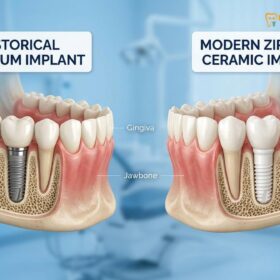
Once the laboratory results are received, the biological dentist cross-references the data with our curated inventory of biocompatible materials. This data-driven approach eliminates the guesswork from restorative dentistry. If a patient shows high reactivity to Bis-GMA (a common monomer in traditional composites), we will select a strictly UDMA-based or Ormocer (organically modified ceramic) alternative. If there is a sensitivity to titanium, we will plan for a metal-free zirconia implant[1]. This rigorous screening process ensures that every material introduced into the patient’s mouth is biologically inert and supportive of their long-term health.
Selecting Safe Composites, Cements, and Anesthetics for You
Selecting safe materials involves utilizing BPA-free composite resins, bioceramic cements, and preservative-free anesthetics tailored to your biological profile, ensuring durable restorations without compromising systemic wellness.
The selection of dental materials is the most critical phase of biological restorative dentistry. Once a patient’s immunological profile has been mapped, the clinician must navigate a complex landscape of modern dental products to find the perfect match. This requires a deep understanding of material science, chemical composition, and degradation pathways. The goal is to utilize materials that offer exceptional mechanical strength, aesthetic superiority, and absolute biological compatibility.
Composite Resins: Traditional composite resins often contain Bis-GMA (Bisphenol A-glycidyl methacrylate) or TEGDMA (triethylene glycol dimethacrylate). While these compounds provide excellent handling and strength, they can degrade in the oral environment, releasing Bisphenol A (BPA) derivatives. BPA is a known endocrine disruptor that can mimic estrogen in the body, potentially leading to systemic hormonal imbalances. To avoid this, biological dentists prioritize BPA-free composite resins. These advanced materials often utilize UDMA (urethane dimethacrylate) or Ormocer technology, which replaces the traditional resin matrix with an inorganic siloxane network. This results in a highly biocompatible, low-shrinkage material that does not release harmful monomers into the saliva.
Dental Cements and Adhesives: The bonding agents and cements used to secure crowns, bridges, and inlays are just as important as the restorations themselves. Traditional resin cements can be highly irritating to the dental pulp and surrounding gingiva. Instead, we utilize non toxic dental adhesives and bioceramic cements. Bioceramics, such as calcium aluminate or calcium silicate-based cements, are highly biocompatible and hydrophilic. They not only provide an excellent seal against bacterial microleakage but also actively promote the remineralization of the underlying tooth structure by releasing calcium and phosphate ions. Glass ionomer cements are another excellent biocompatible option, offering fluoride release and chemical bonding without the need for aggressive acid etching.
“The evolution of bioceramic technology allows us to move beyond merely sealing a tooth; we can now use materials that actively participate in the biological healing and remineralization of the dentin-pulp complex.”
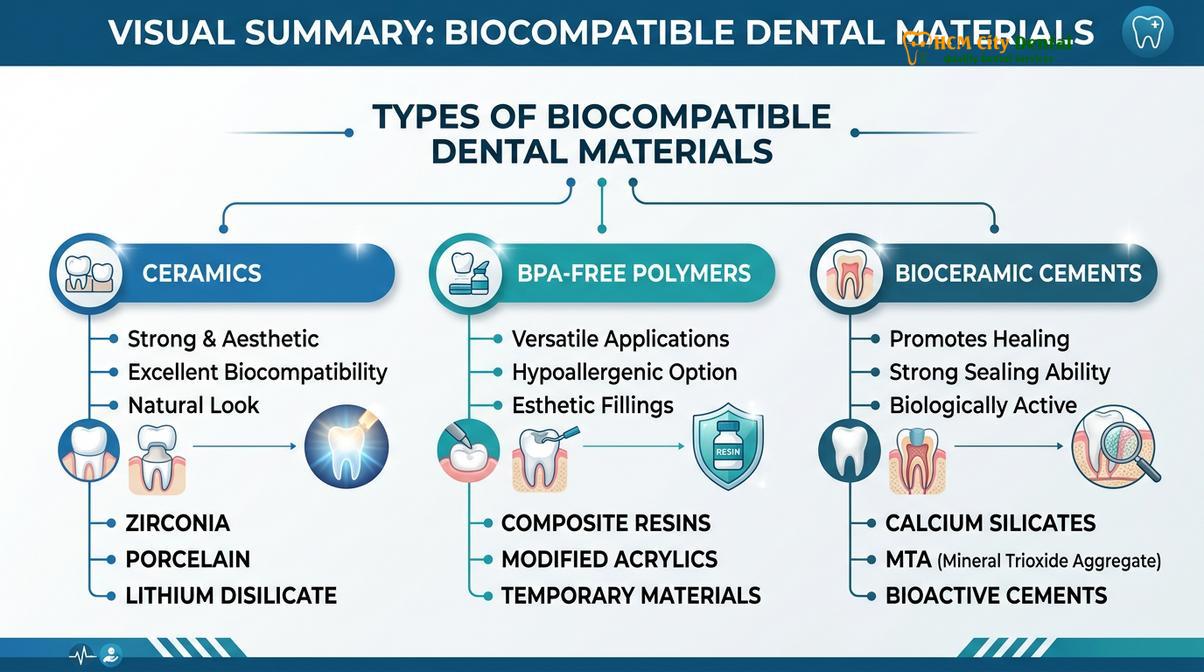
Anesthetics: Local anesthesia is a fundamental component of painless dentistry, but the chemical composition of the anesthetic solution must be carefully considered. Many standard local anesthetics contain epinephrine to prolong the numbing effect. To stabilize the epinephrine, preservatives such as sodium metabisulfite are added. Sulfites are common allergens that can trigger respiratory issues, hives, or cardiovascular palpitations in sensitive individuals. For patients with known sulfite sensitivities or compromised detoxification pathways, biological dentists utilize preservative-free anesthetics, such as plain mepivacaine (without vasoconstrictors). This ensures profound anesthesia without introducing unnecessary chemical burdens.
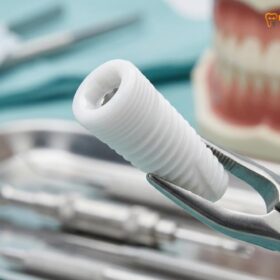
Implants and Prosthetics: When tooth replacement is necessary, the choice of implant material is paramount. While titanium has a long history of success, an increasing number of patients are exhibiting Type IV hypersensitivity to titanium alloys[5]. Furthermore, titanium implants can contribute to oral galvanism if other metals are present in the mouth. As a superior biocompatible alternative, we utilize high-strength zirconia (zirconium dioxide) implants. Zirconia is a highly inert, metal-free ceramic that exhibits excellent osseointegration, minimal plaque affinity, and exceptional soft-tissue response, ensuring a natural and biologically harmonious result[1].
Tailored Biological Treatment Pathways in Saigon
At HCMC Dental Clinic, we integrate advanced biocompatibility testing with biological dentistry principles to create highly personalized, non-toxic treatment plans for local and international patients in Ho Chi Minh City.
The journey toward optimal oral and systemic health requires a clinical environment dedicated to the principles of biological dentistry. At HCMC Dental Clinic in Ho Chi Minh City, we have developed tailored treatment pathways that prioritize patient safety, immunological harmony, and exceptional restorative outcomes. Our clinic serves as a premier destination for patients seeking advanced, non-toxic dental care in Southeast Asia, combining state-of-the-art technology with a deeply holistic philosophy.
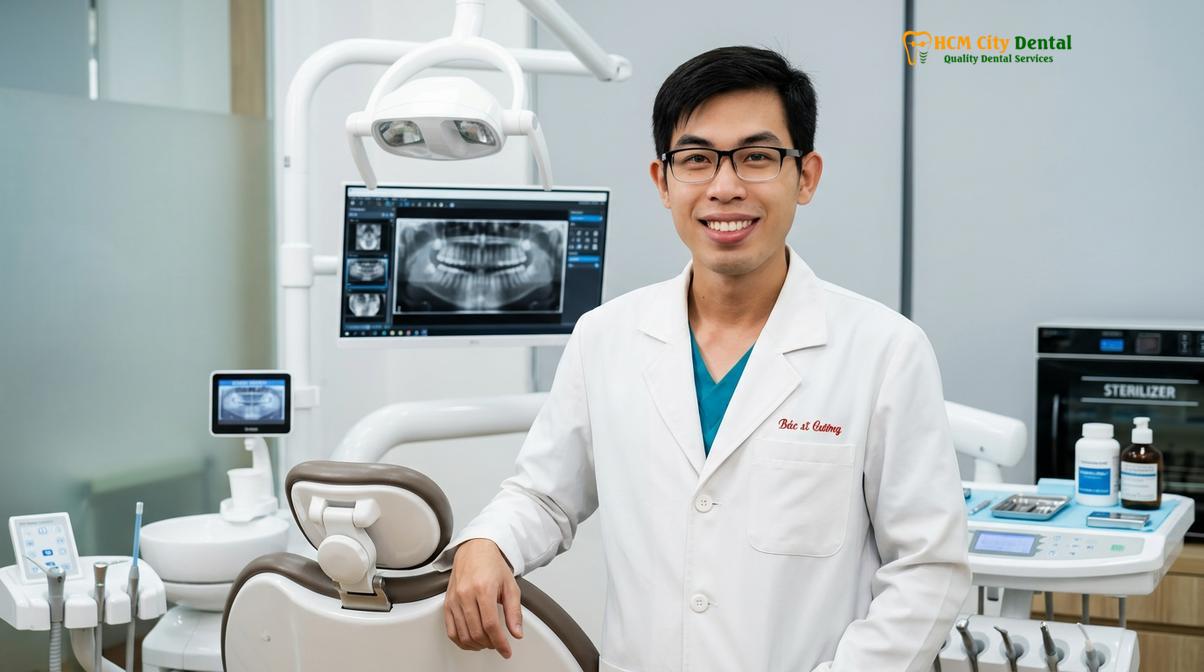
According to Dr. Nguyen Van Cuong, the foundation of any successful biological treatment plan is the safe removal of existing toxic materials. For patients presenting with failing mercury amalgam fillings, we strictly adhere to the Safe Mercury Amalgam Removal Technique (SMART) protocol[2]. This rigorous procedure utilizes specialized high-volume evacuation, alternative air sources for the patient, rubber dam isolation, and copious water irrigation to prevent the inhalation or ingestion of toxic mercury vapor and particulate matter during the removal process. Once the toxic burden is safely eliminated, the tooth is restored using meticulously selected, biocompatible materials.
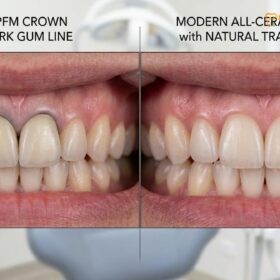
Clinical Case Study: A 42-year-old patient visited HCMC Dental Clinic in Ho Chi Minh City presenting with chronic fatigue, metallic taste, and localized gingival inflammation around several old porcelain-fused-to-metal (PFM) crowns. Immunological testing revealed a severe Type IV hypersensitivity to nickel. Dr. Cuong developed a tailored treatment plan to safely remove the PFM crowns and replace them with highly biocompatible, metal-free Zirconia restorations. Within weeks of the procedure, the patient reported a complete resolution of the metallic taste, significant reduction in gingival inflammation, and a marked improvement in overall energy levels.
Beyond safe amalgam removal, our tailored pathways encompass every aspect of restorative and surgical dentistry. For patients requiring extractions or bone grafting, we utilize advanced techniques such as Platelet-Rich Fibrin (PRF) therapy[4]. By drawing a small amount of the patient’s own blood and centrifuging it to concentrate growth factors, we create a completely natural, autologous healing matrix. This PRF membrane accelerates tissue regeneration, reduces post-operative pain, and minimizes the risk of infection without the need for synthetic or animal-derived grafting materials.
Furthermore, we integrate ozone therapy into our restorative workflows[3]. Ozone gas is a powerful, naturally occurring antimicrobial agent that effectively eliminates bacteria, viruses, and fungi within the dental tubules. By treating the prepared tooth structure with ozone prior to placing a biocompatible restoration, we ensure a completely sterile environment, significantly reducing the risk of secondary decay and supporting the long-term vitality of the tooth.
Dr. Cuong emphasizes that true dental healing is a collaborative process. By combining comprehensive immunological screening, safe removal protocols, and the highest quality biocompatible materials, HCMC Dental Clinic provides a sanctuary for patients seeking to align their oral health with their systemic wellness goals.
When to See a Doctor for Dental Material Sensitivities
If you experience chronic oral inflammation, metallic tastes, or unexplained systemic symptoms following dental work, it is crucial to consult a biological dentist for comprehensive immunological evaluation and material compatibility screening.
Recognizing the signs of dental material incompatibility is the first step toward resolving chronic oral and systemic health issues. Because the symptoms of material sensitivity can be insidious and often mimic other conditions, they are frequently overlooked in standard medical and dental evaluations. It is essential to be vigilant and seek specialized care if you suspect your dental restorations are negatively impacting your health.
You should schedule a consultation with a biological dentist if you experience any of the following localized oral symptoms: persistent burning sensation in the mouth or on the tongue (Burning Mouth Syndrome); chronic, localized gingival inflammation or bleeding that does not improve with rigorous oral hygiene; a persistent metallic or bitter taste; or the development of white, lacy patches (lichenoid lesions) on the inner cheeks adjacent to dental work. Additionally, if you feel mild electrical shocks or galvanic currents in your mouth, this is a strong indicator of dissimilar metals reacting in your saliva.
Systemic symptoms can also warrant a clinical evaluation. If you have developed unexplained chronic fatigue, brain fog, joint pain, or dermatological flare-ups (such as eczema or unexplained rashes) following a dental procedure, these may be signs of a systemic Type IV hypersensitivity reaction. Patients with pre-existing autoimmune conditions who experience a sudden exacerbation of their symptoms should also consider the potential role of their dental materials.
During your consultation, a biological dentist will perform a comprehensive examination, review your medical history, and may recommend specific serological testing to identify the root cause of your symptoms. Early intervention and the replacement of incompatible materials with safe, biocompatible alternatives can profoundly improve both your oral comfort and your overall quality of life. Please contact our clinical team to schedule a personalized assessment of your dental materials.
Frequently Asked Questions
What is a dental biocompatibility test?
A dental biocompatibility test is a specialized screening that evaluates your immune system’s reaction to various dental materials. It helps biological dentists identify which composites, metals, or cements are safest for your unique physiological profile, minimizing the risk of systemic inflammation or localized allergic reactions. By analyzing your blood serum against thousands of chemical compounds, the test provides a customized list of safe products, ensuring that your dental restorations support rather than burden your immune system.
How do I know if I am allergic to dental materials?
Signs of a dental material allergy include chronic gum inflammation, burning mouth sensation, metallic taste, or unexplained systemic fatigue. If you experience persistent oral discomfort or dermatological flare-ups after a dental procedure, a clinical evaluation and immunological testing are highly recommended. Unlike immediate allergic reactions, dental material sensitivities often manifest as delayed Type IV hypersensitivity, meaning symptoms can develop gradually over weeks or months as the materials slowly degrade in the oral environment.
What is the Clifford materials test?
The Clifford Materials Reactivity Test (CMRT) is a comprehensive blood panel that screens for systemic sensitivities to over 16,000 dental products. It detects specific antibodies to identify which chemical groups in dental materials might trigger an adverse immune response in your body. By measuring IgG, IgM, and IgA antibody levels, the CMRT categorizes commercial dental materials into safe and reactive lists, providing your dentist with a precise roadmap for selecting the most biocompatible options for your treatment.
How does HCMC Dental select biocompatible composites?
HCMC Dental selects biocompatible composites by utilizing BPA-free, non-toxic resins and cross-referencing them with your individual biocompatibility test results. We prioritize materials that offer high mechanical durability while ensuring they remain biologically inert and harmonious with your oral tissues. Our selection process strictly avoids materials containing known endocrine disruptors or highly reactive monomers, focusing instead on advanced Ormocer technology and biocompatible bioceramics to ensure long-term safety and aesthetic excellence.
Can I get dental material testing done in Vietnam?
Yes, you can undergo comprehensive dental material testing in Vietnam. Clinics specializing in biological dentistry, such as HCMC Dental Clinic in Ho Chi Minh City, facilitate advanced serological screenings and holistic consultations to ensure your restorative materials are perfectly matched to your immune profile. We coordinate with specialized laboratories to analyze your blood samples and integrate the results directly into your personalized, non-toxic treatment plan.
References
- Journal of Oral and Maxillofacial Surgery. Biocompatibility of zirconium dioxide dental implants. (2021).
- International Journal of Oral and Maxillofacial Surgery. Safe Mercury Amalgam Removal Technique (SMART) protocol guidelines. (2020).
- British Dental Journal. Ozone therapy in restorative dentistry: a clinical review. (2019).
- Journal of the American Dental Association. Platelet-rich fibrin (PRF) in oral surgery and bone grafting. (2022).
- Clinical Oral Investigations. Titanium allergy and metal hypersensitivity in dental implantology. (2018).