Holistic dental tourism Vietnam offers international patients a unique opportunity to combine advanced biological dentistry—such as safe mercury removal and metal-free zirconia implants—with a restorative wellness vacation. By choosing specialized clinics in Ho Chi Minh City, patients receive biocompatible treatments at a fraction of Western costs.
Clinical Summary:
Biological dentistry focuses on the systemic connection between oral health and overall physical well-being. For international patients, holistic dental tourism in Vietnam provides access to specialized protocols that are often cost-prohibitive in their home countries. This includes the Safe Mercury Amalgam Removal Technique (SMART), the placement of biocompatible Zirconia ceramic implants, and the utilization of Platelet-Rich Fibrin (PRF) to accelerate natural tissue regeneration. By integrating these advanced clinical workflows with a structured recovery period in Ho Chi Minh City, patients can achieve a comprehensive oral rehabilitation that respects their immune system and minimizes toxic exposure.
Key Takeaways:
- Biological dental tourism prioritizes non-toxic, biocompatible materials over traditional metals.
- The SMART protocol is strictly utilized to prevent heavy metal exposure during amalgam extraction.
- Zirconia implants offer a metal-free, highly aesthetic alternative to traditional titanium fixtures.
- PRF therapy utilizes the patient’s own blood cells to naturally accelerate surgical healing.
- Proper logistical planning ensures a seamless integration of complex dental surgery with a restorative vacation.
Combining Wellness Travel with Biological Dental Care
Integrating biological dental treatments with a wellness vacation allows patients to heal in a low-stress environment while receiving systemic-focused oral care.
The paradigm of modern dentistry is shifting from a purely mechanical approach to a biological one. Biological dentistry, often referred to as holistic or integrative dentistry, recognizes that the mouth is not an isolated ecosystem. Every dental procedure, from the materials used in a simple filling to the surgical placement of an implant, has a profound impact on the body’s systemic health. For many international patients, accessing this level of specialized care in North America, Europe, or Australia can be financially daunting. This has led to the rapid rise of holistic dental tourism Vietnam, where world-class clinical standards meet the restorative environment of Southeast Asia.
A biological dental vacation vietnam HCMC is designed around the principle of minimizing toxic burden while maximizing the body’s innate healing capacity. Traditional dentistry has historically relied on materials like mercury amalgam and various metal alloys, which can trigger immune responses, galvanic toxicity, and systemic inflammation in sensitive individuals. In contrast, biological clinics in Vietnam utilize biocompatible alternatives such as BPA-free composites, biocompatible ceramics, and medical-grade ozone therapy. The goal is to restore oral function without introducing new stressors to the immune system.
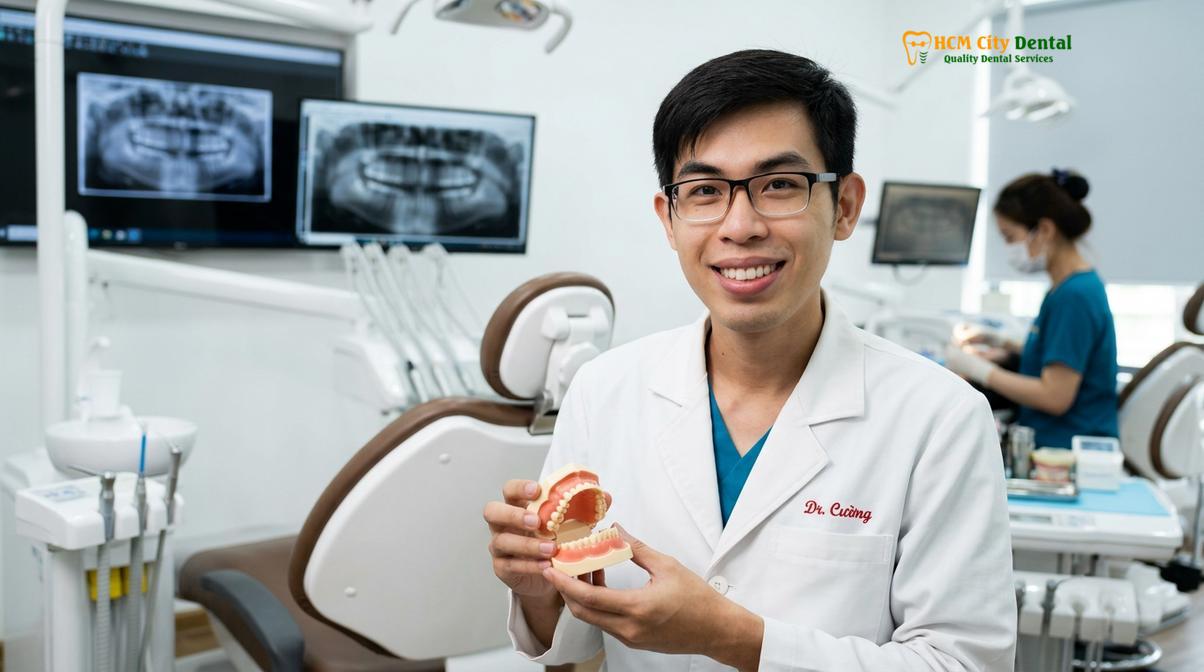
Dr. Nguyen Van Cuong, a leading specialist at HCMC Dental Clinic, emphasizes the importance of the patient’s environment during recovery. “When a patient undergoes complex biological procedures, such as the removal of toxic materials or the placement of ceramic implants, their immune system requires a state of parasympathetic rest. Combining these treatments with a wellness-focused stay in Ho Chi Minh City allows patients to reduce cortisol levels, which directly enhances cellular regeneration and integration of biocompatible materials.”
Furthermore, the integration of wellness travel means that the recovery period is not spent in a sterile, stressful environment, but rather in a setting that promotes holistic healing. Patients can complement their clinical treatments with organic nutrition, lymphatic drainage massages, and relaxation therapies available throughout Saigon. This comprehensive approach ensures that the biological dentistry experience is not just about fixing teeth, but about elevating the patient’s overall health trajectory.
Step-by-Step Logistics: From Remote Consultation to Flight Booking
Proper logistical planning ensures a seamless transition from initial remote diagnostics to arriving at the clinic for biocompatible treatments.
Embarking on a medical journey across the globe requires meticulous planning, especially when the treatments involve complex biological protocols. The holistic dental holiday logistics begin long before the patient boards a flight to Vietnam. The process is highly structured to ensure that clinical expectations are aligned, medical histories are thoroughly reviewed, and the patient’s travel itinerary perfectly matches their required treatment timeline.
The first step is the remote clinical consultation. Patients are required to submit recent panoramic X-rays or, ideally, a 3D Cone Beam Computed Tomography (CBCT) scan. These digital records allow the clinical team to assess bone density, identify hidden infections such as jawbone cavitations, and evaluate the condition of existing restorations. Alongside imaging, patients must provide a comprehensive medical history, detailing any autoimmune conditions, metal allergies, or systemic illnesses that could influence material selection.
Once the clinical data is reviewed, the dental team formulates a preliminary biological treatment plan. This document outlines the proposed procedures, the specific biocompatible materials to be used, the estimated timeline, and a transparent cost breakdown. This transparency is a cornerstone of reputable General Dentistry and biological care in Vietnam, ensuring patients can make informed decisions without fear of hidden fees.
| Timeline | Action Required | Clinical Objective |
|---|---|---|
| 4-6 Weeks Prior | Submit CBCT Scans & Medical History | Remote diagnostic evaluation and identification of toxic materials. |
| 3-4 Weeks Prior | Review Treatment Plan & Quote | Finalize clinical scope, material selection, and financial planning. |
| 2-3 Weeks Prior | Book Flights & Accommodation | Align travel dates with the required clinical days and recovery period. |
| 1 Week Prior | Pre-operative Nutritional Prep | Begin Vitamin C and systemic enzyme protocols to boost immunity. |
After finalizing the treatment plan, patients can proceed to book their flights to Tan Son Nhat International Airport (SGN) in Ho Chi Minh City. It is highly recommended to arrive at least one full day before the first clinical appointment to acclimate to the time zone and rest. Many clinics, including HCMC Dental Clinic, offer concierge assistance to help patients select accommodations in District 1 or District 3 that provide a quiet, restorative environment conducive to post-surgical healing.
Day 1: Physical Diagnostic Exam, Material Compatibility, and 3D Scan
The first clinical day focuses on comprehensive 3D imaging, oral microbiome assessment, and biocompatibility testing to tailor the restorative materials to your immune system.
Upon arriving at the clinic in Ho Chi Minh City, the theoretical treatment plan transitions into precise clinical reality. Day 1 is entirely dedicated to diagnostics and biological assessment. Even if a patient has provided a remote CBCT scan, a new, high-resolution 3D scan is often taken on-site to ensure the most accurate and up-to-date anatomical data. This imaging is crucial for identifying asymptomatic pathology, such as root canal failures or ischemic bone diseases.
A critical component of biological dentistry is the identification and treatment of Neuralgia-Inducing Cavitational Osteonecrosis (NICO). These are areas of dead or infected bone, often located at the sites of previous wisdom tooth extractions, which can harbor anaerobic bacteria and systemic toxins. The 3D CBCT scan allows the clinician to map these lesions precisely. For a deeper understanding of this pathology, patients can review the clinical guidelines on Jawbone Cavitations (NICO): Symptoms, Diagnosis & Surgery.
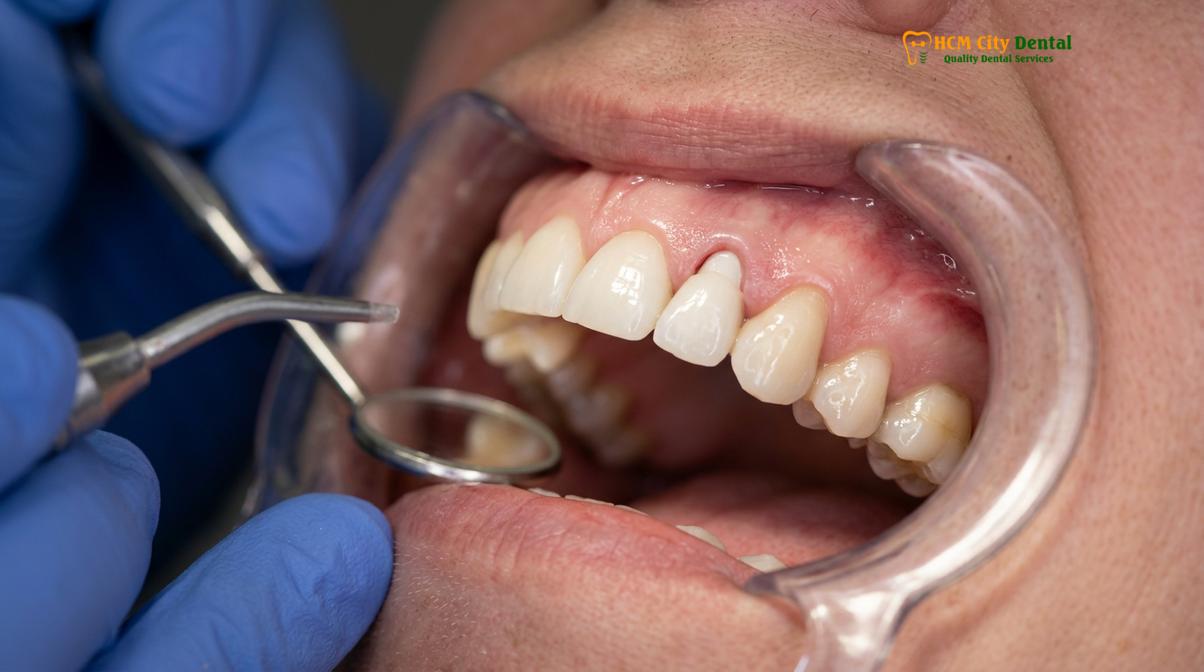
Following the imaging, the clinical team conducts material compatibility testing. Because biological dentistry acknowledges that every patient’s immune system is unique, materials that are safe for one individual may provoke an inflammatory response in another. Depending on the clinic’s specific protocols, this may involve serum biocompatibility testing (such as the Clifford Materials Reactivity Testing) or applied kinesiological assessments to ensure that the chosen composites, ceramics, and anesthetics will not trigger hypersensitivity[1].
Dr. Cuong notes, “The diagnostic phase is the foundation of biological dentistry. We are not just looking at the teeth; we are evaluating the biological terrain. By ensuring that every material we introduce is highly biocompatible with the patient’s specific immune profile, we drastically reduce the risk of chronic inflammation and implant rejection.”
Day 2: SMART Amalgam Removal and Biocompatible Fillings Replacement
Utilizing the IAOMT SMART protocol, toxic mercury amalgam fillings are safely isolated and extracted to prevent heavy metal exposure during the restorative process.
For many patients seeking an itinerary for mercury removal vietnam, Day 2 is the most critical phase of their journey. Traditional “silver” fillings contain approximately 50% elemental mercury, a known neurotoxin. When these fillings are drilled out using standard dental techniques, they release highly toxic mercury vapor and particulate matter, which can be inhaled or ingested by the patient, leading to acute heavy metal exposure.
To mitigate this severe risk, biological dentists strictly adhere to the Safe Mercury Amalgam Removal Technique (SMART), a protocol developed by the International Academy of Oral Medicine and Toxicology (IAOMT)[2]. The SMART protocol is a highly orchestrated clinical workflow designed to create an impermeable barrier between the toxic material and the patient’s systemic circulation.
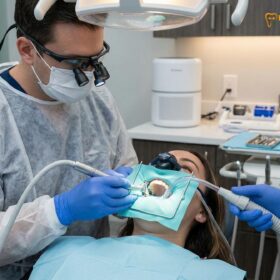
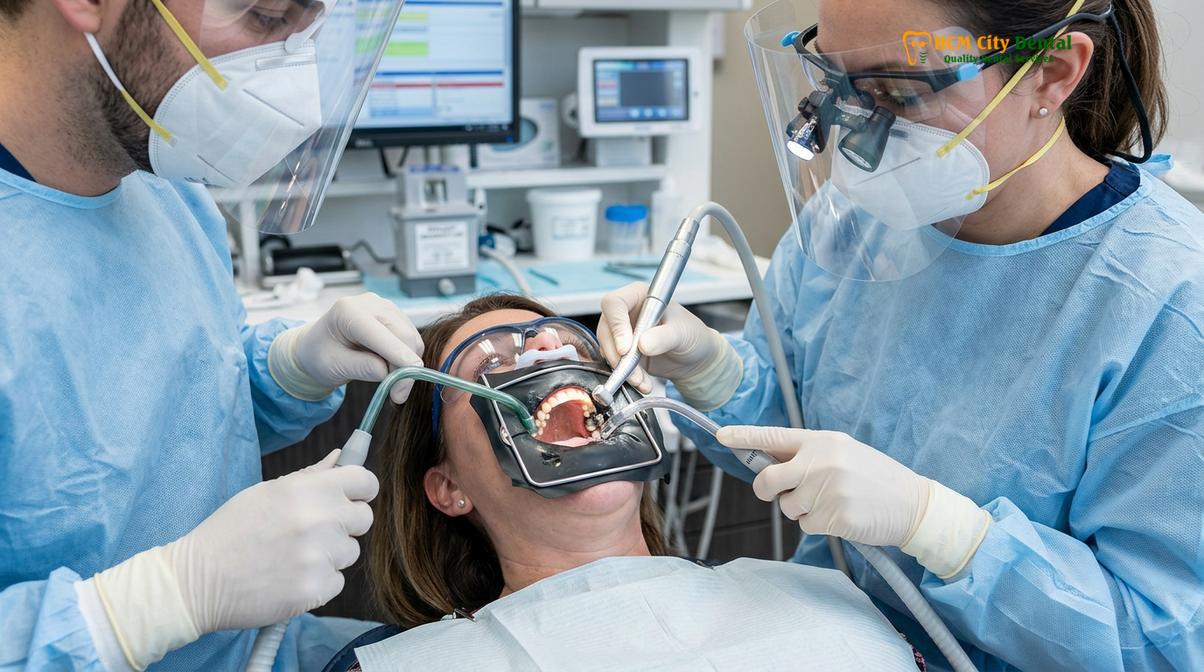
The procedure begins with the patient being fitted with a non-latex dental dam, which isolates the target teeth and prevents amalgam debris from entering the oral cavity. A specialized nasal mask is placed over the patient’s nose, delivering pure oxygen or clean air to ensure they do not inhale any ambient mercury vapor. The clinical team also dons specialized respiratory-grade masks and protective gowns.
Clinical Warning: Never allow a dentist to remove mercury amalgam fillings without strict isolation protocols. Unprotected drilling generates massive amounts of mercury vapor, which rapidly crosses the blood-brain barrier and can exacerbate neurological and autoimmune conditions.
During the extraction, a high-volume aerosol vacuum is positioned directly adjacent to the patient’s mouth to capture ambient vapors. The dentist uses a specialized carbide bur to section the amalgam into large chunks, rather than grinding it into a fine powder, while copious amounts of cold water are applied to keep the temperature low and minimize vaporization. Once the toxic material is completely removed, the cavity is thoroughly disinfected, often utilizing medical-grade ozone gas to eliminate anaerobic bacteria within the dentinal tubules[3].
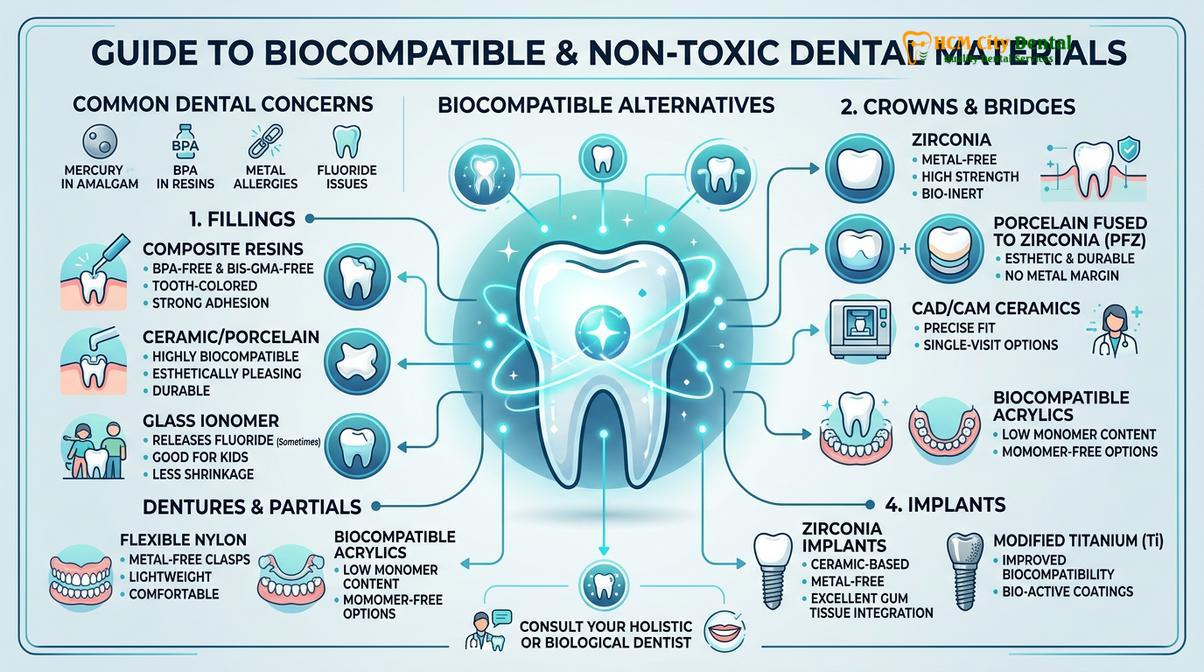
The tooth is then restored using the biocompatible materials identified during Day 1. This typically involves BPA-free composite resins or custom-milled ceramic inlays/onlays. By replacing toxic metals with biologically inert materials, the patient takes a significant step toward reducing their systemic toxic load. For more information on non-toxic restorative options, patients can explore Understanding Fluoride Dental Risks & Safe Alternatives.
Day 3: Zirconia Ceramic Implant Placement under PRF Protocol
Metal-free zirconia implants are surgically placed using Platelet-Rich Fibrin (PRF) to accelerate biological healing and minimize the risk of galvanic toxicity.
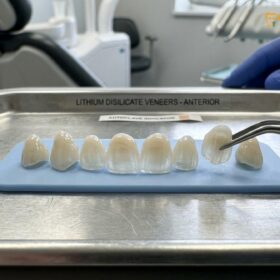
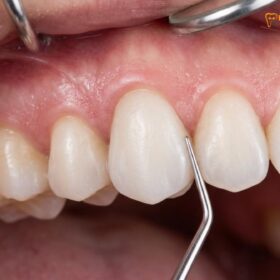
For patients requiring tooth replacement, Day 3 focuses on the surgical placement of bioceramic implants. In traditional implantology, titanium has been the gold standard. However, biological dentistry favors Zirconia (zirconium dioxide) implants. Zirconia is a highly biocompatible, non-metallic ceramic that eliminates the risk of galvanic corrosion—a phenomenon where multiple different metals in the mouth create electrical currents that can disrupt neurological pathways. Furthermore, zirconia is exceptionally tissue-friendly, promoting excellent gingival attachment and preventing the gray discoloration often seen around titanium implants[5].
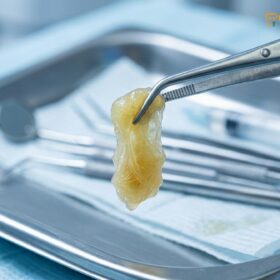
The surgical workflow for placing a zirconia implant in a biological setting is heavily augmented by the use of Platelet-Rich Fibrin (PRF). PRF is an advanced autologous therapy that utilizes the patient’s own blood to create a bioactive healing membrane. Immediately prior to surgery, a small sample of the patient’s blood is drawn and spun in a specialized centrifuge at specific RPMs. This process separates the red blood cells from the plasma, concentrating the platelets, leukocytes, and mesenchymal stem cells into a dense fibrin matrix.
“The application of Platelet-Rich Fibrin in oral surgery represents a paradigm shift in biological healing. By concentrating the patient’s own growth factors directly at the surgical site, we observe a dramatic reduction in post-operative inflammation, accelerated angiogenesis, and superior osseointegration of ceramic implants without the need for synthetic chemical additives.”
During the implant placement, the PRF membrane is packed into the osteotomy site and draped over the surgical area. Because PRF contains a high concentration of white blood cells, it acts as a natural defense mechanism against infection while simultaneously releasing growth factors (such as VEGF and PDGF) over a period of 7 to 14 days[4]. This biological acceleration is crucial for international patients who have a limited recovery window before flying home. Patients interested in the science behind this technique can read more about PRF Dental Healing: Advanced Tissue Regeneration.
The placement of zirconia implants requires exceptional surgical precision, as the material behaves differently than titanium. The bone must be prepared meticulously to avoid excessive torque during insertion. Once placed, the implant is often left to heal and integrate with the jawbone for several months before the final ceramic crown is attached, though in some highly favorable cases, immediate provisionalization may be possible.
Day 4 & 5: Post-operative Follow-up and Saigon Spa & Organic Rest
The critical initial healing phase is monitored through clinical follow-ups, complemented by organic nutrition and restorative spa therapies in Ho Chi Minh City.
The days immediately following biological surgery are critical for ensuring proper hemostasis and the initiation of the healing cascade. On Day 4, patients return to the clinic for a comprehensive post-operative evaluation. The clinical team will assess the surgical sites, ensure that the PRF membranes are stable, and verify that there are no signs of acute infection. Medical-grade ozone therapy may be applied topically to the surgical sites to further enhance oxygenation and provide antimicrobial support.
Beyond the clinical walls, this period is where the “tourism” aspect of holistic dental tourism Vietnam truly shines. Patients are encouraged to engage in restorative, low-impact activities. Ho Chi Minh City offers a wealth of wellness options that align perfectly with biological recovery. Patients can seek out organic, anti-inflammatory dining options, which are abundant in the city’s cosmopolitan districts. Consuming nutrient-dense, soft foods rich in vitamins and minerals supports the cellular repair required after implant surgery.
Clinical Case Study: A 45-year-old patient from Australia traveled to HCMC Dental Clinic for an expat smile makeover saigon guide experience. She required the removal of four failing amalgam fillings and the placement of two zirconia implants. By utilizing the SMART protocol and PRF therapy, her post-operative swelling was minimal. She spent days 4 and 5 recovering in a boutique hotel in District 1, utilizing local lymphatic drainage massages to reduce facial edema, and was cleared for travel by day 7 with excellent initial tissue response.
Many patients also incorporate holistic spa therapies into their recovery. Lymphatic drainage massage, in particular, is highly recommended to help the body process and eliminate any residual toxins mobilized during the amalgam removal process, and to reduce localized swelling around the jaw and neck. This integration of clinical excellence and holistic wellness is a cornerstone of Holistic Gum Disease Treatment and overall biological care.
Flying Home Safety: Guidelines After Biological Surgeries
Patients must adhere to specific post-surgical aviation guidelines to prevent sinus pressure complications and ensure the stability of newly placed implants.
The final logistical hurdle of a biological dental vacation is the flight home. Aviation dentistry is a critical consideration, as the changes in cabin pressure can have profound effects on recent oral surgeries. According to Boyle’s Law, gases expand as pressure decreases. In the context of a commercial flight, the reduced cabin pressure at cruising altitude can cause trapped air within the sinus cavities or surgical sites to expand, leading to severe pain (barodontalgia) or even the disruption of sutures and bone grafts.
For patients who have undergone standard SMART amalgam removal or simple biocompatible fillings, flying is generally safe within 24 to 48 hours. However, for those who have received zirconia implants, especially if the procedure involved a sinus lift or extensive bone grafting in the upper jaw, the guidelines are much stricter. Surgeons typically require a minimum waiting period of 7 to 10 days before the patient is cleared to fly. This window allows the initial blood clot and PRF matrix to stabilize and the sinus membrane to heal sufficiently to withstand pressure differentials.
“Post-surgical aviation guidelines dictate that patients must avoid significant altitude changes until primary hemostasis and initial soft tissue closure are confirmed. Premature exposure to cabin pressure fluctuations can compromise bone graft integrity and induce severe barotrauma in the maxillary sinuses.”
During the flight, patients are advised to stay highly hydrated, avoid alcohol and caffeine (which can impede healing and cause dehydration), and practice gentle jaw relaxation techniques. Maintaining proper posture and jaw alignment during long-haul flights can also prevent temporomandibular joint strain, a concept explored further in The TMJ Posture Connection: How Jaw Alignment Affects the Body. Upon returning home, patients will continue their biological healing protocol and coordinate with a local holistic dentist for the final restorative phases if necessary.
When to Seek Immediate Medical Attention
While holistic dental tourism Vietnam is characterized by high safety standards and biocompatible protocols, any surgical procedure carries inherent risks. It is vital for patients to monitor their healing process closely, both during their stay in Ho Chi Minh City and after returning home. You should seek immediate clinical evaluation if you experience severe, throbbing pain that is not relieved by prescribed analgesics, as this may indicate an acute infection or implant failure.
Additionally, watch for signs of systemic reactions, such as a persistent fever above 101°F (38.3°C), excessive bleeding that does not stop with firm pressure, or rapid, spreading swelling that extends down the neck or up toward the eyes. While biocompatible materials like zirconia and BPA-free composites have a very low risk of allergic reaction, any difficulty breathing, hives, or severe facial edema requires emergency medical intervention. Always maintain open communication with your clinical team at HCMC Dental Clinic for personalized diagnostic advice.
Frequently Asked Questions
How do I plan a biological dental tourism trip to Vietnam?
Planning a biological dental tourism trip to Vietnam begins with a remote consultation and sharing your 3D CBCT scans with the clinic. From there, the clinical team will draft a personalized treatment plan, allowing you to schedule your flights and accommodation in Ho Chi Minh City around your required recovery timeline. Proper planning ensures that all necessary biocompatible materials are prepared and that your surgical dates align with your travel itinerary.
How many days should I stay in HCMC for safe amalgam removal?
You should plan to stay in Ho Chi Minh City for at least 5 to 7 days for safe amalgam removal. This timeframe allows for the initial diagnostic testing, the SMART protocol extraction, placement of biocompatible restorations, and a mandatory post-operative follow-up to ensure optimal systemic recovery. Rushing this process can compromise the strict safety protocols required to prevent heavy metal exposure.
When is it safe to fly after Zirconia implant placement?
It is generally safe to fly 48 to 72 hours after standard Zirconia implant placement, provided there are no complications. However, if your procedure involved a sinus lift or extensive bone grafting, your surgeon may recommend waiting 7 to 10 days to prevent sinus barotrauma from cabin pressure changes. Always obtain final clearance from your operating surgeon before boarding a flight.
Can I get a dental consultation before traveling?
Yes, you can receive a comprehensive remote dental consultation before traveling to Vietnam. By submitting your recent dental records, panoramic X-rays, or CBCT scans via a secure portal, our specialists can evaluate your jawbone health, identify toxic materials, and provide a detailed preliminary biological treatment plan. This remote diagnostic phase is crucial for establishing accurate clinical expectations and financial estimates.
What hotels in District 1 are close to HCMC Dental?
There are numerous boutique and luxury hotels in District 1 that are conveniently located near HCMC Dental Clinic. Many international patients choose accommodations near Ben Thanh Market or Nguyen Hue Walking Street, which offer a restful environment, organic dining options, and easy access to the clinic for multiple appointments. Our concierge team can provide specific recommendations based on your recovery needs and budget.
References
- Journal of Oral and Maxillofacial Surgery. Biocompatibility of zirconium dioxide dental implants. (2021).
- International Journal of Oral and Maxillofacial Surgery. Safe Mercury Amalgam Removal Technique (SMART) protocol guidelines. (2020).
- British Dental Journal. Ozone therapy in restorative dentistry: a clinical review. (2019).
- Journal of the American Dental Association. Platelet-rich fibrin (PRF) in oral surgery and bone grafting. (2022).
- Clinical Oral Investigations. Titanium allergy and metal hypersensitivity in dental implantology. (2018).