Yes, dental work in Vietnam is highly safe when performed at internationally accredited clinics. Modern facilities in major cities utilize advanced diagnostic imaging, strict European sterilization protocols, and globally sourced materials, providing clinical outcomes comparable to Western standards at a fraction of the cost.
Clinical Summary:
Dental tourism in Vietnam offers a secure, high-quality alternative to expensive domestic care. Safety is ensured through rigorous infection control, including Class-B autoclave sterilization, and the use of FDA-approved or CE-marked materials. By selecting accredited clinics with experienced, English-speaking specialists, international patients can achieve predictable, long-lasting clinical results while minimizing risks associated with cross-border healthcare.
Key Takeaways:
- Top-tier clinics in Vietnam adhere to global infection control and sterilization guidelines.
- Premium dental materials are sourced directly from recognized European and American manufacturers.
- Comprehensive warranties protect international patients against rare clinical failures.
- Thorough pre-treatment diagnostics using 3D CBCT imaging ensure precise surgical planning.
- Patients can access significant cost savings without compromising on medical safety or expertise.
The Reality of Dental Tourism Safety in Vietnam
The safety of dental tourism in Vietnam relies on choosing clinics that strictly follow international medical protocols, utilizing advanced technology and highly trained specialists to mitigate clinical risks.
The question of whether is dental work in Vietnam safe is one of the most common inquiries among international patients seeking high-quality, affordable healthcare. Over the past decade, Vietnam has rapidly transformed into a premier destination for medical travelers. This shift is not merely driven by cost savings but by a profound elevation in clinical standards, infrastructure, and the rigorous training of dental professionals. When evaluating dentist in Vietnam safety, it is essential to look beyond the price tag and examine the underlying medical protocols that govern patient care.
In major urban centers like Ho Chi Minh City (Saigon) and Hanoi, leading dental institutions operate on par with, and sometimes exceed, the technological capabilities found in North America or Australia. These facilities are equipped with state-of-the-art diagnostic tools, including Cone Beam Computed Tomography (CBCT) scanners, digital intraoral scanners, and in-house CAD/CAM milling machines. The integration of digital dentistry minimizes human error, enhances the precision of restorations, and significantly improves the predictability of surgical outcomes.
Furthermore, the safety of Dental Tourism is heavily dependent on the adherence to global health guidelines. Reputable clinics align their operational protocols with the World Health Organization (WHO) guidelines for the prevention of surgical site infections [1]. This commitment to international standards ensures that patients are protected against cross-contamination and post-operative complications. The clinical environment is meticulously managed, from the air quality in the surgical suites to the precise handling of biohazardous materials.
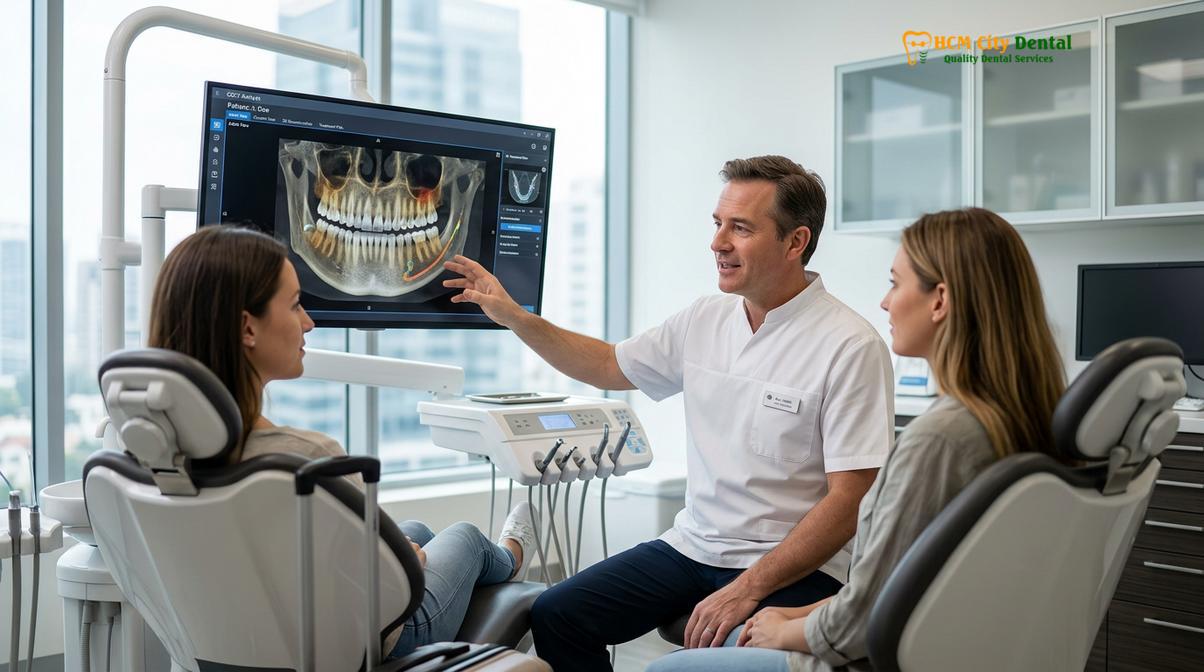
It is also crucial to recognize the expertise of the practitioners. Many leading specialists in Vietnam have undergone extensive post-graduate training or fellowship programs in Europe, the United States, or South Korea. This international exposure ensures they are well-versed in the latest surgical techniques, biomaterials, and patient management strategies. For a comprehensive overview of what to expect, patients often refer to a Dental Tourism Vietnam: Complete Guide for International Patients, which outlines the clinical journey from initial consultation to final restoration.
How to Identify a Safe Clinic in Ho Chi Minh City
A safe clinic in Ho Chi Minh City is characterized by transparent credentials, modern diagnostic equipment, rigorous sterilization standards, and clear communication in English.
Navigating the landscape of healthcare providers in a foreign country requires a systematic approach to ensure safe dental work Saigon. The disparity between a standard local clinic and an internationally accredited facility can be significant. Therefore, international patients must conduct thorough due diligence before committing to a treatment plan. The first indicator of a safe clinic is transparency regarding the qualifications of its medical staff. Detailed profiles outlining the dentists’ education, specializations, and professional affiliations should be readily available.
Dr. Nguyen Van Cuong, a leading specialist at HCMC Dental Clinic, emphasizes that clear communication is the cornerstone of patient safety. An English-Speaking Dentist in Ho Chi Minh City: Complete Guide highlights the necessity of overcoming language barriers to ensure that medical histories are accurately recorded, treatment options are fully understood, and informed consent is properly obtained. Miscommunication regarding allergies, underlying health conditions, or post-operative care can lead to severe clinical consequences.
Another critical factor is the clinic’s technological infrastructure. A facility committed to safety will invest in advanced diagnostic and therapeutic equipment. Digital workflows, such as guided implant surgery, drastically reduce the risk of damaging vital anatomical structures like the inferior alveolar nerve or the maxillary sinus. Patients researching How to Find a Trustworthy Dentist in Ho Chi Minh City should prioritize clinics that demonstrate a commitment to continuous technological advancement and strict maintenance of their equipment.
Furthermore, patient reviews and documented case studies provide valuable insights into the clinic’s track record. While online testimonials should be evaluated critically, a consistent history of successful complex rehabilitations—such as full-arch implant restorations or extensive cosmetic makeovers—indicates a high level of clinical competence. Prospective patients should request to see before-and-after photos of cases similar to their own, paying close attention to the health of the surrounding gingival tissues and the natural integration of the prosthetics.
Infection Control & Sterilization Protocols at HCMC Dental
HCMC Dental Clinic employs European-standard Class-B autoclave sterilization and strict cross-contamination prevention protocols to ensure absolute patient safety during all procedures.
The foundation of any safe medical environment is its infection control protocol. When evaluating dental clinic standards Vietnam, the sterilization process must be scrutinized. Cross-contamination poses a significant risk in dentistry due to the presence of blood, saliva, and aerosolized particles. To combat this, elite facilities implement a multi-tiered approach to hygiene, ensuring that every instrument, surface, and environmental factor is meticulously managed.
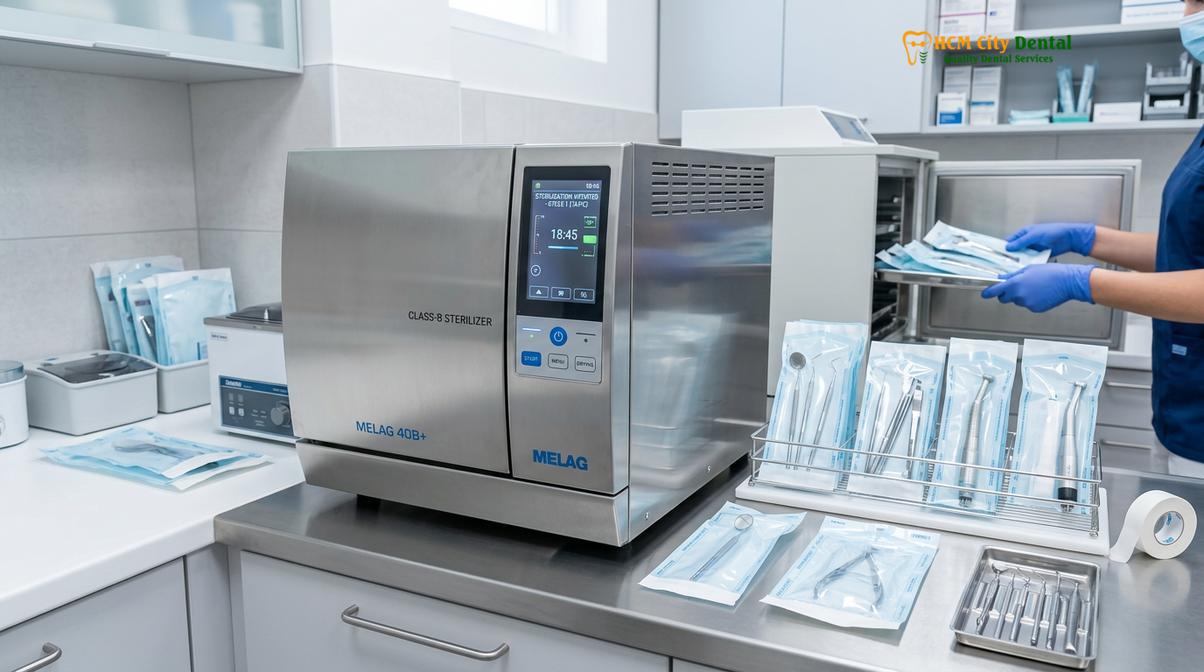
At HCMC Dental Clinic, the sterilization workflow adheres strictly to the guidelines set forth by the FDI World Dental Federation [2]. The process begins immediately after a procedure, where instruments are transported to a dedicated sterilization room. They undergo initial decontamination in an ultrasonic cleaner with enzymatic solutions to break down biological debris. Following this, the instruments are rinsed, dried, and sealed in specialized sterilization pouches equipped with chemical indicators.
“Rigorous infection control is not an optional luxury; it is a fundamental medical necessity. Utilizing Class-B autoclaves ensures that even the most complex, hollow instruments are completely sterilized, providing our international patients with the highest level of clinical safety.”
The critical phase involves the use of a Class-B autoclave. Unlike standard autoclaves, Class-B models utilize fractionated vacuum technology. This system removes all air from the chamber before introducing pressurized steam, ensuring that the sterilizing agent penetrates every crevice of complex instruments, such as surgical handpieces and implant drills. The chemical indicators on the pouches change color only when the precise parameters of temperature, pressure, and time have been met, providing a visual sterilization check saigon clinic patients can trust.
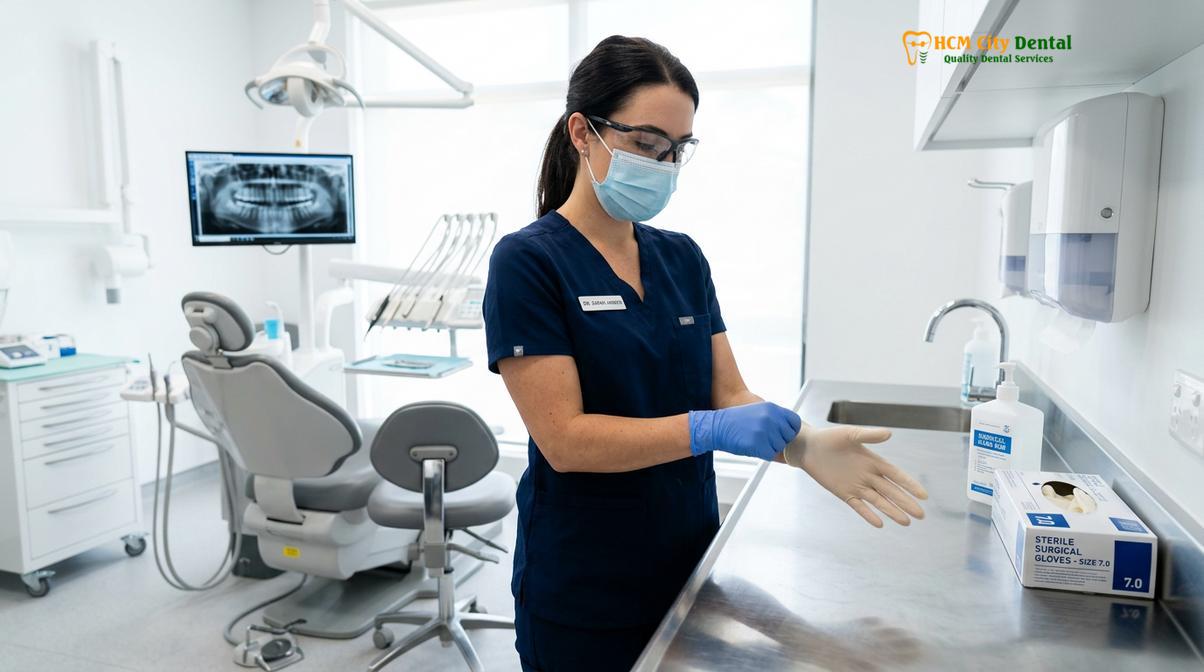
Beyond instrument sterilization, environmental infection control is paramount. Treatment rooms are disinfected between every patient using hospital-grade virucidal and bactericidal agents. Disposable barriers are applied to high-touch surfaces, such as light handles, chair controls, and digital sensors. The clinical team strictly adheres to personal protective equipment (PPE) protocols, utilizing fresh gloves, masks, and protective eyewear for each encounter. This comprehensive approach guarantees a sterile environment, mitigating the risk of healthcare-associated infections.
Clinical Liability and Warranty Abroad
Reputable international clinics provide comprehensive written warranties and clear clinical liability policies to protect patients in the rare event of post-operative complications.
One of the primary concerns for patients traveling for healthcare is the recourse available if a procedure fails or complications arise after returning home. Understanding the clinical liability and warranty policies is essential for peace of mind. Top-tier dental institutions in Vietnam address this concern by offering robust, transparent warranties that rival or exceed those provided by domestic practices. These guarantees reflect the clinic’s confidence in their specialists’ skills and the quality of the materials used.
For major procedures, such as dental implants, the warranty typically covers the structural integrity of the titanium fixture and the prosthetic crown. If an implant fails to osseointegrate—a rare occurrence usually related to biological factors rather than surgical error—the clinic will typically replace the implant at no additional cost. Patients wondering Can I Get Dental Implants on Holiday in Vietnam? (Practical Guide) should carefully review the terms of these warranties, which often require adherence to specific post-operative care instructions and regular professional cleanings.
It is important to differentiate between biological failures and mechanical failures. Biological failures, such as peri-implantitis (inflammation and bone loss around the implant), are often linked to patient compliance, oral hygiene, or systemic health issues like uncontrolled diabetes or smoking. Mechanical failures involve the fracture of the implant screw or the prosthetic material. A clear warranty document will delineate these scenarios, outlining the responsibilities of both the medical provider and the patient.
To further ensure safety and accountability, reputable clinics maintain detailed, digitized medical records. These records, including pre-operative CBCT scans, surgical notes, and material lot numbers, can be securely shared with the patient’s local dentist upon request. This continuity of care is vital for long-term maintenance and ensures that any subsequent provider has a complete understanding of the clinical interventions performed abroad.
European Standards and FDA-Approved Sourcing
Premium dental facilities in Vietnam utilize exclusively FDA-approved and CE-marked materials, ensuring biocompatibility, durability, and predictable clinical outcomes for international patients.
The longevity and safety of any dental restoration are intrinsically linked to the quality of the biomaterials utilized. An accredited dentist vietnam will never compromise on material sourcing. To maintain international standards, leading clinics in Ho Chi Minh City import their implants, bone grafting materials, and prosthetic components directly from globally recognized manufacturers in Switzerland, Germany, the United States, and South Korea. This ensures that all materials are either FDA-approved or carry the European CE mark.
The use of globally sourced titanium implants has been extensively documented to provide superior clinical outcomes, particularly regarding osseointegration rates and long-term stability [3]. Counterfeit or substandard materials pose a severe risk, potentially leading to toxic reactions, structural fractures, or catastrophic implant failure. By partnering with established brands like Straumann, Nobel Biocare, and Osstem, clinics guarantee the authenticity and biocompatibility of their medical devices.
When comparing options, such as Dental Implants in Vietnam vs Thailand: Which Is Better?, the transparency of material sourcing is a critical differentiator. Patients should always request the physical “implant passport” or certification card, which includes the manufacturer’s details, the specific lot number, and the dimensions of the implant placed. This documentation is essential for international traceability and future maintenance.
| Material Type | Common Global Brands | Clinical Application | Safety Certification |
|---|---|---|---|
| Titanium Implants | Straumann, Nobel Biocare, Osstem | Surgical root replacement, full-arch support | FDA Approved, CE Marked |
| Zirconia Crowns | Cercon, Lava, Zirkonzahn | High-strength posterior restorations, implant prosthetics | FDA Approved, CE Marked |
| Lithium Disilicate (E.max) | Ivoclar Vivadent | Highly aesthetic anterior veneers and crowns | FDA Approved, CE Marked |
| Bone Graft Particulates | Geistlich Bio-Oss, MinerOss | Sinus lifts, ridge augmentation, socket preservation | FDA Approved, CE Marked |
The prosthetic phase also relies heavily on premium materials. High-translucency zirconia and lithium disilicate (E.max) are the gold standards for crowns and veneers, offering exceptional strength and lifelike aesthetics. These materials are fabricated using precision CAD/CAM technology, ensuring a marginal fit that prevents bacterial microleakage and secondary decay. The combination of elite materials and digital precision is what makes dental work in Vietnam safe and highly successful.
When to See a Doctor (Important Clinical Considerations)
While dental tourism offers immense benefits, it is not universally suitable for every individual. A thorough clinical evaluation is mandatory before embarking on cross-border medical travel. The American Dental Association (ADA) emphasizes the importance of comprehensive pre-travel diagnostics to ensure patient safety [4]. Patients must undergo a preliminary consultation, often facilitated via telemedicine and the sharing of local X-rays, to determine their candidacy for extensive procedures.
Dr. Nguyen Van Cuong strongly advises that patients with certain systemic conditions require specialized medical clearance prior to surgery. Uncontrolled diabetes, severe cardiovascular disease, recent myocardial infarction, or active treatment with intravenous bisphosphonates present significant contraindications for invasive procedures like implant placement or extensive bone grafting [5]. These conditions can severely impair wound healing, increase the risk of post-operative infection, or lead to complications such as osteonecrosis of the jaw.
“Patient safety begins long before they sit in the dental chair. A rigorous review of the patient’s medical history, current medications, and systemic health is non-negotiable. If a patient’s biological parameters do not support a predictable surgical outcome, we must delay or alter the treatment plan to protect their overall well-being.”
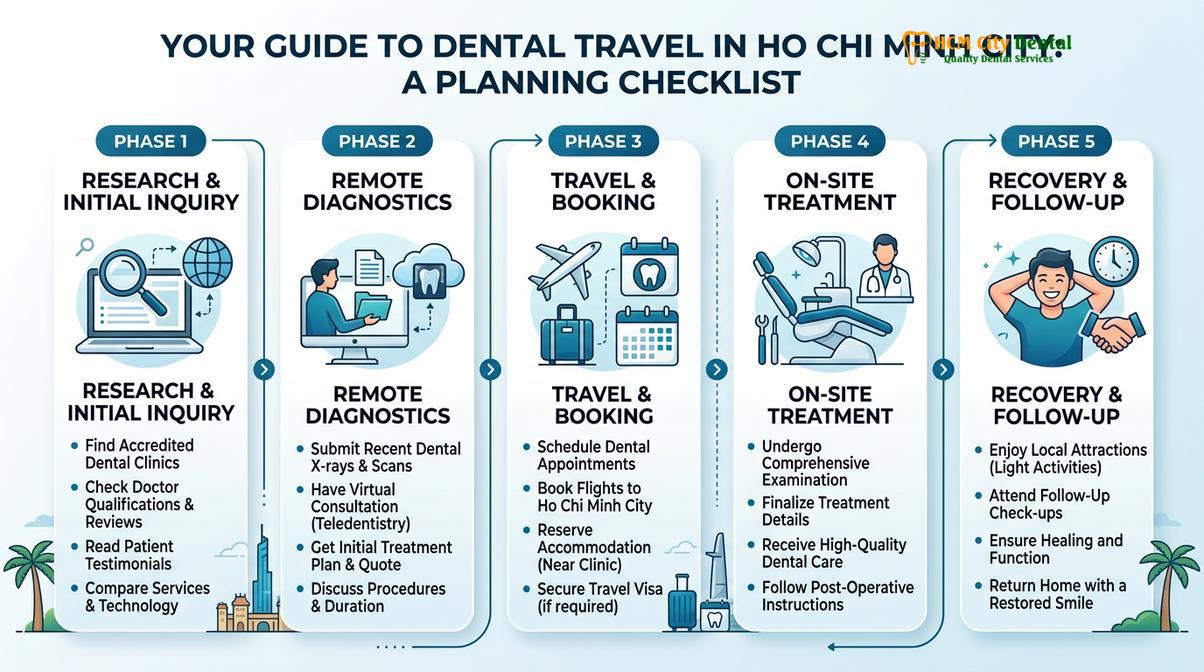
Patients planning their journey should consult resources like Dental Work in Vietnam: How to Plan Your Trip (Step-by-Step) to understand the necessary preparatory steps. It is crucial to disclose all medications, including over-the-counter supplements, to the clinical team. Blood thinners, for example, must be carefully managed in coordination with the patient’s primary care physician to prevent excessive bleeding during surgery.
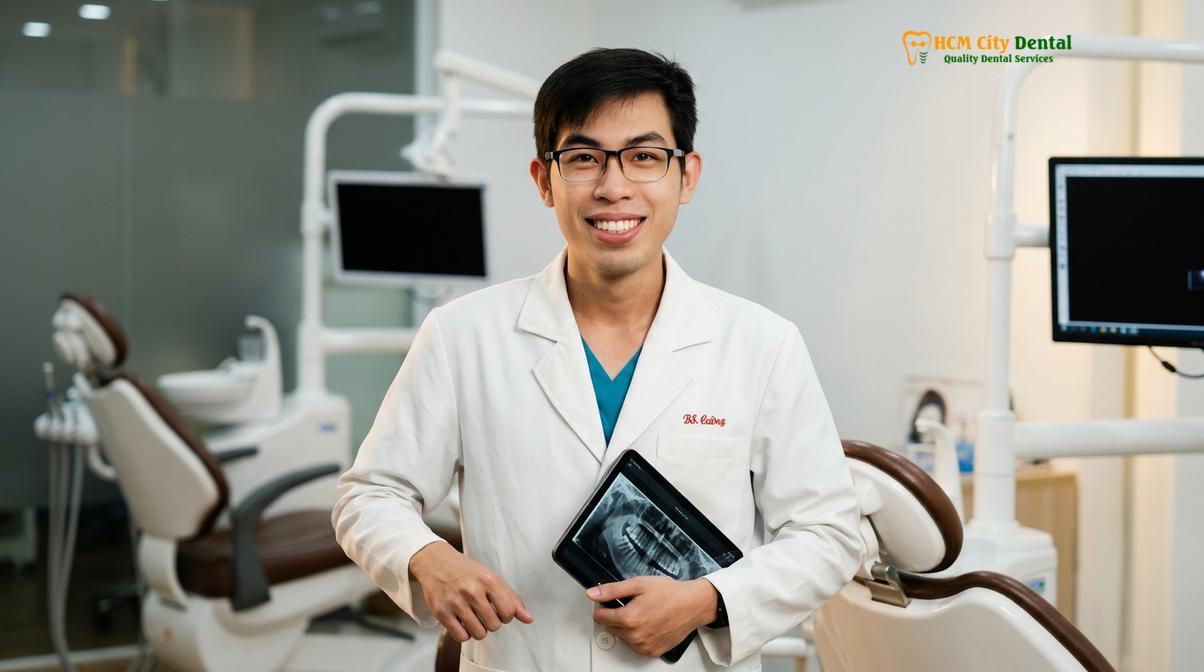
At HCMC Dental Clinic, we prioritize a seamless and secure experience for our international guests. To facilitate your medical journey, we offer a direct clinical consult with Dr. Cuong via WhatsApp, allowing for preliminary case assessment before you travel. Patients booking their treatment plans can benefit from a 40% online booking discount. Our concierge team assists with logistics, providing curated hotel recommendations in District 1 and arranging reliable airport pickup services. For your convenience, we accept a wide range of payment options, including Visa/Mastercard, international bank transfer, cash (USD/VND), PayPal, e-wallets, and major cryptocurrencies (Crypto).
Frequently Asked Questions
Are dental clinical procedures in Vietnam painful?
Modern dental procedures in Vietnam are virtually painless due to the use of advanced local anesthetics and precise surgical techniques. Clinics utilize international-standard numbing agents and offer sedation options for complex cases. Post-operative discomfort is carefully managed with prescribed analgesics and detailed recovery guidelines tailored to each patient’s specific treatment.
How do I know if the dental clinic uses sterile tools?
You can verify sterilization by asking the clinic about their infection control protocols and looking for sealed, color-changing indicator pouches. Reputable facilities use Class-B autoclaves and adhere to European or international standards. Instruments should always be unsealed directly in front of you prior to beginning any clinical examination or procedure.
What guarantees do I get for dental implants placed abroad?
Top-tier clinics provide formal, written warranties for dental implants that cover structural failures or integration issues. These guarantees often span several years to a lifetime, depending on the implant brand. It is crucial to maintain proper oral hygiene and attend regular check-ups, as warranties typically require patient compliance with post-operative care instructions.
How long should I stay in Vietnam for major dental work?
For major procedures like full-arch implants, a stay of 10 to 14 days is generally recommended for the initial surgical phase. This allows sufficient time for pre-operative diagnostics, the surgical intervention, and crucial post-operative follow-ups. A subsequent visit is usually required months later for the final prosthetic placement after osseointegration.
Can I fly immediately after receiving dental implants?
Flying immediately after implant surgery is generally discouraged due to potential pressure changes that can exacerbate swelling or bleeding. Most oral surgeons recommend waiting at least 48 to 72 hours before taking a flight. Your specialist will evaluate your specific surgical site and provide personalized clearance for air travel based on your healing progress.
References
- World Health Organization (WHO). Global Guidelines for the Prevention of Surgical Site Infection. (2021).
- FDI World Dental Federation. Infection Control and Sterilization Standards in Dental Practice. (2022).
- International Journal of Oral & Maxillofacial Implants. Clinical outcomes of globally sourced titanium implants. (2023).
- American Dental Association (ADA). Guidelines on Dental Tourism and Cross-Border Patient Safety. (2022).
- Journal of Clinical Periodontology. Systemic risk factors and contraindications in implant dentistry. (2021).