Finding a qualified English speaking orthodontist Ho Chi Minh City is essential for international patients seeking precise, predictable dental alignment. Clear communication ensures accurate diagnosis, transparent treatment planning, and seamless clinical execution for both traditional braces and advanced clear aligner therapies in Vietnam.
Clinical Summary:
Orthodontic treatment requires meticulous planning and ongoing patient compliance, making an English speaking orthodontist in Ho Chi Minh City crucial for expatriates and medical tourists. By combining fluent communication with advanced digital diagnostics—such as intraoral scanning and 3D treatment simulations—specialists can deliver highly predictable outcomes. Dr. Nguyen Van Cuong provides comprehensive orthodontic care, ensuring international patients receive evidence-based treatments, transparent pricing, and continuous clinical support throughout their alignment journey.
Key Takeaways:
- Fluent English communication eliminates clinical misunderstandings during complex orthodontic planning.
- Verifying a practitioner’s status as a certified Invisalign provider in Vietnam ensures adherence to global biomechanical standards.
- Advanced intraoral scanners replace traditional impressions, improving accuracy and patient comfort.
- Comprehensive consultations include 3D CBCT imaging to assess bone density and root positioning.
- Transparent pricing and structured warranties are critical components of expat orthodontic care in HCMC.
The Importance of Clear Communication in Orthodontics
Effective orthodontic treatment relies heavily on patient-doctor dialogue to establish realistic aesthetic goals, explain biomechanical limitations, and ensure strict compliance with aligner or appliance protocols.
Orthodontics is a highly collaborative branch of dentistry. Unlike a routine filling or a simple extraction, moving teeth through alveolar bone is a biological process that spans several months to several years. During this time, the relationship between the patient and the clinician is paramount. For expatriates and international visitors, finding a reliable English dentist Saigon is not merely a matter of convenience; it is a fundamental requirement for clinical success and patient safety.
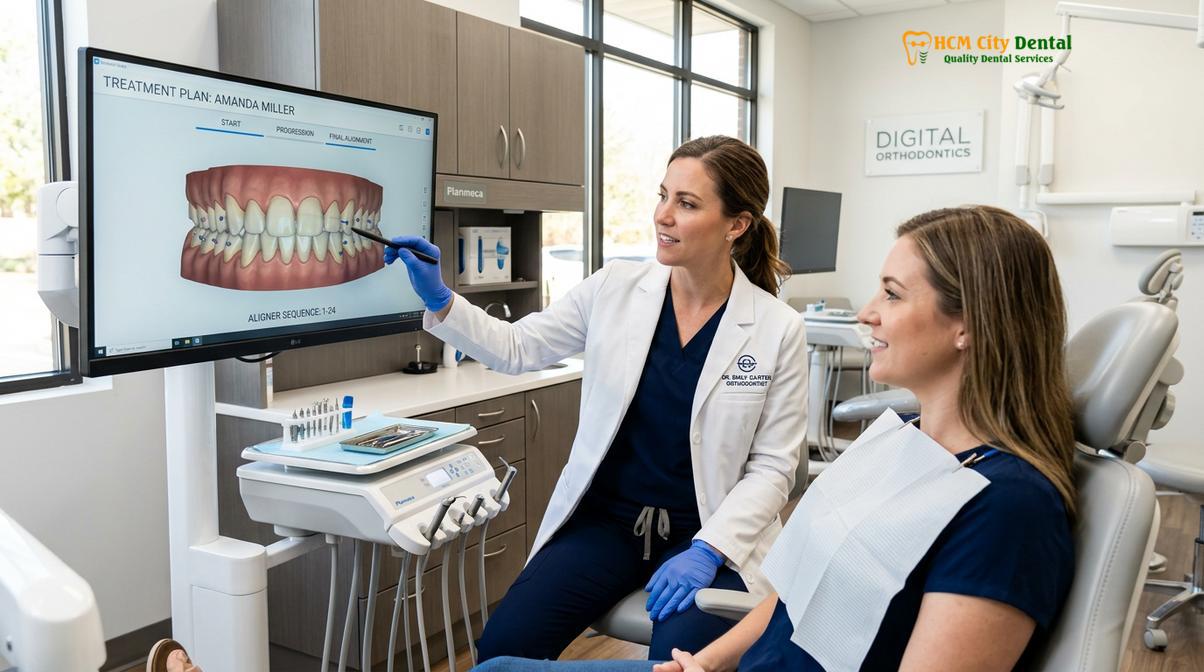
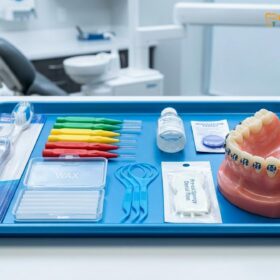
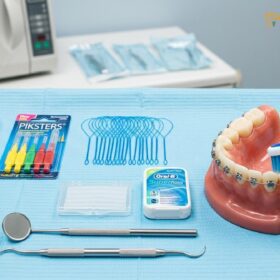
When discussing orthodontic braces or clear aligners, the clinician must explain complex biomechanical concepts, such as anchorage, interproximal reduction (IPR), and the specific vectors of force applied to the teeth. If a language barrier exists, patients may misunderstand crucial instructions regarding elastic wear, aligner seating, or oral hygiene protocols. Poor compliance directly correlates with extended treatment times, compromised aesthetic results, and an increased risk of adverse effects such as decalcification or root resorption[1].
“In orthodontics, patient compliance is the variable that dictates the efficiency of the biomechanical plan. Clear, unambiguous communication in the patient’s native language is the most effective tool a clinician has to ensure that compliance.”
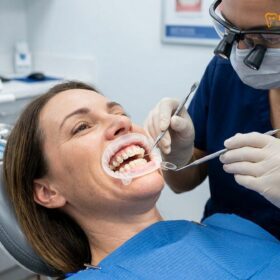
Furthermore, clear communication is essential during the initial diagnostic phase. A thorough consultation involves discussing the patient’s chief complaints, evaluating facial proportions, and setting realistic expectations. An experienced practitioner will clearly delineate what can be achieved through orthodontics alone and what might require orthognathic surgery or multidisciplinary general dentistry interventions prior to alignment.
Credentials Check: Finding a Certified Invisalign Provider in Vietnam
Selecting a certified Invisalign provider in Vietnam guarantees that the orthodontist has undergone rigorous training in clear aligner biomechanics and digital treatment sequencing.
The global surge in the popularity of clear aligners has led many general practitioners to offer basic alignment services. However, moving teeth predictably requires a profound understanding of dentofacial orthopedics. When seeking a certified orthodontist HCMC, international patients must verify the clinician’s specific credentials and experience level with clear aligner systems.
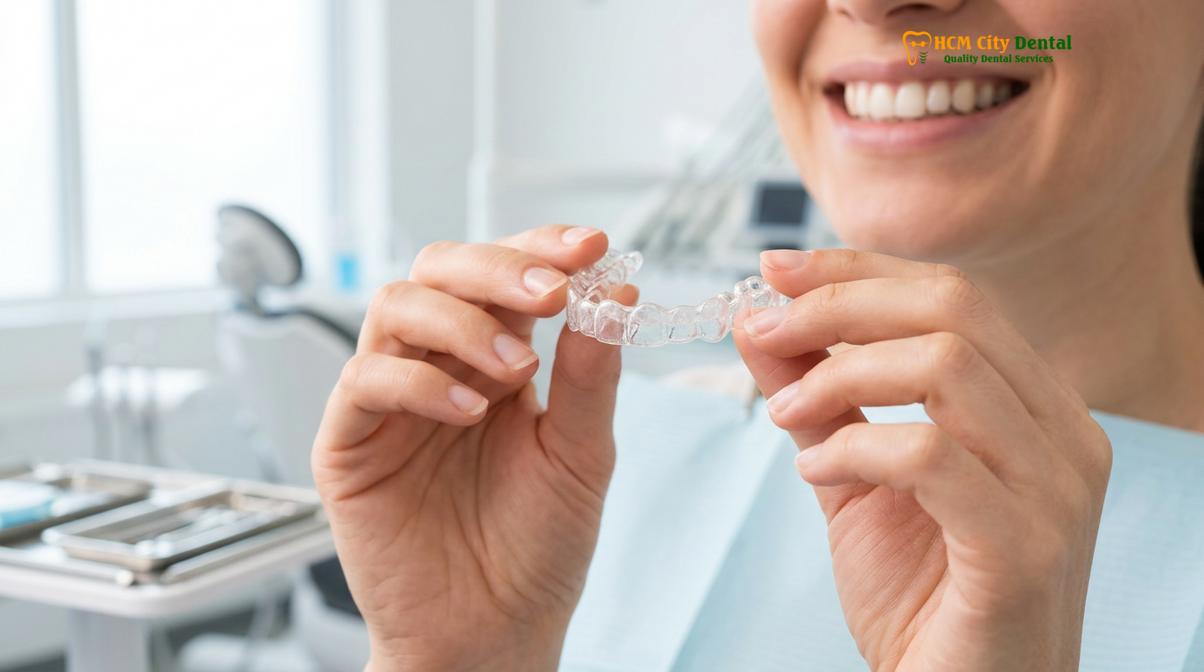
A certified provider utilizes proprietary software, such as ClinCheck, to map out the exact trajectory of every tooth. This digital staging is not automated; it requires the doctor’s clinical input to adjust the velocity of movement, plan the placement of composite attachments, and sequence the forces to prevent unwanted tipping or extrusion. The expertise of the clinician dictates the quality of the digital setup, which in turn dictates the clinical outcome[2].
When evaluating a clinic, patients should inquire about the provider’s tier status, which reflects the volume of cases they have successfully completed. High-tier providers have extensive experience managing a wide spectrum of malocclusions, from simple anterior crowding to complex Class II and Class III discrepancies. They are also adept at troubleshooting mid-course corrections and utilizing refinement scans to achieve the perfect final occlusion.
Dr. Cuong: 8+ Years of Expat Orthodontic Care in Saigon
Dr. Nguyen Van Cuong combines extensive clinical experience with fluent English proficiency to manage complex malocclusions and aesthetic realignments for the international community.
Navigating dental care in a foreign country can be daunting, but Dr Cuong orthodontics has become a trusted name among the expatriate community. With over eight years of dedicated experience in managing complex orthodontic cases, Dr. Cuong understands the unique needs and expectations of international patients visiting HCMC Dental Clinic in Ho Chi Minh City.
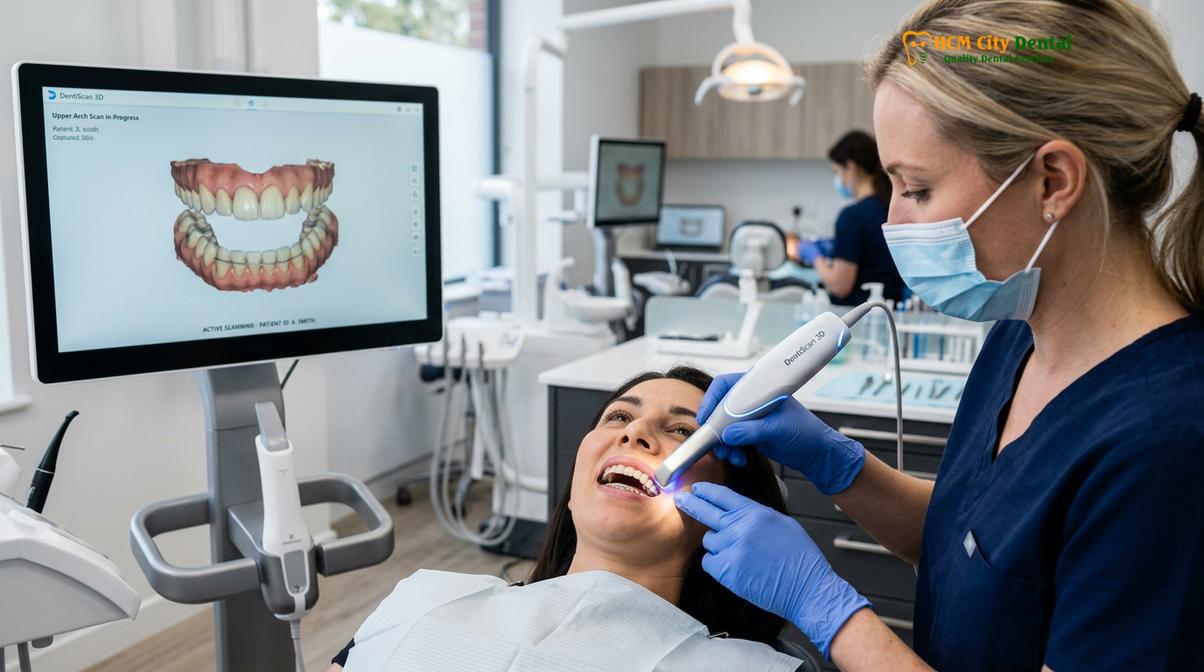
Dr. Cuong’s approach is deeply rooted in evidence-based dentistry. He prioritizes comprehensive diagnostics, ensuring that the periodontal foundation is healthy before initiating any tooth movement. His fluency in English allows him to conduct thorough, unhurried consultations where patients are encouraged to ask detailed questions about their treatment mechanics, timelines, and retention strategies.
Clinical Case Review: Expat Retention Management
An international teacher presented to the clinic after her bonded lingual wire detached, causing minor anterior shifting. Because she was far from her home country, she required immediate intervention. Dr. Cuong performed a comprehensive assessment, safely removed the compromised composite, and fabricated a new retention protocol. For patients facing similar emergencies, understanding the process of broken fixed retainer repair is crucial to preventing orthodontic relapse while living abroad.
Beyond active alignment, Dr. Cuong emphasizes the critical phase of retention. Many adult patients who undergo orthodontic treatment require lifelong retention to maintain their results. Whether a patient needs a new set of Essix trays or a fixed lingual wire, having a reliable District 1 dental specialist ensures that their investment in their smile is protected long-term.
Modern Technology: Intraoral Scanners and Digital Treatment Design
Utilizing digital intraoral scanners and 3D cone-beam computed tomography (CBCT) allows for precise anatomical mapping, eliminating the discomfort and inaccuracies of traditional putty impressions.
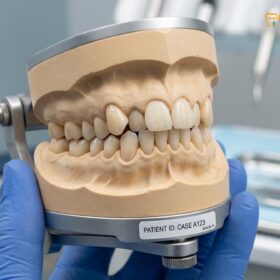
The landscape of orthodontics has been revolutionized by digital technology. For international patients seeking expat orthodontic care HCMC, the presence of advanced diagnostic equipment is a strong indicator of a clinic’s commitment to clinical excellence. Modern clinics have largely abandoned traditional alginate or PVS impressions in favor of high-resolution intraoral scanners.
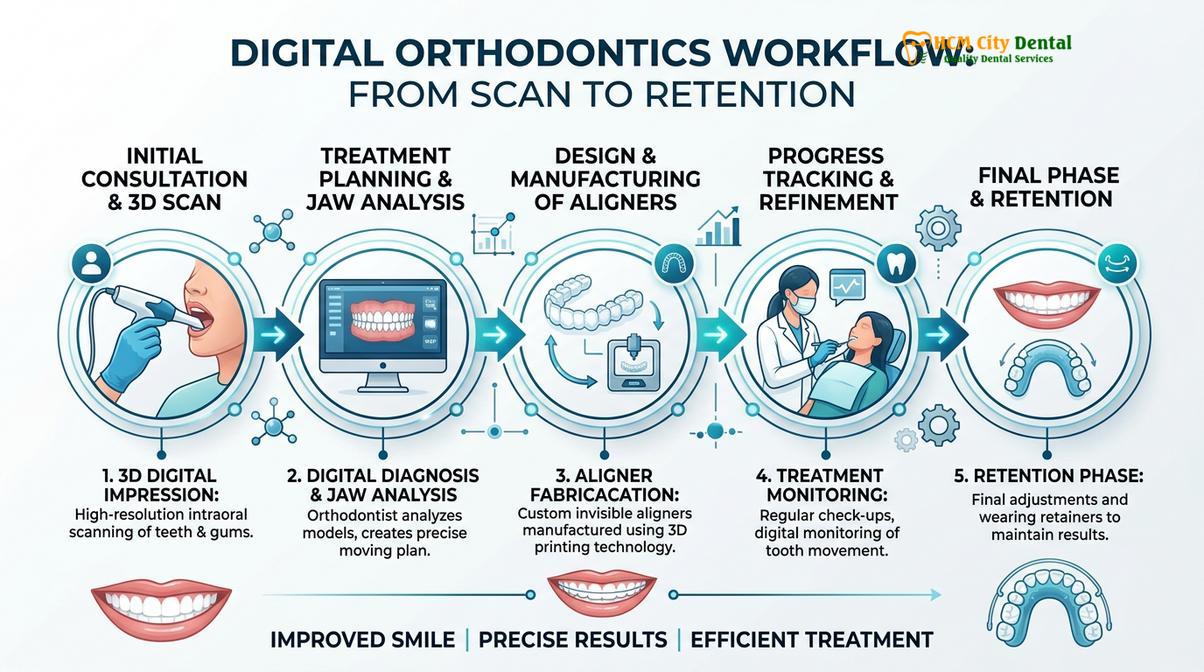
Devices like the iTero scanner capture thousands of images per second to create a highly accurate, full-color 3D model of the patient’s dentition. This digital impression is not only significantly more comfortable for the patient—eliminating the gag reflex associated with traditional putty—but it is also dimensionally stable and instantly transmittable to aligner manufacturing facilities[3].
| Clinical Feature | Traditional Putty Impressions | Digital Intraoral Scanning (e.g., iTero) |
|---|---|---|
| Patient Comfort | Low (can trigger gag reflex, messy) | High (non-invasive, comfortable wand) |
| Accuracy & Precision | Moderate (prone to distortion or air bubbles) | Extremely High (micron-level accuracy) |
| Processing Time | Days (requires physical shipping to labs) | Instant (digital files sent immediately) |
| Treatment Simulation | Not possible at the chairside | Immediate 3D outcome simulation available |
In addition to surface scanning, comprehensive orthodontic planning requires an understanding of the underlying bone architecture. 3D Cone-Beam Computed Tomography (CBCT) provides a volumetric view of the maxillofacial structures. This allows the orthodontist to evaluate root morphology, assess the thickness of the buccal and lingual cortical plates, and plan tooth movements that remain safely within the biological envelope of the bone, thereby minimizing the risk of fenestrations or root resorption.
Expat Reviews: What International Patients Say About Our Clinic
International patients consistently highlight the transparent pricing, comprehensive warranties, and seamless bilingual support provided throughout their multi-year orthodontic journeys.
When committing to a treatment that spans several months or years, trust is the most critical factor. Reviews from the expatriate community frequently emphasize the peace of mind that comes from receiving care at a clinic that operates to international standards. At HCMC Dental Clinic, the focus is on delivering a patient experience that rivals or exceeds what patients would expect in their home countries.
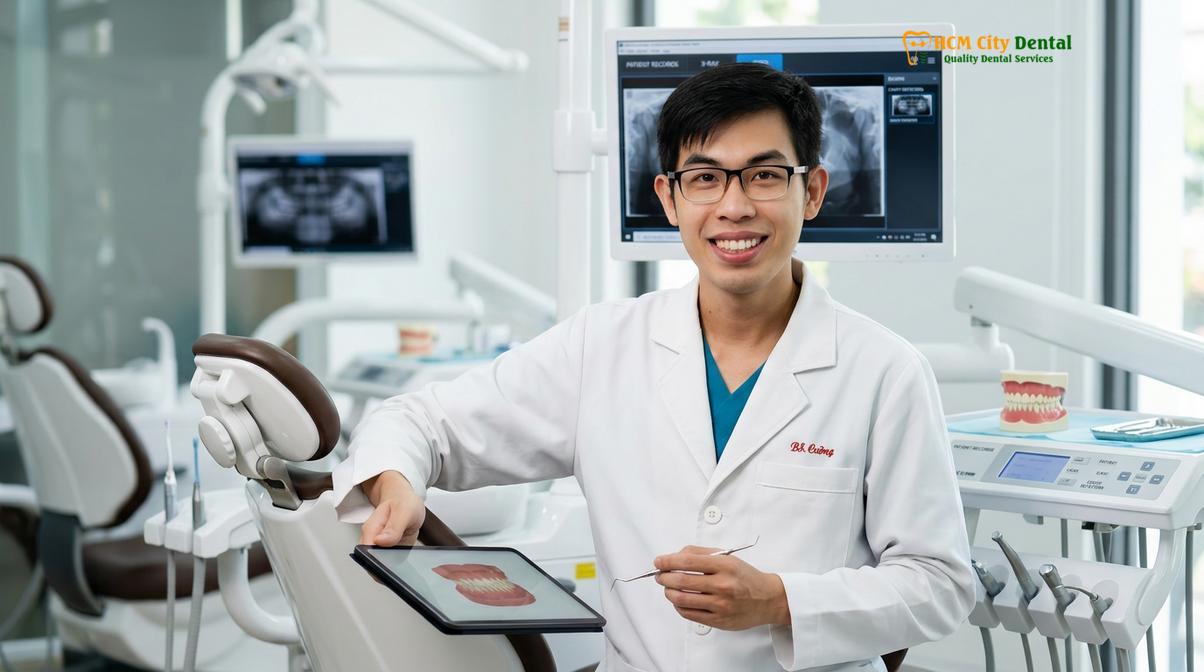
Transparent pricing is a cornerstone of this trust. Orthodontic treatment represents a significant financial investment, and international patients appreciate receiving a comprehensive, all-inclusive quotation before treatment begins. Currently, comprehensive clear aligner therapies in Vietnam offer substantial savings compared to Western markets, without any compromise on the quality of materials or clinical expertise. Patients often research the retainer cost comparison between Vietnam and Korea or the price differences between Vietnam and Japan to understand the immense value provided by highly skilled Vietnamese specialists.
“The level of detail provided during the digital ClinCheck presentation gave me complete confidence. Knowing exactly how my teeth would move, how long it would take, and having a fixed, transparent price made the decision to start orthodontics in Vietnam incredibly easy.”
Furthermore, robust warranty policies and post-treatment support are vital. Should a patient lose an aligner or require a lost retainer replacement, the clinic’s digital records allow for rapid fabrication of replacements, ensuring that the treatment progress is not derailed by minor mishaps.
When to See a Doctor for Orthodontic Assessment
Orthodontic intervention is not solely about aesthetics; it is fundamentally about establishing a functional, healthy occlusion. Malocclusions can lead to uneven wear on the enamel, difficulties in maintaining proper oral hygiene, and excessive stress on the temporomandibular joint (TMJ). You should schedule a clinical assessment with an orthodontist if you experience any of the following signs:
- Severe Crowding or Spacing: Difficulty flossing or chronic food impaction between teeth.
- Bite Discrepancies: An overbite, underbite, crossbite, or open bite that affects your ability to chew efficiently.
- TMJ Symptoms: Chronic jaw pain, clicking, popping, or frequent tension headaches associated with your bite.
- Speech Impediments: Lisping or difficulty articulating certain sounds due to tooth positioning.
- Traumatic Occlusion: Teeth that hit prematurely or excessively hard, leading to mobility or localized gum recession.
Important Clinical Consideration: Ignoring functional malocclusions can lead to accelerated dental wear, periodontal complications, and chronic joint pain. Early intervention and proper alignment distribute occlusal forces evenly, preserving the longevity of your natural dentition. Always seek a personalized diagnostic evaluation before initiating any form of tooth movement.[4]
If you are an expatriate or a visitor seeking reliable, high-quality dental alignment, securing an English speaking orthodontist Ho Chi Minh City is your first step toward a healthier, more confident smile. With advanced digital workflows, transparent pricing, and a commitment to clinical excellence, achieving your ideal occlusion is more accessible than ever. Contact our bilingual team today to schedule your comprehensive 3D orthodontic consultation.[5]
Frequently Asked Questions
Does Dr. Cuong speak fluent English?
Yes, Dr. Cuong speaks fluent English and regularly treats international patients. His high level of proficiency ensures that complex orthodontic concepts, treatment timelines, and biomechanical limitations are communicated clearly, eliminating any language barriers during your clinical consultations and active treatment phases.
What are Dr. Cuong’s orthodontic qualifications?
Dr. Cuong is a fully licensed dental specialist with advanced post-graduate training in orthodontics and dentofacial orthopedics. He holds international certifications in clear aligner therapy and continuously updates his clinical skills through global orthodontic symposiums to maintain evidence-based practice standards for all his patients.
How do I book a consultation with Dr. Cuong?
You can easily book a consultation with Dr. Cuong through the HCMC Dental Clinic website, via WhatsApp, or by calling our international patient hotline. Our bilingual coordination team will assist you in scheduling an initial clinical assessment, arranging your 3D diagnostic scan, and answering any preliminary questions.
How much do clear aligners typically cost compared to Western countries?
Clear aligner therapy in Vietnam typically costs 40% to 60% less than in the US, Australia, or Europe. Despite the lower cost, the treatment utilizes the exact same proprietary materials, digital planning software, and international clinical protocols, providing exceptional value for expatriates and medical tourists.
What happens if my retainer breaks while traveling in Vietnam?
If your retainer breaks, you should schedule an immediate clinical visit to prevent orthodontic relapse. Our clinic offers rapid digital scanning and in-house fabrication to replace lost or damaged retainers swiftly. For more details on international pricing, you can review our guide on retainer costs compared to Canada.
References
- American Journal of Orthodontics and Dentofacial Orthopedics. The impact of patient-practitioner communication on orthodontic compliance. (2021).
- Journal of Clinical Orthodontics. Efficacy of clear aligner therapy in complex malocclusions: A systematic review. (2020).
- International Journal of Computerized Dentistry. Accuracy of intraoral scanners versus traditional impressions in orthodontics. (2022).
- Angle Orthodontist. Root resorption risks associated with prolonged orthodontic forces. (2019).
- Journal of Dental Research. Long-term stability and retention protocols following active orthodontic treatment. (2023).