Invisalign refinement trays are additional clear aligners prescribed after your initial series to perfect tooth positioning. They address minor tracking discrepancies and finalize your bite, ensuring optimal clinical outcomes rather than indicating treatment failure. Expect a quick rescan and a short secondary phase of aligner wear.
Clinical Summary:
Invisalign refinement is a standard, highly anticipated phase in modern clear aligner therapy designed to fine-tune dental alignment and occlusal relationships after the primary set of trays is completed. Because tooth movement relies on complex biological responses—such as bone remodeling and periodontal ligament adaptation—teeth do not always track perfectly with digital predictions. Refinements involve capturing a new 3D intraoral scan, analyzing the current dental architecture, and fabricating a secondary series of aligners to address any remaining micro-adjustments. Depending on the specific treatment tier selected, these additional trays may be included at no extra cost. This phase is crucial for ensuring long-term stability, proper bite function, and the highest aesthetic outcome before transitioning to permanent retention.
Key Takeaways:
- Refinement trays are a normal part of the process, required by a majority of adult patients to achieve perfect alignment.
- They are specifically designed to correct minor tracking issues, stubborn rotations, and final bite settling.
- The process requires a new digital scan (rescan) to capture the exact post-initial-treatment position of the teeth.
- Comprehensive treatment plans typically include multiple refinement rounds at no additional cost, whereas lower-tier plans may charge extra.
- Refinements generally involve fewer trays and less discomfort than the initial phase of treatment.
Defining Invisalign Refinement: Fine-Tuning Your Smile
Refinement trays are a planned secondary phase of orthodontic treatment designed to correct minor alignment imperfections that remain after the initial aligner series is completed.
When patients embark on their clear aligner journey, they are often given a specific number of trays and an estimated completion date. However, orthodontics is a biological process, not merely a mechanical one. As you progress through your initial set of aligners, your orthodontist closely monitors how your teeth respond to the applied forces. In many cases, once the final tray of the first series is worn, the teeth are significantly straighter, but they may not be in their absolute perfect, final positions. This is where the refinement phase begins.
Invisalign refinements are essentially a continuation of your treatment. They are not an indication that the treatment has failed or that you have done something wrong. Instead, they represent the detailing phase of orthodontics. Just as an artist adds fine details to a painting after the broad strokes are complete, an orthodontist uses refinement trays to perfect the micro-aesthetics and functional bite of your smile. This phase is critical for ensuring that the upper and lower teeth interlock correctly, which is vital for long-term stability and the prevention of excessive enamel wear [1].
It is important to distinguish between standard end-of-treatment refinements and a mid course correction. A mid-course correction occurs when teeth stop tracking entirely halfway through the initial plan, requiring the doctor to halt the current series, rescan, and order new trays immediately to get the treatment back on track. Refinements, conversely, are typically planned for the end of the initial sequence to address the final 5 to 10 percent of necessary movement. By utilizing advanced clear aligner therapy, clinicians can achieve a level of precision that ensures both aesthetic brilliance and functional harmony.
Why Do Teeth ‘Stubbornly’ Resist Aligner Force?
Biological variations in bone density, root anatomy, and periodontal ligament responses often cause certain teeth to track slower than the digital software initially predicted.
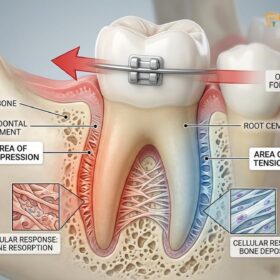
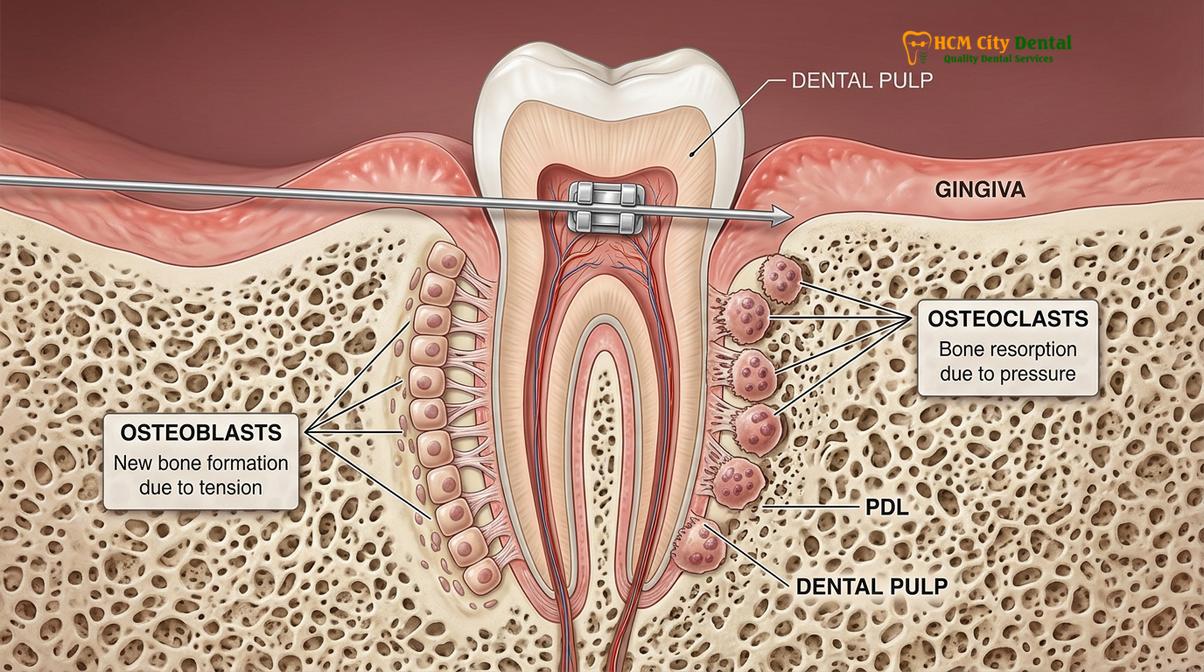
To understand why refinements are so common, one must delve into the biomechanics of orthodontic tooth movement. When an aligner applies pressure to a tooth, it compresses the periodontal ligament (PDL) on one side and stretches it on the other. This mechanical stress triggers a complex biological cascade. Osteoclasts (cells that break down bone) activate on the pressure side, while osteoblasts (cells that build new bone) activate on the tension side [2]. This cellular remodeling is what allows the tooth to move through the dense alveolar bone.
However, human biology is inherently unpredictable. Digital treatment planning software calculates movement based on mathematical algorithms and averages, but it cannot perfectly predict the exact biological resistance of an individual’s bone density. Some teeth exhibit stubborn tooth movement due to their specific root morphology. For example, maxillary lateral incisors are notoriously difficult to track because of their small surface area, which gives the aligner less plastic-to-tooth contact to grip and apply rotational force. Similarly, canines have massive, long roots anchored deeply in dense cortical bone, making them highly resistant to rapid movement [3].
Furthermore, the way a patient bites down, the resting posture of their tongue, and the tone of their facial muscles all exert counter-forces against the aligners. If a patient clenches their teeth at night, they may inadvertently push a tooth in a direction contrary to the aligner’s intended path. These microscopic biological and functional variables accumulate over months of treatment, resulting in minor discrepancies between the predicted digital outcome and the actual clinical reality.
“In clinical practice, we view the initial aligner series as the heavy lifting phase. The refinement stage is where the true artistry of orthodontics happens. We are no longer just moving teeth; we are negotiating with the patient’s unique biology to achieve a stable, harmonious bite that will last a lifetime.”
— Dr. Nguyen Van Cuong, Lead Clinician at HCMC Dental Clinic
The Refinement Process: Rescanning and New Aligners
The refinement workflow involves removing old attachments, capturing a highly accurate digital impression of your current bite, and fabricating a targeted set of new aligners.
Transitioning into the refinement phase is a seamless and highly structured clinical process. Once you have completed your final initial tray, your orthodontist will perform a comprehensive evaluation. They will check for any remaining spaces (diastemas), assess the intercuspation (how the upper and lower teeth fit together), and evaluate the root parallelism using panoramic or cephalometric radiographs if necessary. If refinements are indicated, the active clinical workflow begins.
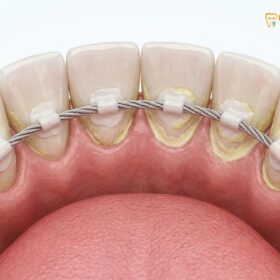
The first step often involves the removal of some or all of your existing composite attachments. Attachments are the small, tooth-colored “bumps” bonded to your enamel that give the aligners leverage. Because the required vectors of force will change during the refinement phase, the old attachments may no longer be useful or could even hinder the new desired movements. The doctor will carefully polish away the composite resin, returning the teeth to their smooth, natural state temporarily.
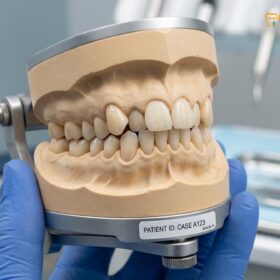
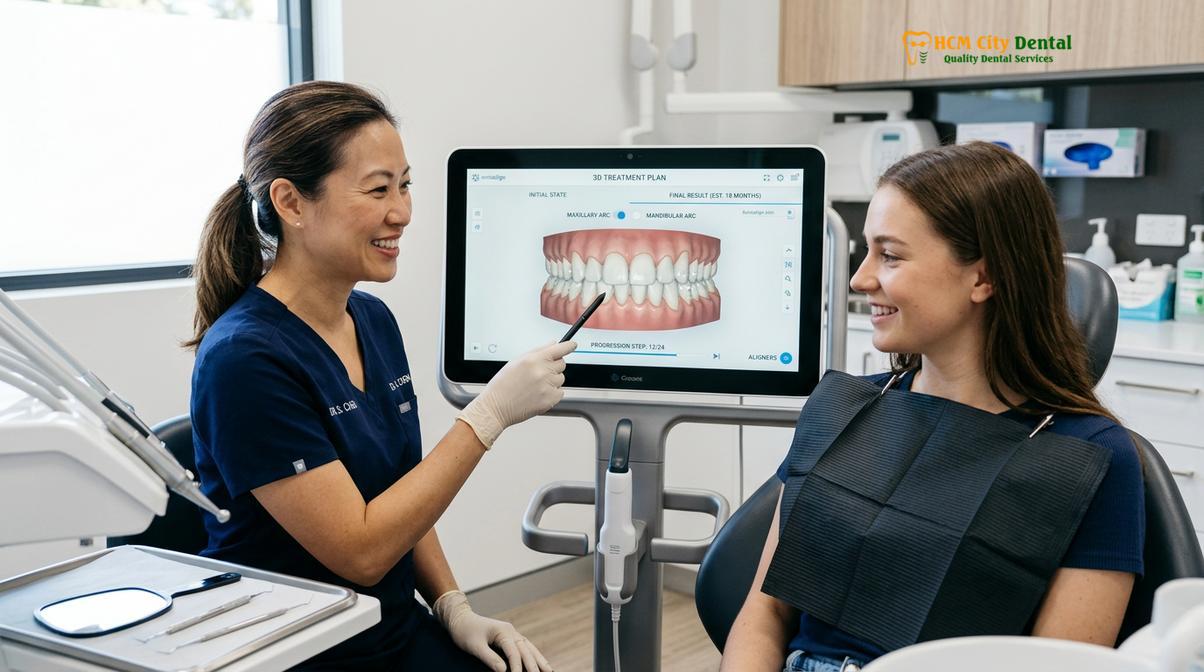
Next, the clinician will perform an iTero refinement scan. This state-of-the-art digital intraoral scanner captures thousands of images per second to create a highly accurate, 3D topographical map of your current dental arch. Unlike traditional gooey putty impressions, the digital scan is comfortable, fast, and eliminates the risk of distortion [4]. The scanner also records your current bite registration, ensuring the new aligners will account for your exact occlusal relationship.
Once the scan is complete, the data is transmitted to the laboratory, where your orthodontist will design a new digital treatment plan (ClinCheck). They will prescribe specific micro-movements, perhaps requesting new attachments on different teeth or planning for minor interproximal reduction (IPR) to create a fraction of a millimeter of space for a tight contact to resolve. After the doctor approves the digital setup, the additional clear aligners are manufactured and shipped to the clinic.
Clinical Case Example: Refinement for Rotational Control
A 28-year-old patient visited HCMC Dental Clinic in Ho Chi Minh City for clear aligner therapy to resolve moderate lower crowding. After 24 initial trays, the crowding was fully resolved, but the lower right canine remained rotated by approximately 5 degrees due to its dense root structure. Dr. Cuong initiated a refinement phase, placing an optimized rotation attachment on the canine and prescribing 6 additional trays. Within 6 weeks, the tooth achieved perfect alignment, and the patient successfully transitioned to the retention phase.
Cost and Fees: Are Refinement Trays Free in Your Package?
Whether you pay extra for refinement trays depends entirely on your specific Invisalign tier, with Comprehensive plans typically including multiple refinement rounds at no additional charge.
One of the most common concerns patients have when approaching the end of their initial treatment is the potential for hidden costs. The Invisalign refinements cost is dictated by the specific treatment package you and your doctor selected at the beginning of your orthodontic journey. Align Technology, the manufacturer of Invisalign, offers several different tiers of treatment to accommodate varying levels of malocclusion complexity.
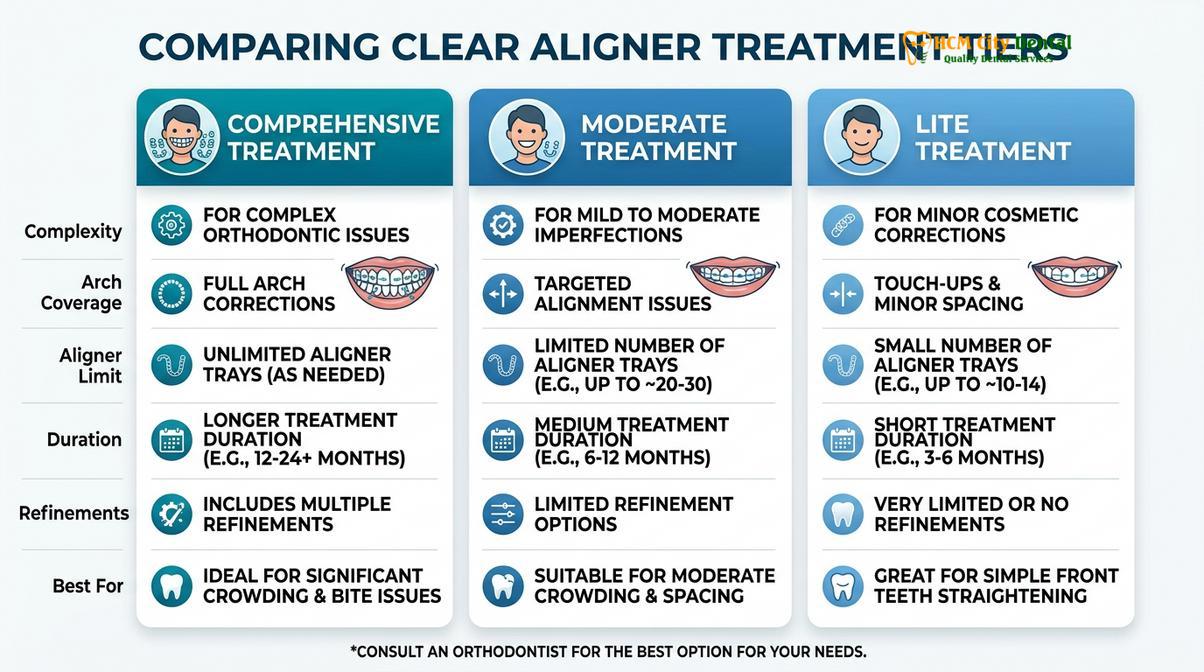
If you are enrolled in the Comprehensive Package (formerly known as Full), you generally have unlimited refinement phases included for up to five years from your start date. This package is designed for moderate to severe cases that require significant movement, bite correction, and a high likelihood of needing multiple detailing phases. For patients on this tier, the laboratory fees for the extra trays are covered, though some clinics may charge a nominal chairside fee for the time spent rescanning and placing new attachments.
Conversely, lower-tier packages have strict limitations. The Moderate Package typically includes up to 20 initial trays and allows for one round of refinements within a two-year window. The Lite Package, designed for minor aesthetic corrections, usually caps at 14 initial trays and includes only one refinement round of up to 14 trays. The Express Package (often 7 trays) is meant for very minor relapse cases and generally does not include any free refinements; if you need more trays, you must pay an additional fee to upgrade your case or order a la carte aligners.

Understanding these financial parameters is crucial before beginning treatment. When evaluating orthodontic retention costs compared to Korea or other international markets, it becomes evident that choosing a comprehensive plan upfront often provides better long-term value by eliminating surprise fees during the detailing phase.
| Treatment Tier | Initial Tray Limit | Included Refinements | Best Suited For |
|---|---|---|---|
| Comprehensive | Unlimited | Unlimited (within 5 years) | Complex cases, bite correction, severe crowding |
| Moderate | Up to 20 trays | 1 round (within 2 years) | Moderate crowding or spacing issues |
| Lite | Up to 14 trays | 1 round (up to 14 trays) | Minor aesthetic adjustments, slight relapse |
| Express | Up to 7 trays | None (additional fee required) | Very minor corrections, pre-restorative alignment |
It is always recommended to have a transparent discussion with your clinical team regarding what is included in your specific contract. Furthermore, patients should also budget for the post-treatment phase, researching retainer expenses versus New Zealand or other regions to understand the global standard of care for maintaining their new smile.
How Refinements Affect Your Overall Treatment Timeline
Refinement phases typically add a few weeks to several months to your total treatment time, depending on the complexity of the remaining tooth movements required.
When patients hear they need refinements, their immediate question is often, “How much longer will this take?” The timeline for the refinement phase is influenced by several factors, including the manufacturing turnaround time, the number of additional trays required, and the patient’s biological response to the new forces.
After your rescan, it typically takes 2 to 4 weeks for the doctor to design the new ClinCheck, for the laboratory to manufacture the trays, and for the shipment to arrive at the clinic. During this waiting period, you will be instructed to wear your final initial tray (or a temporary passive aligner) primarily at night to hold your teeth in their current position. It is vital not to discard your last tray, as teeth can relapse quickly without retention.
Once the new trays arrive, the active refinement wear begins. Because refinements focus on micro-adjustments rather than gross movements, the series is usually much shorter than the initial phase. A typical refinement round might consist of 5 to 15 trays. Depending on your doctor’s protocol, you may be instructed to change these trays every 7, 10, or 14 days. Therefore, the active refinement phase generally adds anywhere from 1 to 4 months to your overall treatment timeline [5].
It is crucial to maintain strict compliance during this phase. Because the movements are so minute, any deviation from the recommended 22 hours of daily wear can cause the teeth to lag, potentially necessitating yet another round of rescanning. Seeking professional post-treatment retention pricing compared to Japan or local clinics highlights the importance of finishing the active phase correctly to avoid prolonged retention complications.
Clinical Warning: Compliance is Critical
The refinement phase requires the exact same level of dedication as the initial treatment. Wearing your aligners for less than 20-22 hours a day will prevent the targeted micro-movements from occurring, leading to poorly fitting trays and the potential need for further, prolonged orthodontic intervention. Do not let “aligner fatigue” compromise your final result.
When to Consult Your Orthodontist
While clear aligner therapy is highly predictable, it requires continuous professional oversight. Patients must be vigilant in monitoring their own progress and recognizing when clinical intervention is necessary. If you notice that your aligners are no longer seating fully—evidenced by visible air gaps between the edge of the tooth and the plastic tray—this is a clear sign of a tracking error. Continuing to wear ill-fitting trays will not force the tooth into position; instead, it can apply incorrect vectors of force, potentially pushing adjacent teeth out of alignment.
Additionally, while mild pressure is expected when switching to a new tray, severe, sharp, or throbbing pain is not normal. If an aligner causes significant discomfort that does not subside after 48 hours, or if the edges of the plastic are causing lacerations to your gingival tissue, you should schedule an evaluation immediately. Prompt orthodontist adjustments HCMC can resolve these issues, often by simply smoothing the tray edges or modifying the wear schedule.
“Patients must remember that clear aligners are prescription medical devices. If a tray feels fundamentally wrong, or if a specific tooth is visibly lagging behind the plastic mold, do not wait for your next scheduled appointment. Early intervention is the key to keeping the treatment timeline on track.”
— Dr. Nguyen Van Cuong, HCMC Dental Clinic
Once your refinement phase is successfully completed, the focus shifts entirely to retention. Teeth have a natural tendency to shift back toward their original positions, a phenomenon known as orthodontic relapse. Whether you require repairing a broken fixed retainer or are looking into replacing a lost retainer, maintaining your final results is a lifelong commitment. For those planning their post-treatment budget, reviewing retainer cost comparisons with Canada and other regions can provide valuable perspective on the global value of quality dental retention.

Frequently Asked Questions
How many refinement trays will I need?
The number of refinement trays typically ranges from 5 to 20, depending entirely on the complexity of the remaining tooth movements. Minor detailing may require only a few aligners, while bite corrections or stubborn rotations will necessitate a longer series to achieve optimal clinical results. Your orthodontist will determine the exact number after reviewing your new 3D scan.
Is a rescan required for Invisalign refinements?
Yes, a new digital scan is absolutely necessary to begin the refinement phase. This highly accurate 3D impression captures the exact current position of your teeth, allowing the orthodontist to design a precise secondary treatment plan based on your actual biological response, rather than relying on outdated initial predictions.
What if my teeth still aren’t straight after refinements?
If minor discrepancies persist after a refinement phase, your orthodontist may recommend an additional round of refinements, provided your treatment plan allows it. In some complex cases, alternative detailing methods such as targeted elastics, minor fixed appliance adjustments (braces), or cosmetic bonding may be utilized to achieve the perfect final aesthetic.
Do refinement trays hurt more than the initial set?
Refinement trays generally cause less discomfort than the initial aligner series because the major tooth movements have already been completed. Patients typically experience only mild pressure for the first day or two as the new aligners focus on micro-adjustments and final root positioning, rather than broad, sweeping changes to the dental arch.
Can I refuse refinement trays and just get retainers?
While you have the right to decline refinements, doing so means accepting your current dental alignment and bite as the final result. Skipping recommended refinements can compromise long-term occlusal stability and aesthetic symmetry, increasing the risk of orthodontic relapse over time. It is highly advised to complete the prescribed detailing phase.
References
- American Journal of Orthodontics and Dentofacial Orthopedics. Predictability of clear aligner therapy and the necessity of refinement phases. (2021).
- Journal of Clinical Orthodontics. Biomechanical considerations in clear aligner refinements and attachment design. (2020).
- European Journal of Orthodontics. Osteoclastic activity and periodontal ligament response during secondary aligner phases. (2019).
- Angle Orthodontist. Comparative analysis of treatment duration and refinement frequency in comprehensive clear aligner cases. (2022).
- International Journal of Dentistry. Patient compliance and its impact on the efficacy of orthodontic mid-course corrections and refinements. (2018).