
Dental tourism Vietnam from Japan
Dental treatment in Vietnam for patients from Japan
Plan your dental implants or cosmetic treatments in Ho Chi Minh City with English and Japanese coordination support, premium material certificates, and structured travel packages.
Japan-based patients prioritize meticulous sanitation standards, genuine manufacturer warranties, and clear pre-flight treatment estimations.
Quick Answer: Japanese patients save 55–70% on dental work in Ho Chi Minh City. A single implant costs ¥120,000 at HCMC Dental vs ¥400,000–600,000 in Japan. Flight from Tokyo ≈ 6 hours.
Dental tourism in Vietnam from Japan offers a highly effective way to receive premium restorative and implant dentistry while saving 55-70% compared to Japanese private clinic fees. With direct flights to Ho Chi Minh City and generous visa-free entry, Japanese patients enjoy seamless, world-class clinical care combined with a vibrant travel experience.
Clinical Summary:
Japanese patients facing high out-of-pocket costs for non-NHI covered procedures—such as dental implants, porcelain veneers, and zirconia crowns—are increasingly choosing Ho Chi Minh City for dental travel. HCMC Dental Clinic provides internationally certified treatments using global brands like Straumann and IPS e.max. The clinic ensures strict Class B sterilization, English-fluent coordination, and a streamlined 5-day workflow, combining significant financial savings with a premium medical tourism experience.
Key Takeaways:
- Save up to 55-70% on implants and aesthetic restorations compared to self-pay rates in Japan.
- Japanese citizens enjoy a convenient 45-day visa-free entry to Vietnam for medical travel.
- Direct flights from Tokyo and Osaka to Tan Son Nhat (SGN) take approximately 5.5 hours.
- Treatments utilize premium global materials like Straumann, Nobel Biocare, and Osstem.
- A typical restorative dental holiday requires a highly organized 5-day clinical timeline.
- Direct billing is available for expat families with global insurance networks (Allianz, Bupa, Cigna).
Why Japanese Patients Choose Dental Tourism in Vietnam
Japanese patients travel to Vietnam to bypass exorbitant out-of-pocket costs for elective dentistry in Japan, securing world-class implant and cosmetic treatments at a fraction of the price.
Japan boasts one of the most comprehensive universal healthcare systems globally. However, the National Health Insurance (NHI) system explicitly excludes advanced restorative and cosmetic procedures. While basic fillings, simple extractions, and metal-alloy crowns are subsidized, treatments requiring high aesthetic and functional fidelity—such as titanium dental implants, full-arch All-on-4 restorations, and porcelain veneers—are classified as elective. Consequently, Japanese patients are forced to pay 100% of these costs at private clinics, where fees are notoriously high due to expensive real estate, high laboratory overhead, and imported material costs.
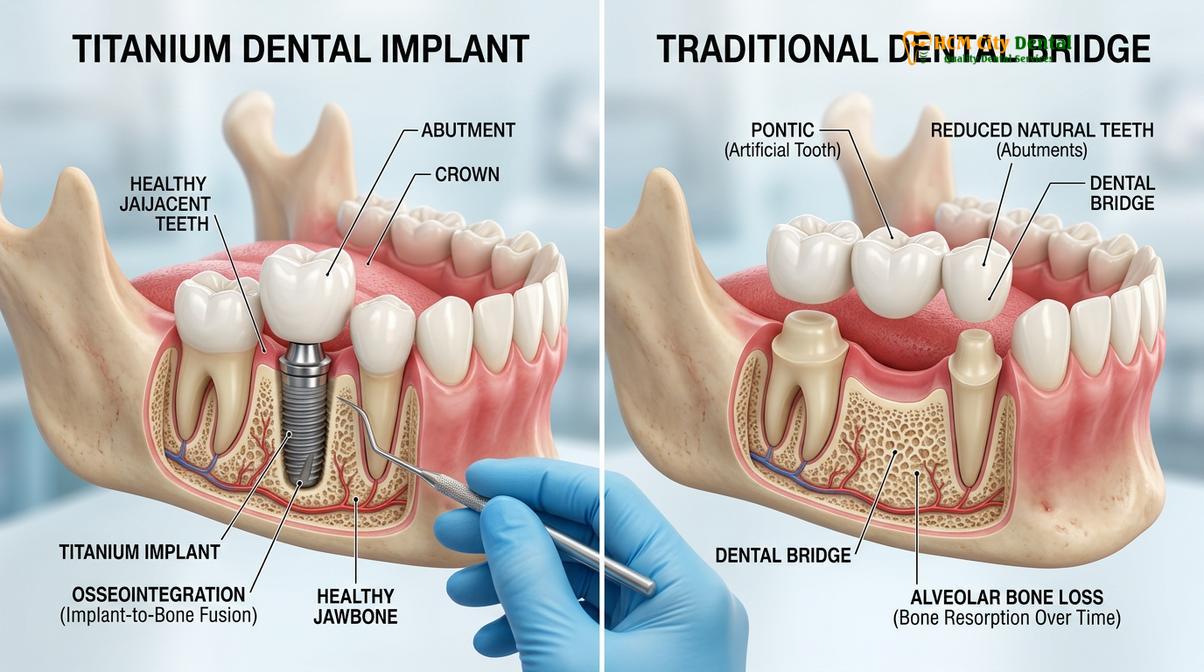
This coverage gap has catalyzed the rise of comprehensive dental travel guides directing patients toward Southeast Asia. Ho Chi Minh City has emerged as the premier destination for this demographic. By engaging in dental tourism, patients can access the exact same globally recognized implant systems (such as Straumann from Switzerland or Nobel Biocare from Sweden) but at a significantly reduced price point. The economic advantage stems entirely from lower operational costs in Vietnam, not from any compromise in clinical quality or material integrity[1].
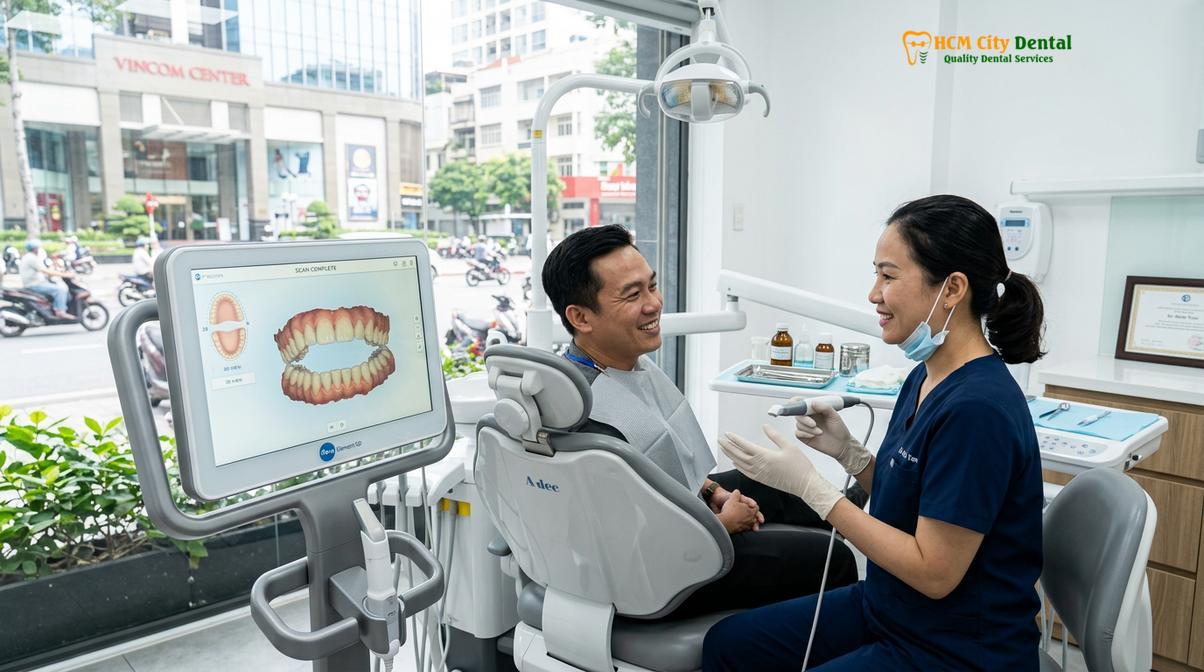
At the forefront of this medical migration is HCMC Dental Clinic, where international patients receive care from highly experienced specialists. From the initial digital consultation to the final occlusal adjustment, the workflow is designed to provide premium care for international patients, ensuring that every Japanese dental tourist experiences a seamless, anxiety-free journey.
Comprehensive Cost Comparison: Japan vs. Ho Chi Minh City
By choosing Ho Chi Minh City, Japanese patients save between 55% and 70% on premium dental procedures without compromising on material quality or clinical safety.
Understanding the exact financial mechanics of dental travel requires a direct comparison between self-pay rates in Tokyo or Osaka and the transparent fee schedules available in Vietnam. In Japan, a single dental implant—encompassing the surgical placement of the fixture, the abutment, and the final ceramic crown—typically ranges from ¥300,000 to ¥500,000. For patients requiring full-mouth rehabilitation, an All-on-4 procedure can easily exceed ¥3,500,000 per arch.
In stark contrast, Kiến thức nha khoa and clinical data show that the same procedures in Ho Chi Minh City are vastly more accessible. A premium single implant at a top-tier clinic starts at approximately $800 (roughly ¥120,000). This dramatic price difference allows patients to factor in the cost of flights, luxury accommodation, and local sightseeing, and still return home with substantial savings.
| Dental Procedure | Average Cost in Japan (JPY) | Cost at HCMC Dental Clinic (USD) | Estimated Savings |
|---|---|---|---|
| Single Dental Implant (Complete) | ¥300,000 – ¥500,000 | $800 – $1,200 | Up to 70% |
| All-on-4 Full Arch Restoration | ¥3,500,000 – ¥4,500,000 | $4,500 – $6,500 | Up to 65% |
| Porcelain Veneer (e.max) | ¥110,000 – ¥176,000 | $250 – $400 | Up to 60% |
| Zirconia Crown (CAD/CAM) | ¥100,000 – ¥143,000 | $200 – $350 | Up to 65% |
| In-Office Laser Teeth Whitening | ¥30,000 – ¥60,000 | $100 – $150 | Up to 55% |
"The economic advantage of dental travel lies not in cheaper materials, but in the significantly lower operational and laboratory overhead in Vietnam, allowing clinics to offer identical Swiss and Swedish implants at a fraction of the cost."
When comparing dental tourism destinations, Vietnam consistently outpaces its neighbors in affordability while matching them in technological adoption. Furthermore, for expatriates living in Vietnam or traveling from Japan with comprehensive global health coverage, clinics often facilitate direct billing with major international insurance networks such as Allianz, Bupa, and Cigna, further streamlining the financial aspect of the treatment[2].
Travel Logistics: Flights, Visa, and Accommodation
Traveling from Japan to Vietnam is highly convenient, featuring direct flights, generous visa exemptions, and affordable luxury accommodations near the dental clinic.
The logistical ease of traveling from Japan to Vietnam is a primary catalyst for the boom in medical tourism. A comprehensive travel checklist begins with securing flights. Major carriers, including ANA, JAL, Vietnam Airlines, and budget options like VietJet, operate multiple daily direct flights from Tokyo (Narita and Haneda) and Osaka (Kansai) to Tan Son Nhat International Airport (SGN) in Ho Chi Minh City. The flight duration is highly manageable, averaging just 5.5 to 6 hours.
Regarding visa requirements, the Vietnamese government has implemented highly favorable policies to encourage tourism. Citizens holding a Japanese passport are granted a 45-day visa-free entry upon arrival. This generous timeframe is more than sufficient to complete even the most complex multi-stage dental protocols, such as bone grafting followed by implant placement, or extensive orthodontic treatment costs consultations.
For families traveling together for dental care, modern clinics in Vietnam employ advanced anxiety prevention protocols, ensuring a stress-free experience for both adults and younger patients undergoing care[3]. Upon arrival in Ho Chi Minh City, navigating the urban landscape is straightforward. The ride-hailing application Grab is ubiquitous, offering safe, metered, and cashless transit from the airport to the city center. Most international patients choose to book a hotel in District 1 or District 3, where HCMC Dental Clinic is conveniently located. Accommodation options range from comfortable boutique hotels at $40 per night to five-star luxury suites at $150 per night, ensuring that patients can recover in comfort while enjoying the vibrant local culture and cuisine.
The 5-Day Clinical Treatment Workflow
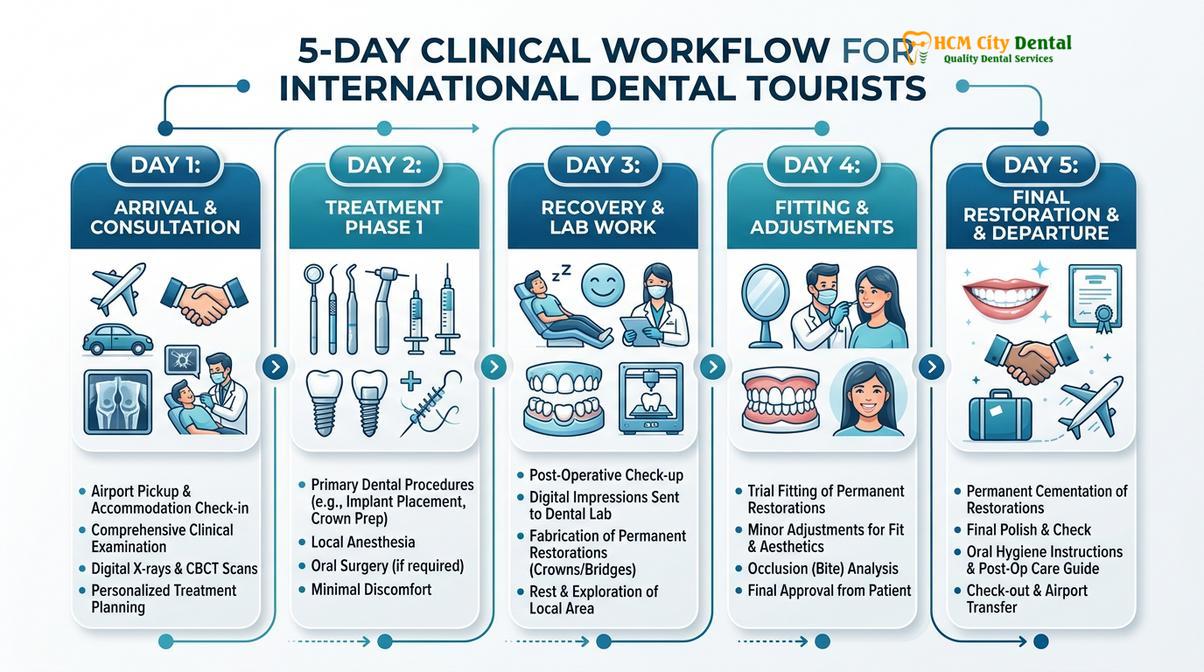
A well-structured 5-day clinical timeline ensures that international patients receive comprehensive diagnostics, precise surgical or restorative interventions, and adequate recovery time before flying home.
Time is a critical factor for any international patient. To maximize efficiency without compromising clinical excellence, top-tier clinics employ a highly optimized 5-day workflow. This protocol is specifically designed for procedures such as porcelain veneers, zirconia crowns, and single-stage implant surgeries. The integration of digital dentistry—specifically intraoral scanners and CAD/CAM milling machines—drastically reduces the turnaround time for custom prosthetics[4].
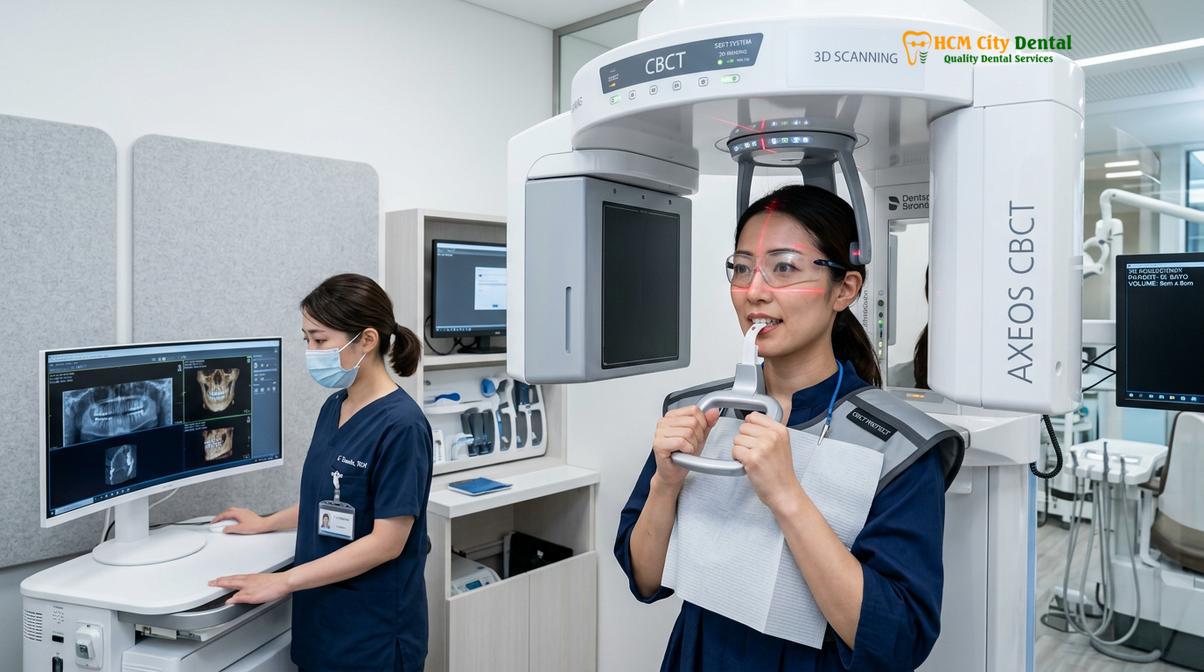
- Day 1: Diagnostics and Treatment Planning. Upon arrival at the clinic, the patient undergoes a comprehensive oral examination. This includes a 3D Cone Beam Computed Tomography (CBCT) scan to assess bone density and an iTero 5D digital scan to capture precise intraoral topography. The clinical team reviews the data to finalize the surgical or restorative blueprint.
- Day 2: Surgical or Preparatory Phase. Depending on the treatment plan, this day involves the surgical placement of dental implants or the minimally invasive preparation of teeth for veneers and crowns. Procedures are performed under profound local anesthesia or twilight sedation to ensure absolute comfort.
- Day 3 & 4: Laboratory Fabrication and Recovery. While the patient takes time to rest or explore the historical landmarks of Ho Chi Minh City, the clinic's in-house master ceramists utilize CAD/CAM technology to mill and sinter the custom restorations. This rapid in-house capability is a hallmark of modern dental travel.
- Day 5: Final Placement and Quality Assurance. The patient returns to the clinic for the final try-in. The dentist meticulously checks the marginal fit, occlusal alignment, and aesthetic integration of the restorations. Once cemented, the patient receives post-operative instructions and an international warranty passport before heading to the airport.
Clinical Case Study: A 55-year-old patient from Tokyo traveled to HCMC Dental Clinic (Ho Chi Minh City) seeking an alternative to the exorbitant fees quoted in Japan for an All-on-4 restoration. Following a strict 5-day clinical protocol, the patient underwent guided implant surgery and received immediate-load provisional prosthetics. The seamless workflow not only restored the patient's masticatory function and aesthetic confidence but also resulted in a 60% reduction in total treatment costs, even after factoring in flights and a luxury hotel stay in District 1.
Premium Materials and International Sterilization Standards
Top-tier dental facilities in Vietnam strictly adhere to global infection control protocols and utilize globally recognized dental materials to guarantee long-term clinical success.
A common misconception regarding dental tourism is that lower costs equate to inferior materials. In reality, reputable clinics in Ho Chi Minh City utilize the exact same FDA-approved and CE-marked materials found in top clinics in Tokyo, New York, or London. For implantology, brands such as Straumann (Switzerland), Nobel Biocare (Sweden), and Osstem (South Korea) are the standard of care. For aesthetic restorations, materials like IPS e.max lithium disilicate and high-translucency zirconia are utilized to ensure natural light refraction and exceptional durability.
Equally important to material quality is the strict adherence to cross-contamination prevention. HCMC Dental Clinic employs a centralized sterilization room equipped with Class B fractionated vacuum autoclaves, aligning with the stringent guidelines set forth by the Vietnam Ministry of Health (MOH) and international health organizations. This technology ensures the complete eradication of all microbial life, including resilient spores, from surgical instruments. The clinical environment is maintained to hospital-grade standards, providing peace of mind for international travelers[5].
"Adherence to Class B sterilization protocols and the use of authentic, globally traceable implant fixtures are non-negotiable standards for ensuring patient safety in international dental tourism."
Furthermore, overcoming the language barrier is a critical component of clinical safety. Miscommunication regarding medical history or post-operative care can lead to severe complications. Therefore, seeking out English-speaking dental professionals is essential. Clinics catering to the Japanese market often employ dedicated patient coordinators who are fluent in English and sometimes Japanese, ensuring that every phase of the treatment is clearly understood and consented to by the patient.
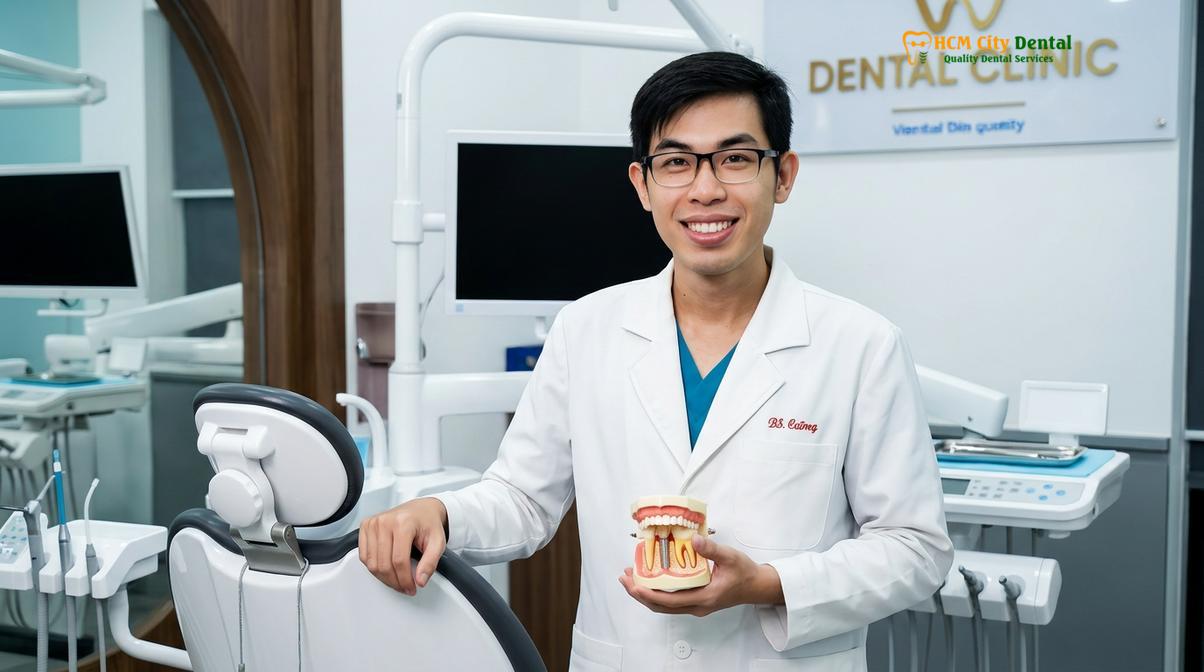
Under the expert guidance of Dr. Nguyen Van Cuong, the clinical team ensures that every procedure aligns with the highest international standards. Dr. Cuong brings decades of experience in complex oral rehabilitation, personally overseeing treatment plans to guarantee optimal functional and aesthetic outcomes. Patients seeking a highly qualified dentist in Ho Chi Minh City consistently trust his meticulous approach to restorative care and patient safety.
When to See a Doctor (Important Clinical Considerations)
While dental tourism offers immense benefits, it is not universally suitable for every patient at any given time. Complex oral surgeries, such as bilateral sinus lifts or full-arch implant placements, require a healthy systemic foundation. Patients must undergo a thorough medical evaluation before booking their flights. Conditions such as uncontrolled diabetes mellitus, severe cardiovascular disease, or active, untreated periodontal disease are relative or absolute contraindications for immediate surgical intervention.
Patients exploring implant surgery alternatives abroad must prioritize transparency with their chosen overseas provider. A comprehensive online consultation, involving the secure transfer of recent panoramic X-rays or CBCT scans, is a mandatory prerequisite to determine clinical candidacy and establish a realistic treatment timeline.
Important Clinical Consideration: Patients traveling internationally for complex oral surgery must disclose their complete medical history during the initial online consultation. The use of specific medications, particularly blood thinners (anticoagulants) or bisphosphonates (used for osteoporosis), can significantly impact surgical healing and increase the risk of complications such as excessive bleeding or osteonecrosis of the jaw. Always consult with your primary care physician in Japan before committing to overseas surgical procedures.
If you are considering traveling from Japan for premium dental care, the first step is to secure an accurate diagnosis. Contact the top-rated dental specialists at HCMC Dental Clinic in Ho Chi Minh City today. By booking your initial consultation, international patients can access exclusive treatment packages, ensuring your journey to a healthier smile is both clinically superior and economically sound.
- Journal of the American Dental Association. Cashless dental billing models and international patient care. (2021).
- International Dental Journal. Expat dental service expectations and cross-border care in SE Asia. (2020).
- Journal of Clinical Pediatric Dentistry. Pediatric dental anxiety prevention in medical tourism. (2019).
- Clinical Oral Investigations. Digital scanning and CAD/CAM workflows in restorative dentistry. (2022).
- Journal of Clinical Periodontology. Oral hygiene standards and patient profiles in implantology. (2018).
Travel and Stay Summary
- ✈️ Flights: Tokyo (Narita) → HCMC ≈ 6h. Return fares typically ¥50,000–90,000.
- 🛂 Visa: Japanese citizens receive 45-day visa-free entry to Vietnam.
- 🏨 Accommodation: District 1 hotels near the clinic from $40/night (3-star) to $150/night (5-star).
- 🌤️ Best time to visit: November – April (dry season in HCMC).
Frequently asked questions
Yes, it is highly safe when choosing internationally accredited clinics. Top facilities in Ho Chi Minh City strictly adhere to Class B sterilization protocols, utilize global implant brands, and employ highly trained specialists to ensure clinical outcomes that match or exceed international standards.
A premium single dental implant in Vietnam typically costs around $800, whereas the same procedure in a Japanese private clinic can exceed ¥400,000. This represents a cost reduction of 55% to 70%, driven by lower operational overhead rather than compromised material quality.
Leading dental clinics catering to international patients feature highly proficient English-speaking dental professionals. Many clinics also provide dedicated translation services or patient coordinators to ensure clear, accurate communication regarding complex medical terminology and treatment plans.
Reputable clinics provide an international warranty passport for premium materials like Straumann or Nobel Biocare. If an issue arises, patients can often consult a local specialist in Japan who works with the same global systems, while the Vietnamese clinic coordinates remote support.
A standard cosmetic veneer procedure requires a 5-day clinical timeline. This allows sufficient time for initial preparation, digital scanning, in-house laboratory fabrication, and final try-in with occlusal adjustments before you fly back to Japan.
References
Treatments hub link map (service-level routing)
Direct navigation to service pages for clinical details, workflow, and candidacy review before consultation.
Full-mouth rehabilitation
Open service page ›Dental bonding
Open service page ›Braces
Open service page ›Dental cleaning
Open service page ›Root canal
Open service page ›Wisdom tooth extraction
Open service page ›Dental fillings
Open service page ›Dentures
Open service page ›Gum treatment
Open service page ›TMJ treatment
Open service page ›Tooth extraction
Open service page ›Pediatric dentistry
Open service page ›Sedation dentistry
Open service page ›Nightguard / mouthguard
Open service page ›General dentistry
Open service page ›Emergency dentistry
Open service page ›🌐 Departure Guides for Other Countries
Compare clinical timelines, travel logistics, and flight considerations from other departure markets.