When a tooth suffers from decay, fracture, or wear, the immediate assumption for most patients is that they simply need a standard filling. However, in modern restorative dentistry, a basic filling is not always the most clinically sound solution for long-term stability. The choice between a direct composite resin filling and a custom-milled ceramic inlay or onlay is one of the most critical decisions in preserving the structural integrity of your tooth. For international patients, expats, and dental tourists seeking world-class care, understanding this distinction is vital to minimizing the risk of premature restoration failure, recurrent decay, and eventual tooth loss.
At HCMC Dental Clinic in Ho Chi Minh City, we utilize advanced 3D CBCT imaging, rigorous sterilization protocols, and genuine imported materials to deliver uncompromising restorative care. Whether you are searching for the best composite bonding dentist saigon for a chipped front tooth or require complex ceramic inlays to restore heavy-bite molars, our clinical team provides international-standard treatments designed to restore both function and aesthetics.
Clinical Summary:
This comprehensive clinical guide evaluates the biomechanical and aesthetic differences between direct composite resin fillings and indirect CAD/CAM ceramic inlays/onlays. While composite bonding is highly effective for small cavities and anterior aesthetic corrections, large defects in posterior molars often require the superior compressive strength and marginal integrity of ceramic inlays. The article details the clinical indications for each material, safe amalgam removal protocols, and the transparent advantages of receiving premium restorative dental care at HCMC Dental Clinic in Vietnam.
Key Takeaways:
- Material Selection: Composite resin is generally ideal for small-to-medium cavities and front teeth, while ceramic inlays/onlays are engineered for larger structural defects in molars.
- Biomechanical Strength: Ceramic inlays do not shrink during fabrication, offering excellent marginal seals and high resistance to heavy occlusal (chewing) forces compared to massive composite fillings.
- Safe Amalgam Removal: Strict isolation protocols are employed to safely remove old, leaking mercury silver fillings and replace them with biocompatible alternatives.
- Digital Precision: In-house CAD/CAM technology allows for the precise milling of custom ceramic restorations, helping to ensure an accurate fit and natural aesthetics.
- Cost Efficiency: International patients can access premium restorative treatments in Saigon at highly competitive rates without compromising on material quality or clinical expertise.
When to Choose Composite Resin vs Ceramic Inlays/Onlays
The decision to restore a tooth with direct composite resin or an indirect ceramic inlay is dictated by the principles of dental biomechanics, the size of the cavity, and the location of the tooth within the dental arch. A fundamental rule in restorative dentistry is that the restoration should mimic the physical properties of the natural tooth structure it replaces as closely as possible.
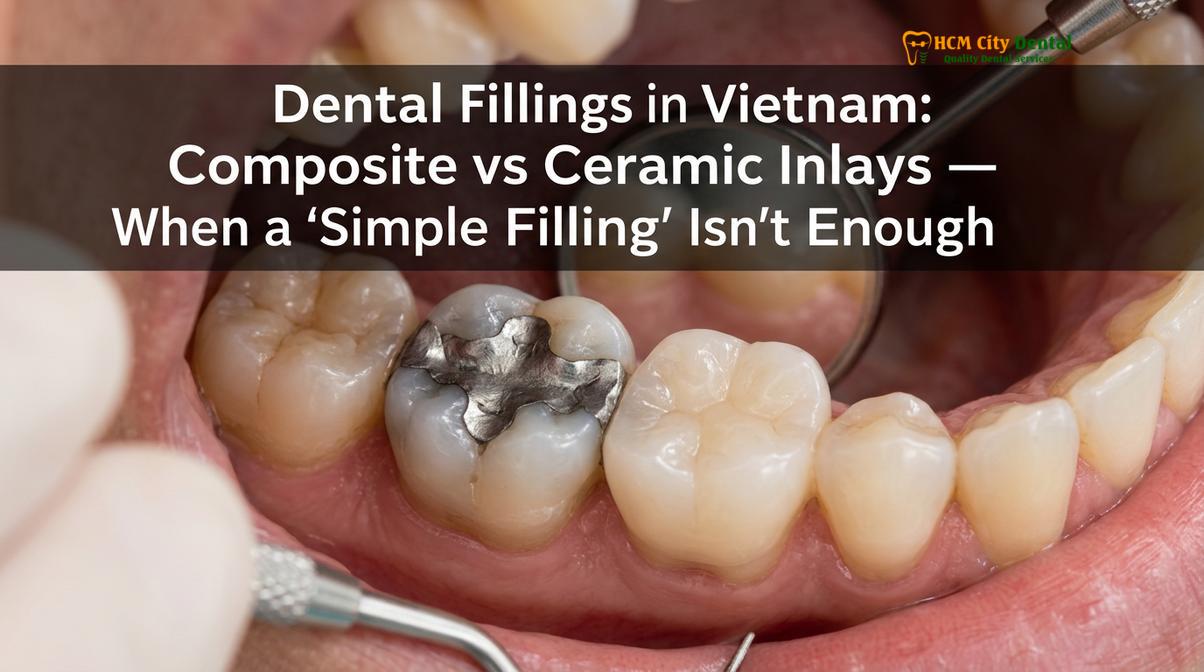
The Biomechanics of Tooth Restoration
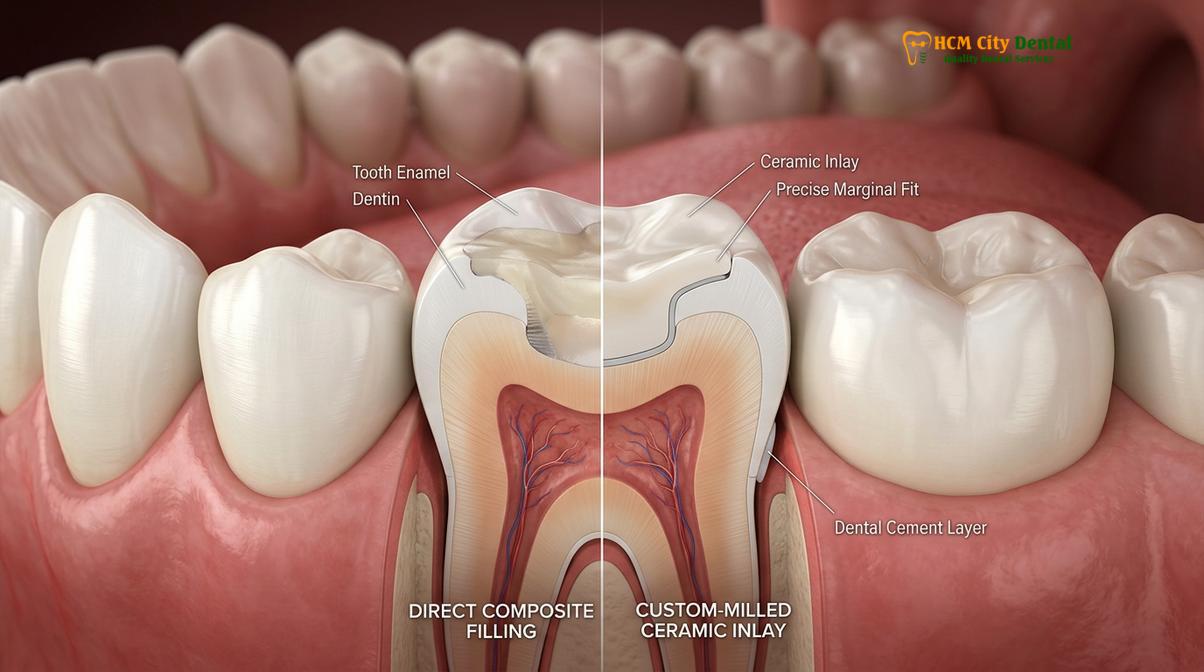
Natural teeth are composed of a highly resilient inner core (dentin) protected by an exceptionally hard outer shell (enamel). When decay or trauma compromises this structure, the tooth loses its inherent stiffness. If a cavity is small, occupying less than one-third of the distance between the tooth’s cusps (the raised points on the biting surface), a direct composite resin filling is typically sufficient. The composite material is bonded directly to the enamel and dentin, sealing the cavity and restoring basic function [1].
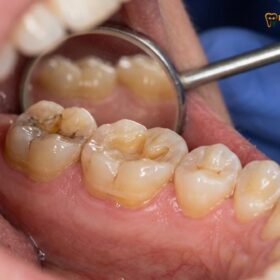
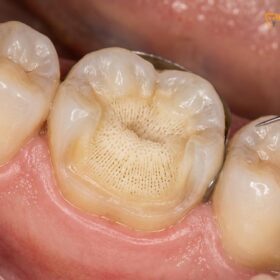
However, when a cavity or fracture extends beyond this conservative threshold, the remaining tooth walls become thin and vulnerable to flexing under the immense pressure of chewing. In these scenarios, placing a massive composite filling can act as a wedge, potentially driving the fragile walls apart and increasing the risk of tooth fracture. This is where ceramic inlays and onlays become clinically indicated. An inlay fits precisely within the contours of the cusps, while an onlay extends over one or more cusps to provide a protective, structural “roof” over the weakened tooth [2].
Material Limitations of Direct Composites
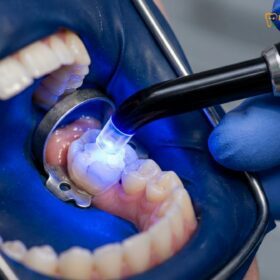
While modern nano-hybrid composite resins are excellent materials, they possess inherent physical limitations when used in large volumes. The most significant limitation is polymerization shrinkage. When composite resin is cured (hardened) with a specialized blue light, the material shrinks slightly. In a small cavity, this shrinkage is generally negligible. In a large cavity, however, this shrinkage creates stress on the bonded tooth walls and can lead to microscopic gaps at the margin where the filling meets the tooth. Over time, bacteria can infiltrate these gaps, potentially causing recurrent decay beneath the filling.
Direct Composite Bonding for Chipped Front Teeth
While molars endure the brunt of crushing forces, anterior (front) teeth require a delicate balance of moderate strength and exceptional aesthetics. For patients presenting with chipped incisors, minor gaps (diastemas), or localized discoloration, direct composite bonding is often the most conservative and immediate solution.
Achieving Seamless Aesthetics
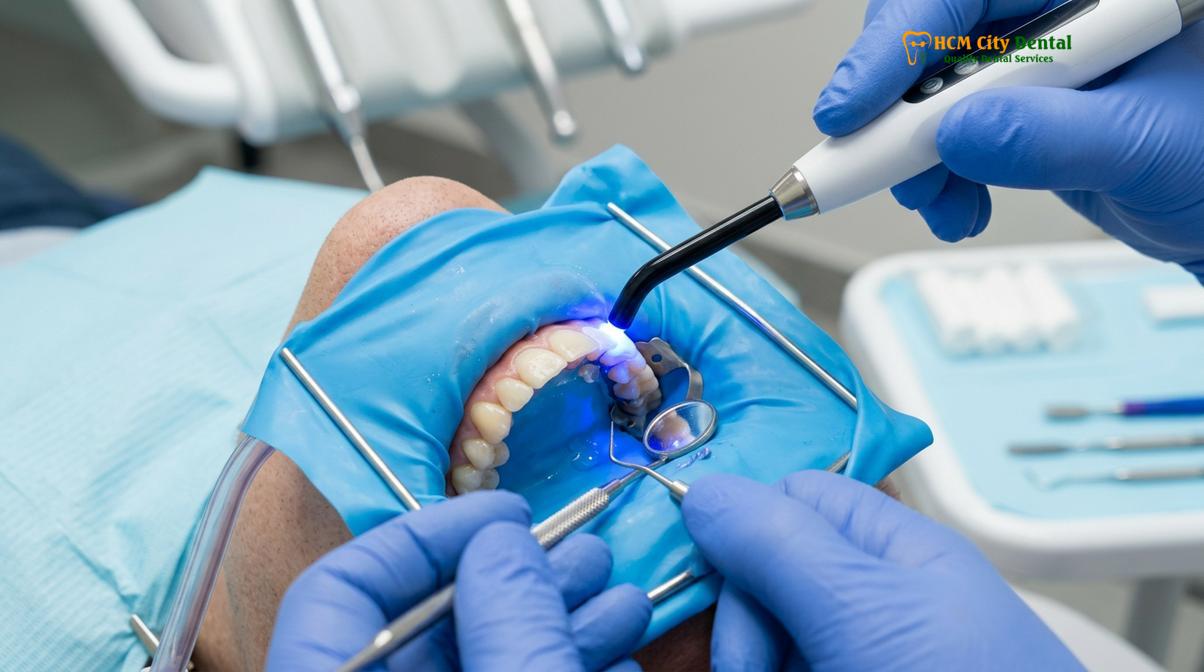
Direct composite bonding involves the meticulous layering of tooth-colored resin directly onto the prepared tooth surface. Unlike traditional fillings, cosmetic bonding requires an artistic approach to recreate the natural translucency, opalescence, and surface texture of human enamel. The dentist must carefully select and blend multiple shades of composite—layering opaque dentin shades beneath translucent enamel shades—to achieve a restoration that blends naturally with the adjacent teeth [3].
This procedure is highly technique-sensitive. It requires strict moisture control, precise application of etching gels to create microscopic retention on the enamel, and the use of advanced bonding agents to help ensure a durable, long-lasting adhesion.
“Direct composite bonding is a delicate balance of clinical science and aesthetic artistry. By understanding the optical properties of natural teeth and utilizing advanced layering techniques, we aim to restore a chipped incisor so seamlessly that it looks entirely natural.”
For patients considering broader cosmetic changes, it is important to understand the differences between direct bonding and indirect porcelain restorations. You can explore our detailed clinical comparison in our guide on Inlay vs Veneer Front Teeth: Clinical Comparison & Guide.
CAD/CAM Ceramic Inlays: Restoring Structural Strength to Heavy Bite Molars
When addressing extensive decay or replacing large, failing restorations in posterior teeth, the focus shifts from pure aesthetics to biomechanical endurance. For these demanding clinical situations, finding a skilled ceramic inlay onlay specialist saigon is crucial. Advanced digital workflows are utilized to deliver restorations of high precision and strength.
Why Molars Demand Superior Materials
Human molars can exert immense chewing forces. To withstand this relentless daily impact, a restorative material must possess high compressive strength, excellent wear resistance, and dimensional stability. Ceramic materials, particularly lithium disilicate (e.max) and high-translucency zirconia, meet these criteria exceptionally well [5].
Unlike composite resin, ceramic inlays are fabricated outside the mouth (indirectly). This means they do not undergo polymerization shrinkage within the tooth cavity. The result is a restoration with a highly precise marginal fit, which helps reduce the risk of micro-leakage and recurrent decay. Furthermore, when a ceramic inlay is adhesively bonded to the tooth using specialized resin cements, it can help reinforce the remaining tooth structure.
The Digital Workflow
The fabrication of a ceramic inlay represents the pinnacle of modern digital dentistry. The process typically involves the following steps:
- Preparation and Caries Removal: The decayed or damaged tissue is meticulously removed, and the cavity is shaped to provide optimal retention for the ceramic restoration.
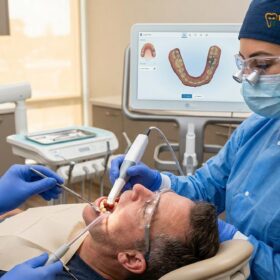
- Digital Impression: Instead of using messy traditional impression putty, a high-resolution intraoral scanner captures a highly accurate 3D digital model of the prepared tooth.
- CAD Design: Using specialized software, the inlay is digitally designed to match the precise contours of the cavity, helping to ensure ideal contact points with adjacent teeth.
- CAM Milling: The digital design is sent to an in-house milling machine, which carves the restoration from a solid block of premium ceramic.
- Characterization and Bonding: The milled inlay is polished, characterized with custom stains if necessary, and then adhesively bonded into the tooth under strict isolation protocols.
| Clinical Feature | Direct Composite Resin | CAD/CAM Ceramic Inlays |
|---|---|---|
| Best Indication | Small to medium cavities, anterior (front) teeth | Large cavities, heavy-bite posterior molars |
| Fabrication Method | Directly sculpted in the mouth (single visit) | Milled outside the mouth via digital CAD/CAM |
| Compressive Strength | Moderate | Exceptionally high |
| Polymerization Shrinkage | Present (can cause micro-leakage in large volumes) | None (ensures a highly precise marginal seal) |
This streamlined digital workflow not only supports excellent clinical outcomes but also allows for faster treatment times, which is highly advantageous for dental tourists. If you are seeking a broken molar restoration saigon, this CAD/CAM approach offers a highly durable solution.
It is important to note that while ceramic inlays are highly durable, they require proper maintenance. Patients should be aware of the signs of potential issues, which we detail in our guide on Failed Dental Inlay Symptoms: Clinical Signs & Replacement Guide. Additionally, maintaining optimal oral hygiene is crucial; learn more in our comprehensive resource on How to Clean Dental Onlays: Clinical Oral Hygiene Guide.
Replacing Dark Mercury Silver Amalgam Fillings Safely
For decades, silver amalgam was the standard material for posterior dental fillings. While durable, amalgam consists of approximately 50% elemental mercury, along with silver, tin, and copper. Over time, these metal fillings can corrode, expand, and cause micro-fractures in the surrounding tooth structure. Furthermore, the dark, metallic appearance is highly unesthetic, and many patients prefer to transition to modern, tooth-colored alternatives.
Safe Removal Protocols and Mercury-Free Dentistry
As a provider of mercury free dental filling ho chi minh, HCMC Dental Clinic adheres to strict safety protocols when removing old amalgam restorations. The removal process must be handled with extreme care to minimize the inhalation or ingestion of particulate matter generated during the drilling process [4]. These practices align with modern guidelines for restorative materials and amalgam phase-down in Vietnamese dental practice as outlined by the Vietnam Odonto-Stomatology Association (VOSA) [6].
Our safe amalgam removal protocol includes:
- Rubber Dam Isolation: A non-latex barrier is placed around the tooth to isolate it from the rest of the mouth, preventing amalgam debris from being swallowed.
- High-Volume Evacuation (HVE): Specialized suction devices are positioned immediately adjacent to the tooth to capture aerosols at the source.
- Copious Water Irrigation: The tooth is continuously flooded with cool water during the removal process to minimize heat generation.
- Sectioning Techniques: Instead of grinding the amalgam into a fine powder, specialized carbide burs are used to section the filling into larger chunks, which are then easily removed.
Transitioning to Biocompatible Restorations
Once the amalgam is safely removed and any underlying recurrent decay is meticulously excavated, the tooth is evaluated for its structural integrity. Depending on the volume of healthy tooth structure remaining, the tooth is then restored using either a biocompatible nano-hybrid composite resin or a custom-milled ceramic inlay/onlay. This transition dramatically improves the aesthetic appearance of the smile, returning the tooth to a natural, translucent state.
Clinical Case Study: Full Quadrant Amalgam Replacement
Patient Profile: A 45-year-old expat visiting HCMC Dental Clinic in Ho Chi Minh City presented with four large, aging silver amalgam fillings in the lower right quadrant. The patient reported occasional sensitivity to cold and expressed a desire to replace the dark fillings for aesthetic reasons.
Clinical Findings: 3D CBCT imaging and clinical examination revealed marginal breakdown around three of the amalgams, with visible micro-fractures propagating through the enamel of the first molar.
Treatment Plan: Under strict rubber dam isolation, all four amalgam fillings were safely removed. Due to the extensive loss of tooth structure and the presence of micro-fractures, the two molars were restored with custom CAD/CAM lithium disilicate (e.max) onlays to provide structural reinforcement. The two premolars, having smaller cavities, were restored with direct nano-hybrid composite resin.
Outcome: The patient experienced relief from cold sensitivity and was highly satisfied with the seamless, natural-looking results achieved at our Ho Chi Minh City facility. The structural integrity of the molars was successfully preserved.
Following the placement of deep restorations, some patients may experience transient sensitivity as the nerve settles. We provide detailed post-operative expectations in our guide on Sensitivity After Inlay Onlay Placement: Clinical Guide & Timeline.
When to See a Dentist: Important Clinical Notes
Clinical Warning: Delaying treatment for a cracked filling or severe tooth sensitivity can lead to irreversible pulp damage. If you experience sharp pain when chewing or prolonged sensitivity to temperature changes, seek immediate dental evaluation to prevent the need for root canal therapy or extraction.
Recognizing the early signs of a failing restoration can save you from experiencing severe pain or requiring more invasive treatments. You should schedule an evaluation with a dental professional if you experience any of the following symptoms:
- Sharp Pain When Chewing: This often indicates a cracked filling or a fracture in the underlying tooth structure.
- Prolonged Sensitivity to Hot or Cold: While mild, temporary sensitivity can occur after a new filling, prolonged pain that lingers after the temperature stimulus is removed may signal nerve inflammation or deep decay.
- Visible Cracks or Missing Pieces: If you can feel a sharp edge with your tongue or see that a portion of your filling or tooth has chipped away, immediate attention is required to prevent bacterial infiltration.
- Food Impaction: If food consistently gets stuck between specific teeth, it may indicate that the contact point between a filling and the adjacent tooth has worn away or broken.
“Early intervention is the cornerstone of conservative dentistry. Replacing a compromised filling before it leads to a catastrophic tooth fracture is always more predictable and less invasive for the patient.”
Pricing & Warranty for Restorative Dental Care in Saigon
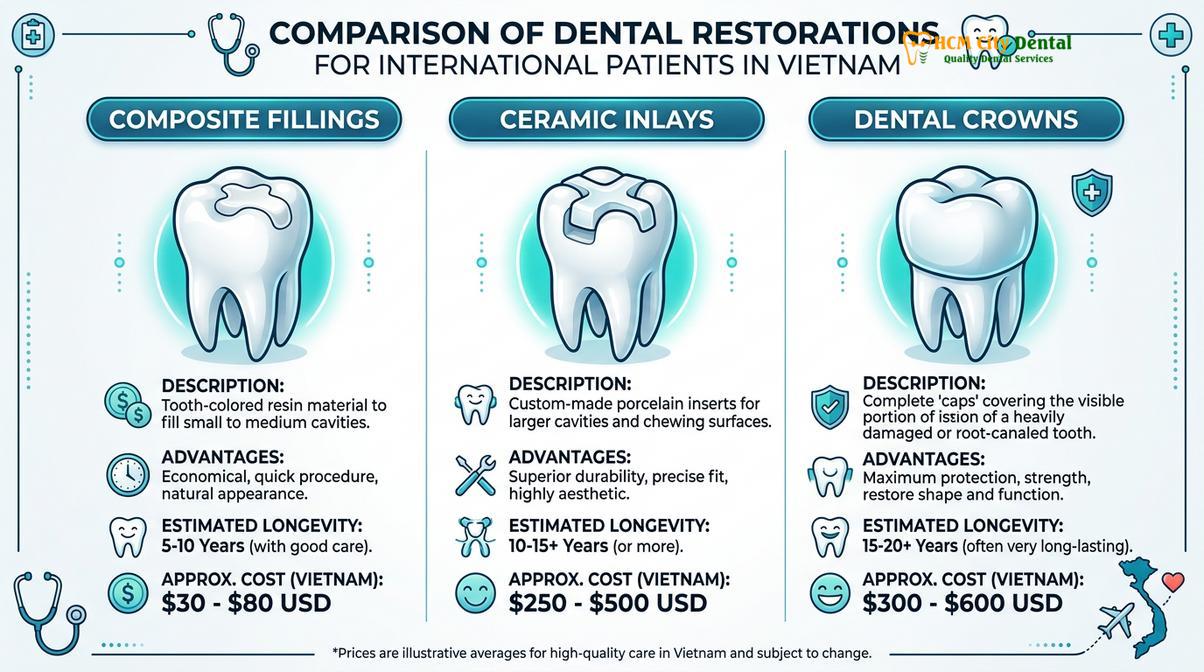
One of the primary drivers for dental tourism in Vietnam is the ability to access technologically advanced dental care at highly competitive rates. When evaluating the tooth colored filling cost vietnam, it is essential to consider not just the price, but the quality of the materials, the sterilization standards, and the clinical expertise of the treating dentist.
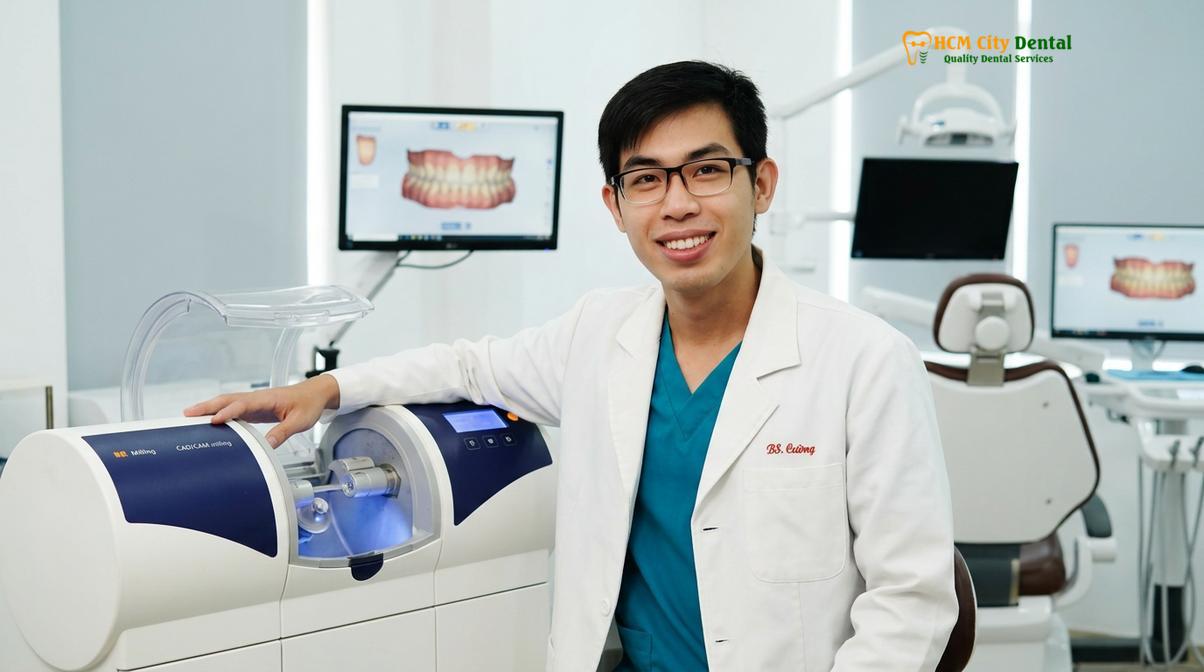
Dr. Nguyen Van Cuong, Chief Clinical Director at HCMC Dental Clinic, brings extensive expertise in advanced restorative dentistry. Dr. Cuong meticulously oversees all CAD/CAM ceramic inlay designs and composite bonding procedures to ensure international standards are met. His commitment to minimally invasive techniques helps patients preserve their natural tooth structure while achieving optimal aesthetic results.
For expatriates living in Vietnam, navigating dental insurance can sometimes be complex. We assist our patients with the necessary documentation to help streamline this process. You can find more information in our Expat Insurance Claim for Inlays & Onlays in Vietnam: Clinical Guide. Additionally, understanding the long-term value of your investment is important; read more about this in our article on How Long Do Porcelain Inlays Last? Clinical Lifespan & Care Guide.
If you are experiencing tooth pain, have a broken filling, or wish to safely replace old amalgam restorations, contact HCMC Dental Clinic in Ho Chi Minh City today. Explore our comprehensive General & Preventive Dentistry at HCMC Dental Clinic services to learn how we can help you achieve a healthy, resilient smile.
Frequently Asked Questions (FAQs)
What is the difference between a filling, an inlay, and an onlay?
A filling is molded directly inside a small cavity, an inlay is a custom-milled piece that fits inside the cusps of a tooth, and an onlay covers one or more cusps for extensive damage. Inlays and onlays generally offer superior structural support for larger restorations.
How long do tooth-colored composite fillings typically last?
When placed with strict isolation protocols and high-quality materials, composite fillings typically last several years, though they can last longer with excellent oral hygiene. Their lifespan depends heavily on the size of the filling and the patient’s bite force.
Why are ceramic inlays often recommended over large composite fillings for molars?
Ceramic inlays do not shrink during fabrication, offer high resistance to heavy chewing forces, and help reinforce the remaining tooth structure. Large composite fillings in molars may be more prone to micro-leakage and wear under heavy occlusal loads.
How much does a dental filling cost in Ho Chi Minh City?
A high-quality composite filling in Ho Chi Minh City generally ranges from $30 to $60 USD, while custom CAD/CAM ceramic inlays range from $200 to $350 USD. This often represents a significant savings compared to standard fees in many Western countries.
Can an old silver amalgam filling be safely replaced with white composite?
Yes, old amalgam fillings can be safely replaced using strict isolation protocols, including rubber dams and high-volume suction, to minimize exposure to particulate matter. Once removed, the tooth can be restored with biocompatible composite resin or a ceramic inlay.
References
- Journal of the American Dental Association. Clinical evaluation of posterior composite restorations. (2022).
- International Journal of Prosthodontics. Longevity of CAD/CAM ceramic inlays and onlays. (2021).
- Journal of Esthetic and Restorative Dentistry. Direct composite bonding techniques for anterior teeth. (2020).
- British Dental Journal. Amalgam replacement protocols and biocompatible alternatives. (2023).
- Journal of Clinical Periodontology. Marginal adaptation of lithium disilicate restorations. (2021).
- Vietnam Odonto-Stomatology Association (VOSA). Guidelines on restorative materials and amalgam phase-down in Vietnamese dental practice. (2022).