When comparing a porcelain vs composite inlay, porcelain offers superior durability, stain resistance, and longevity for moderate-to-large cavities, while composite resin provides a more affordable, easily repairable solution for smaller defects. Both are conservative restorations designed to preserve natural tooth structure while restoring optimal bite function.
Choosing the right material for your dental restoration is a critical decision that impacts not only the immediate aesthetics of your smile but also the long-term structural integrity of your teeth. As modern dentistry shifts away from invasive procedures, understanding the clinical nuances of these advanced materials empowers patients to make informed, health-focused choices.
Clinical Summary:
The clinical decision between a ceramic vs composite inlay hinges on the extent of tooth damage, occlusal (biting) forces, and aesthetic goals. Porcelain inlays, crafted from advanced ceramics like lithium disilicate or zirconia, deliver exceptional compressive strength, lifelike translucency, and long-term resistance to wear and staining. They are the gold standard for restoring posterior teeth subjected to heavy chewing forces. Conversely, composite resin inlays offer a highly conservative, cost-effective alternative that absorbs shock well and is easier to repair, though they are more prone to gradual discoloration and wear over time. Both options utilize modern digital workflows, including intraoral scanning and CAD/CAM milling, to ensure a precise marginal seal that prevents secondary decay and preserves maximum natural tooth structure.
Key Takeaways:
- Preservation Focus: Both materials support a conservative philosophy, saving significantly more natural enamel than traditional full-coverage crowns.
- Material Strength: Porcelain offers vastly superior flexural strength, making it ideal for heavy-load-bearing molars.
- Aesthetic Stability: Ceramic materials resist dietary stains permanently, whereas composite resins may discolor over several years.
- Digital Precision: Modern restorations utilize 3D digital impression scanners and CAD/CAM milling for a flawless, gap-free fit.
- Cost vs. Value: While composite is cheaper initially, porcelain’s 15+ year lifespan often provides better long-term financial value.
Understanding Inlays & Onlays
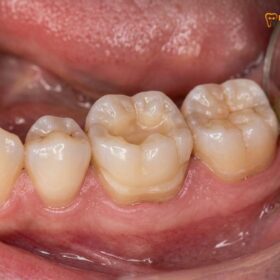
Inlays and onlays are conservative indirect restorations that repair damaged posterior teeth by fitting precisely into the cavity outline form, preserving significantly more natural enamel than traditional full-coverage crowns.
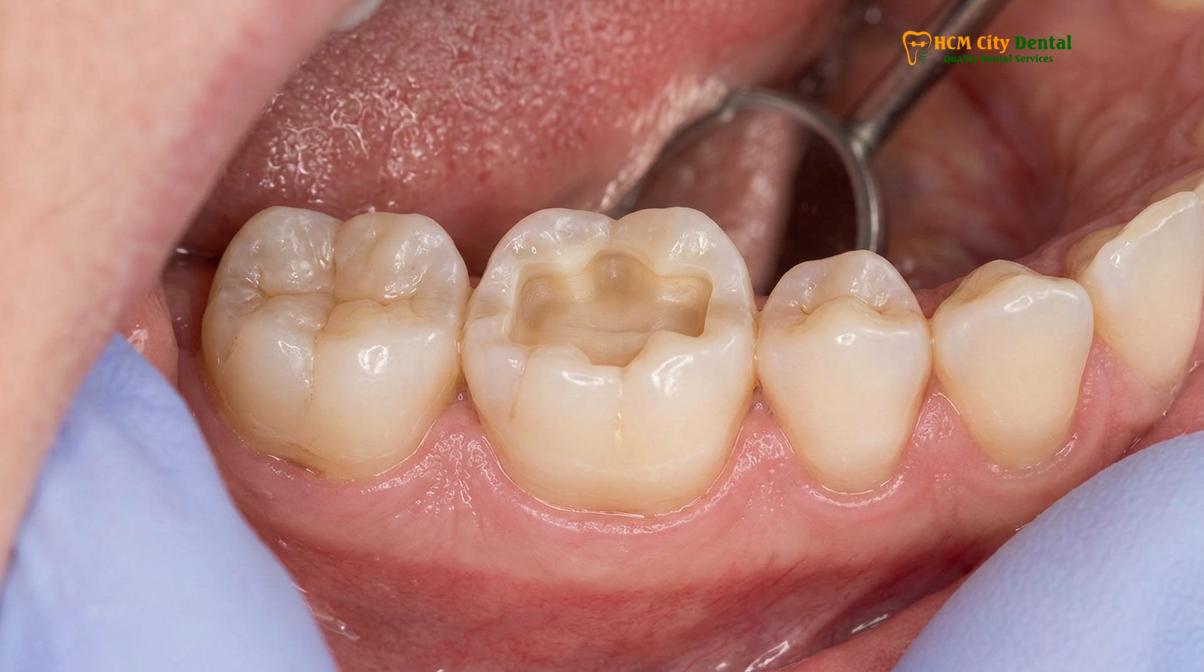
To fully appreciate the inlay materials comparison, it is essential to understand the fundamental clinical purpose of these restorations. When a tooth suffers from moderate decay, a fracture, or requires a large silver filling replacement, a standard direct filling may not provide sufficient structural support. Conversely, a full dental crown requires aggressive 360-degree shaving of the tooth, which removes a substantial amount of healthy enamel. Inlays and onlays serve as the perfect intermediate solution, embodying the modern dental preservation philosophy.
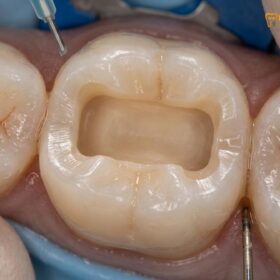
An inlay is designed to fit entirely within the cusps (the raised points) of a premolar or molar. If the damage extends to cover one or more of these cusps, the restoration is classified as an onlay or a partial crown. The preparation process for these restorations requires meticulous clinical skill. The dentist must create a precise cavity outline form with smooth, divergent walls and exact chamfer margins to ensure the final restoration seats perfectly without internal stress [1].
The Digital Workflow: Scanners and Milling
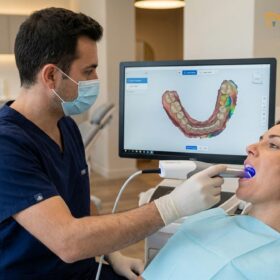
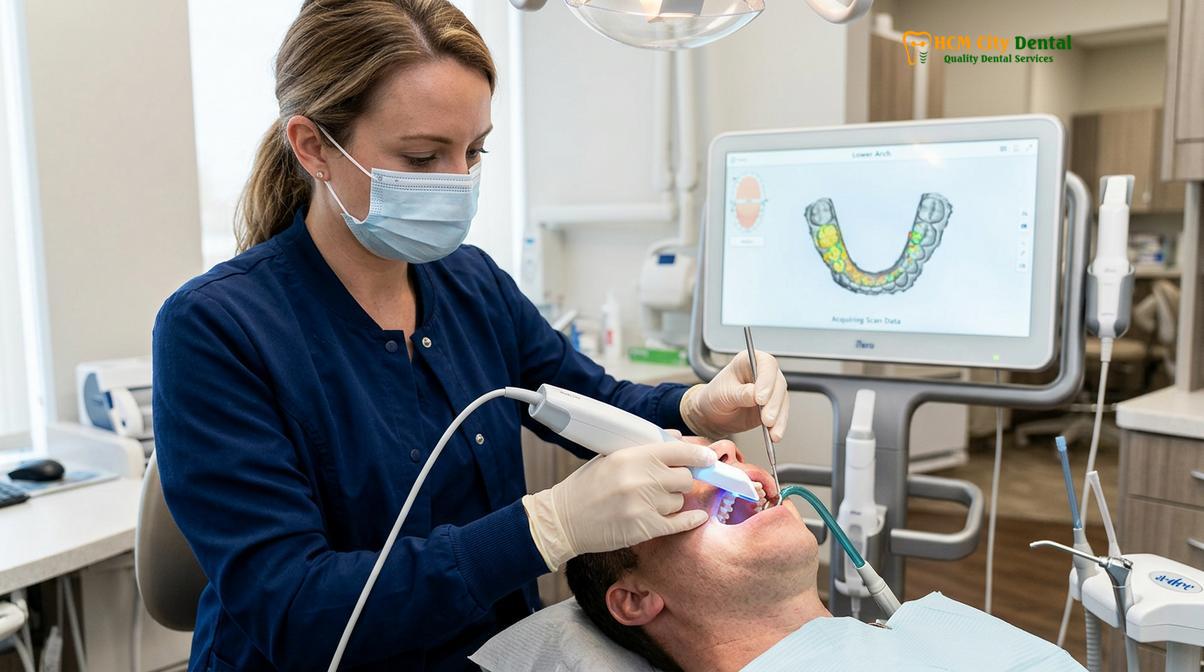
The fabrication of modern inlays has been revolutionized by digital dentistry. Historically, patients had to endure uncomfortable, gag-inducing silicone impression materials. Today, advanced clinics utilize digital impression scanners, such as the iTero scanner or the Medit i700, to capture highly accurate 3D topographical data of the prepared tooth in seconds. This digital file is then transmitted to a dental laboratory or an in-house milling unit.
Through direct lab partnerships and sophisticated CAD/CAM milling (Computer-Aided Design and Computer-Aided Manufacturing), the restoration is carved from a solid block of material with microscopic precision. This digital workflow ensures an exact marginal fit, which is the most critical factor in preventing bacterial microleakage and subsequent secondary decay beneath the restoration.
Porcelain (Ceramic) Restorations: Pros & Cons
Porcelain inlays utilize advanced ceramics like lithium disilicate or zirconia to deliver exceptional flexural strength and lifelike optical translucency, making them the gold standard for long-term posterior restorations.
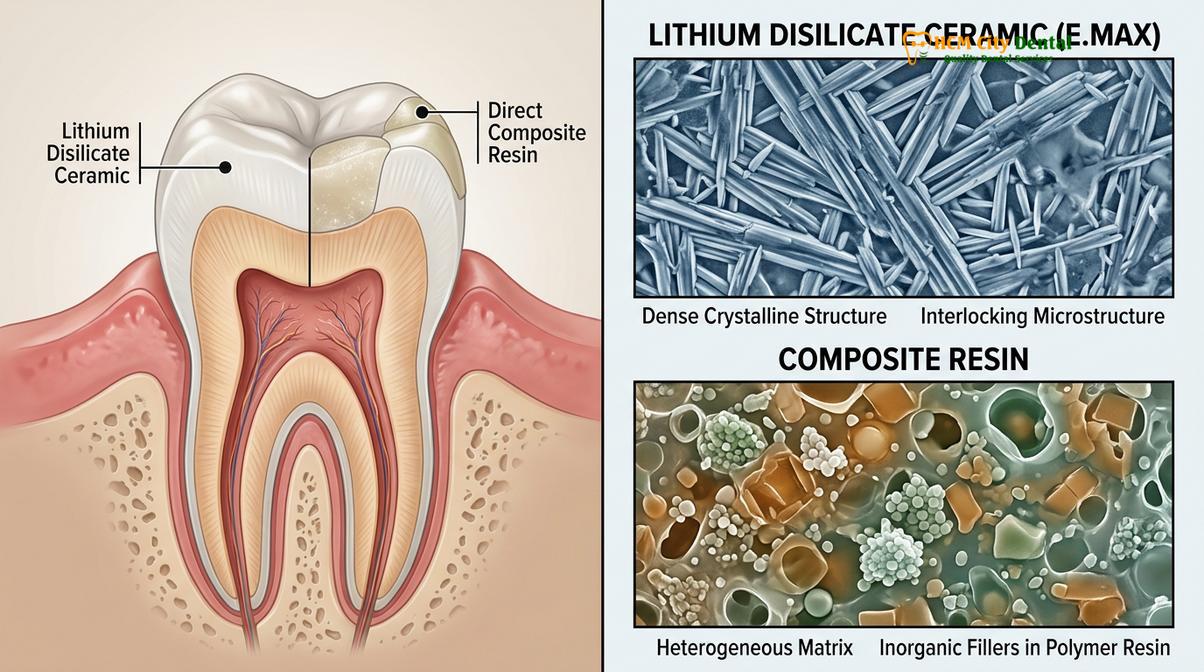
When dental professionals refer to a “porcelain inlay,” they are typically discussing high-strength glass-ceramics or polycrystalline ceramics. The two most prominent materials in this category are lithium disilicate (widely known by the brand name Ivoclar IPS e.max) and zirconium dioxide (such as Dentsply Sirona Cercon HT Zirconia). These materials have largely replaced older, more brittle feldspathic porcelains due to their extraordinary mechanical properties.
Lithium disilicate is renowned for its balance of strength and beauty. It boasts a flexural strength MPa of approximately 400 to 500, which is more than sufficient to withstand normal human bite forces. Furthermore, its glass-matrix structure allows for an enamel bonding protocol where the ceramic is chemically etched and bonded directly to the tooth’s dentin and enamel, creating a unified, incredibly strong complex [2]. For patients with severe bruxism (teeth grinding), zirconium dioxide may be selected for its even higher strength, often exceeding 1000 MPa, though it is slightly less translucent than lithium disilicate.
Pros of Porcelain Inlays:
- Exceptional Durability: Highly resistant to fracture, wear, and occlusal fatigue over decades of use.
- Superior Aesthetics: Mimics the natural light-scattering properties of human enamel perfectly.
- Biocompatibility: 100% metal-free, non-toxic, and highly tolerated by gingival tissues, preventing gum line irritation.
- Stain Resistance: The glazed ceramic surface is impervious to discoloration from coffee, tea, or wine.
Cons of Porcelain Inlays:
- Higher Initial Cost: The advanced materials and CAD/CAM fabrication process make them more expensive upfront.
- Technique Sensitivity: Requires a highly skilled clinician for precise margin sealing and moisture-controlled bonding.
Composite Resin Restorations: Pros & Cons
Composite inlays are fabricated from reinforced resin materials that absorb chewing forces well and offer a cost-effective, highly repairable alternative for restoring smaller areas of tooth decay.
A composite inlay is made from a mixture of fine glass or quartz filler particles suspended in an acrylic resin matrix. While direct composite fillings are packed into the tooth and cured with a light chairside, indirect composite inlays are fabricated outside the mouth—either in a lab or via CAD/CAM—and then cemented into place. This indirect method solves one of the biggest clinical challenges of large direct fillings: preventing polymerization shrinkage.
When composite resin is cured with a light, it naturally shrinks by a small percentage. In a large cavity, this shrinkage can pull away from the cavity walls, creating microscopic gaps that lead to sensitivity and secondary decay. By fabricating the inlay outside the mouth, the shrinkage occurs before the restoration is placed. The inlay is then bonded into the tooth using a thin layer of resin-adhesive cementation, ensuring a tight, stress-free seal [3].
Pros of Composite Inlays:
- Cost-Effective: Generally more affordable than ceramic alternatives, making them accessible for budget-conscious patients.
- Shock Absorption: The slight flexibility of the resin matrix helps absorb and distribute heavy chewing forces, which can be beneficial for certain bite dynamics.
- Ease of Repair: If a composite inlay chips, it can often be repaired directly in the mouth by bonding new composite to the existing restoration, whereas a fractured porcelain inlay usually requires complete replacement.
- Conservative Preparation: Requires slightly less depth in the cavity preparation compared to some ceramics.
Cons of Composite Inlays:
- Shorter Lifespan: More prone to occlusal wear and degradation over time compared to high-strength ceramics.
- Aesthetic Degradation: The microscopic porosity of the resin can absorb dietary stains, leading to discoloration over several years.
Durability and Longevity Comparison
Clinical data shows that porcelain restorations significantly outlast composite resin under heavy occlusal loads, maintaining their structural integrity and marginal seal for decades when properly maintained.
When evaluating a porcelain inlay vs composite, longevity is often the deciding factor for patients seeking a permanent solution. The oral cavity is a harsh environment, subjecting dental materials to extreme temperature fluctuations, acidic pH levels, and immense mechanical stress. Posterior teeth (molars) can exert hundreds of pounds of force during mastication.
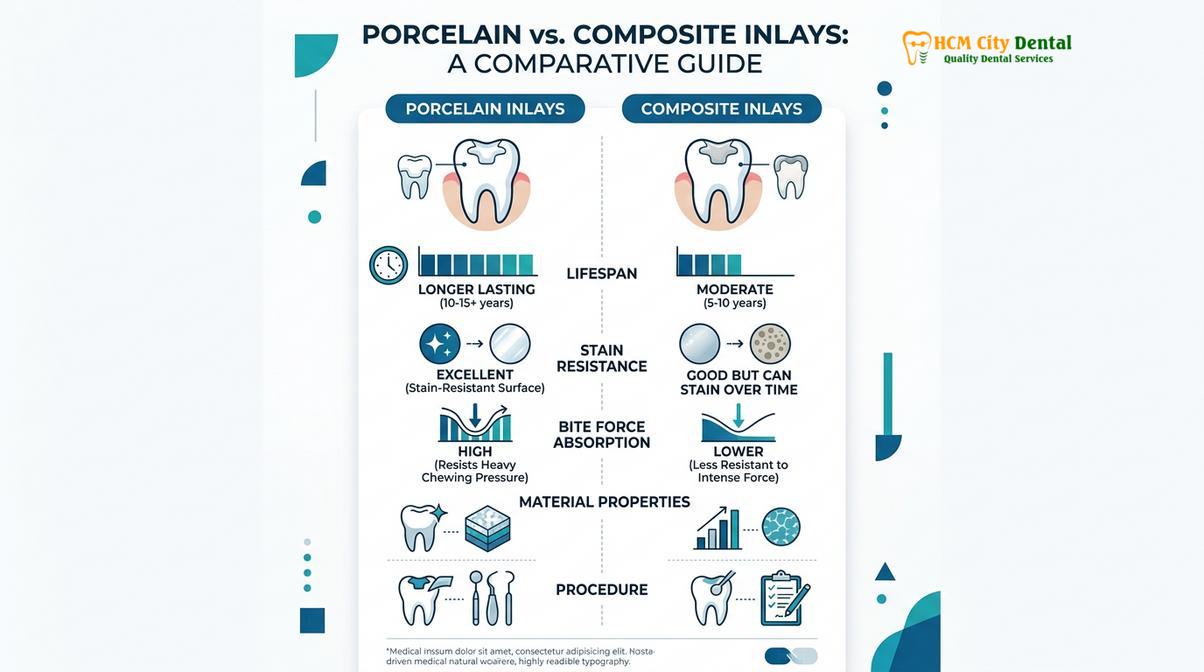
Porcelain, particularly lithium disilicate and zirconia, excels in this environment. With proper oral hygiene and routine professional cleanings, a ceramic inlay can easily last 15 to 20 years, and frequently much longer. They maintain their anatomical shape, ensuring that bite alignment remains stable over time. This stability is crucial when restoring vertical dimension of occlusion (VDO) for patients who have suffered severe tooth wear from acid erosion or grinding [4].
Composite inlays, while durable, typically have a clinical lifespan of 5 to 10 years. The resin matrix gradually wears down under the friction of opposing teeth, which can eventually alter the patient’s bite and necessitate replacement. However, their ability to absorb impact forces makes them a viable short-to-medium-term option.
| Clinical Feature | Porcelain (Ceramic) Inlay | Composite Resin Inlay |
|---|---|---|
| Average Lifespan | 15 – 20+ Years | 5 – 10 Years |
| Flexural Strength | Very High (400 – 1200 MPa) | Moderate (100 – 150 MPa) |
| Wear Resistance | Excellent (Maintains anatomy) | Moderate (Prone to gradual wear) |
| Stain Resistance | Exceptional (Glazed surface) | Low to Moderate (Porous matrix) |
| Repairability | Difficult (Usually requires replacement) | Easy (Can be patched chairside) |
“When restoring posterior teeth that bear the brunt of our chewing forces, the structural stability of the material is paramount. Ceramic materials not only provide the necessary compressive strength but also form a micromechanical bond with the enamel that reinforces the entire tooth structure, preventing future cuspal fractures.”
— Dr. Nguyen Van Cuong, Lead Prosthodontist
Stain Resistance and Aesthetics
Ceramic materials inherently resist discoloration and mimic the optical translucency of natural enamel, whereas composite resins are more susceptible to absorbing stains from dietary habits over time.
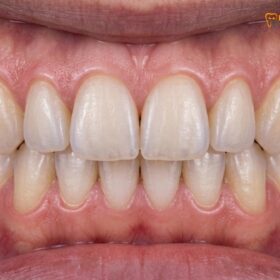
In modern restorative dentistry, aesthetic integration is just as important as mechanical function. Patients desire restorations that are virtually invisible, blending seamlessly with their natural dentition. This is where the optical properties of porcelain truly shine. High-quality dental ceramics possess an inherent optical translucency that allows light to penetrate and scatter within the material, exactly as it does in natural human enamel.
Furthermore, dental technicians can utilize custom shading techniques, applying intrinsic stains and surface glazes to the ceramic before it is fired in a high-temperature kiln. This process locks in the color permanently. Because the final glazed surface of a porcelain inlay is glass-smooth and non-porous, it is completely impervious to stains from coffee, tea, red wine, or tobacco [5].
Composite resin, conversely, relies on a plastic-based matrix. While modern nano-composites polish beautifully and look highly aesthetic on the day of placement, they retain a microscopic level of porosity. Over years of exposure to pigmented foods and beverages, these pores absorb stains, leading to a gradual yellowing or dulling of the restoration. Unlike natural teeth, composite cannot be lightened with chemical bleaching gels, meaning that a severely stained composite inlay must eventually be replaced to restore its original appearance.
Cost-Effectiveness Over Time
While porcelain requires a higher initial investment, its extended lifespan often makes it more cost-effective than composite, especially with specialized clinic pricing and global warranty support.
The financial aspect of dental restorations is a significant consideration for most patients. When comparing the initial price tags, a composite inlay is undeniably cheaper. However, evaluating the true cost-effectiveness requires looking at the total cost of ownership over a 10 to 20-year period. Because a composite inlay may need to be replaced two or three times during the lifespan of a single porcelain inlay, the long-term financial advantage heavily favors ceramic.
For patients seeking premium advanced inlay and onlay treatments, international dental tourism offers exceptional value without compromising on clinical quality. At HCMC Dental Clinic in Ho Chi Minh City, patients receive world-class CAD/CAM restorations utilizing authentic Ivoclar and Dentsply Sirona materials at a fraction of Western prices.
According to the latest clinic fee schedule, the pricing structure is highly transparent and designed to reward proactive planning:
- Inlay / Onlay (Lab-made ceramic): Walk-in: ~$385 (10.0M VND) | WhatsApp pre-booking discount: From $231 (6.0M VND) (-40%).
- Overlay / Partial Crown: Walk-in: ~$446 (11.6M VND) | WhatsApp pre-booking discount: From $269 (7.0M VND) (-40%).
Patient Success Story: Long-Term Value
A patient visiting HCMC Dental Clinic in Ho Chi Minh City presented with failing, leaking silver amalgam fillings on three lower molars. Instead of opting for full crowns, which would have destroyed healthy enamel, the clinical team utilized digital impression scanners to design three conservative IPS e.max porcelain onlays. By utilizing the WhatsApp pre-booking discount, the patient saved 40% on the procedure. The restorations provided an immediate aesthetic upgrade, restored optimal bite alignment, and came with complete peace of mind through a global warranty and remote WhatsApp checkup support.
“The integration of digital impression scanners like the iTero and Medit i700 has completely transformed the patient experience. We can now capture flawless 3D data without the discomfort of traditional molds, ensuring that our CAD/CAM milled ceramics fit with absolute precision, which is the key to their decades-long survival.”
— Dr. Nguyen Van Cuong
When to See a Doctor
Immediate clinical evaluation is necessary if you experience sharp pain when biting, prolonged temperature sensitivity, or notice visible damage to an existing dental restoration.
While both porcelain and composite inlays have high success rates, no dental restoration is entirely immune to complications if oral hygiene is neglected or if the tooth is subjected to abnormal trauma. It is crucial to monitor your restorations and seek professional evaluation if you notice any changes in comfort or function.
Secondary decay detection is a primary reason for regular dental checkups. Bacteria can sometimes infiltrate the microscopic margin between the tooth and the restoration if the adhesive bond begins to fail. This often presents as a localized sensitivity to sweets or cold temperatures. Additionally, if you experience sharp, shooting pain specifically when releasing your bite, this may indicate a micro-fracture in the underlying tooth structure or an issue with bite alignment that requires immediate occlusal adjustments.
Important Clinical Considerations
Do not ignore persistent dental pain or sensitivity. If an existing filling or inlay feels loose, rough to the tongue, or causes discomfort during mastication, schedule a diagnostic examination immediately. Delaying treatment can allow decay to reach the dental pulp, potentially escalating a conservative inlay procedure into the need for root canal therapy or a full-coverage crown. Always rely on individualized clinical diagnostics rather than self-assessment.
Frequently Asked Questions
How long does a porcelain inlay last?
A porcelain inlay typically lasts between 15 to 20 years, and often longer with excellent oral hygiene and regular dental checkups. The longevity of these ceramic restorations is attributed to their high flexural strength and resistance to occlusal wear, making them a highly durable long-term solution for posterior teeth. Maintaining a healthy oral environment and wearing a nightguard if you grind your teeth can further extend their lifespan.
Is a composite inlay cheaper than porcelain?
Yes, a composite inlay is generally more affordable upfront compared to a porcelain restoration. Because composite resin materials are less expensive to produce and the fabrication process is often less complex, the initial cost is lower; however, porcelain may offer better long-term cost-effectiveness due to its extended lifespan. Patients must weigh the immediate savings against the likelihood of needing future replacements.
Can a composite inlay stain over time?
Yes, a composite inlay can absorb stains over time due to the microscopic porosity inherent in resin-based materials. Frequent consumption of highly pigmented foods and beverages, such as coffee, tea, red wine, or tobacco use, can lead to gradual discoloration that cannot be easily whitened, unlike stain-resistant glazed porcelain. Regular professional polishing can help mitigate some surface staining, but deep discoloration is permanent.
Which material is more biocompatible?
Porcelain is considered more biocompatible than composite resin, as high-grade dental ceramics are completely inert and do not release any microscopic particles or monomers into the oral environment. This makes porcelain an ideal holistic dentistry choice for patients with chemical sensitivities or those seeking a completely metal-free, non-reactive restoration that promotes healthy gingival tissue response.
Does the inlay procedure require removing a lot of tooth structure?
No, the inlay procedure is specifically designed as a conservative treatment that preserves the maximum amount of healthy natural tooth structure. Unlike full dental crowns that require 360-degree shaving of the enamel, an inlay only requires the removal of the decayed or damaged portion, fitting precisely into the prepared cavity. This preservation philosophy maintains the tooth’s natural strength and vitality.
References
- Journal of Prosthodontic Research. Flexural strength and fatigue resistance of CAD/CAM restorative materials. (2021).
- International Journal of Dentistry. Clinical evaluation of composite resin versus ceramic inlays in posterior teeth. (2020).
- Journal of Esthetic and Restorative Dentistry. Optical properties and translucency of lithium disilicate ceramics. (2019).
- American Dental Association. Clinical guidelines for conservative indirect restorations and margin sealing. (2022).
- Journal of Clinical Medicine. Biocompatibility and periodontal response to metal-free dental ceramics. (2023).