The primary benefits of metal-free onlays include superior biocompatibility, natural aesthetic integration, and maximum preservation of healthy tooth structure. By utilizing advanced ceramics, these restorations eliminate the risk of galvanic corrosion and allergic reactions while providing durable, long-lasting functional support for damaged teeth.
Clinical Summary:
Metal-free onlays represent a significant advancement in conservative restorative dentistry, offering a highly biocompatible alternative to traditional metal alloys and amalgam. Fabricated from advanced ceramics such as lithium disilicate or monolithic zirconia, these restorations provide exceptional flexural strength while mimicking the natural optical properties of human enamel. Clinically, they require less aggressive tooth preparation than full crowns, adhering to a strict preservation philosophy. Furthermore, the elimination of metal components prevents galvanic corrosion, reduces thermal sensitivity, and promotes an optimal gingival response, making them a cornerstone of modern holistic dental care.
Key Takeaways:
- Maximum Preservation: Onlays conserve significantly more natural tooth structure compared to traditional 360-degree crown preparations.
- Systemic Safety: 100% metal-free materials eliminate the risks of heavy metal toxicity and intraoral electrical currents.
- Aesthetic Excellence: Advanced ceramics offer lifelike translucency, preventing the dark gum lines associated with metal restorations.
- Thermal Comfort: Ceramic acts as an insulator, drastically reducing postoperative sensitivity to hot and cold stimuli.
- Digital Precision: CAD/CAM technology and intraoral scanning ensure a microscopic marginal fit, preventing secondary decay.
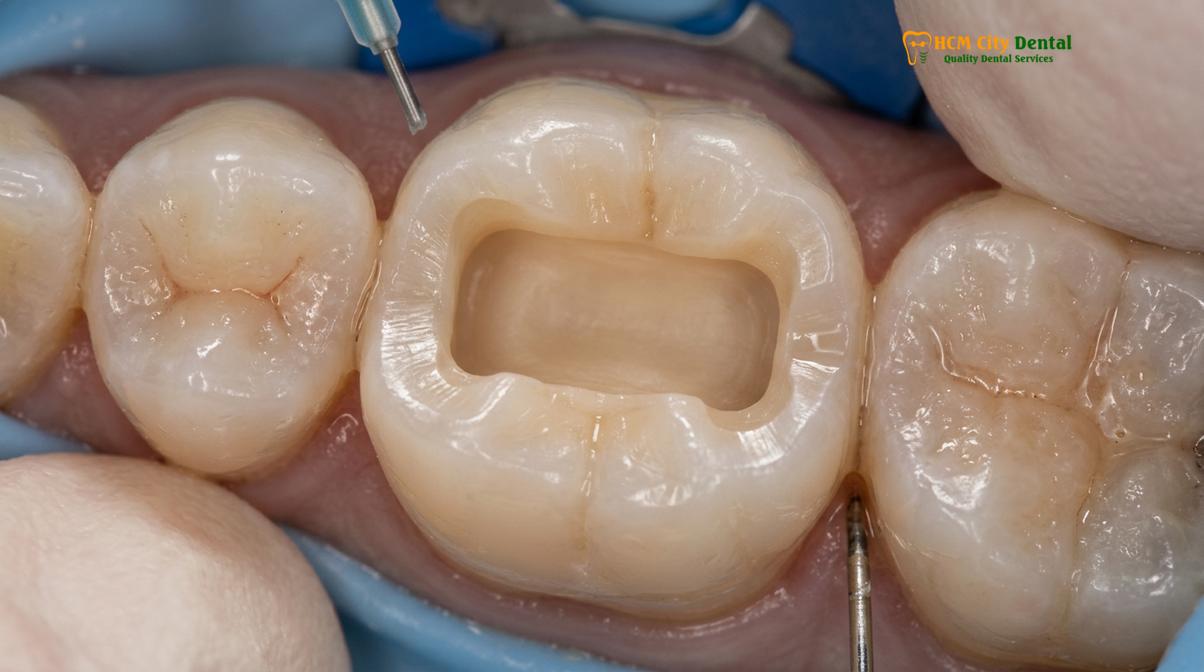
The Rise of Holistic & Metal-Free Dentistry
Modern restorative dentistry has shifted toward holistic approaches, prioritizing biocompatible materials that restore tooth function without introducing potentially reactive metals into the oral cavity.
For decades, the standard of care in restorative dentistry relied heavily on metal alloys, including gold, nickel, beryllium, and silver amalgam. While these materials offered durability, they required aggressive removal of healthy tooth structure to create mechanical retention. Furthermore, the growing awareness of the oral-systemic health connection has prompted both clinicians and patients to reevaluate the materials placed permanently in the human body. This paradigm shift has given rise to holistic dentistry, a philosophy that views oral health as an integral component of overall systemic wellness.
Today, the focus is on utilizing a mercury free alternative onlay or inlay to repair moderate to severe tooth decay. These conservative restorations are designed to replace old, failing silver fillings or repair fractured teeth while adhering to a strict preservation philosophy. Unlike traditional full crowns that require shaving down the entire circumference of the tooth, dental inlays and dental onlays only replace the damaged portions, leaving the healthy enamel and dentin intact.
“The evolution of adhesive dentistry has allowed us to move away from destructive mechanical retention. By bonding advanced ceramics directly to the enamel and dentin, we can restore the tooth’s original strength while preserving its natural biological architecture.”
The transition to metal-free materials is not merely an aesthetic preference; it is a clinical necessity for patients seeking to minimize their exposure to potential toxins. Advanced ceramics provide the structural integrity required to withstand heavy occlusal forces while remaining completely inert within the biological environment of the mouth [1]. This approach ensures that the restoration functions harmoniously with the body, supporting long-term health and stability.
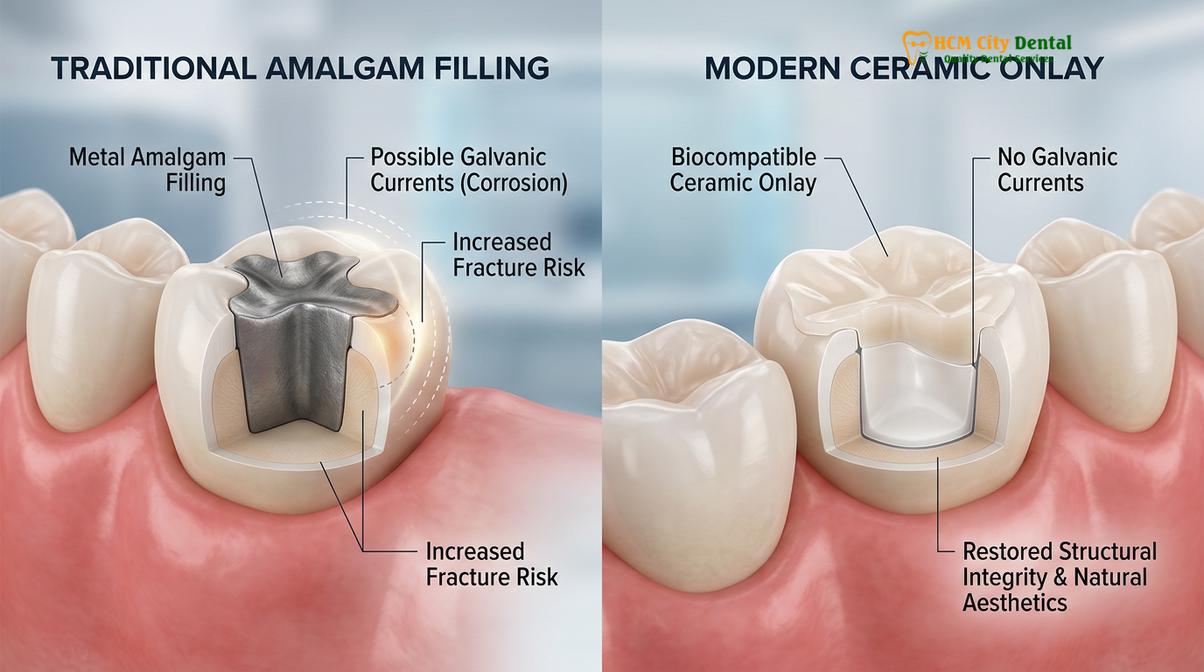
Systemic Health Benefits of Ceramic Restorations
Metal-free ceramic restorations eliminate the risks of heavy metal exposure and electrical conductivity in the mouth, supporting both localized oral health and broader systemic wellness.
One of the most significant, yet often overlooked, complications of traditional metal dental work is the phenomenon known as galvanic corrosion. When two different types of metals (such as a gold crown and a silver amalgam filling) are present in the oral cavity, the mineral-rich saliva acts as an electrolyte. This creates a literal battery effect, generating low-grade electrical currents. These galvanic currents can cause a metallic taste, localized pain, and accelerated corrosion of the restorations, which releases metal ions into the digestive tract and bloodstream [2].
By choosing biocompatible dental restorations made entirely of ceramic, patients completely eliminate the risk of intraoral galvanism. Ceramics are non-conductive and chemically stable, meaning they do not degrade, corrode, or release ions when exposed to acidic foods, temperature fluctuations, or salivary enzymes. This chemical stability is a cornerstone of holistic dental practices, which aim to reduce the overall toxic and inflammatory burden on the patient’s immune system.
Furthermore, the removal of old, degrading amalgam fillings and their replacement with a metal free ceramic onlay can often resolve chronic localized inflammation. The systemic benefits of utilizing inert materials cannot be overstated, particularly for patients with compromised immune systems or known sensitivities to environmental toxins.
| Clinical Parameter | Traditional Metal/Amalgam | Advanced Ceramic Onlays |
|---|---|---|
| Biocompatibility | Low to Moderate (Risk of ion release) | Excellent (100% inert) |
| Galvanic Corrosion | High risk if mixed metals are present | Zero risk (Non-conductive) |
| Thermal Conductivity | High (Transmits heat/cold rapidly) | Low (Acts as an insulator) |
| Tooth Preservation | Requires aggressive mechanical undercuts | Highly conservative, adhesive bonding |
| Aesthetic Integration | Poor (Opaque, dark margins) | Superior (Mimics natural enamel) |
Aesthetic Integration: Zero Dark Margins
Advanced ceramics mimic the natural light transmission of human enamel, ensuring a seamless visual blend and preventing the dark gingival lines commonly associated with metal-based restorations.
While the health benefits of metal-free dentistry are paramount, the aesthetic advantages are equally compelling. Natural human enamel is not opaque; it is translucent, allowing light to penetrate, scatter, and reflect off the underlying dentin. Traditional metal restorations, even those covered with a layer of porcelain (PFM crowns), contain an opaque metal substructure that blocks light transmission. This often results in a dull, artificial appearance and the notorious “dark line” at the gum margin as the tissue naturally recedes over time.
Modern materials, particularly emax ivoclar (lithium disilicate), possess exceptional optical properties that closely replicate the translucency, opalescence, and fluorescence of natural teeth [3]. When a metal free ceramic onlay is bonded to the tooth, it creates a chameleon effect, drawing color from the surrounding natural tooth structure to become virtually invisible. This makes ceramic onlays the gold standard for restoring teeth in the aesthetic zone, as well as premolars that are visible during a wide smile.
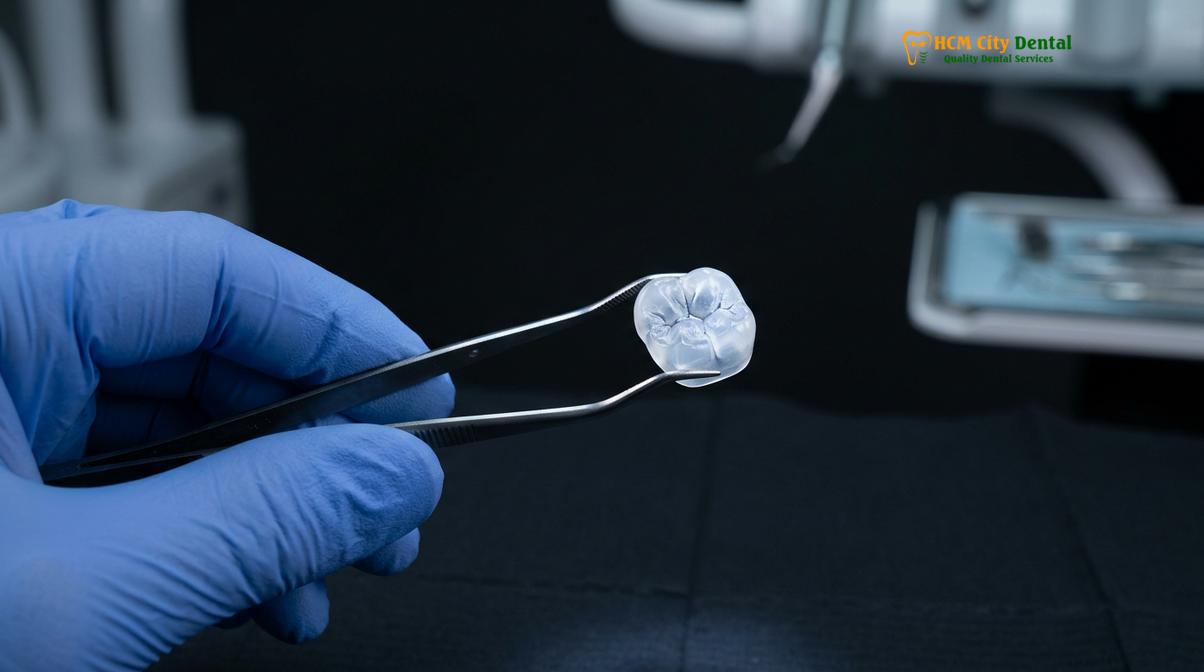
Dr. Nguyen Van Cuong emphasizes that achieving this level of aesthetic integration requires more than just high-quality materials; it demands a meticulous resin-adhesive cementation protocol. The shade of the bonding cement must be carefully selected to complement the translucency of the ceramic, ensuring that the final restoration does not appear too bright or too gray. Furthermore, precise margin sealing is critical. A perfectly sealed margin not only prevents secondary decay detection but also ensures that the transition from natural tooth to ceramic is visually imperceptible.
Biocompatibility: Protecting the Surrounding Gum Tissue
Ceramic materials are highly inert, promoting an optimal gingival response and preventing the chronic inflammation or allergic reactions often triggered by base metal alloys.
The health of the periodontium (the gums and supporting bone) is directly influenced by the materials placed near or subgingivally (below the gum line). Base metals commonly used in older dental alloys, such as nickel, beryllium, and chromium, are known allergens. In sensitive individuals, continuous exposure to these metals can trigger a localized allergic response, leading to chronic gingival inflammation, bleeding, and eventual bone loss.
An allergy free restoration made of high-quality ceramic completely bypasses these immunological triggers. The gingival response to glazed porcelain and zirconia is overwhelmingly positive [4]. The highly polished, non-porous surface of a ceramic onlay is highly resistant to plaque biofilm accumulation. Unlike composite resins which can degrade and roughen over time, or metals that can corrode, a glazed ceramic surface remains smooth, making it significantly easier for patients to maintain optimal oral hygiene.
Clinical Warning: Signs of Dental Metal Allergy
Patients with existing metal restorations should be monitored for signs of hypersensitivity, which may include chronic localized erythema (redness) around the crown margin, a persistent metallic taste, burning mouth sensation, or unexplained gingival hyperplasia that does not respond to standard periodontal therapy.
When preparing the cavity outline form for a porcelain overlay or partial crown, clinicians aim to keep the restoration margins supragingival (above the gum line) whenever possible. However, even when deep decay necessitates subgingival margins, the biocompatible ceramic ensures that the biological width is respected and the surrounding tissues remain healthy and pink, free from the chronic irritation associated with metal.
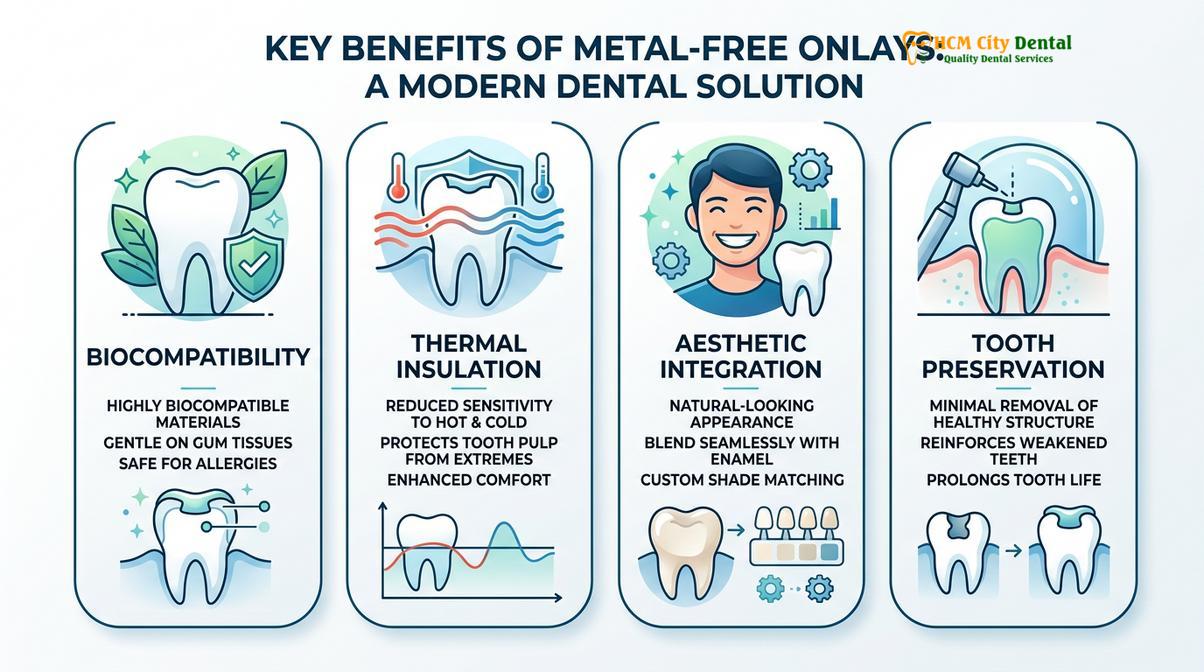
Thermal Insulation: Reducing Sensitivity to Cold & Hot
Unlike metals that rapidly conduct temperature changes to the dental pulp, ceramic onlays act as excellent thermal insulators, significantly reducing postoperative sensitivity.
Tooth sensitivity following restorative work is a common patient concern. According to the hydrodynamic theory of tooth sensitivity, fluid movement within the microscopic dentinal tubules stimulates the nerve endings in the dental pulp, causing sharp pain. Metals are excellent conductors of thermal energy. When a patient with a large metal filling or crown consumes hot coffee or ice cream, that temperature change is rapidly transmitted through the metal directly to the underlying dentin and pulp complex.
One of the most immediate functional benefits of a biocompatible ceramic restoration is its low thermal conductivity. Ceramics act as highly effective thermal insulators. When a large silver filling replacement is performed using a ceramic onlay, the patient typically experiences a dramatic reduction in temperature sensitivity. The ceramic barrier protects the vulnerable pulp from extreme thermal shocks, allowing the tooth to heal and function comfortably.
Furthermore, the advanced enamel bonding protocols used to place these restorations seal the dentinal tubules completely. By utilizing a high-quality dentin bonding agent prior to the resin-adhesive cementation, the clinician prevents fluid movement within the tubules, effectively neutralizing the primary cause of postoperative sensitivity. This combination of thermal insulation and hermetic margin sealing ensures a comfortable, pain-free chewing experience.
Our Materials Standard at HCMC Dental
We utilize state-of-the-art digital scanning, CAD/CAM milling, and premium ceramic materials to deliver precise, conservative, and highly durable restorations.
At HCMC Dental Clinic, our approach to restorative dentistry is rooted in a strict preservation philosophy. We believe that preserving natural tooth structure is paramount to long-term oral health. Therefore, whenever clinically viable, we recommend conservative restorations like inlays, onlays, and overlays rather than aggressive full crowns.
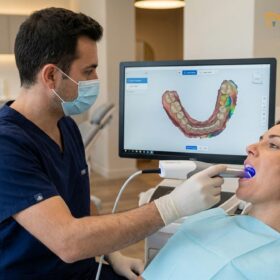
To achieve the highest level of precision, our clinic has fully integrated a digital workflow. We utilize advanced iTero scanner and Medit i700 intraoral scanners to capture highly accurate 3D topographical data of the prepared tooth. This eliminates the need for uncomfortable, gag-inducing silicone impressions and provides our laboratory technicians with flawless digital models. The accuracy of this digital data is crucial for preventing the polymerization shrinkage issues often seen with large direct composite fillings, ensuring a perfect, passive fit of the final ceramic piece [5].
Through our Direct Lab Partnership & CAD/CAM technology, we mill these restorations with micron-level accuracy. This precise CAD/CAM milling guarantees an exact marginal fit, which is the most critical factor in preventing secondary decay and ensuring the longevity of the restoration. We exclusively utilize world-class materials tailored to the specific functional and aesthetic needs of the tooth:
- Ivoclar IPS e.max (Lithium Disilicate): The material of choice for the anterior aesthetic zone and premolars, offering unparalleled translucency and a strong bond strength to enamel.
- Dentsply Sirona Cercon HT Zirconia: Utilized for posterior molars subjected to heavy biting forces, or for patients requiring restoration of their vertical dimension of occlusion (VDO) due to severe bruxism.
Understanding that advanced dental care should be accessible, we maintain a transparent and highly competitive pricing structure. For international patients traveling to Ho Chi Minh City, we offer significant savings through our digital pre-booking system:
- Inlay / Onlay (Lab-made ceramic): Walk-in: ~$385 (10.0M VND) | WhatsApp pre-booking discount: From $231 (6.0M VND) (-40%).
- Overlay / Partial Crown: Walk-in: ~$446 (11.6M VND) | WhatsApp pre-booking discount: From $269 (7.0M VND) (-40%).
Every restoration placed at our clinic comes with complete peace of mind, backed by a global warranty and dedicated remote WhatsApp checkup support, ensuring our international patients receive continuous care long after they return home.
Clinical Case Profile: Silver Filling Replacement
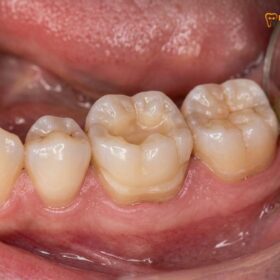
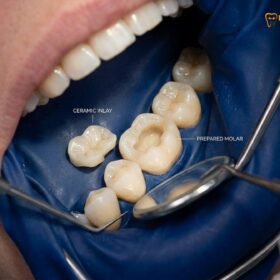
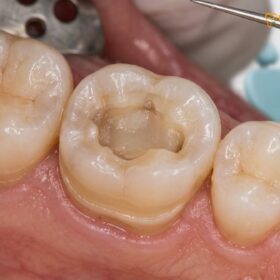
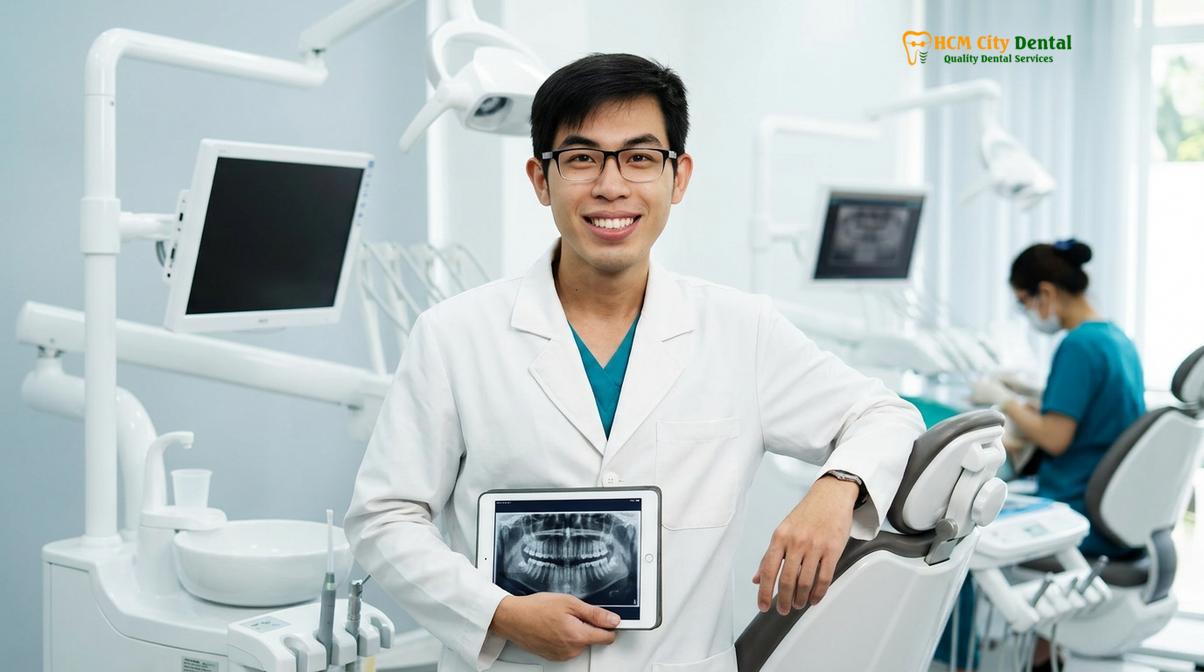
A patient visited HCMC Dental Clinic in Ho Chi Minh City presenting with a failing, decades-old amalgam filling on a lower first molar. The metal had caused micro-fractures in the surrounding enamel and localized gingival irritation. Dr. Nguyen Van Cuong carefully removed the metal and decay, preserving the healthy buccal and lingual walls. Using the Medit i700, a digital impression was taken, and a custom IPS e.max onlay was milled. The biocompatible ceramic restoration seamlessly restored the tooth’s structural integrity, eliminated the patient’s thermal sensitivity, and provided a flawless aesthetic result.
When to See a Doctor (Important Clinical Considerations)
While metal-free onlays offer exceptional benefits, they are not a universal solution for every dental issue. It is crucial to undergo a comprehensive clinical examination to determine the appropriate treatment modality. You should schedule a consultation with a qualified dental professional if you experience any of the following symptoms:
- Sharp pain when biting down or releasing pressure (a classic sign of cracked tooth syndrome often associated with old, expansive metal fillings).
- Visible dark shadows or gray discoloration under existing fillings, which may indicate secondary decay or metal corrosion.
- Chronic sensitivity to hot or cold that lingers for more than a few seconds after the stimulus is removed.
- Rough or catching margins around an old filling that snag dental floss.
“Early intervention is the key to conservative dentistry. Replacing a failing filling with a precise ceramic onlay before the tooth fractures can often save the patient from requiring a root canal or a full coverage crown in the future.”
During your consultation, the clinician will evaluate your bite alignment, the amount of remaining healthy enamel, and your overall periodontal health. If the tooth structure is too severely compromised, a full crown may be recommended instead of a partial crown or onlay. All treatment plans must be individualized based on thorough clinical diagnostics and radiographic imaging.
Frequently Asked Questions
Are ceramic onlays completely metal-free?
Yes, modern ceramic onlays are fabricated entirely without metal components. They utilize advanced materials like lithium disilicate or zirconia, which provide exceptional structural integrity and aesthetics without relying on any underlying metal substructures, making them a truly biocompatible choice.
What are the health benefits of metal-free restorations?
Metal-free restorations eliminate the risk of heavy metal exposure and galvanic corrosion in the oral cavity. By utilizing inert ceramics, these restorations reduce systemic inflammatory burdens, prevent allergic reactions, and support a holistic approach to long-term systemic and oral health.
Do metal-free onlays cause gum irritation?
No, high-quality glazed ceramic onlays are highly biocompatible and typically do not cause gum irritation. Unlike base metals that can trigger localized erythema or allergic responses, inert ceramics promote a healthy gingival response and resist plaque biofilm accumulation along the margins.
Are they as strong as metal onlays?
Yes, advanced dental ceramics used in modern onlays offer exceptional flexural strength that rivals traditional metals. Materials like monolithic zirconia can withstand heavy posterior biting forces, while lithium disilicate provides a perfect balance of durability and natural flexibility for long-lasting function.
How long do metal-free ceramic onlays last?
With proper clinical execution and excellent patient oral hygiene, metal-free ceramic onlays can last over a decade. Their longevity depends on precise margin sealing, a strict enamel bonding protocol, and routine professional maintenance to prevent secondary decay around the restoration.
References
- Journal of Esthetic and Restorative Dentistry. Biocompatibility and clinical performance of dental ceramics. (2021).
- International Journal of Prosthodontics. Galvanic corrosion in oral environments: A comprehensive review. (2020).
- Journal of Prosthodontic Research. Optical properties and translucency of lithium disilicate restorations. (2022).
- Journal of Clinical Periodontology. Gingival response to various restorative materials. (2019).
- Journal of Dentistry. Accuracy of CAD/CAM milling and intraoral scanning in conservative restorations. (2023).