In the rapidly evolving field of biomimetic restorative dentistry, the traditional approach to preparing teeth for indirect restorations—such as crowns, inlays, and onlays—has undergone a radical, evidence-based transformation. For decades, the standard protocol involved preparing the tooth, taking an impression of the freshly exposed dentin, placing a temporary restoration, and delaying the application of the dental adhesive until the final cementation appointment. This outdated technique, known as Delayed Dentin Sealing (DDS), is now recognized as a primary cause of post-operative sensitivity, bacterial microleakage, and premature restoration failure. Today, the global gold standard for maximizing the longevity of indirect restorations is immediate dentin sealing ids biomimetic veneers onlays. By applying a high-performance dentin bonding agent and a low-viscosity flowable resin coating to freshly cut dentin immediately after tooth preparation, biomimetic specialists can increase microtensile dentin bond strength by up to 400%, effectively mimicking the natural Dentinoenamel Junction (DEJ) and ensuring zero post-operative sensitivity.
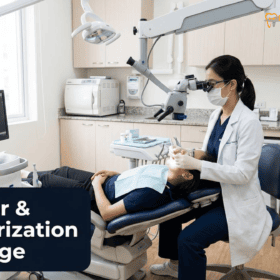
At HCMC Dental Clinic in District 1, Ho Chi Minh City, our clinical protocols are strictly governed by the latest advancements in adhesive dentistry. Under the expert guidance of Dr. Nguyen Van Cuong, DDS (Clinical Director — MOH License 0003265/BL-CCHN), our facility integrates the Pascal Magne IDS protocol, 25x Carl Zeiss Extaro 300 operating microscopes, and 100% latex-free nitrile rubber dam isolation to deliver world-class biomimetic restorations. Whether you are an expatriate residing in Thao Dien or a dental traveler seeking uncompromising clinical excellence in Vietnam, understanding the profound histological and mechanical benefits of Immediate Dentin Sealing (IDS) and resin coating is essential for making informed decisions about your long-term oral health.
Clinical Summary:
Immediate Dentin Sealing (IDS) combined with a low-viscosity flowable resin coating is a foundational biomimetic protocol that involves sealing freshly exposed dentin immediately after tooth preparation, prior to impression taking. This technique protects the dental pulp from bacterial microleakage during the provisional phase, eliminates hydrodynamic fluid shifts that cause post-operative sensitivity, and allows the hybrid layer to mature in a stress-free environment. By decoupling the dentin bond from the polymerization shrinkage stress of the final restoration, IDS increases microtensile bond strength from a fragile 10–15 MPa to a robust 45–55 MPa. At HCMC Dental Clinic, Dr. Nguyen Van Cuong, DDS, utilizes gold-standard filled adhesives and 25x Carl Zeiss microscopic precision to execute this protocol, ensuring that ultra-conservative, non-retentive IPS E.max onlays and porcelain veneers achieve lifelong structural integrity.
Key Takeaways:
- 400% Increase in Bond Strength: IDS allows the dentin hybrid layer to mature without stress, elevating microtensile bond strength to 45–55 MPa, which closely replicates the natural Dentinoenamel Junction (DEJ).
- Zero Post-Operative Sensitivity: Sealing freshly cut dentinal tubules immediately prevents pulpal fluid transudation and blocks bacterial infiltration during the temporary restoration phase.
- The Pascal Magne Protocol: Utilizing gold-standard filled dentin bonding agents (like Optibond FL or Clearfil SE Protect) followed by a 0.5mm low-viscosity flowable resin coating creates a resilient “Biobase.”
- Microscopic Precision: All IDS procedures at HCMC Dental Clinic are performed under 100% latex-free nitrile rubber dam isolation using 25x Carl Zeiss Extaro 300 operating microscopes.
- Enamel Preservation: The immense bond strength achieved through IDS allows for ultra-conservative, non-retentive preparation designs, preserving maximum healthy tooth structure for IPS E.max onlays and veneers.
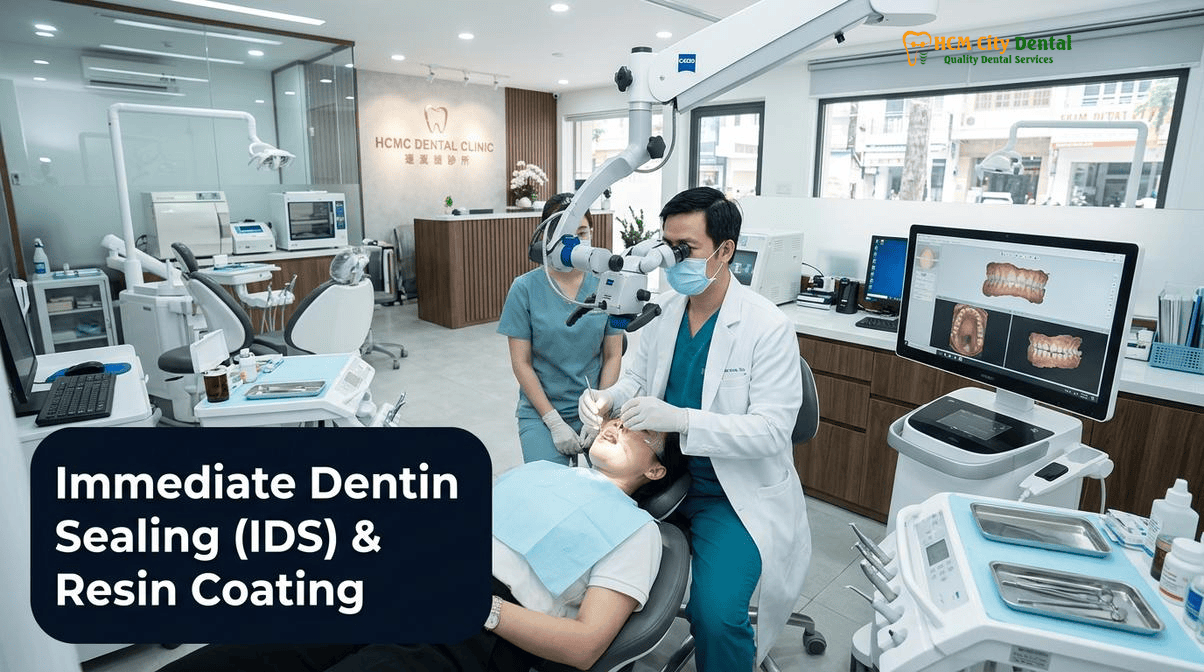
What Is Immediate Dentin Sealing (IDS) and Why Does Delayed Dentin Bonding Lose Over 50% of Bond Strength?
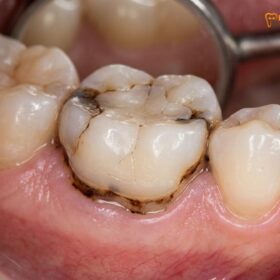
To fully grasp the revolutionary impact of immediate dentin sealing ids biomimetic dentistry, one must first understand the fundamental flaws of the traditional Delayed Dentin Sealing (DDS) approach. When a tooth is prepared for a porcelain veneer, inlay, or onlay, the protective enamel is often removed, exposing the underlying dentin. Dentin is a highly complex, hydrated, and vital tissue composed of millions of microscopic dentinal tubules that radiate outward from the dental pulp. These tubules contain odontoblastic processes and pulpal fluid. When dentin is freshly cut, these tubules are severed and left wide open, making the tooth highly vulnerable to external stimuli.
In the traditional DDS protocol, the dentist takes an impression of this freshly cut, unprotected dentin and places a temporary (provisional) restoration using a temporary cement. The patient is then sent home for several days or weeks while the dental laboratory fabricates the final ceramic restoration. During this provisional phase, the exposed dentin is subjected to a barrage of insults. Temporary cements are notoriously poor at sealing the tooth, allowing oral bacteria, saliva, and bacterial toxins to infiltrate the dentinal tubules—a phenomenon known as bacterial microleakage. Furthermore, the temporary cement itself chemically contaminates the dentin surface, leaving behind residues that are nearly impossible to completely remove. When the patient returns for the final cementation, the dentist attempts to bond the permanent restoration to this contaminated, irritated, and compromised dentin. Clinical studies have conclusively shown that dentin contamination from provisional cements and salivary proteins can reduce the potential microtensile dentin bond strength by more than 50%, often resulting in a weak bond of only 10 to 15 Megapascals (MPa)[1].
Immediate Dentin Sealing (IDS) completely reverses this paradigm. Pioneered and popularized by Dr. Pascal Magne, the IDS protocol dictates that a high-quality dentin bonding agent must be applied to the freshly cut dentin immediately after tooth preparation and before the impression is taken. Freshly cut dentin is the absolute ideal substrate for adhesion because it is clean, uncontaminated, and possesses open collagen networks ready for resin infiltration. By applying the adhesive immediately, the dentist creates a pristine, impenetrable hybrid layer that seals the dentinal tubules instantly. This immediate seal protects the pulp from bacterial invasion during the provisional phase and allows the dentin bond to develop and mature over time in a completely stress-free environment. Because the adhesive is polymerized before the final restoration is seated, the delicate collagen fibers within the hybrid layer do not collapse under the hydraulic pressure of the luting cement, ensuring maximum bond strength and structural integrity.
The Histological Science of the Hybrid Layer: Sealing Freshly Cut Dentinal Tubules Under Nitrile Rubber Dam Isolation
The success of immediate dentin sealing ids biomimetic veneers onlays is deeply rooted in the histological science of the hybrid layer. The hybrid layer, a term coined by Dr. Nobuo Nakabayashi in 1982, is the micromechanical and chemical interdiffusion zone created when hydrophilic resin monomers infiltrate the demineralized collagen network of dentin. When properly executed, this resin-infiltrated dentin layer acts as an artificial Dentinoenamel Junction (DEJ), providing a flexible, stress-absorbing interface between the rigid ceramic restoration and the vital tooth structure.
Creating a flawless hybrid layer requires meticulous attention to detail and absolute moisture control. Dentin is inherently hydrophilic (water-loving), while most dental resins are hydrophobic (water-repelling). To bridge this gap, modern dentin bonding agents utilize specialized primer molecules, such as the 10-Methacryloyloxydecyl dihydrogen phosphate (10-MDP) monomer, which chemically bonds to the calcium in hydroxyapatite while simultaneously copolymerizing with the adhesive resin. However, this delicate chemical reaction is highly sensitive to contamination from saliva, blood, and crevicular fluid. Even a microscopic droplet of moisture can disrupt the polymerization process, leading to nanoleakage, bond degradation, and eventual restoration failure.
“In biomimetic dentistry, the hybrid layer is our holy grail. It is the structural foundation upon which the entire restoration rests. Attempting to create a pristine hybrid layer without absolute isolation is an exercise in futility. At HCMC Dental Clinic, we consider the 100% latex-free nitrile rubber dam to be a non-negotiable standard of care. Combined with the 25x magnification of our Carl Zeiss Extaro 300 microscopes, we can visualize and seal the dentinal tubules at a microscopic level, ensuring that our Immediate Dentin Sealing protocols achieve the highest possible bond strengths.”
— Dr. Nguyen Van Cuong, DDS (Clinical Director, HCMC Dental Clinic)
At HCMC Dental Clinic, the creation of the hybrid layer is elevated to a microsurgical art form. Dr. Nguyen Van Cuong, DDS, utilizes 100% latex-free nitrile rubber dam isolation for every biomimetic procedure. The rubber dam completely isolates the operative field from the oral cavity, ensuring a surgically clean, dry environment. Under the intense illumination and 25x magnification of the Carl Zeiss operating microscope, Dr. Cuong can precisely identify the hierarchy of bondability—distinguishing between superficial dentin, inner carious (affected) dentin, and outer carious (infected) dentin. By utilizing caries detector dyes and adhering strictly to Caries Removal Endpoints (CRE), only the irreparably damaged infected dentin is removed, while the remineralizable affected dentin is preserved and sealed. This microscopic approach ensures that the freshly cut dentinal tubules are perfectly conditioned and primed, allowing the adhesive resin to penetrate deeply and form a robust, impermeable hybrid layer[2].
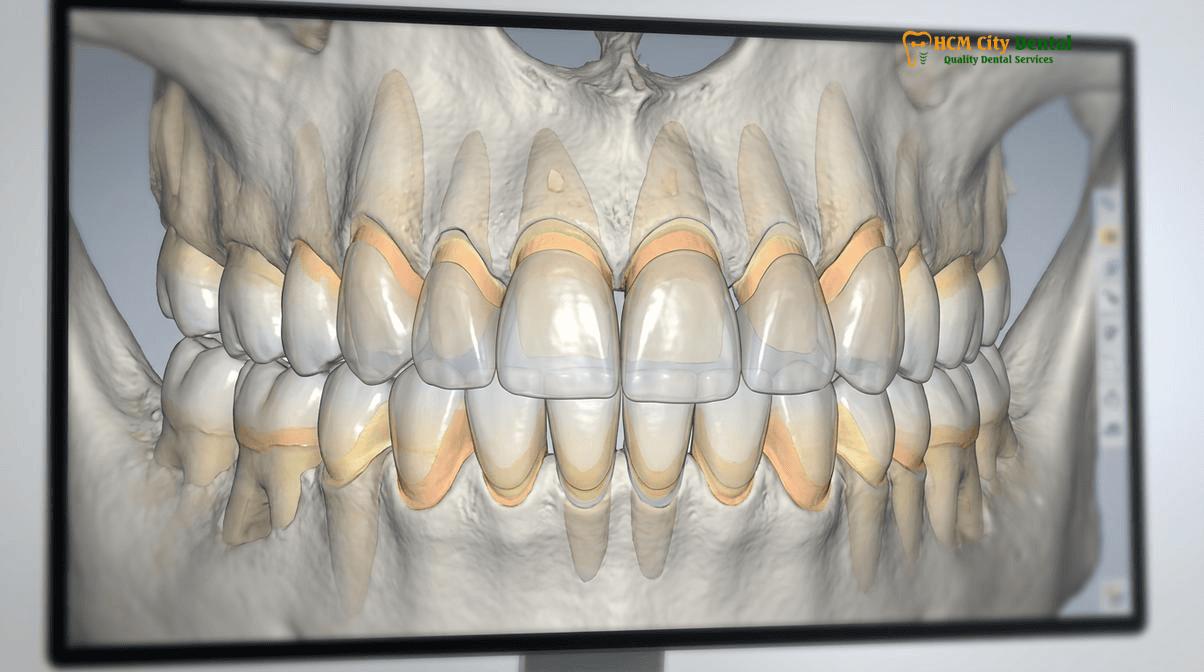
Eliminating Post-Operative Sensitivity and Bacterial Microleakage During the Provisional Restoration Phase
One of the most common and frustrating complications associated with traditional indirect restorations is post-operative sensitivity. Patients frequently complain of sharp, shooting pain when consuming cold or hot beverages, or when biting down, following the placement of a crown or onlay. This sensitivity is primarily caused by hydrodynamic fluid shifts within the unsealed dentinal tubules. According to Brännström’s hydrodynamic theory, when dentinal tubules are left open and exposed to thermal changes or osmotic pressure, the pulpal fluid within the tubules expands or contracts rapidly. This rapid fluid movement stimulates the mechanoreceptors (A-delta nerve fibers) at the pulp-dentin complex, translating into a sharp sensation of pain.
During the traditional Delayed Dentin Sealing (DDS) protocol, the dentinal tubules remain unsealed beneath the temporary restoration. Because temporary cements are porous and prone to washout, oral fluids and bacteria easily seep into the microscopic gap between the temporary crown and the tooth. This bacterial microleakage not only causes pulpal inflammation (reversible or irreversible pulpitis) but also perpetuates the hydrodynamic fluid shifts, leading to severe sensitivity. Furthermore, the outward flow of pulpal fluid (transudation) constantly wets the dentin surface, making it incredibly difficult to achieve a strong, dry bond during the final cementation appointment.
Clinical Case Study: Expatriate Patient in District 1, Ho Chi Minh City
Patient Profile: A 42-year-old Australian expatriate presented to HCMC Dental Clinic with a fractured mesio-occlusal-distal (MOD) amalgam filling on tooth #46 (lower right first molar). The patient reported a history of severe cold sensitivity following previous dental work at other clinics and expressed anxiety about experiencing similar pain.
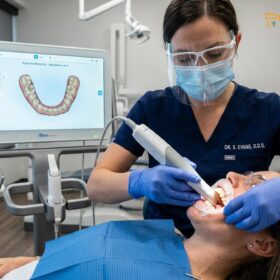
Clinical Intervention: Dr. Nguyen Van Cuong, DDS, removed the failing amalgam under 25x Carl Zeiss microscopic magnification and nitrile rubber dam isolation. The preparation revealed deep dentin exposure near the pulp horns. Dr. Cuong immediately implemented the Pascal Magne IDS protocol, applying a gold-standard self-etch adhesive (Clearfil SE Protect) followed by a 0.5mm layer of low-viscosity flowable resin coating (Clearfil Majesty Flow) to create a stress-reduced biobase. A digital intraoral scan was taken, and a provisional restoration was fabricated using a glycerin separating medium.
Outcome: During the two-week provisional phase, the patient reported absolutely zero cold or biting sensitivity. At the final delivery appointment, the IDS layer was reactivated via airborne-particle abrasion (27-micron aluminum oxide), and a biomimetic IPS E.max onlay was adhesively bonded. The patient achieved a flawless, pain-free result, demonstrating the profound protective benefits of Immediate Dentin Sealing.
By implementing immediate dentin sealing ids biomimetic veneers onlays, the risk of post-operative sensitivity is virtually eliminated. The application of the dentin bonding agent and resin coating immediately after preparation hermetically seals the dentinal tubules. This instantaneous seal stops pulpal fluid transudation in its tracks, preventing the hydrodynamic fluid shifts that trigger pain mechanoreceptors. Moreover, the polymerized resin coating acts as an impenetrable barrier against bacterial microleakage, shielding the vital pulp from toxins and inflammatory mediators during the entire provisional phase. In cases where the tooth preparation extends deep toward the pulp, Dr. Cuong may also employ Vital Pulp Therapy techniques, utilizing 2.5% NaOCl for hemostasis followed by the application of bioactive materials like Septodont Biodentine or ProRoot MTA, before completing the IDS protocol. This comprehensive approach ensures that the tooth remains vital, comfortable, and biologically sound[3].
Step-by-Step Clinical Protocol: Gold-Standard Filled Dentin Bonding Agents, Low-Viscosity Flowable Resin Coating & Air-Block Glycerin Cure
The clinical execution of immediate dentin sealing ids biomimetic dentistry requires rigid adherence to a highly specific, step-by-step protocol. Deviating from these steps can compromise the hybrid layer and negate the benefits of the procedure. At HCMC Dental Clinic, Dr. Nguyen Van Cuong, DDS, follows the internationally recognized Alleman-Deliperi rule and the Pascal Magne IDS protocol to construct a resilient “Biobase” that serves as the foundation for all indirect restorations.
Step 1: Isolation and Preparation
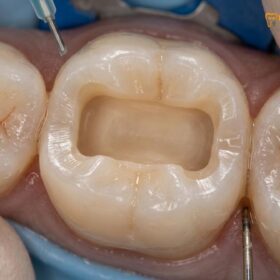
The procedure begins with the placement of a 100% latex-free nitrile rubber dam to achieve absolute moisture control. The tooth is prepared conservatively, focusing on removing only infected dentin and unsupported enamel. If the preparation margins extend subgingivally, a Deep Margin Elevation (DME) or Cervical Margin Relocation procedure is performed, strictly respecting a minimum of 2.0mm supracrestal tissue attachment (biologic width) as verified on bitewing X-rays.
Step 2: Dentin Conditioning and Priming
Depending on the specific clinical scenario, Dr. Cuong utilizes gold-standard dentin bonding systems, such as the three-step etch-and-rinse system (Optibond FL) or the two-step self-etch system (Clearfil SE Protect). If a self-etch system is used, the dentin is primed with an acidic monomer (containing 10-MDP) for 20 seconds. This primer gently dissolves the smear layer and simultaneously infiltrates the collagen network without causing excessive demineralization. The solvent is then carefully evaporated with a gentle stream of warm, oil-free air for 10 seconds.
Step 3: Adhesive Application and Immediate Dentin Sealing
A uniform layer of the filled adhesive resin is applied to the primed dentin. Excess adhesive is meticulously wicked away from the preparation margins using a clean, dry microbrush to prevent pooling, which could interfere with the seating of the final restoration. The adhesive layer is then light-cured for 20 seconds, instantly sealing the dentinal tubules and initiating the formation of the hybrid layer.
Clinical Precaution: The Oxygen-Inhibited Layer (OIL)
When composite resins are light-cured in the presence of ambient air, the oxygen reacts with free radicals, preventing the outermost 10 to 40 microns of the resin from fully polymerizing. This unpolymerized layer is known as the Oxygen-Inhibited Layer (OIL). If left unmanaged during the IDS protocol, the OIL can interact with impression materials (especially polyether) and compromise the accuracy of the final restoration. To neutralize the OIL, biomimetic dentists must apply a layer of water-soluble glycerin gel over the sealed dentin and perform a final light-cure through the glycerin barrier, ensuring 100% monomer conversion.
Step 4: Low-Viscosity Flowable Resin Coating (The Biobase)
Because the adhesive layer of some bonding systems (like Clearfil SE Protect) is extremely thin, it is highly susceptible to the effects of the Oxygen-Inhibited Layer. To reinforce the hybrid layer and increase its thickness, a 0.5mm layer of low-viscosity, highly filled flowable composite (such as Clearfil Majesty Flow) is applied over the IDS layer. This Resin Coating (RC) serves multiple critical functions: it provides additional free radicals to overcome oxygen inhibition, it acts as a stress-absorbing elastic buffer (low modulus of elasticity) between the dentin and the rigid ceramic, and it smooths out internal preparation geometry, eliminating sharp angles that could cause stress concentrations in the final porcelain veneer or onlay[4].
Step 5: Decoupling With Time (DWT) and Air-Block Glycerin Cure
Once the resin coating is applied, it is light-cured. Crucially, the dentin bond is then allowed to mature in a stress-free environment for at least 5 minutes—a concept known as Decoupling With Time (DWT). During this time, the bond strength rapidly increases, reaching up to 90% of its maximum potential without being subjected to the polymerization shrinkage stress of a bulk-fill composite or the immediate loading of a ceramic restoration. Finally, a layer of glycerin gel is applied over the entire Biobase, and a final light-cure is performed to eliminate the Oxygen-Inhibited Layer. The preparation is then cleaned with pumice, and a highly accurate digital intraoral scan or physical impression is taken.
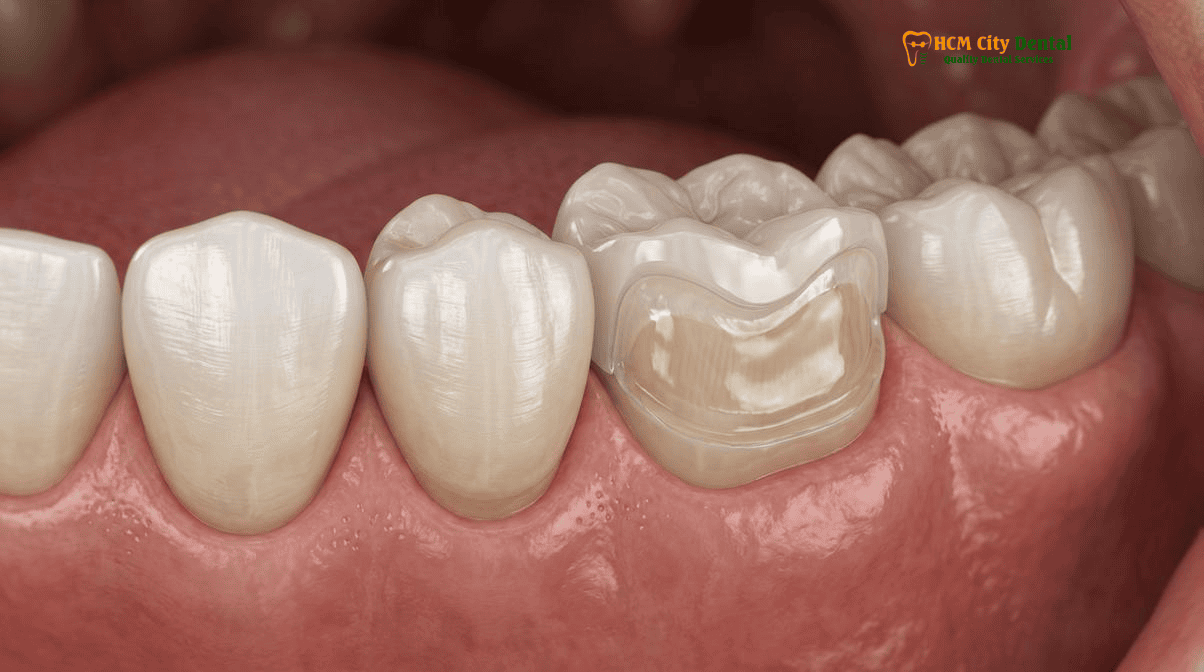
Microtensile Bond Strength Data (MPa): How IDS Allows Ultra-Conservative Non-Retentive IPS E.max Onlays and Veneers
The ultimate objective of immediate dentin sealing ids biomimetic veneers onlays is to maximize adhesion, thereby minimizing the need for destructive mechanical retention. In traditional prosthodontics, crowns and onlays rely heavily on macro-mechanical retention—parallel walls, deep boxes, and retentive grooves—to stay in place. Creating these retentive features requires the aggressive removal of healthy, structural tooth anatomy, significantly weakening the tooth and increasing the risk of catastrophic vertical root fractures.
Biomimetic dentistry, conversely, relies entirely on advanced adhesion. By utilizing the IDS and resin coating protocols, the microtensile dentin bond strength (μTBS) is exponentially increased. In a traditional Delayed Dentin Sealing scenario, the bond strength to contaminated dentin rarely exceeds 10 to 15 MPa. However, when IDS is performed correctly, allowing the hybrid layer to decouple with time, the bond strength to superficial and mid-coronal dentin routinely reaches 45 to 55 MPa. To put this into perspective, the natural tensile strength of the Dentinoenamel Junction (DEJ)—the biological interface that holds enamel and dentin together—is approximately 51 MPa. Therefore, IDS effectively recreates the strength of the natural tooth.
“When we achieve a dentin bond strength of 50 MPa through Immediate Dentin Sealing, the paradigm of tooth preparation completely shifts. We no longer need to drill deep retentive boxes or reduce healthy cusps just to hold a crown in place. We can utilize flat, non-retentive preparation designs that preserve the maximum amount of native enamel and dentin. The restoration is held in place purely by the immense power of the adhesive interface, allowing us to place ultra-thin, hand-layered refractory Feldspathic porcelain or pressed IPS E.max lithium disilicate with absolute confidence.”
— Dr. Nguyen Van Cuong, DDS (Clinical Director, HCMC Dental Clinic)
This profound increase in bond strength allows Dr. Nguyen Van Cuong, DDS, to utilize ultra-conservative, defect-driven preparation designs. Instead of aggressive full-coverage crowns, patients can receive minimally invasive IPS E.max lithium disilicate onlays and overlays (which boast a flexural strength of 450–500 MPa) or highly aesthetic hand-layered refractory Feldspathic porcelain veneers (90–110 MPa). Because the underlying dentin is hermetically sealed and structurally reinforced by the resin-coated Biobase, these ceramic restorations function synergistically with the remaining tooth structure, distributing occlusal forces evenly and preventing the propagation of cracks. At the final cementation appointment, the mature IDS layer is simply reactivated using airborne-particle abrasion with 27-micron aluminum oxide, creating a pristine, micro-retentive surface for the final resin cement to bond to, ensuring a cohesive, monolithic integration of tooth and ceramic[5].
2026 Biomimetic IDS Onlay, Overlay & Veneer Fee Schedule at HCMC Dental Clinic (District 1)
For expatriates living in Vietnam and international dental travelers from Australia, the United States, and Europe, accessing world-class biomimetic dentistry often comes with prohibitive costs in their home countries. At HCMC Dental Clinic, located in the heart of District 1 (just 3–5 minutes from the Pullman Saigon Centre and Ben Thanh Market), we are committed to providing transparent, uncompromising clinical excellence at a fraction of Western prices. By utilizing our Official 2026 Dental Price List & -40% Online Booking Fee Schedule, patients can access elite-level care, including mandatory Immediate Dentin Sealing protocols, without financial ambiguity.
Dr. Nguyen Van Cuong, DDS, oversees all complex restorative cases, ensuring that every patient receives the highest standard of care, fully compliant with international infection control standards. For patients planning their treatment journey, we highly recommend reviewing our Dental Tourism Vietnam: Inlays & Onlays Clinical Guide and our detailed breakdown of the Turnaround Time for Inlays & Onlays in Vietnam: Clinical Guide to optimize your stay in Ho Chi Minh City.
Below is the official 2026 fee schedule for biomimetic restorations and associated specialist treatments at HCMC Dental Clinic. Please note that the -40% Online Booking Pricing is exclusively available to patients who secure their appointments via our official digital channels prior to arrival.
| Biomimetic & Specialist Dental Procedure | 2026 Online Booking Price (-40% USD) | 2026 Online Booking Price (VND) | Standard Walk-In Price (USD) |
|---|---|---|---|
| IPS E.max All-Ceramic Crown / Inlay / Onlay / Overlay (Includes mandatory IDS & Resin Coating) | $231 USD / tooth | 6,000,000 VND | $385 USD |
| IPS E.max Porcelain Veneer (Biomimetic preparation) | $185 USD / tooth | 4,800,000 VND | $308 USD |
| Full Zirconia Crown (Cercon Standard / HT Multilayer) | $154 – $192 USD / tooth | 4,000,000 – 5,000,000 VND | $256 – $321 USD |
| Composite Veneer / Dental Bonding (Heated injection molding) | $35 – $46 USD / tooth | 900,000 – 1,200,000 VND | $58 – $76 USD |
| Microscopic Endodontic Root Canal Therapy (Anterior/Premolar, 25x Carl Zeiss + Nitrile Dam) | $77 – $115 USD / tooth | 2,000,000 – 3,000,000 VND | $128 – $192 USD |
| Microscopic Endodontic Root Canal Therapy (Complex Molar) | $115 – $154 USD / tooth | 3,000,000 – 4,000,000 VND | $192 – $256 USD |
| Biomimetic Quartz/Glass Fiber Post & Core Buildup | $38 – $58 USD / tooth | 1,000,000 – 1,500,000 VND | $63 – $96 USD |
| Single European / Swiss Implant (Straumann BLT-SLA / BLA-Active) | $962 – $1,346 USD | 25,000,000 – 35,000,000 VND | $1,603 – $2,244 USD |
| Swiss EMS AirFlow Stain Removal (Erythritol GBT) | $58 USD | 1,500,000 VND | $96 USD |
For expatriates utilizing international health coverage, our administrative team provides comprehensive documentation to assist with your Expat Insurance Claim for Inlays & Onlays in Vietnam: Clinical Guide. We also offer flexible Dental Financing for Inlays & Onlays: Payment Plans & Costs to ensure that elite biomimetic care remains accessible. To learn more about our clinical director’s credentials and philosophy, please visit the profile of Dr. Nguyen Van Cuong, DDS (Clinical Director — MOH License 0003265/BL-CCHN). For ongoing maintenance of your new restorations, refer to our comprehensive How to Clean Dental Onlays: Clinical Oral Hygiene Guide.
Frequently Asked Questions
Why do teeth prepared with Immediate Dentin Sealing (IDS) have almost zero cold sensitivity after crown or veneer placement?
Immediate Dentin Sealing (IDS) instantly seals freshly cut dentinal tubules with a gold-standard dentin bonding agent and a low-viscosity flowable resin coating before the impression is taken. This prevents pulpal fluid transudation and blocks bacterial microleakage during the provisional phase, effectively eliminating the hydrodynamic fluid shifts that cause post-operative cold sensitivity. By protecting the vital pulp from thermal and chemical irritation from day one, patients experience unparalleled comfort both during the temporary phase and after final cementation.
How does Immediate Dentin Sealing prevent porcelain veneers and ceramic onlays from debonding when bonded to exposed dentin?
By applying the adhesive immediately to freshly cut dentin, IDS allows the hybrid layer to mature in a stress-free environment without the immediate polymerization shrinkage stress of the overlying ceramic. This “decoupling with time” increases the microtensile dentin bond strength from a fragile 10–15 MPa up to a robust 45–55 MPa, mimicking the natural Dentinoenamel Junction (DEJ) and preventing debonding. This immense bond strength allows biomimetic dentists to rely entirely on adhesion rather than destructive mechanical retention.
Why don’t my temporary veneers or onlays stick permanently to the tooth after Immediate Dentin Sealing?
Because the IDS layer is composed of composite resin, temporary materials could potentially bond to it. To prevent this, biomimetic dentists isolate the sealed tooth and apply a separating medium, such as a water-soluble glycerin gel or petroleum jelly, before fabricating and cementing the provisional restoration. This ensures the temporary can be easily removed without damaging the mature hybrid layer, leaving the Biobase perfectly intact for the final delivery appointment.
How is the sealed IDS layer reactivated (airborne-particle abrasion with 27-micron aluminum oxide) at the final cementation appointment?
At the final delivery appointment, the provisional cement is removed, and the IDS layer is meticulously cleaned and reactivated using airborne-particle abrasion (sandblasting) with 27-micron aluminum oxide at low pressure (approx. 30 psi). This removes surface contaminants, salivary proteins, and any remnants of the temporary cement, creating a fresh, micro-retentive, and highly energetic surface for the final resin cement to bond to, ensuring maximum adhesion for the IPS E.max veneer or onlay.
Is Immediate Dentin Sealing standard for all biomimetic onlays and E.max veneers at HCMC Dental Clinic?
Yes, Immediate Dentin Sealing (IDS) and resin coating are mandatory, non-negotiable clinical protocols for all indirect bonded restorations, including IPS E.max onlays, overlays, and porcelain veneers at HCMC Dental Clinic. Dr. Nguyen Van Cuong, DDS, strictly adheres to these advanced biomimetic principles, utilizing 25x Carl Zeiss microscopes and nitrile rubber dam isolation, to ensure maximum tooth preservation, zero sensitivity, and lifelong restorative success for every patient.
References
- Magne P. Immediate dentin sealing: a fundamental procedure for indirect bonded restorations. Journal of Esthetic and Restorative Dentistry. (2005).
- Jayasooriya PR, Pereira PN, Nikaido T, Tagami J. Efficacy of a resin coating on bond strengths of resin cement to dentin. Journal of Esthetic and Restorative Dentistry. (2003).
- Gresnigt MM, Cune MS, de Roos JG, Özcan M. Effect of immediate dentin sealing on the fracture strength of lithium disilicate and multiphase resin composite inlay restorations. Journal of the Mechanical Behavior of Biomedical Materials. (2016).
- Van Meerbeek B, Yoshihara K, Yoshida Y, Mine A, De Munck J, Klingengeberg C. State of the art of self-etch adhesives. Dental Materials. (2011).
- Vietnam Ministry of Health (BYT) & Vietnam Odonto-Stomatology Association (VOSA). National Clinical Guidelines on Specialist Dental Care, Biomaterial Traceability & EN 13060 Class B Infection Control. (2024).
For further reading on advanced clinical protocols and statistical outcomes, please visit the 2026 Clinical Dental Research & Statistical Reports Hub at HCMC Dental Clinic.